shutterstock

Top 14 Orange Liqueurs
in the World

Last updated on July 08, 2026

Best Orange Liqueurs in the World
01

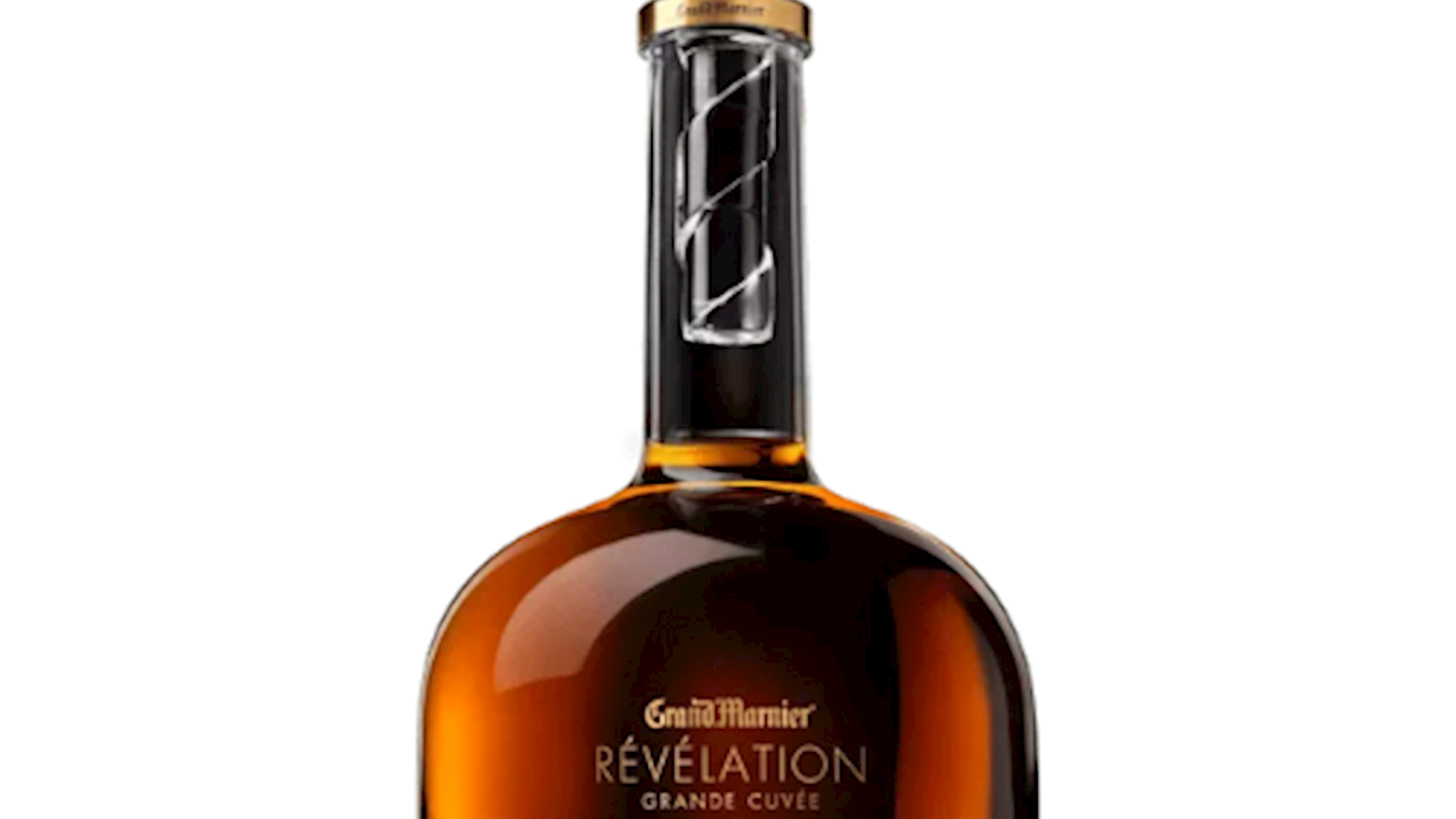
Grand Marnier

5.0 ·

Grand Marnier is a French liqueur brand positioned from the outset at the intersection of luxury, craftsmanship, and enduring family tradition. The brand originated within the Marnier-Lapostolle family, built on a clear vision to combine fine French cognac with the essence of bitter orange - an approach that already in the 19th century set Grand Marnier apart from the then-common liqueurs based on neutral alcohol.

Over the decades, the brand has developed a strong identity grounded in recipe consistency, strict control of raw materials, and a pronounced connection to French heritage. Grand Marnier is positioned as a premium, heritage brand, present both in classic bar culture and in high gastronomy and pâtisserie.

Its visual identity-marked by the distinctive bottle, red ribbon, and seal-further emphasizes continuity and authority. Today, Grand Marnier is part of the wider luxury portfolio of the Campari Group, while retaining autonomy in production and brand communication.

Rather than following trends, the brand relies on history, reputation, and a precisely defined style that makes it one of the most recognizable French liqueur brands on the global market.

Awards
IWSC- International wine & spirit competition - Spirit Gold (2024)
IWSC- International wine & spirit competition - Spirit Gold Outstanding (2024, 2023)
02

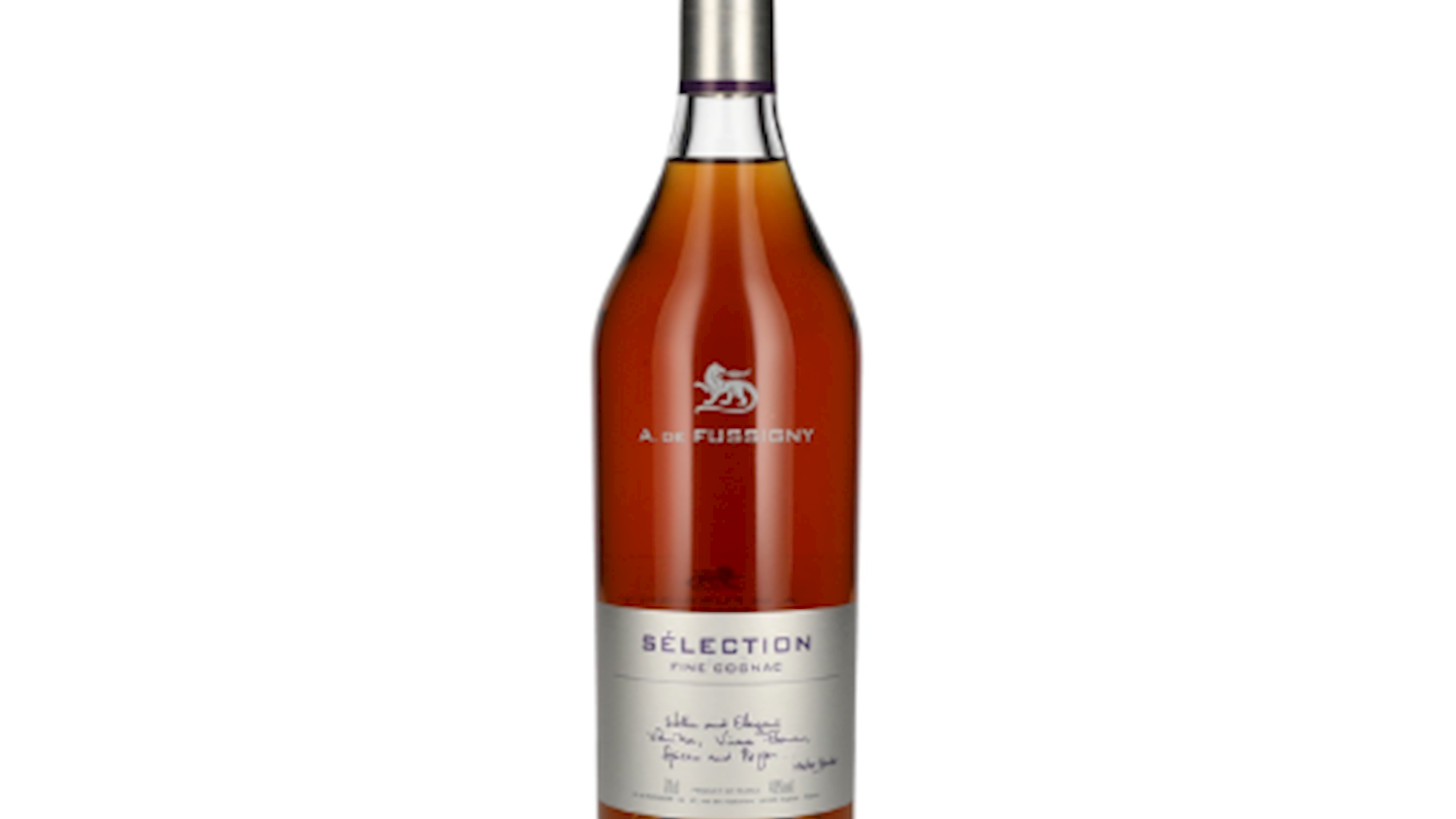
A de Fussigny

5.0 ·

A de Fussigny is a historic Cognac house founded in 1814 and located in the town of Cognac, along the banks of the Charente River. Its cellars benefit from the river’s natural humidity, which supports slow, even aging and contributes to a smooth, rounded style.

The house works primarily with Fine Champagne blends, combining eaux-de-vie from Grande and Petite Champagne to achieve balance and aromatic depth. Production focuses on careful selection and maturation of eaux-de-vie in French oak, preserving fruit character while allowing complexity to develop gradually.

The style of A de Fussigny Cognacs is generally elegant and approachable, marked by floral notes, ripe fruit, gentle spice, and well-integrated oak. Alongside traditional craftsmanship, the brand is also recognized for its modern presentation and contemporary positioning within the Cognac category.

Awards
SFWSC - San Francisco World Spirits Competition - Double Gold (2024)
ISC-International Spirits Challenge - Double Gold (2023)
03

Cointreau

4.8 ·

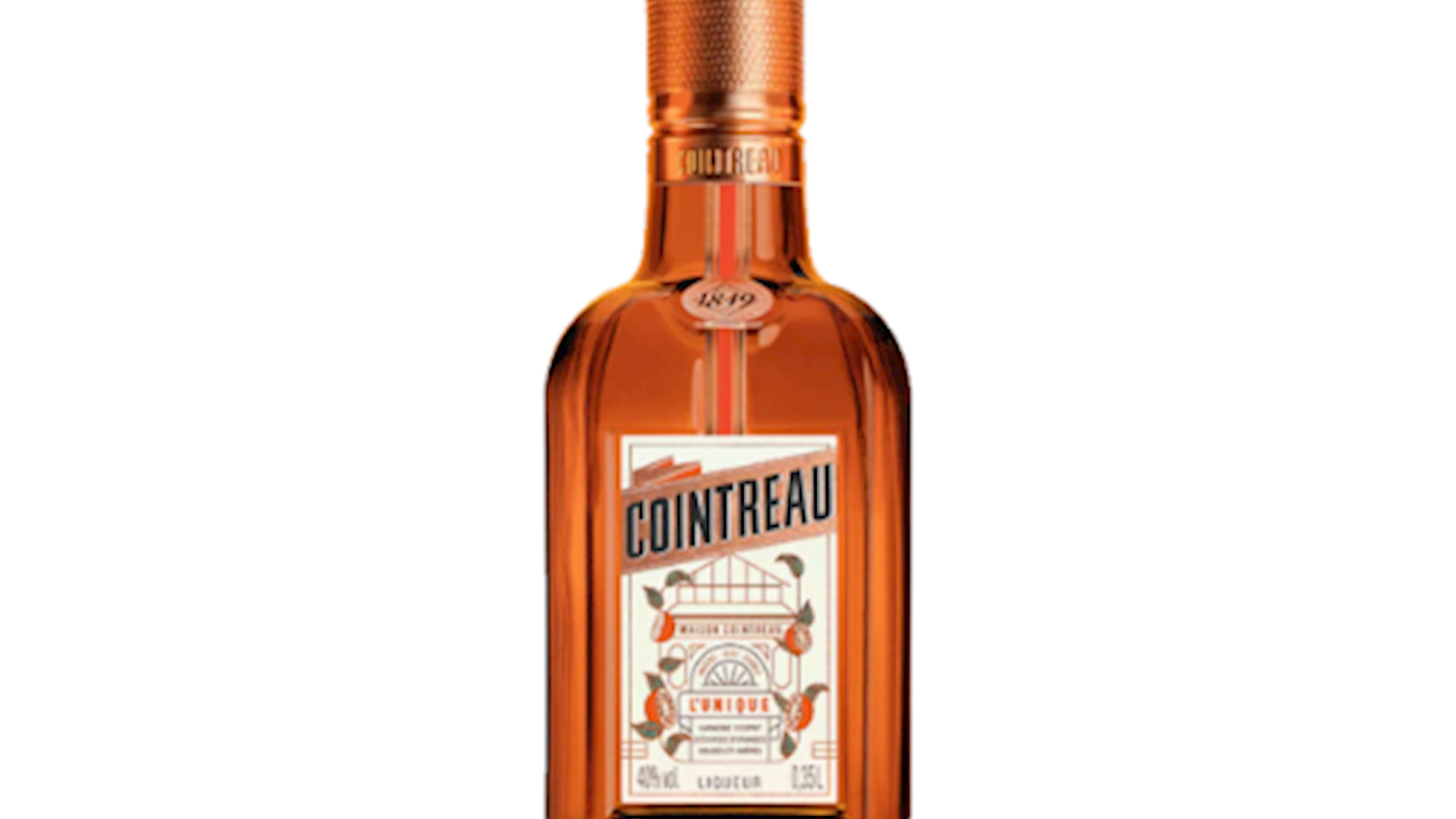
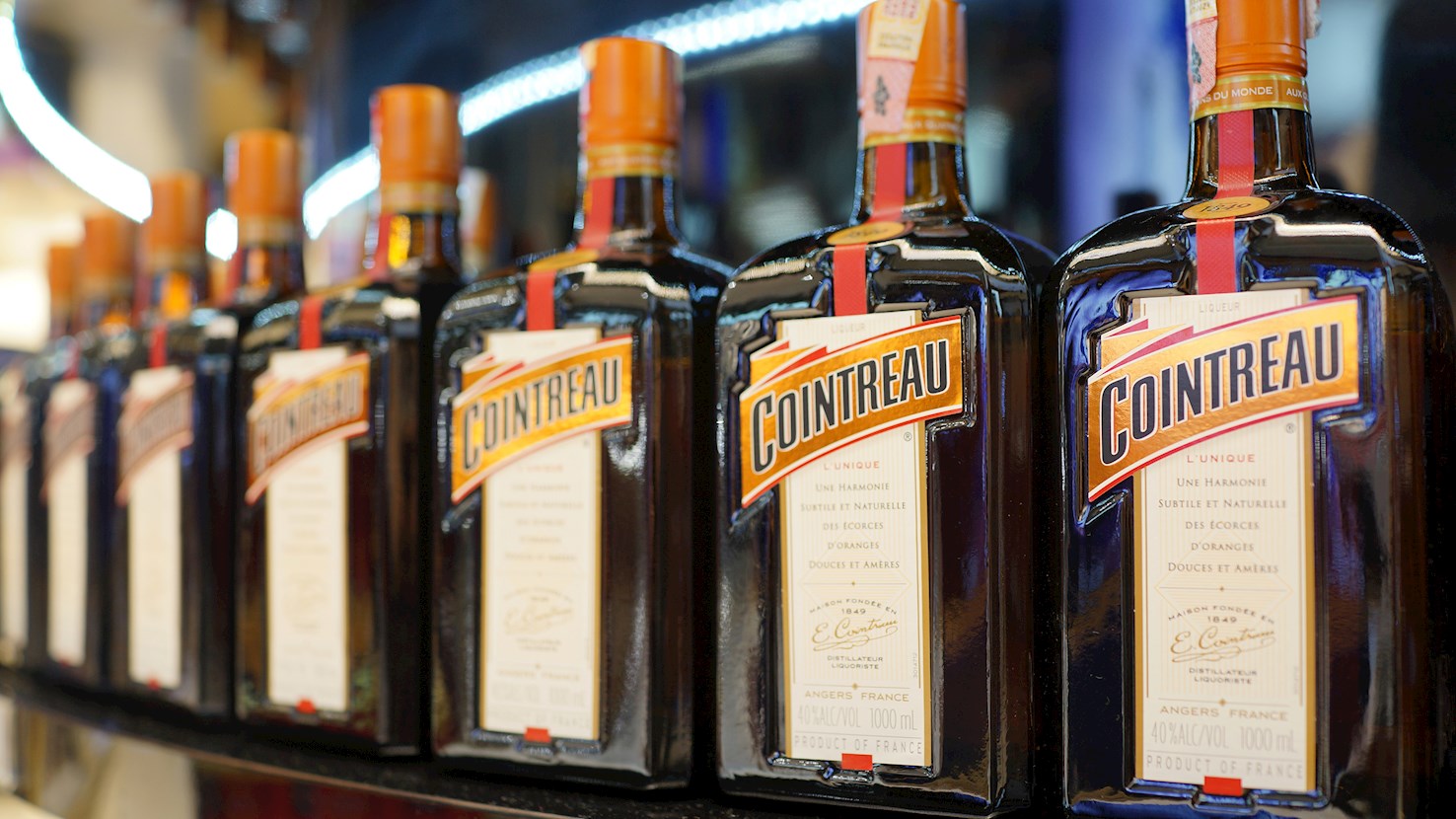
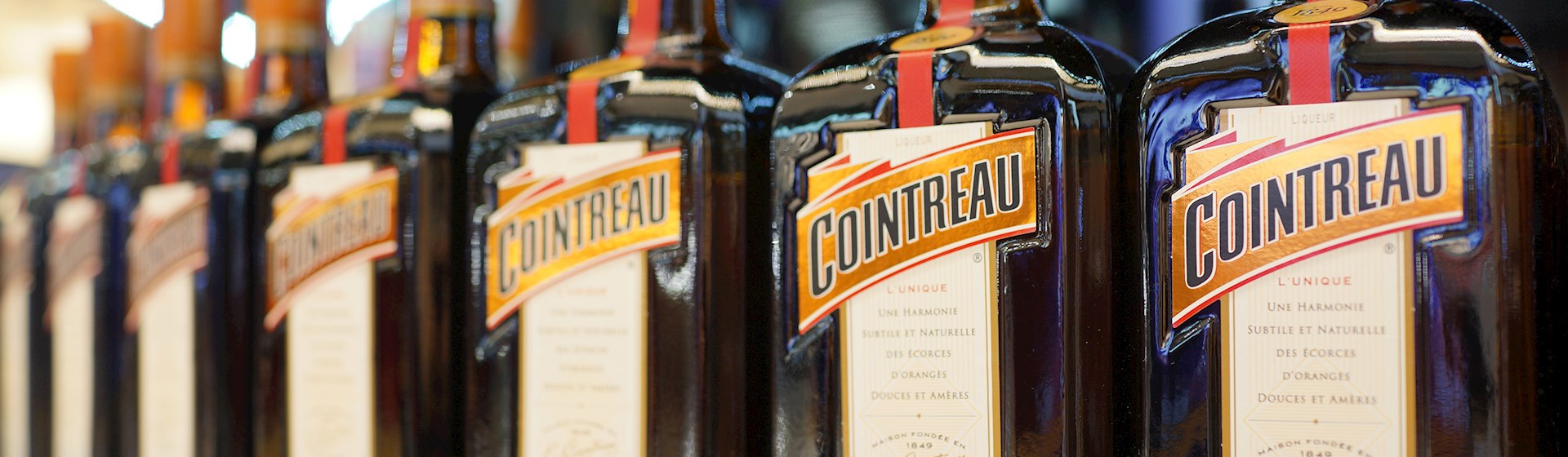
Cointreau is one of the most recognized names in the liqueur category, defined by its clear orange spirit known as triple sec. Founded in 1849 in Angers by Adolphe and Édouard-Jean Cointreau, the brand evolved from a family background in confectionery into a producer of fruit-based liqueurs, eventually refining a signature recipe that combines sweet and bitter orange peels with neutral alcohol.

The result is a colorless liqueur with around 40% ABV, characterized by a precise balance of freshness, citrus intensity, and clean structure. Production relies on the careful selection and drying of orange peels followed by distillation in copper stills, using a method that has remained largely consistent over time.

Cointreau has become a reference ingredient in cocktail culture, forming a core component in a wide range of classic recipes such as the Margarita and the Cosmopolitan, where it contributes both aromatic lift and structural balance. Its role is not limited to flavoring but extends to shaping the overall profile of mixed drinks through its clarity and intensity.

As part of the Rémy Cointreau group, the brand maintains a strong identity built on consistency and technical precision. International recognition through numerous awards reinforces its long-standing position in the premium segment.

Overall, Cointreau represents a focused approach to liqueur production, where a single formulation defines both heritage and global relevance.

Awards
USC- Ultimate Spirits Challenge - Chairman's Trophy (2022)
USC- Ultimate Spirits Challenge - Top 100 (2022)
04

Romeo Vini

4.7 ·
Awards
IWSC- International wine & spirit competition - Spirit Gold Outstanding (2019)

Best Orange Liqueur Types in the World
01

Grand Marnier

3.8 ·

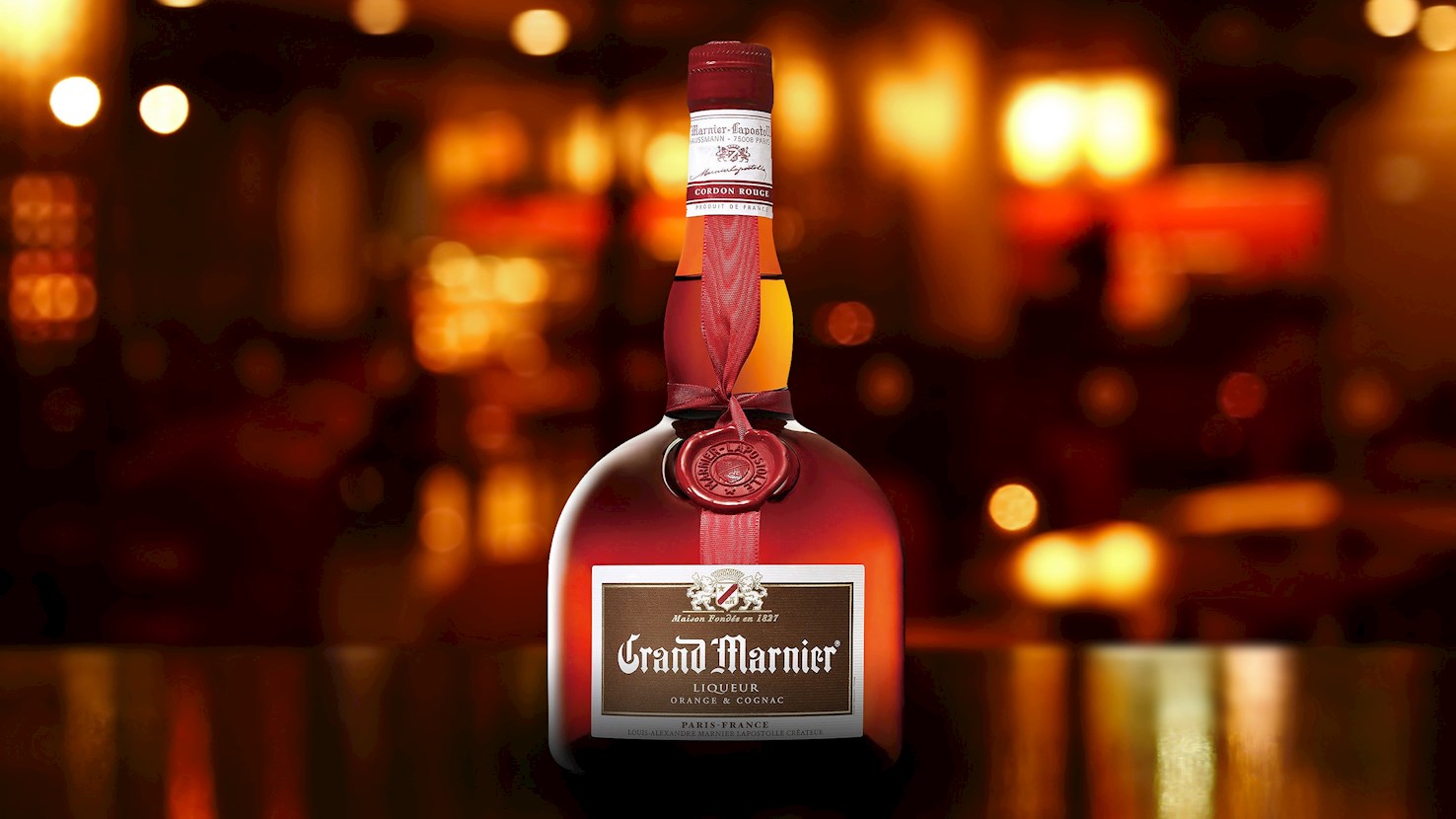
Created in 1880 by Louis Alexandre Marnier Lapostolle, Grand Marnier Cordon Rouge (lit. red ribbon) is a sophisticated blend of cognacs infused with the distilled essence of bitter oranges. In addition to Lapostolle's secret touch, the liqueur gets its incomparable roundness by slow aging in French oak casks. It can be enjoyed neat, used in mixed drinks, or even added to desserts. In France, Grand Marnier is one of the essential ingredients of the famous crêpes Suzette. Apart from the original Grand Marnier, there's also the Cordon Jaune version (lit. yellow ribbon) which is made with a base of neutral grain spirits.

Best producers
02

Cointreau

3.8 ·

This classic triple sec was created by the Cointreau brothers, who managed to distill sweet and bitter orange peels to create a slightly sweet, fresh liqueur with incredibly concentrated flavor. The brand was first registered as triple sec in 1885, and since then it has remained one of the best-selling, premium options. Cointreau is mainly used as the essential ingredient in various cocktails such as the classics Sidecar, Margarita, or Cosmopolitan.

03

Aperol

3.7 ·

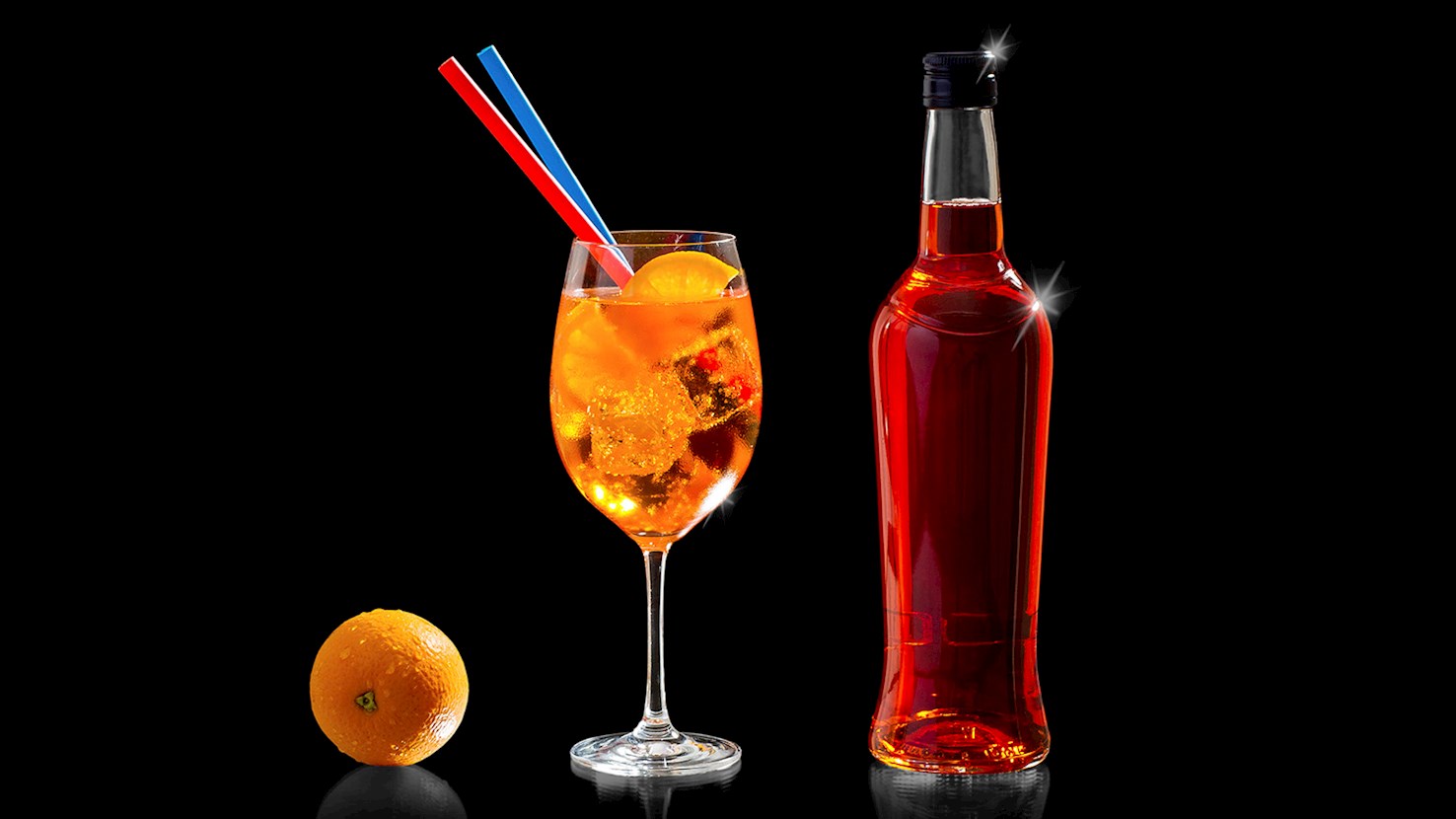
Hailing from Padua, this Italian liqueur was invented in 1919 by the Barbieri brothers. It has been produced following the original secret infusion that combines bitter and sweet oranges, rhubarb, herbs, and alcohol. It is characterized by its combination of bitter, fruity, and floral flavors and a low alcohol content of only 11% ABV. Aperol was initially invented as an apéritif, preferably served over ice, but it also pairs incredibly well with citrus or fruit juices, and soda. The most popular combination is undoubtedly Aperol Spritz—the fashionable, light apéritif that combines Aperol, Prosecco, and a splash of soda water.

04

Triple Sec

3.5 ·

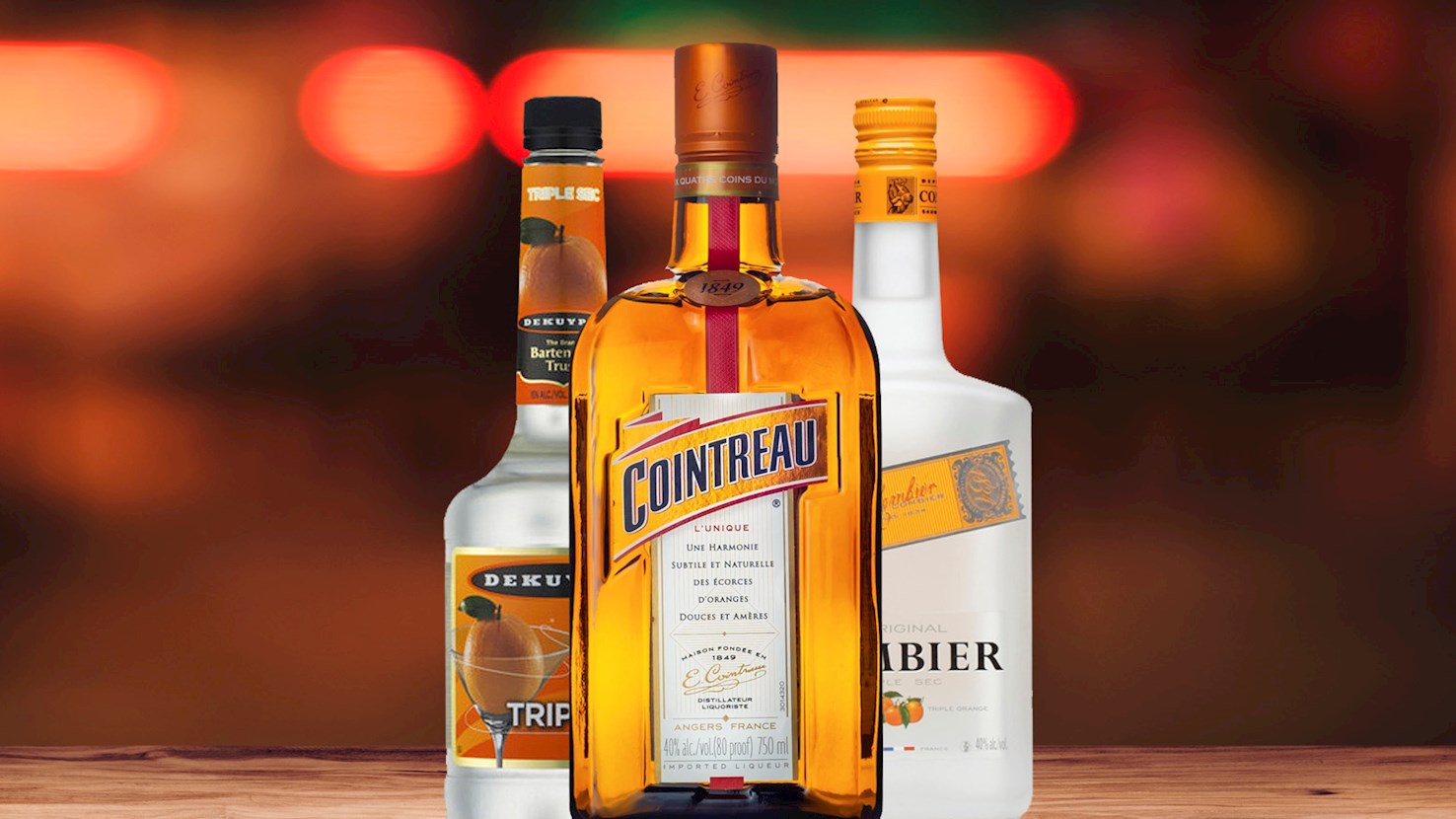
Triple sec is a French term for clear, orange-flavored liqueurs. They are traditionally distilled from a macerate of dried orange peels and a neutral spirit. The origin of triple sec is undoubtedly French, though it is disputed who was the first to use and market the term, as well as the true meaning of the name triple sec, which translates as triple dry. Combier distillery from Saumur claims that their triple sec is the earliest version, first made in 1834, though some name Cointreau as the original producer. Regardless, the two companies are still the biggest competitors and the most important triple sec brands. High-quality triple sec liqueurs will have a potent orange flavor as well as aromas of bitter oranges and orange blossom. They range from 20 to 40% ABV, though better quality versions tend to have higher alcohol content, which usually goes from 38 to 42%. Although they can be enjoyed neat or on the rocks, triple sec liqueurs are most commonly used in cocktails.

05

Picon

3.2 ·

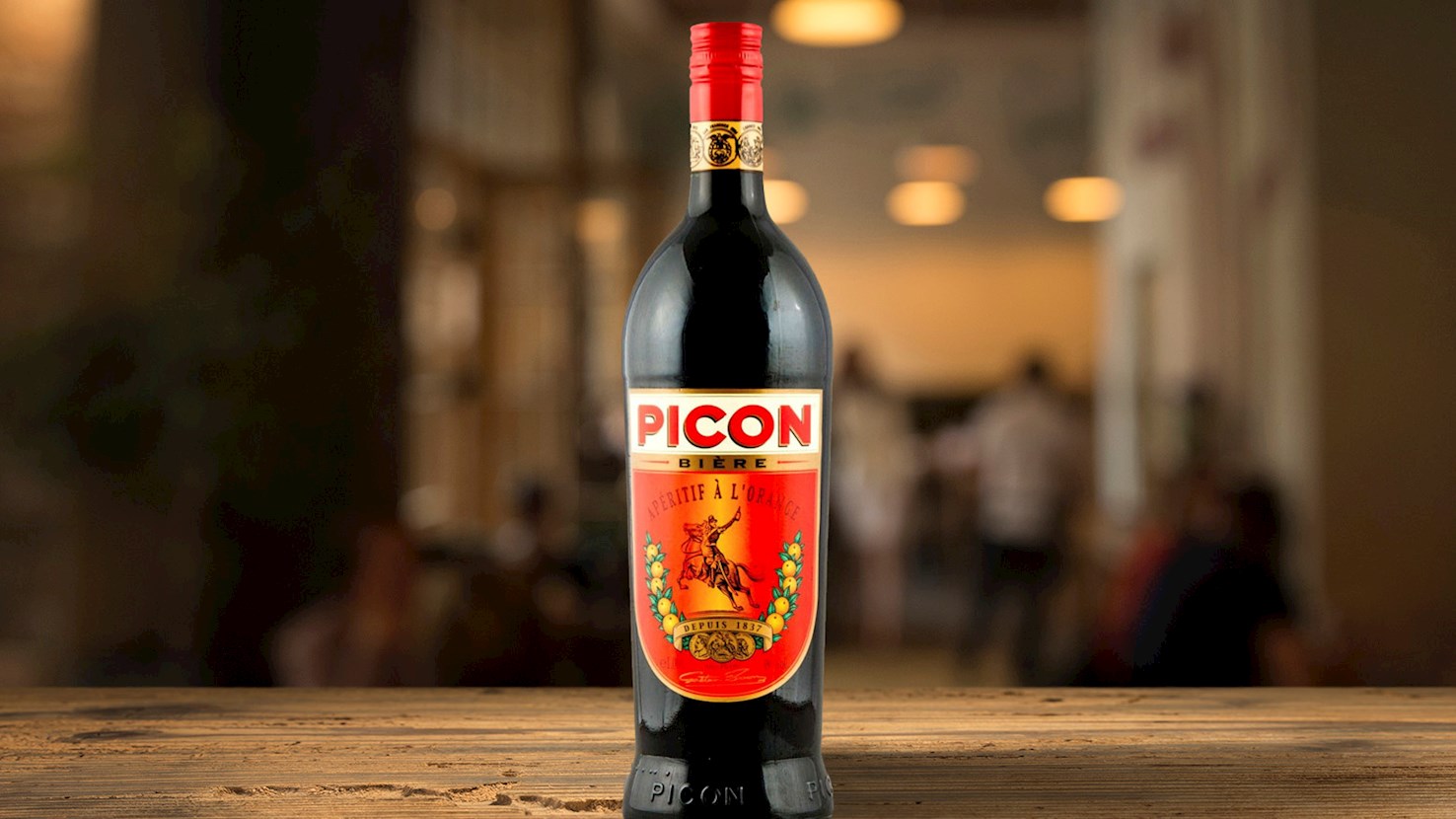
Picon is a bittersweet orange-flavored French liqueur, officially classified as a bitter, which is commonly paired with beer. It was created in 1932 by Gaétan Picon, who was an apprentice at a distillery before he was stationed in Algeria. Like many other French soldiers, he was exposed to malaria, and soon after he invented Picon—a combination of neutral alcohol, caramel, and various herbs and spices such as orange zest, gentian root, and cinchona bark (known to yield quinine which was an effective treatment against malaria). The drink was first produced in Algeria, but after he improved his formula and won a bronze medal at the London World's Fair in 1862, Picon relocated his factory to Marseille, where the drink is still produced. Picon is often mixed with white wine, while the combination of beer and Picon is a favorite in the French-speaking part of Belgium. Since 1995, Picon is produced as the original Picon bière—meant to be combined with beer—and as Picon club—intended to be mixed with white wine. Picon is mostly enjoyed in northern and eastern France, and apart from classic combinations, it is also commonly used as a cocktail ingredient.

06

Blue Curaçao

3.2 ·

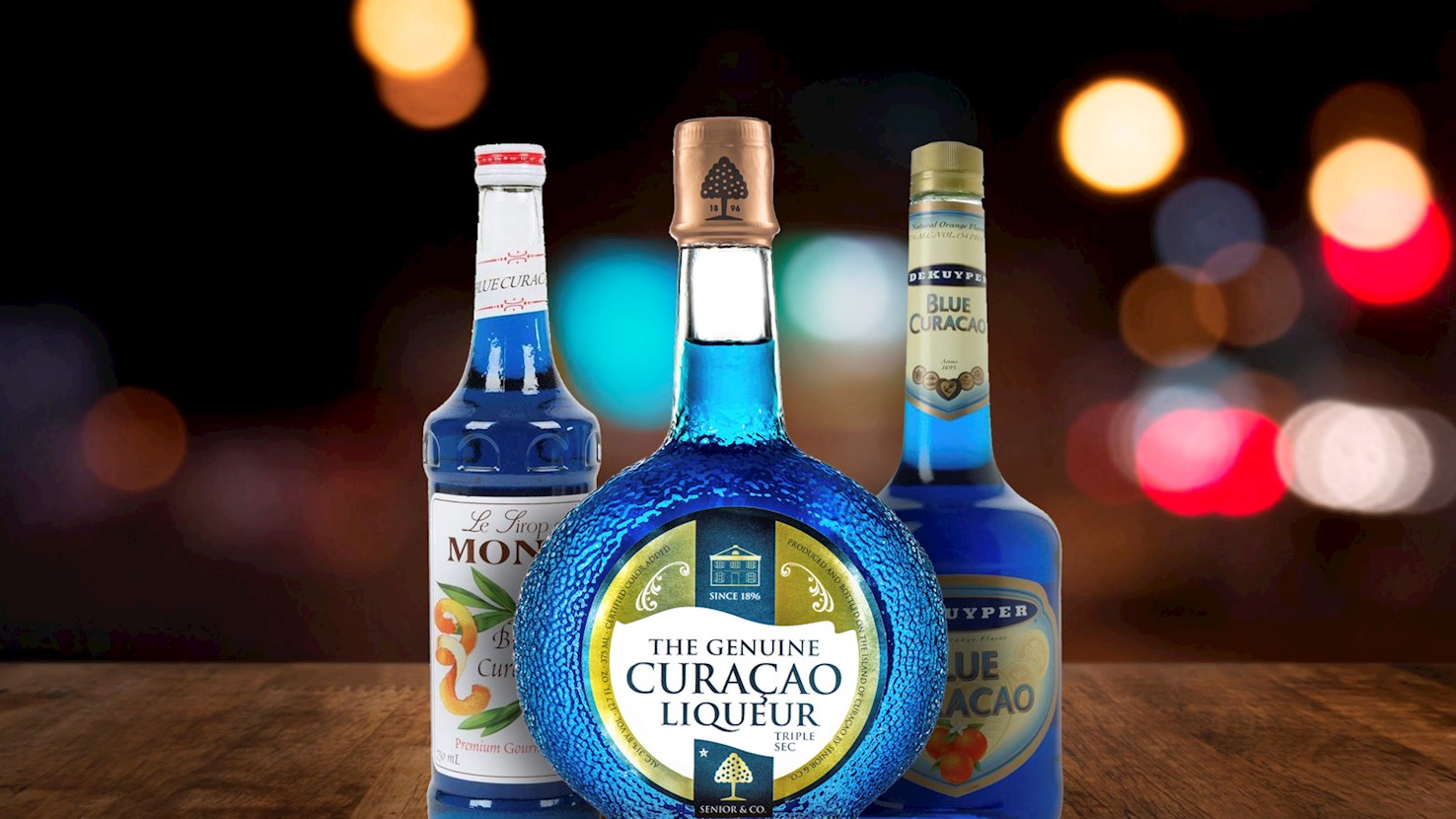
Blue Curaçao is a type of Curaçao liqueur—naturally colorless liqueur that is flavored with Laraha oranges. This variety is artificially colored to attain its distinctive, vibrant blue color. This clear drink has a typical orange flavor, though the final taste profile may vary depending on the producer. There are several manufactures on the market, but they are not necessarily located on Curaçao, and some even do not use Laraha oranges. Blue Curaçao is mostly used as a flavoring and coloring agent in cocktails.

07

Curaçao

2.9 ·

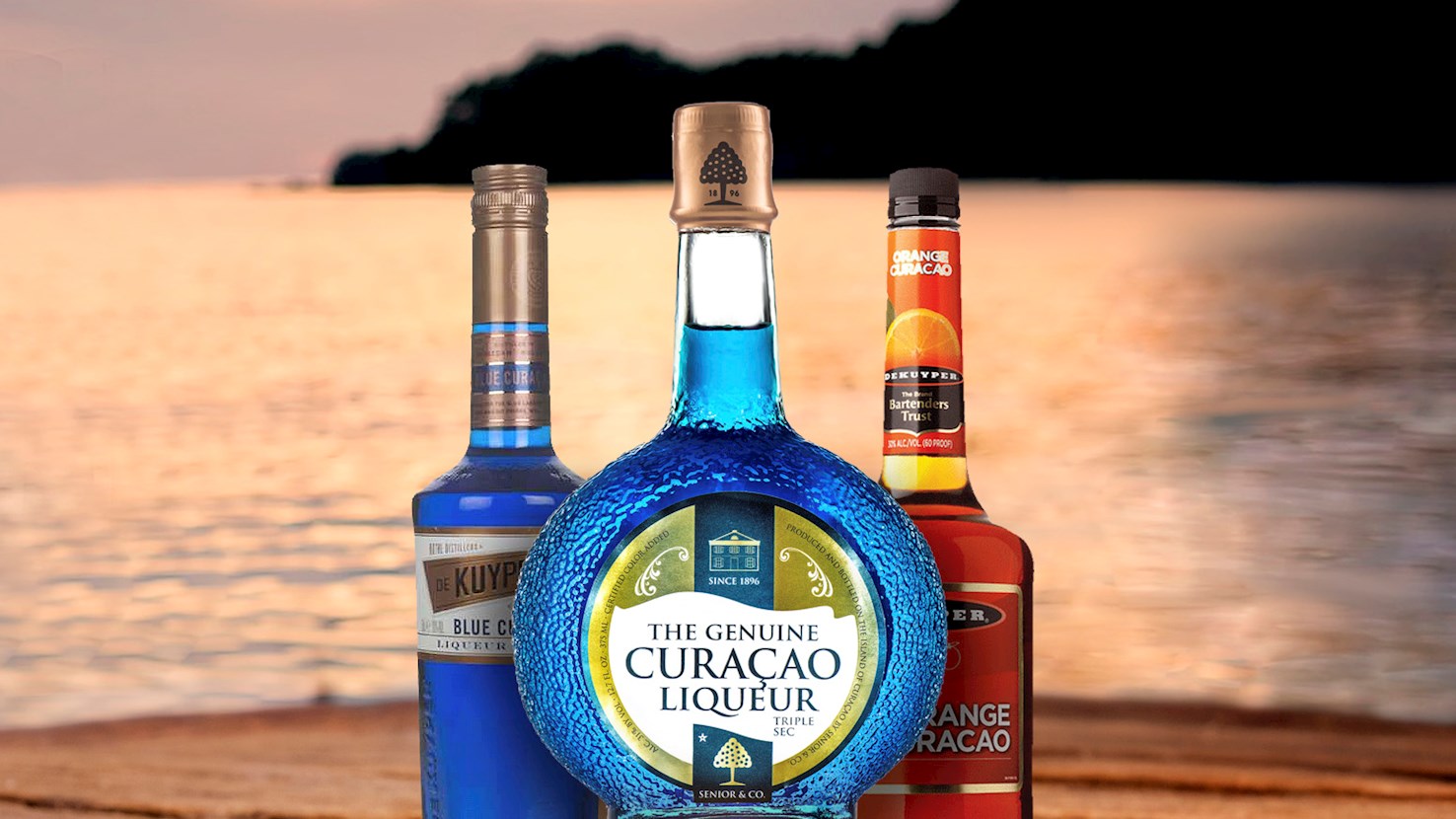
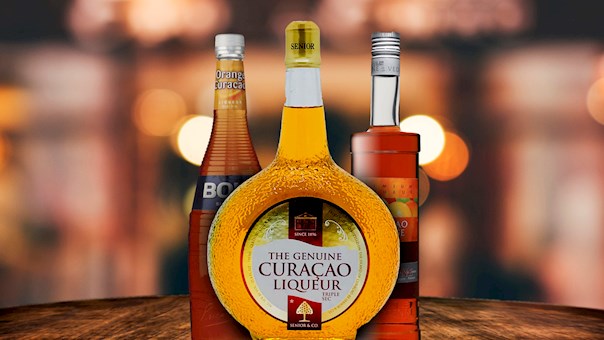
Curaçao is a popular liqueur flavored with Laraha (Curaçao orange), which is cultivated on the namesake island in the southern Caribbean Sea. The story of its invention started in the 16th century when the Spanish colonizers brought Valencian oranges to Curaçao. The fruit did not adapt well to the local climate, and it was almost inedible. It took decades for the locals to realize that the dried peel is rich with essential oils and incredibly aromatic. The peel was then used in the production of liqueurs, and though it is not certain, many believe that the commercial production was started in 1896 by the Senior family. Nowadays, there are several manufacturers that produce Curaçao, but not all are made with the local oranges or even on the island. The drink also comes in several varieties that include additional flavorings and colorings. It is mostly used as a cocktail ingredient.

08

Hesperidina

3.0 ·

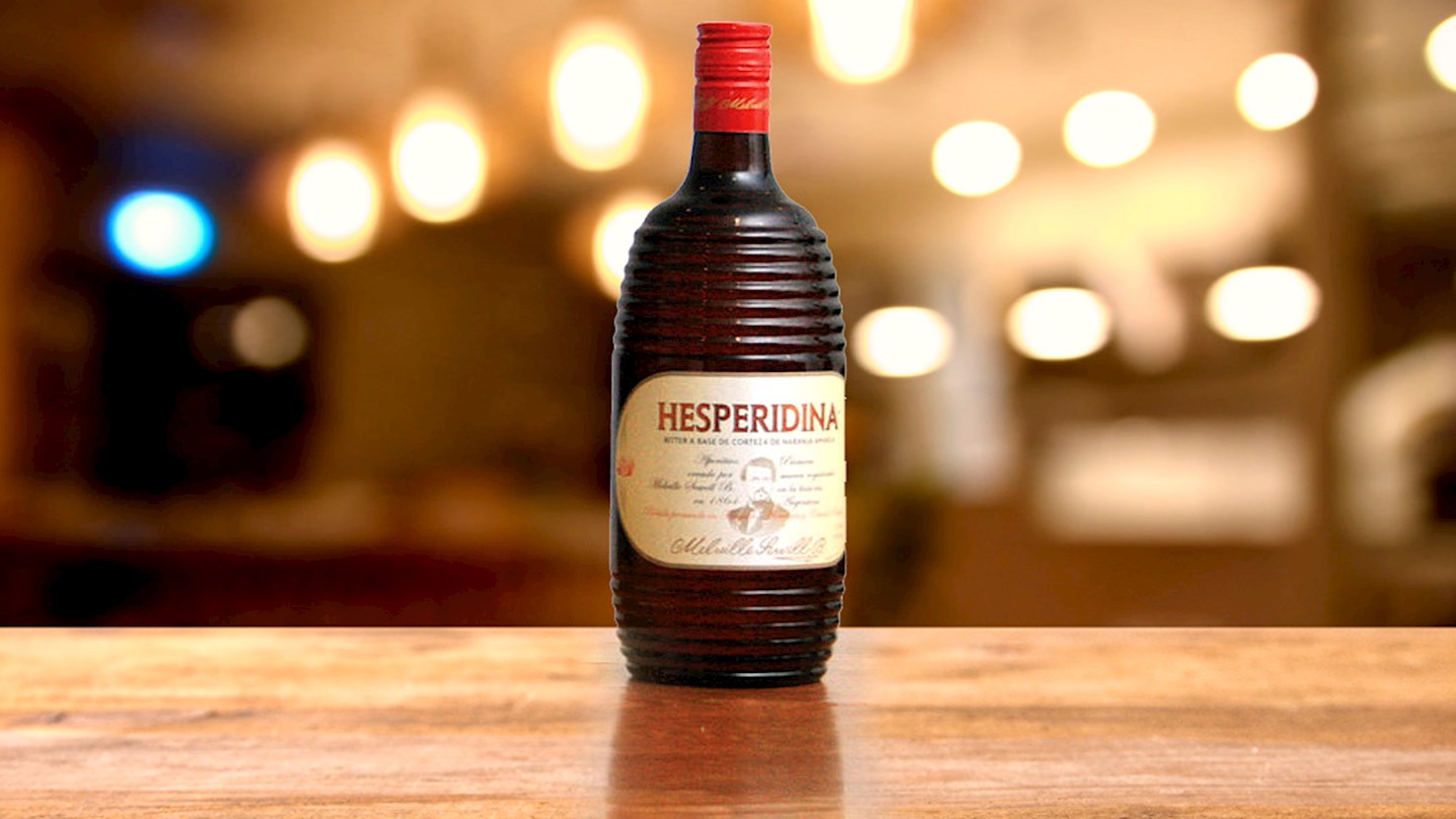
Invented by an American Melville Sewell Bagley, this orange-based aperitif was created in Buenos Aires, and it was initially launched in 1864. Hesperidina is characterized by its aromas of fresh oranges and herbs, while its flavor is reminiscent of bitter oranges. Although it can be enjoyed on its own, the drink is often mixed with tonic water and can also be used as a cocktail ingredient. Interestingly, Hesperidina was the first protected trademark in Argentina.

09

Amaranca

n/a ·

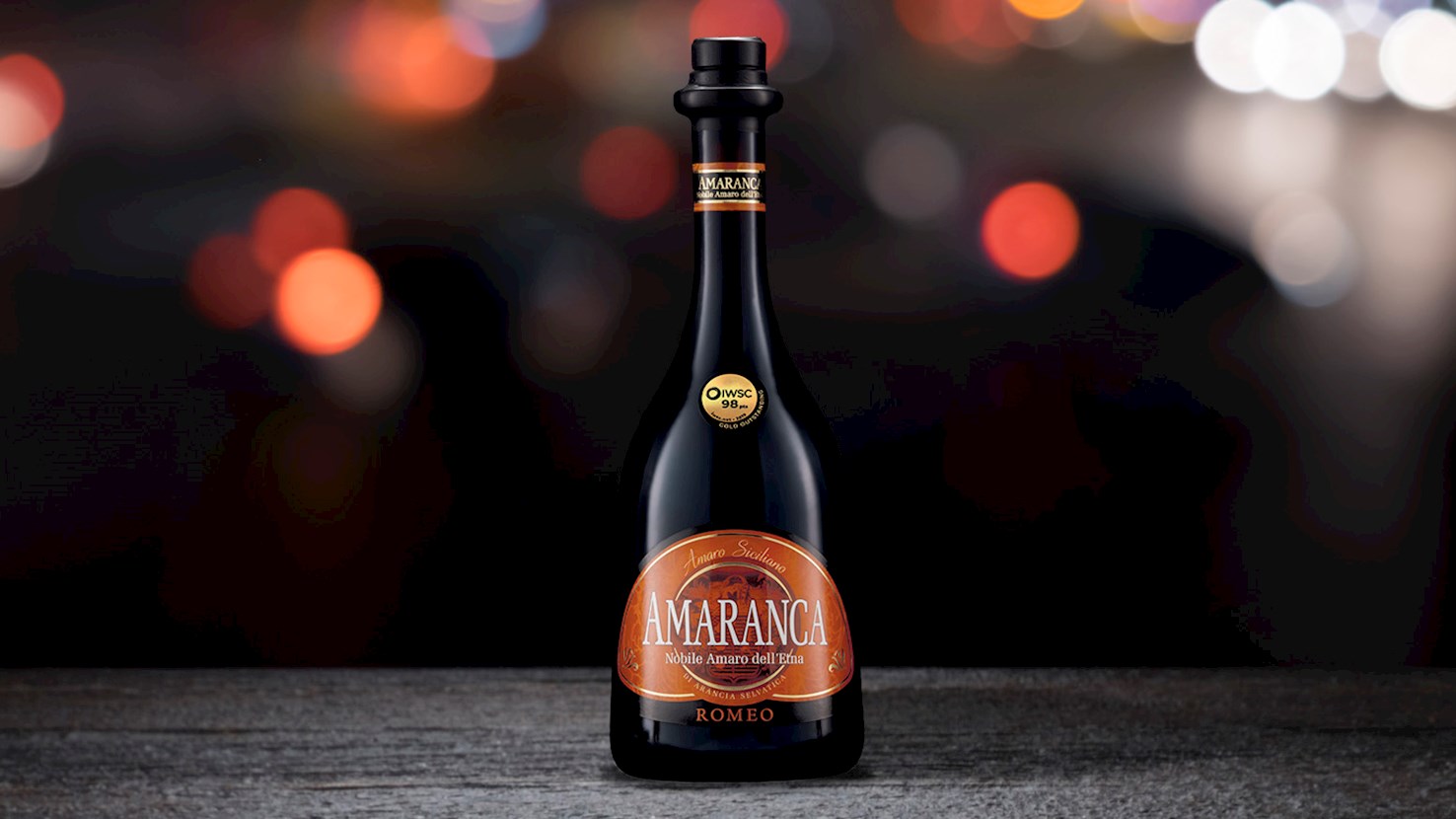
Amaranca is an award-winning orange-flavored amaro from Sicily that was inspired by an old family recipe. This artisanal liqueur is flavored with Sicilian wild orange (Citrus aurantium) and a herbal infusion made with various herbs and roots collected on the slopes of Mount Etna. Amaranca is a citrusy liqueur with subtle bitterness. The flavor and aroma are herbal and fruity. Amaranca is best served as an aperitif or a digestif. It can be enjoyed neat (preferably well chilled) or on the rocks and should be garnished with orange zest or fresh mint. Amaranca is produced by the family-owned Romeo Vini, a company with forty-year-long experience.

10

Fatourada

n/a ·

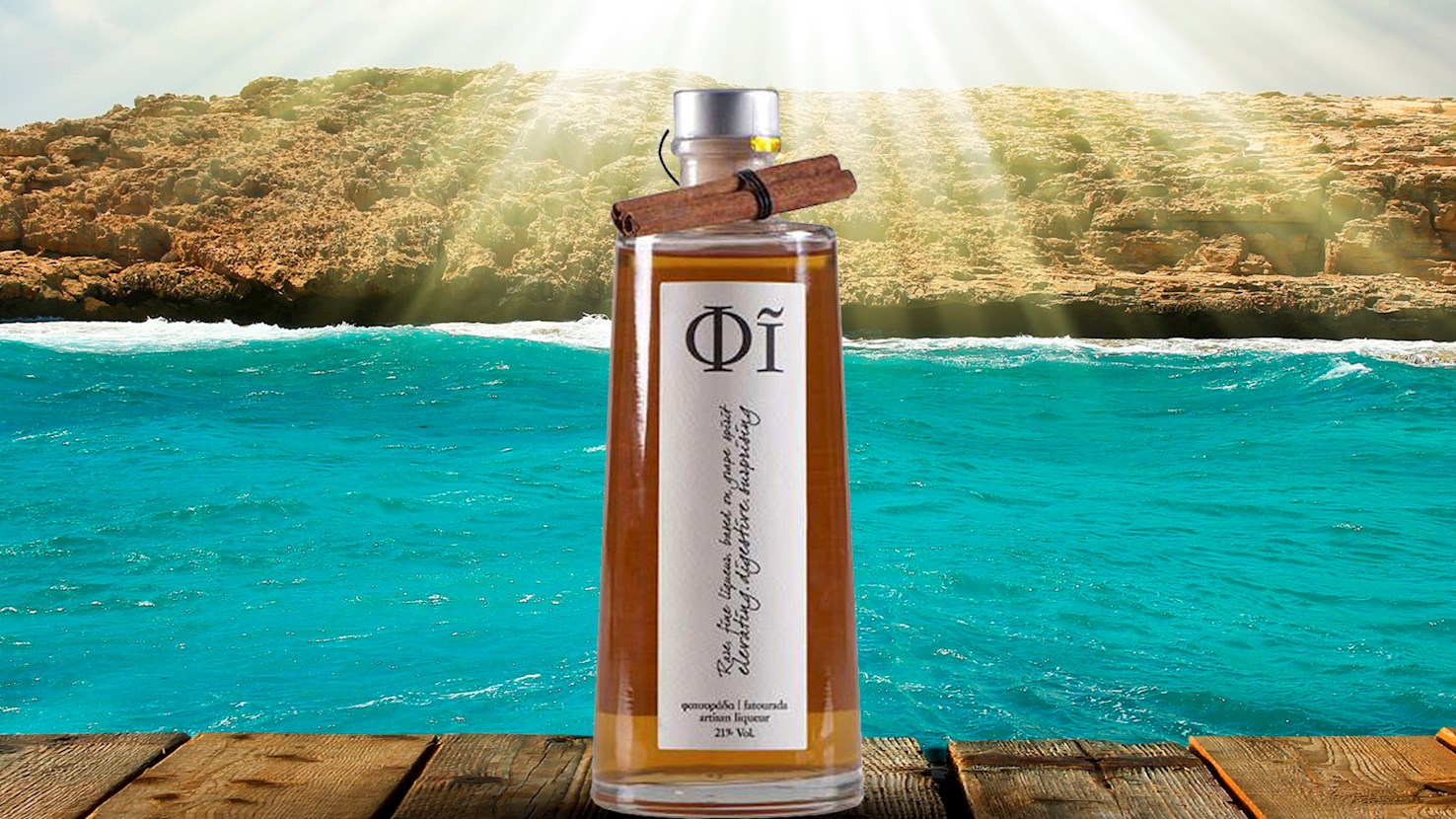
Fatourada is an orange-flavored liqueur from the Greek island Kythira. It is made with a strong pomace spirit (tsipouro), spices, and a citrusy infusion attained from local citrus fruit. The liqueur has an ancient tradition on the island, dating back to the 14th century when it was usually made by wealthy local families. Fatourada is a subtly bitter aromatic liqueur with citrusy, dried fruit, and spicy flavors. It is best to enjoy it as an aperitif or a digestif, served neat or on the rocks, but it could also make a good cocktail ingredient. Fatourada is commonly served with local desserts. It has 21% ABV.

About this ranking

TasteAtlas food rankings are based on the ratings of the TasteAtlas audience, with a series of mechanisms that recognize real users and that ignore bot, nationalist or local patriotic ratings, and give additional value to the ratings of users that the system recognizes as knowledgeable. For the “Top 14 Orange Liqueurs in the World” list until July 08, 2026, 607 ratings were recorded, of which 511 were recognized by the system as legitimate. TasteAtlas Rankings should not be seen as the final global conclusion about food. Their purpose is to promote excellent local foods, instill pride in traditional dishes, and arouse curiosity about dishes you haven’t tried.

The initial list of top producers was compiled based on available reviews, awards, local recommendations, media and blog coverage, and consumer reviews. The list will be updated with ratings from TasteAtlas local ambassadors and TasteAtlas users.

Similar lists