


shutterstock

Top 5 European Oranges

Last updated on June 02, 2026
01

Portokalia Maleme Chanion Kritis

4.4 ·

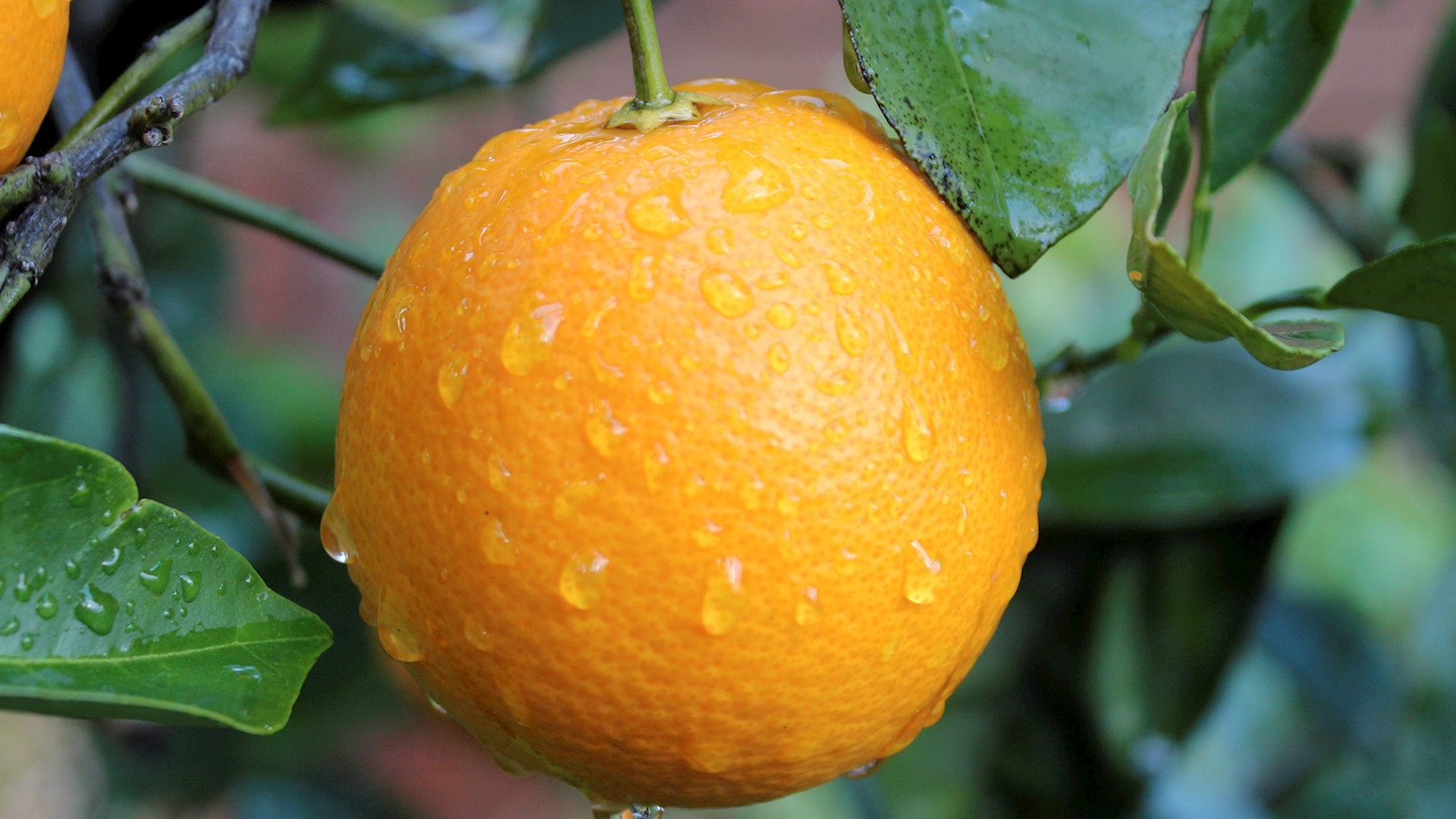
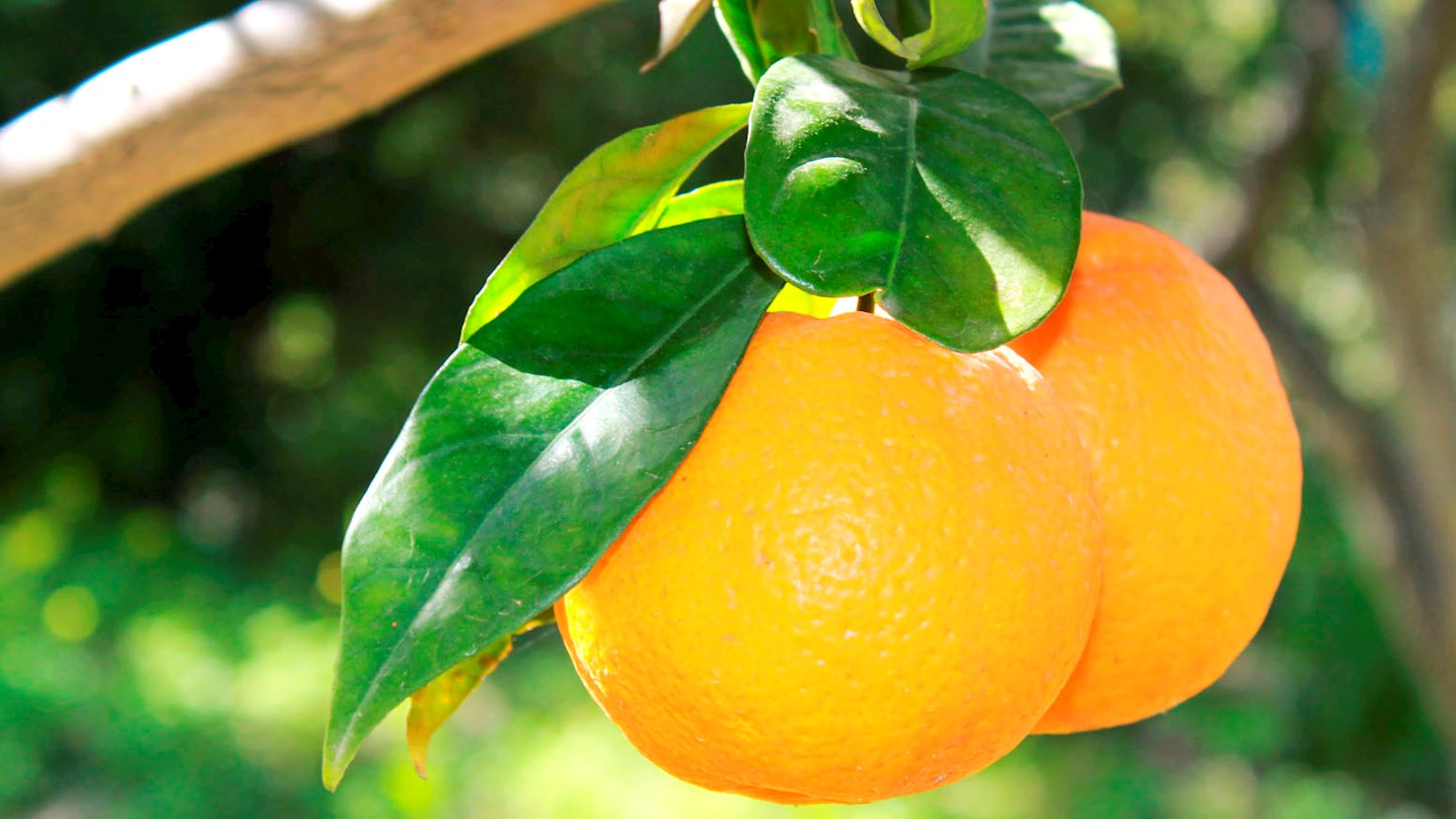
These oranges of the Washington Navel variety are cultivated in the coastal areas of Chania prefecture on the island of Crete. They are harvested by hand from the middle of December until the middle of May. These exceptionally juicy and flavorful oranges have a strong fragrance. They are quite large, slightly elongated, and quite firm, which makes them easy to transport. It is often said that Cretan oranges are the best in the world. According to Greek mythology, these oranges were kept in the Gardens of the Esperides, away from humans. Portokalia Maleme Chanion Kritis oranges were the most important fruit to eat during the winter, and were present in every Cretan home due to their nutritional value - they are very rich in Vitamin C, B and A. Although usually eaten raw, there are many recipes for tasty jams and pies that can be made from this fantastic fruit.

02

Arancia Rossa di Sicilia

4.2 ·

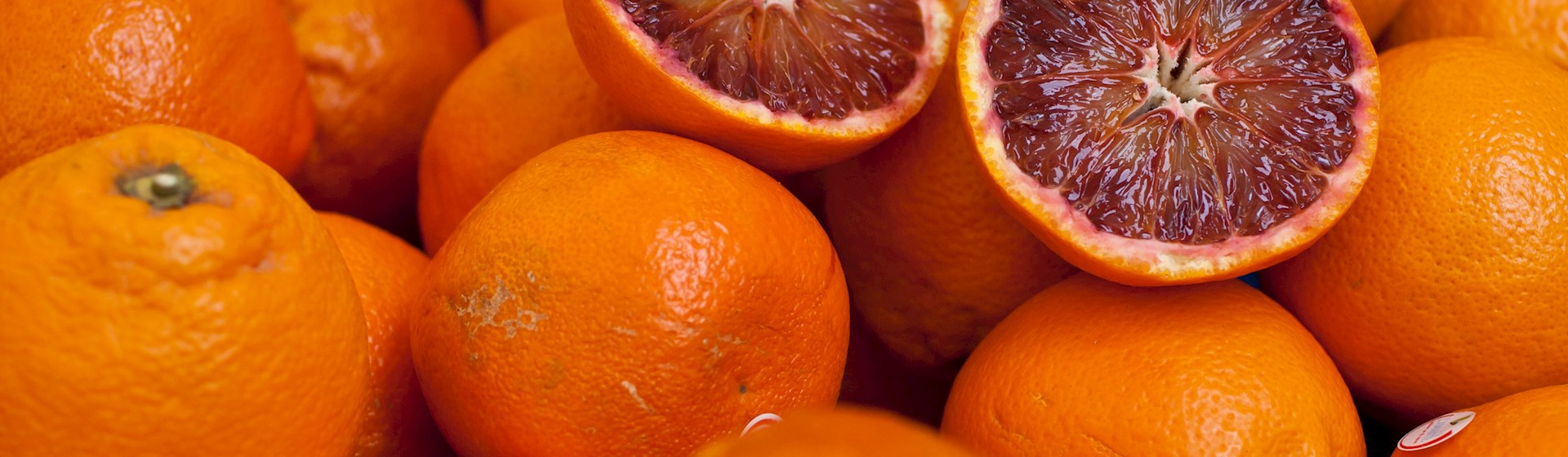
Commonly known as 'The blood orange of Sicily', Arancia Rossa di Sicilia is grown in the fertile lands spread out below the Mount Etna volcano. During ripening, due to a significant diurnal temperature variation in the area, the oranges produce high levels of crimson colored pigments called anthocyanins which give this orange its distinctive color. Sicilian red oranges are available in three different varieties: Tarocco, Moro, and Sanguinello. Even though Sicilian red oranges are characterized by their acidic fruitiness and may be quite tart, studies have proven that the consumption of blood oranges protects our DNA from oxidative damage and may reduce the risk of cardio vascular diseases. Arancia Rossa di Sicilia is delicious on its own, but it can also deliver a refreshing kick to a typical Sicilian salad, paired with red onions, fennel, and black olives.

03

Arancia di Ribera

3.5 ·

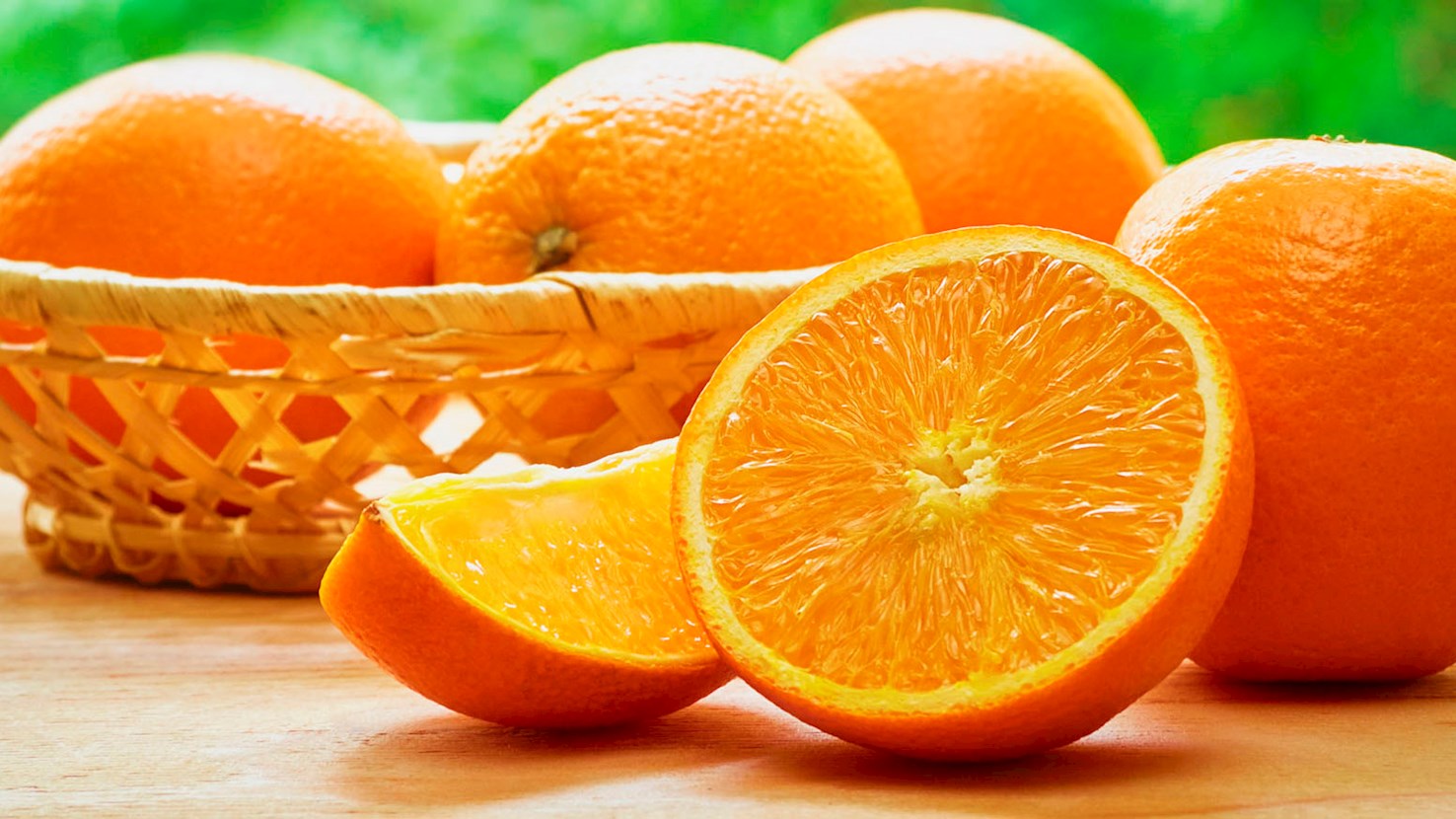
Grown on the fertile banks of the Verdura, Magazzolo and Platani rivers, the Sicilian oranges of Ribera are available in three different varieties: Brasiliano, Washington Navel, and Navelina. During ripening, the uniformly orange color of these fruits turns reddish and when sliced, Arancia di Ribera is easily recognized by its internal navel which is even more pronounced in the Brasiliano and Washington Navel varieties. Particularly sweet and juicy, Ribera oranges are often used for making healthy juices and smoothies or they can add an interesting twist to a number of traditional and modern Sicilian dishes: from risotto with scallops, orange marinated salmon, cod carpaccio, sausages in orange sauce, duck à l'orange with Trapanese couscous to Aranzada, a type of orange zest and almond brittle.

04

Arancia del Gargano

n/a ·

These fragrant oranges originate from the Gargano peninsula in Apulia, the only citrus producing region on the Italian Adriatic coast. Famous for its picturesque landscapes of orange and lemon groves, the area between the towns of Rodi, Ischitella, and Vico del Gargano is called 'Il triangolo giallo-arancio' (the yellow-orange triangle) and has an agricultural tradition dating back to the ancient times. The sweet Gargano oranges are cultivated in two varieties, Duretta and Biondo, both of which are characterized by a long shelf life. In fact, since they remain firm and juicy weeks after harvesting, Gargano oranges used to be one of the most popular Italian fruits for transatlantic export. In Apulia, Arancia del Gargano fruits can be enjoyed all year round: Durettas mature around Christmastime, and Biondo oranges start to ripen between April and May, but can be found in the market and consumed fresh until September.

05

Ermelo orange

n/a ·

The Ermelo orange is a medium-sized fruit known for being exceptionally sweet. It has a very thin, smooth peel, minimal fiber, few seeds, and a high juice content. It is produced in the Ermelo in the municipality of Arcos de Valdevez, and the entire production is done by hand; pesticide, insecticide, and chemical fertilizer are not permitted. The orange was introduced to the area in the 13th century by Cistercense Monks.

Read more
View all
View map
About this ranking

TasteAtlas food rankings are based on the ratings of the TasteAtlas audience, with a series of mechanisms that recognize real users and that ignore bot, nationalist or local patriotic ratings, and give additional value to the ratings of users that the system recognizes as knowledgeable. For the “Top 5 European Oranges” list until June 02, 2026, 149 ratings were recorded, of which 87 were recognized by the system as legitimate. TasteAtlas Rankings should not be seen as the final global conclusion about food. Their purpose is to promote excellent local foods, instill pride in traditional dishes, and arouse curiosity about dishes you haven’t tried.

Similar lists