
shutterstock

Top 4 French Oysters

Last updated on June 15, 2026

Best French Oysters

01

Huîtres Amélie

4.2 ·
Awards
Great Taste Awards - 2 Stars (2024)

Best French Oysters Types

01

Huîtres Marennes Oléron

3.6 ·

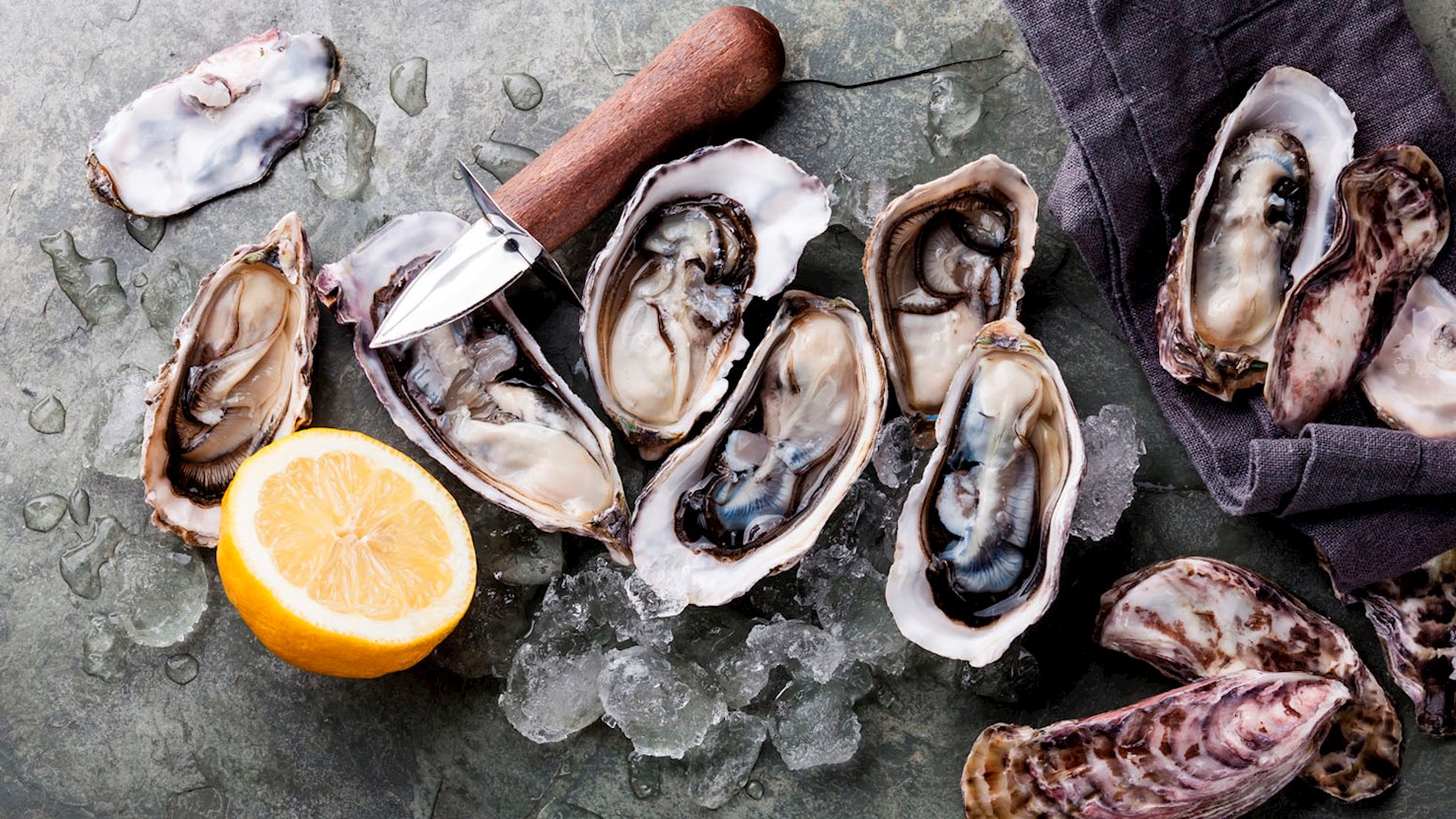
Huîtres Marennes Oléron are oysters from the Bassin de Marennes Oléron area in France, where shellfish farming is a principal activity. The oysters are matured and fattened on oyster beds after which they are sold fresh, live and unprocessed. There are quite a few varieties of these oysters, some of them rich in water and with a fine flesh flavor, the others greener, rounder, softer, firmer, crispier or with a more pronounced, long-lasting, hazelnutty taste, depending on the type of oyster. Generally, Marennes Oléron oysters have a refined, delicate, less bitter and iodized taste than that of open sea oysters. They are better protected, with a high-quality shell, and some have a green hue around the gills, due to the Blue Navicula algae, native to the region. The flesh grows significantly in the oyster beds, giving them a specific texture and flavor known as "oyster bed taste", which is first salty on the palate and then it becomes sweet. Pair the oysters with lemon, bread and butter for a complete, tasty appetizer.

02

Huîtres de Belon (Belon oysters)

3.4 ·

True Belon oysters are produced in the area around the French river Belon, and some say that they are some of the rarest oysters in the world. They have a flavor reminiscent of brine and an intense copper finish, and they are full of umami. These oysters are flat and round, with rippled green shells. However, in the 1950s, scientists brought these oysters to the Unites States of America, Maine in particular, where they are sold in a quantity of only 5,000 oysters per year.

03

Huîtres de Cancale

n/a ·

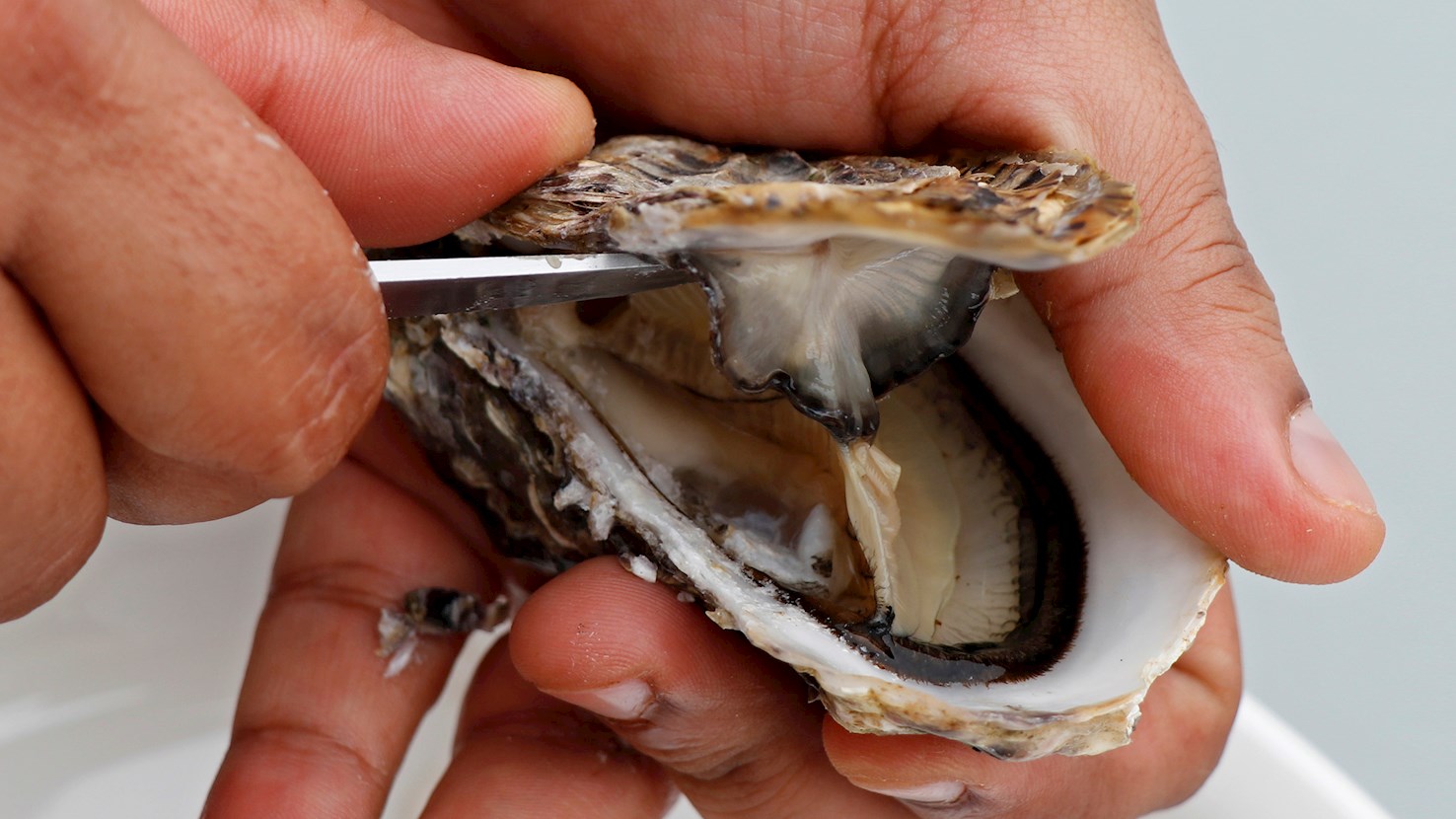
Huîtres de Cancale are farmed oysters, including both the native flat variety and the Pacific cupped variety, grown in the coastal town of Cancale in Brittany. Harvesting these shellfish from the Bay of Mont Saint-Michel goes back to the Roman era. By the 1500s, the town supplied oysters to the royal court of François I and later sent regular shipments to Paris to feed the French monarchy. When overfishing eventually wiped out the wild offshore beds, locals shifted to organized oyster farming in the mid-1800s. Farmers set up raised metal racks and mesh bags in shallow water to carefully manage the crop's growth. When disease wiped out most of the native flat oysters in the 1970s, growers brought in the hardier Pacific cupped type to keep the local industry going. The farming areas sit in a bay with massive tides that change by up to fourteen meters. This extreme shift leaves the oyster beds completely exposed to the air twice a day, forcing the shellfish to constantly open and close tightly to survive the dry spells. This daily workout builds strong muscle, giving the meat a firm, crisp texture, while the constant flow of seawater provides plenty of plankton, giving the oysters a strong, salty flavor. Workers gather, wash, and sort the catch by weight and size before sending them to market. To prepare them, someone inserts a short, thick knife into the hinge of the shell to cut the muscle and pop off the flat top lid. The oyster meat and its natural saltwater juices are served raw on wide platters, covered with crushed ice or damp seaweed to keep everything cold. People eat them right out of the deep bottom shell, using a tiny fork or just tilting the shell back to slide the meat straight into their mouths. They are consumed at seafood restaurants, home tables, and right at the open-air market on the Cancale seawall, where buyers actually toss their empty shells over the wall onto the beach below. Individuals usually add a few drops of fresh lemon juice or a spoonful of mignonette sauce made from chopped shallots and red wine vinegar. Slices of dense rye bread spread thick with salted butter almost always come on the side, along with poured glasses of very dry, crisp white wines like Muscadet Sèvre et Maine, Chablis, or brut Champagne to balance out the intense saltiness of the seafood.

04

Huitres de Bretagne

n/a ·

Cultivated in the cold waters of northwestern France, huîtres de Bretagne encompass a diverse and highly esteemed family of oysters shaped by the intense tides of the Atlantic Ocean and the English Channel. The sprawling, jagged coastline of Brittany provides a perfect natural habitat for two main varieties: the prevalent, deeply cupped creuse and the rare, native flat oyster known as the plate. Oyster farmers dedicate years to raising these bivalves, relying on the extreme tidal shifts to expose the oyster beds to both air and sea, a process that forces the shells to close tightly and develops a remarkably firm, muscular meat. Throughout the maturation cycle, workers regularly turn the heavy mesh cultivation bags by hand, ensuring the shells grow deep and uniform while preventing them from fusing together. Because the bivalves filter massive amounts of local phytoplankton, their flavor profiles change dramatically depending on the specific bay or estuary where they mature. The cupped oysters from northern areas like Cancale deliver a powerful, bracing hit of iodine and sea salt, followed by a crisp, fleshy finish reminiscent of sweet melon. Meanwhile, in the southern river estuaries like the Belon, the flat oysters develop a distinctively crunchy texture, offering a complex, metallic bite with a pronounced nutty aftertaste. To fully appreciate these nuanced, terroir-driven qualities, diners universally consume the oysters raw, freshly shucked, and presented on a wide platter of crushed ice. A simple squeeze of lemon juice or a few drops of shallot mignonette provides a bright acidic contrast, while an essential pairing of dark rye bread, a thick smear of salted regional butter, and a chilled, dry white wine completes the experience.

Read more
View all
View map
About this ranking

TasteAtlas food rankings are based on the ratings of the TasteAtlas audience, with a series of mechanisms that recognize real users and that ignore bot, nationalist or local patriotic ratings, and give additional value to the ratings of users that the system recognizes as knowledgeable. For the “Top 4 French Oysters” list until June 15, 2026, 35 ratings were recorded, of which 27 were recognized by the system as legitimate. TasteAtlas Rankings should not be seen as the final global conclusion about food. Their purpose is to promote excellent local foods, instill pride in traditional dishes, and arouse curiosity about dishes you haven’t tried.

The initial list of top producers was compiled based on available reviews, awards, local recommendations, media and blog coverage, and consumer reviews. The list will be updated with ratings from TasteAtlas local ambassadors and TasteAtlas users.

Similar lists