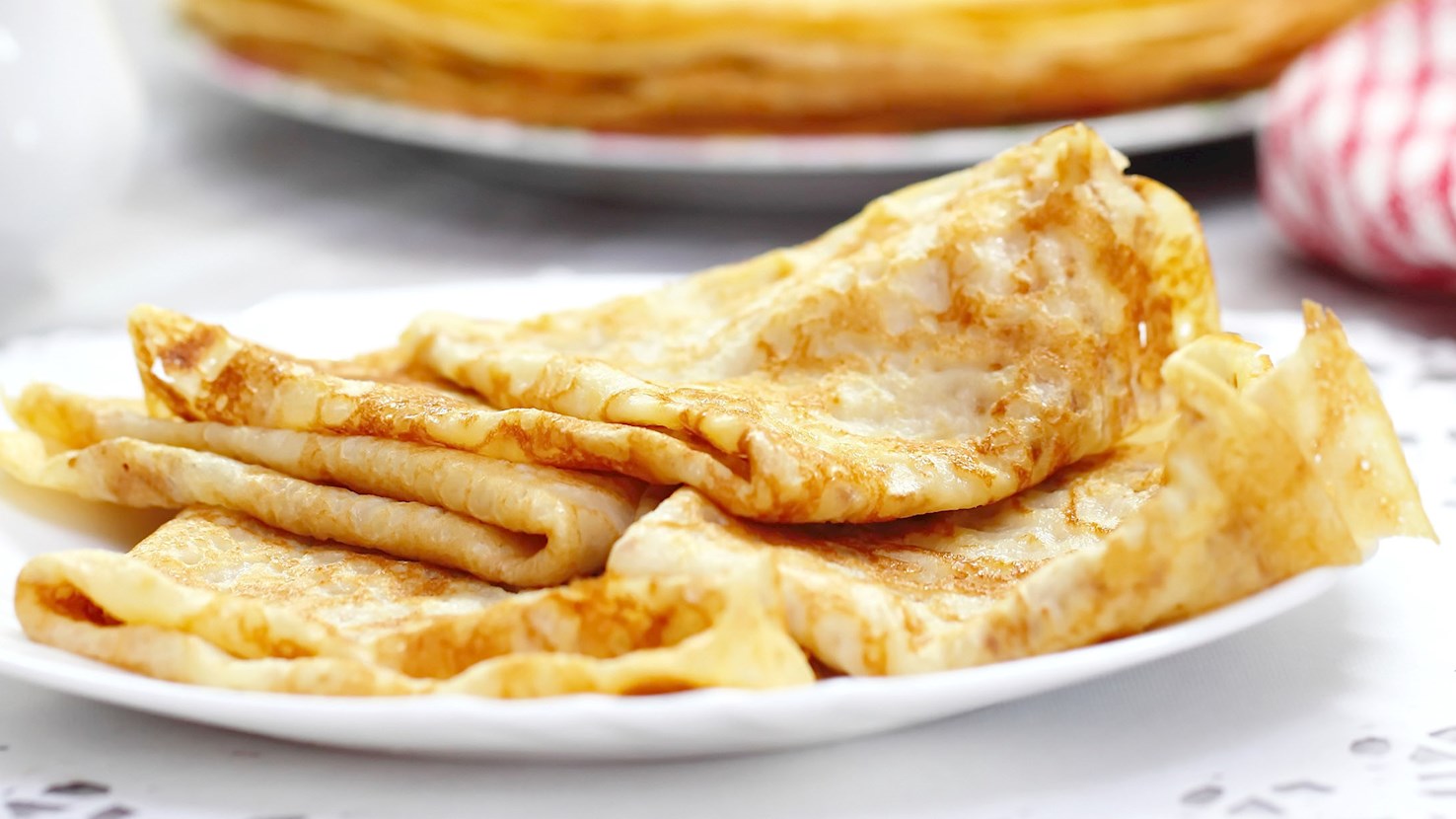
These thin pancakes are made with wheat flour, and have origins in the French region of Brittany. Although they are a French staple and a national dish, crêpes are so popular that they have spread worldwide since the turn of the 20th century, when white wheat flour became affordable. These delectable treats are made with flour, eggs, milk, and butter whipped into a thin batter, which is then poured in a crêpe pan and fried. The tradition is to flip them in the air as they cook, and they say that if you catch it in the pan, your family will be well-off for the rest of the year. The word crêpe is derived from the Latin root crispa, meaning curdled. Crêpes are one of the best-known French desserts, and they are commonly filled with various sweet fillings such as jam, chocolate, berries, or whipped cream. They can also be stuffed with savory ingredients such as ham, sausages, cheese, spinach, eggs, or mushrooms. Eaten hot or cold and found in crêperies throughout France and beyond, these delicious pancakes are a true worldwide hit.
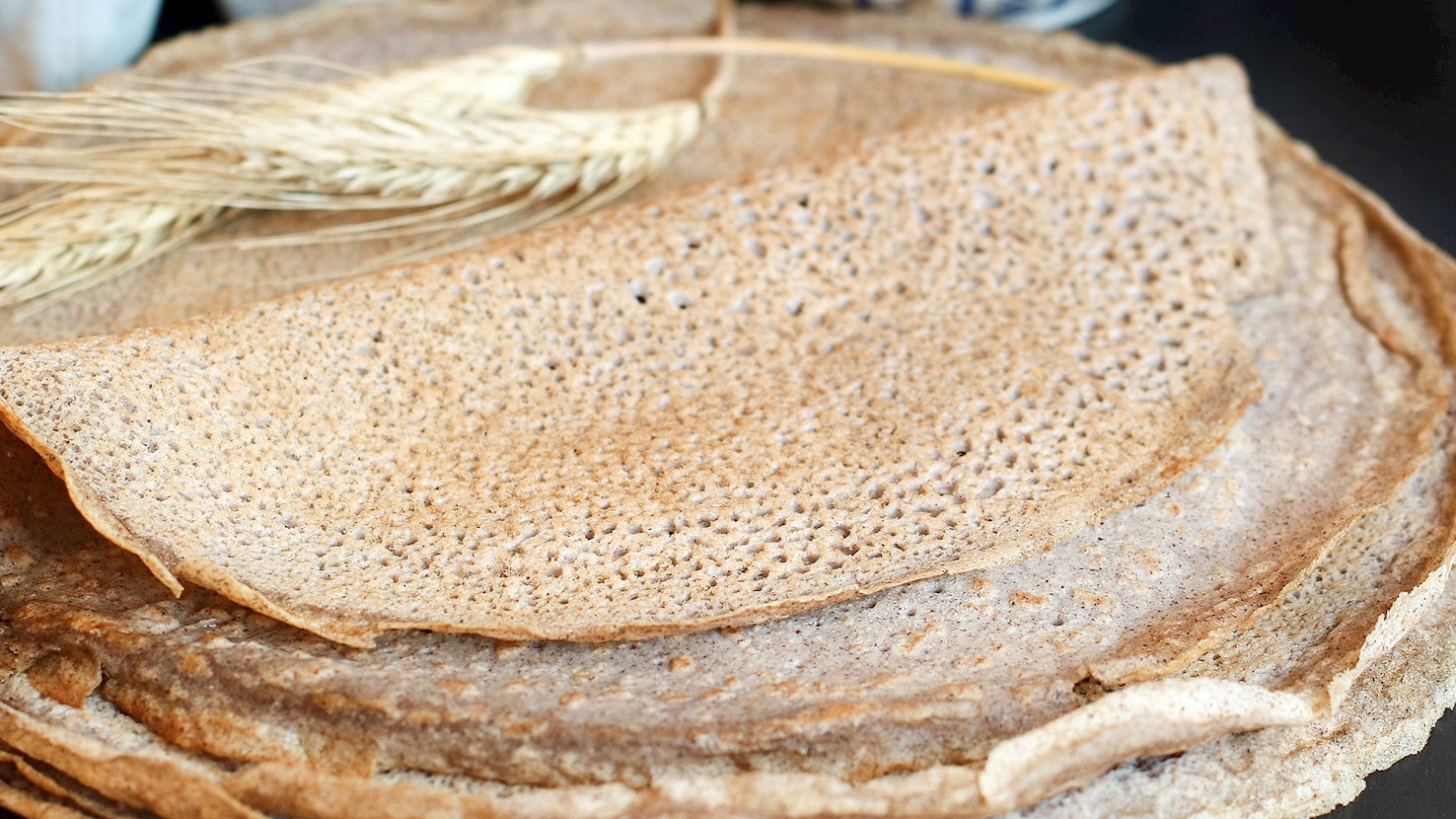
Galettes de Bretagne are generally known as thin buckwheat crépes from Brittany, often filled with ingredients such as eggs, ham, mushrooms, and bacon. However, galettes mean different things in different parts of Brittany. In Lower Brittany, a galette is a thicker crepe made with any kind of flour, while in Upper Brittany, it refers to a crépe made exclusively with buckwheat flour. Also, what is known as galette in Upper Brittany is known in Lower Brittany as crêpes de blé noir (sarrasin) or buckwheat crepes. In Brittany, créperies are so popular that they outnumber cafés, and people regularly use them to eat their galettes with a bit of salted butter. Traditionally, the pancakes are paired with a glass of local cider. According to legend, the Bretagne galette was invented by accident when a farmer spilled buckwheat porridge onto a hot surface. Although people usually associate buckwheat flour with a salty taste, buckwheat crépes are extremely nutritious and contain vitamins B1 and B2, as well as fiber that helps prevent high blood pressure. Buckwheat came to Brittany from the east in the 12th century, so thick, moist, and flavorful galletes were ready to win over even the pickiest palates.
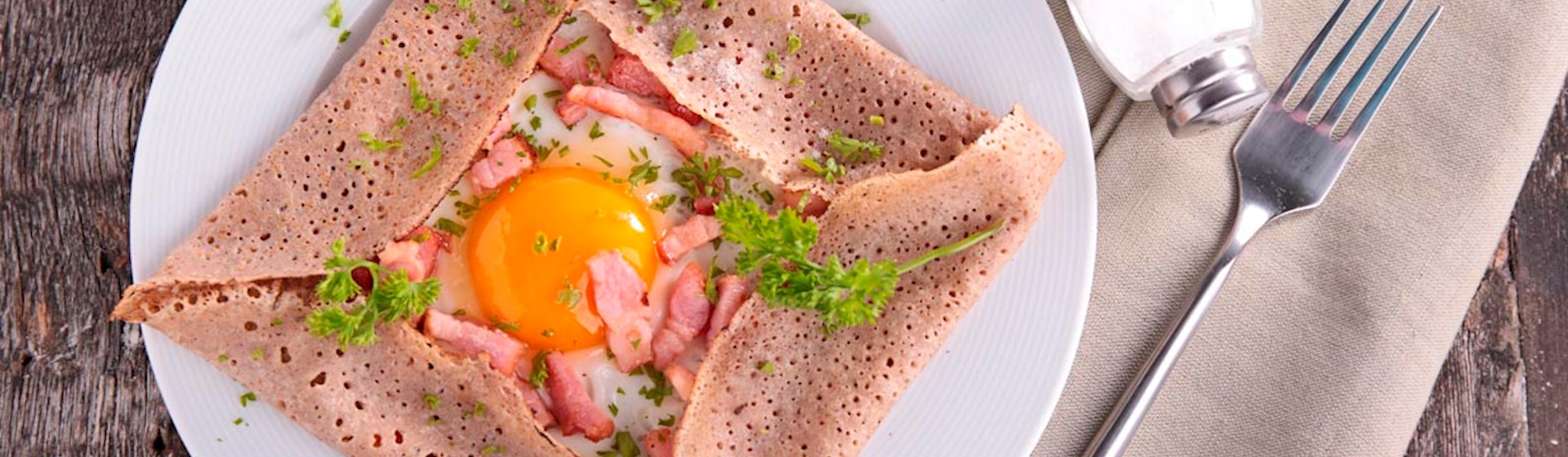
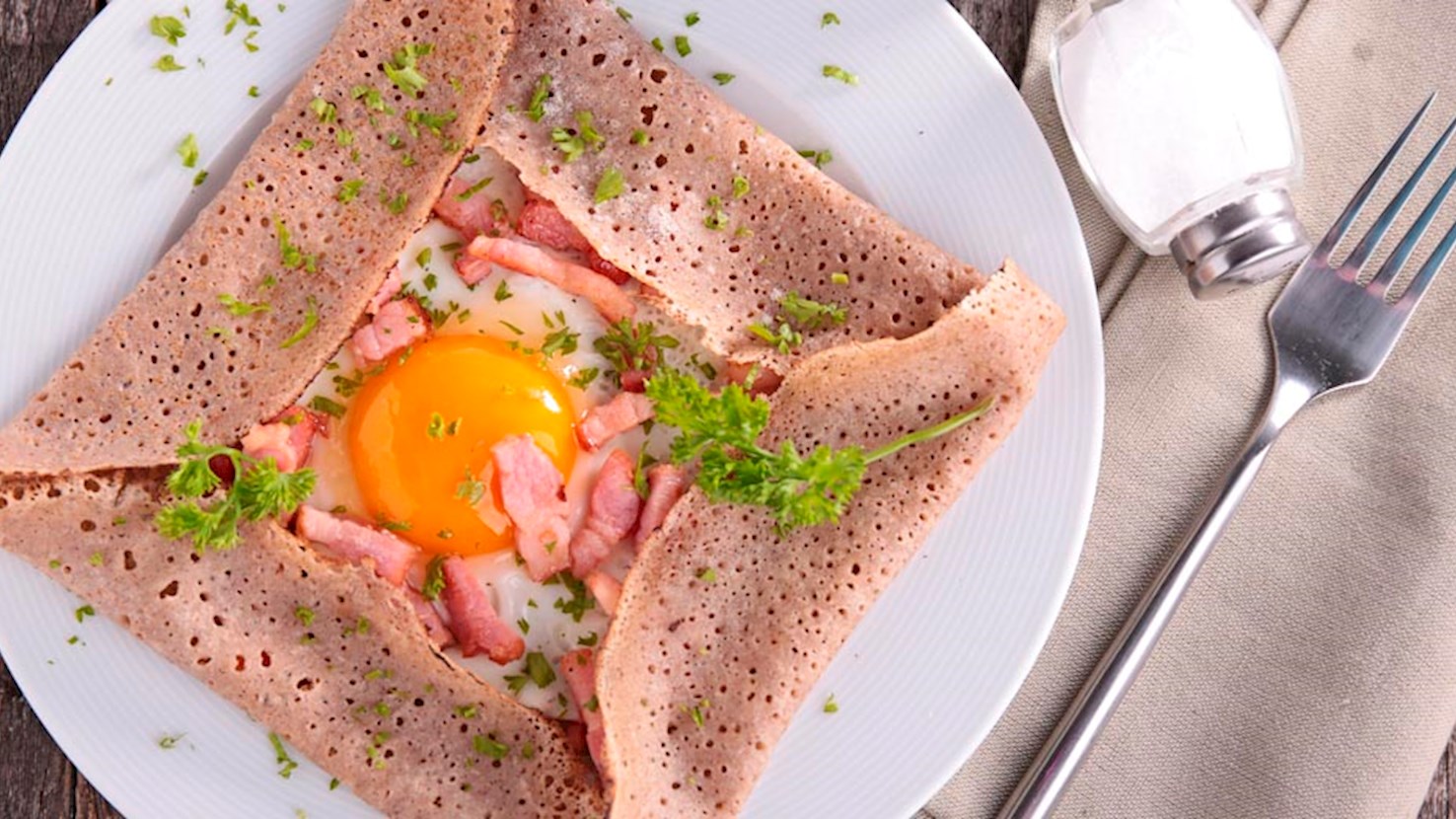
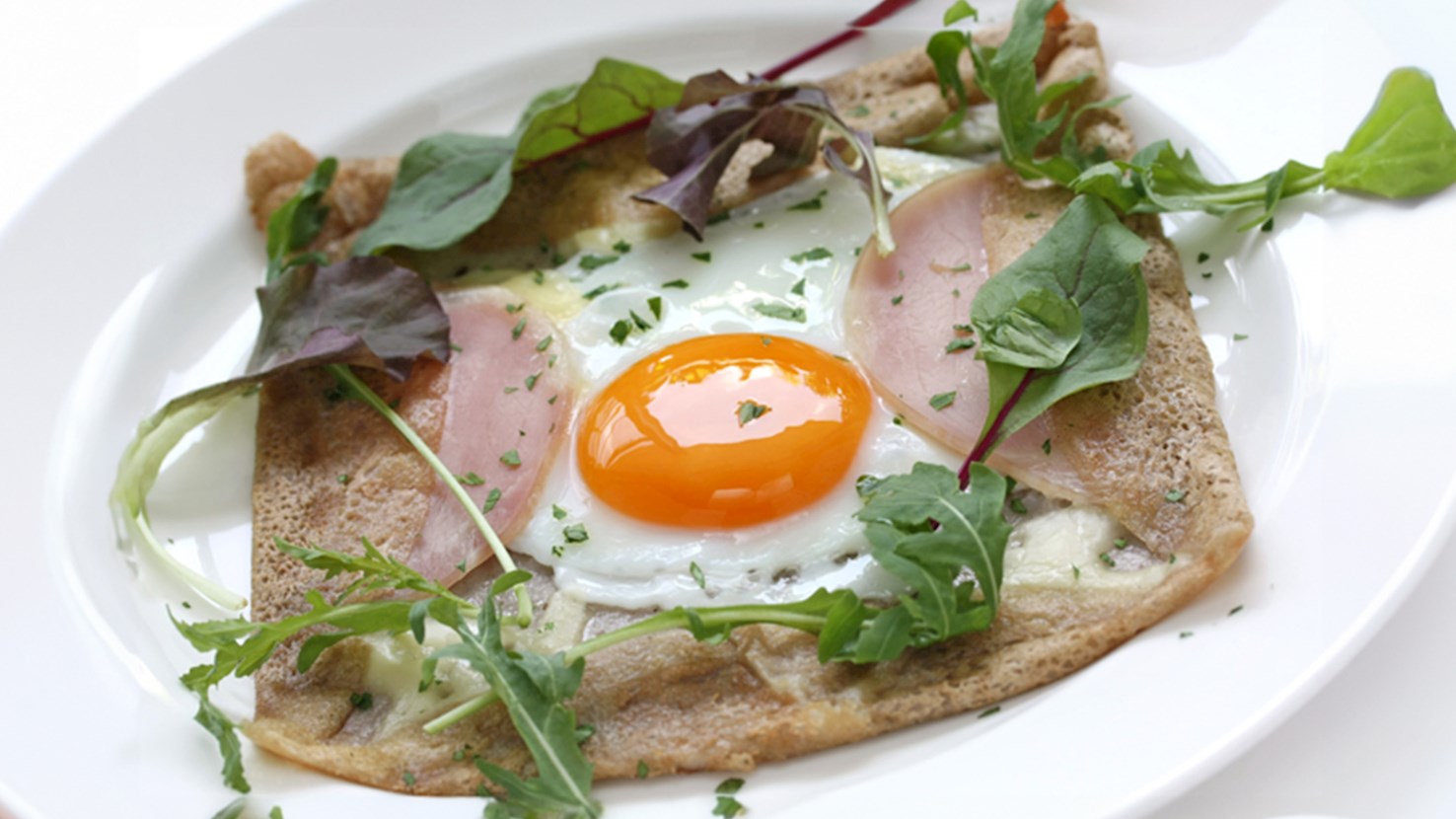
A crêpe complète is a type of French galette made with buckwheat flour and filled with ham, cheese, and an egg. The egg can be cooked on the galette so it's either soft or hard. It is a savory version of the more widely known sweet crêpes that are often filled with things like sugar, fruit, chocolate, or whipped cream. The "complète" in its name suggests that it is a full meal, combining protein, dairy, and the crêpe itself to make a satisfying dish. This dish is particularly popular in the region of Brittany, France, where crêpes are a traditional specialty, but it has gained popularity all over France and in crêpe restaurants worldwide. The dish is versatile and can be eaten for breakfast, lunch, or dinner.
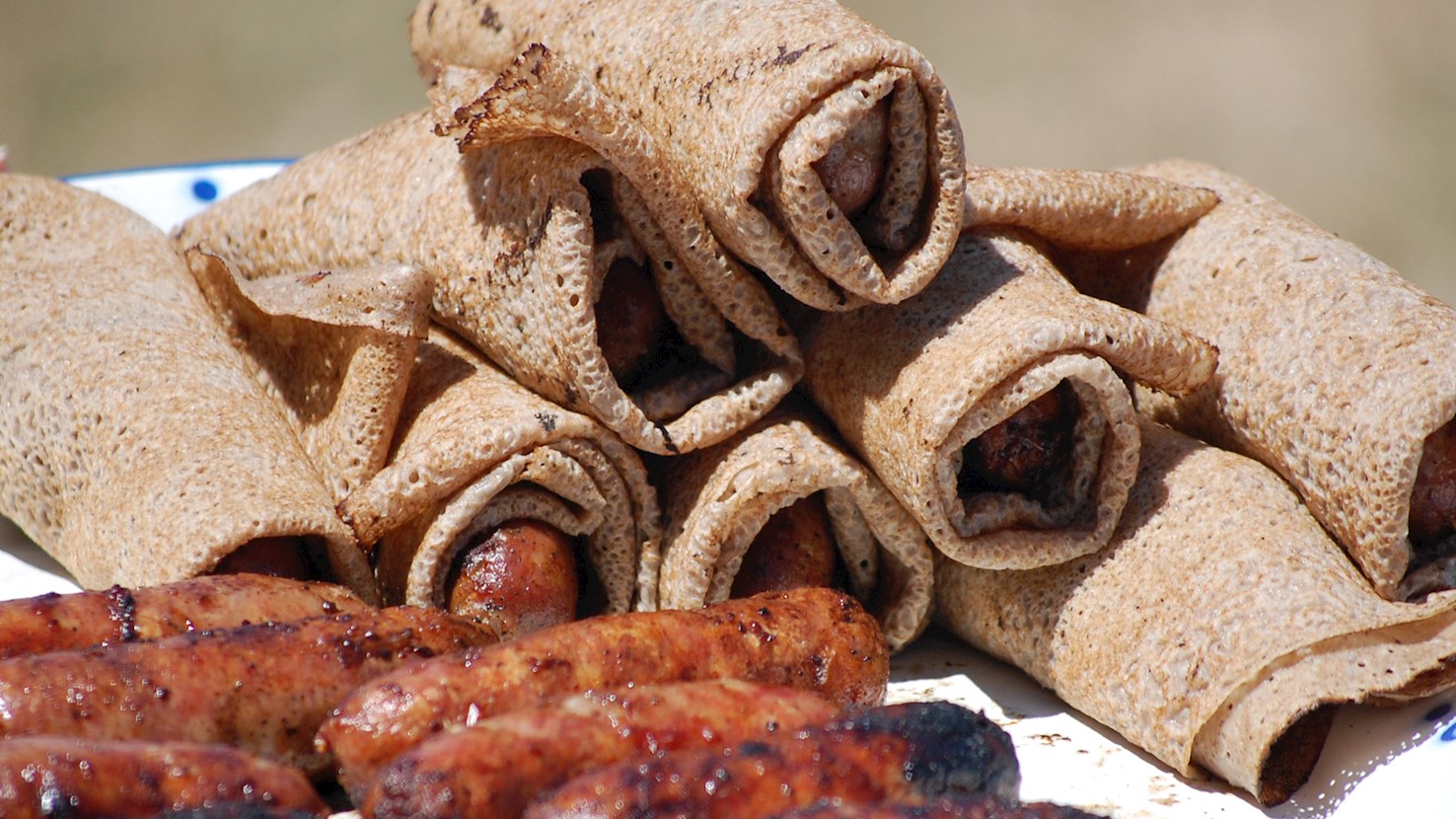
This classic street food item hails from French Brittany, more precisely from the department of Ille-et-Vilaine. Usually sold at food trucks, galette saucisse consists of a cold buckwheat crêpe that is wrapped around a warm grilled pork sausage. The combination can be complemented by mustard, but other options may also include mayonnaise or ketchup, cheese, or other garnishes. The dish is believed to have originated as early as the 15th century, and it is said that the first versions were prepared with pork offal. It is best enjoyed with a glass of Breton cider on the side.
Crêpe bretonne is a very thin, flat pancake made from either a sweet wheat batter or a savory buckwheat mixture, originating in Lower Brittany. Archaeological digs at the Landévennec Abbey have uncovered flat terracotta plates dating back to the 13th century, proving that locals baked liquid batters at high temperatures because the region's main crop, oats, could not be turned into standard bread dough. To make the modern version, a cook prepares a smooth, runny liquid using wheat flour, eggs, milk, and sugar for dessert options, or a simple blend of water, salt, and buckwheat flour for savory meals. The cook pours a ladle of this batter onto a large, circular cast-iron griddle known locally as a billig. Using a small wooden rake called a rozell, the preparer quickly sweeps the liquid out into a wide, perfectly flat circle before the heat sets the dough. The cooking surface used for this process was actually made from a simple flat stone or baked clay in the Middle Ages, which gave the modern appliance its Breton name long before heavy cast iron was introduced in the 1400s. Once the bottom turns golden brown in under a minute, the cook flips the thin disk using a flat wooden spatula. For savory meals, the cook adds ingredients like grated cheese, sliced ham, and a cracked egg directly onto the hot dough, while sweet versions get a smear of salted butter, fruit jams, or melted chocolate. Diners eat these filled pancakes sitting down with a knife and fork at specialized local restaurants called crêperies, or buy them folded in paper from street stalls to eat by hand while walking outdoors. People usually wash down hot food with small ceramic bowls of alcoholic apple cider or tall glasses of cold, fermented milk known as lait ribot.
TasteAtlas food rankings are based on the ratings of the TasteAtlas audience, with a series of mechanisms that recognize real users and that ignore bot,
nationalist or local patriotic ratings, and give additional value to the ratings of users that the system recognizes as knowledgeable.
For the “Top 5 Breton Pancakes” list until May 15, 2026, 1,097 ratings were recorded, of which 978 were recognized by the system as legitimate.
TasteAtlas Rankings should not be seen as the final global conclusion about food. Their purpose is to promote excellent local foods,
instill pride in traditional dishes, and arouse curiosity about dishes you haven’t tried.