

shutterstock

Top 28 Central European Pancakes

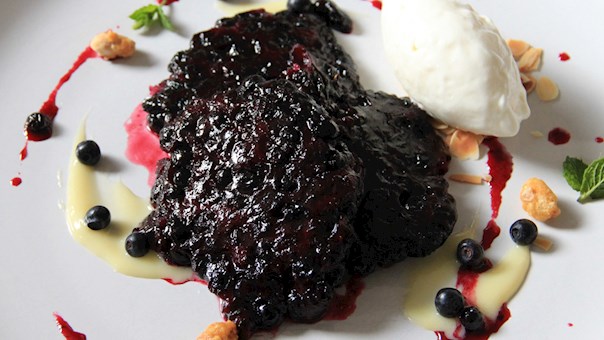
Last updated on June 15, 2026
01

Lokše

4.3 ·

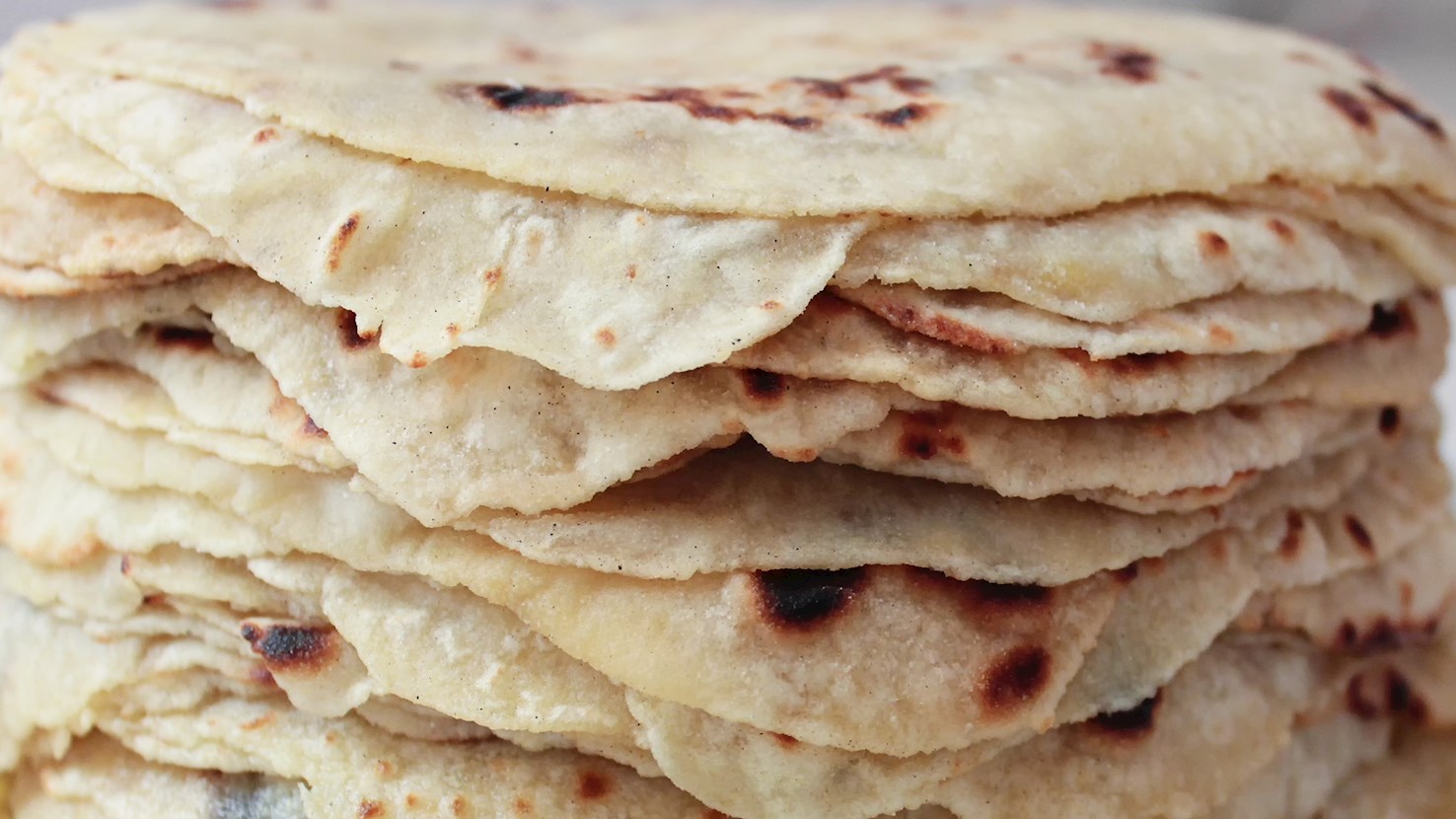
These thin, crispy potato pancakes are traditional Slovak snacks that are usually enjoyed during the Christmas festivities and Lent. They are made with a soft potato dough which is rolled into flat circular shapes and dry-baked until crispy and golden. Even though they are traditionally consumed as a savory snack filled with sauerkraut or minced meat, certain regional varieties are enjoyed as a sweet treat that is spread with fruit preserves and dusted with poppy seeds, sugar, and melted butter.

02

Kaiserschmarrn

4.3 ·

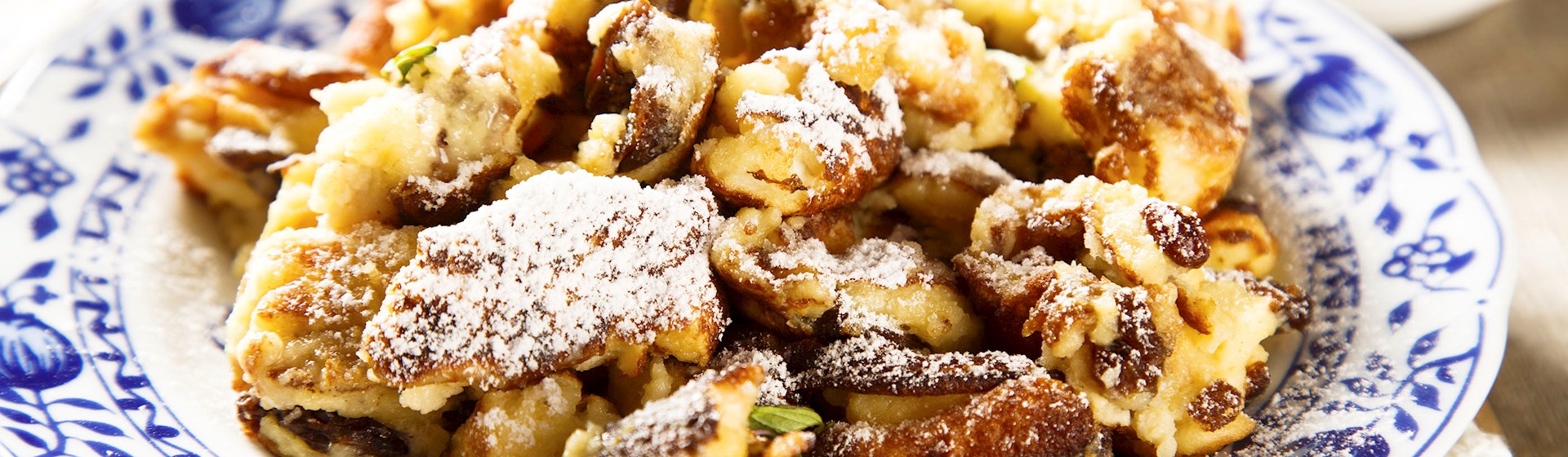
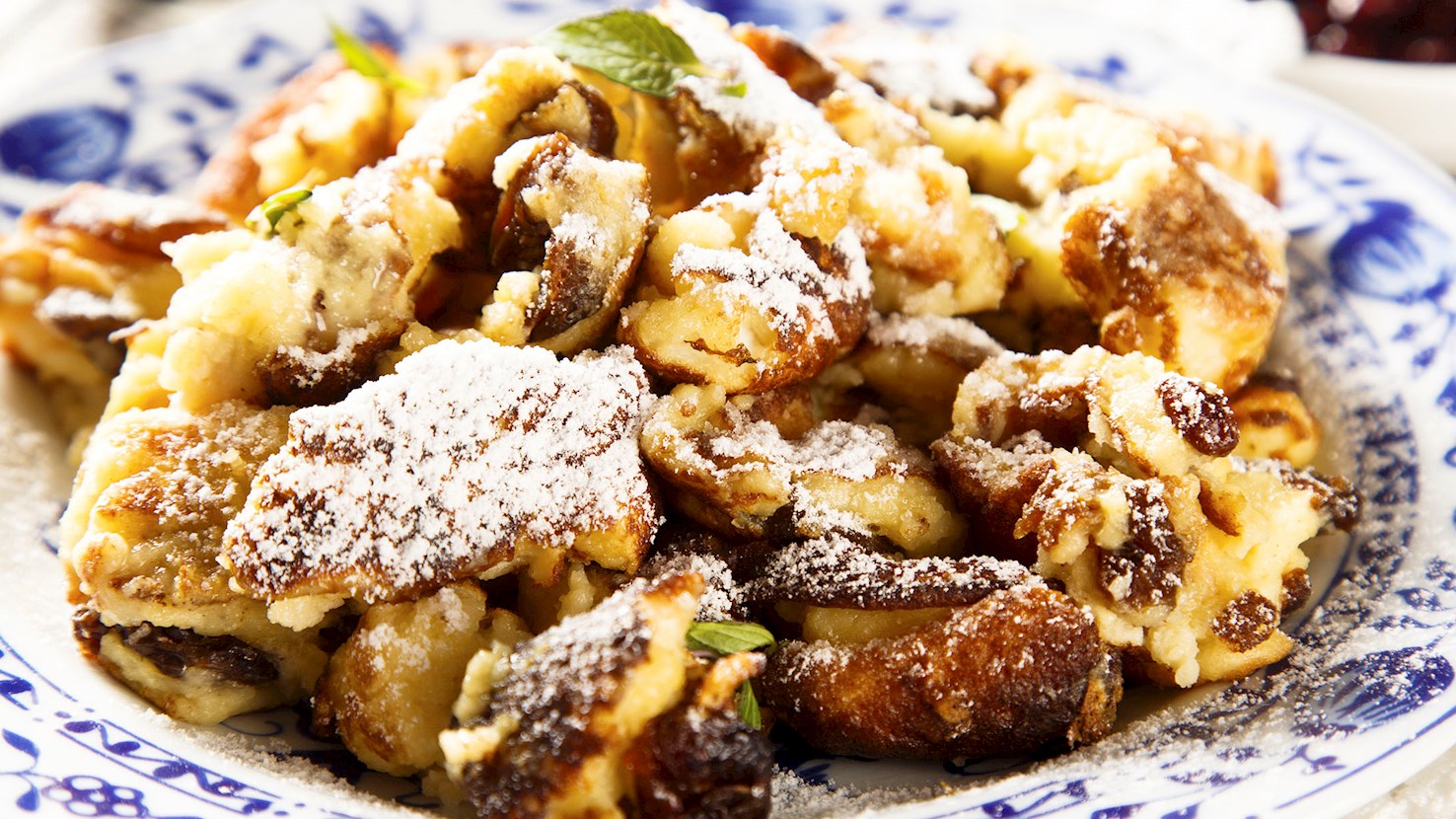
Also known as the Emperor's mess, this Austrian dessert can be described as a fluffy, lightly caramelized, scrambled pancake. Legend has it that kaiserschmarrn was the favorite dessert of Kaiser Franz Joseph I, after whom it was named. The dish is traditionally served either with zwetschkenröster (plum compote) or with a big spoonful of apple, pear, or berry preserve. Lavishly dusted with icing sugar, kaiserschmarrn is the perfect comfort food, indeed fit for an emperor and easily one of the best desserts Austria has to offer. Apart from the beloved, old-fashioned kaiserschmarrn, depending on the filling, some of the modern takes on this Austrian classic include apfelschmarrn (apples), kirschschmarrn (cherries), mirabellenschmarrn (mirabelle plums), nußschmarrn (walnuts, almonds, hazelnuts) and sauerrahmschmarrn (sour cream). Besides Austria, kaiserschmarrn is also a popular and common dessert in the German region of Bavaria. It can also be found in countries that were once part of the Austro-Hungarian Empire.

03

Lívance (Czech pancakes)

4.2 ·

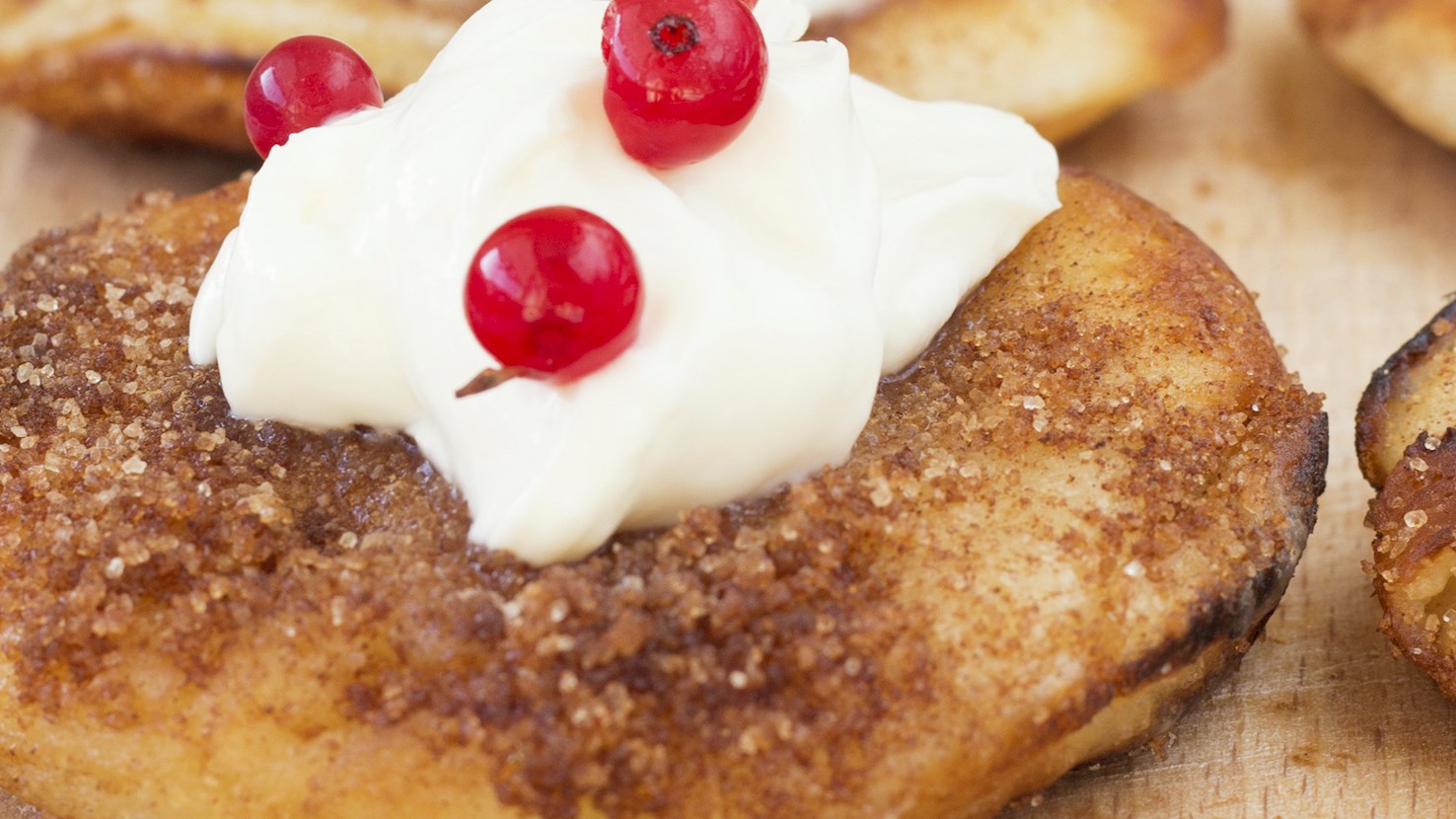
Round, thick, and soft, lívance are traditional Czech pancakes. The addition of yeast in the egg batter gives them an incredibly soft and buttery texture and differentiates them from other common pancake varieties. Lívance are usually small in size, with a light golden-brown color and crispy edges. The Czechs prefer to consume them dusted with powdered sugar and cinnamon or topped with various fruit jams, but their slightly sweet taste can withstand numerous other toppings and complements.

Best restaurants
04

Placki ziemniaczane

4.2 ·

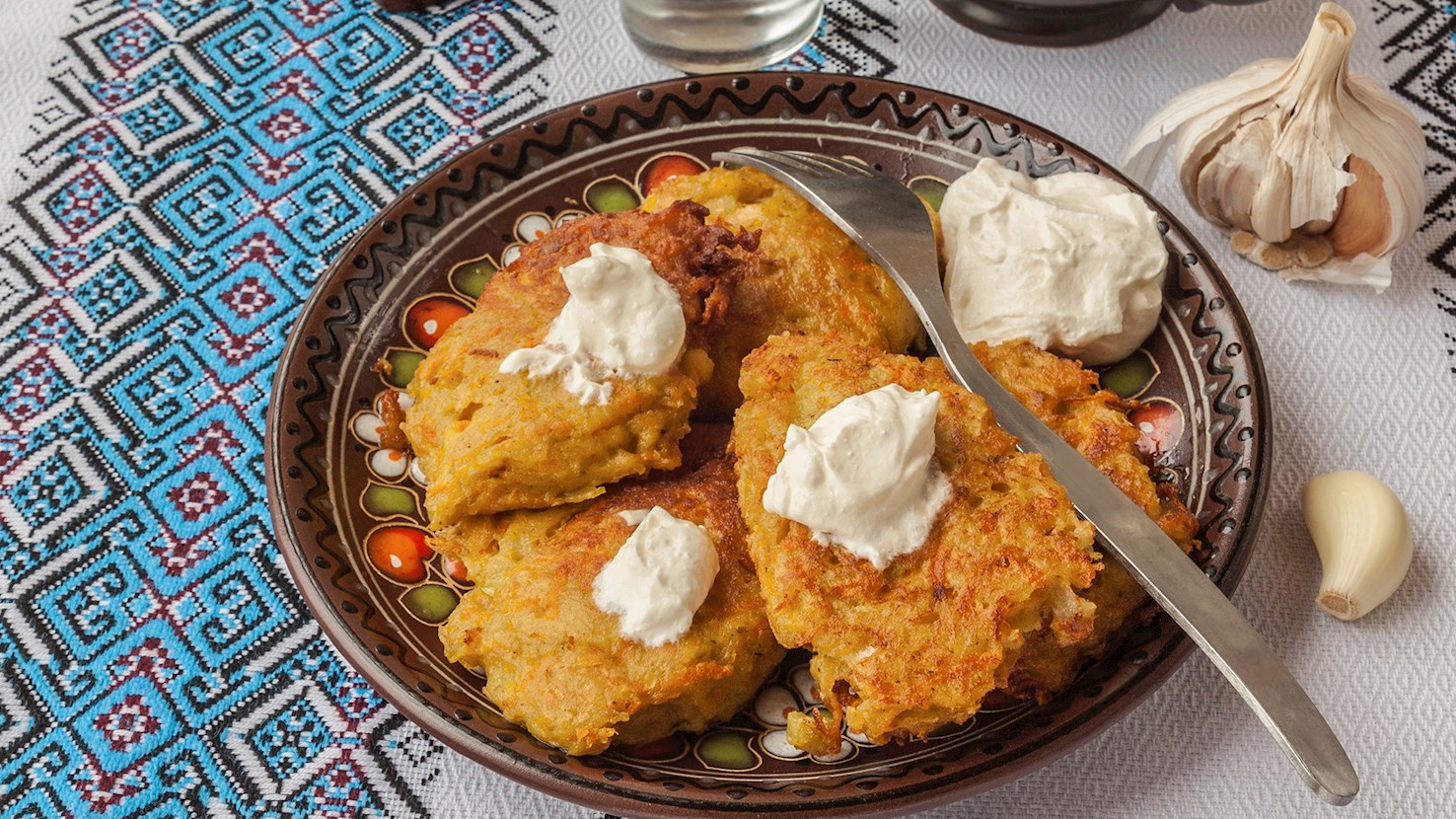
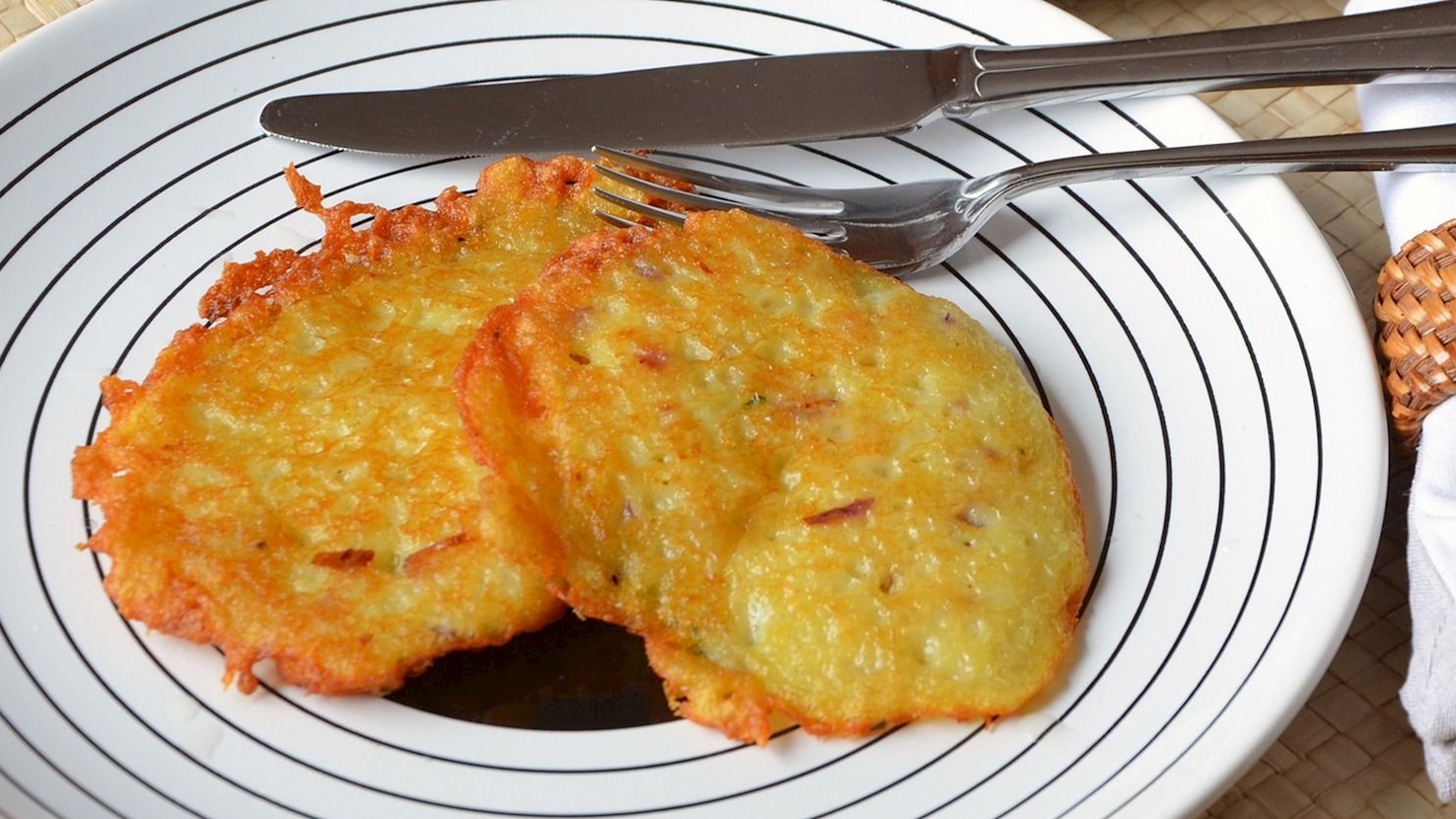
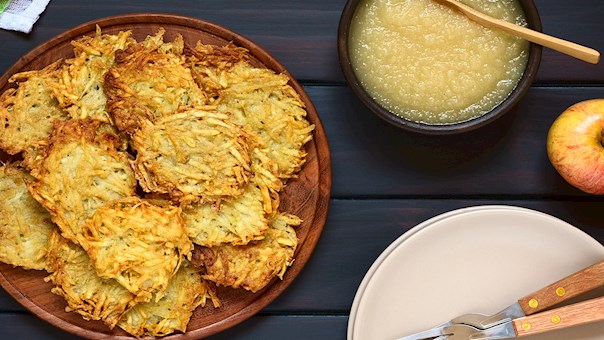
Placki ziemniaczane are the well-known potato pancakes, a common and straightforward dish enjoyed in all parts of Poland. The combination of grated potatoes and onions, incorporated with eggs and occasionally flour, form the base of the dish. It is highly versatile, and it can be adapted with crushed garlic or spices such as marjoram, parsley, and chives, to satisfy every taste. Potato pancakes are round and small in size, similar to American pancakes, and usually fried in shallow oil. With dark and crispy skin and spongy and soft interior, this quick and adaptable dish is a staple in every Polish household. Even though Polish regard them as a national dish, slightly different varieties of potato pancakes can be found across Central and Eastern Europe. Their exact origin is hard to trace, but in all regions and countries, they represent one of the most popular traditional dishes. In Poland, they are usually served with sour cream, which can be elevated with chives, paprika, and horseradish, or a satisfying mushroom sauce. These crispy potato clusters are often consumed as a sweet treat when they are usually topped with thick applesauce or simply sprinkled with sugar. They are eaten for breakfast, lunch, or dinner, and make an excellent and quick sweet or savory snack.

05

Poffertjes

4.2 ·

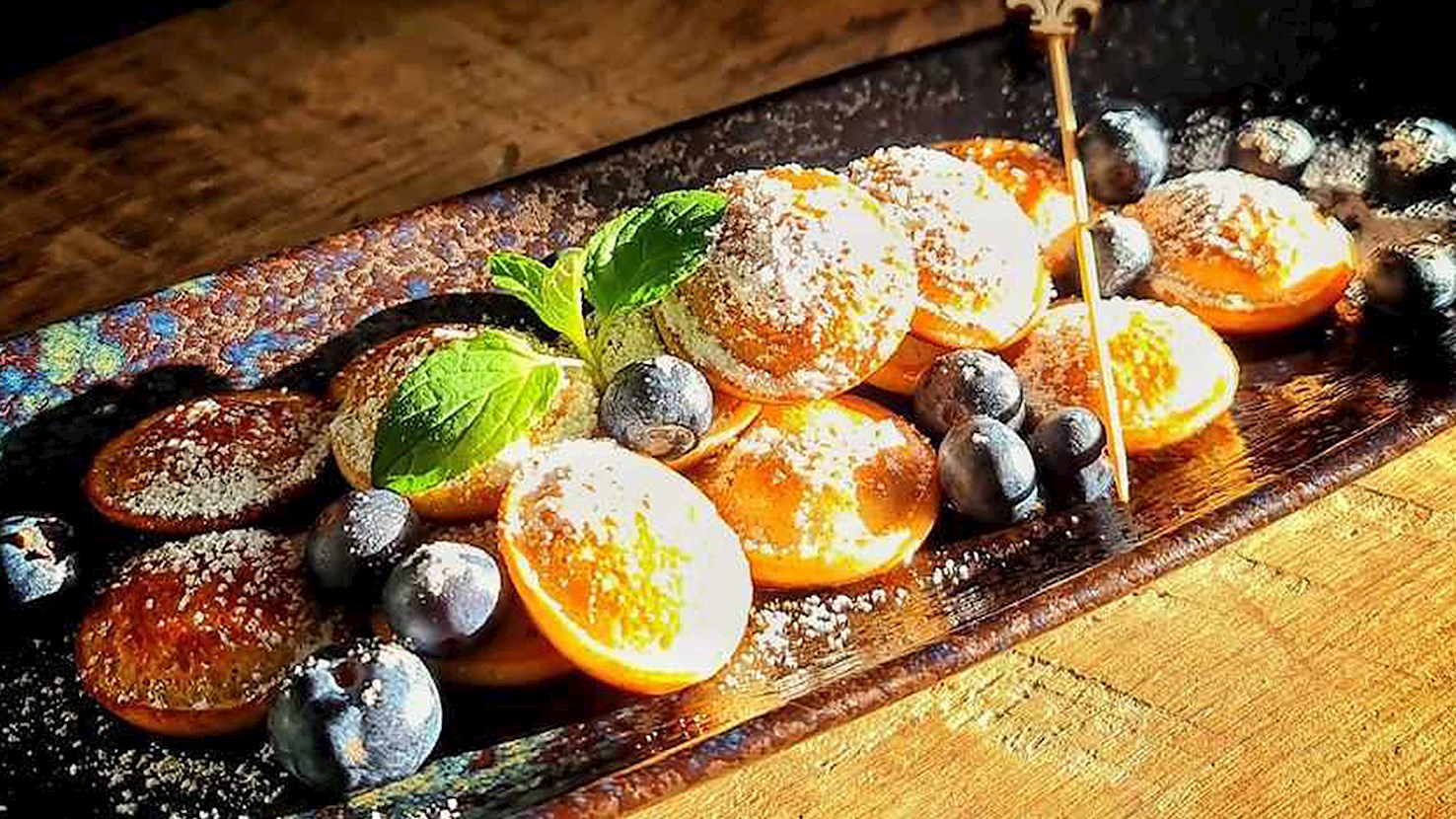
Poffertjes are small, round, and puffy Dutch pancakes made with yeast and buckwheat flour. They are baked in a special pan called poffertjespan, and usually served warm on a piece of cardboard paper when prepared outdoors, at festivals and outdoor events. They are consumed as a snack, and are rarely eaten for breakfast. Traditionally, poffertjes are topped with melted butter and powdered sugar, although there are a number of other, non-traditional toppings such as whipped cream, fresh fruit, or rum. During the Christmas and New Year period, poffertjes can be found throughout Dutch streets at numerous street carts. It is believed that poffertjes have roots in a Dutch Abbey, where they were used as a type of communion host. When the churchgoers tasted the small pancakes and liked them, poffertjes became very popular, so local stallholders seized the opportunity and started selling them as snacks. The first recipe for poffertjes is found in a cookbook from the mid-1700s, when the dish was considered a poor man's meal. Today, poffertjes are a staple of most Dutch weddings, birthday parties, and various festive occasions.

06

Pannekoek

4.1 ·

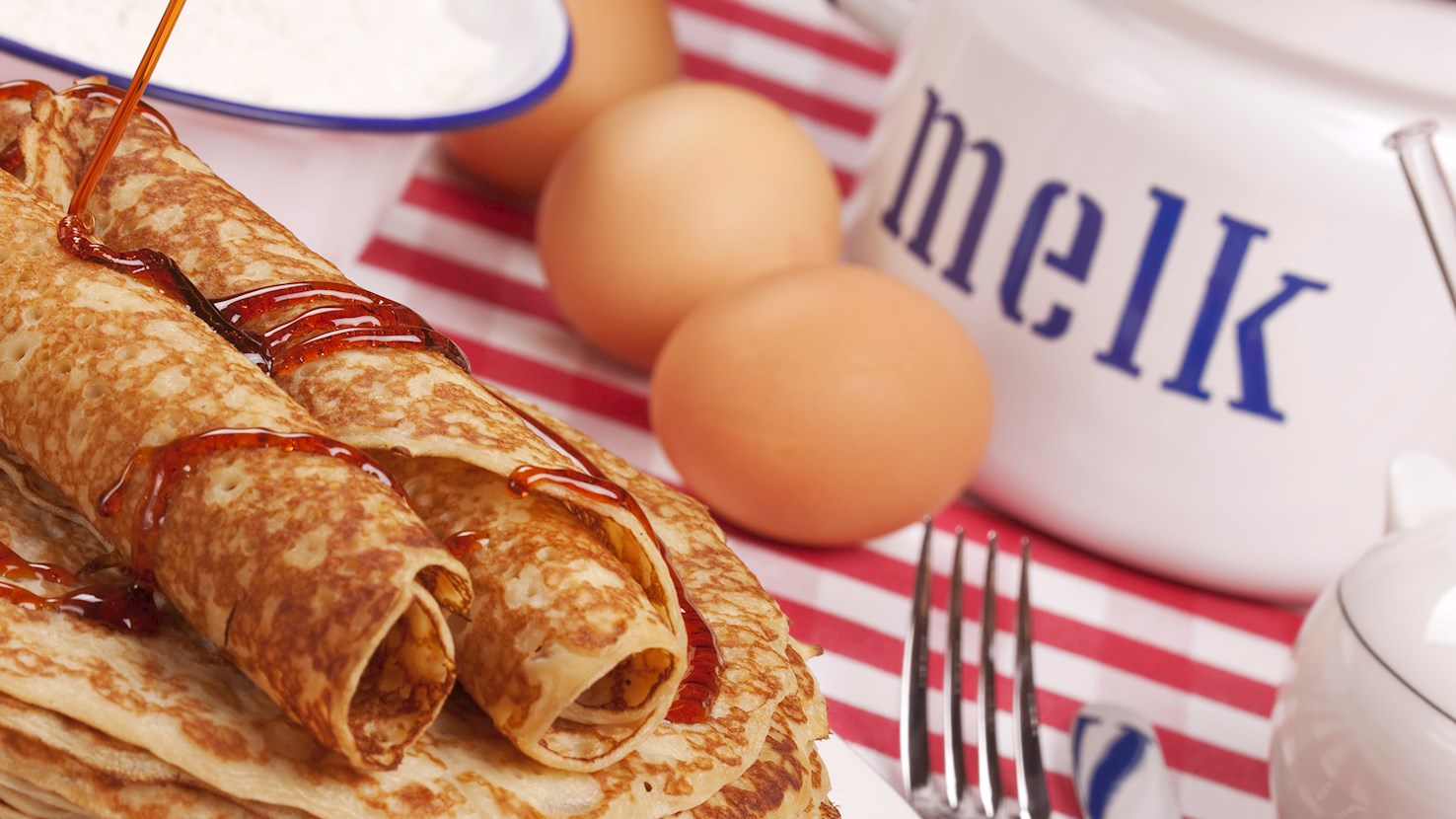
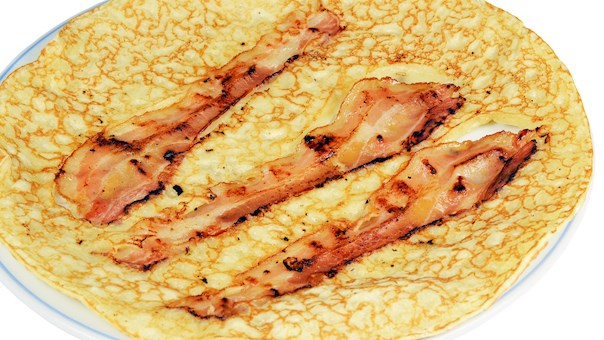
Pannekoek is a variety of Dutch pancakes that are somewhere between American pancakes and crêpes in terms of thickness, consisting of milk, flour, salt, and eggs. In the Netherlands, pannekoeken are usually eaten for dinner, lunch, or dessert, but rarely for breakfast. They are typically served with molasses syrup (stroop), sugar, apples, and cinnamon, but when made as a hearty lunch, some cooks like to add bacon and cheese to plain pancakes. Pannekoeken are also popular in Belgium and South Africa, where it is common to serve them with cinnamon sugar and a single lemon wedge. South Africans love to eat the pancakes when it is cold and raining outside, so much that the cold, damp weather is known as pancake-weather in the country.

07

Eierkuchen

4.1 ·

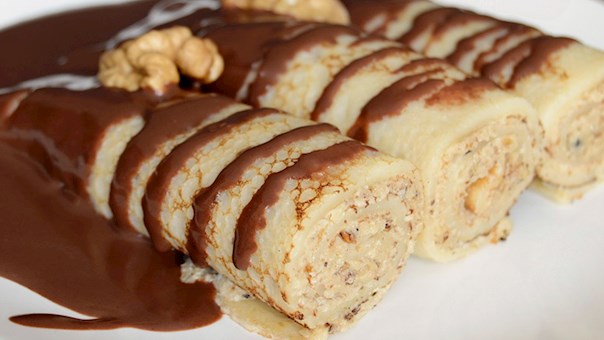
Eierkuchen are traditional German pancakes made by combining eggs, flour, milk, butter, baking powder, sugar, and salt. The batter is typically flavored with vanilla extract or cinnamon, although the sugar and other sweet flavorings may be omitted to make a savory version of these pancakes. A layer of batter is poured into melted butter or oil using a ladle, making sure the mixture covers the bottom of the pan forming a thin and round pancake. The pancakes are cooked on both sides until nicely browned, and they are then enjoyed while still warm, usually slathered with applesauce, fruit preserves, jams, or chocolate-hazelnut spreads. Also known as pfannkuchen, this simple treat is traditionally eaten for breakfast or as a sweet snack at any time of the day.

08

Gromperekichelcher

4.1 ·

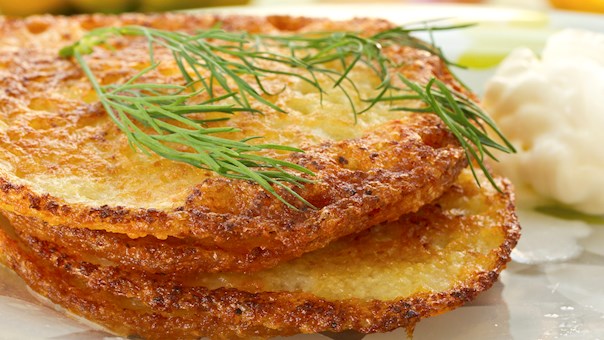
Gromperekichelcher is Luxembourg’s version of a potato pancake. It consists of grated potatoes, shallots, garlic, parsley, eggs, and flour. After the ingredients have been combined, the concoction is typically flavored with salt, pepper, and a pinch of nutmeg, flattened into a small pancake, then fried in hot oil. These crispy fritters can be consumed on their own as a snack or served as a side dish accompanying a variety of savory dishes.

09

Hortobágyi palacsinta

4.1 ·

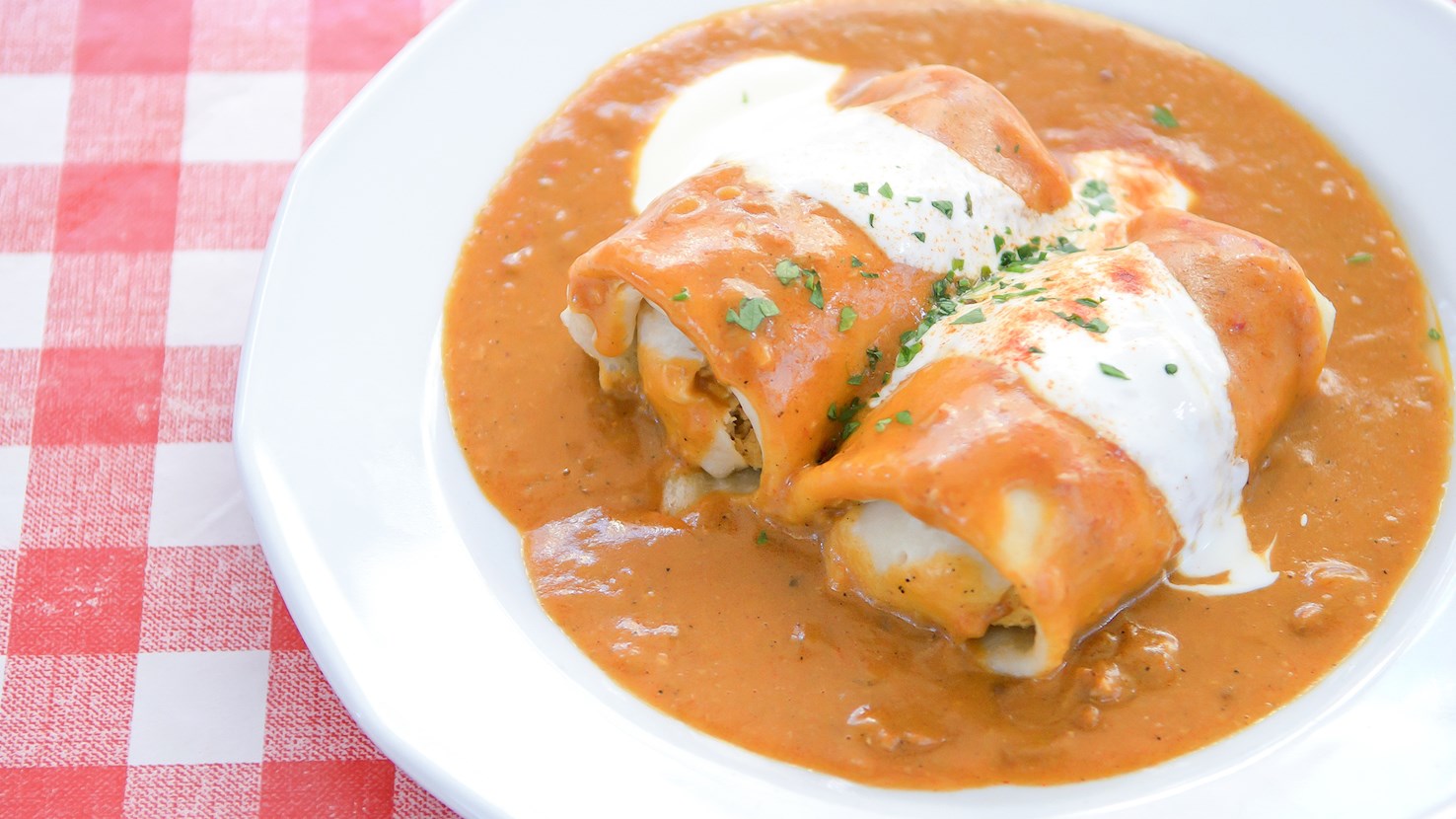
This savory pancake is a specialty of the Hungarian cuisine. It is filled with meat (typically veal) which is prepared like a stew – sautéed with tomatoes, onions, spices, and (sometimes) mushrooms. The pancakes are first filled with the combination of meat and vegetables, then tucked at the ends and baked in the oven with sour cream and paprika. After the baking, the dish is usually garnished with chopped parsley. Although the dish is named Hortobágyi palacsinta, it is believed that it does not have anything to do with Hortobágy nor the Great Hungarian Plain, as it was invented for the 1958 Brussels World Fair. However, there are some Hungarian cookbooks from the 1930s featuring a similar, but not quite the same recipe.

Best restaurants
10

Racuchy

4.1 ·

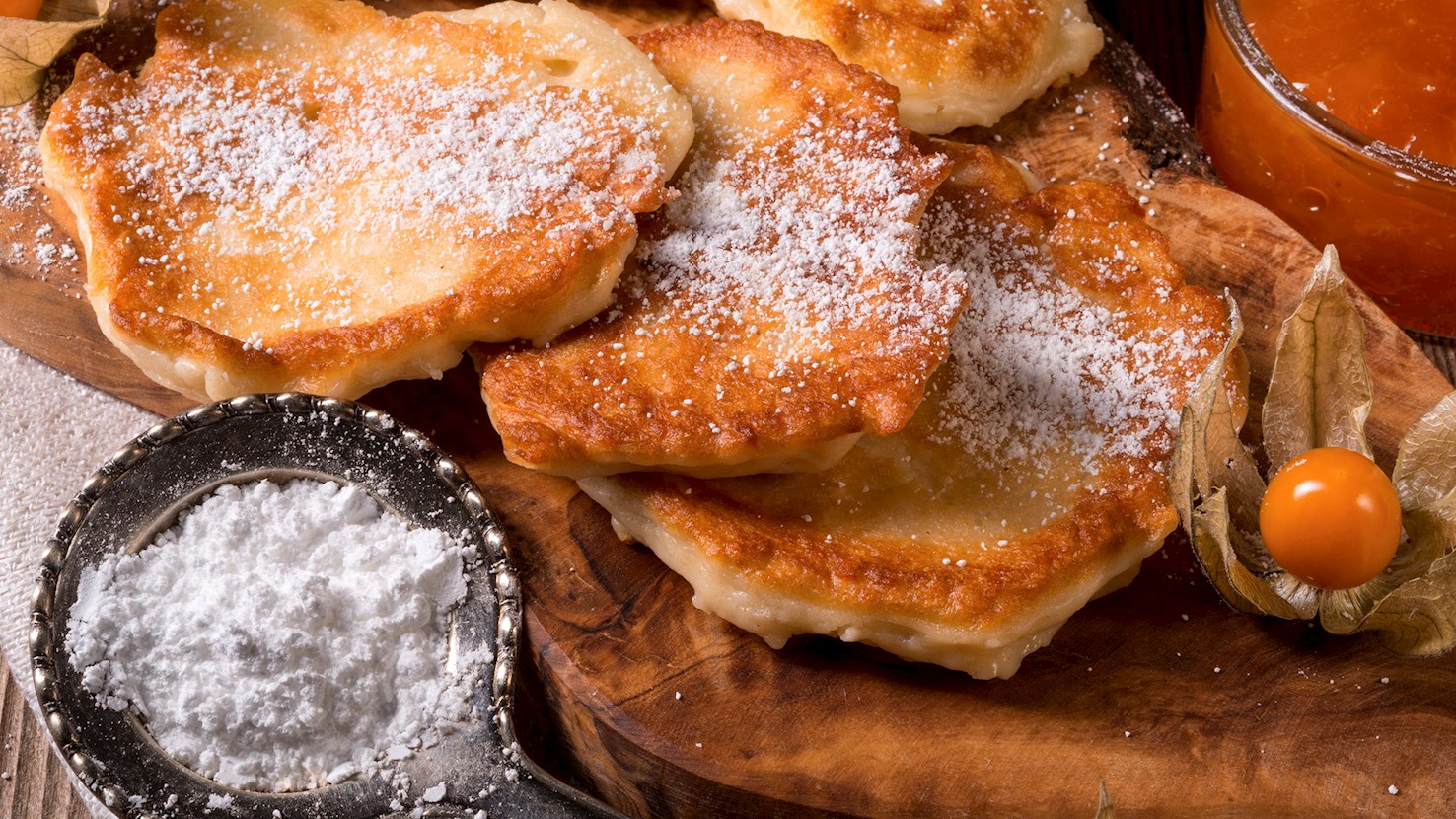
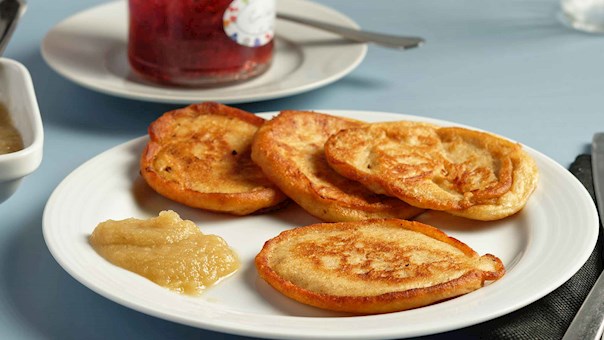
A mix between classic American pancakes and thin crepes, fluffy racuchy are an authentic Polish dessert. They are traditionally made with apples, but the plain varieties are also quite popular. Eggs, milk or buttermilk, sugar, and yeast or baking powder create the basic thick mix for these classic pancakes. Apples are usually diced or thinly sliced and added last. Racuchy can range from thick to rather thin forms, depending on preference, but they are always smaller in size than crepes. The pancakes are pan-fried, resulting in a crunchy exterior with a soft and elastic center. Before serving, they are usually sprinkled with plain or powdered sugar. Although racuchy are especially popular as a dessert, they can often be served as a sweet breakfast or as a snack. These pancakes can be eaten plain or accompanied by a cup of warm milk. Occasionally, apples can be substituted with other fruit, such as bananas and pears, while a dollop of whipped cream is often served on the side.

Read more
View all
View map
About this ranking

TasteAtlas food rankings are based on the ratings of the TasteAtlas audience, with a series of mechanisms that recognize real users and that ignore bot, nationalist or local patriotic ratings, and give additional value to the ratings of users that the system recognizes as knowledgeable. For the “Top 28 Central European Pancakes” list until June 15, 2026, 2,654 ratings were recorded, of which 2,227 were recognized by the system as legitimate. TasteAtlas Rankings should not be seen as the final global conclusion about food. Their purpose is to promote excellent local foods, instill pride in traditional dishes, and arouse curiosity about dishes you haven’t tried.

Similar lists