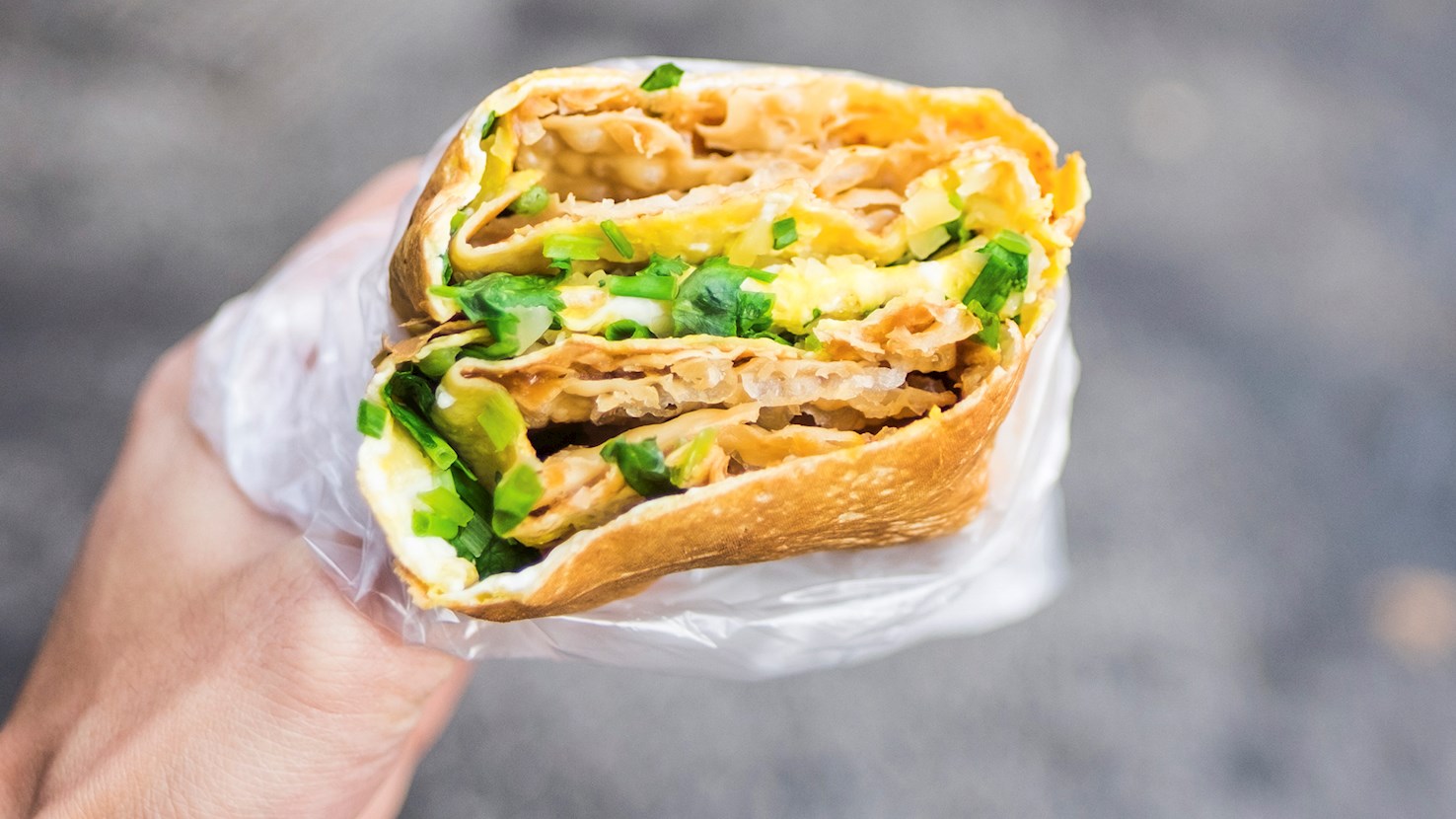
A favorite breakfast item in China sold by numerous street food vendors early in the morning, jianbing or fried pancake is a thin and savory crêpe-like pancake that is made by spreading batter over a hot, cast-iron slab with a wooden paddle. The batter can be made with a variety of different flour, with the most common types being mung bean flour, black bean flour, and wheat flour. Always freshly prepared and warm, this fried pancake is usually topped with eggs, then flavored with various sauces such as chili sauce, hoisin sauce, or tianmianjiang (savory bean paste) sauce, and filled with ingredients such as spring onions, mustard pickles, radishes, scallions, cilantro, or even a protein such as Chinese sausage or chicken. A type of crispy-fried dough sticks called guozi or strips of crispy wonton are traditionally added to the pancake filling for extra crunchiness. The variations on this dish are endless as are the ingredients that can be added inside the crêpe wrapper. Typical of Tianjin, versions of this Chinese dish can also be found in some of the largest cities in the world including New York, Sydney, and London.
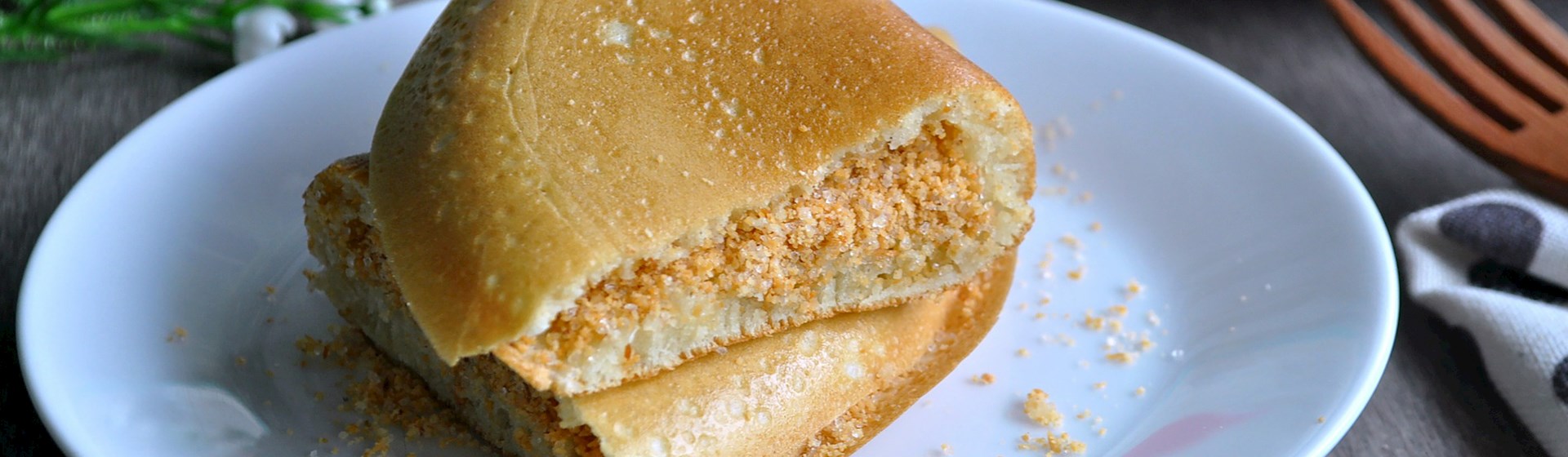
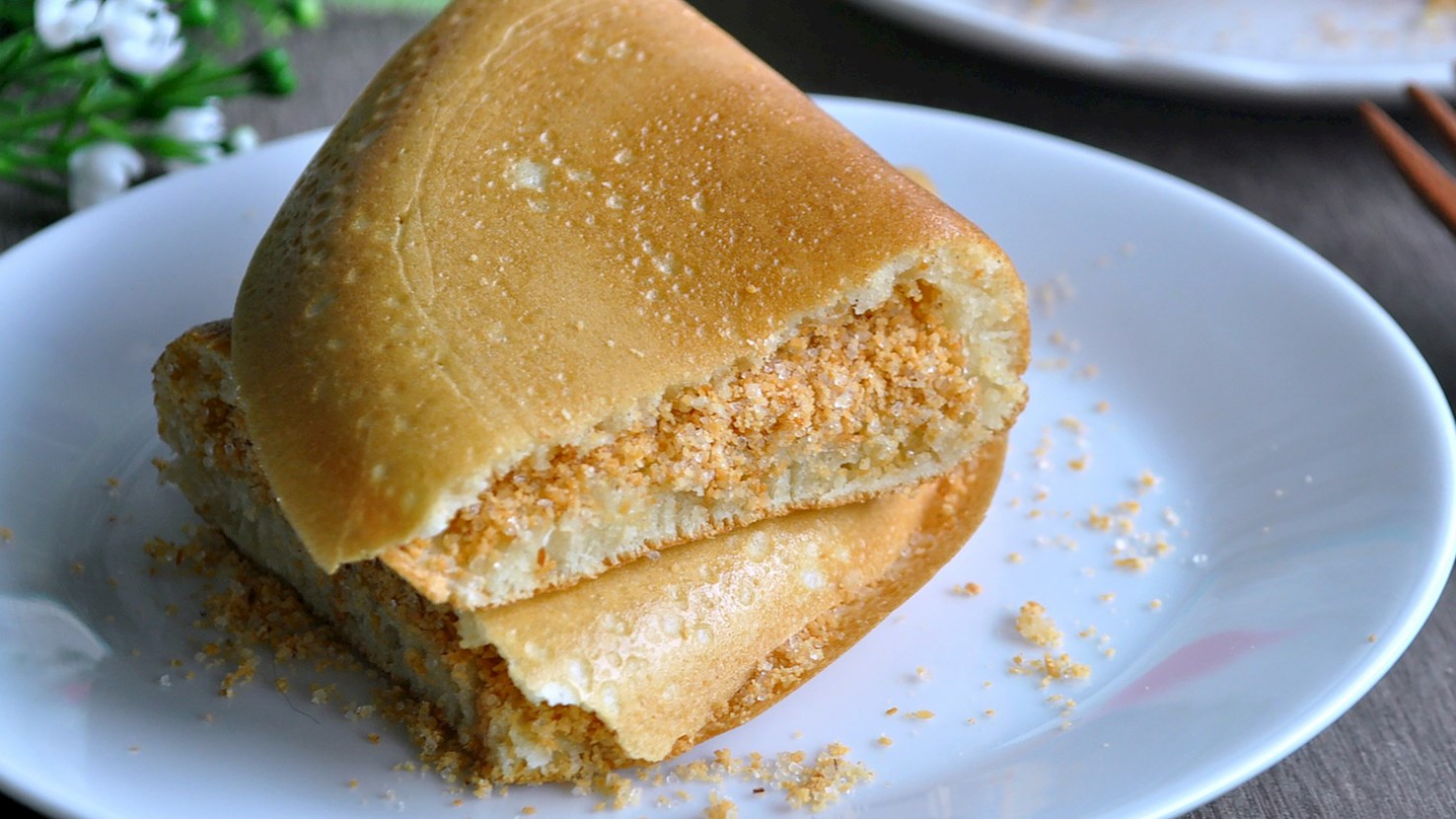
Min chiang kueh is a traditional pancake that's consumed in China and Singapore, with similar version in Malaysia (apam balik). These thick pancakes are filled with a combination of crushed peanuts and sugar. The batter is usually prepared with a combination of plain and rice flour, coconut milk, eggs, sugar, yeast, baking soda, and a pinch of salt. Once prepared, the pancake is topped with peanuts and sugar, then folded in half and served. Other fillings are also available, such as red bean paste and shredded coconut. The pancake is served for breakfast, always piping hot, and it can be found at most hawker centers. It's believed that these pancakes originate from Fujian, China.
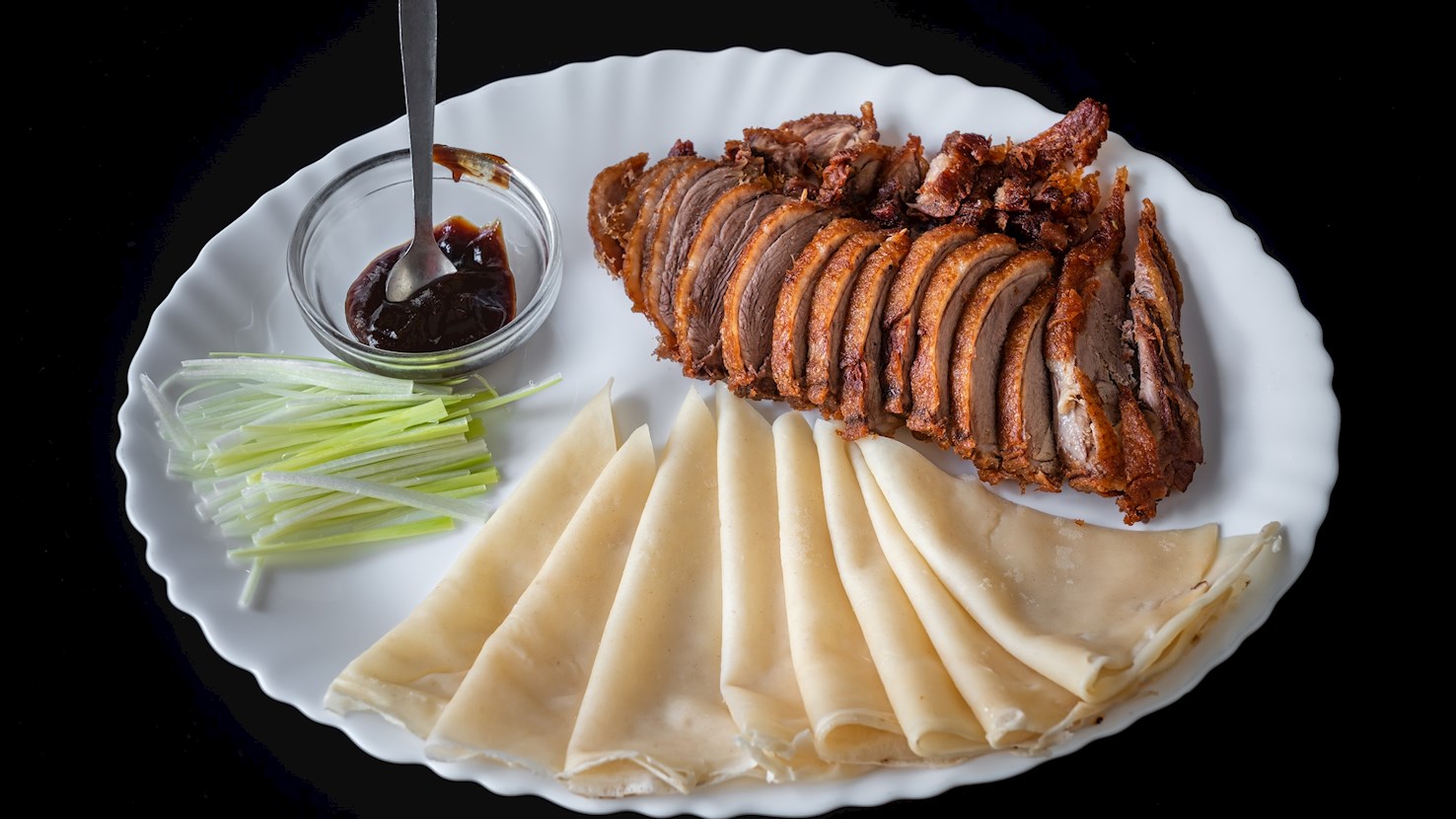
Mandarin pancakes are traditional Chinese pancakes that are always served with the famous Peking duck. The dough is usually made with a combination of flour, vegetable oil, and boiling water. The flour is mixed with boiling water in order to make a dry dough that's kneaded until firm and slightly elastic. Once rested, it's rolled into a sausage that's sliced into smaller pieces, and each piece is rolled into a small ball. Each ball is rolled out into a thin circle, and each pancake is brushed with oil on one side. The pancakes are paired up, oiled sides facing together, and they're fried in a bit of oil on both sides until brown bubbles start to appear. The pancakes are peeled apart, folded in half, stacked on a large plate, and steamed before serving.
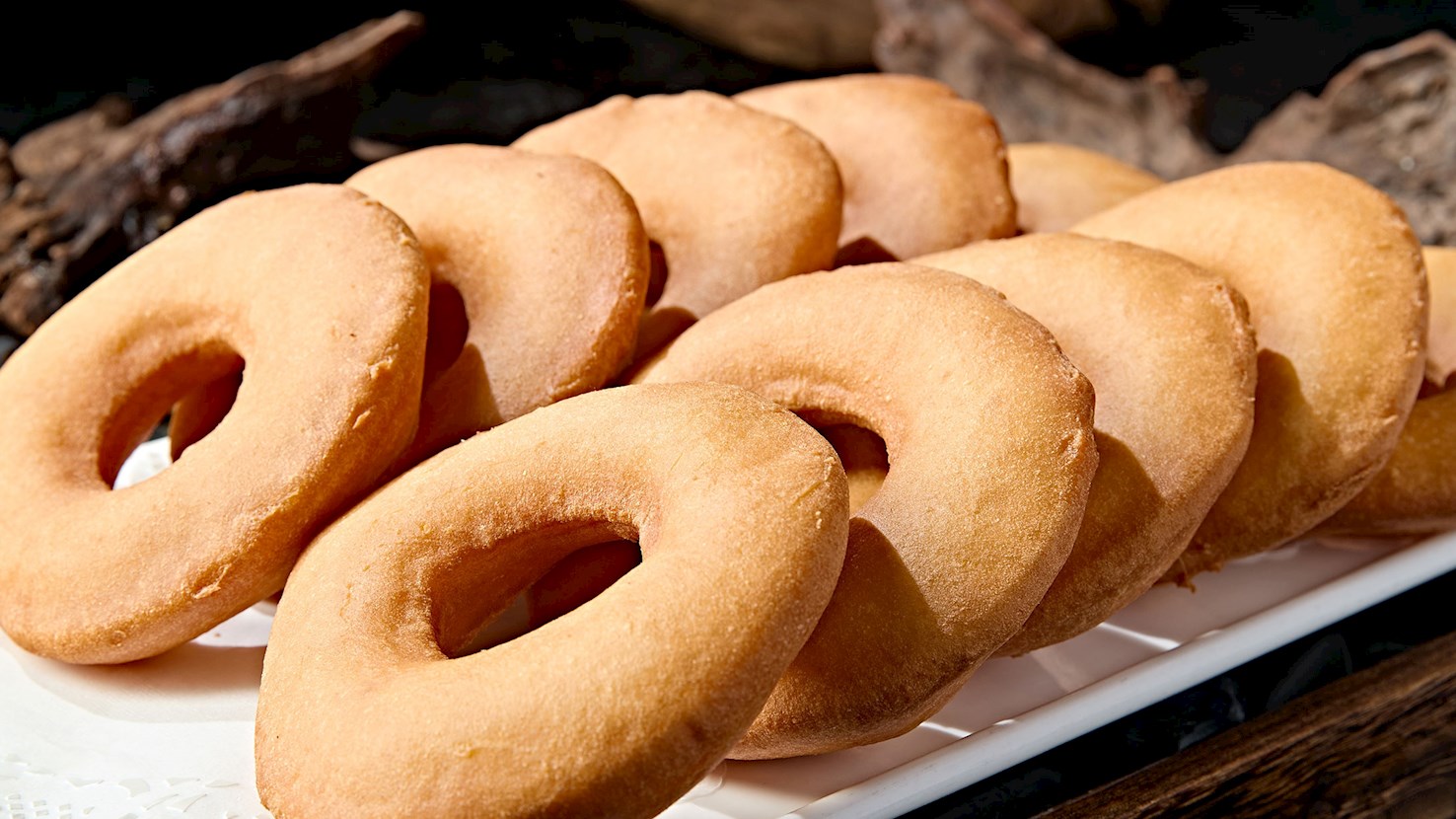
Cōng yóu bābā is a savory, donut-shaped pancake from Hunan province, known for its crisp exterior, soft interior, and aromatic scallion flavor. It is a popular street food and breakfast item, often eaten on its own or paired with noodles and soup, and is especially common in urban markets and small-town eateries where quick, satisfying snacks are part of daily life. Its name translates literally to “scallion oil baba,” referring to the two defining elements of the dish: finely chopped scallions and the oil in which it is cooked. The origins of cōng yóu bābā are rooted in the broader Chinese custom of frying dough as an accessible and filling food, a practice that dates back centuries. In Hunan, where scallions are widely used to enhance savory dishes, cooks adapted this technique to create a more flavorful and aromatic version of fried dough. Over time, the snack evolved from simple street-side sustenance into a recognizable specialty of the region, often linked to breakfast culture and market food stalls. Making cōng yóu bābā begins with a basic dough of rice flour, water, salt, and chopped scallions. The dough is kneaded until smooth, then shaped into small rings or flattened rounds with a hole in the center. These are shallow-fried or pan-fried in oil until golden and crisp on the outside while remaining soft and slightly chewy inside. The frying process allows the scallions to release their aroma into the dough and oil, resulting in a rich, savory flavor. Some variations include a touch of sesame oil for added fragrance or a sprinkle of salt on the surface just before frying. The finished bābā is typically served warm, either plain or accompanied by chili sauce, soy-based dips, or pickled vegetables. Cōng yóu bābā is most commonly eaten fresh off the griddle in morning markets, where vendors serve it as a quick breakfast to be eaten by hand. It is also a common side item with bowls of rice noodles or soup, where its savory flavor and slight crispness complement softer textures. In some areas, it is enjoyed with hot soy milk or congee, while in others it may be paired with spicy chili paste for added heat.
TasteAtlas food rankings are based on the ratings of the TasteAtlas audience, with a series of mechanisms that recognize real users and that ignore bot,
nationalist or local patriotic ratings, and give additional value to the ratings of users that the system recognizes as knowledgeable.
TasteAtlas Rankings should not be seen as the final global conclusion about food. Their purpose is to promote excellent local foods,
instill pride in traditional dishes, and arouse curiosity about dishes you haven’t tried.



What People Say