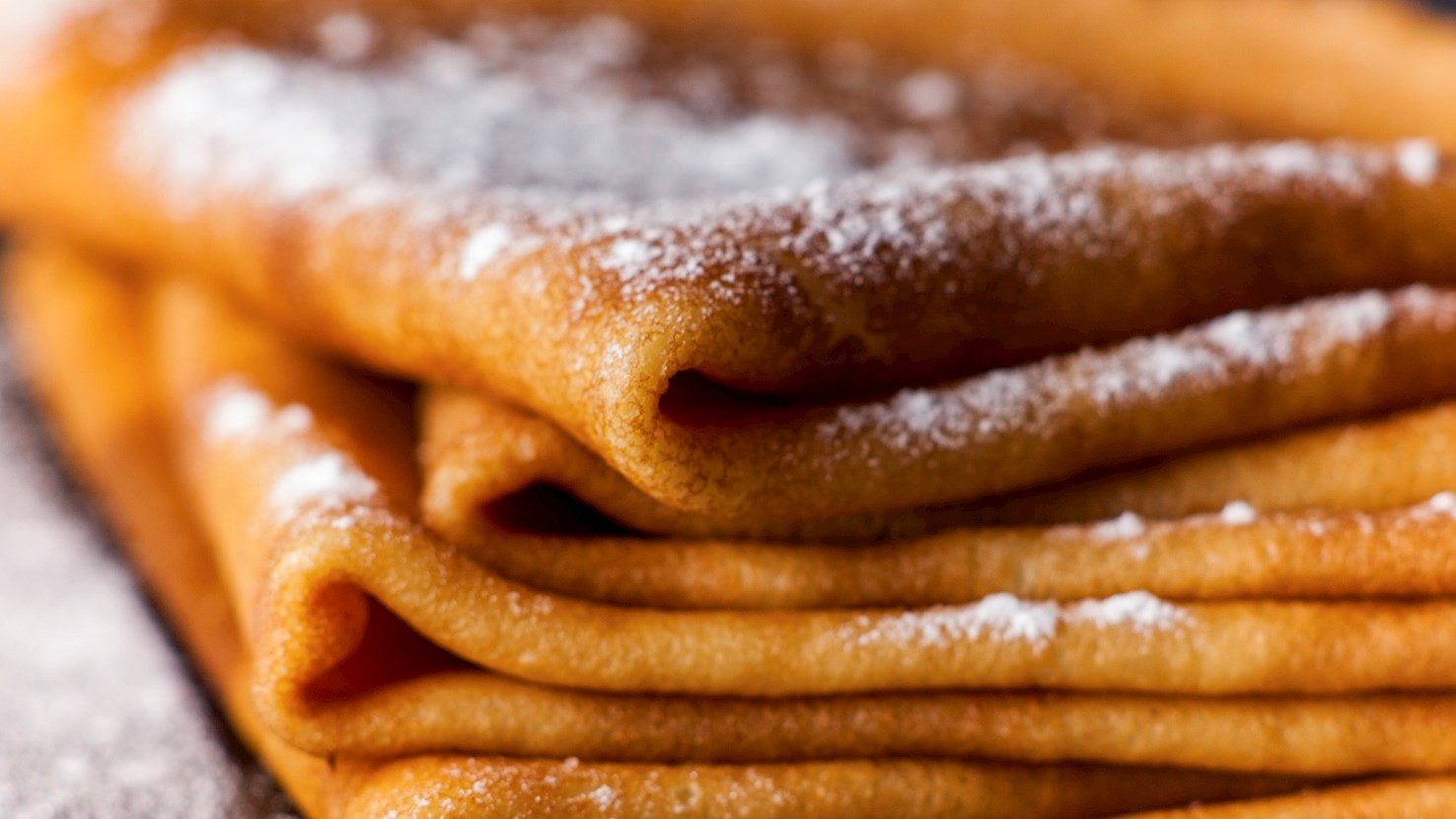
Eierkuchen are traditional German pancakes made by combining eggs, flour, milk, butter, baking powder, sugar, and salt. The batter is typically flavored with vanilla extract or cinnamon, although the sugar and other sweet flavorings may be omitted to make a savory version of these pancakes. A layer of batter is poured into melted butter or oil using a ladle, making sure the mixture covers the bottom of the pan forming a thin and round pancake. The pancakes are cooked on both sides until nicely browned, and they are then enjoyed while still warm, usually slathered with applesauce, fruit preserves, jams, or chocolate-hazelnut spreads. Also known as pfannkuchen, this simple treat is traditionally eaten for breakfast or as a sweet snack at any time of the day.
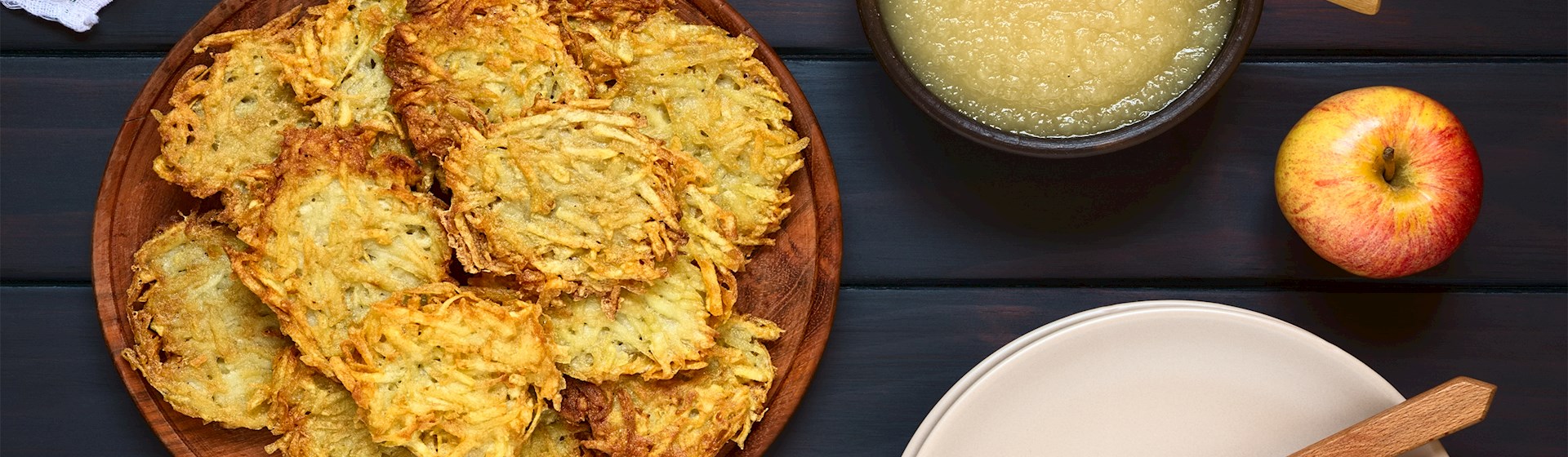
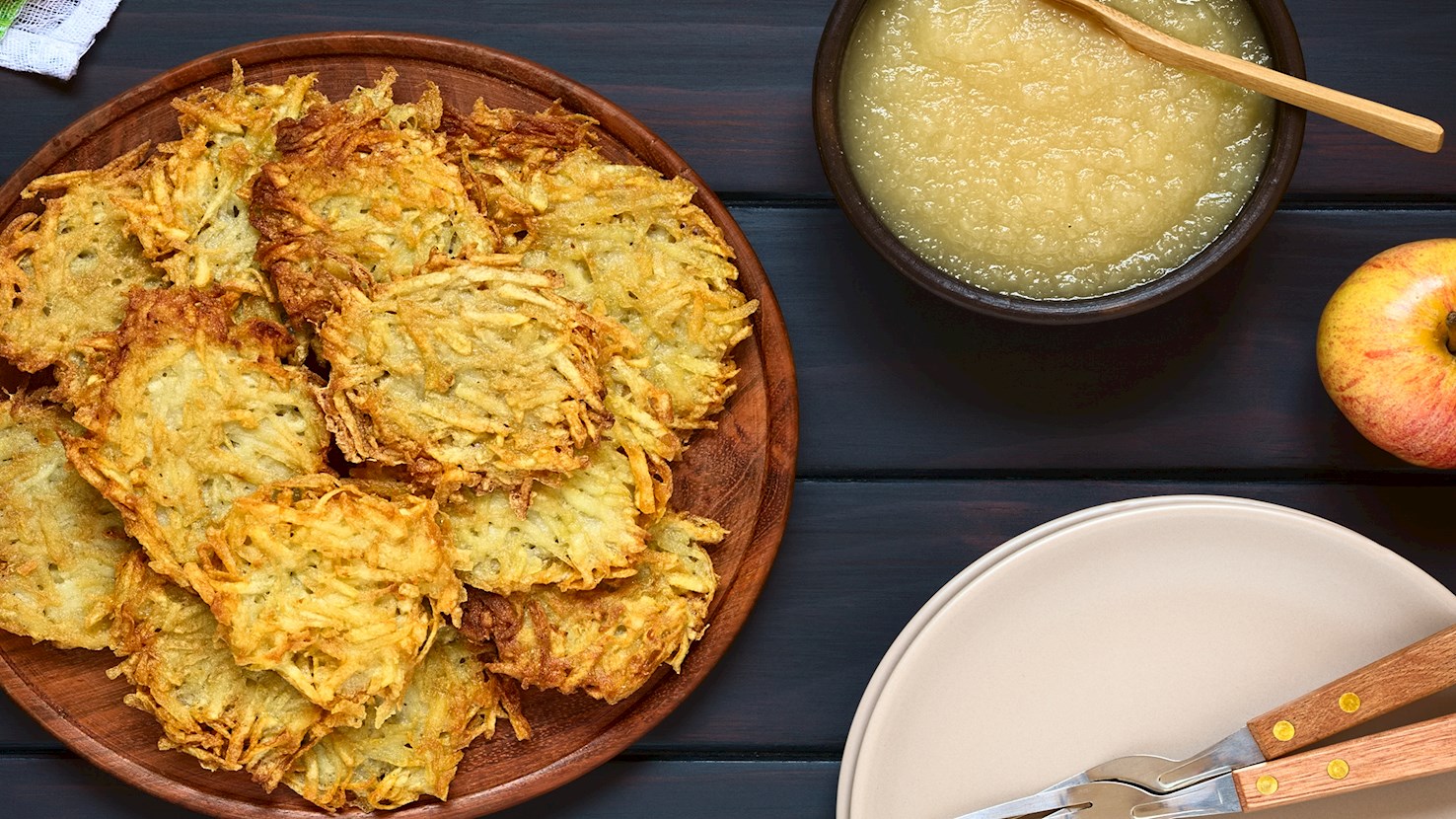
German potato pancakes are a restaurant staple, a homemade classic, and a popular street food snack. They are prepared with a thick batter that employs grated raw potatoes, flour, and eggs, and are usually shaped into flat, round discs that are shortly pan-fried until golden and crispy. Even though they are often served as a complement to stews, grilled meat, and sausages, potato pancakes make an excellent snack or main course. Kartoffelpuffers are traditionally accompanied by creamy apple sauce, fruit preserves, or sour cream.
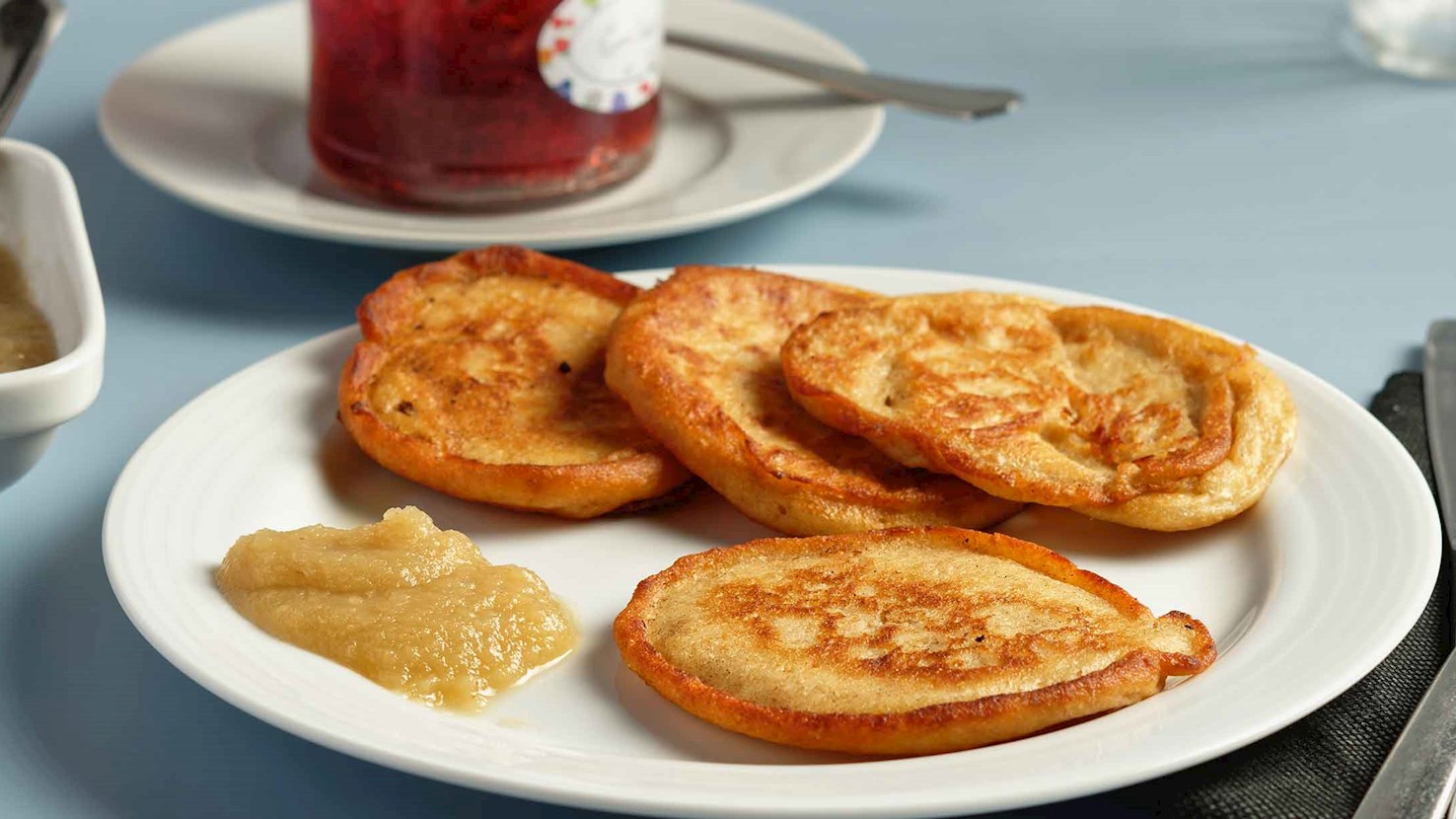
Originating in Saxony, quarkkeulchen is made by combining quark, mashed potatoes, eggs, flour, and milk or water, and then shaping the mixture into flat cakes which are fried in hot oil or butter until nicely browned on both sides. This sweet specialty is usually flavored with lemon juice or lemon zest, and it is often enhanced with raisins or currants for extra flavor and texture. Qarkkeulchen can be enjoyed warm or chilled, and it is usually topped with powdered sugar and cinnamon. Applesauce or stewed fruit such as plums and a cup of fresh coffee typically accompany this simple German dessert.
Speckpfannkuchen (lit. pancakes with bacon) is a type of savory pancake from Germany combined with cubes or strips of bacon. The bacon can either be on top of the pancake or used as a filling, but it’s always first fried before being incorporated into the dish. Besides bacon, the pancake may be modified to include cheese or onions. It is eaten as an appetizer or a hearty breakfast complemented with pickled cucumbers or a green salad.
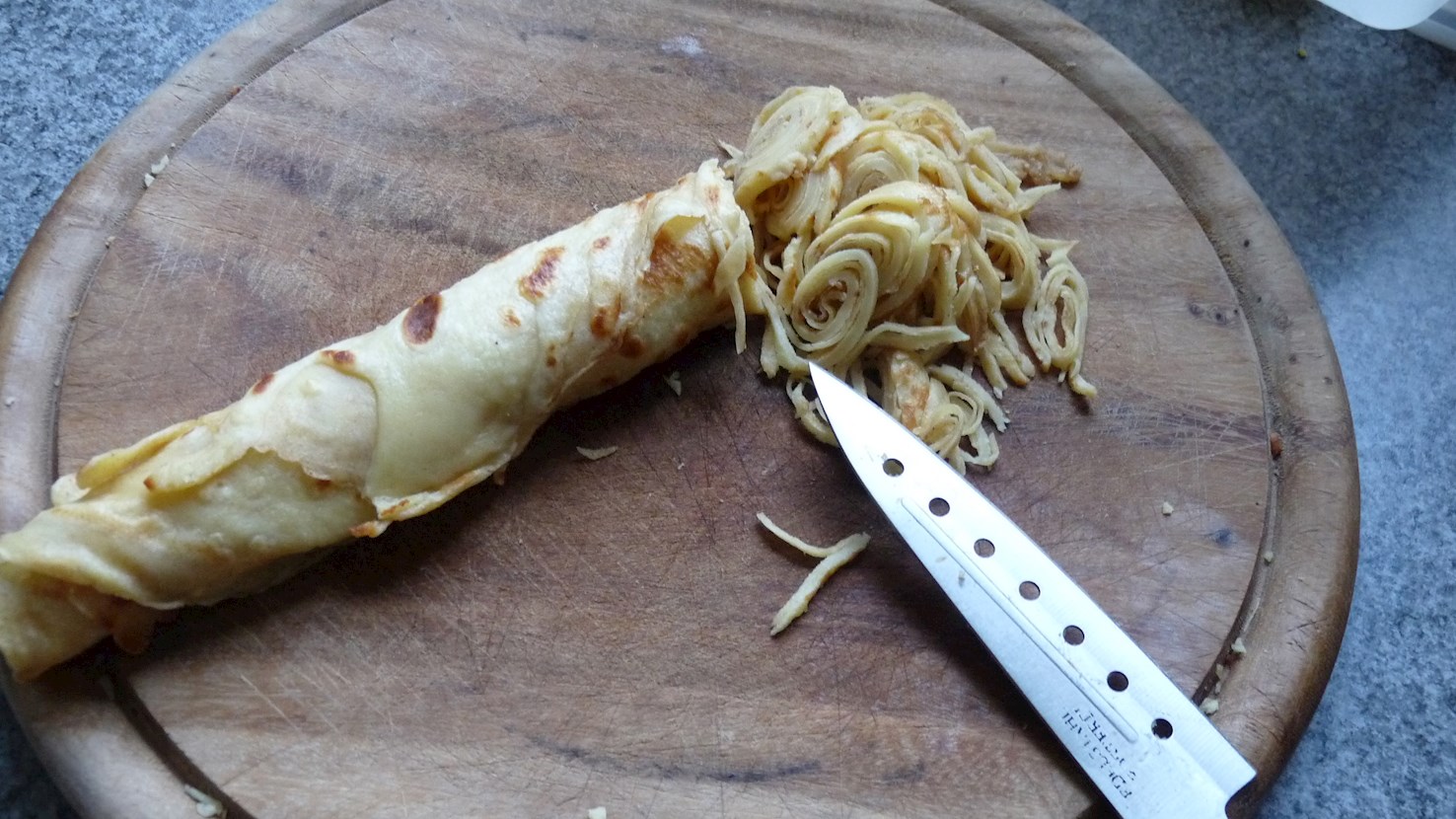
Flädle are thin pancakes made from wheat flour, eggs, milk, and salt, often rolled up and sliced into narrow strips for serving in clear broth. Cooked on both sides in a lightly greased pan, they have golden-brown patches, a tender center, and edges that can become lightly crisp. In Swabian usage, the name can refer to the whole pancakes or specifically to the strips cut from them; flädlesuppe is the soup made with those strips. The pancakes are thin and flexible, with a mild egg-and-milk flavor that suits both savory and sweet preparations. For the familiar soup preparation, the batter is unsweetened and fluid enough to spread across the bottom of a pan. A small amount is poured in and distributed by tilting the pan, then cooked and turned to brown the other side. Butter, oil, or lard may be used for frying. Another way is to rub the hot pan with a piece of bacon or pork rind to leave a thin coating of fat. Chopped chives and parsley are optional additions to the batter, producing herb-speckled pancakes; plain flädle are equally suitable for soup. Once cooked, the pancakes are rolled into cylinders and sliced crosswise into fine ribbons. In the finished bowl, they resemble noodles, but they are fully cooked in the pan before meeting the broth. Flädlesuppe commonly uses clear beef broth, although veal broth and vegetable broth are also used. The strips are placed in soup bowls and covered with hot broth shortly before serving, then usually sprinkled with finely cut chives. Parsley is another familiar garnish. The pancakes soften as they absorb the liquid, so they're tender rather than crisp in soup. Flädlesuppe also uses leftover pancakes: an uneaten portion from one meal can be cut into strips for the next day’s soup. Cooks also prepare pancakes specifically for this purpose, and the strips can be frozen for later use. An early twentieth-century example appears in Badisches Kriegskochbüchlein (1915), compiled by Emma Wundt and published by the Badischer Frauenverein. Its recipe for flädchensuppe combines equal weights of flour and peeled, grated potatoes with milk, egg, and salt. The pancakes are fried in a pan greased with pork rind, cut into fine strips, and served in clear meat broth with optional chives. Potato replaces part of the flour in this wartime preparation, following the book’s advice on adapting meals to shortages. The basic sequence, frying pancakes, cutting them, and adding them to broth, remains recognizable despite the different batter. Flädle also appear in schwäbische Hochzeitssuppe, a wedding soup containing several kinds of dumplings. Depending on the preparation, they may share the broth with Grießknödel (semolina dumplings), Leberknödel (liver dumplings), or Maultaschen (filled pasta parcels). Here the pancake strips are one component of a more substantial soup served for a special occasion. Whole flädle have uses beyond soup. They accompany asparagus or are filled and served as a main course. Sweet preparations include pancakes spread with jam and versions filled with quark, a fresh curd cheese, together with eggs, sugar, lemon zest, and raisins. The same basic pancake therefore serves several purposes, with the filling and final presentation determining how it is eaten. For flädlesuppe, the cut strips are added only at serving time, with the hot broth poured over them and chopped herbs scattered on top.
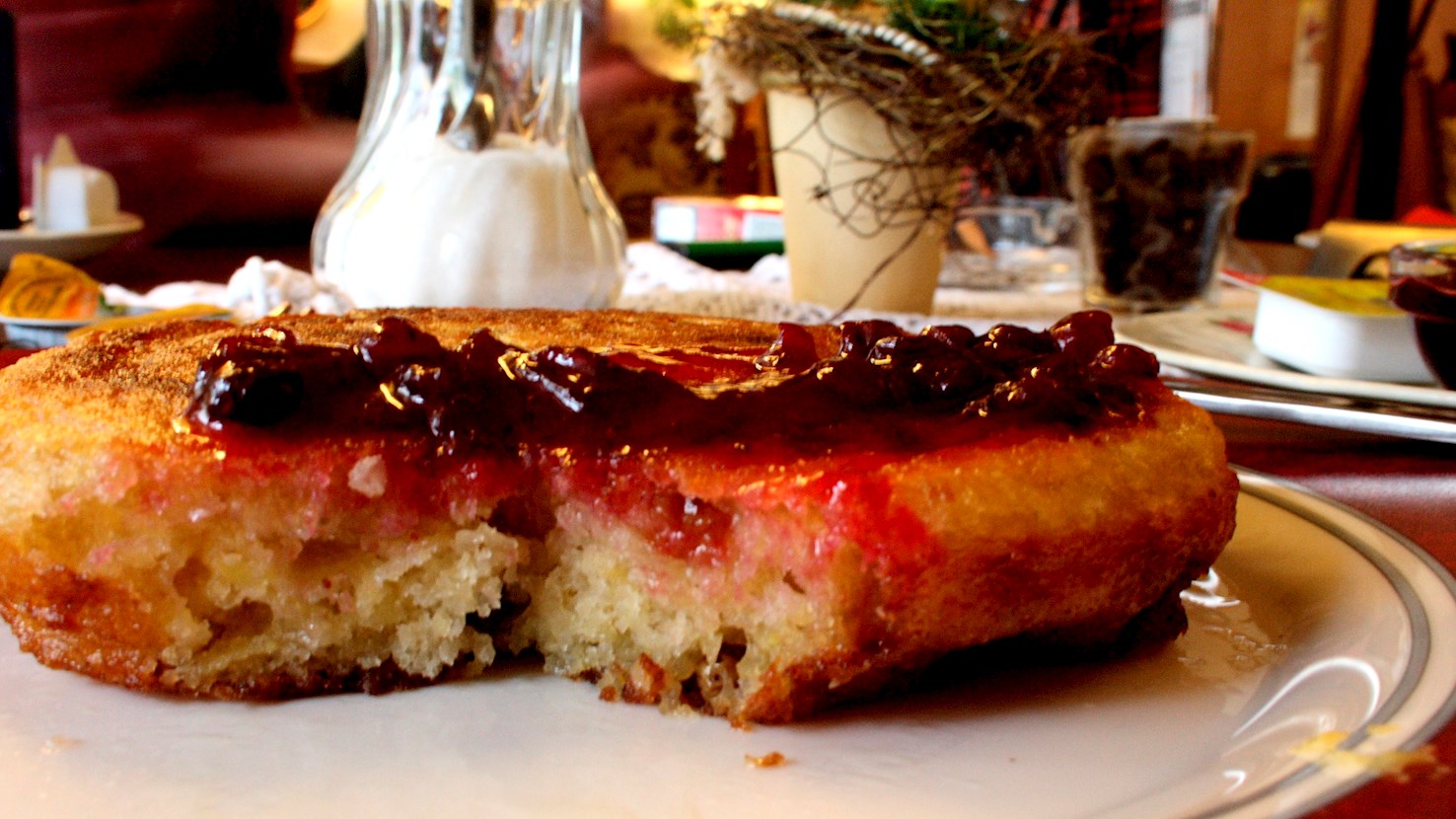
Pickert is a substantial potato pancake from East Westphalia-Lippe, especially associated with Lippe and the area around Bielefeld and Gütersloh. In its Lippischer form, finely grated raw potatoes are mixed with flour, eggs, milk, and yeast, often with raisins, then pan-fried until browned on the outside and soft inside. It can arrive as small rounds, a large pancake cut into portions, or slices from a loaf baked in a rectangular pan. These forms share a name and a regional following, but they do not all use identical doughs. Some are distinctly breadlike, while others are flatter and more potato-forward. Pickert also crosses the usual sweet-and-savory divide: plum butter and sugar beet syrup are familiar accompaniments, but so is spreadable liver sausage, even when the pancake contains raisins. It developed as a filling meal in rural households, using potatoes and other readily available ingredients to feed a family economically. Its exact beginnings are uncertain, and no single inventor or village can securely claim it. Earlier household versions may have used water instead of milk, adding raisins when available. The amount and kind of topping also depended on what a household could afford. Cooking on a heated iron surface connected pickert with the domestic stove: a broad plate could accommodate a substantial pancake without requiring an oven. In the sandy Senne district near the Teutoburg Forest, older versions of Lappenpickert used buckwheat flour, reflecting a local crop suited to the area’s poorer soils. That buckwheat-based form differed from the potato-and-wheat mixtures now commonly associated with the name. Family recipes still vary in proportions, leavening, and fat choice. For yeast-raised Lippischer pickert, the potatoes are grated finely enough to become a moist pulp rather than distinct shreds. Excess liquid may be drained away before the potatoes are combined with the other ingredients. Flour gives the mixture enough structure to hold together, eggs help it set, and yeast introduces air into a batter that would otherwise be quite dense. After resting in a warm place, the mixture expands and becomes visibly lighter. Raisins supply scattered pockets of sweetness rather than making the whole pancake taste like cake; they are common but not essential. The raised batter is portioned into a pan containing oil or clarified butter and browned on both sides. Moderate heat matters because the surface can color before the thick center cooks through. A perfectly done pickert has a browned outer layer and a moist interior that holds together when cut, with the potatoes contributing tenderness and substance. Compared with a typical thin, crisp reibekuchen, the yeast-raised version is thicker, softer, and closer in texture to a skillet bread. Lappenpickert places more emphasis on the griddle or pan. Often made without yeast, it combines grated potatoes with flour, eggs, and milk. The resulting batter is spread over the cooking surface as a broad pancake, although smaller portions also occur. Thickness varies by household, so the name doesn't guarantee a paper-thin result. A heavy cast-iron pan or dedicated Pickert plate provides steady heat, letting the potato mixture cook slowly while the underside browns. Lard or clarified butter can be used, and some versions begin with thin slices of fatty smoked bacon to grease and flavor the surface. Without yeast to lift it, the texture is generally more compact than that of Lippischer pickert. Kastenpickert, particularly associated with the Bielefeld and Gütersloh area, changes both the shape and the cooking sequence. The potato mixture is baked in a loaf pan, producing a loaf that can be cooled and sliced. Those slices are then often fried in butter, especially the following day. This second cooking gives each slice browned faces while preserving a soft center, contrasting with a crust and crumb more pronounced than in a freshly cut loaf. Raisins are common here too, and the loaf may be eaten with either sweet spreads or liver sausage. Regional names overlap in everyday use, and household versions do not always fit neatly into three separate formulas. Pickert is now served in regional restaurants, country cafés, and homes, and some bakeries sell the loaf form ready for slicing and reheating. Dedicated pickert meals and buffets let people try several toppings in one sitting. Salted butter is enough when the pancake is freshly browned; Pflaumenmus, a thick plum spread, adds concentrated fruit flavor, while rübenkraut, or sugar beet syrup, provides a darker sweetness. Lippische leberwurst offers a savory alternative, with salt and seasoning that pair well with the potato base and occasional raisin. Applesauce offers a lighter, more acidic accompaniment. Coffee suits an afternoon plate, especially with the sweet toppings, and unsweetened tea is another sensible choice when the meal includes generous amounts of butter or syrup.
TasteAtlas food rankings are based on the ratings of the TasteAtlas audience, with a series of mechanisms that recognize real users and that ignore bot,
nationalist or local patriotic ratings, and give additional value to the ratings of users that the system recognizes as knowledgeable.
TasteAtlas Rankings should not be seen as the final global conclusion about food. Their purpose is to promote excellent local foods,
instill pride in traditional dishes, and arouse curiosity about dishes you haven’t tried.




What People Say