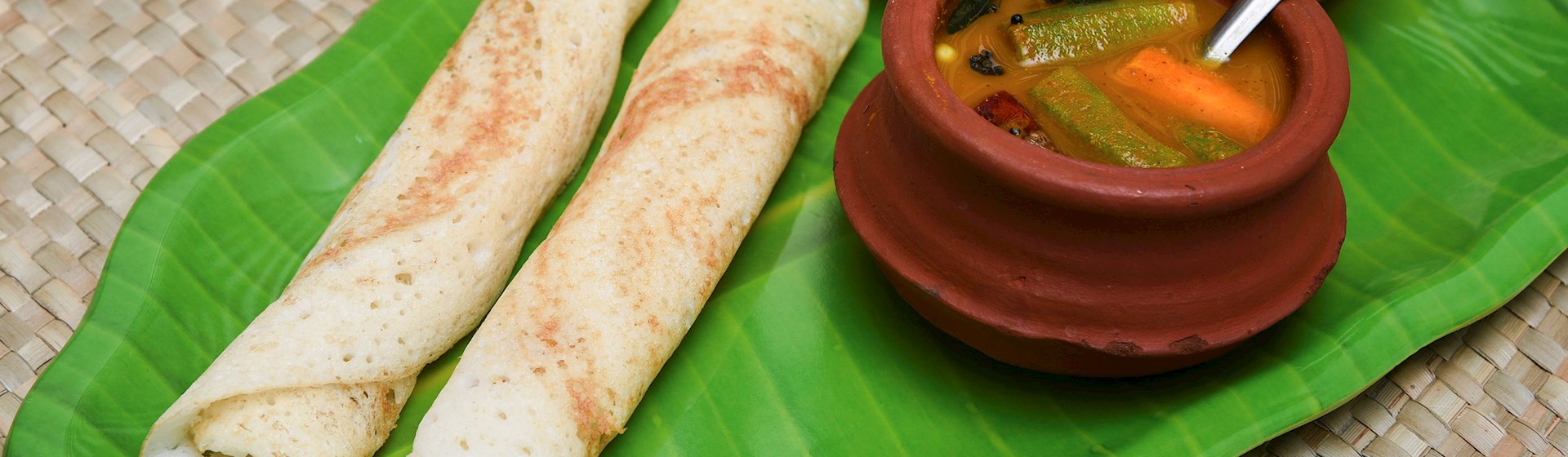
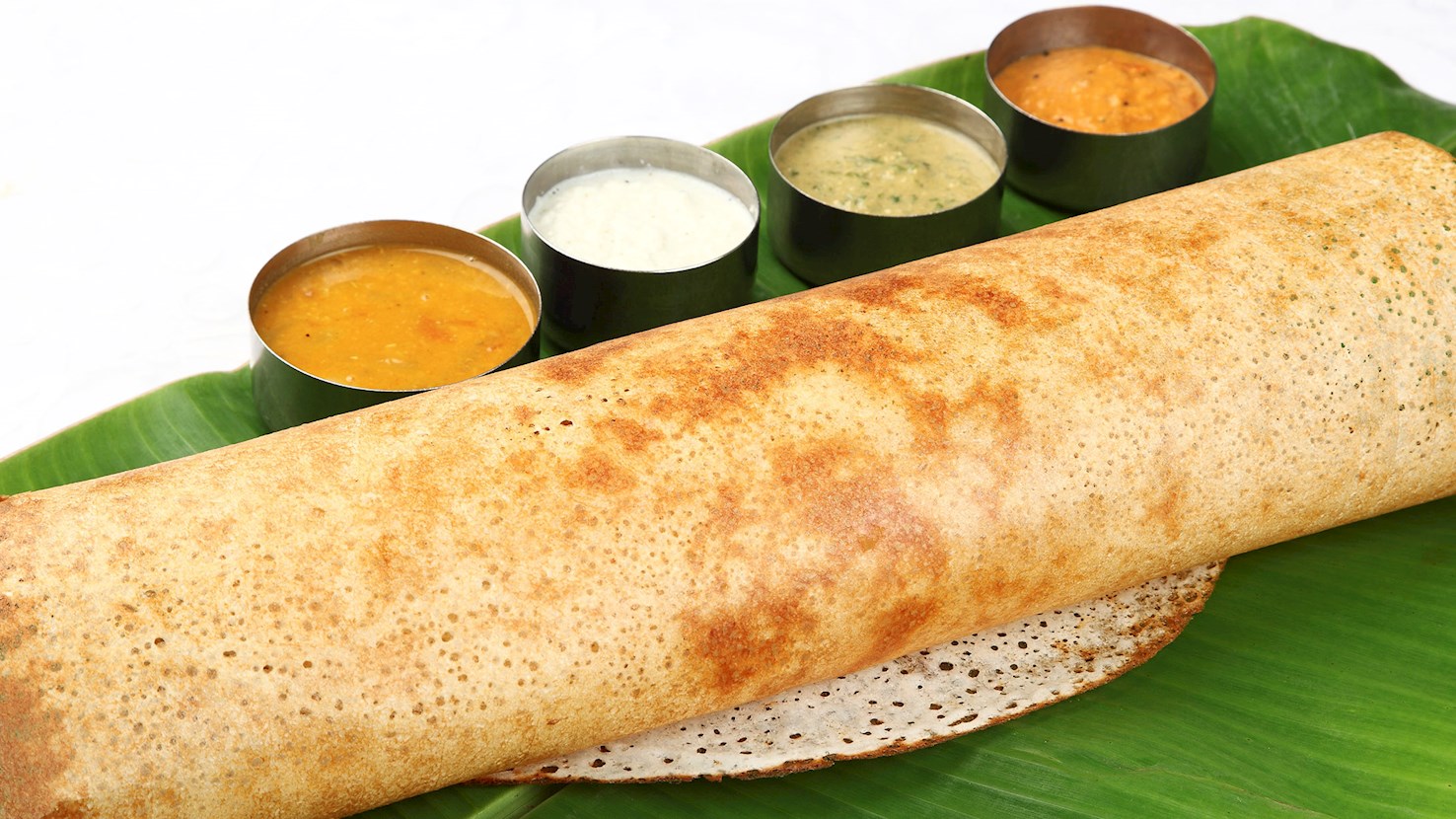
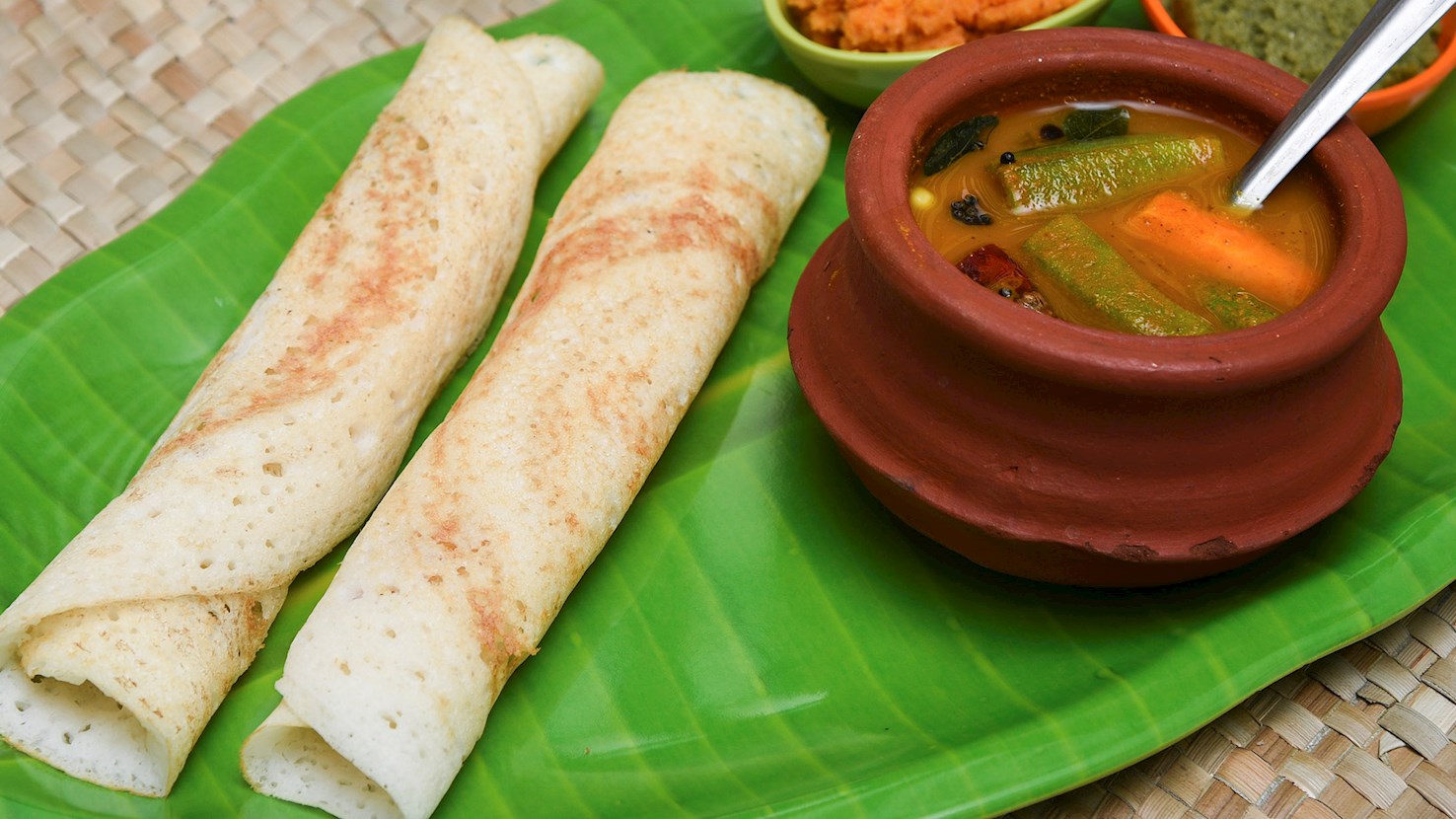
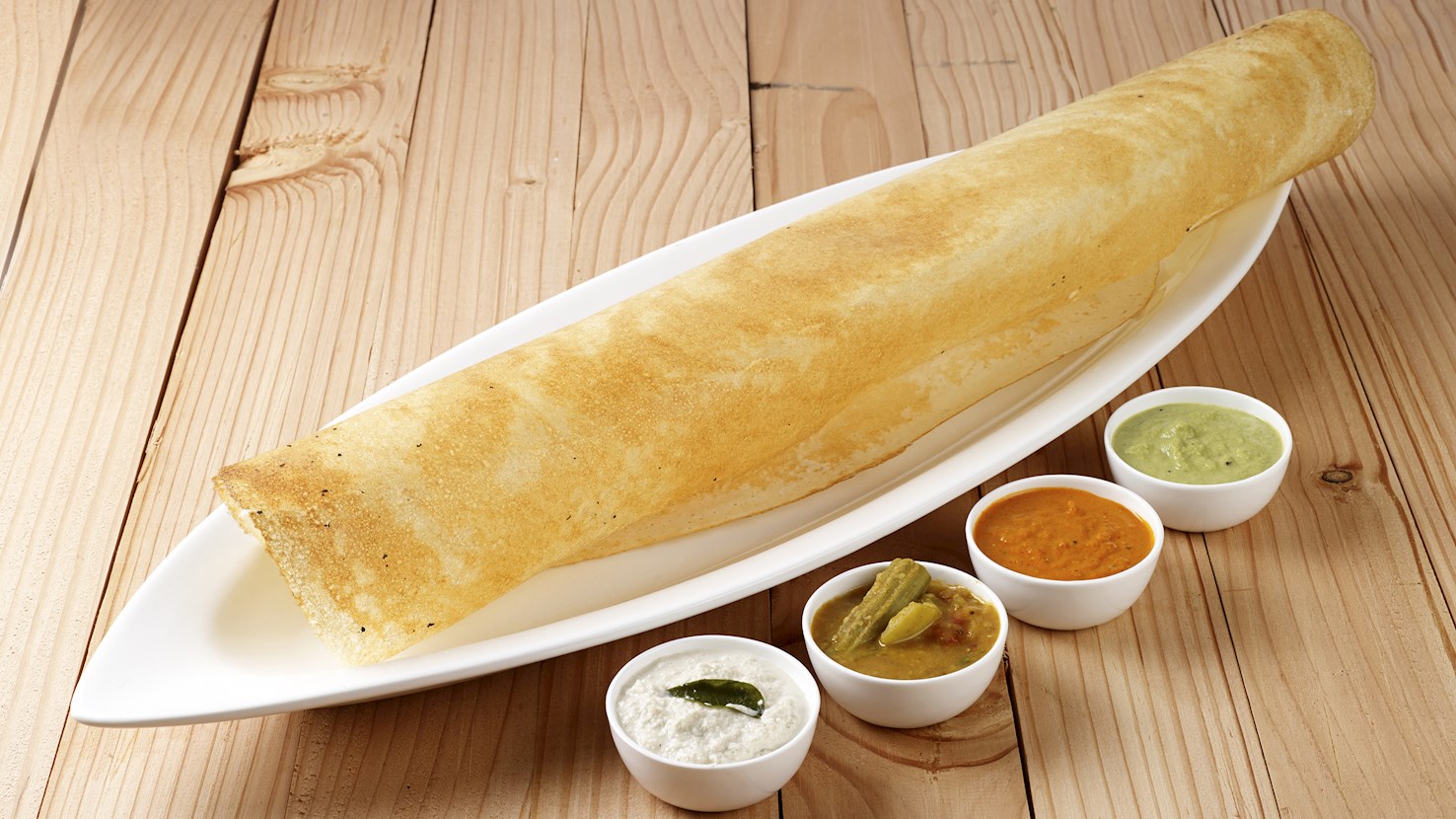
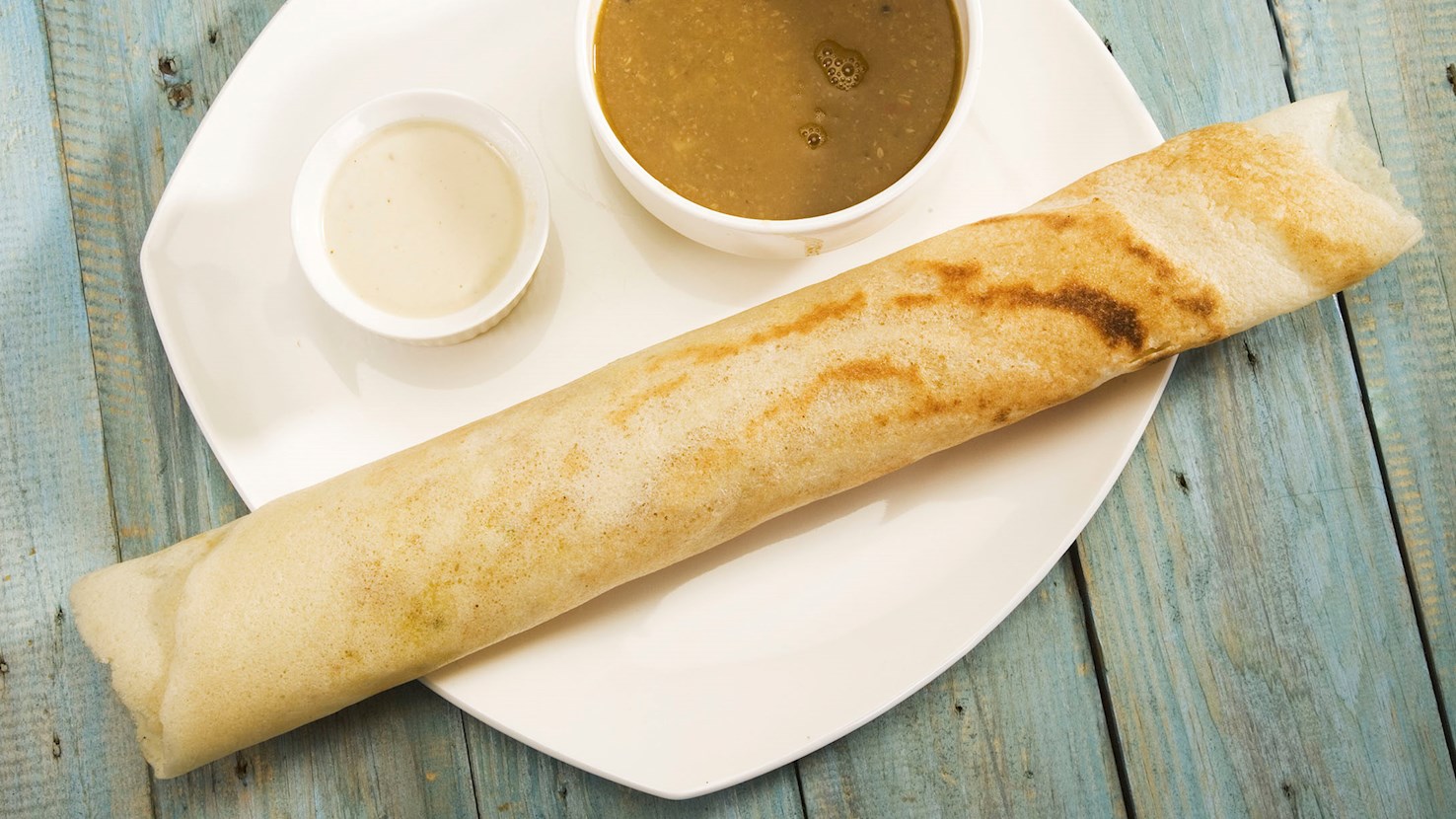
A traditional southern Indian dish known as masala dosa is popular throughout the country, made from a batter of soaked rice and lentils that is baked into a thin pancake and usually stuffed with potatoes, onions, and mustard seeds. The dish is often garnished with grated coconut and chopped coriander. With its huge popularity, there are also some variations of the dish, such as mysore masala dosa,rava masala dosa, onion masala dosa, and paper masala dosa. It is usually consumed as a quick snack or as a part of any meal of the day. Masala dosa has even made the list of 10 foods to try before you die, complied by the Huffington Post, alongside famous dishes such as Beijing duck, moussaka, and BBQ ribs.
The thin pancake known as dosa is one of the most famous Indian dishes. It is made with soaked rice and black gram beans, which are ground into a paste and mixed to create a thick batter, usually left to ferment overnight. The mixture is enriched with a handful of fenugreek seeds, which give dosa its distinctive golden brown color and a delicious, crispy texture. It is then baked on a hot oiled griddle, pertaining a delicate, thin texture and round shape. Indian dosa is a staple dish in the entire country, but some believe that dosa had originated in the south Indian state of Tamil Nadu. It is an ancient dish, whose origins are traced back to the 1st century AD, when it was first mentioned in Tamil literature. Others claim that it's linked to Udupi (present day Karnataka) due to the association with the Udupi restaurants. Usually, dosa is consumed as a savory dish, commonly eaten for breakfast, dinner, or a quick snack. Since it has a rather neutral taste, dosa is an ideal accompaniment to many luscious Indian dishes, such as meat and vegetable curries or chutneys. It is often filled with ingredients and wrapped, or served on the side as an integral part of a meal, when it is usually used as a utensil to scoop the fragrant side dishes. As other ancient food staples, dosa has been adapted and combined with other ingredients to create numerous distinct varieties. Wheat flour, semolina, rice flour, or soy milk are used in some regions to create milder, diverse, and more interesting dosa varieties. This ancient Indian creation, in its numerous forms, is found everywhere in India - it is sold as a quick snack by street vendors, and it is an irreplaceable item in traditional Indian restaurants.
Paper dosa is a traditional pancake originating from Tamil Nadu. These wafer-thin crispy pancakes are usually made with a combination of basmati rice, urad dal (black grams), fenugreek seeds, ghee, and salt. The rice is processed into a thick paste and soaked in water. The urad dal is also soaked in water, and both are left to soak overnight. The next day, urad dal is drained, mixed with fenugreek, and processed into a paste. The two pastes are mixed together, left to stand overnight, and seasoned with salt. The batter is then fried in a skillet over medium heat until dry, and some ghee is spread in the center and on the sides. The dosa is cooked until golden brown and crisp. It's rolled up and served hot with sambar and coconut chutney.
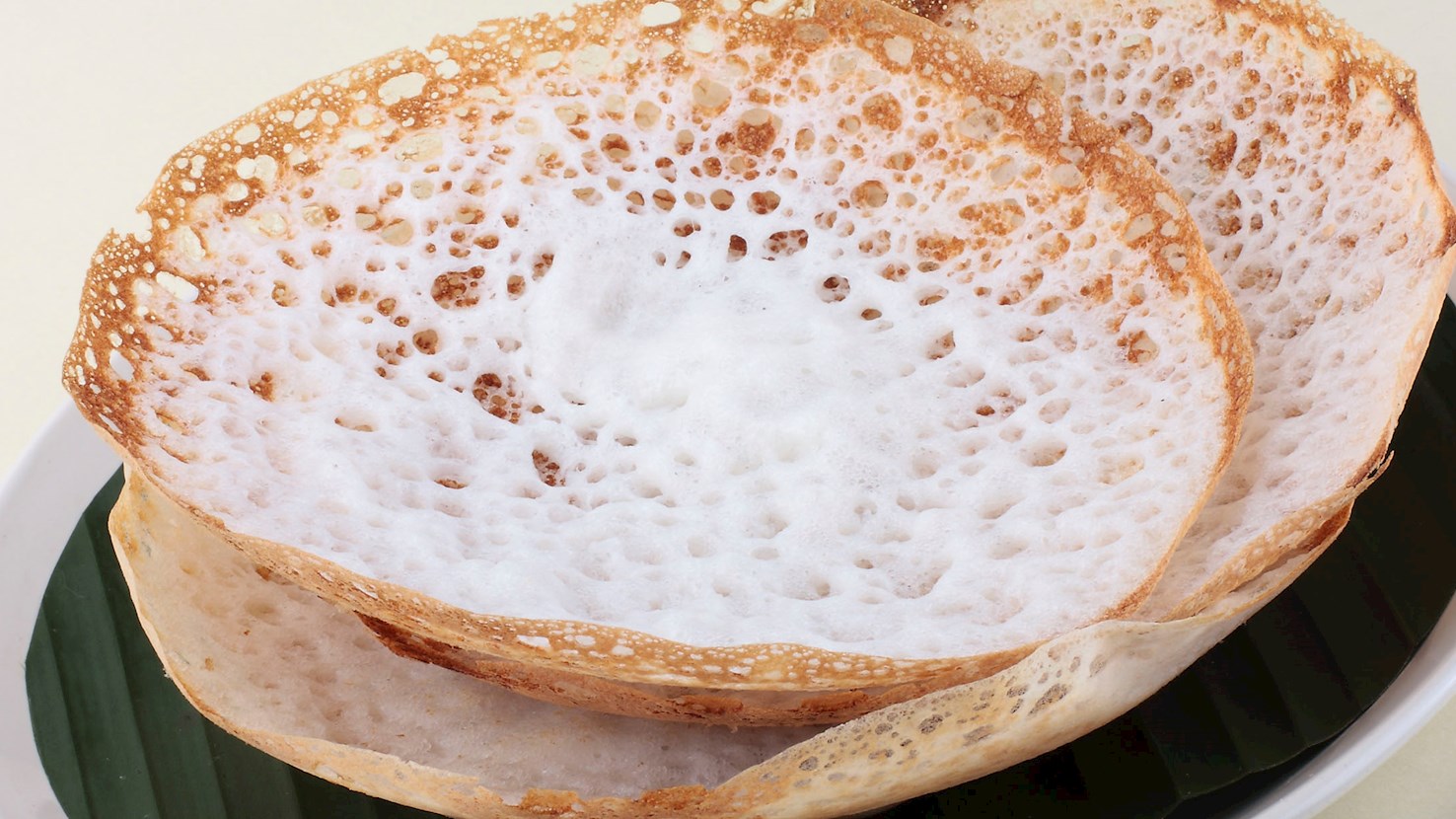
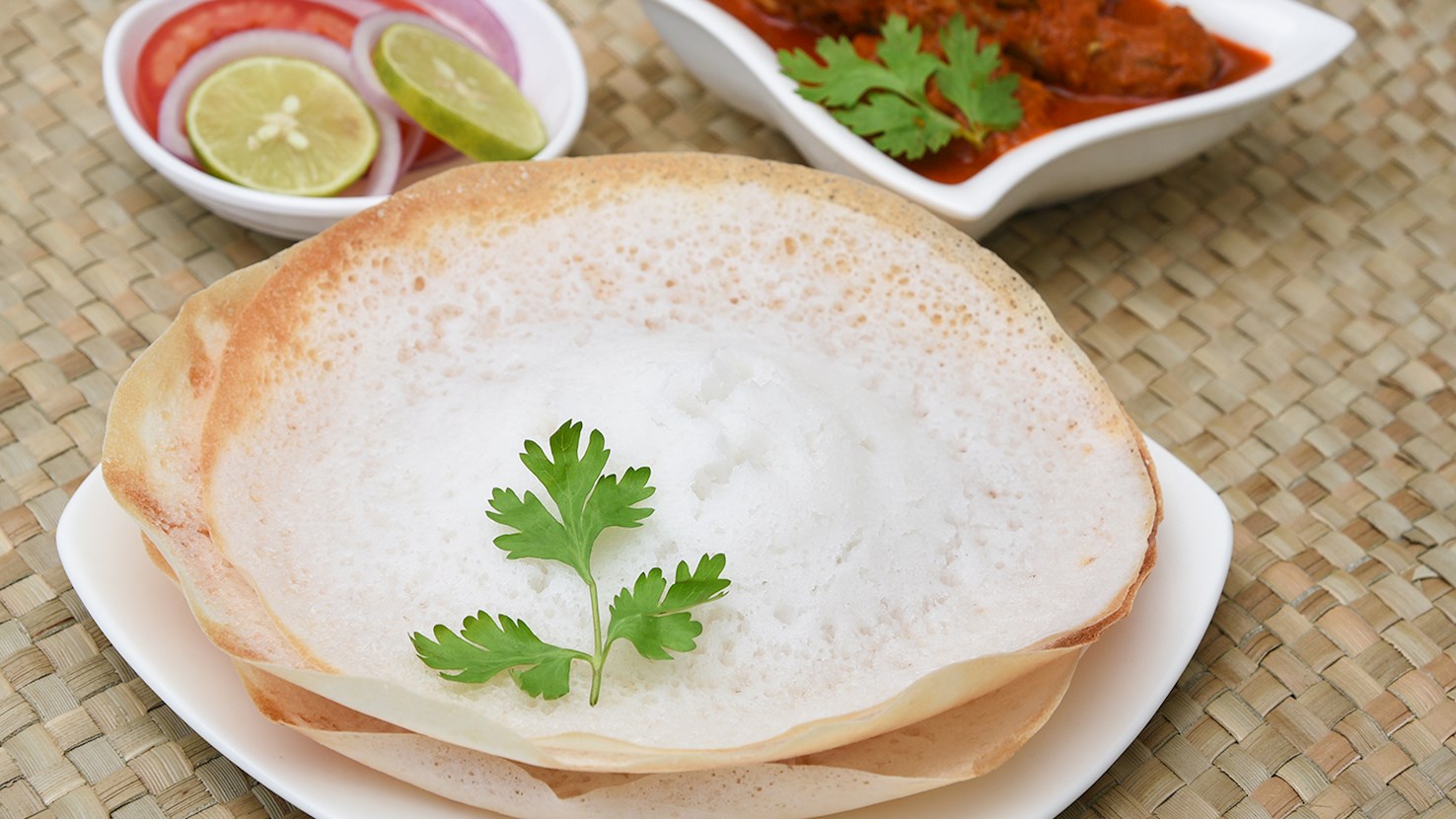
Appam is a popular Indian bowl-shaped pancake made from a batter of rice and coconut milk. Typically consumed for breakfast or dinner, appam is most popular in Tamil Nadu, Sri Lanka, and Kerala, where it is culturally linked to the Syrian Christians called the Nasranis, who bake appam on a stone. According to an American food writer and historian, Gil Marks, the pancake first appeared in the southern tip of India. Although not much is known about the history of appam, some also speculate that it originated from Jewish communities in India. Today, it is traditionally served with spicy condiments such as coconut milk curry. The pancakes can be filled with a variety of ingredients such as steamed eggs, chutneys, fish, meat, and vegetables. Appam is a popular street food item that is mostly consumed as a snack. It can be found throughout Sri Lanka and India, sold by street vendors known as hopper men, who usually serve it in batches of three to eight hoppers per person. With its increasing popularity, there are also a number of variations on appam such as palappam, honey hoppers, and achappam. The sweet varieties are usually prepared on special, festive occasions.
Pesara dosa (also called pesara attu or mung bean dosa) is India's national dish and one of the most popular breakfast foods in Andhra and Rajasthan. Dosa is the world's thinnest griddlecake, a paper-thin pancake made with an earthy batter that is left to ferment and rise for eight to ten hours. It has a bubbly texture and a unique, complex, toasted, and buttery flavor. Pesara dosa is made with ground mung bean and batter, resulting in a unique flatbread that is healthy and quick to prepare. Additionally, ginger, cumin seeds, onions, and green chiles may be added to enhance the flavors. Served either hot or cold, pesara dosa is usually accompanied with upma and a side dish of various chutneys, such as ginger, tamarind, or coconut chutney.
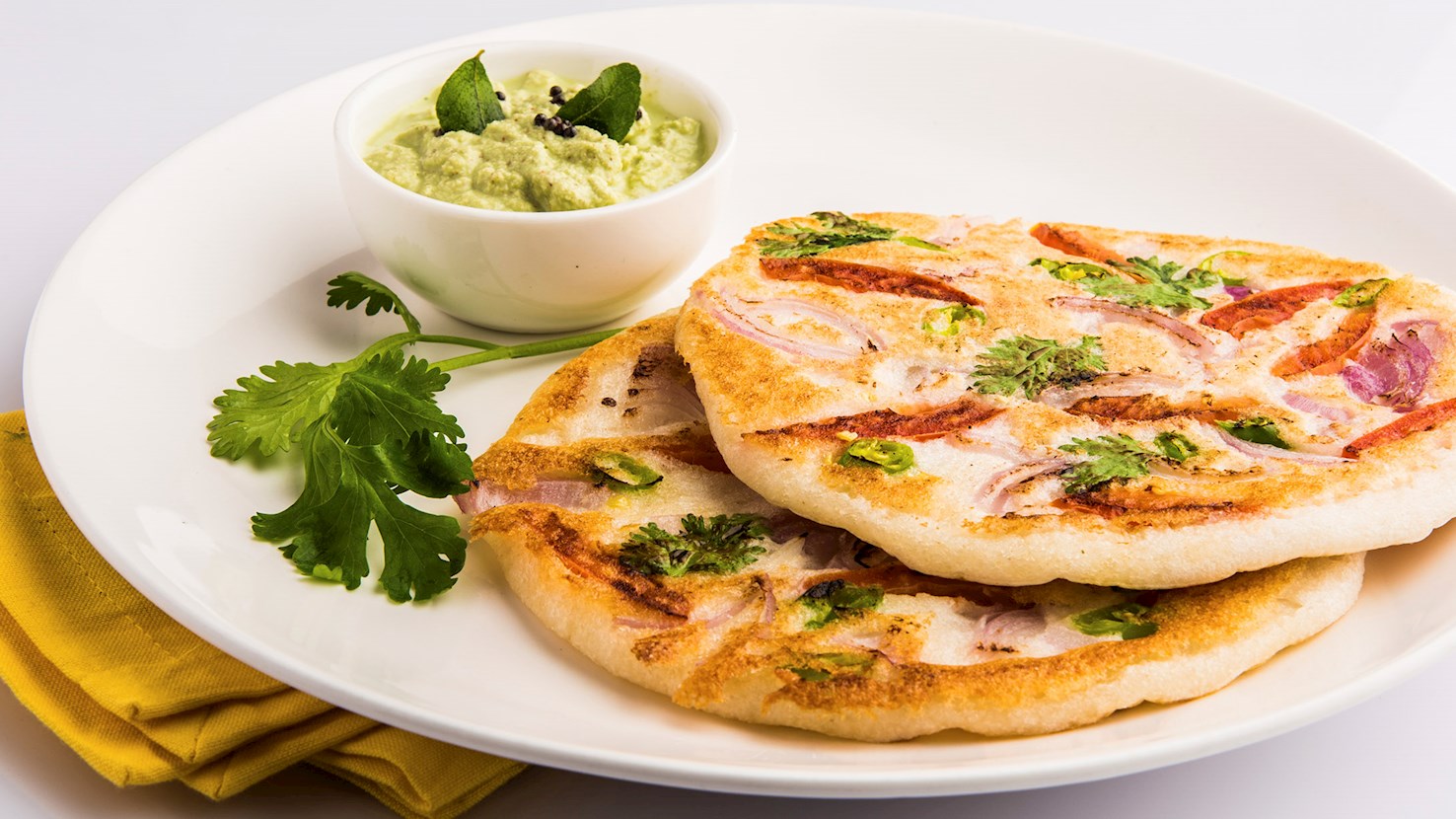
Visually similar to a pizza, uttapam is a South Indian dish consisting of a batter (based on rice and lentils) that is fried and topped with chopped vegetables such as onions, tomatoes, carrots, and chiles. There is also a version of the dish called mini uttapam, usually served in four pieces per portion, with variable toppings and a number of side dishes. Traditionally, uttapam is accompanied by sambhar on the side - a rich lentil curry with the addition of onions, coconut, and eggplant.
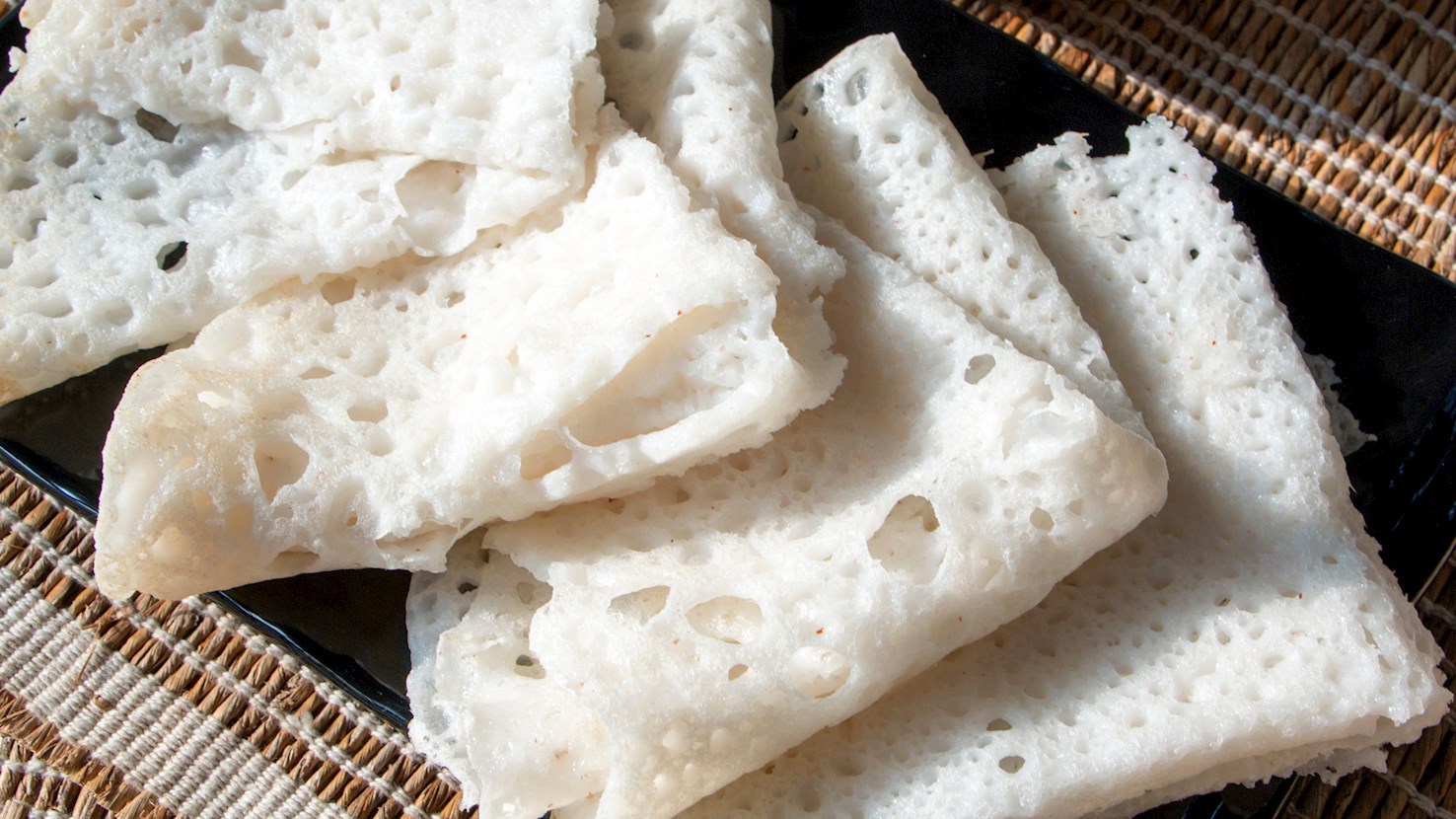
This Indian crêpe is made with a very thin batter of rice flour, water, and salt. Unlike other Indian dosas which call for much thicker, and fermented batter, this version uses an unfermented and runny batter which is spread and cooked on a hot greased griddle, yielding soft and lacy pancakes. The batter can alternatively be enhanced with freshly grated coconut or coconut milk. Neer dosa derives its name from the words neer, meaning water in Tulu, and dosa, referring to a traditional Indian thin pancake. These thin pancakes are a quintessential part of the Tulu Nadu region breakfasts, and they are usually served with chutneys, curries, and vegetable sagu dishes.
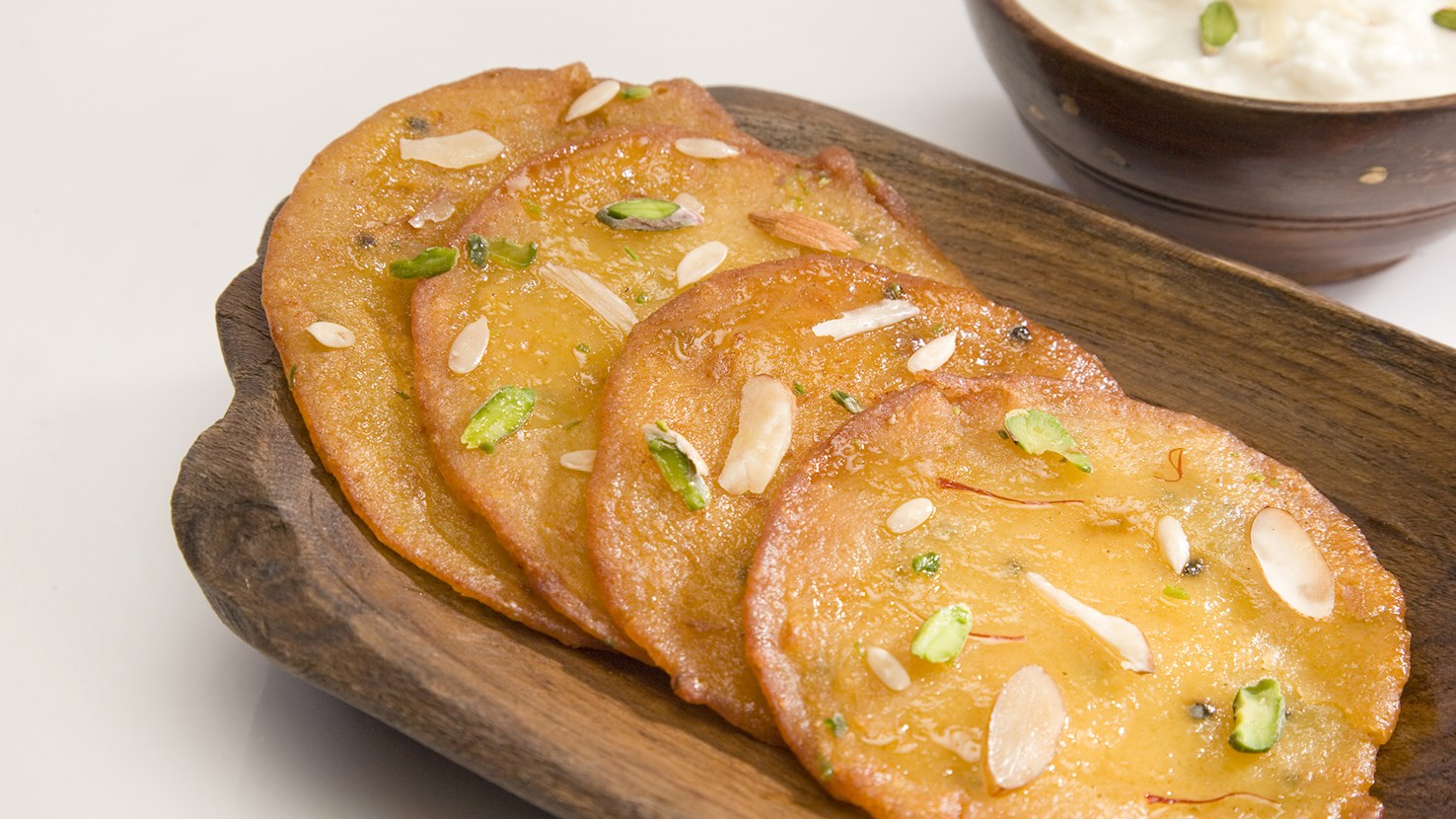
Malpua is a sweet Indian pancake made by deep-frying a batter of rice flour, thickened milk, and (quite often) cardamom. These pancakes are traditionally prepared for celebrations and festive events, and they are the most popular in winter and during Ramadan and Holi. After they have been fried, malpuas are typically dipped in sugar syrup. In the past, malpuas were made with barley flour, and nowadays, there are many variations of these small pancakes, so they are often made with mangoes, pineapples, or mashed bananas. It is said that malpuas taste the best when served with milk or rich and creamy rabri.
Kallapam is a traditional coconut pancake that's popular in Sri Lanka and Kerala. It's made with a combination of raw and cooked rice, coconut milk, grated coconut, yeast, shallots, sugar, salt, and cumin seeds. Traditionally, the pancake is made with kallu (toddy or fermented palm wine), which is used as the raising agent instead of yeast, but it's usually not that easy to get a hold of it. The batter is fried in a pan, and after a minute or so, the pancakes are ready. Kallapam is usually served warm with chicken curry or beef cooked in coconut milk.
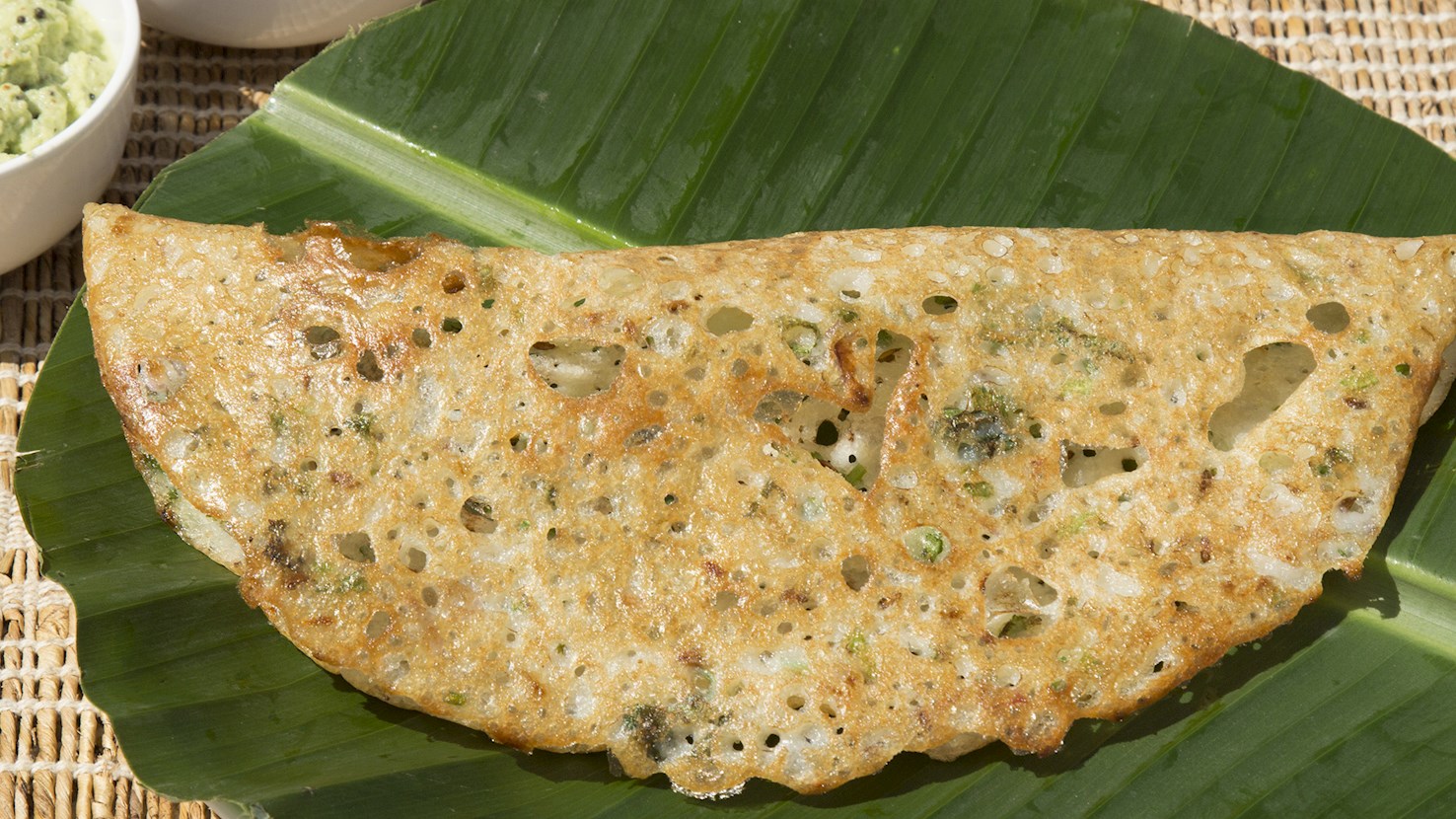
Rava dosa is one of the most popular variations of dosa - the South Indian pancake. Rava denotes the semolina batter used to make this variety of dosa and it can be identified by its crisp and netted texture. The only consistent factor in a rava dosa is the pancake, as the fillings vary in different regions. More than a dozen different fillings can be found within a single city. The most preferred rava dosa filling are semi-fried onions, served with a choice of coconut chutney and sambar. Dosa has been a breakfast choice in South India for more than 2000 years and has evolved as a readily available meal choice for the entire Indian subcontinent.
TasteAtlas food rankings are based on the ratings of the TasteAtlas audience, with a series of mechanisms that recognize real users and that ignore bot,
nationalist or local patriotic ratings, and give additional value to the ratings of users that the system recognizes as knowledgeable.
For the “Top 11 Indian Pancakes” list until July 15, 2026, 920 ratings were recorded, of which 653 were recognized by the system as legitimate.
TasteAtlas Rankings should not be seen as the final global conclusion about food. Their purpose is to promote excellent local foods,
instill pride in traditional dishes, and arouse curiosity about dishes you haven’t tried.