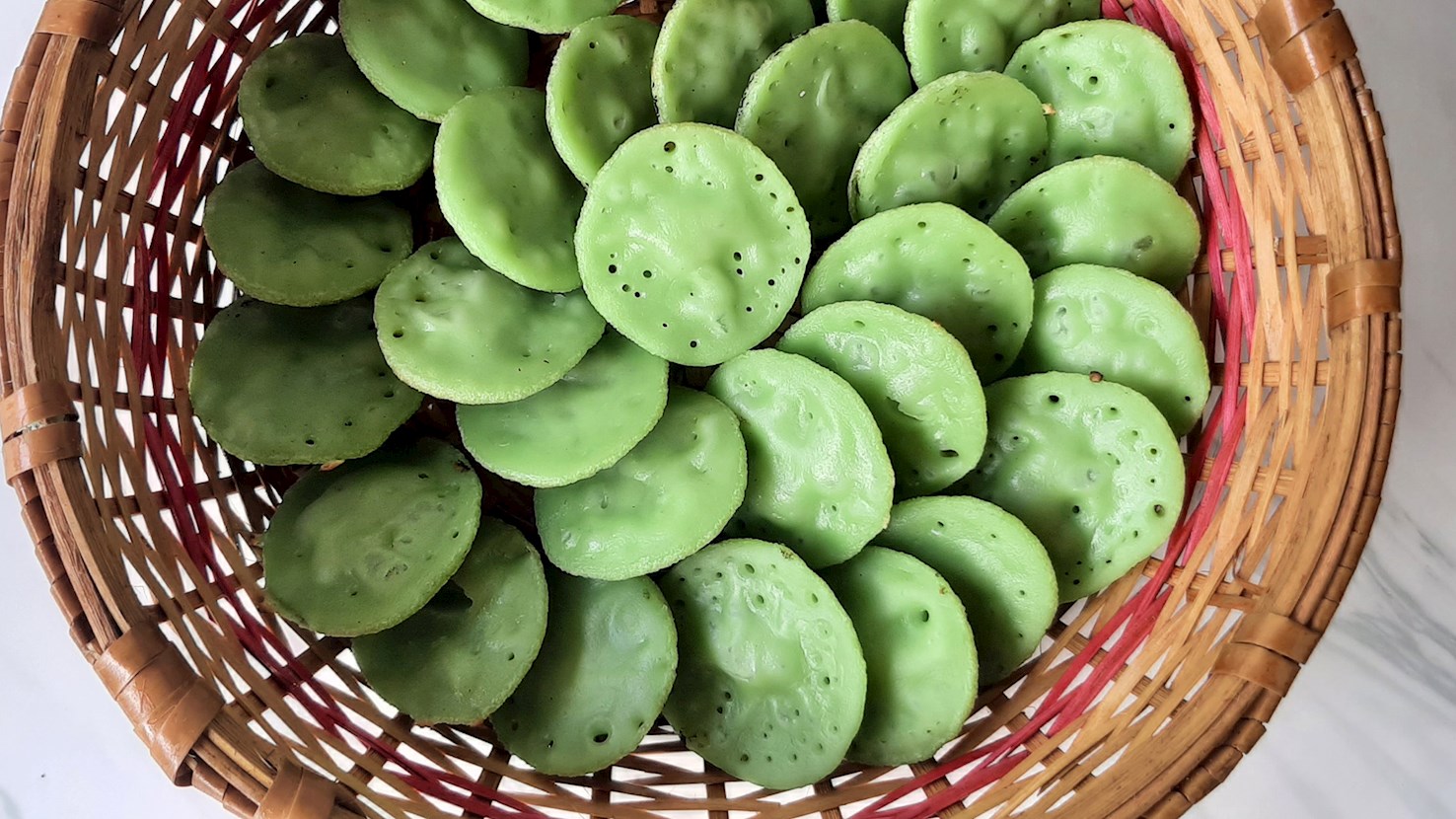
These traditional, small-sized Indonesian pancakes are usually prepared with rice flour and coconut milk. The pancakes are incredibly versatile, they come in sweet and savory versions, and can be adapted with wheat flour and various toppings such as sugar, bananas, crushed peanuts, jackfruit, chocolate sprinkles, or fermented oncom, while modern-day additions also include meat, sausages, or ice cream. Serabi pancakes are found throughout Java, but they are usually associated with the cities of Bandung and Solo. They are typically accompanied by strawberry, durian, or coconut-based kinca syrup, and are mainly sold as a quick and convenient street food. A similar dish can be found in Thailand, where it goes under the name khanom khrok.
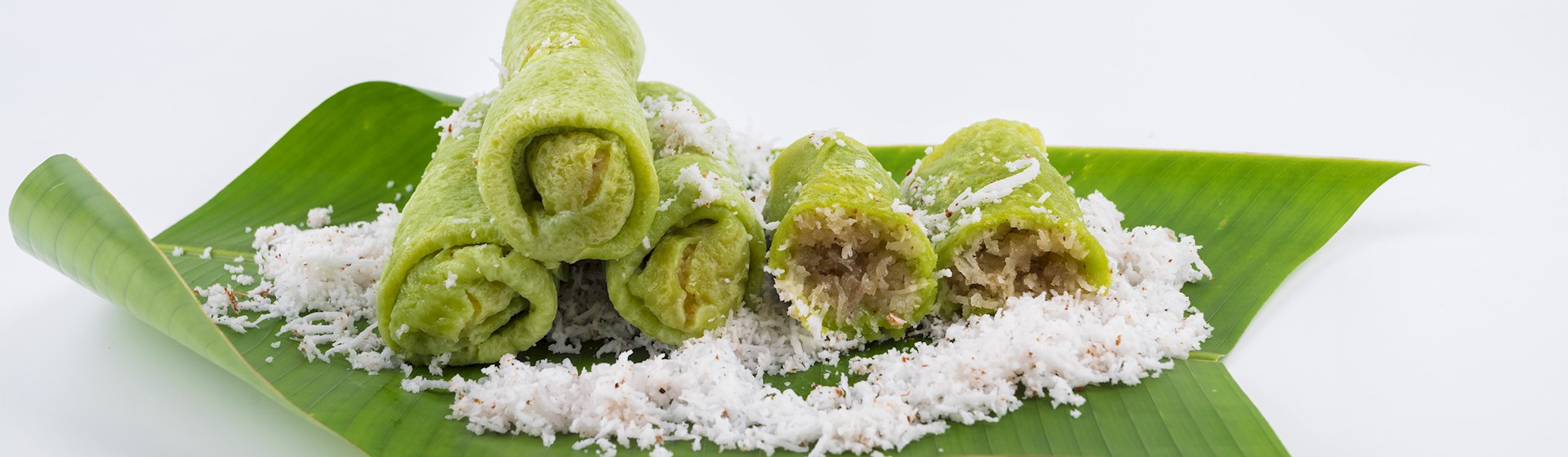
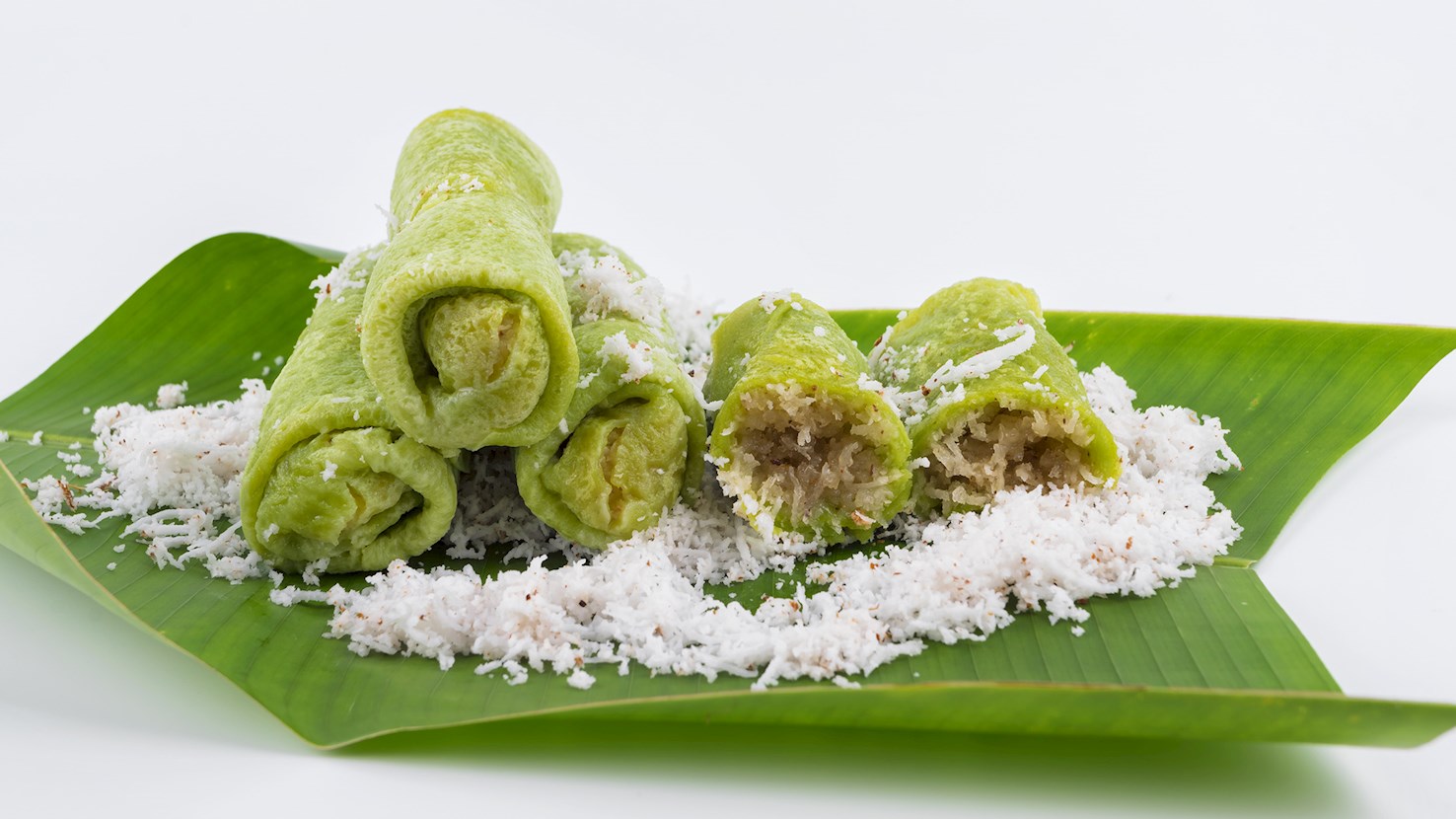
Dadar gulung is a traditional dessert consisting of a thin rice flour crêpe that is filled with grated coconut. Pancake batter is traditionally infused with pandan leaves which add flavor and impart a vibrant green color to the pancakes, but modern varieties often employ green food coloring instead. When baked, the crêpe is filled with a combination of freshly grated coconut, cinnamon, and dark palm sugar (gula melaka). Apart from Indonesia, this colorful and appealing dessert can be found under various names in Malaysia, Singapore, and Sri Lanka.
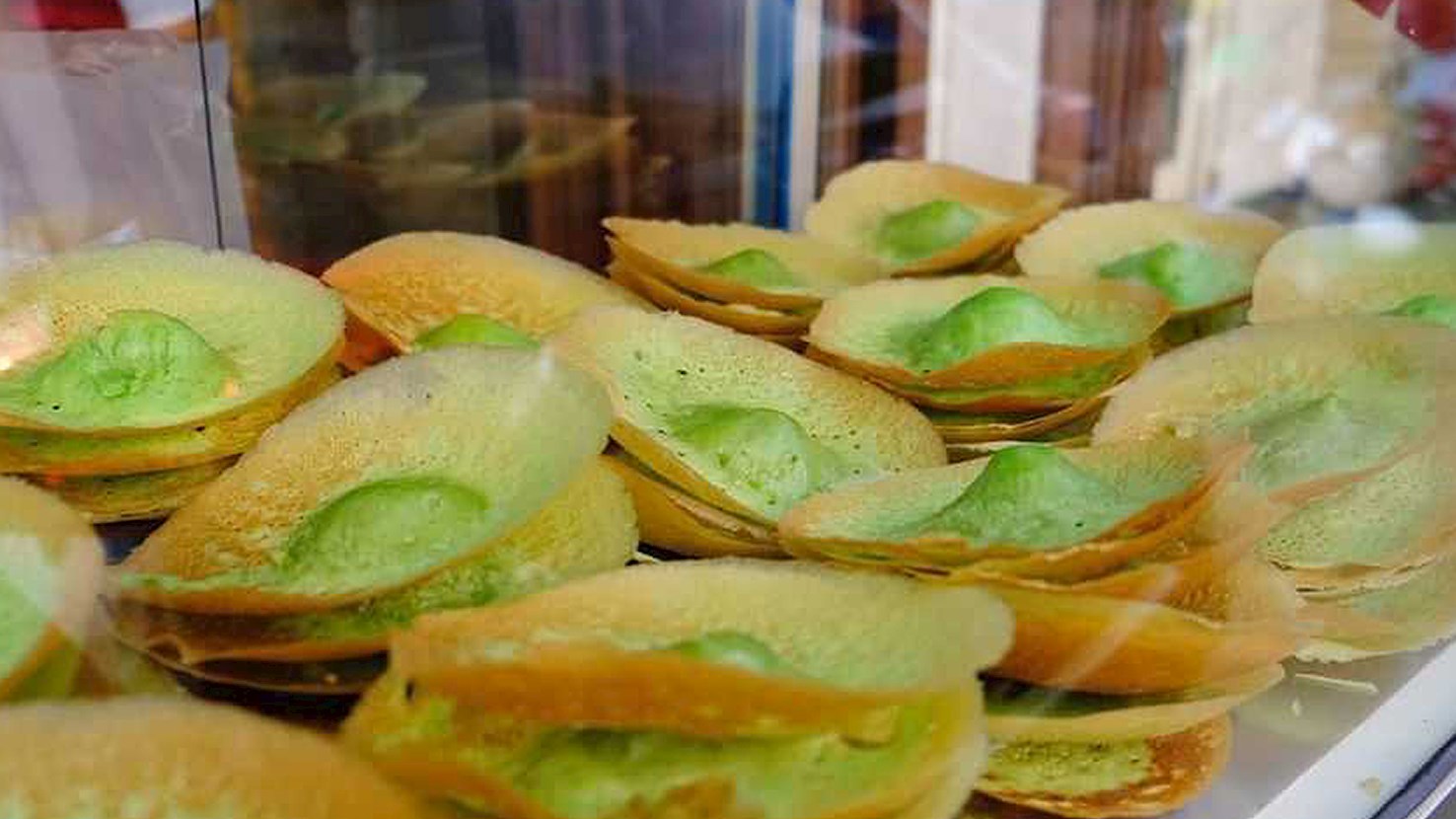
Kue ape is an Indonesian snack from Jakarta, known for its distinctive shape, contrasting textures, and gentle sweetness. Often likened to a cross between a pancake and a crêpe, it features a soft, thick, spongy center surrounded by a thin, crispy, golden-brown rim. This popular street food is a common sight across the capital and in other parts of Java, typically sold from mobile carts or small roadside stalls, especially near schools and busy markets. The dish is made from a simple batter of rice flour, all-purpose flour, sugar, coconut milk, and baking powder or yeast, with the addition of pandan leaf extract that gives the center its signature pale green color and subtle aroma. The batter is cooked in a small, round, concave pan over high heat. As the mixture spreads, the edges become thin and crunchy while the center puffs up and remains moist and tender. A lid is placed over the pan to trap steam, allowing the interior to cook evenly without flipping. The result is a snack that is both crispy and soft, with a delicate coconut flavor and a hint of sweetness that appeals to both children and adults. Kue ape holds a nostalgic place in the hearts of many Indonesians, particularly those who grew up in Jakarta. It is strongly associated with childhood memories of schoolyard vendors and afternoon snacks. While the traditional version remains the most popular, modern variations sometimes include toppings like grated cheese, chocolate sprinkles, or condensed milk, catering to contemporary tastes while preserving the essence of the original.
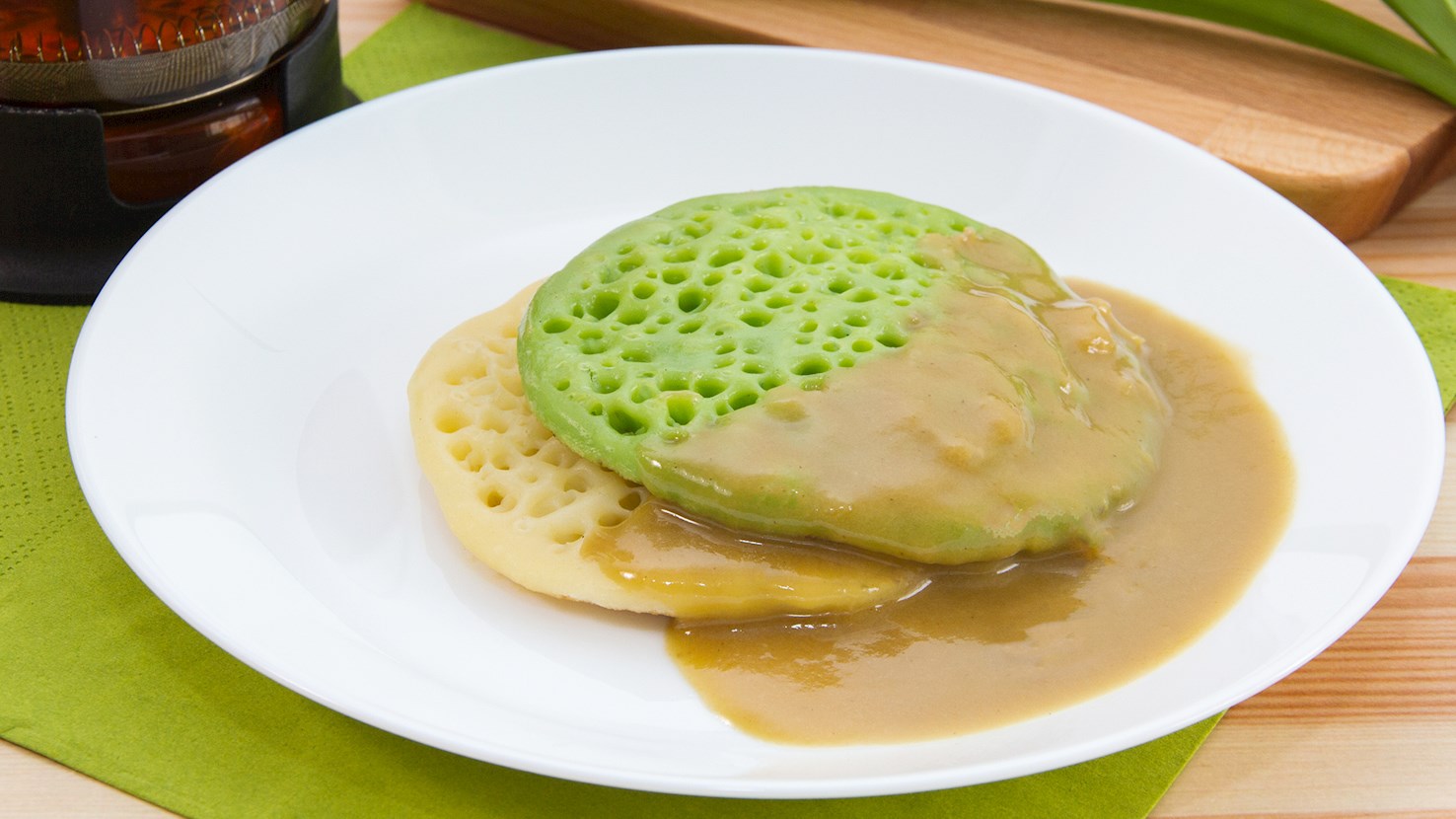
Laklak is a small, round rice cake from Bali, Indonesia, made from a simple batter of rice flour and coconut milk and typically served with grated coconut and a drizzle of melted palm sugar syrup. It is usually green in color due to the addition of pandan leaf extract, which gives it a fragrant aroma and vibrant hue. Its preparation is simple yet precise, with the rice flour batter mixed to the right consistency and poured into small, round molds. The cakes are steamed or lightly covered during cooking, resulting in a tender base with a subtle crisp edge. Cooked on a clay or iron griddle similar to an appam or serabi pan, laklak develops a soft, slightly chewy texture with a porous surface that absorbs the sweet syrup. This snack is commonly found in Balinese markets, family gatherings, and temple offerings, where it is prepared fresh and enjoyed warm, usually eaten in the morning or late afternoon.
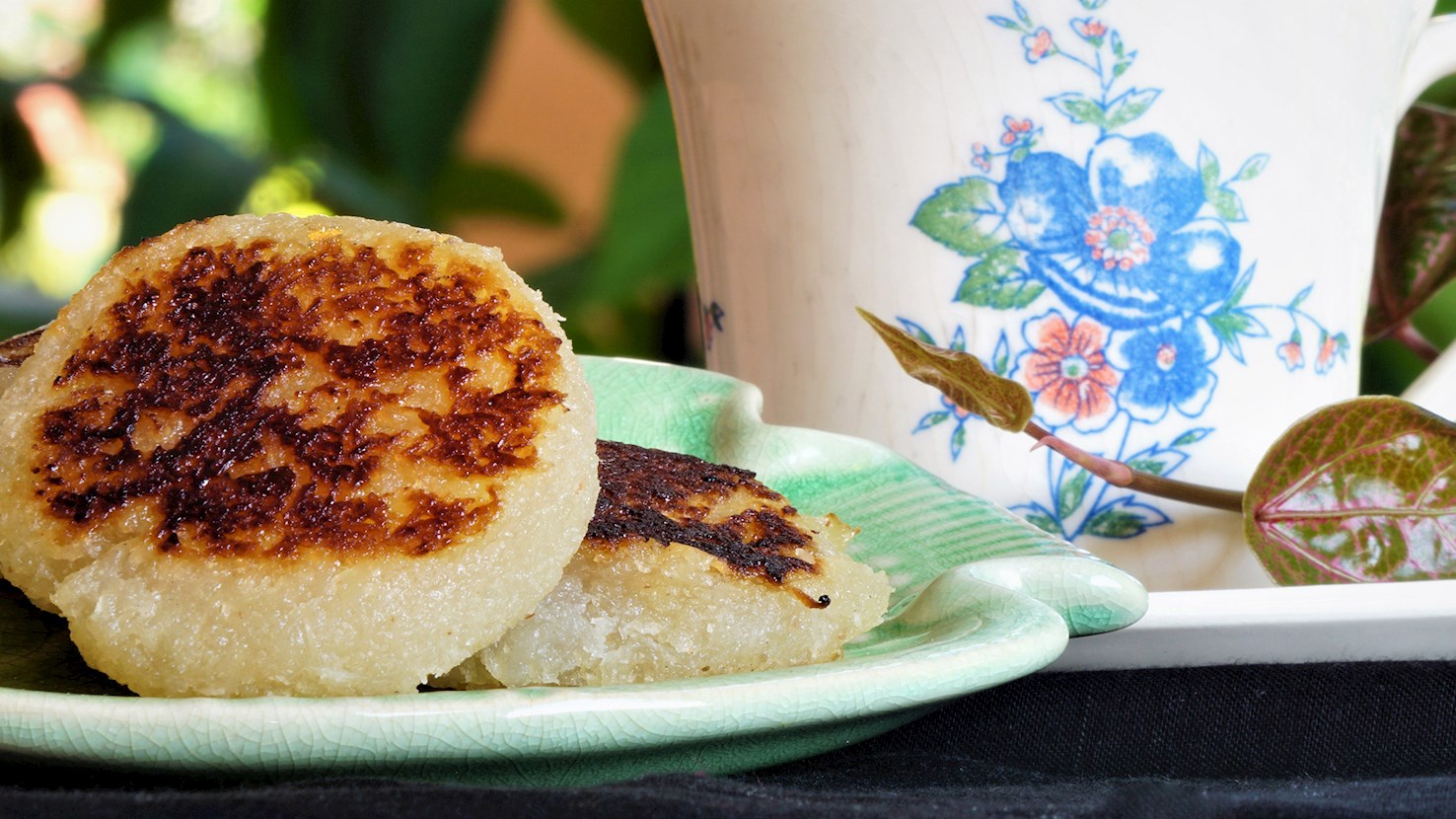
Wingko (also known as wingko babat) is a traditional Indonesian cake made primarily from grated coconut, glutinous rice flour, and palm sugar or white sugar, typically cooked until golden and slightly crispy on the outside while remaining chewy and fragrant inside. It is especially associated with the town of Babat in East Java, which is why the full name is often wingko babat, though it is widely enjoyed across Java and beyond. This sweet, coconut-based snack is usually grilled or baked into small, round, flat cakes and served warm or at room temperature. It has a rich, toasty coconut flavor balanced by a slightly caramelized sweetness, and its chewy texture makes it especially satisfying as a snack or dessert. Wingko is often sold as a souvenir food (oleh-oleh), particularly in cities like Semarang, where it’s packaged in distinctive boxes and bought by travelers for family and friends. Though traditionally made plain, modern versions may include flavors like pandan, chocolate, or durian. It's often eaten with tea or coffee, especially during relaxed afternoons or festive gatherings.
TasteAtlas food rankings are based on the ratings of the TasteAtlas audience, with a series of mechanisms that recognize real users and that ignore bot,
nationalist or local patriotic ratings, and give additional value to the ratings of users that the system recognizes as knowledgeable.
For the “Top 5 Indonesian Pancakes” list until July 15, 2026, 190 ratings were recorded, of which 138 were recognized by the system as legitimate.
TasteAtlas Rankings should not be seen as the final global conclusion about food. Their purpose is to promote excellent local foods,
instill pride in traditional dishes, and arouse curiosity about dishes you haven’t tried.