




shutterstock

Top 7 African Pasta

Last updated on May 15, 2026
01

Koshari

3.8 ·

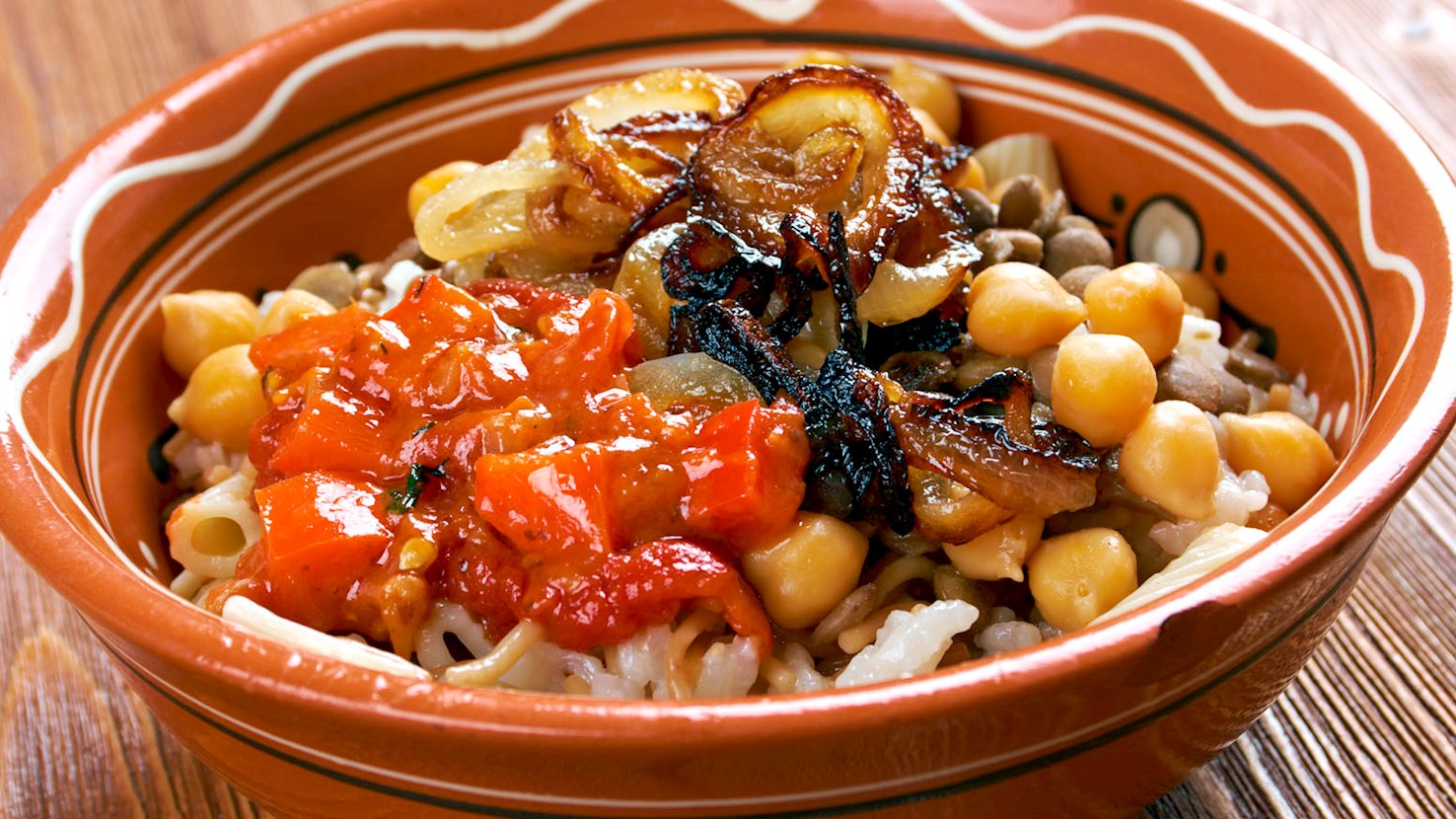
Koshari, also known as koshary, kosheri, kushari, and koushari, is a simple, yet flavorful Egyptian national dish consisting of rice, macaroni, and lentils. The name stems from the Hindu word khichri, referring to a dish of rice and lentils. It is enough to look for warm, edible pyramids on big, shiny metal platters while in Egypt, as it is also a very popular street food. Small yellow lentils and rice are slowly simmered in a rich stock with the addition of crunchy, fried vermicelli and butter-browned onions. Before serving, koshari is topped with wine vinegar and a spicy sauce based on tomatoes or chilis, adding even more flavor to the hearty dish. For a heartier dish, ground lamb or beef is added to the mix. Of course, there are numerous variations of the dish, but it is mandatory to season it with mastic, an exotic, earthy, crystallized resin of the Pistacia lentiscus tree, cultivated only in Greece, yet growing wild across the Mediterranean. The mastic imposes a typically piney, bitter edge to the dish. Koshari tastes even better when accompanied by a green salad or a cup of hot mint tea.

02

Macaroni béchamel

3.8 ·

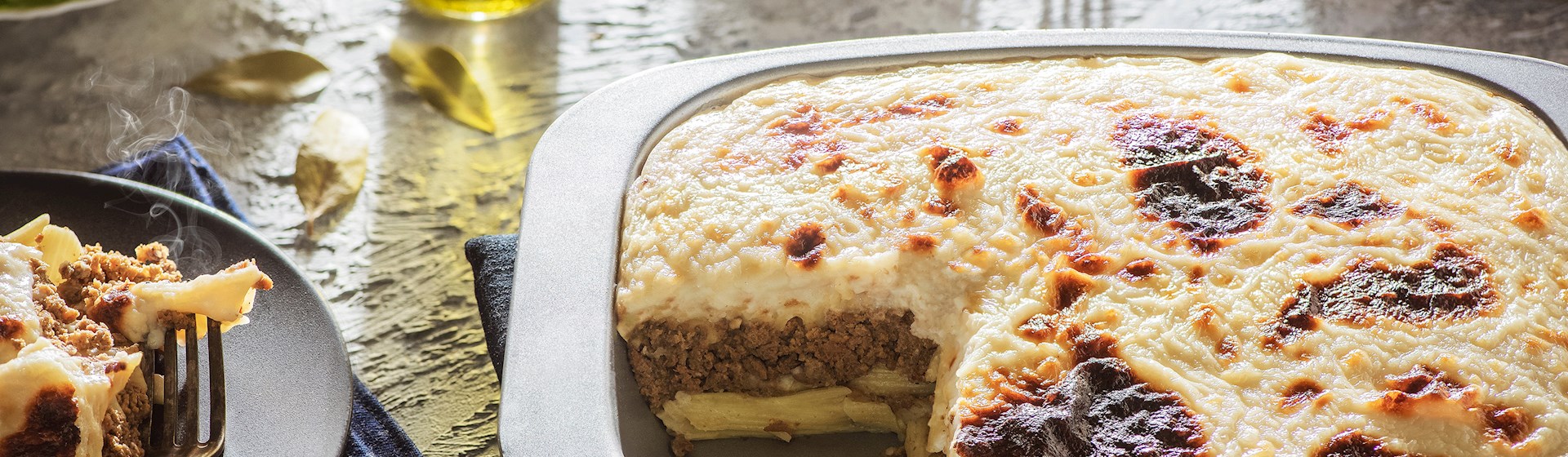
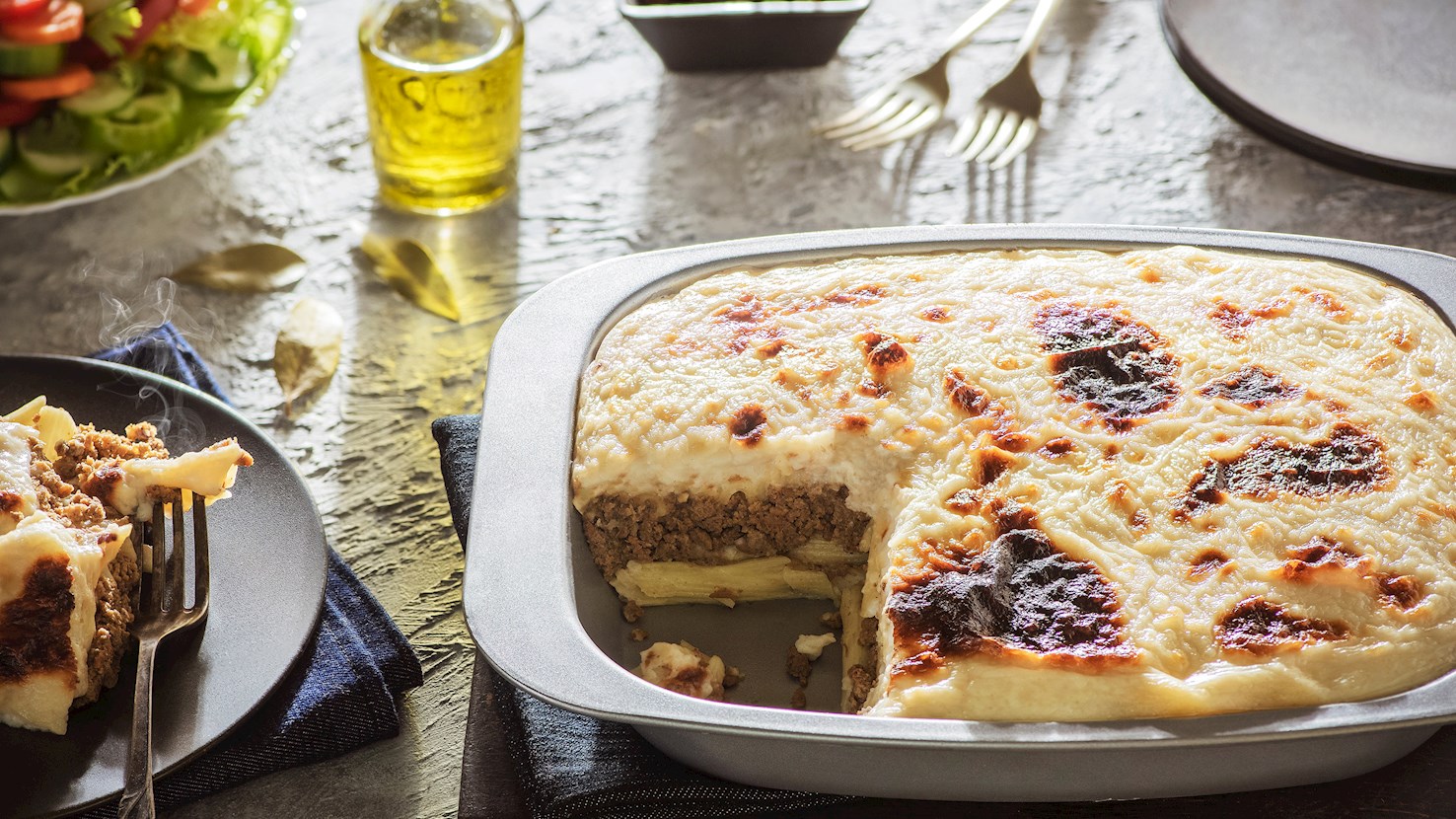
The filling Egyptian dish known as macaroni béchamel consists of layers of pasta (penne, rigatoni, or elbow macaroni) with a ground beef filling sandwiched in between, and a topping of béchamel sauce. The combination is baked in an oven as a layered pasta casserole until it develops a golden-brown color, and it is then sliced and served. This dish is very common at religious festivities, especially during Ramadan.

03

Makaruna imbaukha

2.8 ·

Originating from East Libya, makaruna imbaukha is a savory dish made with steamed pasta as the key ingredient. The pasta is combined with meat (usually lamb) and a rich sauce made with clarified butter, tomatoes, onions, chickpeas, potatoes, pumpkin, and raisins. The whole dish is typically flavored with cloves, bay leaves, ginger, black pepper, and shaiba leaves. For the final touch, makaruna imbaukha can be sprinkled with orange flower water and cinnamon. When served, the pasta is traditionally spread in the center of the plate and topped with everything else. It is recommended to serve the dish with Libyan pickles known as mseyer on the side.

04

Baasto iyo suugo (Somali Pasta with Meat Sauce)

n/a ·

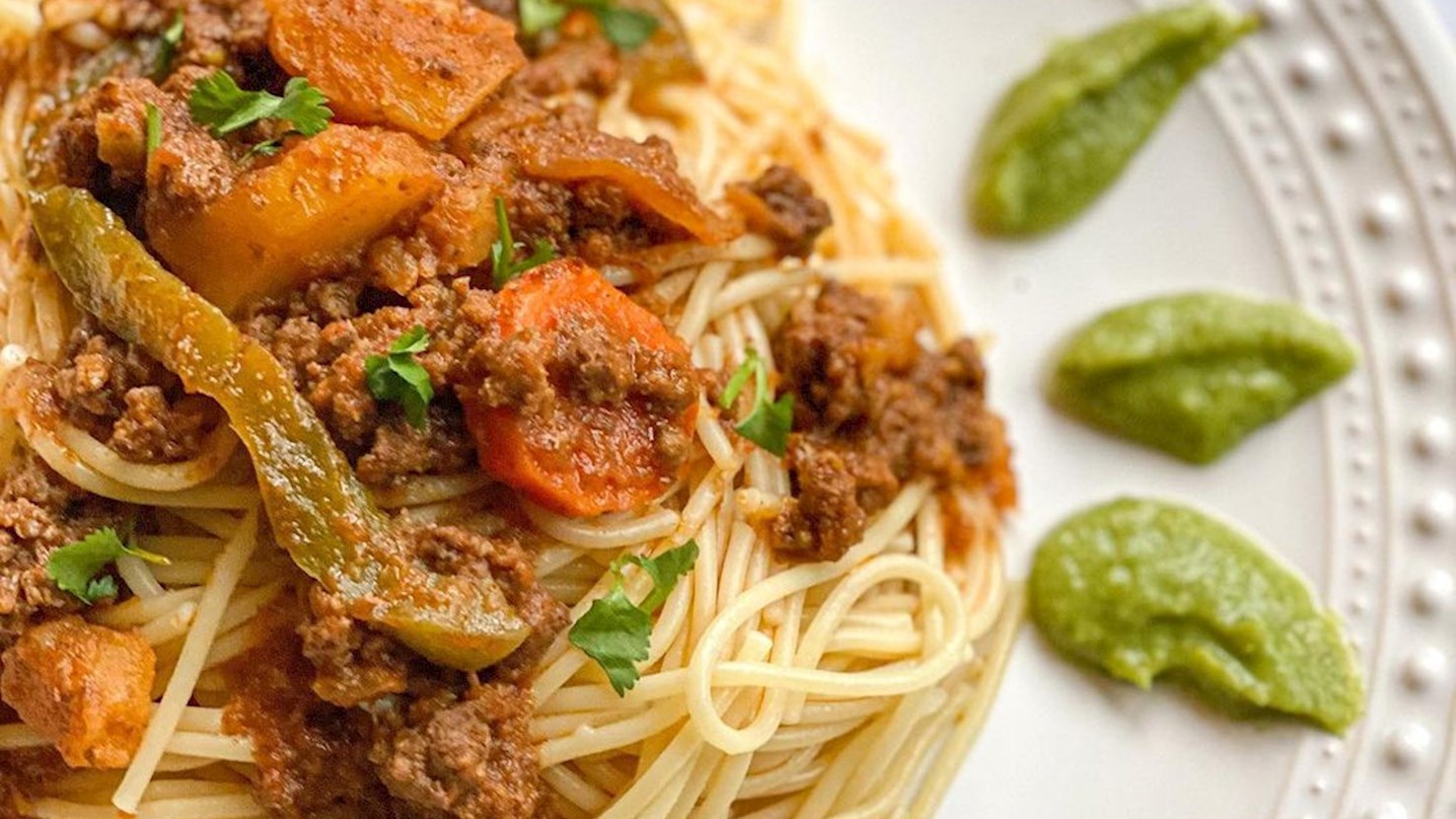
Baasto iyo suugo is a Somali pasta dish with suugo suqaar, a beef sauce unique for using the hawaij spice blend. It is an adaptation of similar Italian pasta dishes, which were introduced to Somali cuisine by Italians who once colonized parts of the country. Al dente pasta (usually spaghetti) is covered with suuqo suqaar, and a few drops of lime are squeezed over the dish. Baasto iyo suugo is paired with a banana and muufo, a Somali bread ideal for scooping the rich sauce.

05

Asun pasta

n/a ·

The goat meat is marinated in a blend of aromatic spices, including thyme, paprika, and lemon juice, then cooked until tender with onions, garlic, and fiery Scotch bonnet peppers. This savory, smoky meat is then mixed with al dente pasta, which has been sautéed with garlic, onions, bell peppers, and cherry tomatoes. The addition of heavy cream brings a rich, velvety texture to the dish, balancing the spiciness of the Asun. The pasta is finished with a sprinkle of fresh herbs like parsley or basil and optionally topped with grated Parmesan cheese, creating a beautifully complex dish that harmoniously blends the vibrant flavors of Nigeria with the beloved comfort of Italian cuisine.

06

Mbakbaka

n/a ·
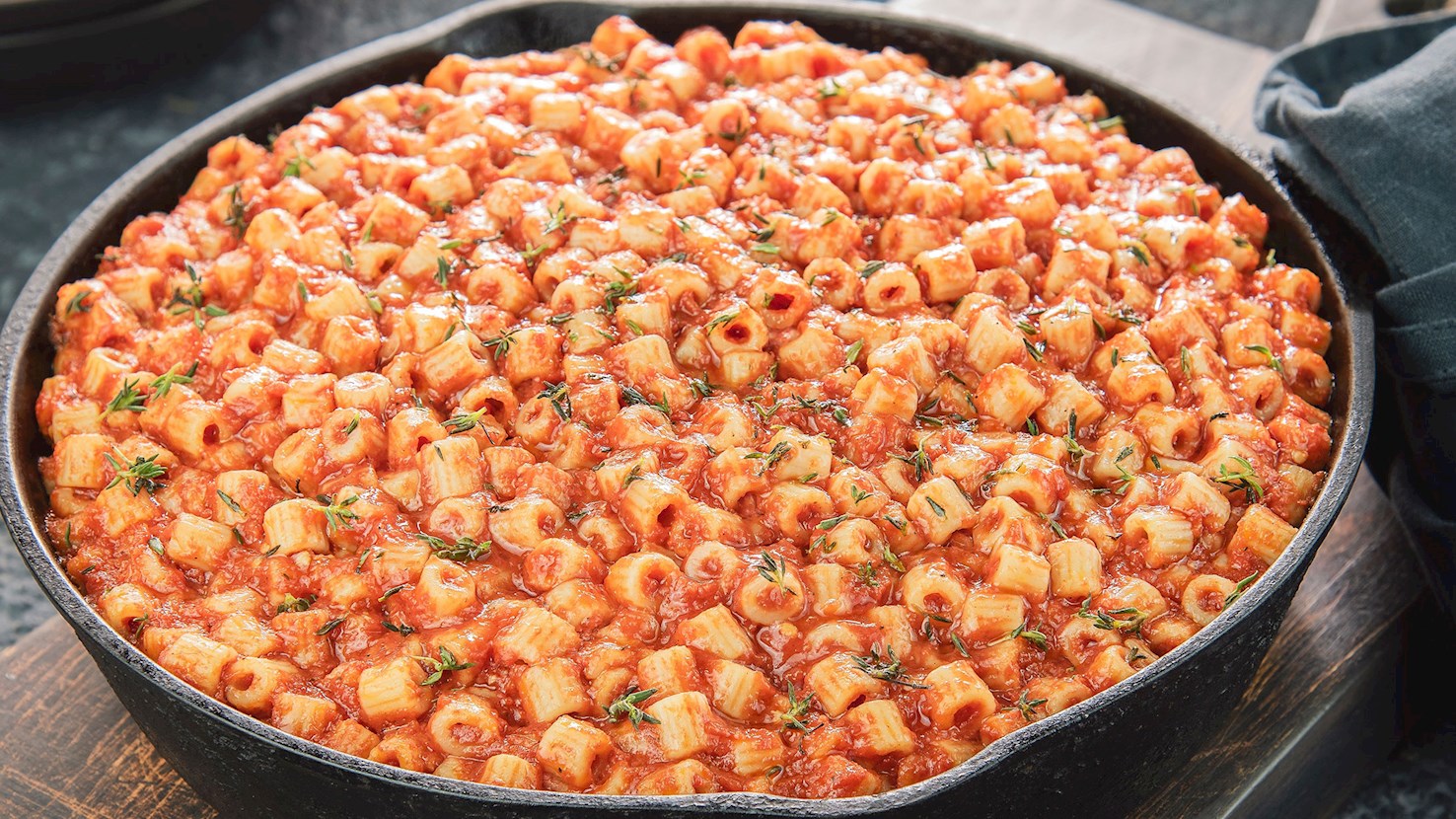
Mbakbaka is a concentrated tomato and chili-based pasta stew originating from Libya, where it serves as a staple one-pot meal in both coastal and desert regions. The dish is defined by its fluid, soup-like consistency and the use of small, dried pasta shapes, typically macaroni or ditalini, which are cooked directly within the seasoned sauce rather than being boiled separately. It is a highly spiced preparation that utilizes a specific Libyan spice blend known as bzar, along with significant quantities of turmeric and dried chilies. Unlike Italian pasta dishes that prioritize a thick sauce that adheres to the noodle, mbakbaka is characterized by an abundance of broth that remains at the end of the cooking process, intended to be consumed with a spoon. The development of the dish is linked to the historical interaction between Italian culinary influences during the colonial period and North African nomadic food systems. While the use of pasta was introduced through Mediterranean trade and governance, the method of cooking it in a single vessel with a spiced, meat-heavy broth reflects the practical requirements of trans-Saharan travel and communal desert dining. The name itself is an onomatopoeia, derived from the "bak-bak" sound of the thick tomato sauce bubbling during the final stages of the reduction process. In 2026, the dish has maintained its status as a primary comfort food across Libya and Tunisia, evolving from a rural necessity into a widely recognized national specialty served in both domestic settings and commercial urban eateries. Preparation begins with the sautéing of lamb or chicken pieces in olive oil alongside finely diced onions and whole cloves of garlic. Once the meat is browned, a large volume of tomato paste is added and fried to remove its raw acidity and deepen the color of the stew. The spice matrix, comprising turmeric, chili powder, and bzar, is then incorporated followed by a significant amount of water or stock. Once the meat is tender, small pasta shells are added directly to the boiling liquid. A technically critical aspect of mbakbaka is the timing of the pasta; it must be removed from the heat while still slightly firm, as the residual heat of the large volume of broth continues to cook the starch during the serving process. Whole green chilies are typically added in the final five minutes to infuse the broth with a fresh heat without breaking the skin. The stew is eaten hot and is almost always served in a large, communal bowl, reflecting the social structure of Libyan dining. It is consumed with a spoon to accommodate the thin, spicy broth, and pieces of crusty bread are often used to absorb the remaining liquid at the bottom of the dish. It is a common choice for lunch or dinner, particularly during the winter months or for large family gatherings. Regarding beverage pairings, the dish is served with strong, frothy Libyan green tea infused with fresh mint, which provides a sharp, refreshing contrast to the high levels of capsaicin and fat. It is also paired with chilled laban (fermented milk), which helps to neutralize the heat of the chilies on the palate. For non-alcoholic alternatives, freshly squeezed orange juice or pomegranate juice is used to provide a sweet, acidic counterpoint to the savory and spiced tomato base.
07

Pasta saltata

n/a ·

Pasta saltata is a traditional dish that originated as a result of a brief Italian occupation of the country in the 1930s. The dish is made with a combination of potatoes, oil, garlic, onions, lemon juice, penne pasta, arugula, basil, and harissa spices. The potatoes are cooked, and the sauce is made with all the other ingredients. It is then tossed with cooked penne pasta and the potatoes, while the arugula is folded in. Once done, pasta saltata is sprinkled with basil and the dish is always served hot.

Read more
View all
View map
About this ranking

TasteAtlas food rankings are based on the ratings of the TasteAtlas audience, with a series of mechanisms that recognize real users and that ignore bot, nationalist or local patriotic ratings, and give additional value to the ratings of users that the system recognizes as knowledgeable. For the “Top 7 African Pasta” list until May 15, 2026, 452 ratings were recorded, of which 151 were recognized by the system as legitimate. TasteAtlas Rankings should not be seen as the final global conclusion about food. Their purpose is to promote excellent local foods, instill pride in traditional dishes, and arouse curiosity about dishes you haven’t tried.

Similar lists