shutterstock

Top 10 Calabrian Pasta

Last updated on July 15, 2026

Best Calabrian Pasta
01

Pastificio L'antico Mulino

4.1 ·

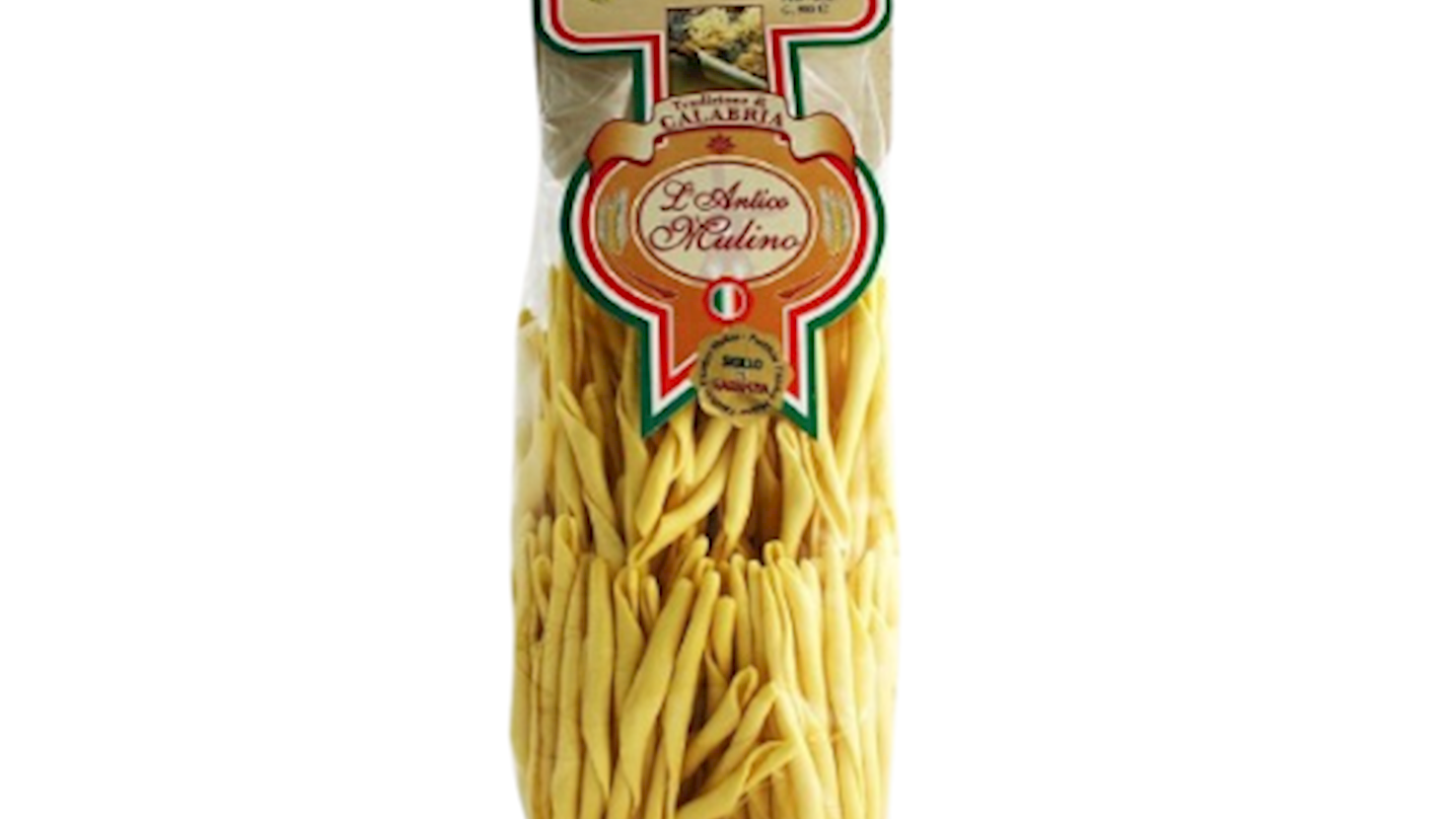
Pastificio L’Antico Mulino is a family-run pasta producer located in the small town of San Procopio, in the Calabria region of southern Italy. Founded in the 1970s by the Caruso family, the company was established with the aim of preserving the region’s authentic Calabrian culinary traditions and pasta-making recipes.

They use only premium-quality durum wheat semolina and pure spring water to craft their products. The dough is shaped using traditional bronze dies, which give the pasta its signature rough and porous surface - perfect for capturing rich, hearty sauces.

After shaping, the pasta is slowly dried at low temperatures to preserve its aroma, texture, and nutritional value. Their product range includes a wide variety of formats, including numerous regional specialties.

The pastas are highly regarded for their authentic, homemade character - featuring a rustic texture and bold, full-bodied flavor. On the market, L’Antico Mulino stands out for its unique shapes and dedication to preserving the distinctive culinary heritage of Calabria.

02

Pastificio Conte

4.0 ·

Pastificio Conte is a family-owned pasta workshop based in Calabria, southern Italy, dedicated to producing artisanal pasta made exclusively from high-quality durum wheat semolina. Their philosophy is rooted in the careful selection of raw materials - semolina with high protein content, low ash levels, and a distinctive golden hue - to ensure a rich flavor and firm texture in the final product.

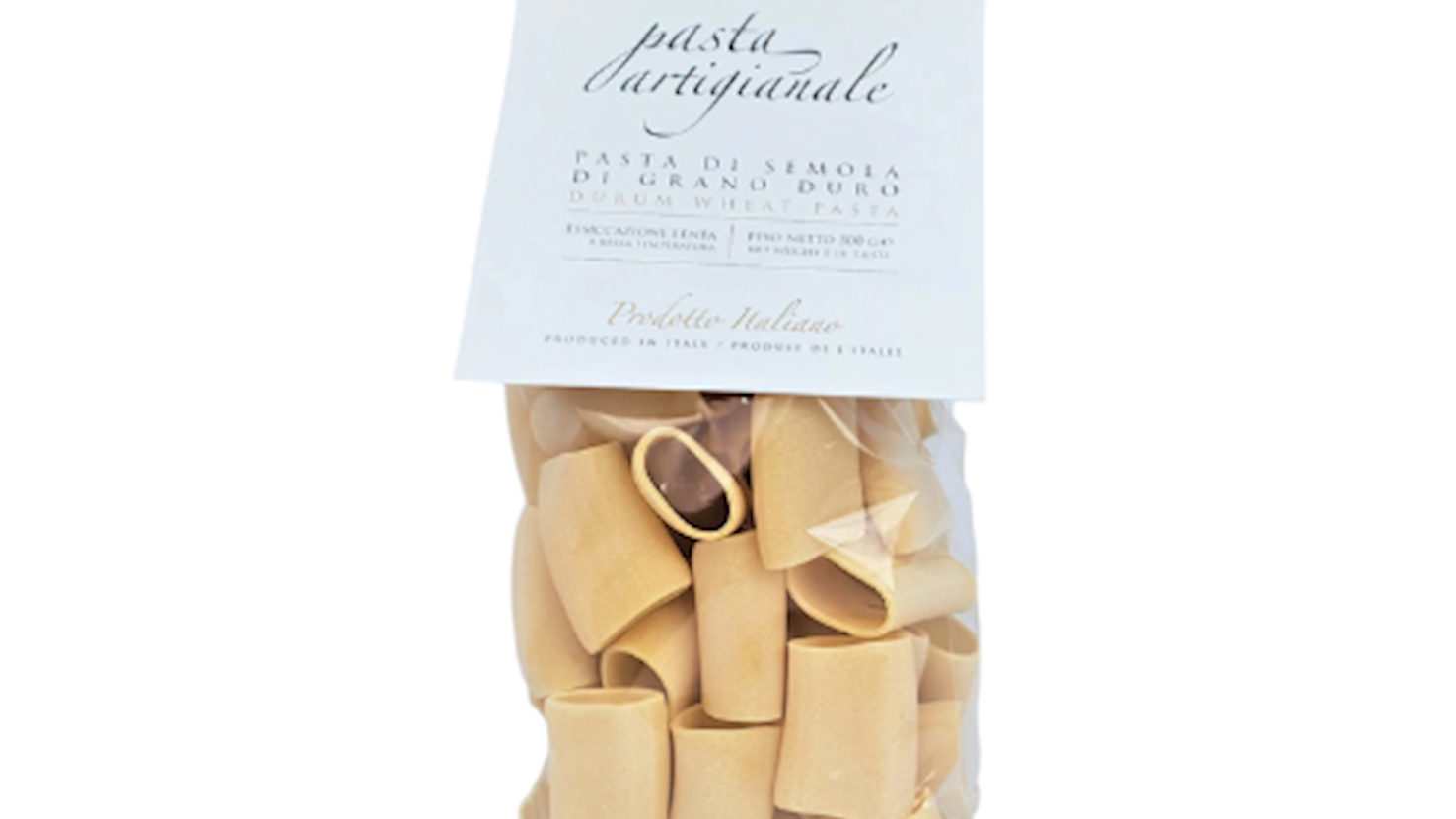
The water used in production is purified and maintained at a controlled temperature, further enhancing the quality and taste of the pasta. The drying process is slow and static, carried out at low temperatures for over 24 hours, which helps preserve the aroma, nutritional value, and integrity of the pasta. Pastificio Conte offers a wide range of traditional shapes, including fusilli caserecci, paccheri, pappardelle, trofie, and orecchiette, as well as a selection of specialty pastas.

All products, made from 100% durum wheat semolina, are aimed at consumers who appreciate traditional, nutritionally rich, and authentic Italian pasta. With a growing presence on both the Italian and international markets - supported by platforms such as Italian Food Online - Pastificio Conte has gained recognition among pasta enthusiasts worldwide.

Their work reflects a harmonious blend of Calabrian passion and artisanal quality, crafted to meet the expectations of today’s consumers.

Best Calabrian Pasta

01

Pasta alla jonica

3.5 ·

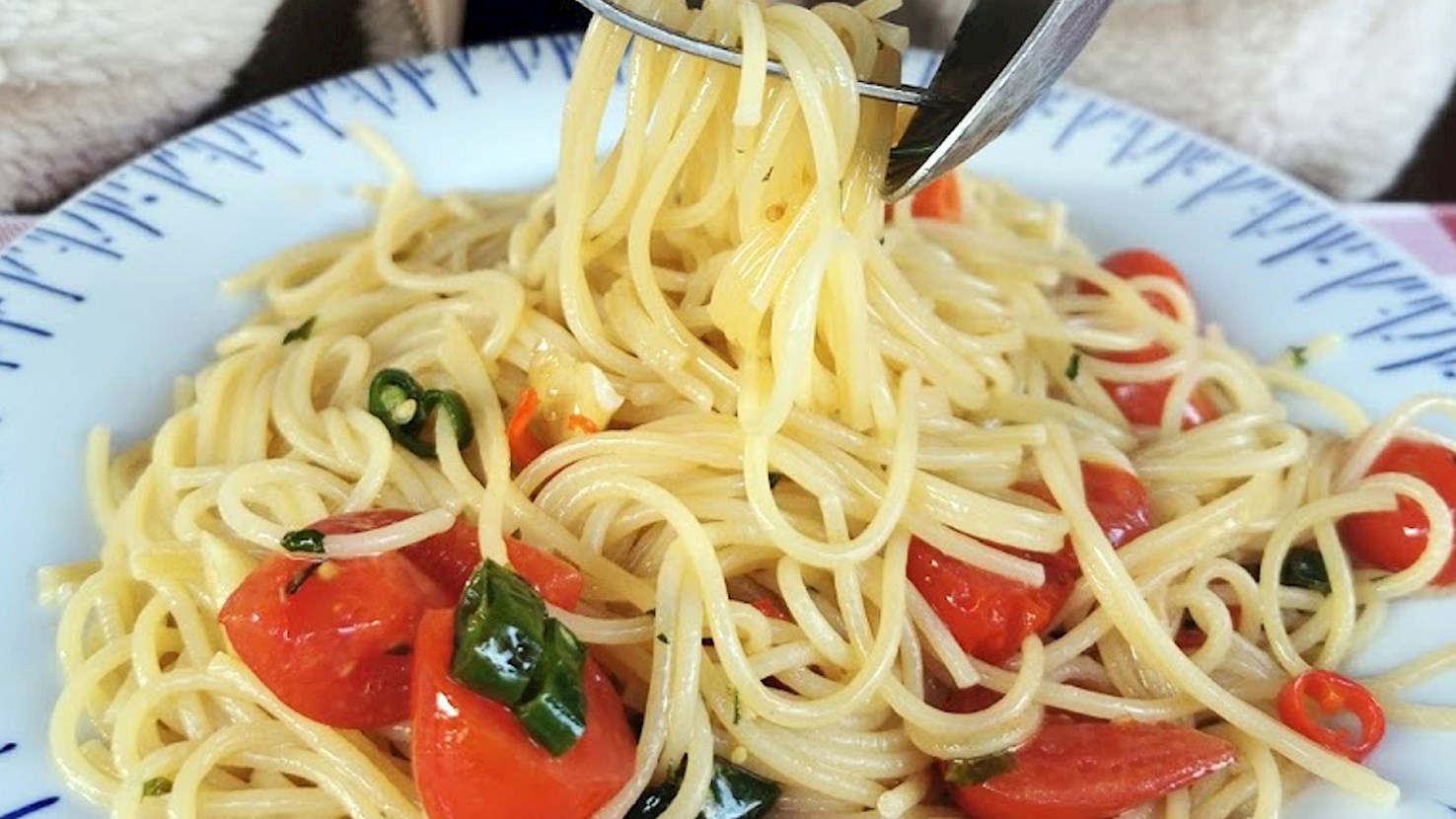
Pasta alla jonica is a traditional dish originating from Calabria. The dish is usually made with a combination of tomatoes, sweet or hot peppers, garlic, guanciale, spaghetti, basil, olive oil, salt, and pecorino. The garlic and guanciale are sautéed in olive oil, then mixed with the basil and cooked tomatoes and peppers. The spaghetti are cooked in boiling water, drained, then tossed with the sauce. Before serving, this pasta dish is sprinkled with grated pecorino cheese.

02

Pasta e alici

3.4 ·

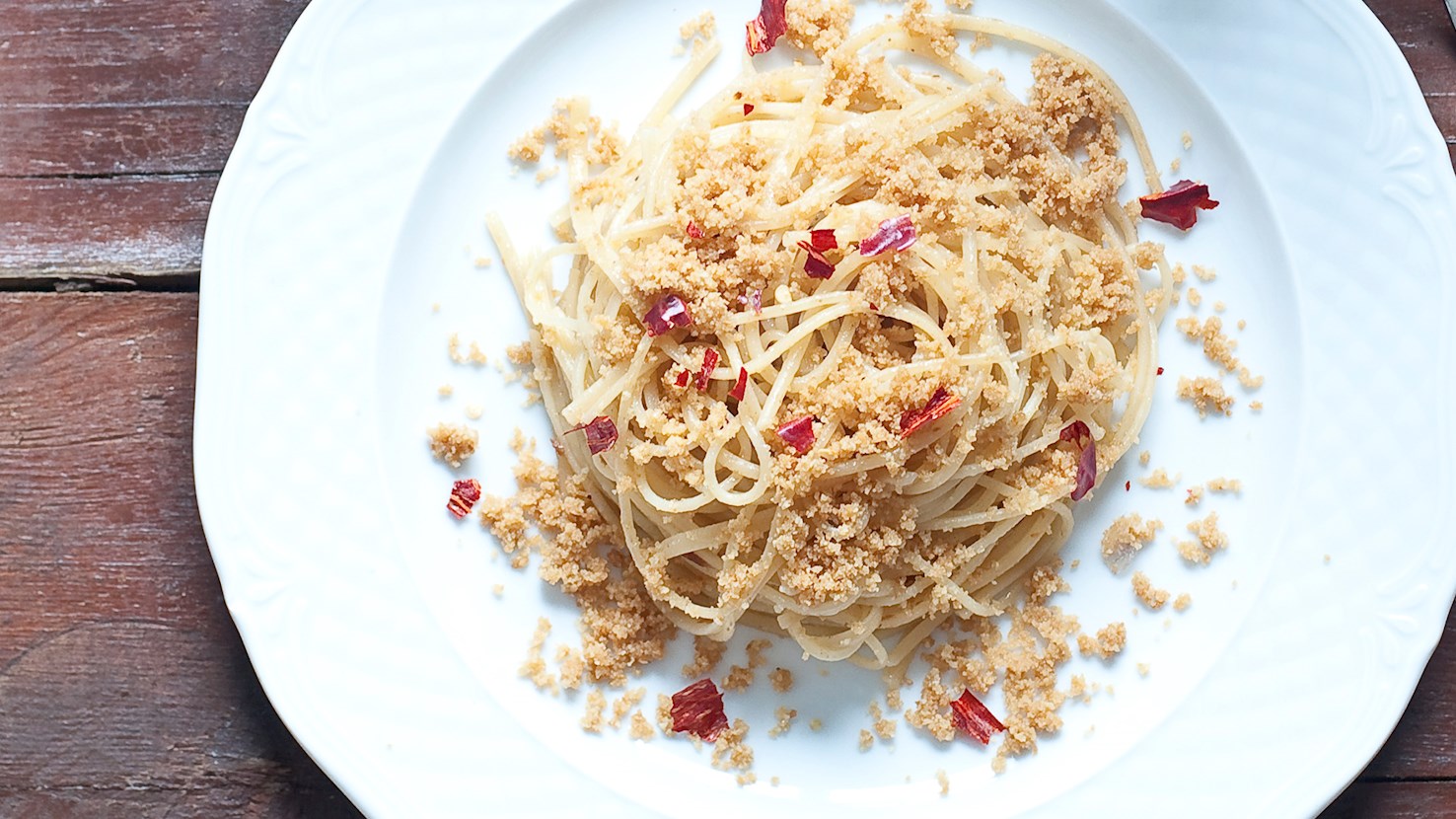
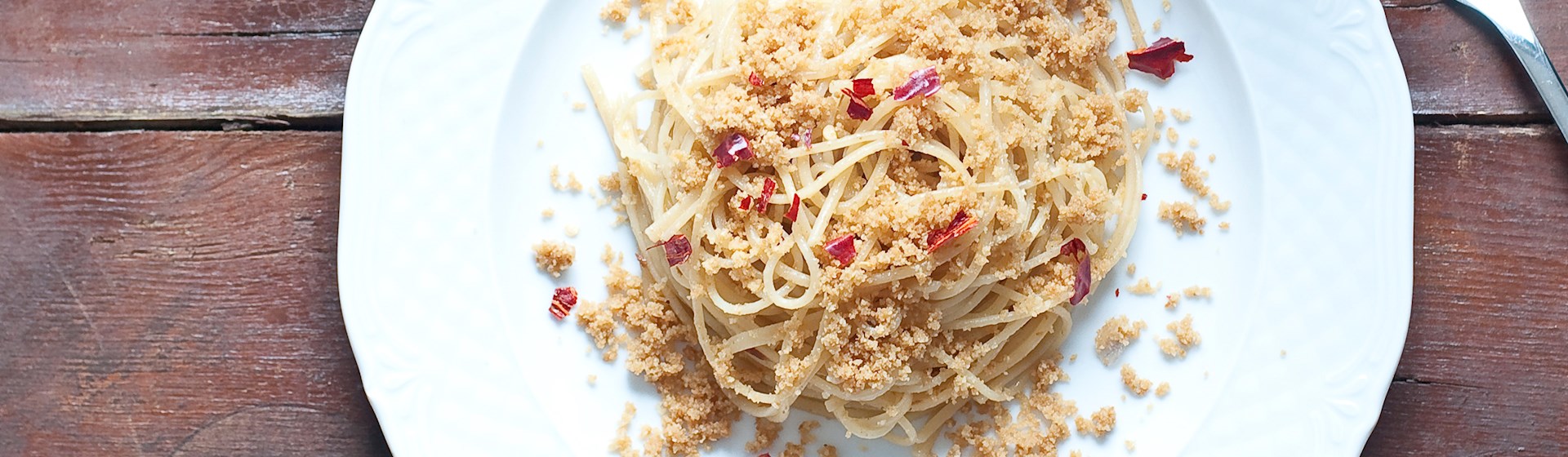
Also known as pasta con la mollica alla Calabrese, or in dialect, pasta ca muddicata, this traditional pasta dish called pasta e alici is made with anchovies and toasted breadcrumbs as one of the most traditional dishes of the region. Simple and quick to make, this is a typical cucina povera dish – extremely delicious and filling, although it consists of only a few basic ingredients. Crispy toasted breadcrumbs, pepperoncini, olive oil, chopped tomatoes, and anchovies, tossed over al dente cooked pasta create a dish full of strong, yet well-combined flavors - raisins, pine nuts, or a sprinkle of grated lemon zest can be added for an additional kick. In Calabria, this delicious dish was especially beloved around Christmas, when tradition requires eating di magro, meaning fish-based dishes. Those who couldn't afford the fish often prepared pasta e alici, respecting the tradition in the process, and enjoying a filling meal at the same time.

03

Fileja con 'nduja

n/a ·

Fileja con ‘nduja is a traditional pasta dish from Calabria, that combines fileja, a handmade Calabrian pasta, with ‘nduja, a soft, spicy, and spreadable pork sausage. Fileja is a unique tubular-shaped pasta made from durum wheat semolina and water, formed by rolling the dough around a thin rod or stick, giving it a ridged surface that perfectly holds sauces. ‘Nduja, a signature ingredient of Calabria, is made from pork fat, meat, and a generous amount of Calabrian chili peppers, giving it a fiery heat and a distinctive creamy texture that melts easily into sauces. To prepare fileja con ‘nduja, the pasta is cooked al dente and tossed with a sauce made from sautéed onions (preferebly Tropea), tomato purée, garlic, and ‘nduja, which forms a rich, spicy coating for the pasta. The dish is often finished with fresh herbs like parsley or basil and a sprinkling of grated pecorino cheese for added flavor. Known for its bold, spicy, and comforting flavor, this dish is a hallmark of Calabrian cuisine, reflecting the region’s passion for rustic, intensely flavored food.

04

Bucatini alla calabrese

n/a ·

Bucatini alla calabrese is a traditional pasta dish originating from Calabria. The dish is usually made with a combination of bucatini, tomatoes, onions, garlic, stockfish, olive oil, red pepper flakes, salt, and black pepper. The garlic and onions are chopped and sautéed in olive oil, ideally in an earthenware pan. The stockfish is chopped and browned in the same pan, which should be shaken as the stockfish is browning. The stockfish is removed from the pan and replaced with peeled crushed tomatoes. The mixture is simmered with a pinch of red pepper flakes and seasonings. The stockfish is returned to the pan near the end of cooking, and the dish is finished by adding cooked bucatini pasta to the sauce. Bucatini alla calabrese are served piping hot.

05

Rigatoni alla silana

n/a ·

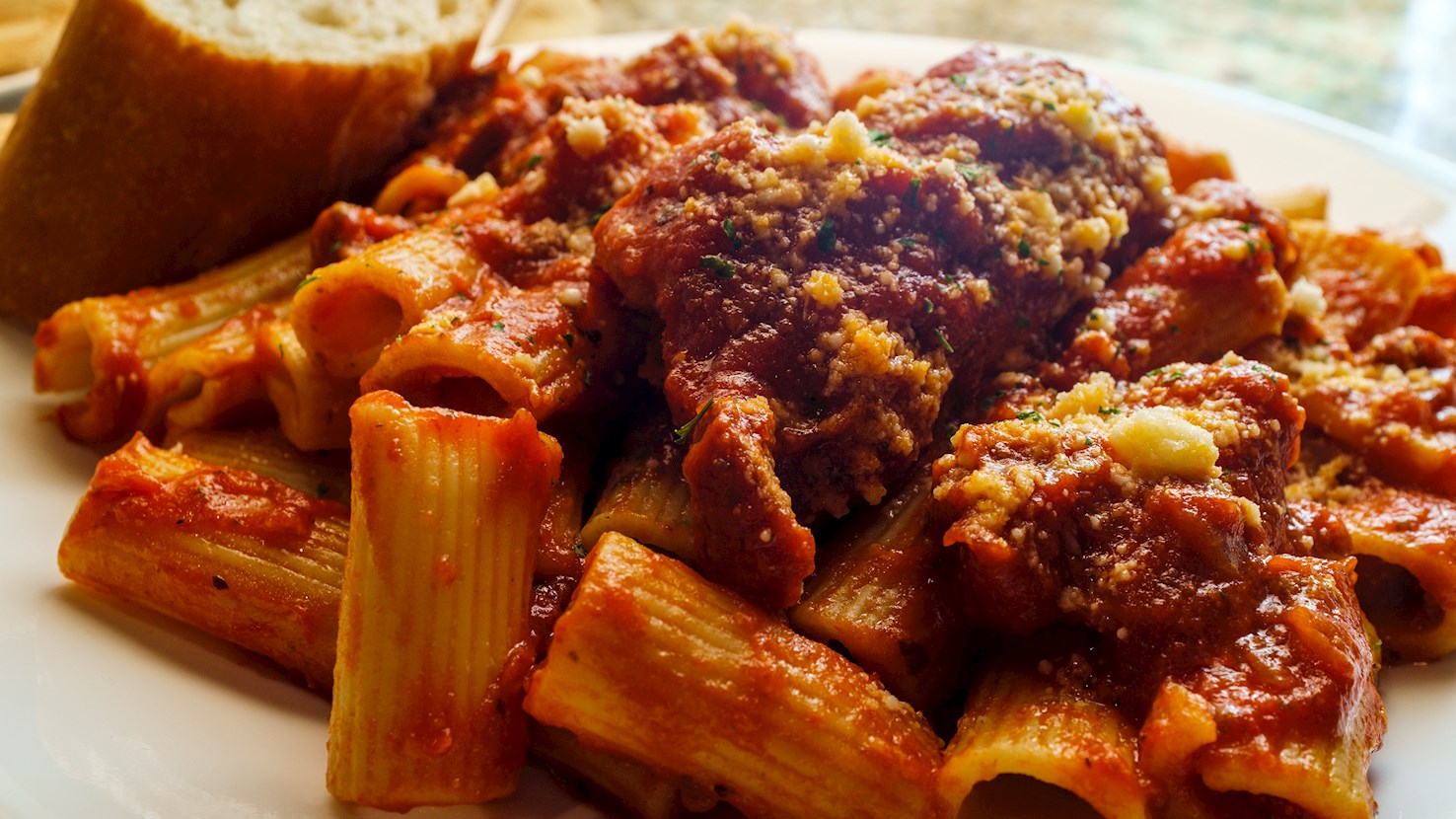
Rigatoni alla silana is a traditional pasta dish originating from the Calabrian Sila Massif mountain forest. Although there are many recipes, the dish is usually made with a combination of rigatoni pasta, sliced dry sausage, prosciutto crudo, guanciale, porcini mushrooms, tomatoes, onions, garlic, basil, parsley, hot peppers, butter, caciocavallo, pecorino, olive oil, salt, and black peppercorns. The onions, tomatoes, garlic, parsley, basil, sausage, guanciale, mushrooms, prosciutto, olive oil, and hot peppers are seasoned with salt and slowly cooked for a few hours in a terracotta pan. The rigatoni are cooked in boiling salted water and added to the sauce over low heat. The dish is sprinkled with pepper, grated pecorino, caciocavallo, and butter. Once everything is well-blended, the dish is served hot in individual bowls.

06

Fileja Tropeana

n/a ·

Fileja Tropeana is a traditional pasta dish from Calabria, Italy, that showcases two of the region’s most iconic elements: fileja pasta and cipolla rossa di Tropea, the famous red onions of Tropea. Fileja is a typical Calabrian pasta made from durum wheat semolina and water, shaped into long, slightly curved tubes by wrapping the dough around a thin rod or stick. Its texture and tubular shape make it perfect for absorbing and holding sauces. The cipolla rossa di Tropea, on the other hand, is a sweet red onion grown in the coastal areas of Calabria, known for its mild flavor, tenderness, and natural sweetness, which sets it apart from other onion varieties. To prepare fileja Tropeana, the onions are typically caramelized or sautéed in olive oil until they become soft and slightly golden, releasing their sweetness. Sometimes, additional ingredients like cherry tomatoes, garlic, and fresh herbs such as basil or parsley are added to create a light, flavorful sauce. The cooked fileja pasta is then tossed in this onion-based sauce, coating each piece in a glossy, aromatic mixture. The dish is often finished with a drizzle of high-quality olive oil and a sprinkle of grated pecorino or ricotta salata for added richness.

07

Fusilli alla paesana

n/a ·

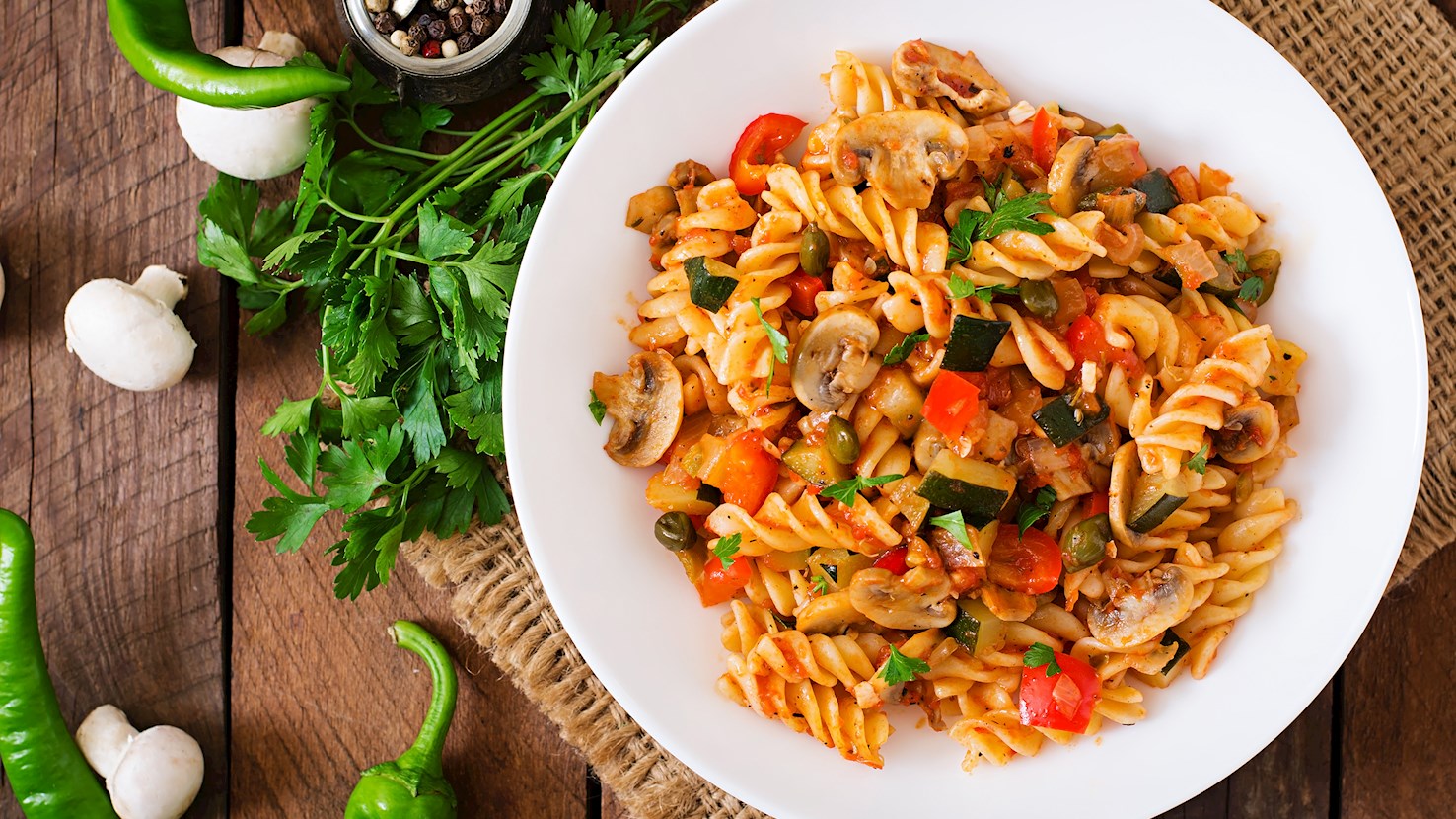
Fusilli alla paesana is a traditional pasta dish originating from Calabria. The dish is usually made with a combination of fusilli pasta, onions, garlic, tomatoes, porcini mushrooms, black olives, hot peppers, capocollo (dry-cured pork neck), ricotta or pecorino, parsley, fennel seeds, olive oil, and salt. The onions and garlic are sautéed in olive oil, and the garlic is then discarded. The tomatoes, mushrooms, hot peppers, parsley, olives, capocollo, fennel seeds, and salt are added to the pan, and the mixture is cooked over low heat. The pasta is boiled in salted water and mixed with the contents of the pan and grated ricotta or pecorino. The dish is well-stirred and served while still hot.

08

Lagane e cicciari

n/a ·

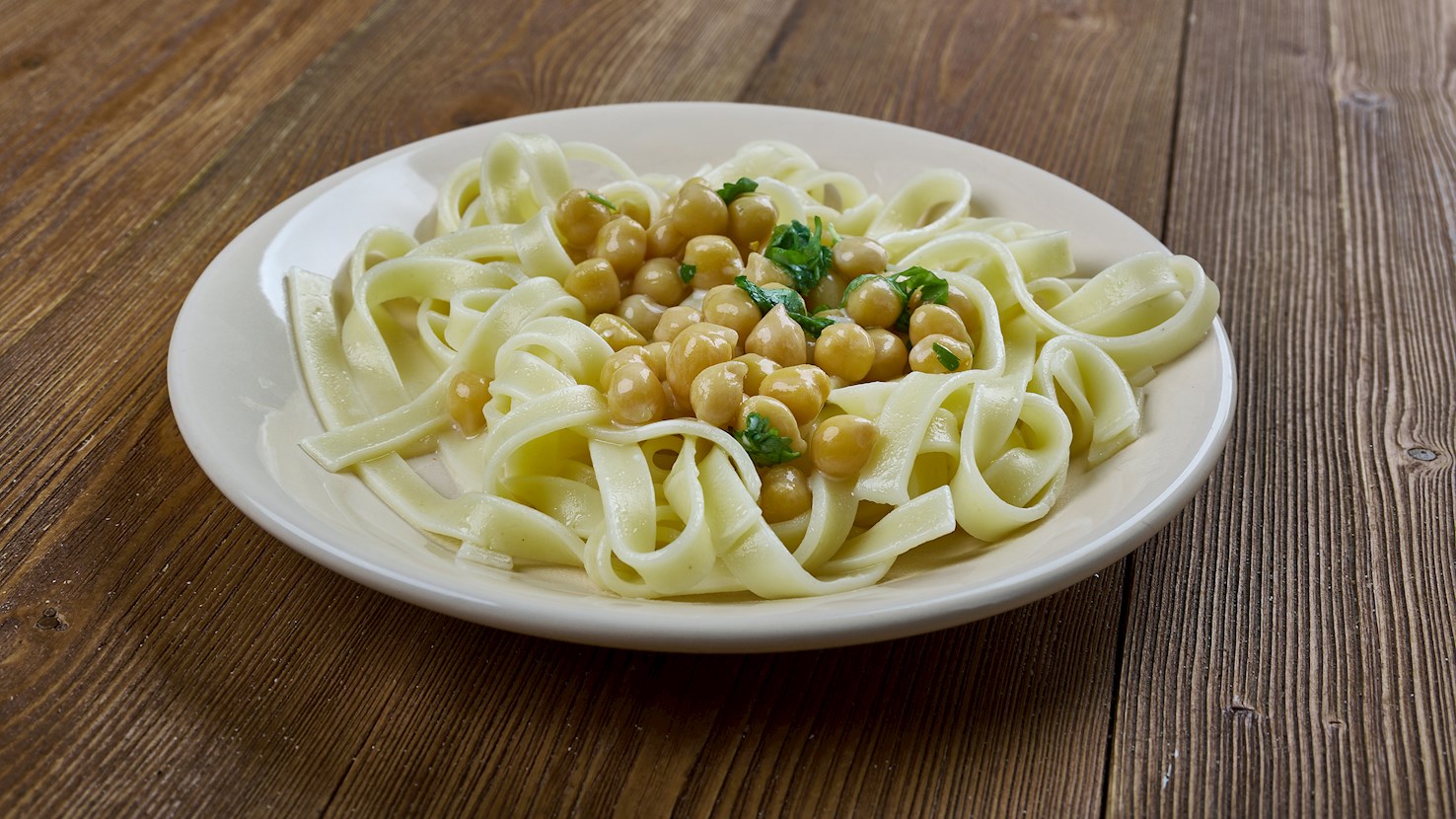
Lagane e cicciari is a traditional cucina povera dish originating from Calabria. This pasta dish is made with a combination of chickpeas, garlic, olive oil, onions, white wine, parsley, and lagane – an ancient type of eggless durum wheat pasta that's shaped into short and wide ribbons. The pasta is combined with the cooked chickpeas and the accompanying sauce, and everything is tossed together until glossy. The dish is seasoned with salt and ground black pepper, then served piping hot.

09

Maccheroni con il sugo di capra

n/a ·

Maccheroni con il sugo di capra is a traditional Calabrian dish of goat sauce mixed with maccheroni pasta. The sauce is prepared with goat meat and tomato passata as the main ingredients, complemented with onion and garlic, and seasoned with bay leaves, oregano, black pepper, and salt. White wine is also included, but its role is to help eliminate the strong smell of the meat. The sauce is served with maccheroni (macaroni) pasta, but often other kinds of pasta are also used. If the meat is left in chunks, they are usually served on the side, and the pasta is mixed with the sauce. Before serving, the dish is usually sprinkled with goat cheese.

10

Perciatelli con le lumache (Perciatelli and Snails)

n/a ·

Perciatelli con le lumache is a traditional dish originating from Calabria. The dish is usually made with a combination of perciatelli (also known as bucatini), snails, olive oil, hot peppers, onions, garlic, tomatoes, parsley, pecorino, salt, and pepper. The snails are purged, cleaned, and boiled. The onions, garlic, and hot peppers are sautéed in olive oil and then mixed with the tomatoes, parsley, and seasonings. Snails are added to the pan with a bit of water and the dish is cooked over medium heat until everything is tender. The pasta is cooked in boiling salted water and mixed with the rest of the ingredients in the pan. The dish is sprinkled with pecorino and served warm.

Read more
View all
View map
About this ranking

TasteAtlas food rankings are based on the ratings of the TasteAtlas audience, with a series of mechanisms that recognize real users and that ignore bot, nationalist or local patriotic ratings, and give additional value to the ratings of users that the system recognizes as knowledgeable. For the “Top 10 Calabrian Pasta” list until July 15, 2026, 67 ratings were recorded, of which 49 were recognized by the system as legitimate. TasteAtlas Rankings should not be seen as the final global conclusion about food. Their purpose is to promote excellent local foods, instill pride in traditional dishes, and arouse curiosity about dishes you haven’t tried.

The initial list of top producers was compiled based on available reviews, awards, local recommendations, media and blog coverage, and consumer reviews. The list will be updated with ratings from TasteAtlas local ambassadors and TasteAtlas users.

Similar lists