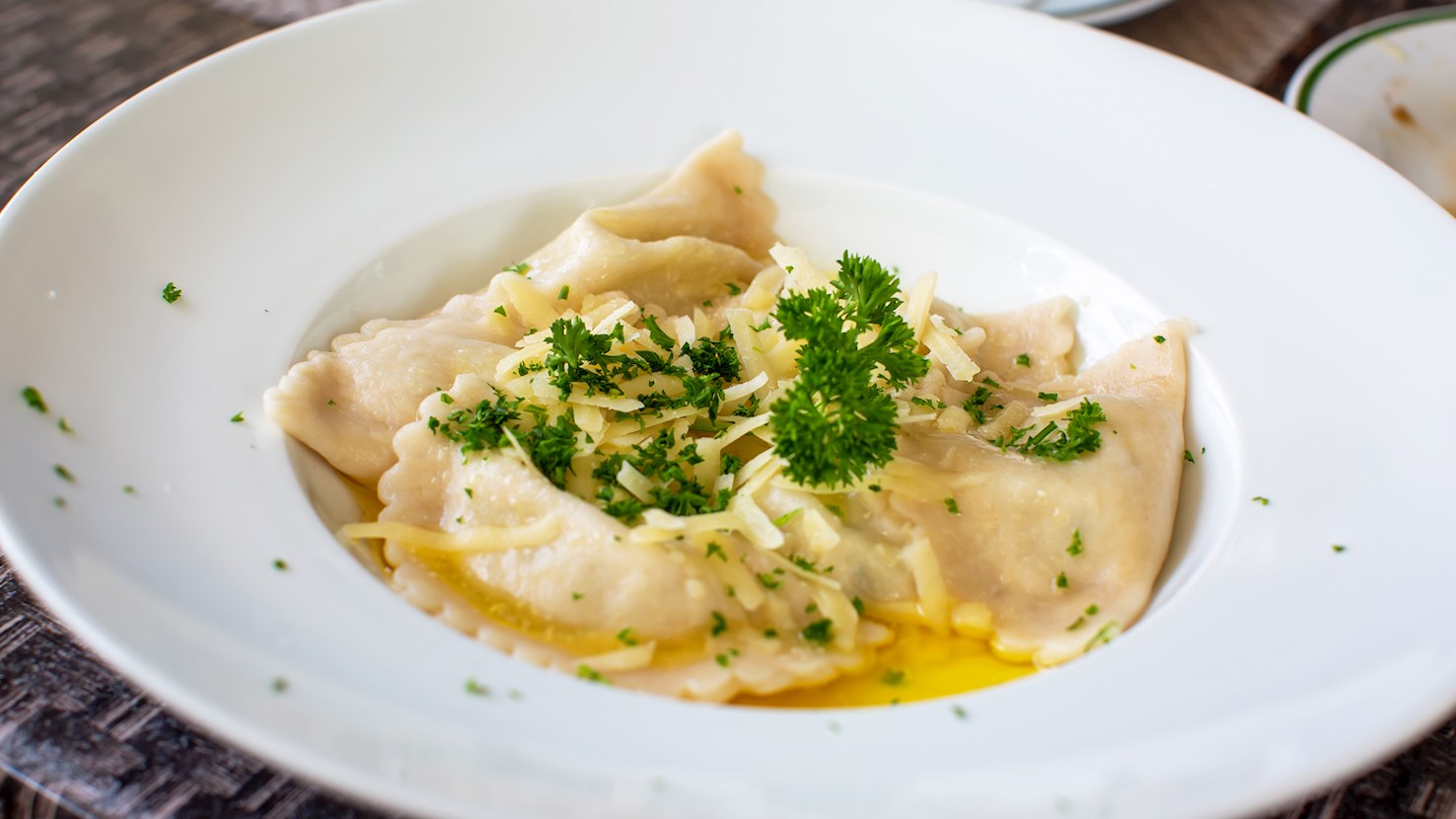
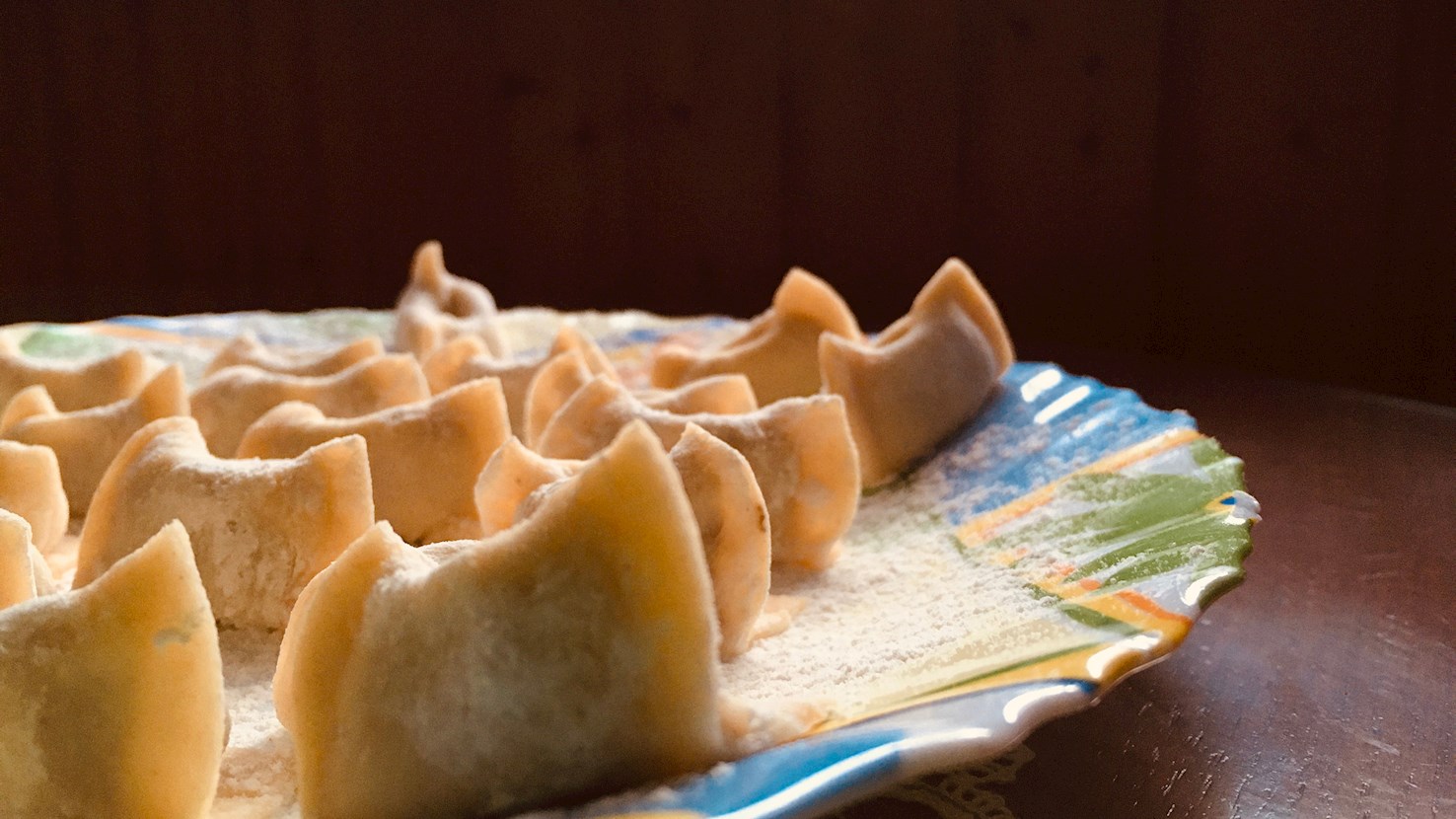
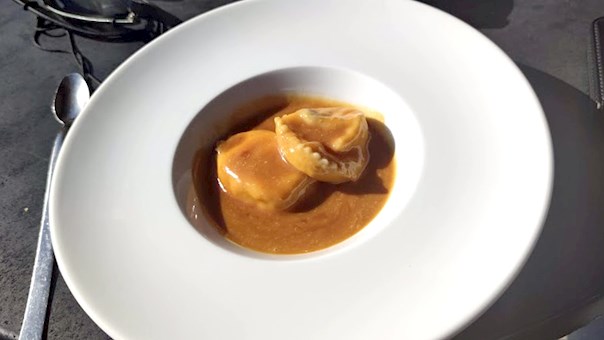
Mezzelune or schlutzkrapfen is a unique pasta variety that is popular both in Italy and Austria, especially in the area of South Tyrol. The pasta has a semicircular shape, which is the reason why it is called mezzelune (half moons in Italian). The dough is typically made from wheat and buckwheat flour, semolina, eggs, and olive oil. The pasta is stuffed with various ingredients, just like ravioli. Common fillings include ingredients such as cheese, mushrooms, potatoes, meat, or spinach. Mezzelune are often served with sauces such as pesto and paired with seafood, sausages (salsiccia), or fresh vegetables such as cherry tomatoes.
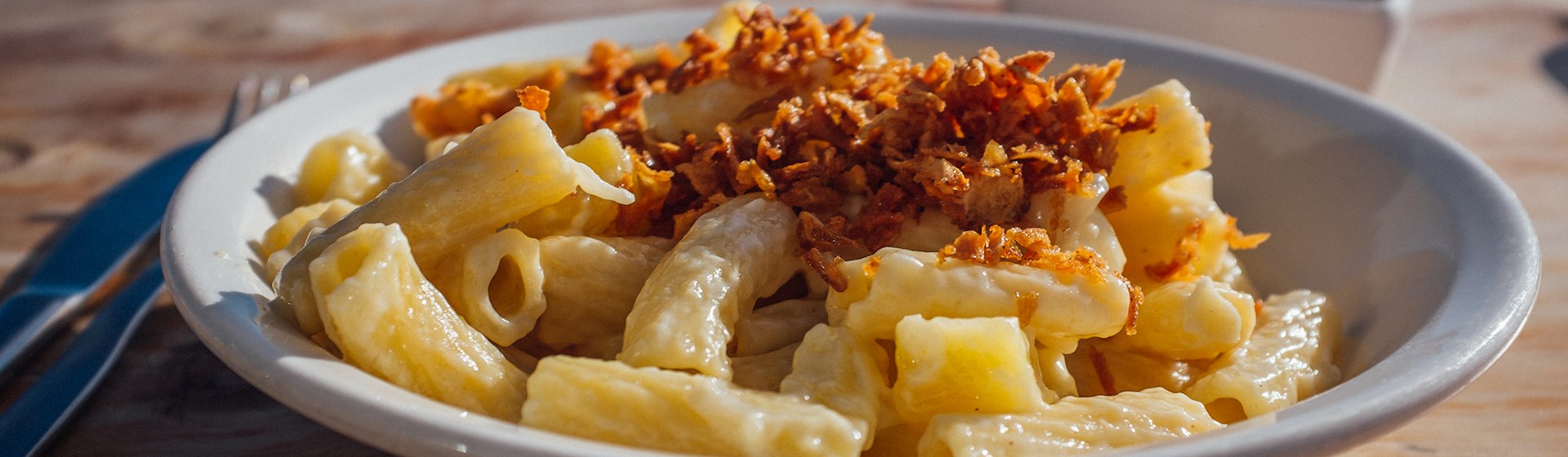
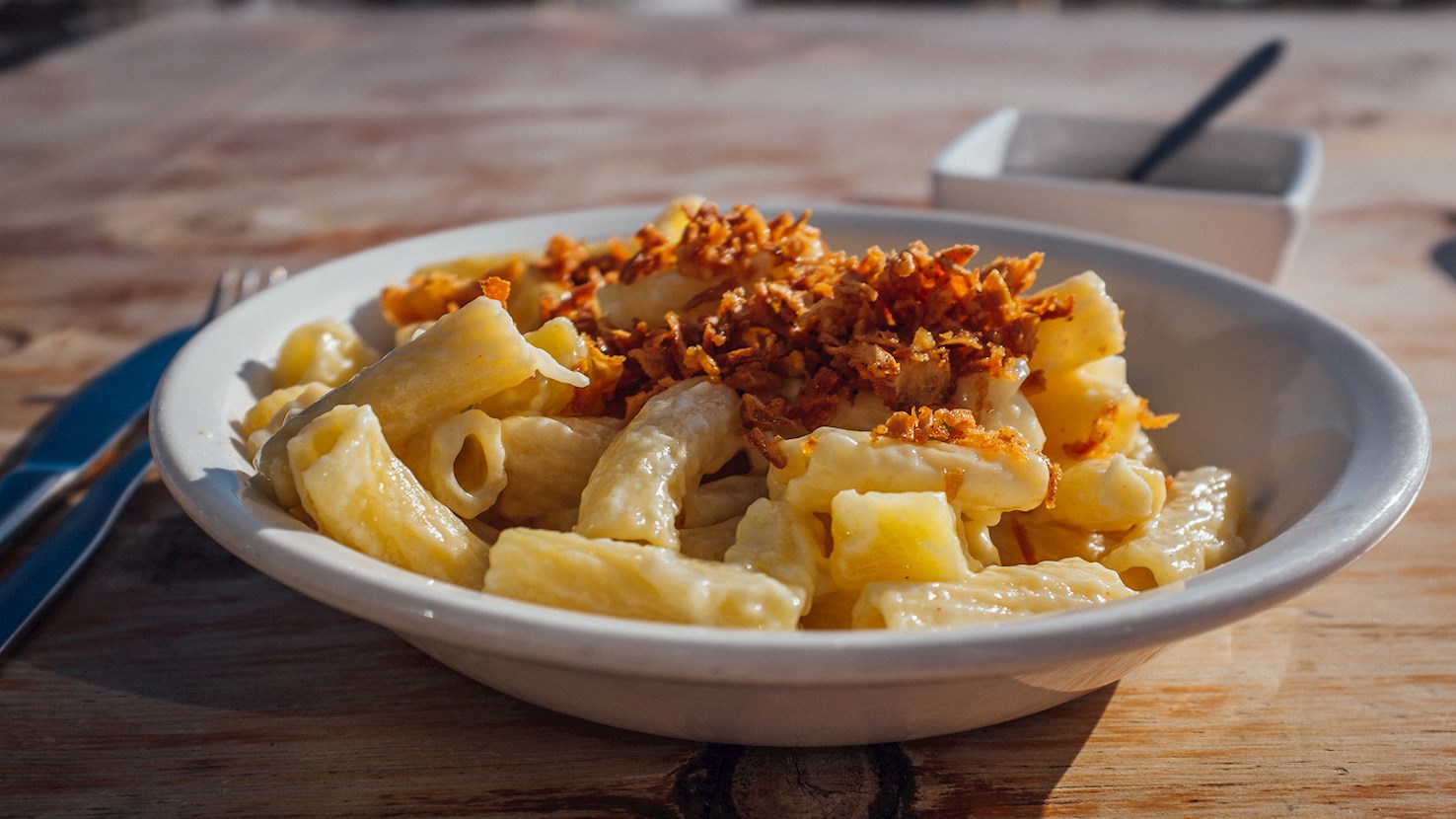
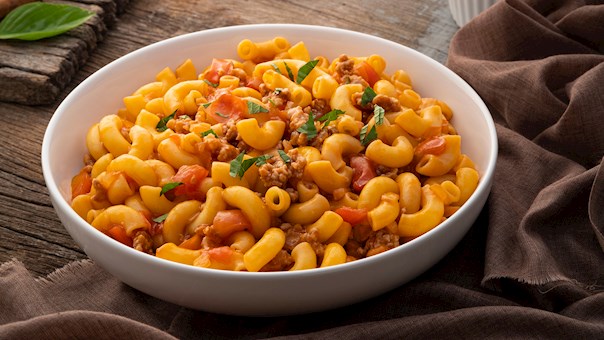
Invented in the 1930s, Älplermagronen is a rustic Swiss dish that can be translated as Alpine macaroni, but it is more commonly known as herdsman’s macaroni. The key ingredients include macaroni pasta (usually hörnli, a small, curved, tubular pasta variety), cheese, onions, and potatoes, although there are numerous variations on this Swiss classic. The ingredients used in the dish were all available to herdsmen who were keeping an eye on their cows grazing on the Alpine pastures. The basic version is prepared by layering cooked pasta and potatoes with cheese and cream, and the combination is then baked in the oven and served topped with onion rings, applesauce, and bacon. This hearty meal is a perfect dish to warm one up on a cold winter night.
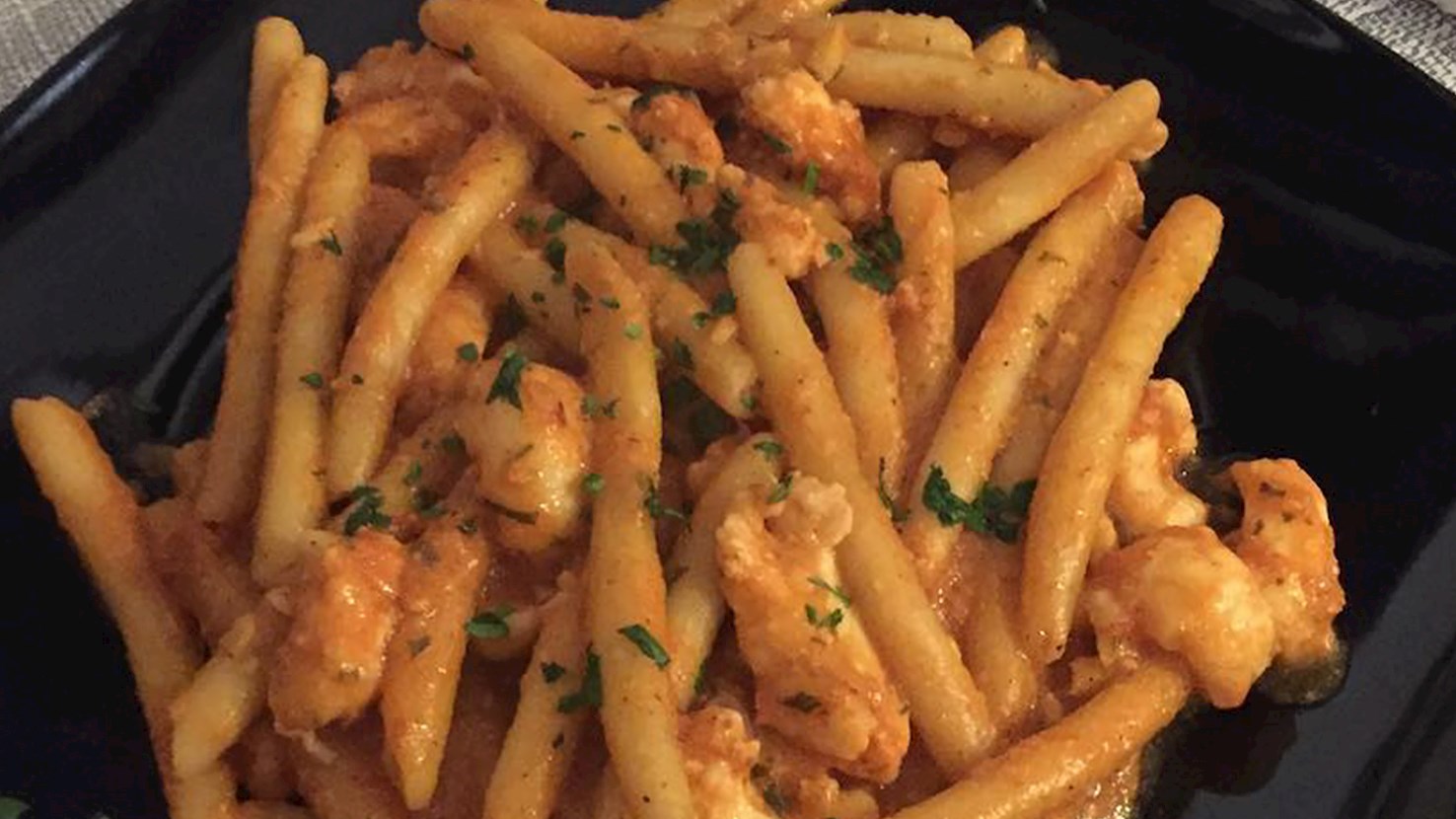
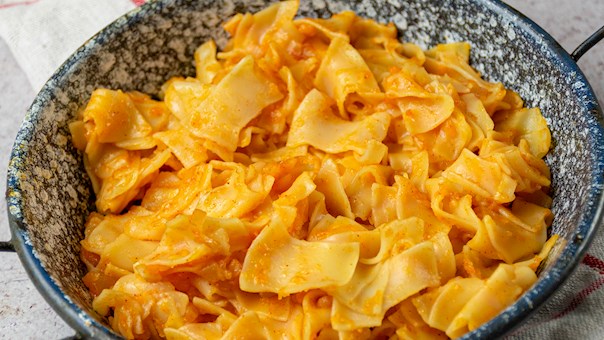
This specialty originates from the Croatian island of Krk. It consists of a local pasta variety known as šurlice, combined with onions, garlic, scampi, tomato juice, white wine, and stock. The pasta is sometimes sautéed in butter before being combined with other ingredients. Before serving, it is recommended to top the dish with grated cheese.
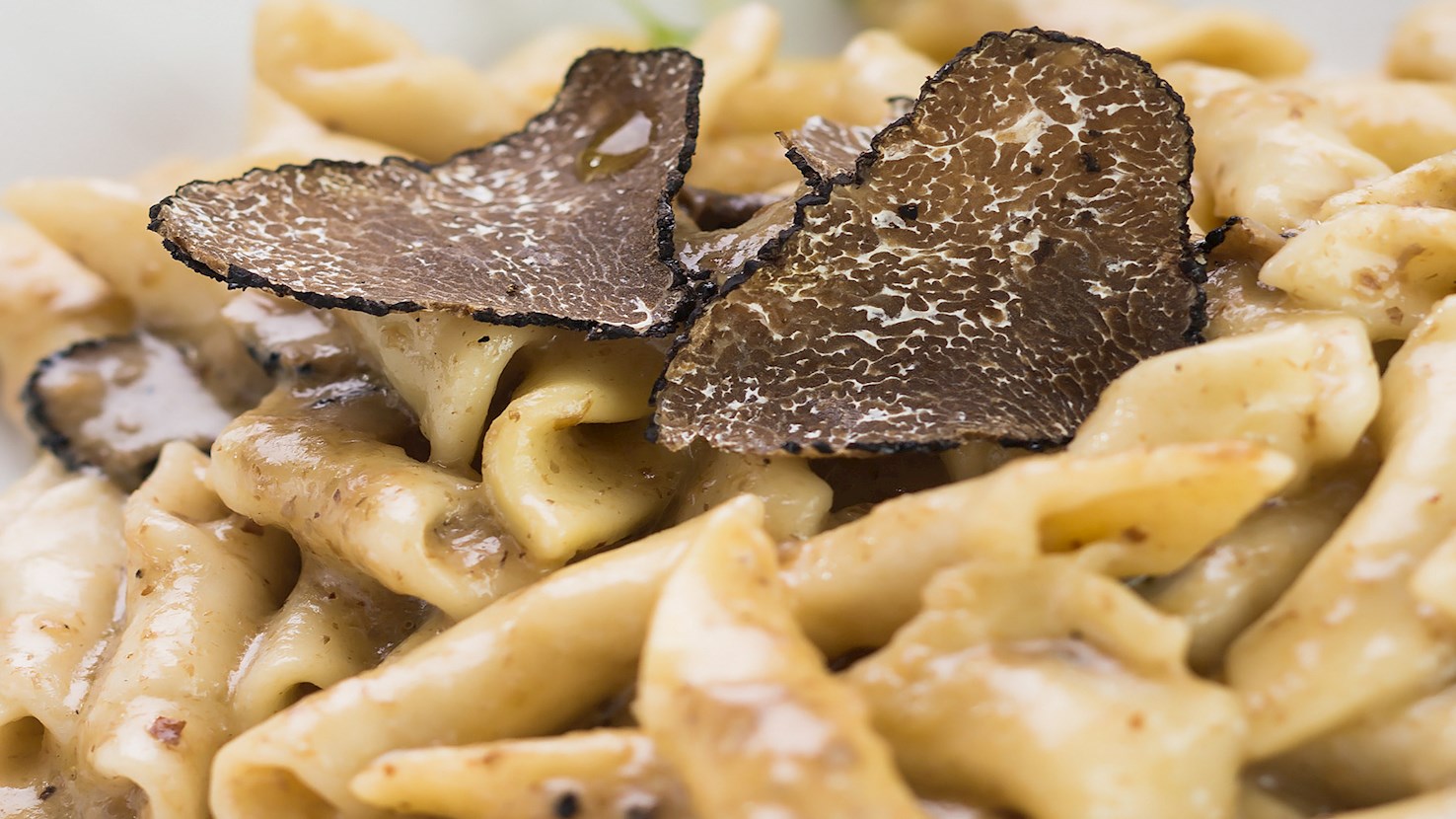
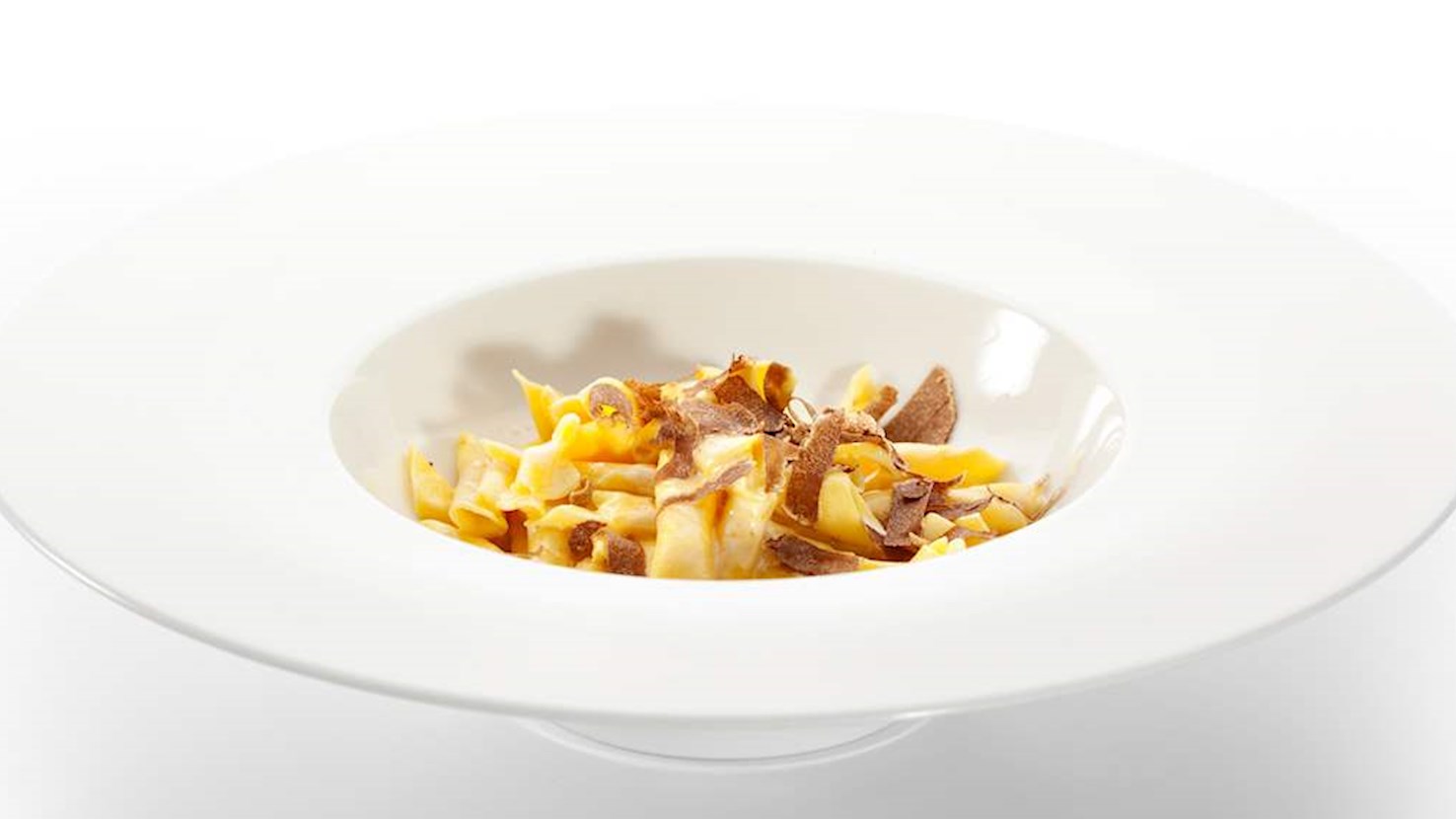
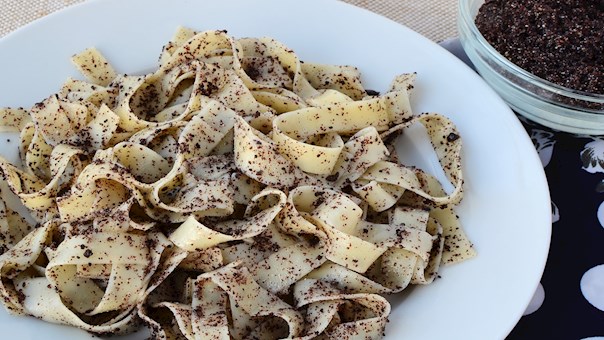
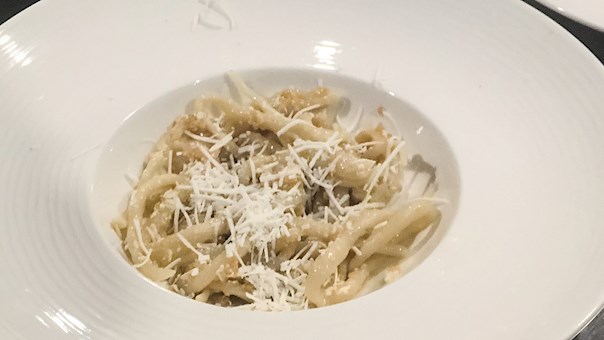
Fuži s tartufima is one of the most popular Istrian specialties – a delightful combination of traditional fuži pasta and the famous Istrian truffles. However, one should be careful when ordering the dish - there is a chance you won't taste real truffles, but truffle oil or tartufata instead - both of those are flavored with a toxic gas that has a fake truffle aroma, while the inexpensive and bland black summer truffles are shaved over the dish only as garnishes, although consumers might think that's where the flavor of truffles in this pasta dish comes from. You should always make sure that the dish doesn't contain truffle oil, truffle butter, truffle cheese, or tartufata. If it does, it's not the real deal, so you shouldn't order the dish. Fuži s tartufima should be prepared with the expensive white Istrian truffles, as the dish needs only fuži pasta, butter, and shaved white Istrian truffles. However, there is also the black winter truffle, Tuber melanosporum, which is also a respectable truffle variety. The pasta should be cooked in salted water until al dente, and it is then drained and combined with butter, (optionally) heavy cream, and truffles – white Istrian truffles, black winter truffles, or a combination. Some cooks also like to add pieces of prosciutto to the dish. When served, fuži s tartufima are usually sprinkled with grated cheese and an extra dose of freshly shaved truffles.
Even though the combination of fuži (Istrian pasta variety), butter, and truffles is a common item in many Istrian restaurants, the dish is often made with the less aromatic black truffle, and in the worst-case scenario with truffle oil or tartufata - both of which are flavored with a fake truffle aroma. The dish that is the real jewel of the regions combines fuži with the acclaimed Istrian white truffle, which is only in season from September to January. This expensive truffle has an intense and pleasant aroma which makes it one of the most prized and top-quality varieties in the world as well as a gastronomic pride of the entire region. Fuži s bijelim tartufom is not a complicated dish, and it usually combines cooked pasta, butter, and shaved white truffles. The truffles should be freshly shaved on top of the pasta, and the dish is only served when the truffles are in season—during spring and summer, you will most likely find fuži served with the more available, less aromatic and cheaper black truffles.
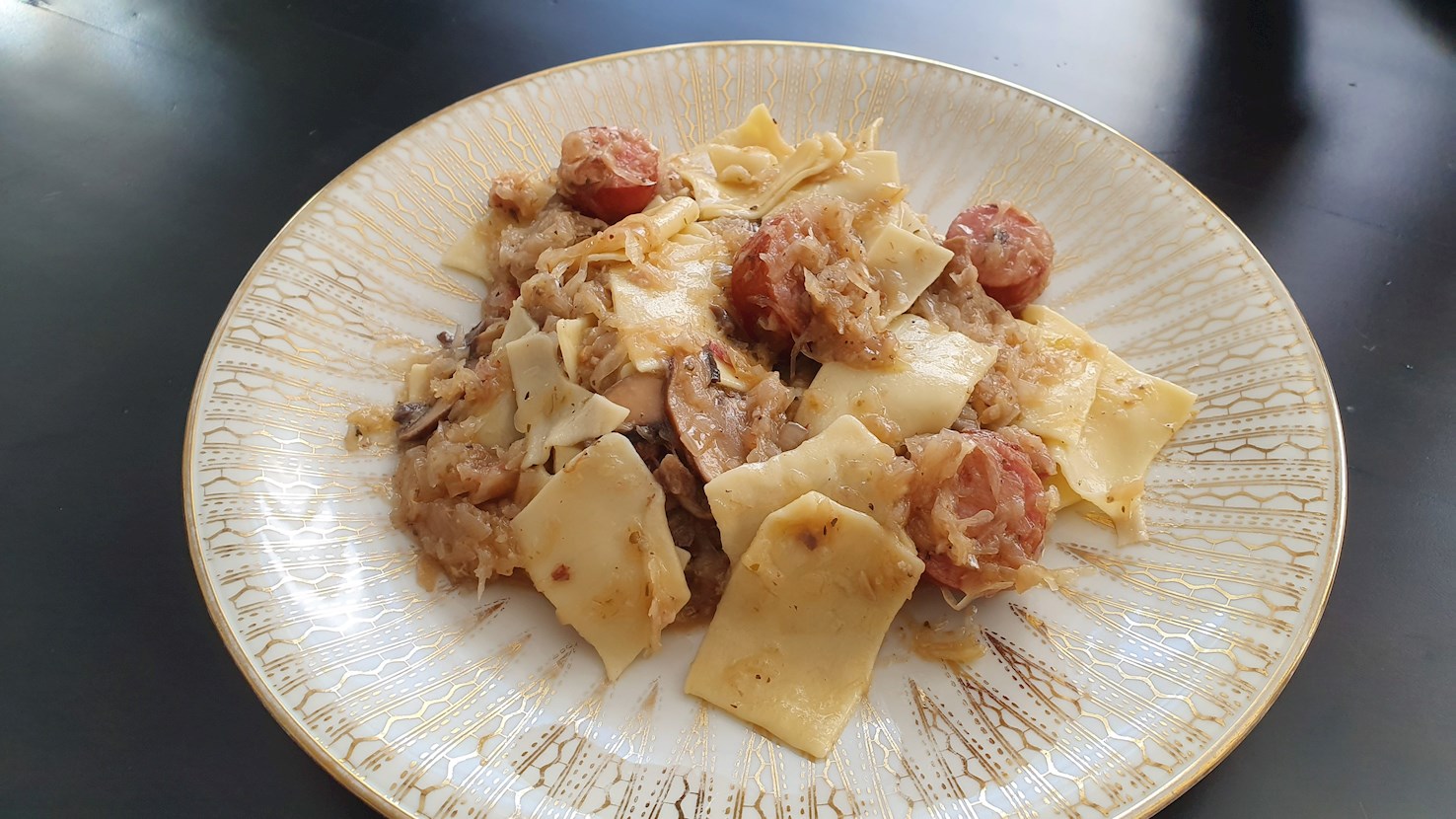
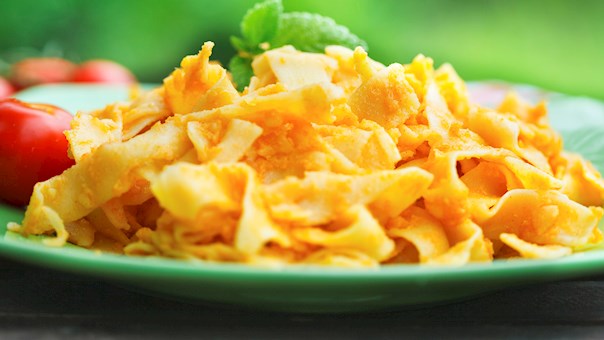
Łazanki is the Polish and Belarusian name used for a variety of pasta and the eponymous dish, while in Lithuania the same dish is called skryliai. The pasta dough is made with wheat flour, eggs, water, salt, and oil. The flattened dough is shaped into squares or triangles, boiled, then combined with lard and onions, which are typically added on top of the pasta. Łazanki is mostly combined with meat and cabbage, in order to enhance the flavors and make it more substantial.
Traditionally prepared in western Slovenia, namely the town of Idrija, this popular pasta dish can be described as a variety of ravioli. Žlikrofi are made with two layers of thin pasta dough wrapped around the filling, and apart from their charming shape resembling a bicorne hat, their authentic potato filling is even more distinctive. Ever since the first references to this delicious Slovenian dish, except for the variations in the filling, the recipe hasn't significantly changed over the years. The oldest written source is found in a 1936 book Naš Idrijski Kot, in which the author describes how the popular žlikrofi were prepared only on special occasions when they were typically filled with potatoes, meat, or turnip mash. Although it has been suggested that Idrijski žlikrofi are in fact quite similar to the Austrian Schlickkrapferl (dumplings filled with offal and fresh herbs), their true origin hasn't yet been discovered.
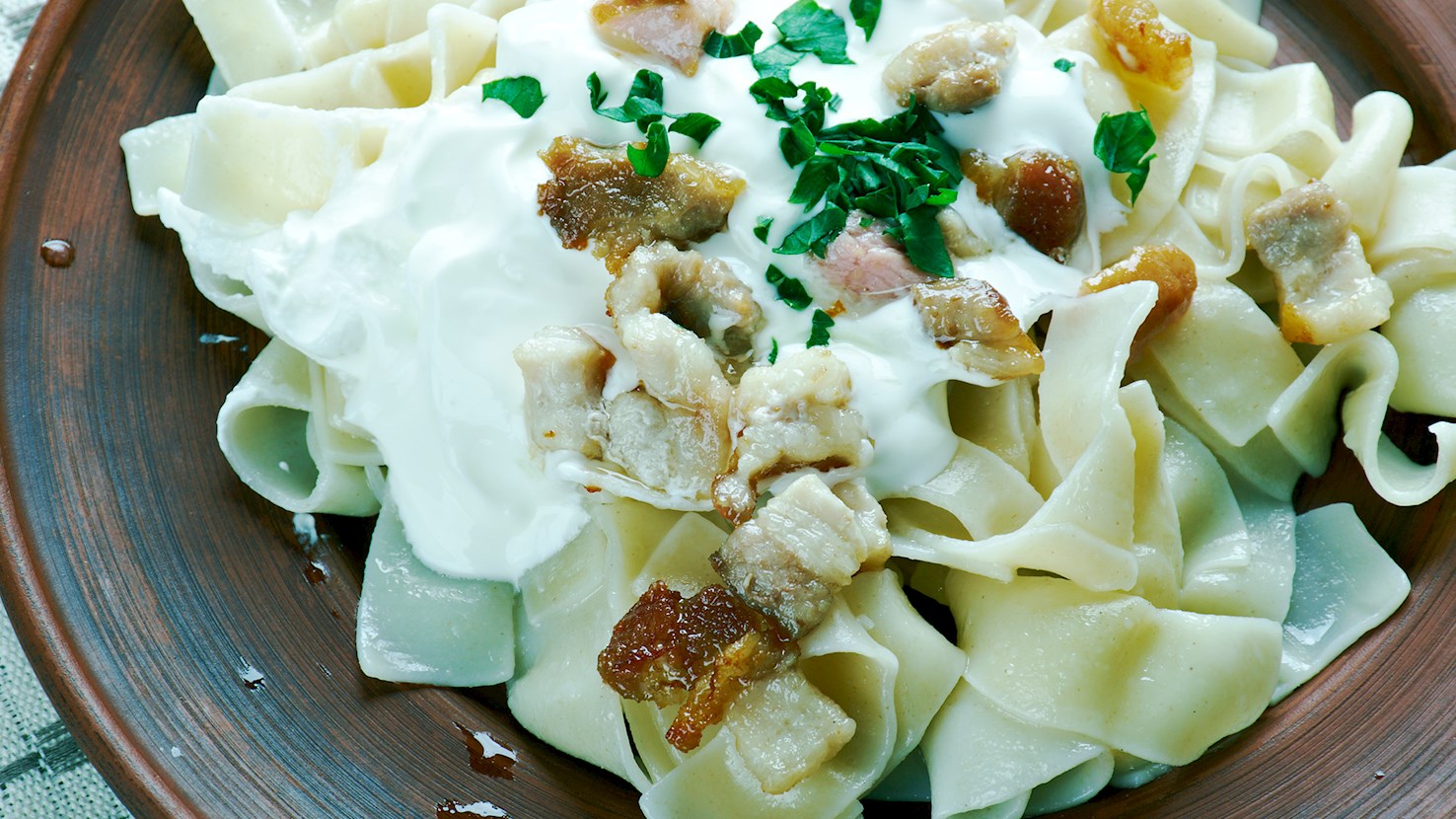
This Hungarian classic combines pasta, traditional túró cheese, and crispy bacon bits. It can be prepared with different pasta varieties, but the tradition suggests using rolled, flat egg pasta that is torn by hand into uneven pieces. Cottage cheese is occasionally blended with sour cream to create a smooth, velvety sauce, and the whole dish is easily adapted with additional ingredients and various spices. Túrós csusza is a staple restaurant dish and a simple, budget-friendly homemade meal.
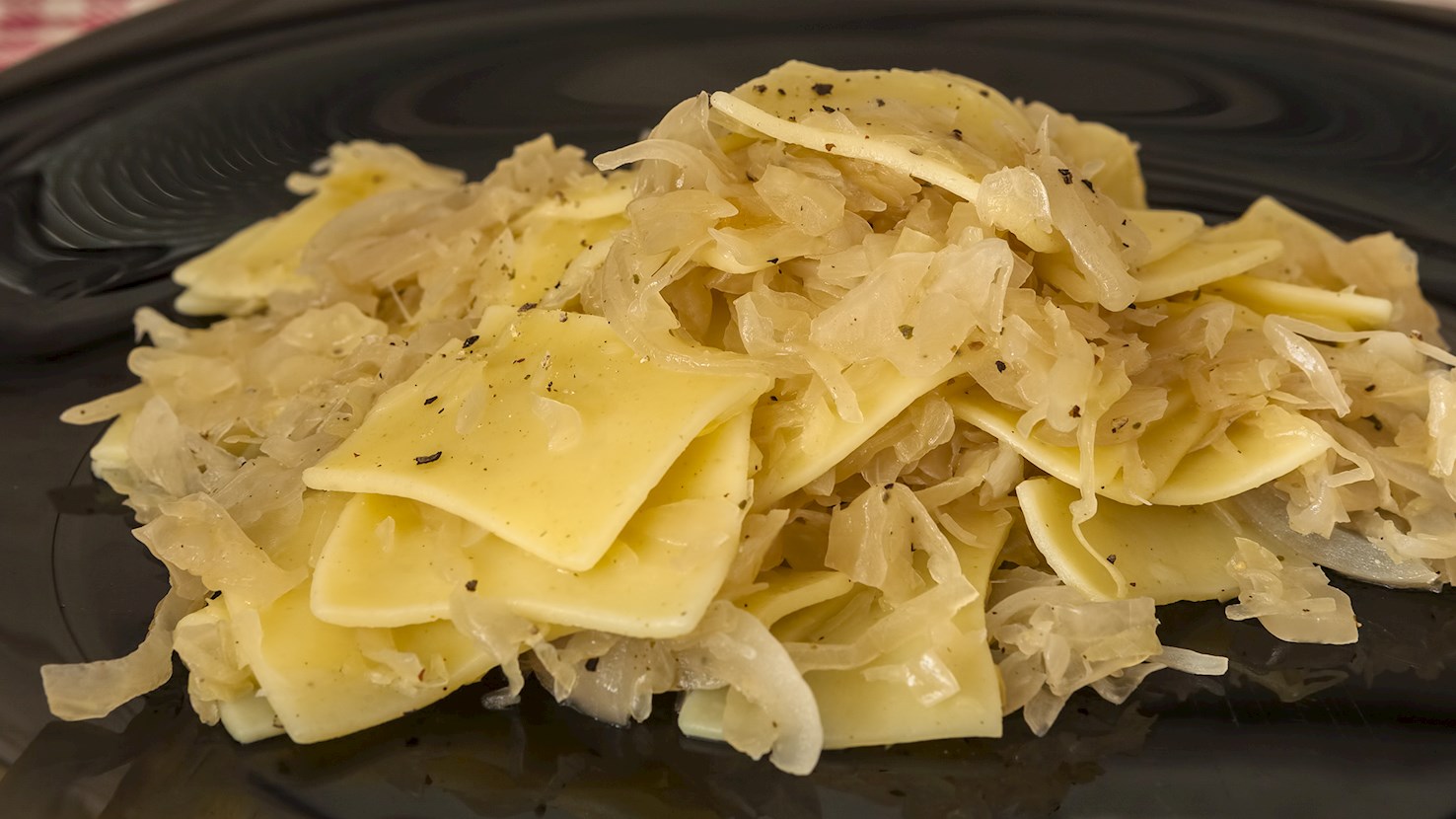
Krpice sa zeljem is an old Croatian dish that is traditionally prepared in the northern parts of the country. It is prepared by combining cabbage, onions, and seasonings (especially black pepper) with a type of pasta known as krpice or flekice, which can be small or large, and rectangular or irregular in shape. The onions were not used in the original preparation of the dish, but nowadays they're a common addition. This simple and quick dish is often enriched by the addition of bacon or sausage bits, transforming it into a gourmet meal.
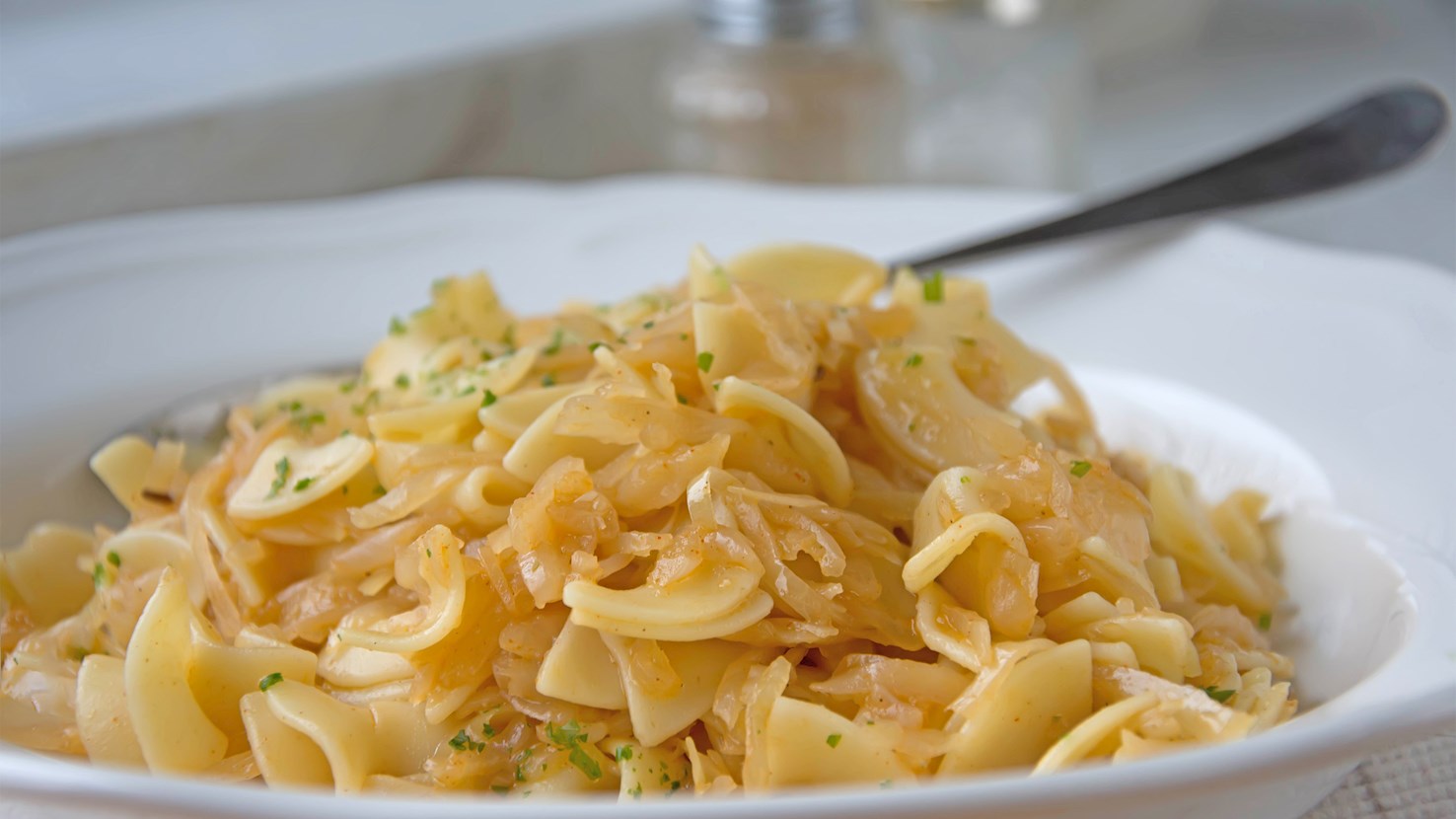
Krautfleckerl is an Austrian pasta dish with Bohemian (Czech Republic) origins that has handmade pasta squares fleckerl and white cabbage as main ingredients. The preparation starts with sauteeing onions, cabbage, and sugar until caramelized, which are then seasoned with caraway seeds, pepper, and salt, and mixed with cooked pasta. Optionally, broth, vinegar, or water can also be added, so the cabbage doesn't dry out. The dish is present in most of the Central European countries, such as Hungary, Germany, Poland, and Slovakia. Still, the dish varies from country to country and can include additional ingredients such as bacon, parsley, and garlic or leave some ingredients out.
TasteAtlas food rankings are based on the ratings of the TasteAtlas audience, with a series of mechanisms that recognize real users and that ignore bot,
nationalist or local patriotic ratings, and give additional value to the ratings of users that the system recognizes as knowledgeable.
For the “Top 30 Central European Pasta” list until July 15, 2026, 1,045 ratings were recorded, of which 764 were recognized by the system as legitimate.
TasteAtlas Rankings should not be seen as the final global conclusion about food. Their purpose is to promote excellent local foods,
instill pride in traditional dishes, and arouse curiosity about dishes you haven’t tried.