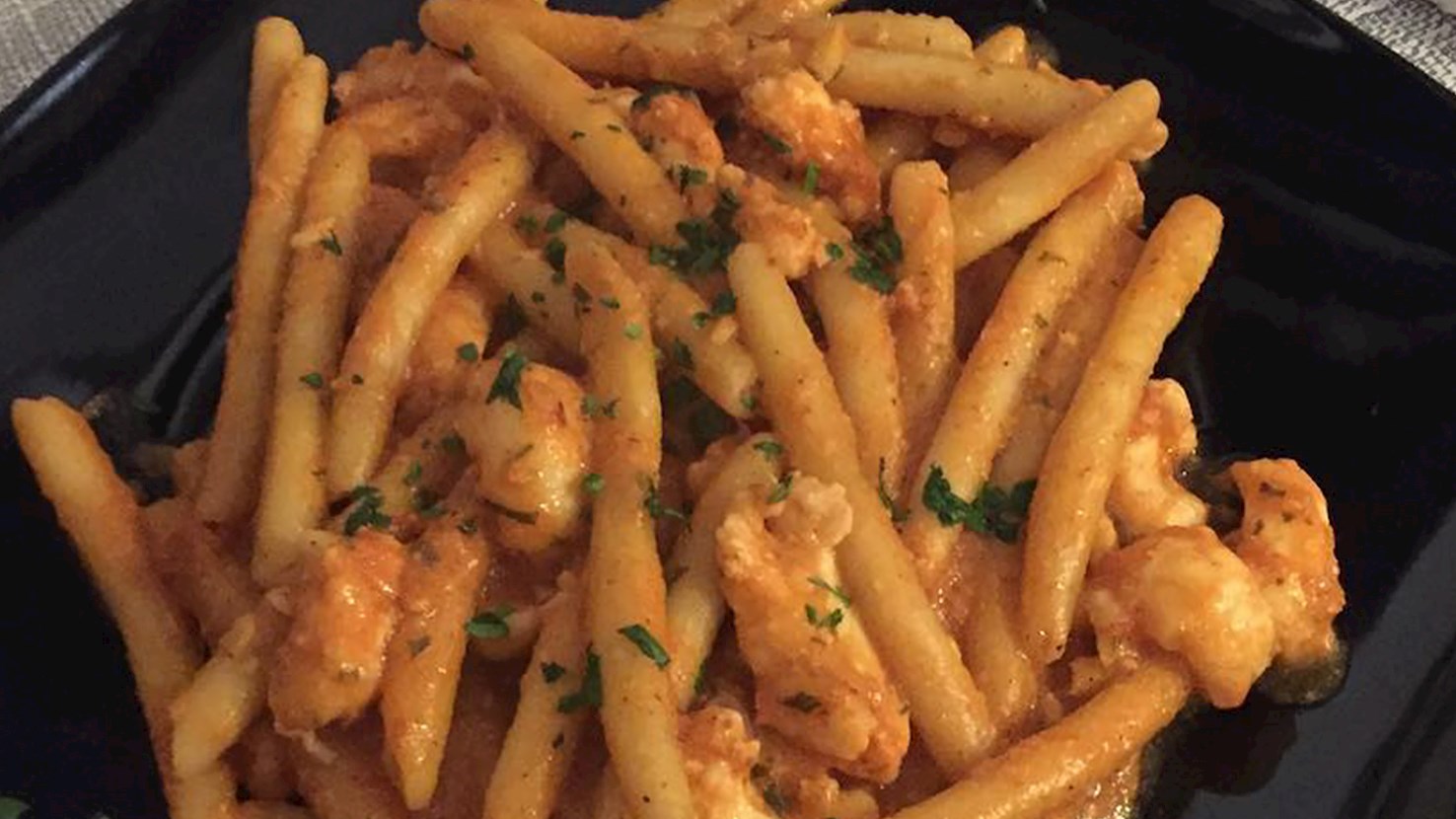
This specialty originates from the Croatian island of Krk. It consists of a local pasta variety known as šurlice, combined with onions, garlic, scampi, tomato juice, white wine, and stock. The pasta is sometimes sautéed in butter before being combined with other ingredients. Before serving, it is recommended to top the dish with grated cheese.
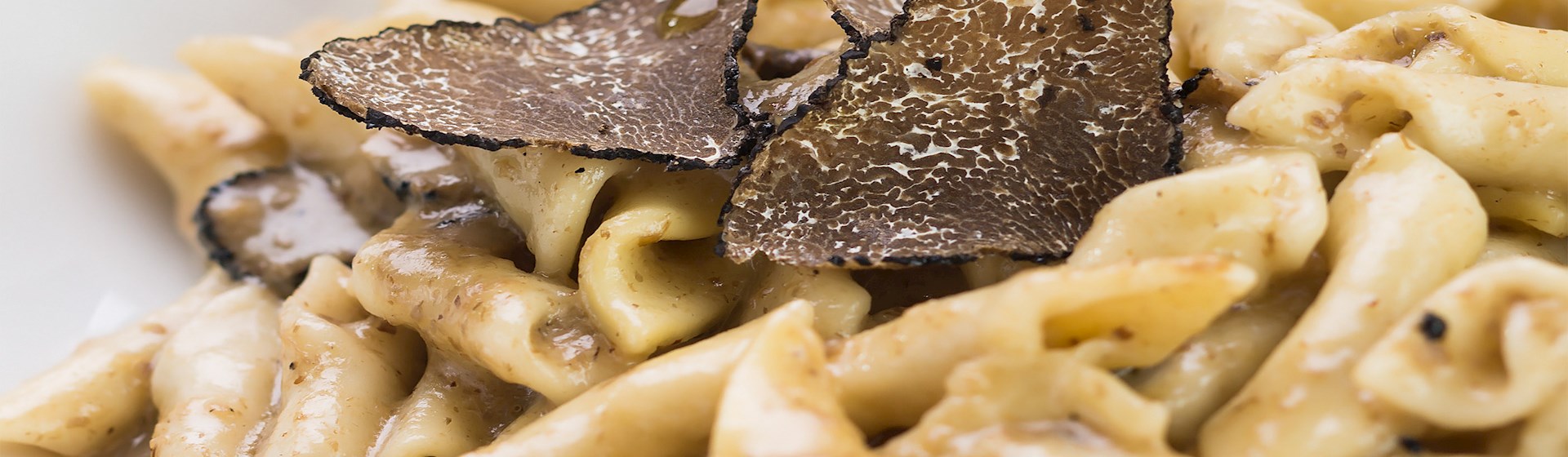
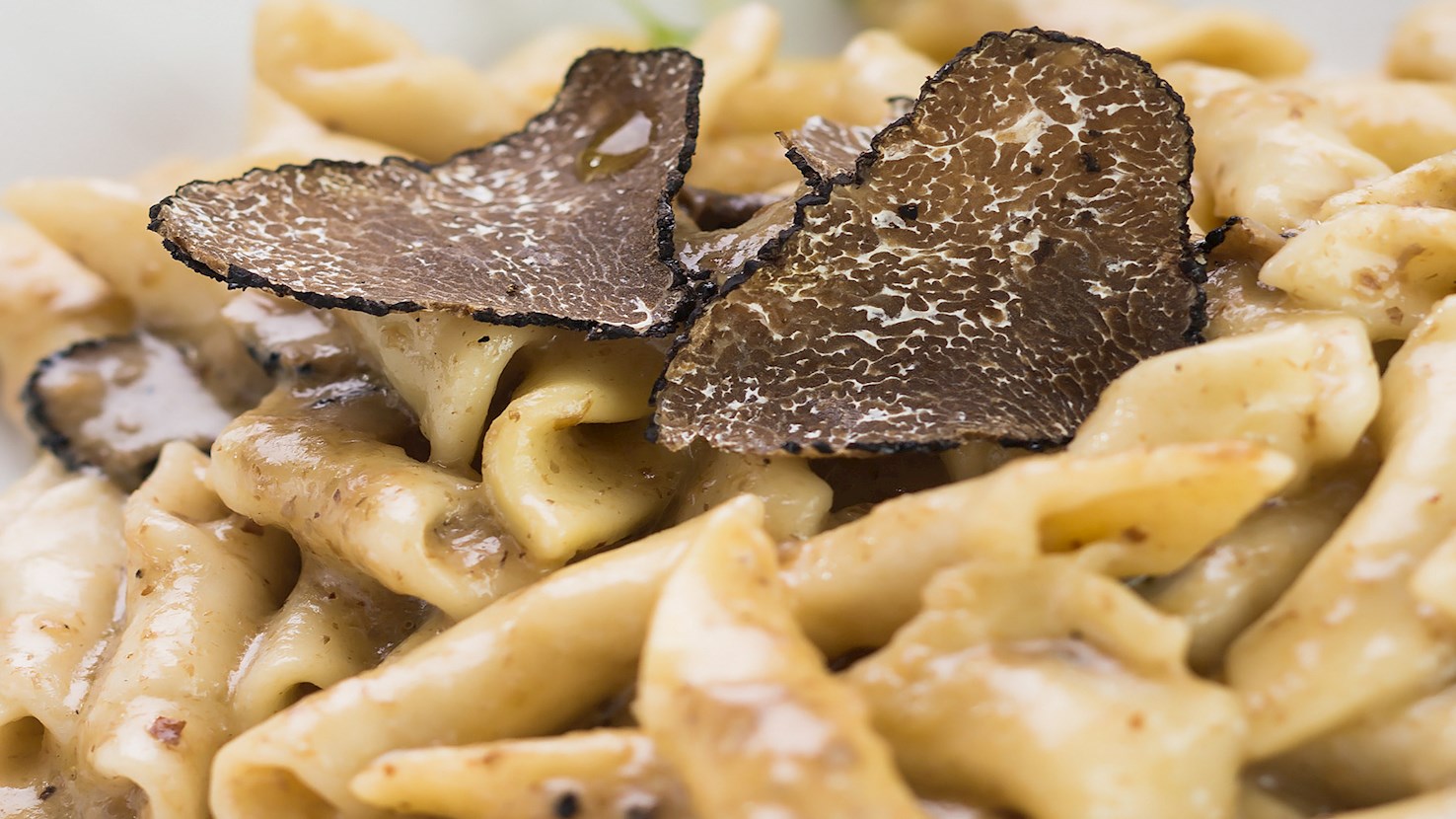
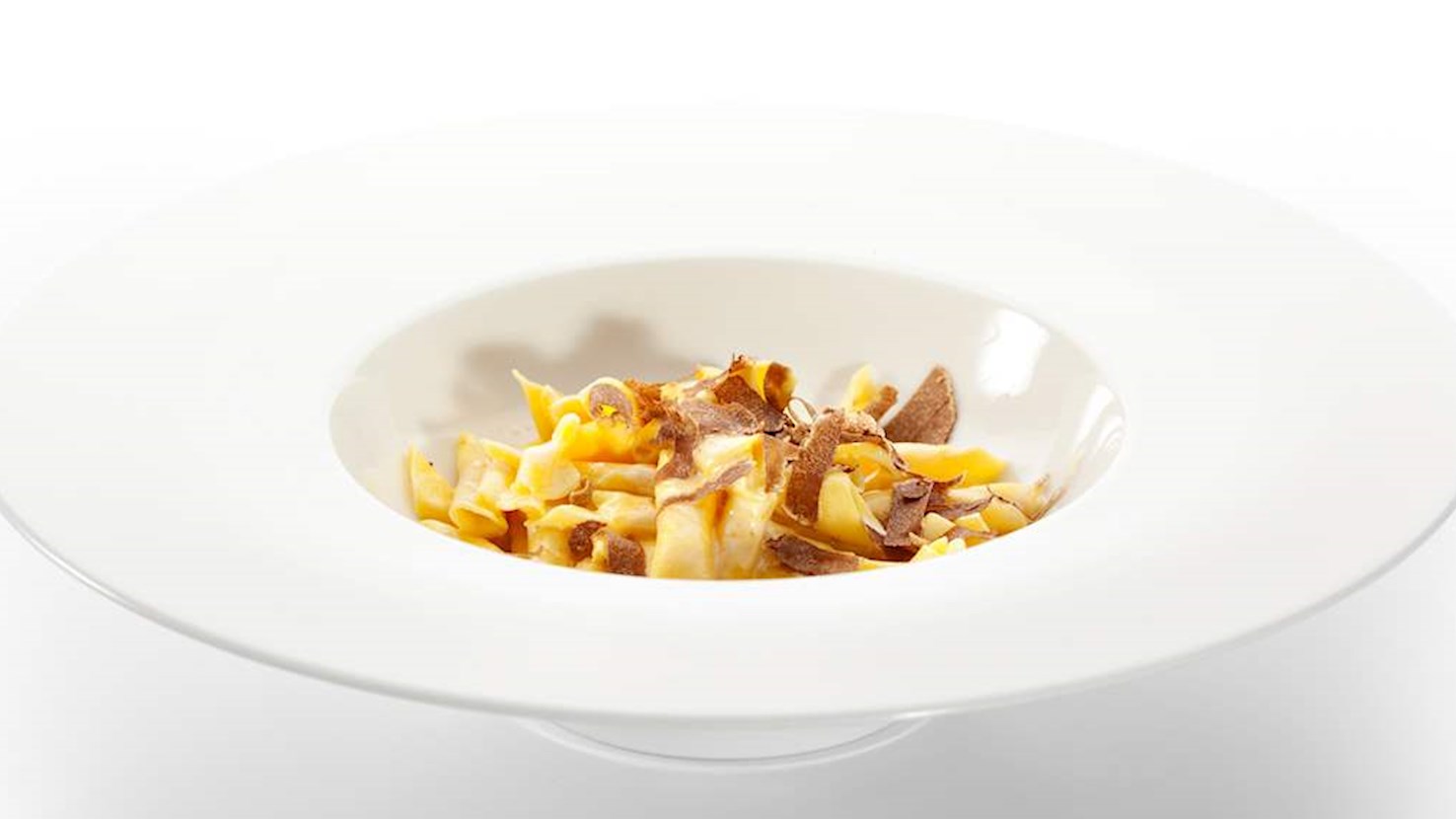
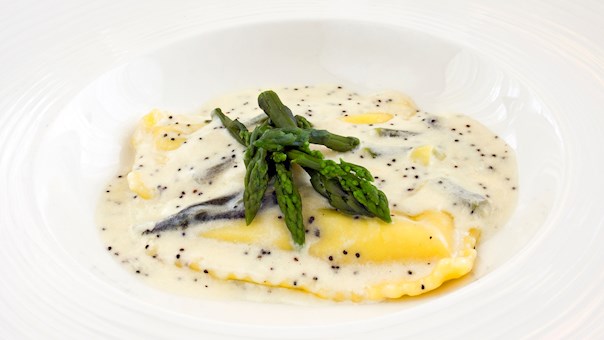
Fuži s tartufima is one of the most popular Istrian specialties – a delightful combination of traditional fuži pasta and the famous Istrian truffles. However, one should be careful when ordering the dish - there is a chance you won't taste real truffles, but truffle oil or tartufata instead - both of those are flavored with a toxic gas that has a fake truffle aroma, while the inexpensive and bland black summer truffles are shaved over the dish only as garnishes, although consumers might think that's where the flavor of truffles in this pasta dish comes from. You should always make sure that the dish doesn't contain truffle oil, truffle butter, truffle cheese, or tartufata. If it does, it's not the real deal, so you shouldn't order the dish. Fuži s tartufima should be prepared with the expensive white Istrian truffles, as the dish needs only fuži pasta, butter, and shaved white Istrian truffles. However, there is also the black winter truffle, Tuber melanosporum, which is also a respectable truffle variety. The pasta should be cooked in salted water until al dente, and it is then drained and combined with butter, (optionally) heavy cream, and truffles – white Istrian truffles, black winter truffles, or a combination. Some cooks also like to add pieces of prosciutto to the dish. When served, fuži s tartufima are usually sprinkled with grated cheese and an extra dose of freshly shaved truffles.
Even though the combination of fuži (Istrian pasta variety), butter, and truffles is a common item in many Istrian restaurants, the dish is often made with the less aromatic black truffle, and in the worst-case scenario with truffle oil or tartufata - both of which are flavored with a fake truffle aroma. The dish that is the real jewel of the regions combines fuži with the acclaimed Istrian white truffle, which is only in season from September to January. This expensive truffle has an intense and pleasant aroma which makes it one of the most prized and top-quality varieties in the world as well as a gastronomic pride of the entire region. Fuži s bijelim tartufom is not a complicated dish, and it usually combines cooked pasta, butter, and shaved white truffles. The truffles should be freshly shaved on top of the pasta, and the dish is only served when the truffles are in season—during spring and summer, you will most likely find fuži served with the more available, less aromatic and cheaper black truffles.
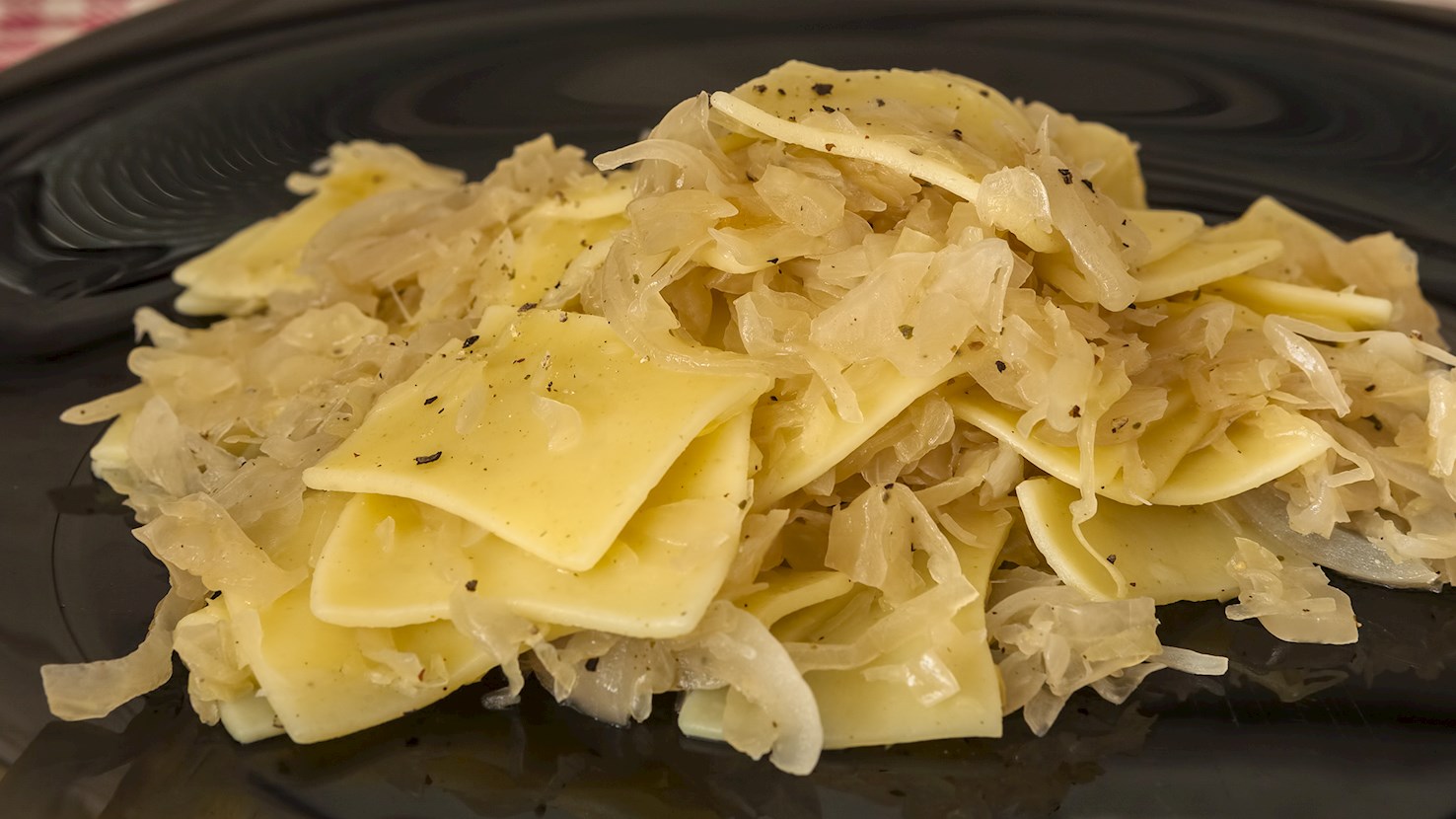
Krpice sa zeljem is an old Croatian dish that is traditionally prepared in the northern parts of the country. It is prepared by combining cabbage, onions, and seasonings (especially black pepper) with a type of pasta known as krpice or flekice, which can be small or large, and rectangular or irregular in shape. The onions were not used in the original preparation of the dish, but nowadays they're a common addition. This simple and quick dish is often enriched by the addition of bacon or sausage bits, transforming it into a gourmet meal.
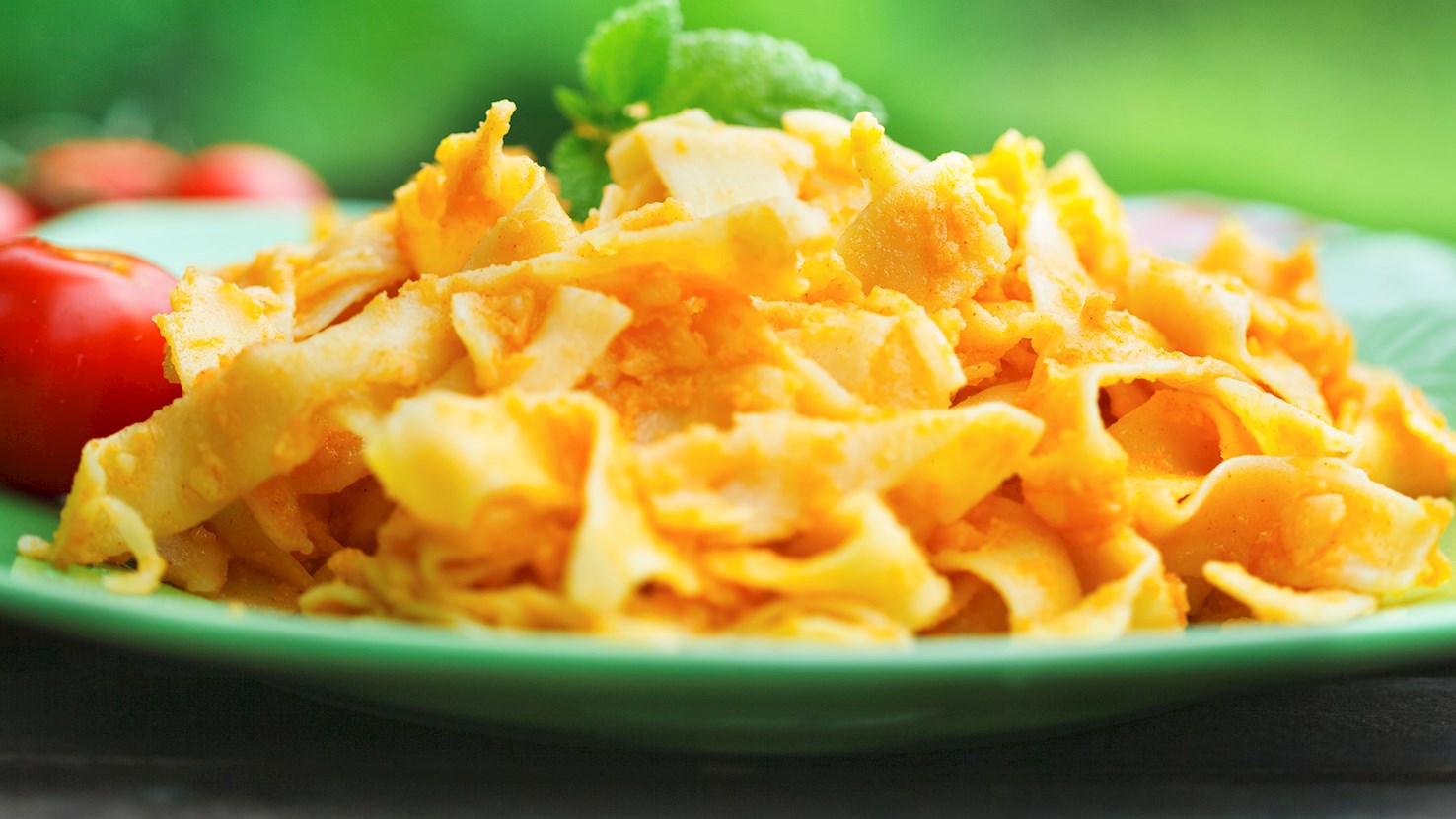
Granatir or grenadir marš is a simple meal consisting of pasta, onions, and potatoes. It is traditionally heavily seasoned with ground paprika. Due to the inexpensive ingredients and high content of carbohydrates, the dish is a representative of peasant food throughout continental Croatia, particularly in the region of Slavonia, where it is still prepared today. If the pasta is made without eggs, this dish is suitable for vegans.
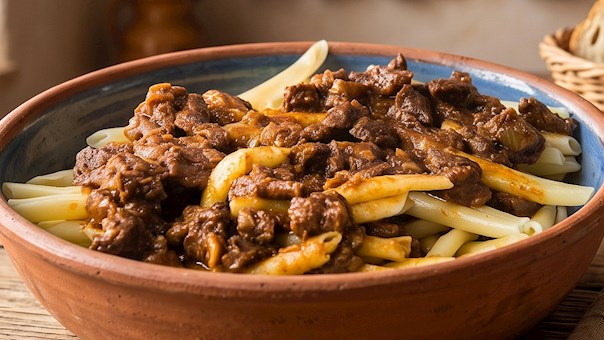
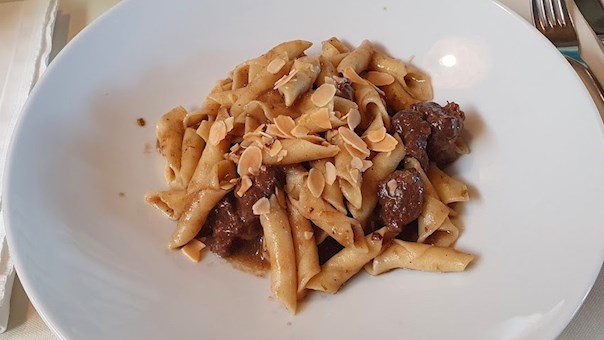
Šporki makaruli or makaruli na krvavo is a traditional dish originating from the Dubrovnik area. The dish is made with a combination of makaruli pasta, beef, pork fat, onions, tomatoes, red wine, parsley, garlic, cloves, bay leaves, salt, and pepper. The meat is cut into chunks, then sautéed with onions in pork fat. Tomatoes are added to the pot, followed by red wine and lukewarm water, parsley, garlic, cloves, bay leaves, and seasonings. The dish is slowly cooked for about two hours. The leftover fat is poured over the cooked pasta, followed by the meat and the accompanying sauce. As a finishing touch, the dish is traditionally topped with grated sheep or goat cheese. The name šporki makaruli means dirty macaroni, referring to the practice of serving the dish – when the meat was eaten, the last guests were served a plate of pasta drizzled over with the leftover meat sauce. Locals traditionally prepare the dish for the feast of Sveti Vlaho (Saint Blaise, the patron of Dubrovnik).
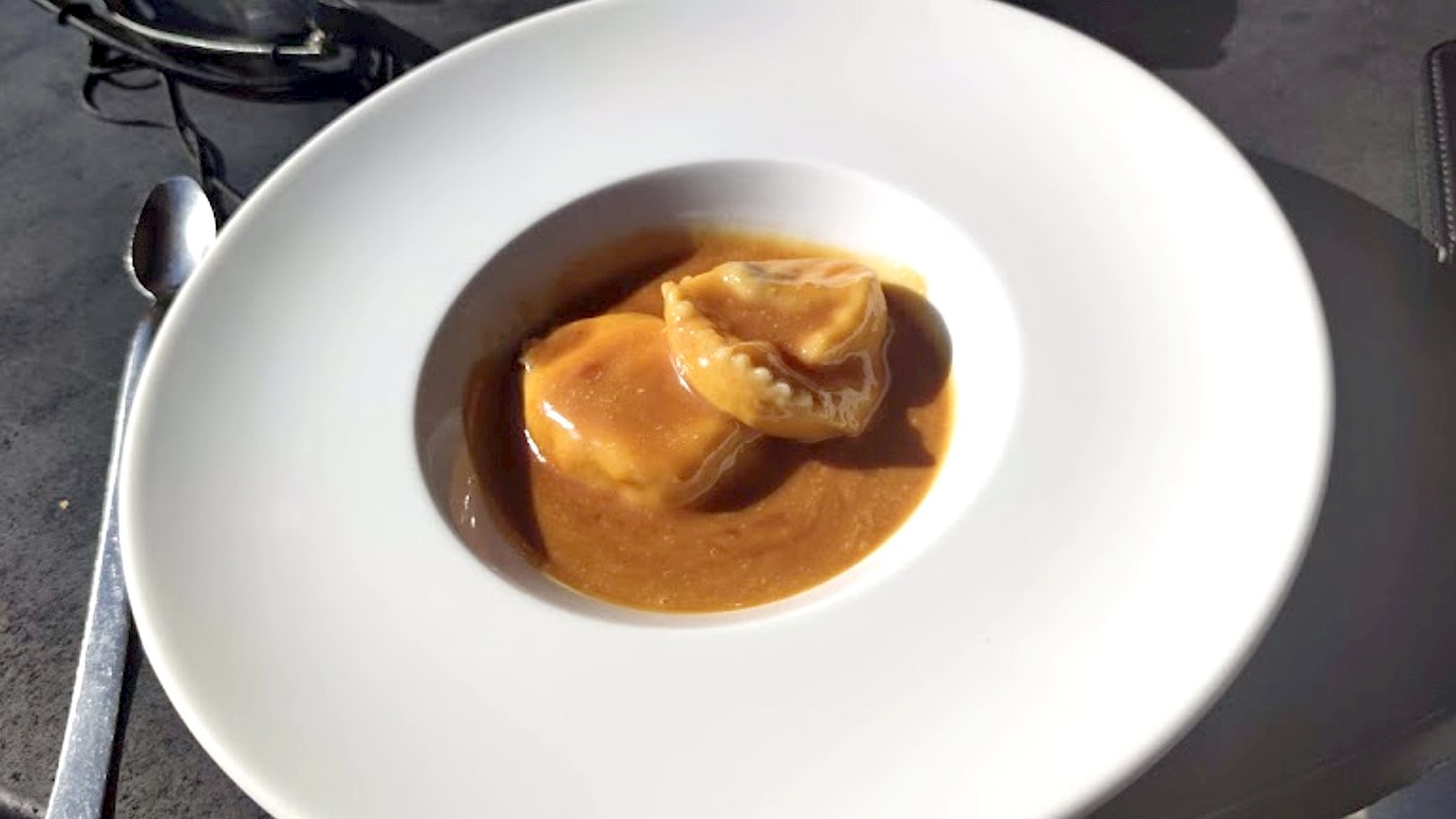
Labinski or labinjonski krafi is a traditional Istrian dish originating from Labin. The dough for this pasta dish is made with a combination of flour, eggs, and water. Once thinly rolled out, it’s usually filled with a savory-sweet mixture of cow’s and sheep’s milk cheese, rum-soaked raisins, lemon peel, spices such as cinnamon, and sugar. If the filling is too thin, it’s recommended to add some breadcrumbs to thicken it. The rolled out and filled pasta dough is then topped with another layer of dough, and the krafi are cut out into desired shapes and boiled in salted water. Once cooked, the krafi can be served in sweet or savory versions. As a sweet, they are sometimes fried in oil and drizzled with a creamy caramel sauce, while the savory versions are typically drizzled with leftover pan drippings from roasting meat or they can be served as an accompaniment to meat dishes and žgvacet. Another option is to serve the krafi with melted butter and grated cheese.
Fuži na pastirski način is a traditional dish originating from Istria. The dish is usually made with a combination of fuži pasta, asparagus, prosciutto, onions, button mushrooms, garlic, parsley, white wine, meat stock, salt, pepper, and olive oil. The onions are sautéed in olive oil and translucent, and then mixed with the rest of the ingredients except the pasta. Once the sauce thickens, it is mixed with the fuži pasta, well-stirred, and the dish is typically served in small portions as a warm appetizer.
Krpice s domaćom šunkom is a traditional meal that is typically baked as a casserole. It consists of krpice (a type of Croatian pasta), chopped homemade ham, onions, oil, salt, and pepper. The combination is placed in a casserole dish, then topped with a combination of milk, eggs, cream, and nutmeg. The whole thing is baked in an oven until it develops a golden-brown color. This dish is a typical example of Croatian comfort food and can additionally be enriched with the addition of bacon, but it is completely optional.
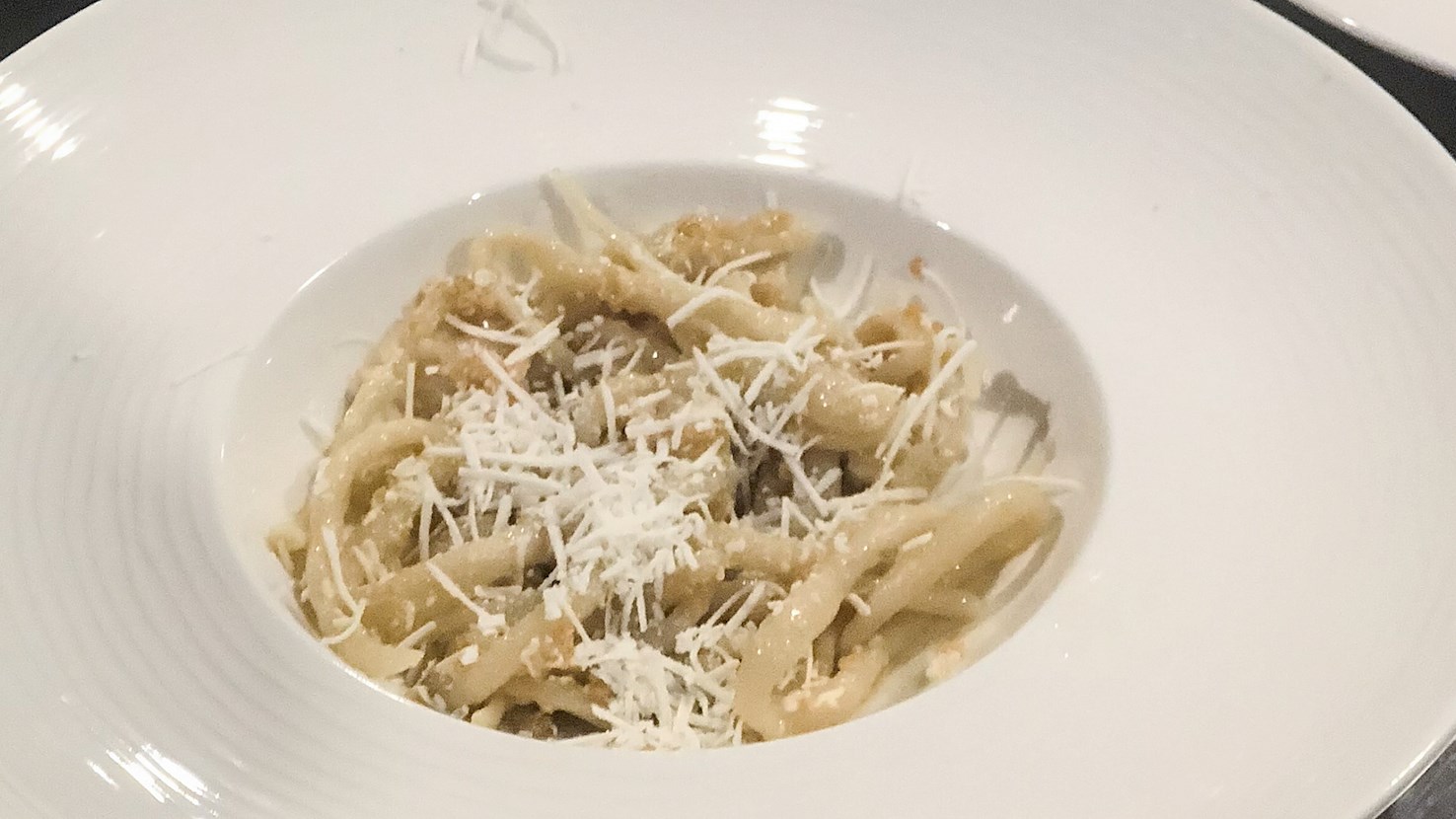
Mljetski makaruli are a pasta specialty from the Croatian island of Mljet, made with homemade pasta, goat cheese, garlic, olive oil, and, in some versions, thyme. The dish is closely tied to the island's older food culture and developed as an inexpensive, filling meal made with ingredients that could be stored and used year-round. Mljetski white makaruli are recorded as early as the 17th century and belong to the broader macaroni tradition of Dubrovnik and the surrounding islands. On Mljet, they became especially associated with winter, when bad weather could keep fishermen from going out to sea, and households relied more heavily on flour, cheese, olive oil, garlic, and other preserved foods. The pasta is made from wheat flour, water, salt, and sometimes egg. Egg is not essential, and both egg-based and eggless versions exist. The dough is worked until firm, then shaped by hand into thick, short pieces. Mljetski makaruli should not be confused with the hollow pasta formed around a knitting needle or thin rod, a technique more strongly associated with Žrnovski makaruni from Korčula. On Mljet, the pasta has traditionally been rolled and shaped by hand without necessarily being hollow. The makaruli are boiled in salted water until tender, with the cooking time depending on their thickness. In older island households, the salt used for cooking could be sea salt collected locally during the summer. The sauce is based on olive oil, garlic, and cheese. Garlic is generally gently fried or lightly browned in olive oil rather than added in large quantities while completely raw. Thyme can be added to the oil or scattered over the finished dish, although it is not present in every version. The cooked makaruli are transferred while still hot to a platter or serving dish and arranged in layers with grated goat cheese. More pasta and cheese are added until the dish is complete, then the garlic-infused olive oil is spooned or poured over the top. The heat of the pasta softens the cheese and lets it mingle with the oil and garlic, but the result is usually not a completely smooth cheese sauce. Goat cheese is one of the ingredients most closely associated with Mljetski makaruli. Mljet has a long history of goat keeping and cheesemaking, and people traditionally kept mature goat cheese preserved in olive oil for extended periods before grating it over pasta. This gave the dish a stronger and more concentrated flavor than fresh cheese would provide. Some versions use sheep’s milk cheese, but goat cheese is more characteristic of the Mljet style. The generous use of cheese and olive oil makes the dish substantial despite the absence of meat. Historically, the dish was regarded as simple, filling household food rather than an elaborate festive specialty. It could be served as a main course, while smaller portions can also be served as a starter. Red wine is a natural accompaniment in the Dubrovnik and Mljet region, and local Plavac wines pair well with the richness of the cheese and olive oil, but wine is not required.
TasteAtlas food rankings are based on the ratings of the TasteAtlas audience, with a series of mechanisms that recognize real users and that ignore bot,
nationalist or local patriotic ratings, and give additional value to the ratings of users that the system recognizes as knowledgeable.
TasteAtlas Rankings should not be seen as the final global conclusion about food. Their purpose is to promote excellent local foods,
instill pride in traditional dishes, and arouse curiosity about dishes you haven’t tried.







What People Say