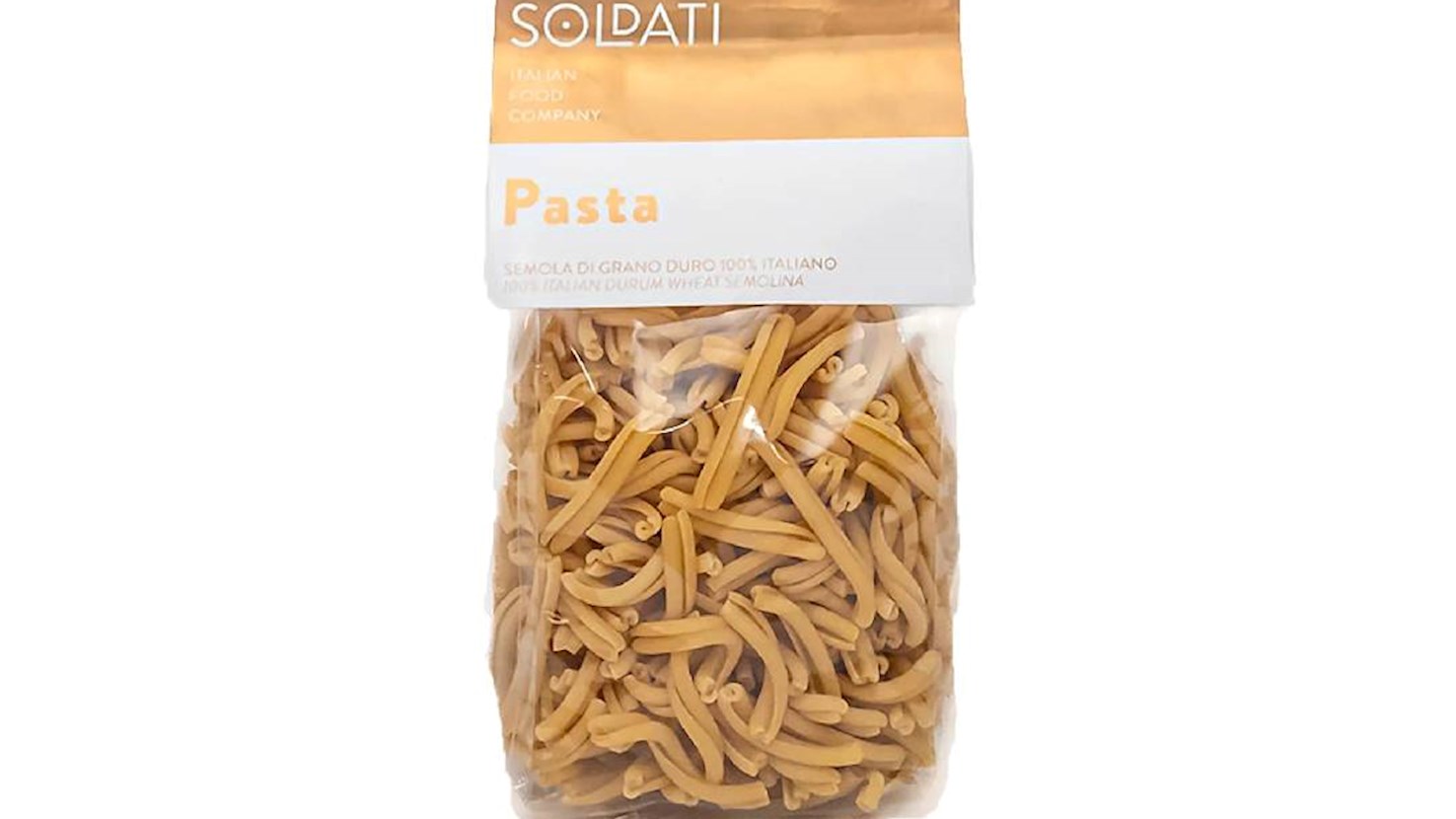
Pastificio Soldati is an esteemed Italian pasta manufacturer located in Villa Santina, within the Friuli Venezia Giulia region. Established in 2016 by Federico Soldati, the company evolved from the acquisition of Sapori Antichi, aiming to blend traditional pasta-making techniques with innovative approaches to achieve the highest levels of excellence.
The company offers a diverse product range, including various pasta shapes, flavored pasta, egg-based pasta, herb and spice mixes, traditional and flavored rice, and specialty salts.
Their pasta is crafted from 100% Italian durum wheat semolina, bronze-drawn, and subjected to a slow drying process at low temperatures to preserve its quality and flavor.
Their products are favored by several Michelin-starred restaurants, such as Locanda Margon and Impronte, as well as renowned venues like Langosteria in Milan, Sora Lella in Rome, and even Harrods in London.
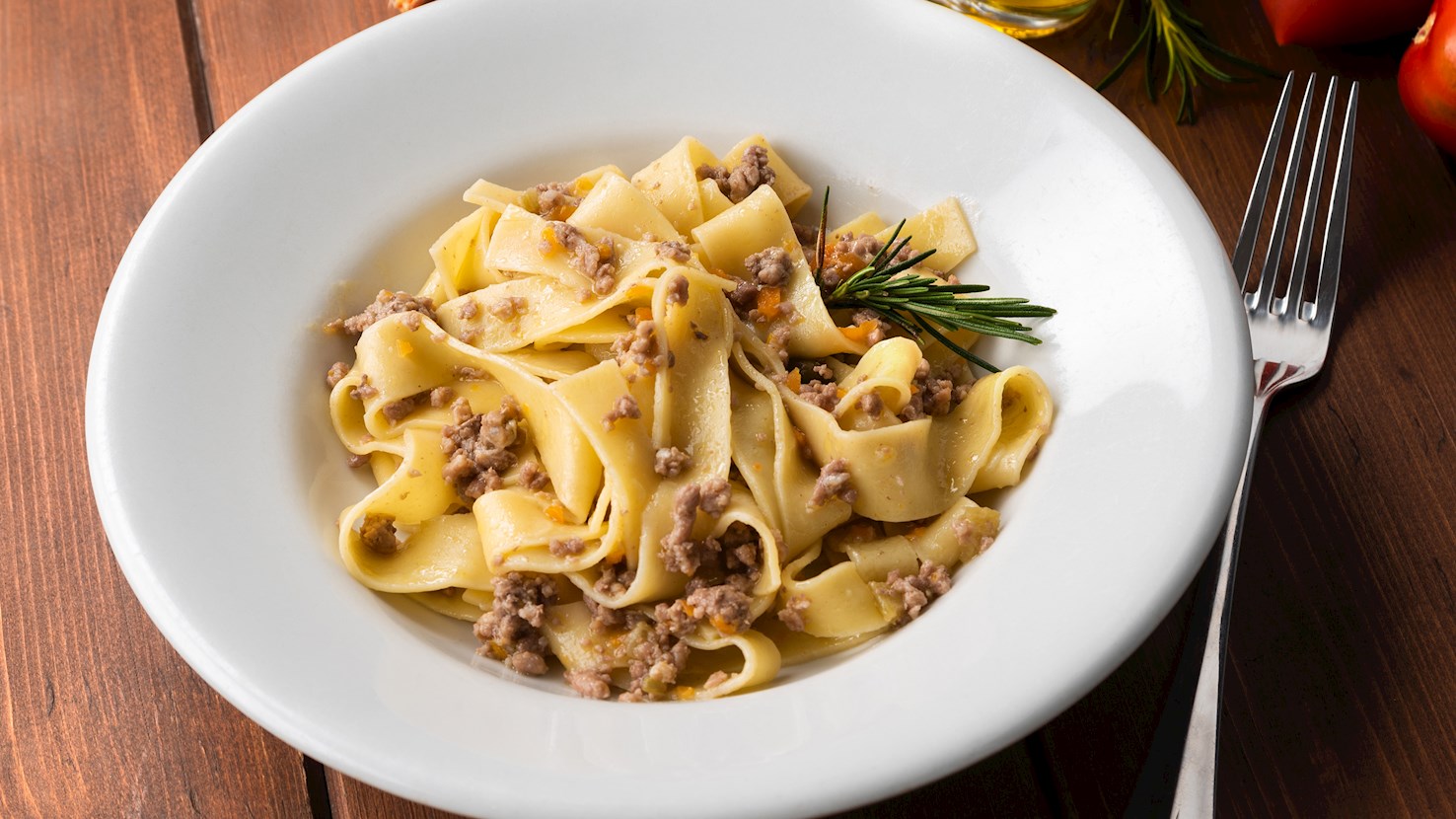
Pappardelle al ragù bianco di anatra is a traditional pasta dish that's especially popular in the Veneto and Friuli-Venezia Giulia area. The dish is usually made with a combination of pappardelle pasta, duck breasts, onions, garlic, carrots, celery, thyme, white wine, olive oil, salt, and pepper. The vegetables, thyme, and garlic are sautéed in olive oil, and then mixed with the duck meat that's cut into cubes. The combination is seasoned with salt and pepper, covered with white wine, and simmered until the alcohol evaporates. A bit of stock or tomato paste are added to the white ragù, while the pasta is cooked in boiling salted water until al dente. The pasta is mixed with the dry ragù, and the dish is sometimes garnished with a few tomatoes before serving. If pappardelle are unavailable, pasta such as tagliatelle can be used instead.
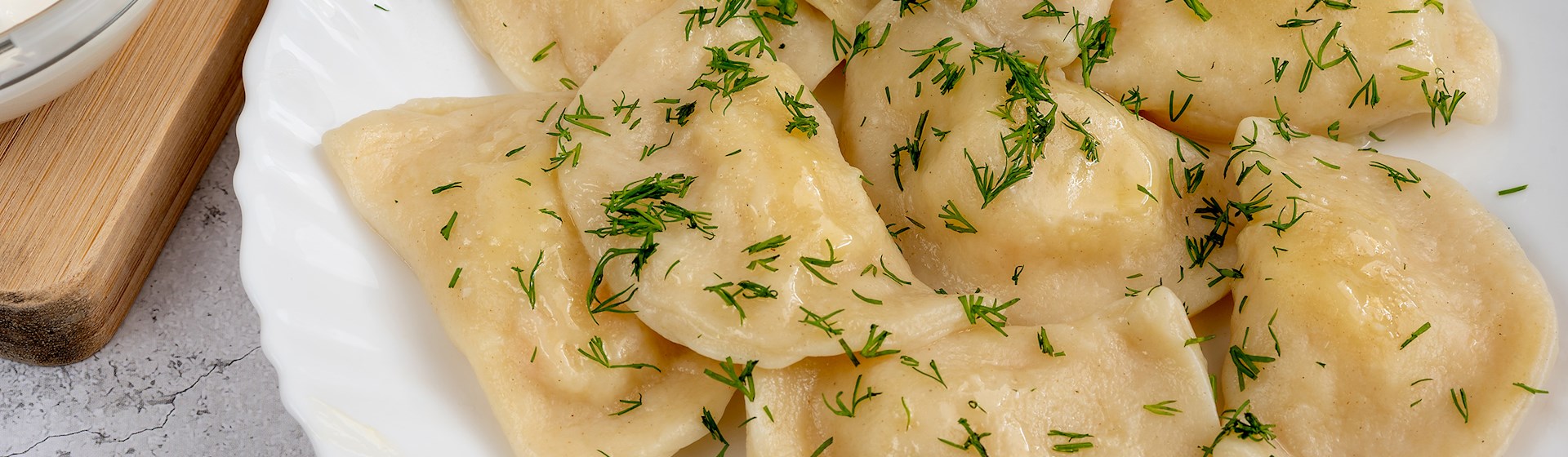
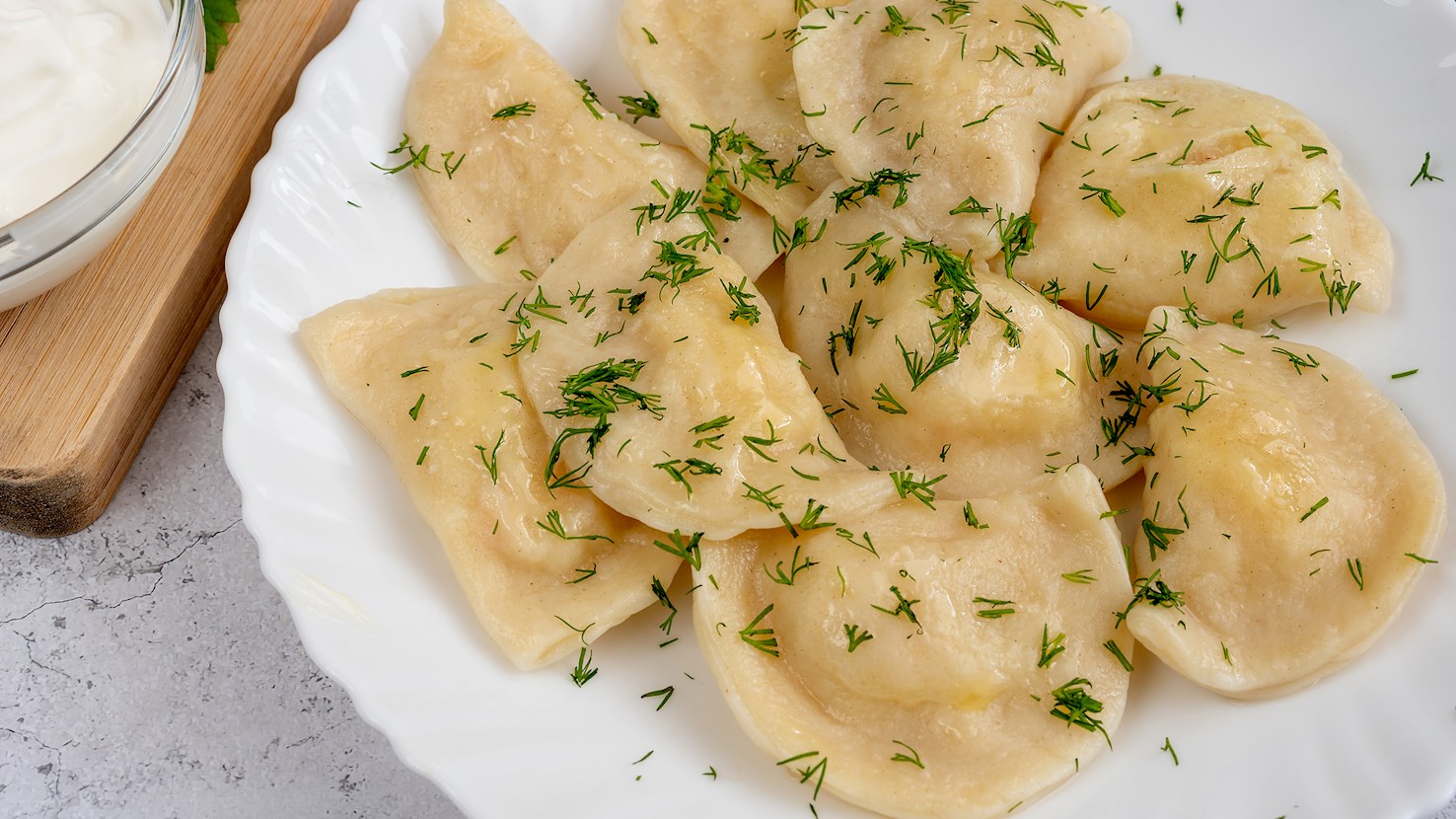
Cjarsons, also spelled cjarsòns, cjalsons, or cjalzons, are stuffed pasta parcels from Carnia, the mountainous area of Friuli-Venezia Giulia. Their defining feature is the unusual balance of sweet and savory flavors, although there is no single standard recipe. Dozens of versions exist, with the filling changing from valley to valley, village to village, and even from one family to another. Some sources count around 50 different variations. The wrapper may be made from soft wheat flour or from a dough containing boiled potatoes. In potato-based versions, the potatoes are mashed and combined with flour and sometimes water until a soft, workable dough forms. It is rolled into a thin sheet and cut into small rounds, which are filled and folded into crescent-shaped parcels. The filling is known locally as pistùm or pastùm. There is no universally accepted filling. Ricotta frequently forms the base, but it may be combined with cinnamon, raisins, cocoa or dark chocolate, crushed biscuits, dried fruit, nuts, apples, pears, herbs, spinach, chives, parsley, mint, jam, rum, grappa, eggs, or milk. Some versions are distinctly sweet, while others lean toward herbs and vegetables. Smoked ricotta may also appear, although it is more closely associated with the final topping. The wide range of ingredients reflects both seasonal availability and the recipes preserved within individual valleys and families. Once filled, the rounds are folded over and sealed firmly along the edges. The parcels are dropped into boiling, salted water and left until the dough is tender and rises toward the surface. They are then lifted out, drained, and transferred to a warm platter. Cjarsons are commonly finished with melted butter and a generous layer of grated smoked ricotta known in Friulian as scuete fumade. Historically, ont could replace fresh butter. Ont is a preserved butter fat made by heating butter to remove much of its water and milk solids, which allowed it to keep longer during periods when refrigeration was unavailable. It was particularly useful in mountain households where fresh butter could not be stored safely for extended periods. The warm fat coats the pasta, while the smoked ricotta adds saltiness and a pronounced smoky aroma. The history of cjarsons is closely associated with the cramârs, itinerant merchants from Carnia who crossed the Alps on foot carrying goods into Central European territories. Their activity extended over several centuries, from at least the late medieval period into the early twentieth century, although the 18th century is especially associated with the spice trade. They carried their merchandise in a crassigne, a small wooden cabinet with drawers worn on the back like a pack. Depending on the period and route, the cramârs traded spices, medicinal herbs, ointments, textiles, and other valuable goods. According to the best-known account of the pasta’s origins, small quantities of cinnamon, cloves, ginger, nutmeg, dried lemon balm, and other valuable ingredients remained in the drawers when the cramârs returned home. Rather than waste these remnants, their families combined them with ingredients already available in Carnia, including ricotta, dried fruit, raisins, apples, pears, herbs, vegetables, honey, grappa, and occasionally cocoa. This helps explain why cjarsons developed such an unusual mixture of Alpine ingredients and spices associated with trade routes through Central Europe. The filling changed according to what remained in the crassigne and what was available at home, giving rise to the large number of recipes still found across Carnia. Cjarsons were especially associated with major celebrations, including Christmas, Easter, weddings, First Communions, and confirmations, when richer and more elaborate foods appeared on the table. Recipes were often passed down within families, with each household maintaining its own version of the filling. Carnic chef Gianni Cosetti played an important role in bringing cjarsons into wider restaurant culture during the 1970s. Rather than inventing or standardizing one definitive formula, he helped rediscover, document, promote, and elevate the many local versions at a time when older Carnic recipes were receiving renewed attention. His work contributed significantly to establishing cjarsons as one of the best-known culinary symbols of Carnia beyond their original family and village settings.
Ragù di fasolari is a traditional seafood pasta dish featuring smooth clams, tender mollusks from the Adriatic Sea, particularly the Marano Lagoon. These clams are sautéed with garlic, olive oil, white wine, and parsley to create a flavorful ragout. The clam shells are then ground to achieve a ragù consistency and cooked with the reserved clam broth for depth. The ragù is tossed with al dente pasta, and the dish is garnished with additional carpet clams and queen scallops. It's typically paired with Ribolla Gialla wine.
Gnocchi di pasta lievitata con ragù di coniglio or snidjeno testo is an Italian dish originating from the Friuli area. The dish is a specialty of Lokanda Devetak, a family-run inn and restaurant located in San Michele del Carso. It consists of gnocchi that are served with rabbit stew. The leavened gnocchi are made with flour, water, yeast, salt, and olive oil, while the stew is made with a combination of rabbit, onions, carrots, celery, white wine, tomato paste, olive oil, salt, and aromatic herbs such as rosemary, mint, sage, and marjoram. The rabbit is cut into pieces and cooked in oil with herbs, wine, and salt. The mixture is covered with water and simmered for an hour. The meat is then removed, chopped, placed back into the pan with the herbs, and cooked until the sauce is reduced. The gnocchi are steamed or boiled in salted water and then shortly fried in a mixture of butter and wild fennel. The rabbit stew is served in a plate with the gnocchi on top. This light dish with intense flavors is usually topped with grated cheese before serving.
Lasagne ai semi di papavero is a traditional lasagna dish originating from Friuli. This pasta dish can be made savory, but it's more commonly made in a sweet version. Flour, eggs, and salt are used to make the lasagne pasta that are boiled in salted water and drained. The pasta is arranged on a serving plate and it's topped with a cooked mixture of poppy seeds, butter, and sugar. The dish is served warm and it's enjoyed immediately. For the savory version, it's recommended to use poppy seeds, prosciutto crudo, leeks, butter, sometimes gorgonzola cheese, and cream. The savory version is usually topped with fresh sage leaves before serving.
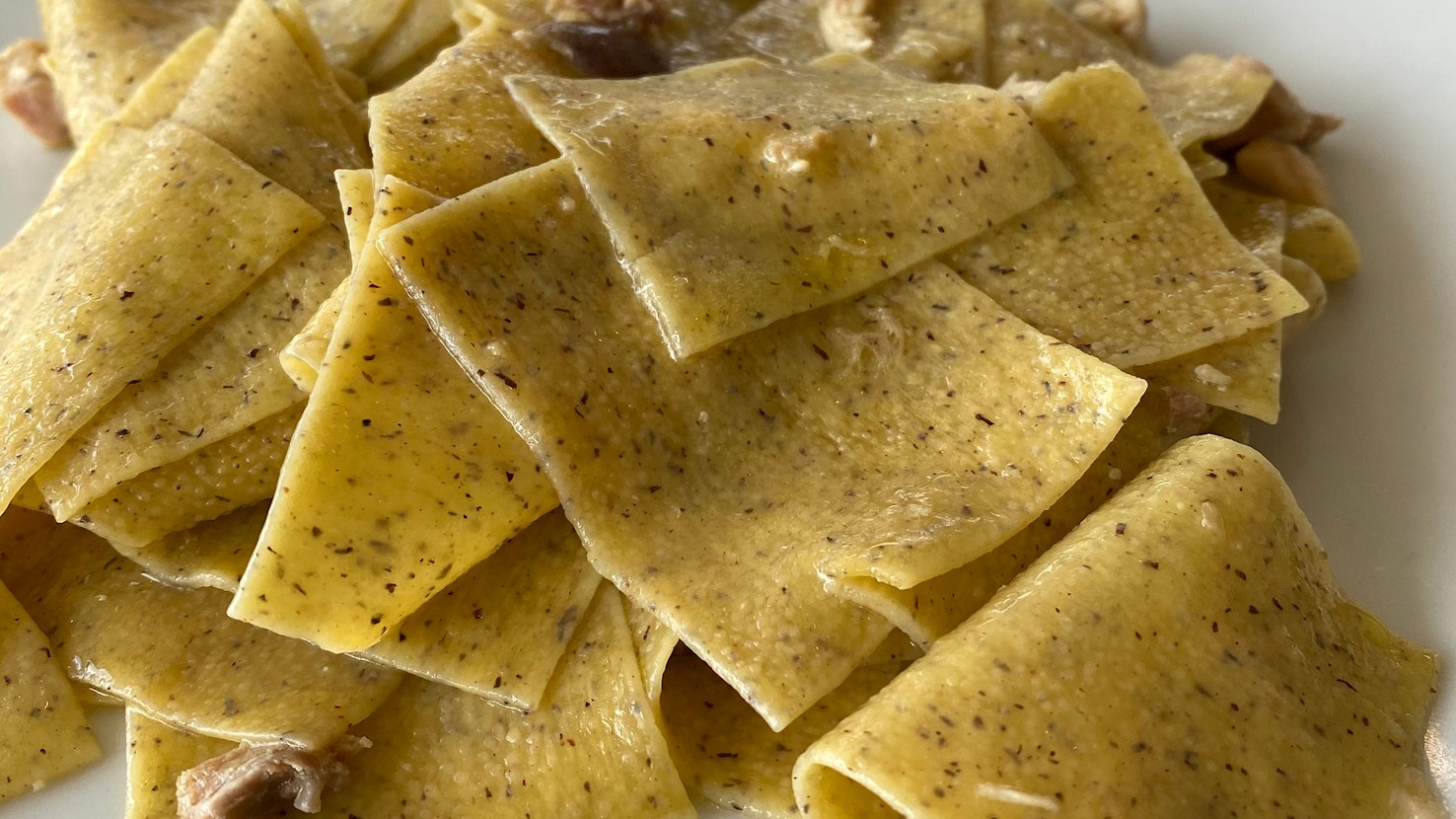
Blecs, also called biechi is an Italian pasta variety made with a mixture of wheat and buckwheat flour, traditionally prepared in the Italian region of Friuli. In this hearty pasta dish, blecs are paired with another local product: a tannic red wine called Tazzelenghe, and a delicious, fatty guanciale. Blecs al Tazzelenghe is best enjoyed warm, generously sprinkled with freshly grated, aged Montasio cheese.
TasteAtlas food rankings are based on the ratings of the TasteAtlas audience, with a series of mechanisms that recognize real users and that ignore bot,
nationalist or local patriotic ratings, and give additional value to the ratings of users that the system recognizes as knowledgeable.
TasteAtlas Rankings should not be seen as the final global conclusion about food. Their purpose is to promote excellent local foods,
instill pride in traditional dishes, and arouse curiosity about dishes you haven’t tried.
The initial list of top producers was compiled based on available reviews, awards, local recommendations, media and blog coverage, and consumer reviews.
The list will be updated with ratings from TasteAtlas local ambassadors and TasteAtlas users.






What People Say