




shutterstock

Top 24 Central European Pasta, Noodles and Dumplings

Last updated on June 06, 2026

Best Central European Pasta, Noodles and Dumplings Types

01

Fuži

4.3 ·

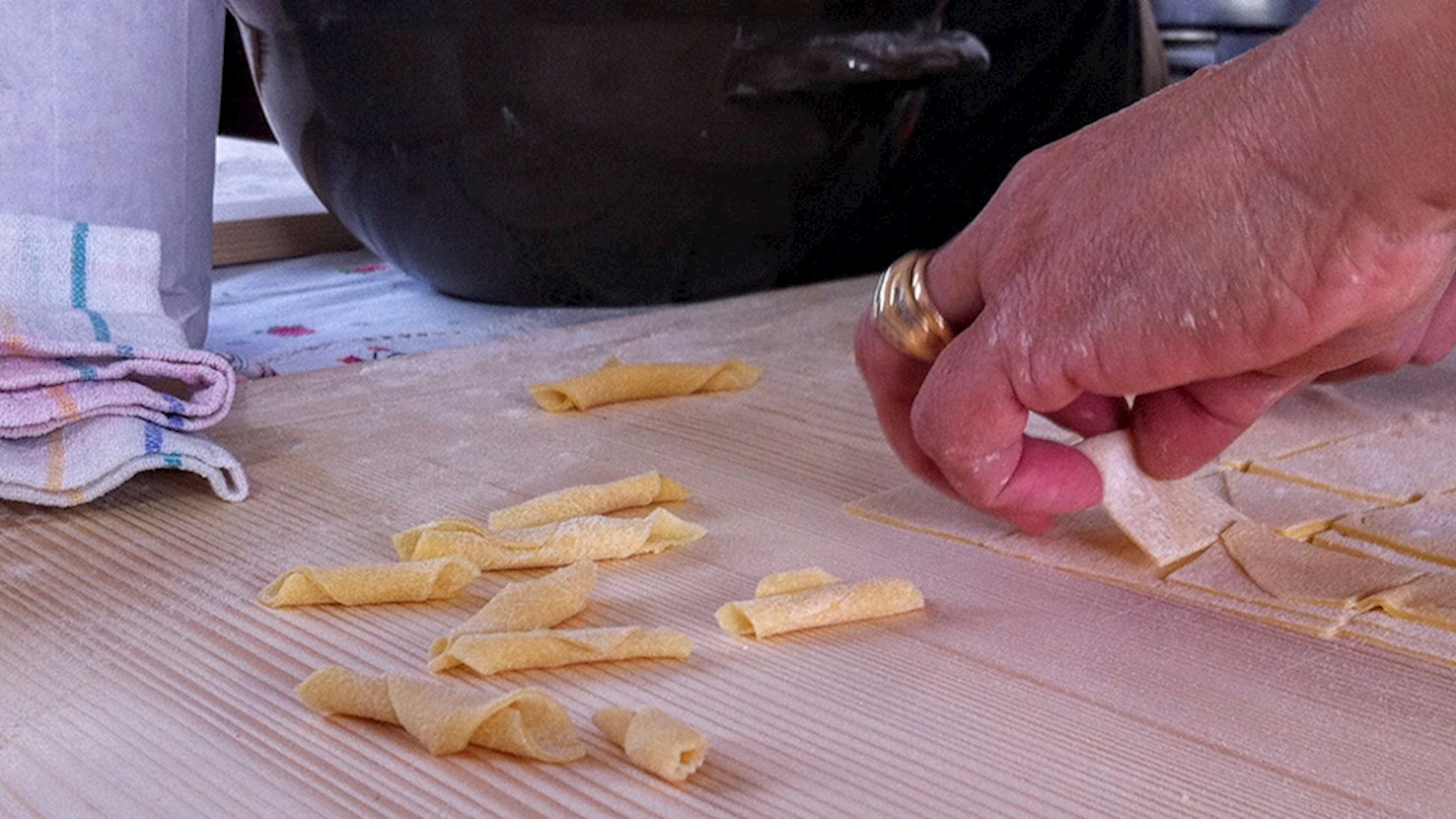
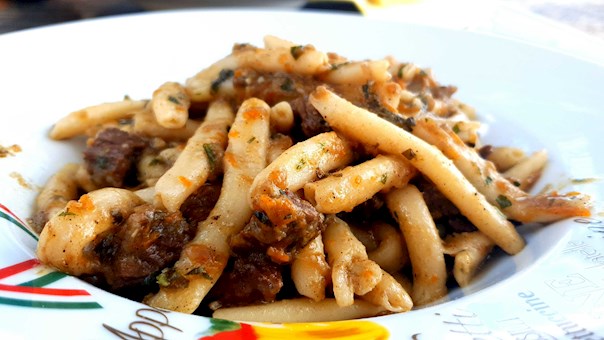
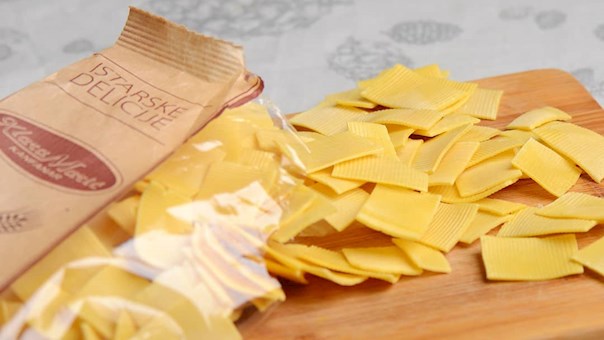
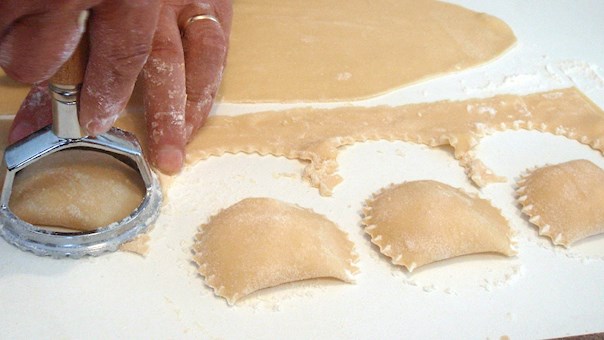
Fuži is a traditional Istrian pasta variety that gets its signature shape by folding, pinching, and sticking together two ends of a diamond-shaped pasta sheet. This pasta type is often paired with red veal sauce and chicken goulash, but any other type of sauce or stew will do; from those made with mushrooms, prosciutto, and simple tomato sauces, to those made with expensive truffles that are abundant in the region.

02

Schwäbische Spätzle

4.3 ·

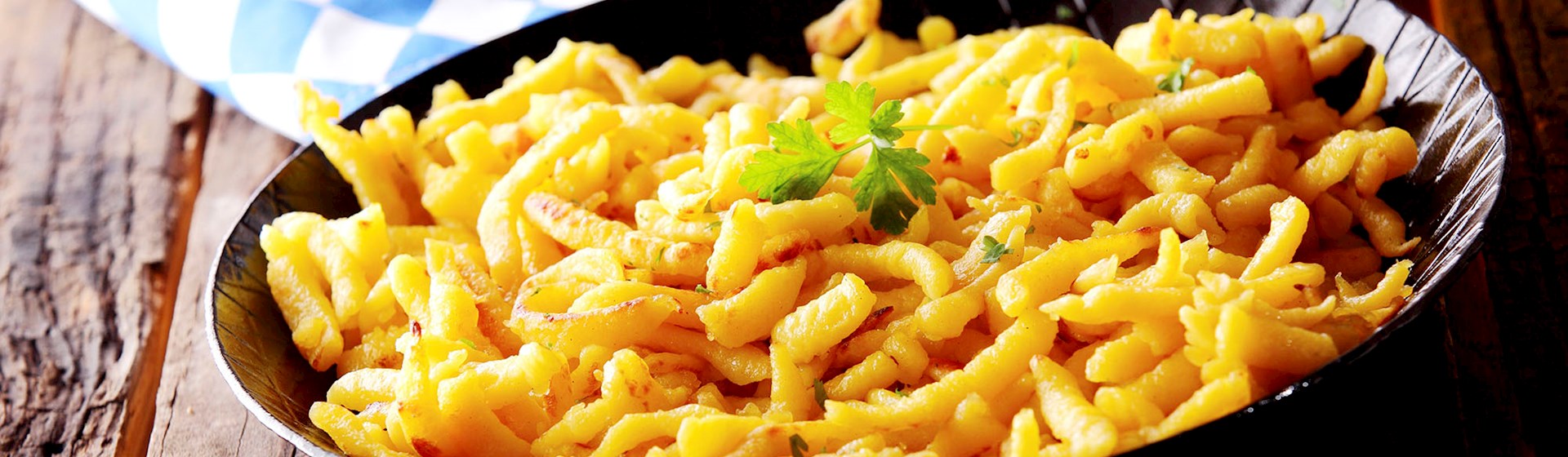
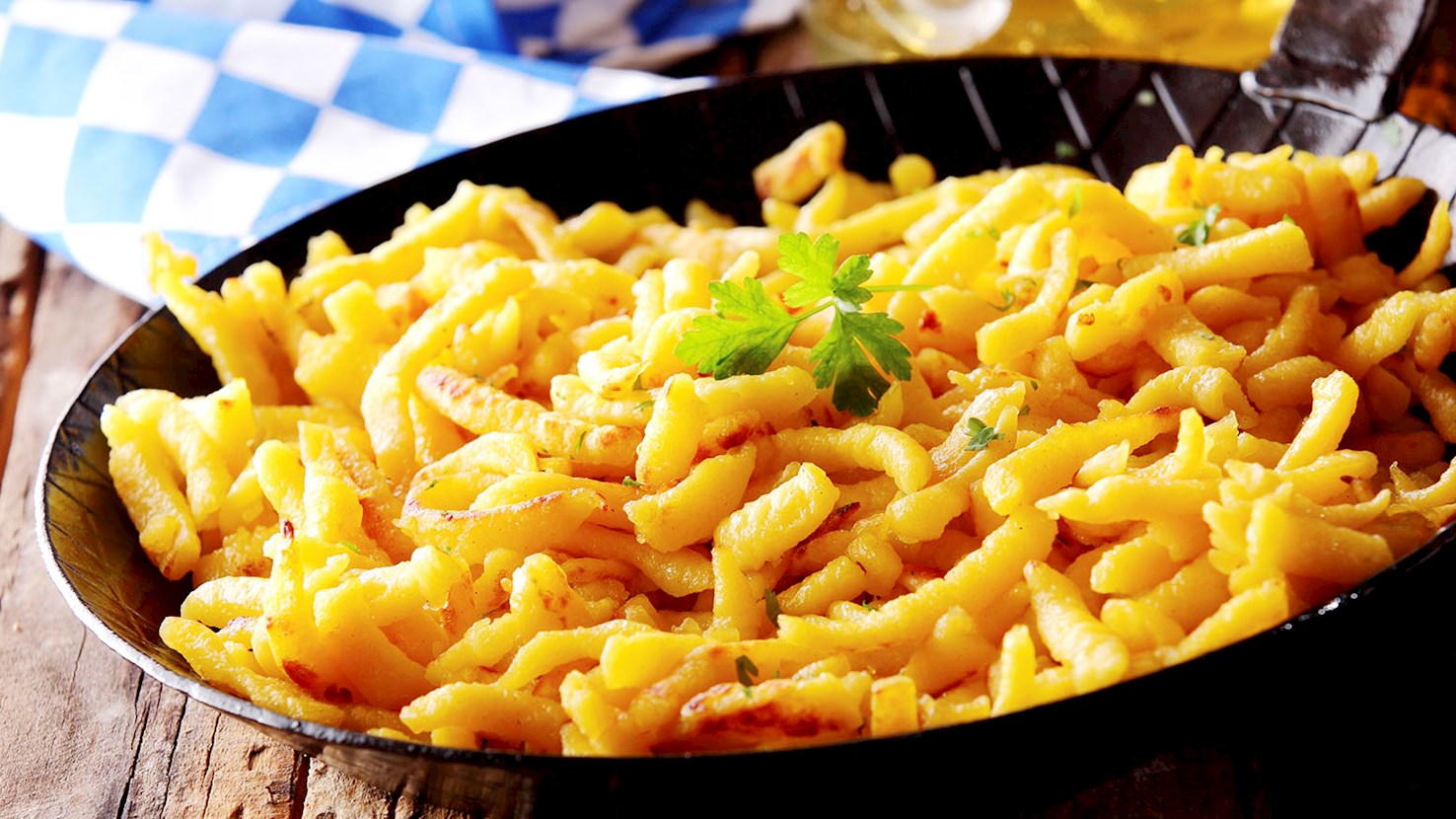
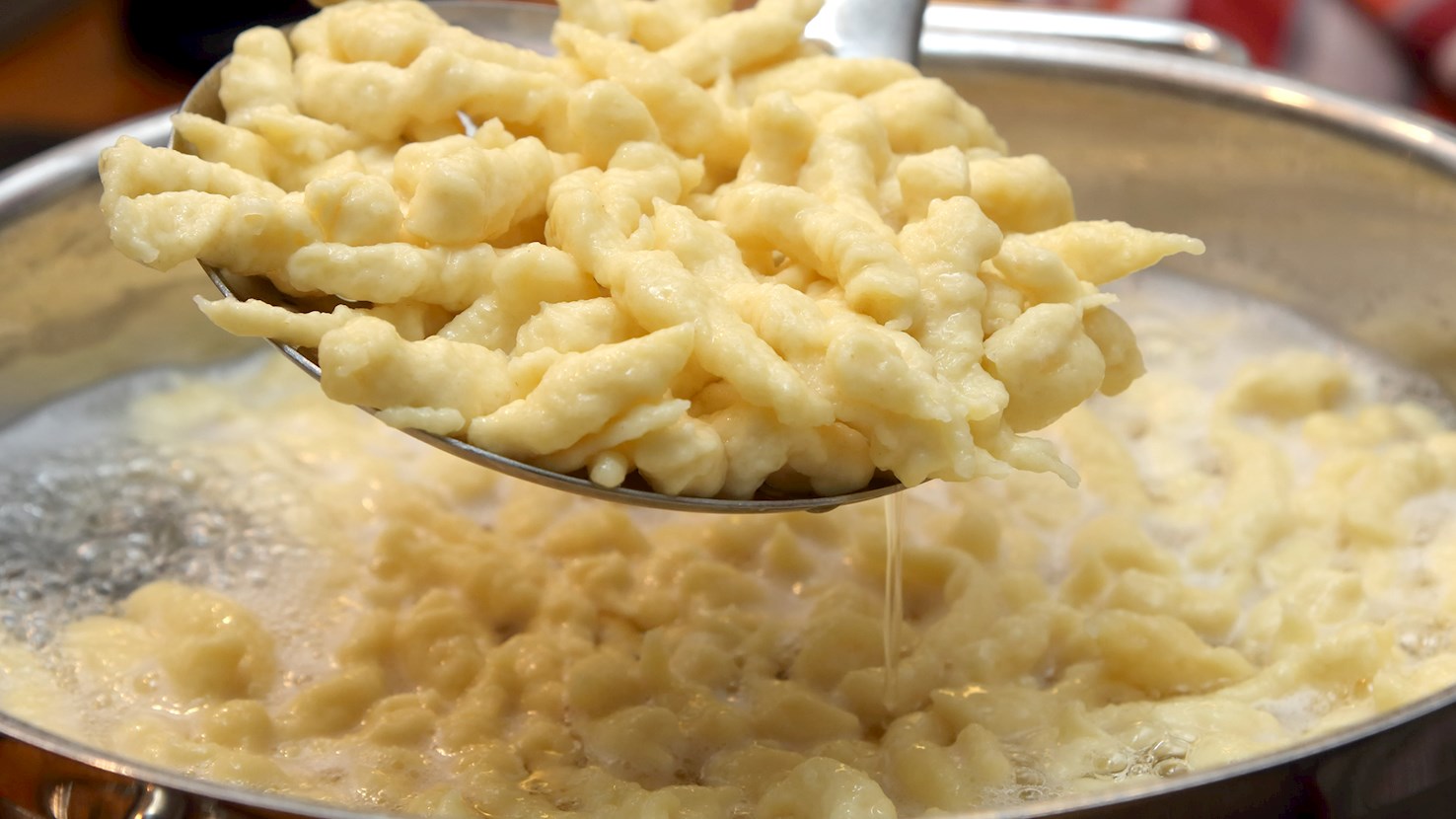
Also known as the ‘Swabian national dish’, this is egg-based pasta product is traditionally made by hand. The tradition of making Spätzle can be traced back to the 18th century. The ingredients are mixed and the dough is kneaded until it achieves the desired consistency. Since the introduction of the kneading machine in the early 20th century, this process has largely been mechanized. It is hard to standardize the right consistency of the dough, the amount of cooking time needed, and the appropriate temperature, and the best spätzle chefs cook by feel. Therefore, the skills and expertise of local producers, which have been handed down from generation to generation, play the main roles in the dough making process. Today, Schwäbische Spätzle are produced by nearly all producers of pasta products in Swabia, and they can be found in almost any restaurant. Since the 1980s, exports of the product have been successful, and the product has become a symbol of the region.

03

Pljukanci

4.2 ·

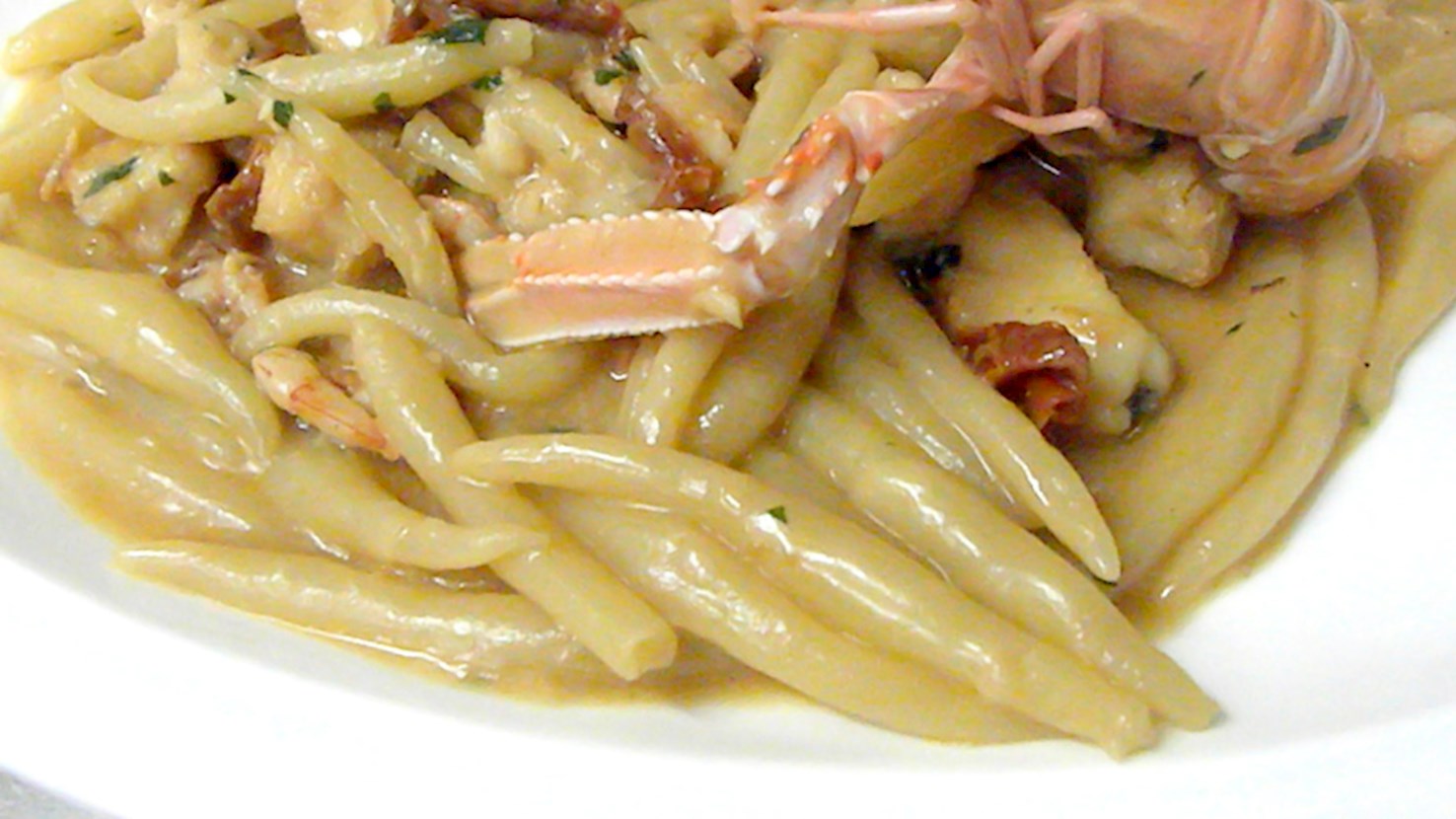
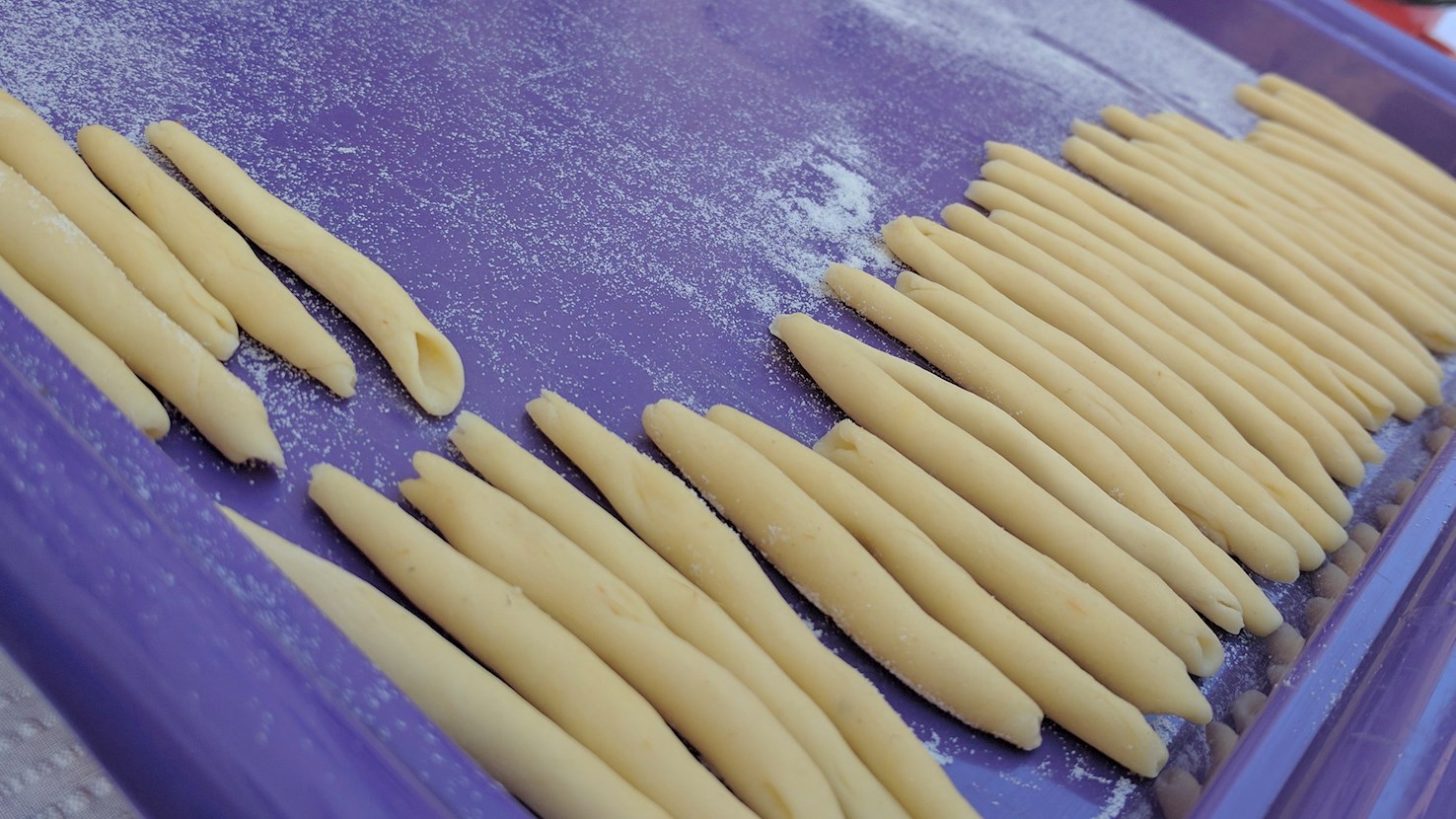
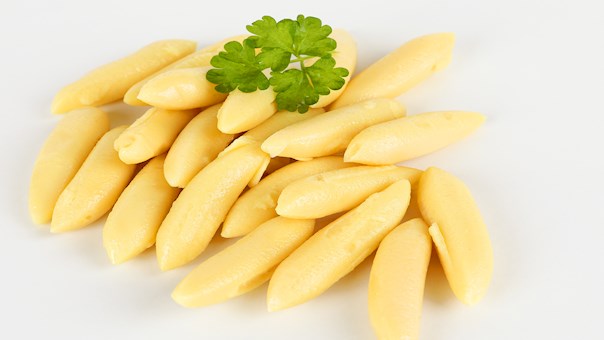
Pljukanci or makaruni is a traditional, handmade Istrian pasta variety made by rolling the dough between the palms of one's hands. The dough consists of flour, salt, hot water, and a bit of oil. The pasta should be long and thin at the edges, while the middle part should remain a bit thicker and plumper. It is recommended to pair pljukanci with various meat sauces.

04

Łazanki

4.1 ·

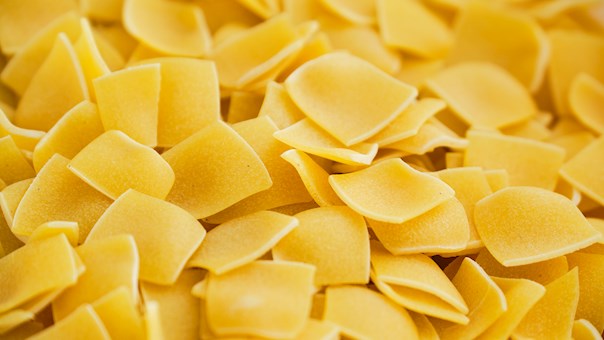
Łazanki is a traditional Polish, Belarusian, and Lithuanian (where it's called skryliai) pasta variety, unique for its shape - short and square - which gives it a distinctive texture and mouthfeel. It is believed it was introduced to the region's cuisine sometime in the 16th century (during the Polish–Lithuanian Commonwealth) by Italian nobility and got its name because it resembled smaller lasagne pasta sheets. Łazanki are made from a simple combination of flour, eggs, vegetable oil, salt, and water. The dough is rolled into thin sheets, cut into small squares, and boiled until tender. The result is a soft and slightly chewy pasta that is perfect for soaking up the flavorful sauce in the dish. Łazanki pasta is very versatile and can be used in a variety of dishes, from soups and stews to casseroles.

05

Kluski śląskie

4.1 ·

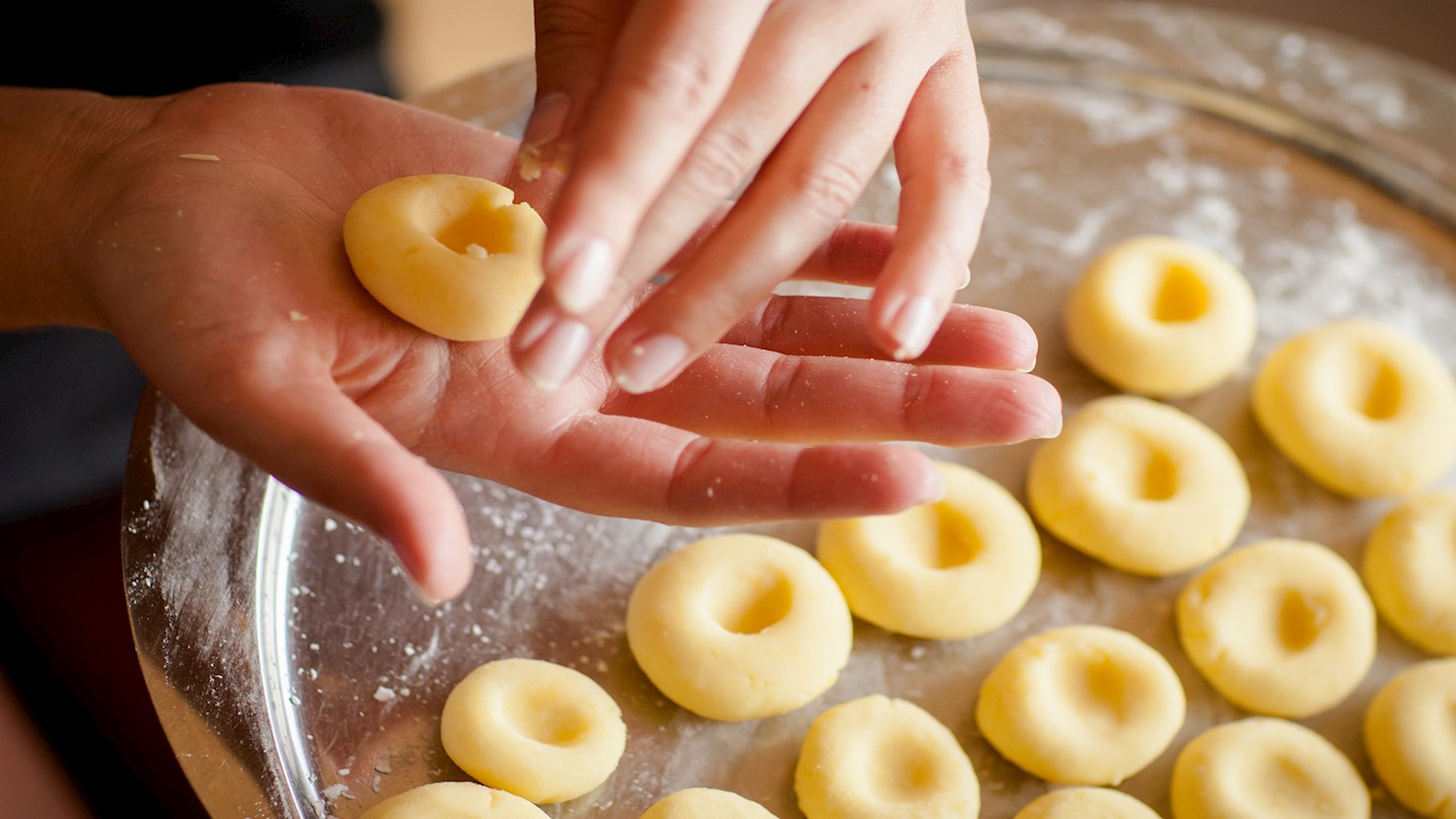
Characterized by their round shape and a small indentation in the center, Silesian dumplings are created with cooked potatoes that are mashed or riced before they are combined with potato flour or potato starch, and usually egg yolks. As the name suggests, they stem from the Polish region Silesia but are commonly consumed throughout the country. When boiled, they are usually paired with gravy or doused in meat drippings and can be enjoyed as the main meal or as an accompaniment to various roasted meat dishes.

06

Spätzle

4.1 ·

Spätzle is the German answer to pasta: thick noodles made from water, salt, flour, and eggs. They are very moist and have a soft texture, so it is not possible to roll them out – instead, they are shaped by hand, with a knife, or pressed through a variety of spätzle-presses. The raw noodles are placed in boiling water and are finished as soon as they float up to the top. The first written recipe for spätzle dates back to 1725, although it is still not known who invented them. Spätzle are used in a variety of dishes and can be combined with ingredients such as cheese, lentils, sausages, sauerkraut, butter, and spinach.

07

Halušky

4.1 ·

Halušky is the incredibly soft variety of potato dumplings, usually associated with Slovakia and the Czech Republic. The dough is created with grated raw potatoes and flour. They are typically cooked so the batter is spread on the wooden board, and small pieces of dough are cut and dropped directly into the boiling water. Another, more modern approach, employs a special halušky strainer through which the batter is gently pressed and dropped in water, creating tiny dumplings in the process. Both techniques result in irregularly shaped dumplings which have a soft texture and pale color. Similar types of dumplings are found in numerous Central and East European countries, the most famous being the thick German spätzle. Although halušky are easily found in supermarkets, these tender potato dumplings are traditionally prepared from scratch at many Slovak and Czech households. They are usually served alongside traditional meat dishes, but the most famous combination is known as bryndzové halušky, a Slovak classic consisting of halušky, salty sheep cheese, and fried bacon.

08

Tarhonya

4 ·

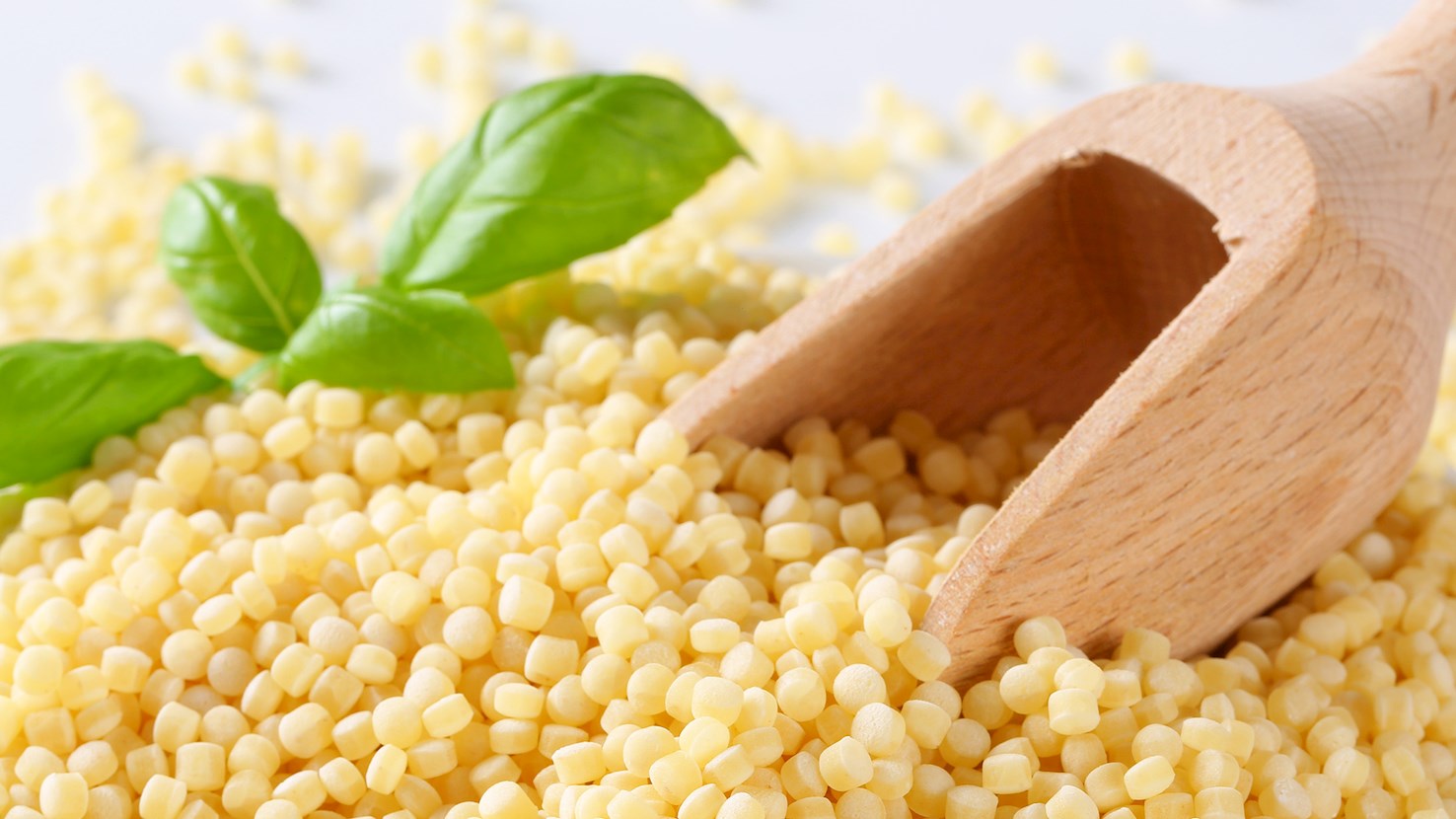
This traditional Hungarian pasta is prepared with a simple egg dough that is pressed or sieved to create perfectly round or irregularly shaped pasta crumbs. Even though it is often factory-produced, homemade varieties are highly valued in traditional Hungarian cuisine. Tarhonya comes in both fresh and dry form, it is usually classified by its size, and can range from pale to bright yellow in color. It is mainly used as an ingredient in various stews or as a complement to fried, roasted, or grilled meat. Tarhonya is also commonly used in traditional Slovak and Czech cuisine, where it is known as tarhoňa.

09

Kopytka

3.9 ·

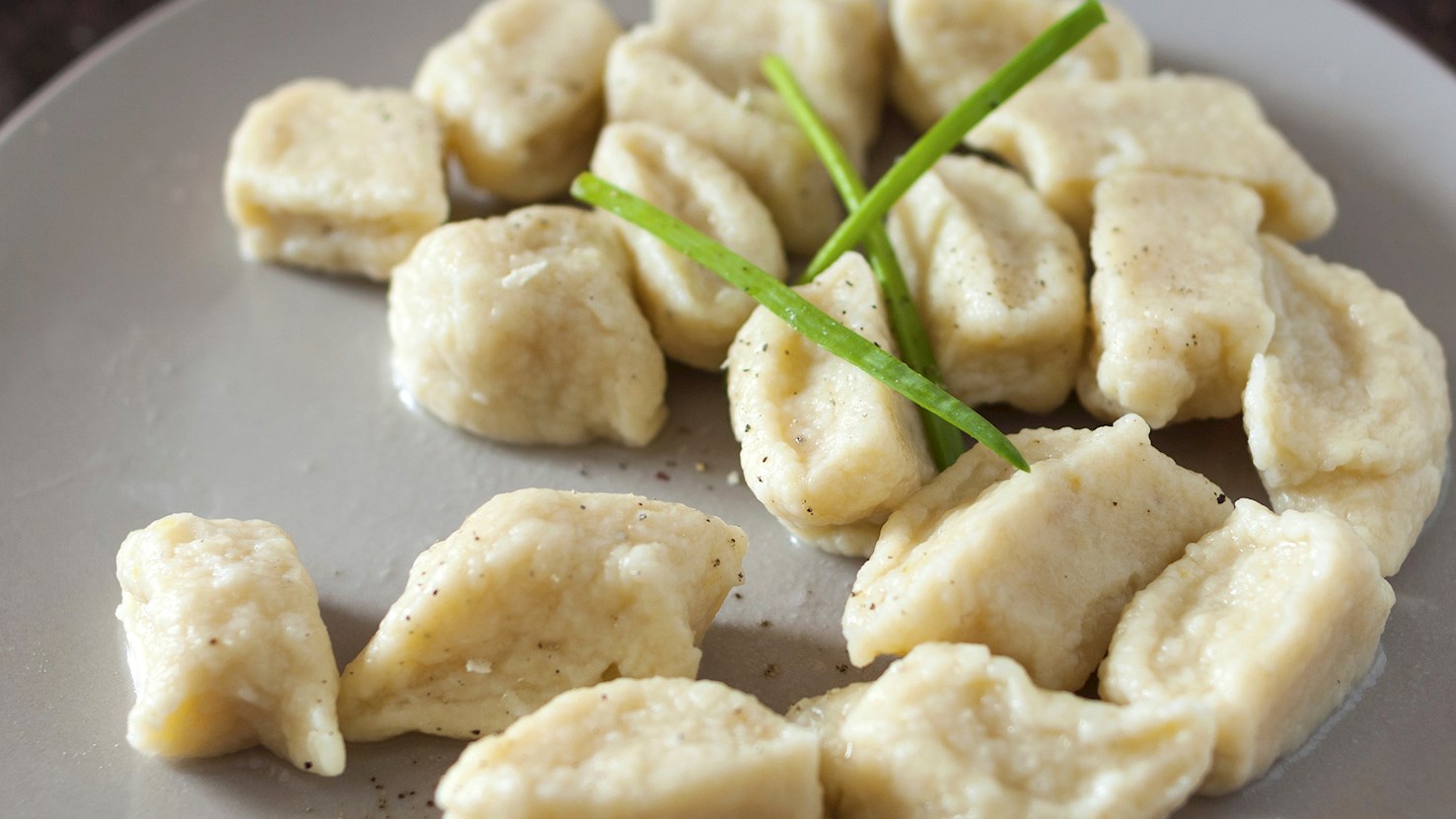
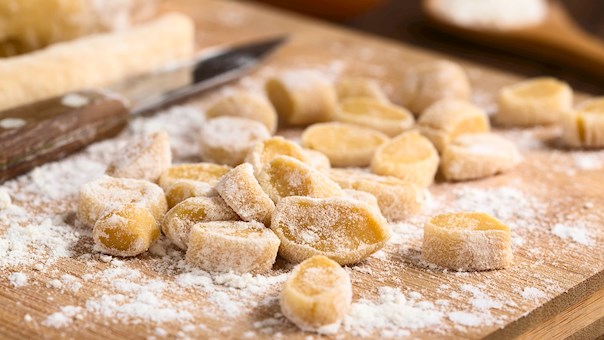
Kopytka are small potato dumplings from Poland that are similar in taste and appearance to the Italian gnocchi. They are made with boiled and mashed potatoes with the addition of flour. The name of the dish can be translated to little hooves, referring to the shape of the dumplings. It is said that the best kopytka should be light, soft, and fluffy in texture. Kopytka are usually consumed as the main course, topped with buttered breadcrumbs or a mushroom sauce, but they can also be served as a side dish combined with lard, pork, and fried onions.

10

Šurlice

3.9 ·

Šurlice is a specialty pasta coming from the Croatian island of Krk. The pasta is traditionally handmade by coiling the dough on small wooden sticks or knitting needles, which is why this pasta is sometimes also called needle macaroni. It consists of flour, water, and oil. The name šurlice is derived from surla or surlica, the Croatian word and its diminutive for elephant trunk. Originally, šurlice were prepared for festivities such as weddings, and they were paired with lamb stew, but today there are numerous combinations of this pasta variety and different sauces. It is recommended to serve šurlice with Vrbnik Žlahtina wine, which is another favorite from the island of Krk.

Best Central European Pasta, Noodles and Dumplings

01

Rapunzel Naturkost

n/a ·
Rapunzel Naturkost is a German organic food producer based in Legau (Allgäu), known for starting production in 1974 entirely under the principles of organic agriculture. The company grew from a small family business into one of the most recognized organic food brands in Europe. They source raw materials from their own facilities as well as through a global network of partners selected according to strict sustainability criteria. Rapunzel developed its own fair-trade system called "Hand in Hand", through which they collaborate with small farmers and invest in their communities. Their focus is on minimal processing in order to preserve the natural nutritional value and flavor of the food. Rapunzel operates its own laboratories for quality and safety control, ensuring a high standard of product purity and composition. Their products are available in specialty health-food stores, gourmet shops, and premium supermarkets. Within the organic food industry, Rapunzel is viewed as a brand that successfully combines sustainable business practices, product quality, and social responsibility.
Read more
View all
View map
About this ranking

TasteAtlas food rankings are based on the ratings of the TasteAtlas audience, with a series of mechanisms that recognize real users and that ignore bot, nationalist or local patriotic ratings, and give additional value to the ratings of users that the system recognizes as knowledgeable. For the “Top 24 Central European Pasta, Noodles and Dumplings” list until June 06, 2026, 1,646 ratings were recorded, of which 1,293 were recognized by the system as legitimate. TasteAtlas Rankings should not be seen as the final global conclusion about food. Their purpose is to promote excellent local foods, instill pride in traditional dishes, and arouse curiosity about dishes you haven’t tried.

The initial list of top producers was compiled based on available reviews, awards, local recommendations, media and blog coverage, and consumer reviews. The list will be updated with ratings from TasteAtlas local ambassadors and TasteAtlas users.

Similar lists