

shutterstock

Top 4 Korean Pasta, Noodles and Dumplings

Last updated on June 06, 2026
01

Sumian

3.8 ·

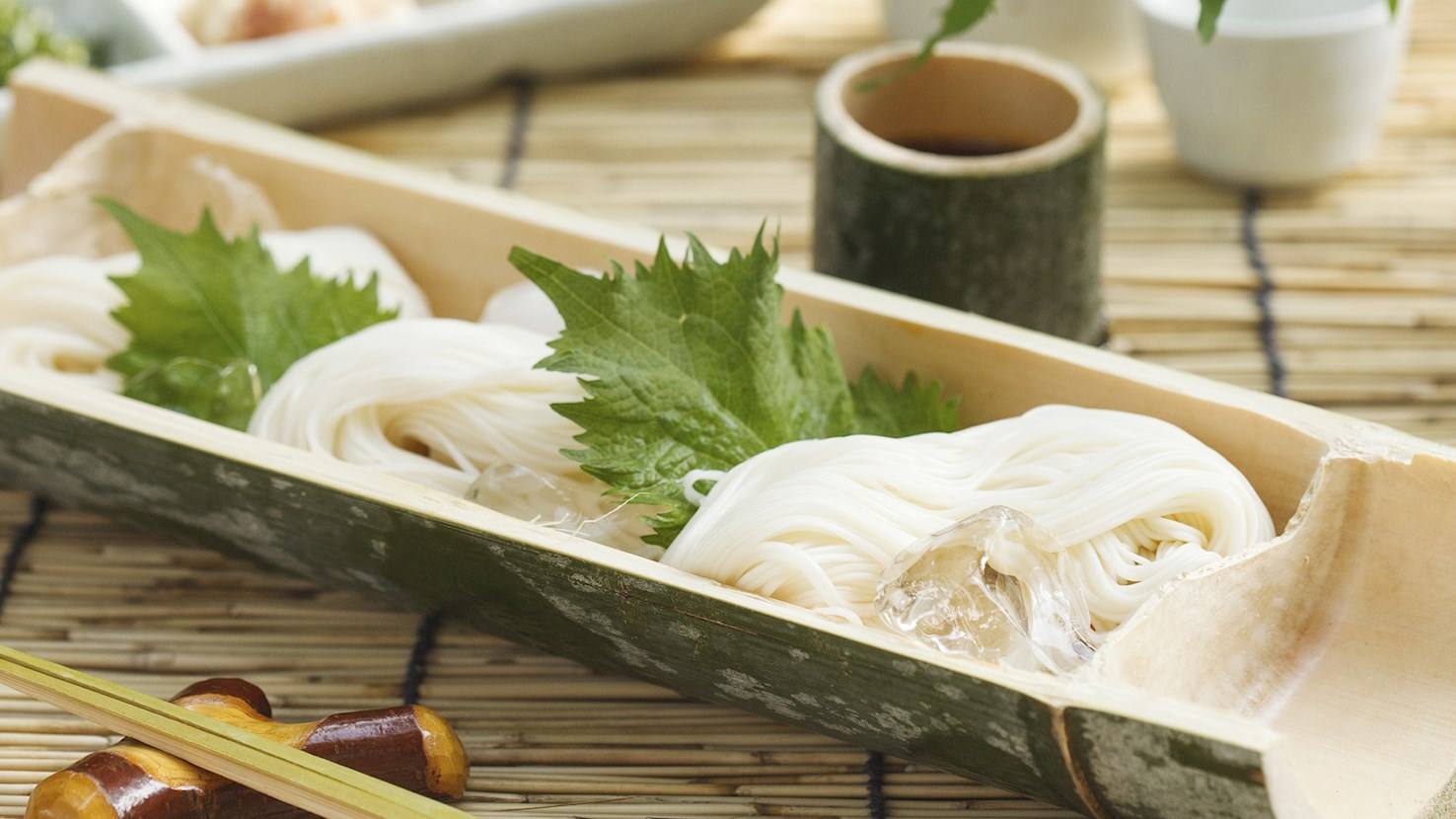
Sōmen are the thinnest Japanese dried noodles made from wheat flour. They are usually served cold, especially during summer, when they are consumed as comfort food, with a dipping sauce called men-tsuyu on the side. Other side dishes include ground ginger, chopped scallions, seaweed, wasabi, or sesame seeds. The noodles can also be stir-fried with vegetables and tofu. Sōmen dates back to the 8th century, when the Chinese brought them over to Japan. Originally, rice flour was used in its preparation, but over time, as its popularity spread, sōmen started to be made with wheat flour, especially in the western and southern regions of Japan, where wheat was abundant. In the past, sōmen noodles were often given as gifts among the wealthy, and they have also been associated with Buddhist ceremonies, particularly with the annual Tanabata festival, as it was believed that consuming sōmen on that day would prevent serious illness. In China, somen noodles are called sùmiàn, and in South Korea, they're called somyeon.

02

Dotori guksu (Acorn Noodles)

n/a ·

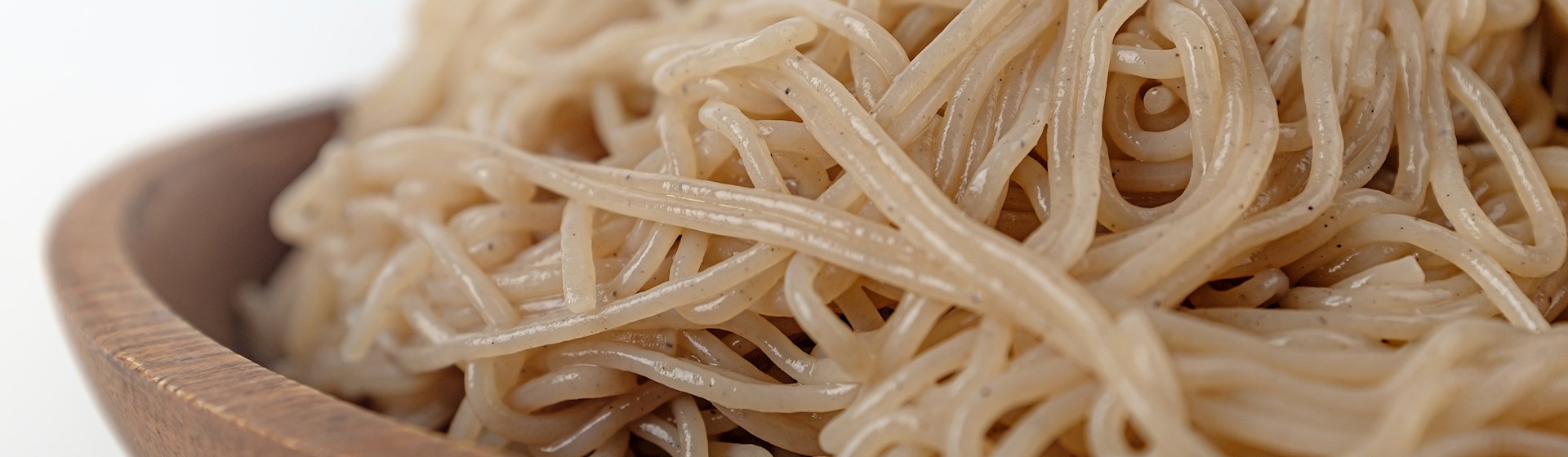
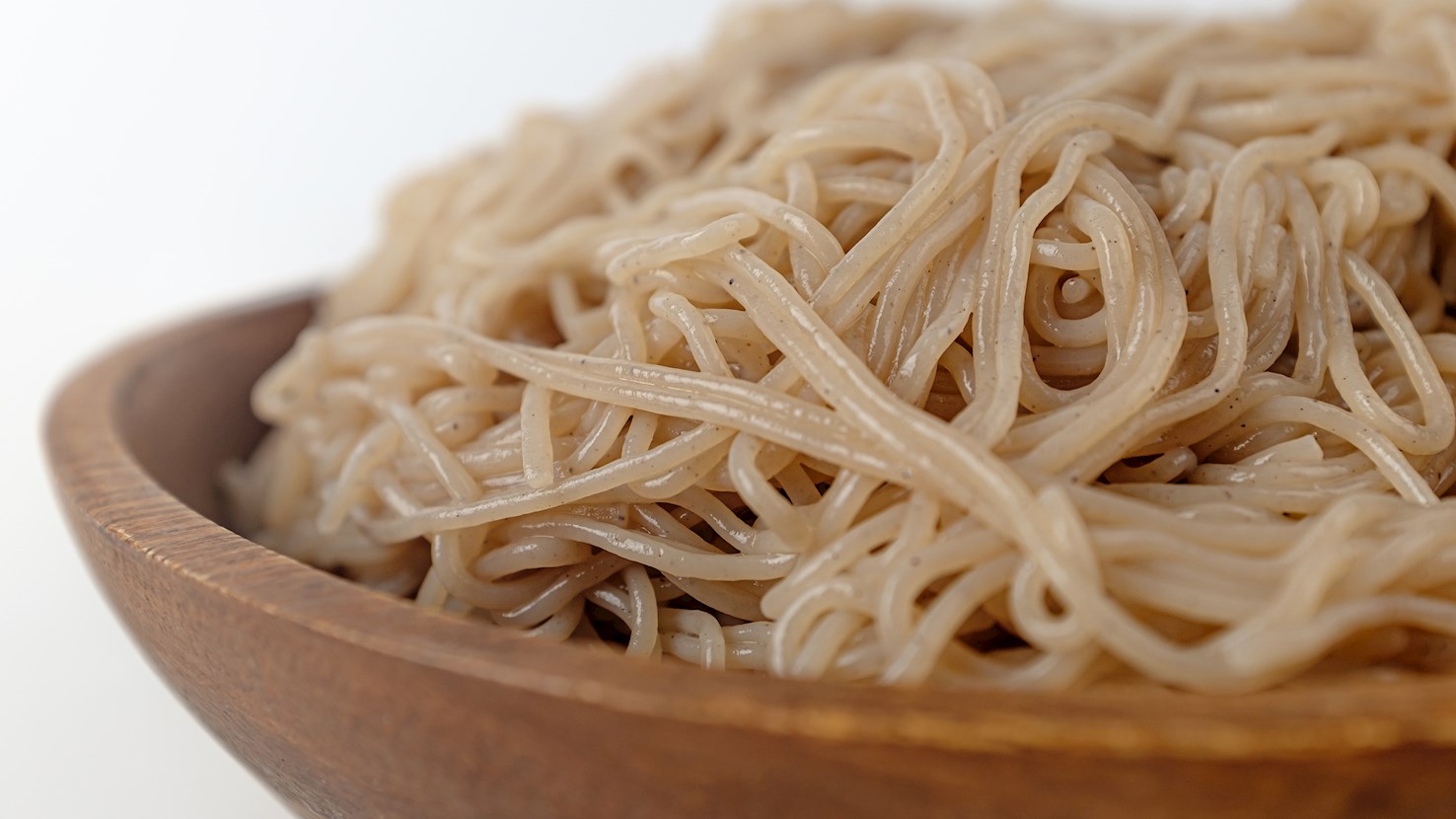
Dotori guksu are traditional South Korean noodles. The noodles are usually made with a combination of acorn flour, salt, and either wheat or buckwheat flour. The acorn flour is ground from white or red acorns, and each has a slightly different flavor. The noodles look dry and rustic, but once they're cooked, they turn chewy and smooth, while the flavor is nutty and slightly sweet. It's recommended to use them in salads, as a substitute for soba noodles, or in cold noodle soups. Interestingly, acorn noodles contain many antioxidants and may be considered anti-cancerous food.

03

Garak guksu

n/a ·

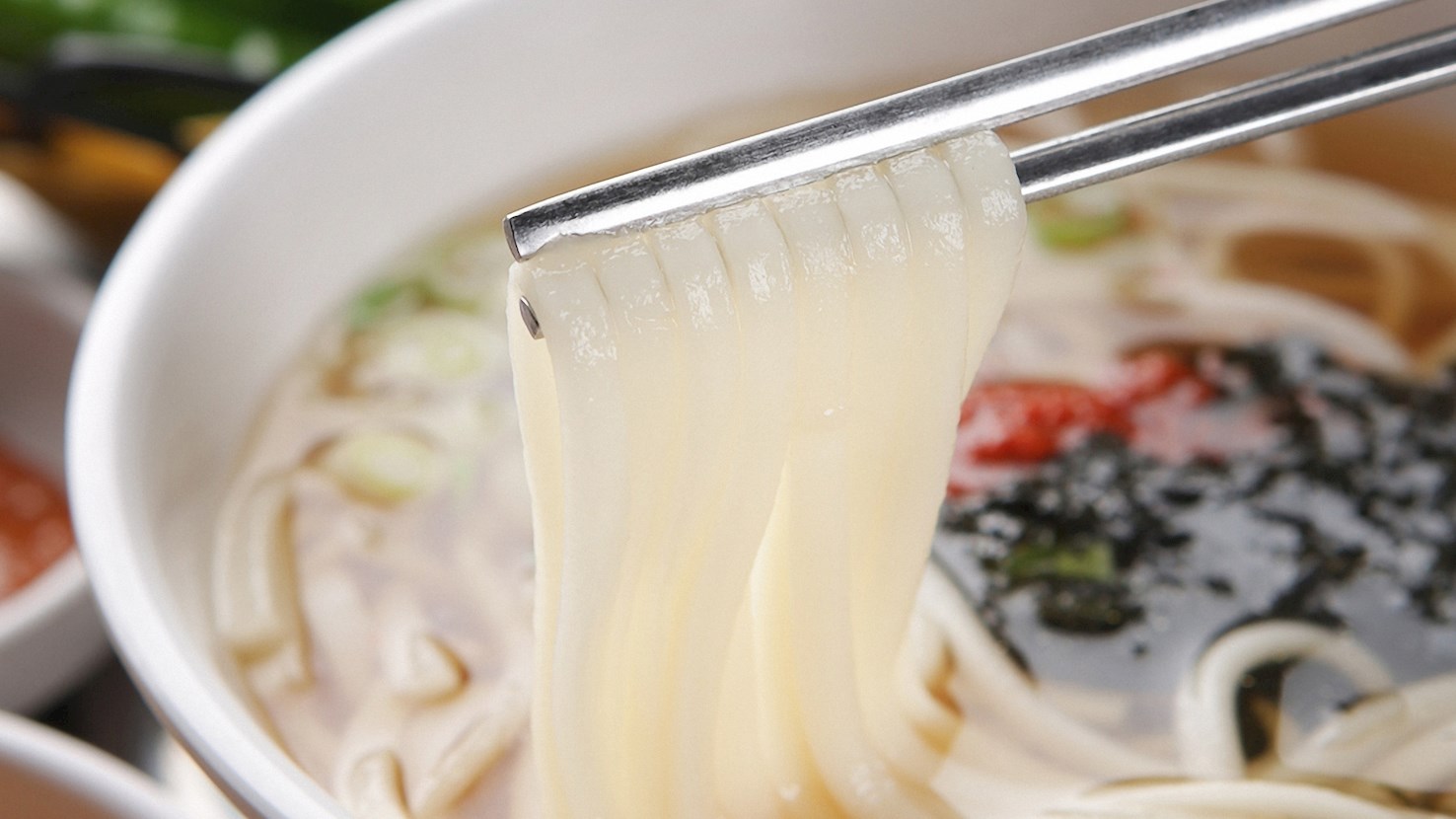
Garak guksu are traditional South Korean noodles that are similar to the Japanese udon. These thick noodles are made with a combination of wheat flour and salty water. Once prepared, the dough is rolled and cut with a knife into thick noodles. They're traditionally boiled in a soupy soy-sauce based beef broth called malgeun-janguk. The broth is made with ground beef that's seasoned with salt and pepper and stir-fried in sesame oil. Garak guksu noodles are usually served with kimchi, sliced yellow pickled radish, fried eggs, and fish cakes. Although the noodles are most commonly enjoyed in the warm broth, they can also be eaten cold, in which case they're rinsed in cold water after cooking. The term garak guksu also refers to dishes made with these thick noodles.

04

Olchaengi guksu (Tadpole Noodles)

n/a ·

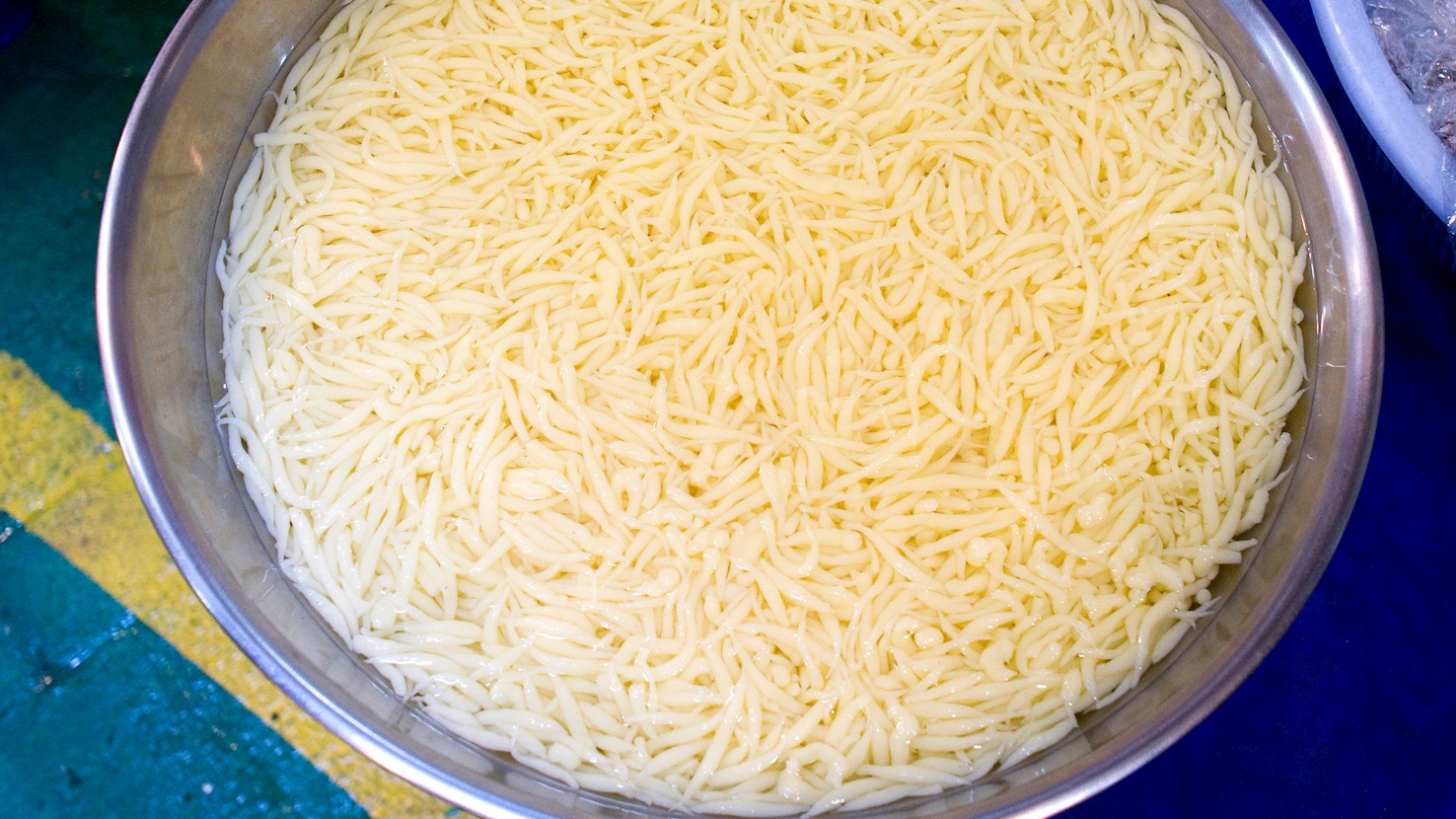
Olchaengi guksu are traditional South Korean noodles that are especially popular in Gangwon province. The noodles are made with a combination of dried corn kernels and water. The corn kernels are placed in a stone grinder and heated in water over medium heat in order to turn into starchy water that looks like a thick corn porridge. The mixture is placed into a large bowl with holes at the bottom, and the bowl is placed over a large pot of boiling water so that the noodles drip from the holes (similar to the German spätzle) and form noodles that look like tadpoles, hence the other name, tadpole noodles. These noodles are typically served with a seasoning consisting of soy sauce, hot peppers, sesame seeds, salt, and chili powder. The noodles can't be picked up with chopsticks due to their small size so it's recommended to use a spoon instead.

Read more
View all
View map
About this ranking

TasteAtlas food rankings are based on the ratings of the TasteAtlas audience, with a series of mechanisms that recognize real users and that ignore bot, nationalist or local patriotic ratings, and give additional value to the ratings of users that the system recognizes as knowledgeable. For the “Top 4 Korean Pasta, Noodles and Dumplings” list until June 06, 2026, 48 ratings were recorded, of which 39 were recognized by the system as legitimate. TasteAtlas Rankings should not be seen as the final global conclusion about food. Their purpose is to promote excellent local foods, instill pride in traditional dishes, and arouse curiosity about dishes you haven’t tried.

Similar lists