shutterstock

Top 4 Cretan Pasta Varieties

Last updated on June 15, 2026

Best Cretan Pasta Varieties
01

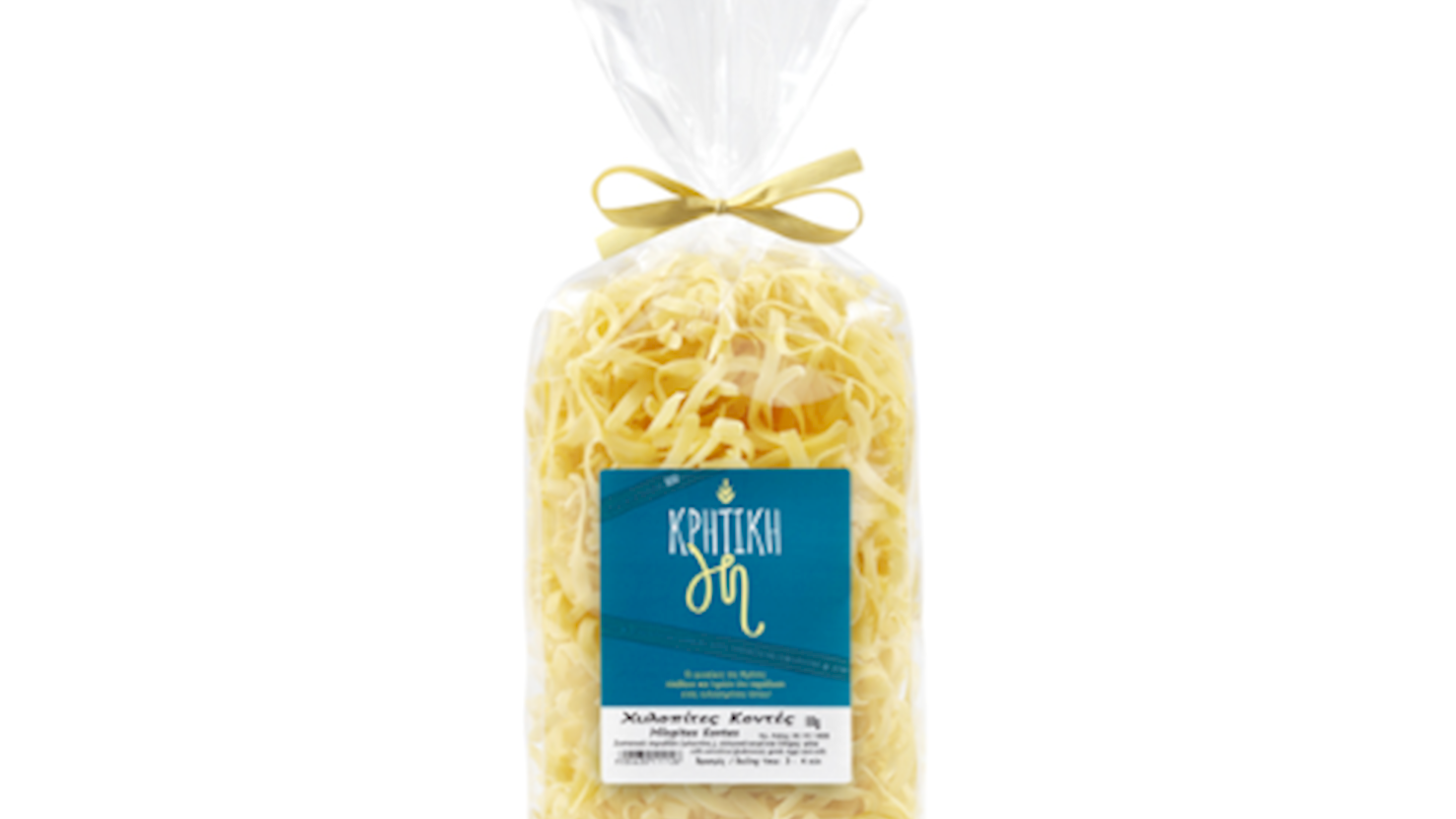
Kritiki Gi

4.3 ·
Kritiki Gi is a Cretan producer focused on traditional grain-based products. Its portfolio centers on local staples such as chylopites, skioufichto, and xinochontros, all rooted in the island’s domestic cooking practices. The production approach relies on simple ingredients like durum wheat, eggs, and, in some cases, milk or yogurt, used as components within specific recipes rather than as standalone dairy products. Kritiki Gi follows traditional preparation methods, maintaining minimal processing and emphasizing the natural characteristics of the raw materials. The resulting products are designed for everyday use, reflecting the functional role of food in the Cretan diet. Their textures and cooking behavior are adapted to absorb flavors, making them suitable for a range of simple and more complex dishes. The brand does not position itself around large-scale industrial production, but around continuity and consistency within a local food system. This approach preserves the link between product, raw material, and regional culinary identity. Overall, Kritiki Gi represents a category of producers that sustain traditional grain-based foods as part of contemporary Cretan cuisine.
02

AgrecoFarms

4 ·
AgrecoFarms is a Cretan estate that integrates organic farming, food production, and experiential tourism into a single model rooted in traditional practices. Located near Rethymno, the farm is structured as a reconstructed Cretan village, combining vineyards, olive groves, and functional production facilities such as an olive press, winery, and wood-fired ovens. The production approach is based on organic principles, avoiding chemical inputs and emphasizing natural cycles and local biodiversity. Its product range includes olive oil, wine, honey, herbs, preserves, and other goods derived either directly from the farm or from selected local producers. Alongside production, AgrecoFarms operates as a gastronomic destination, with an on-site restaurant that uses ingredients sourced from the estate and surrounding area. A key element of the concept is its educational dimension, offering visitors direct involvement in activities such as harvesting, cooking, and traditional food preparation. This creates a transparent link between raw materials, processing methods, and final products. Rather than functioning as a standard producer, AgrecoFarms represents a holistic system that connects agriculture, gastronomy, and tourism. Its approach aligns with the principles of Mediterranean food culture, where simplicity, seasonality, and origin define quality. Through this model, the estate preserves and presents Cretan culinary heritage in a contemporary context.

Best Cretan Pasta Variety Types
01

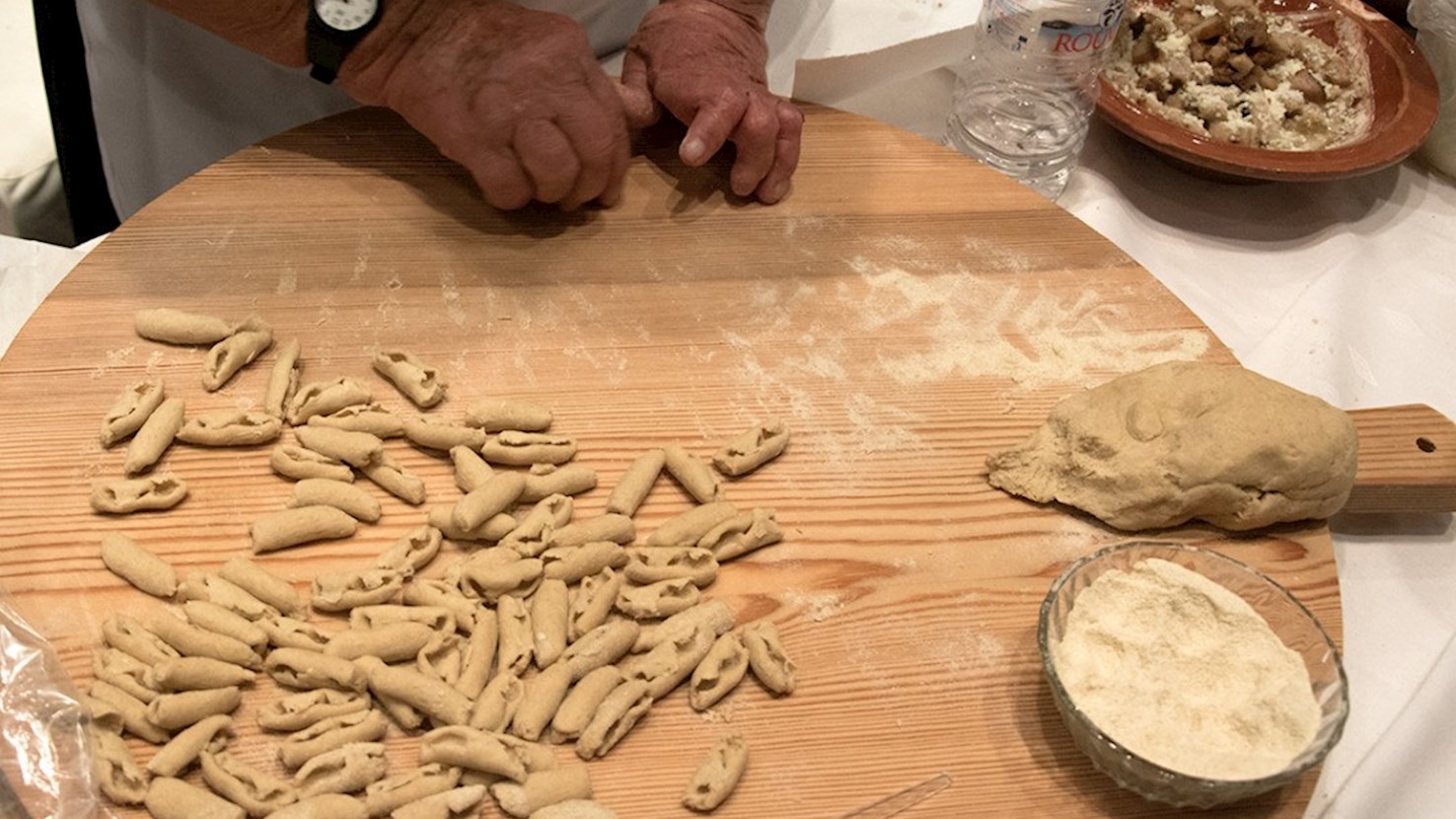
Chilopites

4.1 ·

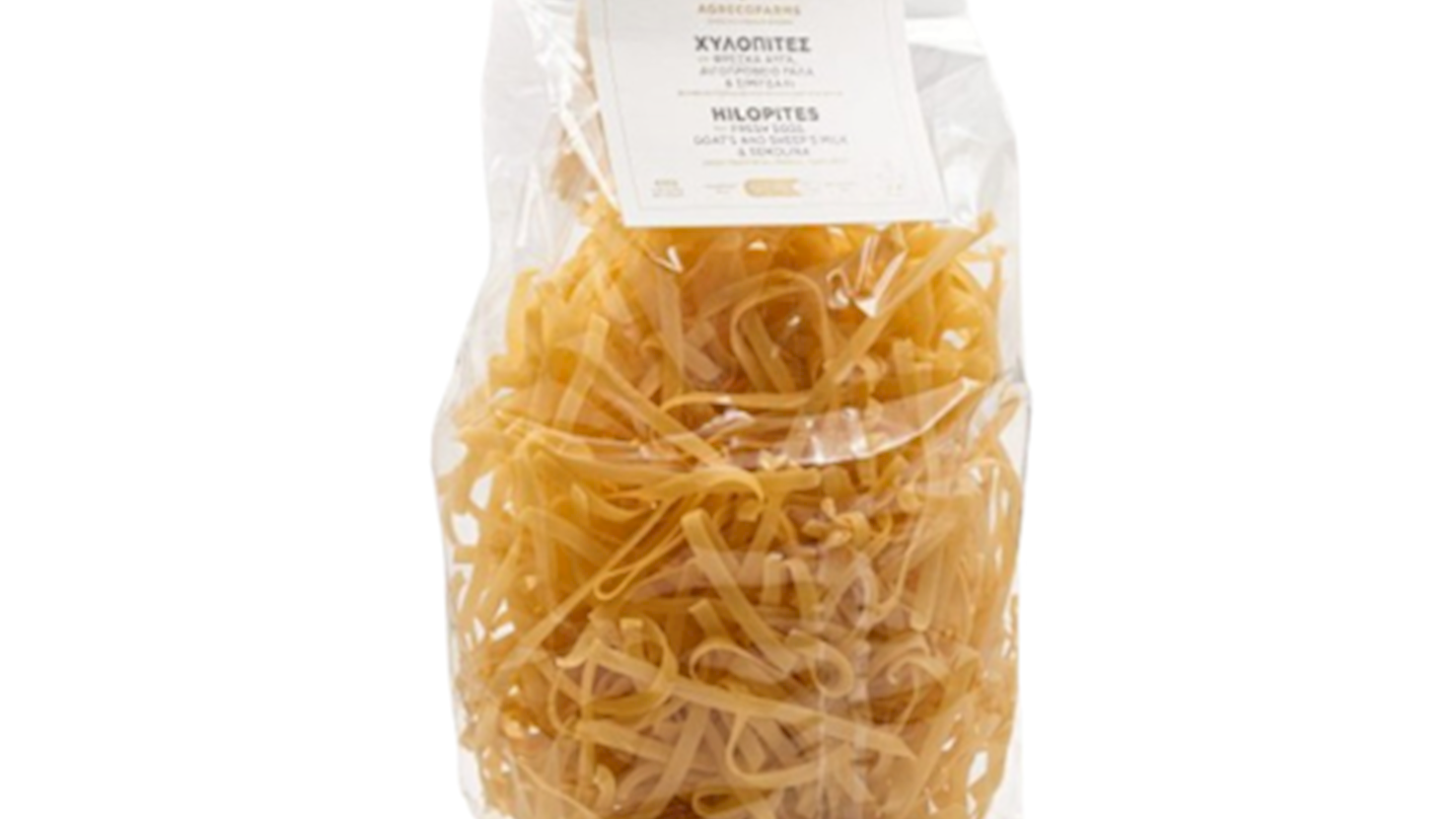
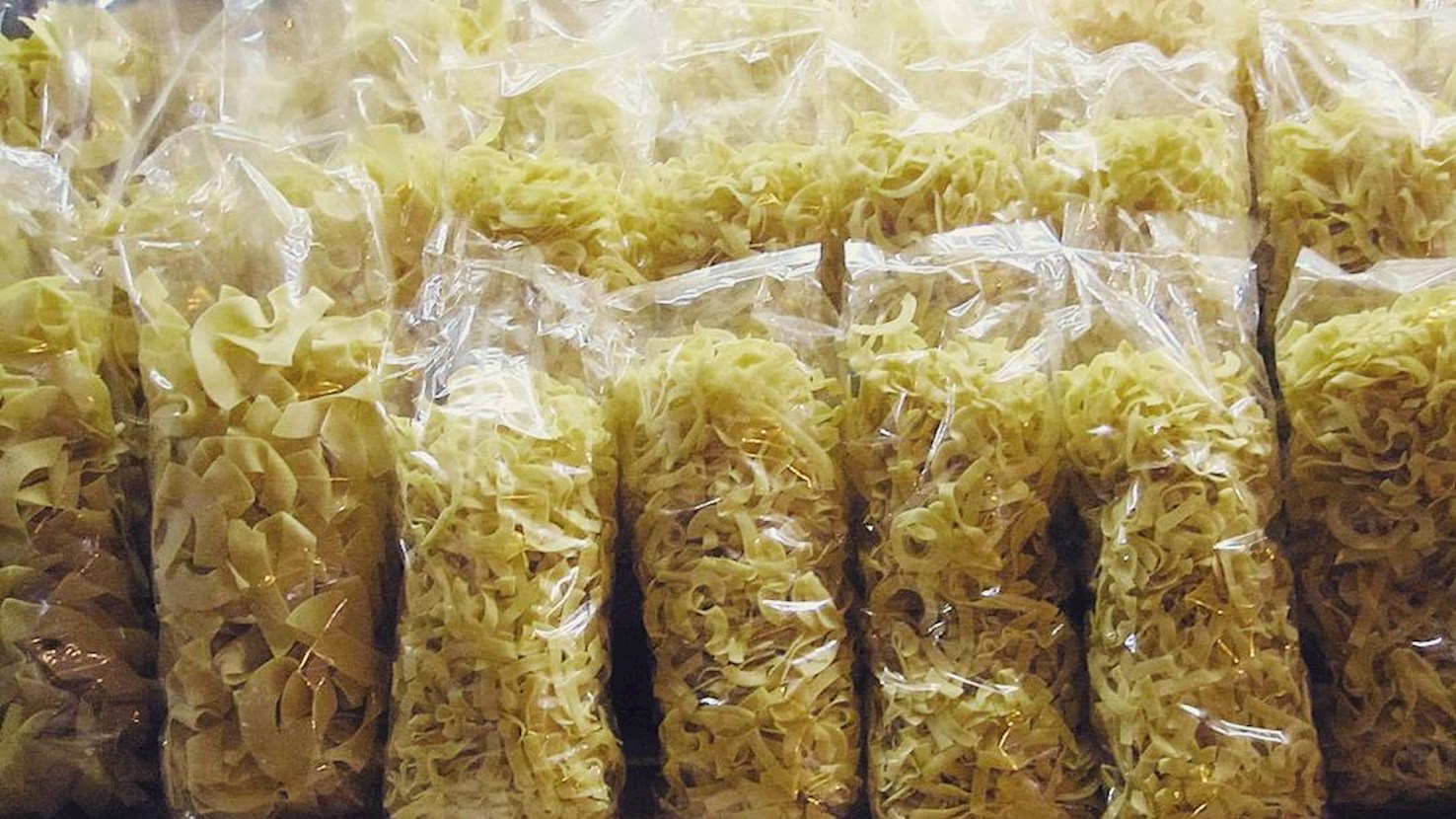
Chilopites is a traditional pasta variety hailing from Crete. It's usually handmade by women at the end of summer. The pasta is typically made with flour, water or milk, olive oil, eggs, and a bit of salt. The dough is cut in narrow stripes or small rectangles, depending on the area. Also known as hylopites or hilopites, the pasta is dried under the summer sun before it's stored in white sachets by the housewives in order to be used in the winter. It's recommended to serve chilopites with grated myzithra cheese and tomato sauce.

02

Trahana

4.1 ·

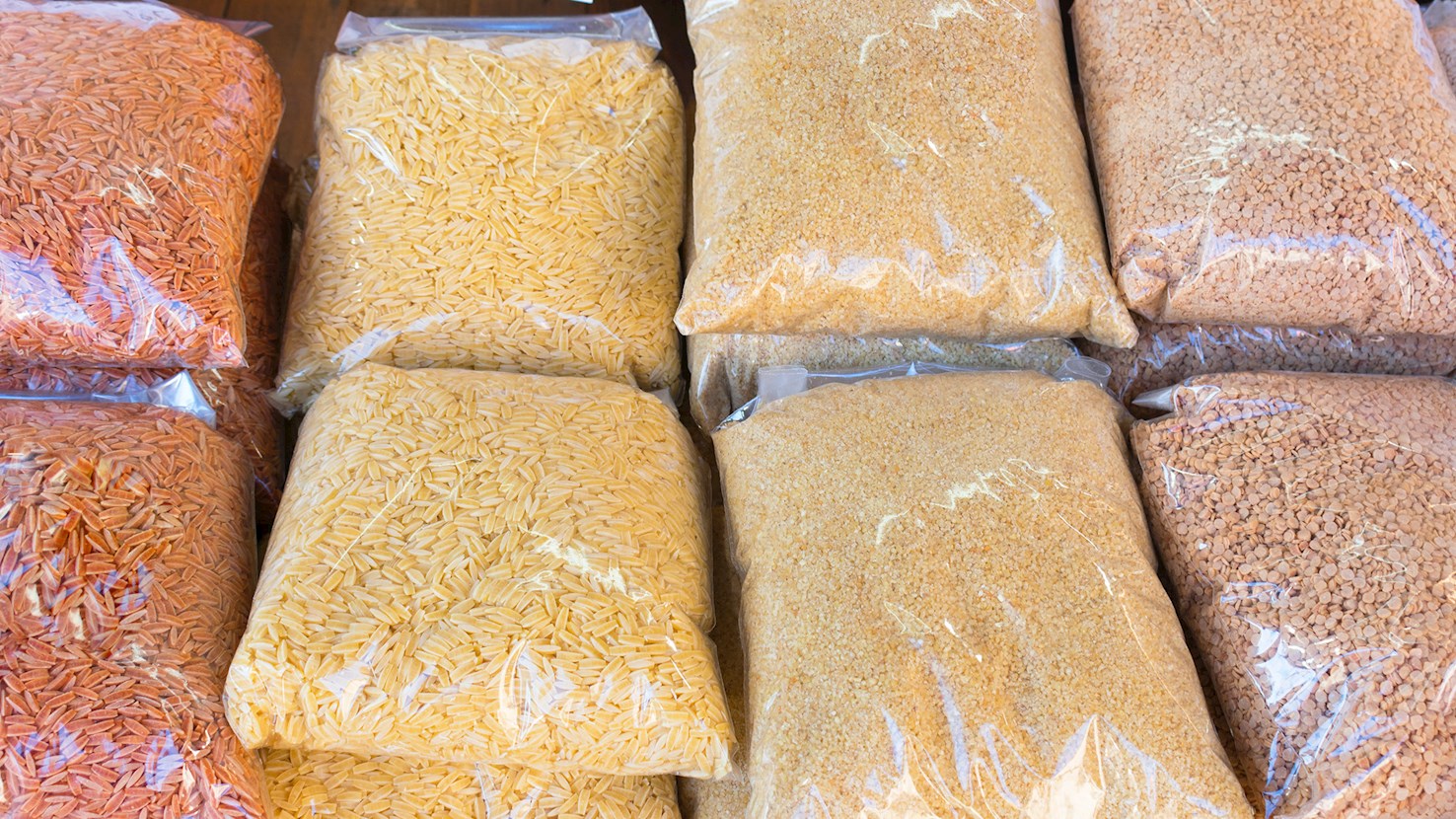
Trahana is a traditional pasta-like product consisting of small coarse granules that are made by combining wheat and dairy products such as milk, sour milk, buttermilk, or yogurt. This product is believed to have ancient origins, and the age-old tradition of its preparation is thought to have initially been a means of preserving milk in pre-refrigeration times. It is typically prepared with wheat flour, semolina flour, cracked wheat, or bulgur (especially on Crete), while some versions may also call for the addition of eggs. Traditionally, the mixture is dried in the sun before it’s broken up into uneven-shaped pieces, or it can be first boiled to a porridge-like consistency and then sun-dried. There are several different varieties of trahana depending on the dairy product used for its preparation, namely sour trahana, which is made with sour milk, yogurt, or buttermilk and flour, sour trahana with eggs, and sweet trahana, which consists of sheep’s or goat’s milk (or a mixture of both kinds) and flour. In Greece, there’s also another variety of trahana called nistisimos trahana (meaning fasting or dairy-free trahana), which calls for combining the flour with vegetable pulp instead of milk products. Apart from Greece, numerous versions of trahana known by similar names are prepared and consumed throughout the Eastern Mediterranean, Southeastern Europe, and the Middle East. This dry granular pasta has found a wide range of uses in the traditional cuisines of the countries where it’s still consumed. In Greece, trahana is typically cooked in water or stock and enjoyed with feta cheese, yogurt, and sautéed onions, added to various soups and stews, or used as a filling for pies, vegetables (gemista), or dolmas.

Best producers
03

Skioufichta

3.9 ·

Skioufichta is a traditional handmade Cretan pasta. It's made from whole-wheat flour, salt, water, and olive oil or butter. The dough is rolled into thin strips, then cut into pieces that are pressed with a spiral movement of the fingers, resulting in the typical twisted shape of the pasta. The name of the pasta is derived from the word skioufizo, meaning to twist, referring to this method of production that requires experience and skill. Traditional recipes call for ''burning'' the pasta in butter, then topping it with large amounts of grated anthotyro or myzithra cheese.

Best producers
04

Xinohodros (Cretan trahana)

n/a ·

Xinochondros (Ξινόχοντρος) is a traditional Cretan food made by combining coarsely ground wheat (chondros) with soured goat's or sheep's milk. This mixture is cooked until thickened, then spread out in small pieces to dry under the sun, allowing for long-term storage. The resulting product is used in various dishes, such as soups and stews, providing a distinct tangy flavor and hearty texture.

Best producers
Read more
View all
View map
About this ranking

TasteAtlas food rankings are based on the ratings of the TasteAtlas audience, with a series of mechanisms that recognize real users and that ignore bot, nationalist or local patriotic ratings, and give additional value to the ratings of users that the system recognizes as knowledgeable. For the “Top 4 Cretan Pasta Varieties” list until June 15, 2026, 148 ratings were recorded, of which 69 were recognized by the system as legitimate. TasteAtlas Rankings should not be seen as the final global conclusion about food. Their purpose is to promote excellent local foods, instill pride in traditional dishes, and arouse curiosity about dishes you haven’t tried.

The initial list of top producers was compiled based on available reviews, awards, local recommendations, media and blog coverage, and consumer reviews. The list will be updated with ratings from TasteAtlas local ambassadors and TasteAtlas users.

Similar lists