shutterstock

Top 19 Pastes
in the World

Last updated on June 24, 2026

Best Pastes in the World
01

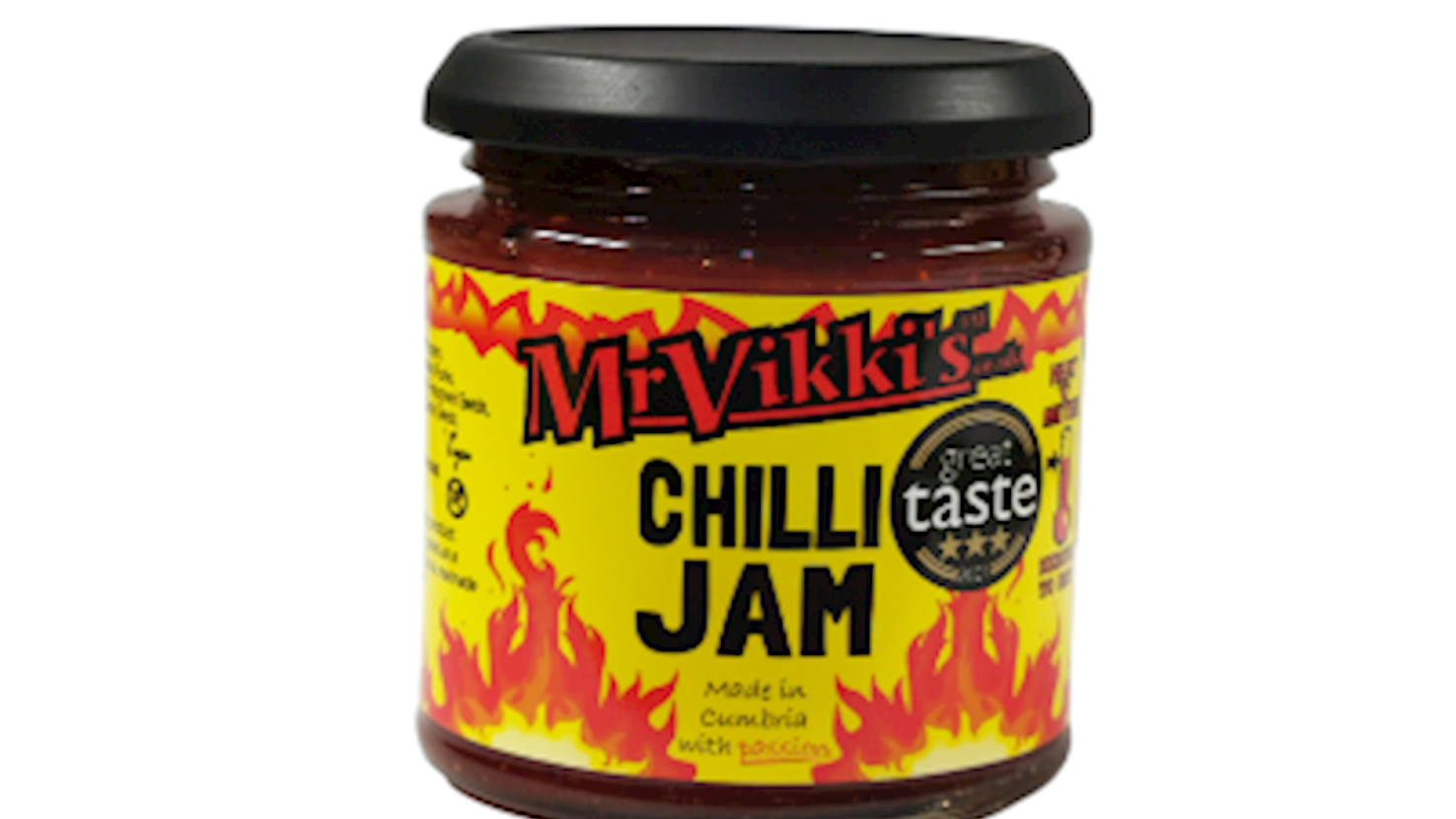
Mr Vikki's

4.8 ·
Mr Vikki's is an award-winning producer of artisan hot sauces. The company specializes in creating small-batch, hand-crafted condiments using fresh, natural ingredients. Their product line includes a variety of chutneys, pickles, and sauces. Mr Vikki's is known for its unique flavor combinations that blend heat with a range of spices. They have garnered multiple awards for their products at various food competitions.
Awards
Great Taste Awards - 3 Stars (2024, 2023, 2022, 2021)
Great Taste Awards - 2 Stars (2024, 2023, 2022)
02

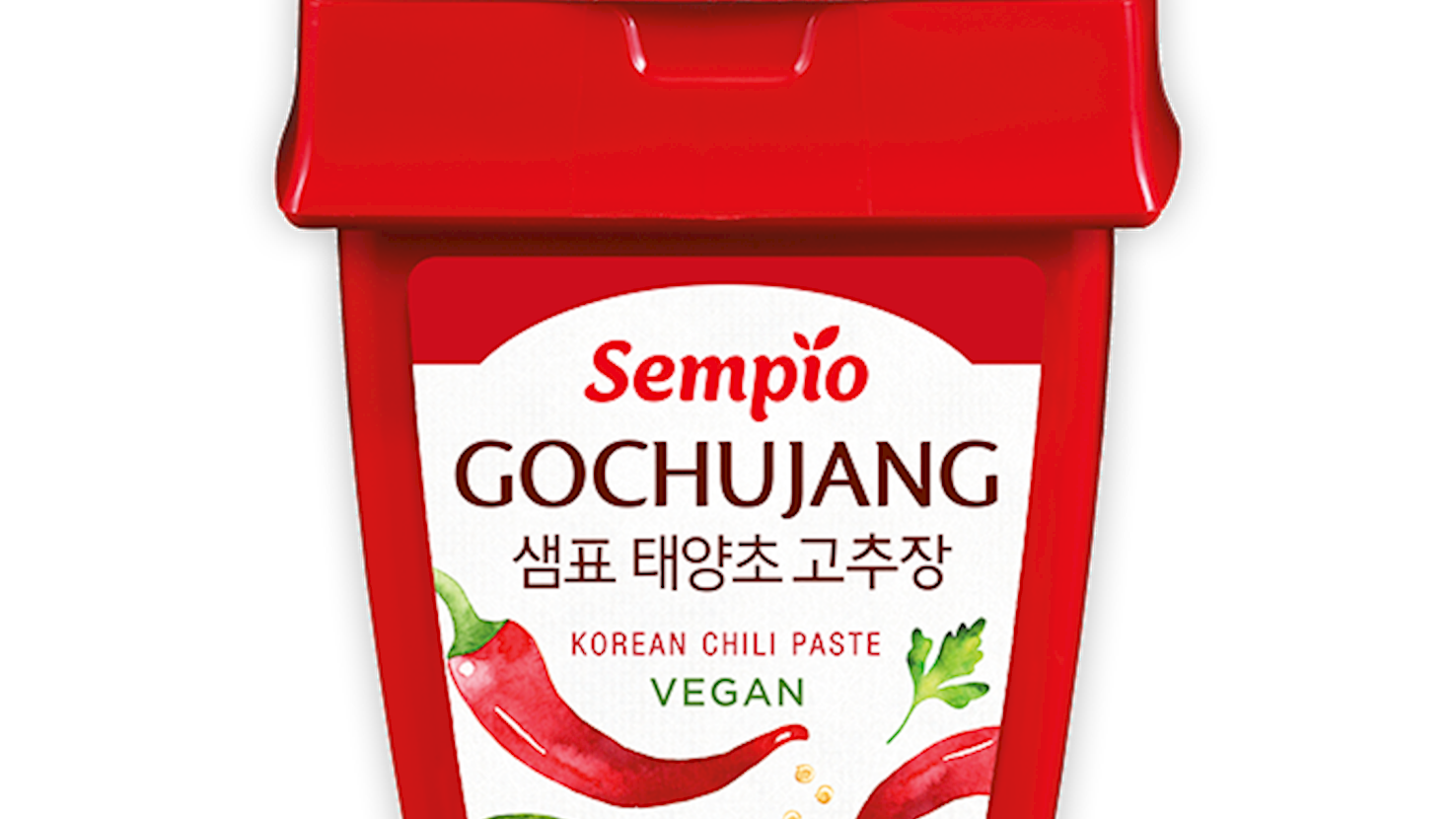
Sempio Foods Company

4.8 ·
Sempio Foods Company was established in 1946 and specializes in the production of fermented foods and condiments, including hot sauce. It is a leading producer in its category within its market. The company emphasizes the use of traditional fermentation methods and high-quality ingredients in its product lineup.
Awards
Great Taste Awards - 3 Stars (2021)
Great Taste Awards - 2 Stars (2022)
03

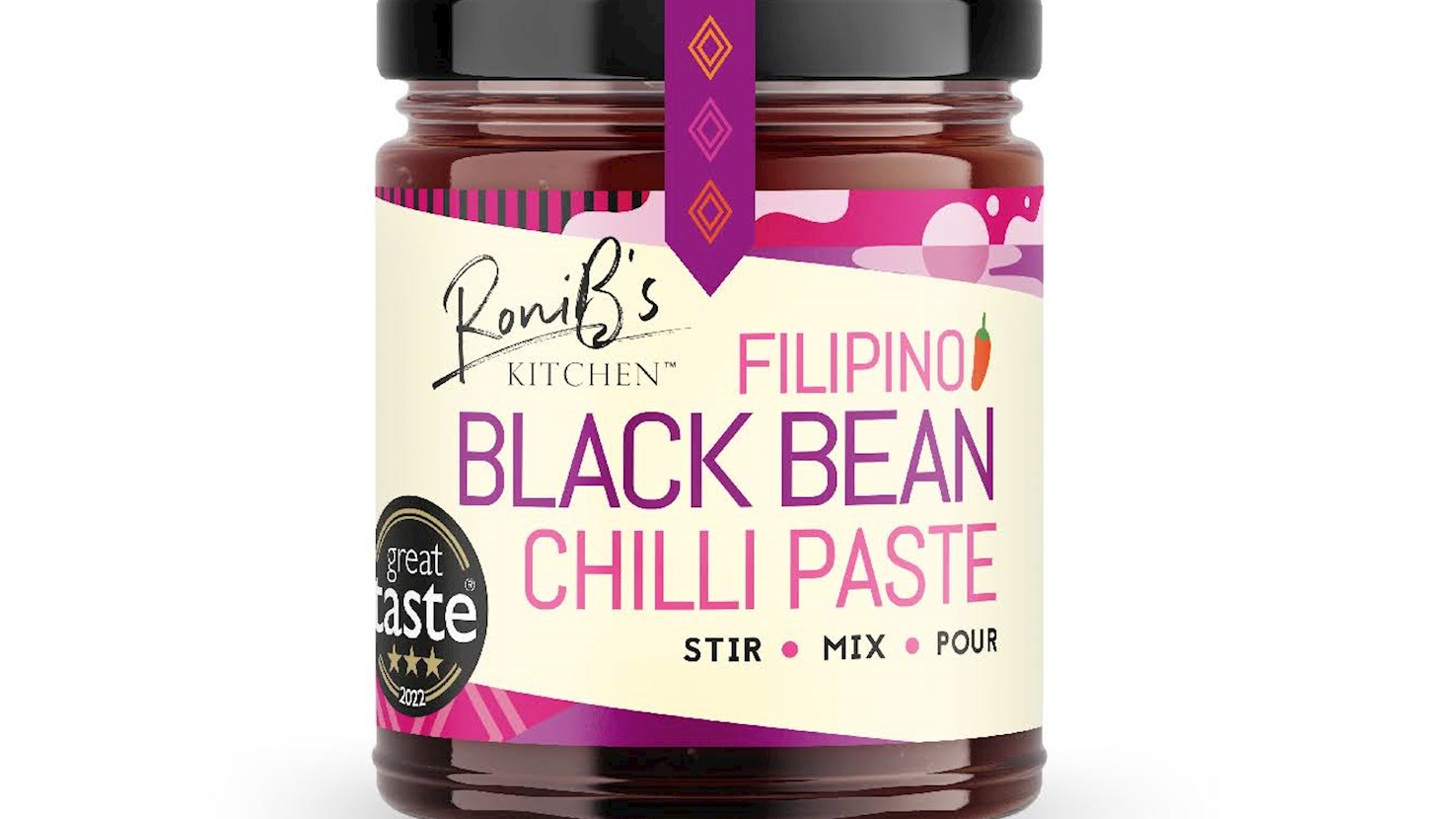
Ronib's Kitchen

4.8 ·
RoniB's Kitchen specializes in producing chili paste and other Filipino-inspired sauces. The company is focused on creating products that highlight traditional Filipino flavors. RoniB's Kitchen uses natural ingredients and avoids artificial preservatives. The company promotes sustainability and supports local farmers by sourcing their ingredients locally.
Awards
Great Taste Awards - 3 Stars (2022)
04

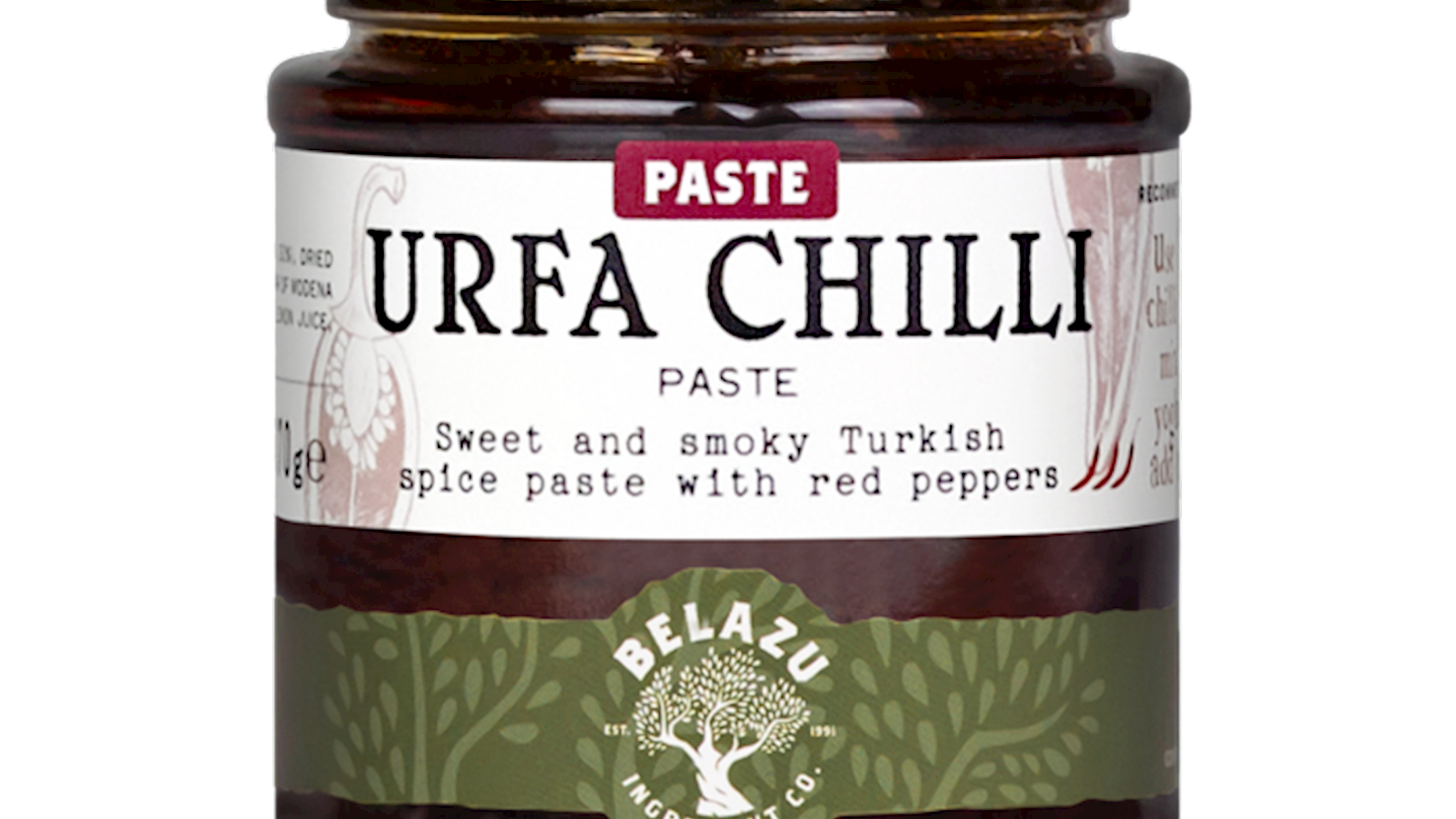
Belazu Ingredient Company

4.5 ·
Belazu Ingredient Company, based in England, is a producer that specializes in Mediterranean-inspired gourmet ingredients, including a variety of cheeses. The company sources its products from small-scale producers and artisans to maintain quality and authenticity. Their product line extends beyond cheese, featuring items like vinegars, oils, and olives.
Awards
Great Taste Awards - 3 Stars (2023)
Great Taste Awards - 2 Stars (2023, 2021)
05

Eaten Alive

4.5 ·
Eaten Alive is a London-based producer specializing in spice blends and seasonings. The company is known for its fermented hot sauces and kimchi, utilizing natural fermentation processes to create complex and unique flavors. Eaten Alive emphasizes the use of high-quality, natural ingredients in its products. The company was founded by chefs who bring their culinary expertise to the creation of their spice blends and seasonings.
Awards
Great Taste Awards - 3 Stars (2022)
Great Taste Awards - 2 Stars (2022)
06

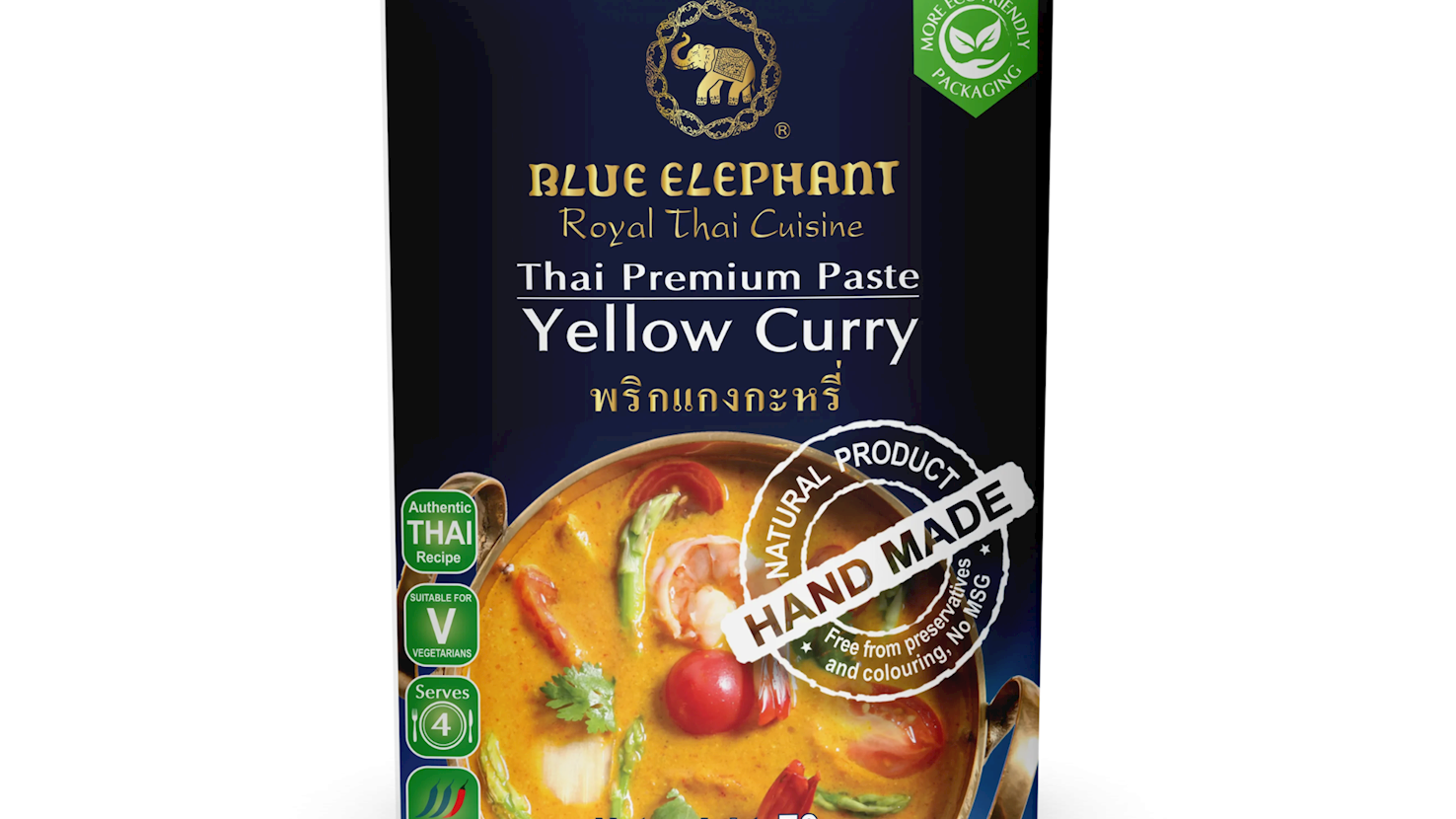
Blue Elephant

4.5 ·

Blue Elephant is a globally recognized Thai culinary brand founded by Master Chef Nooror Somany Steppe and Karl Steppe. Established with the opening of its first restaurant in Brussels in 1980, the company has grown into an international ambassador of Thai heritage cuisine through its restaurants, cooking schools, and premium food products. Blue Elephant is dedicated to preserving and promoting traditional Thai recipes, regional culinary traditions, and authentic ingredients while adapting them for a global audience. Its product portfolio includes curry pastes, sauces, seasonings, rice, noodles, teas, and gourmet gift sets developed from Chef Nooror’s recipes and produced in Thailand. Through a combination of culinary education, food manufacturing, and hospitality, Blue Elephant has become one of the most influential brands representing Thai gastronomy worldwide, with its products available in more than 45 countries.

07

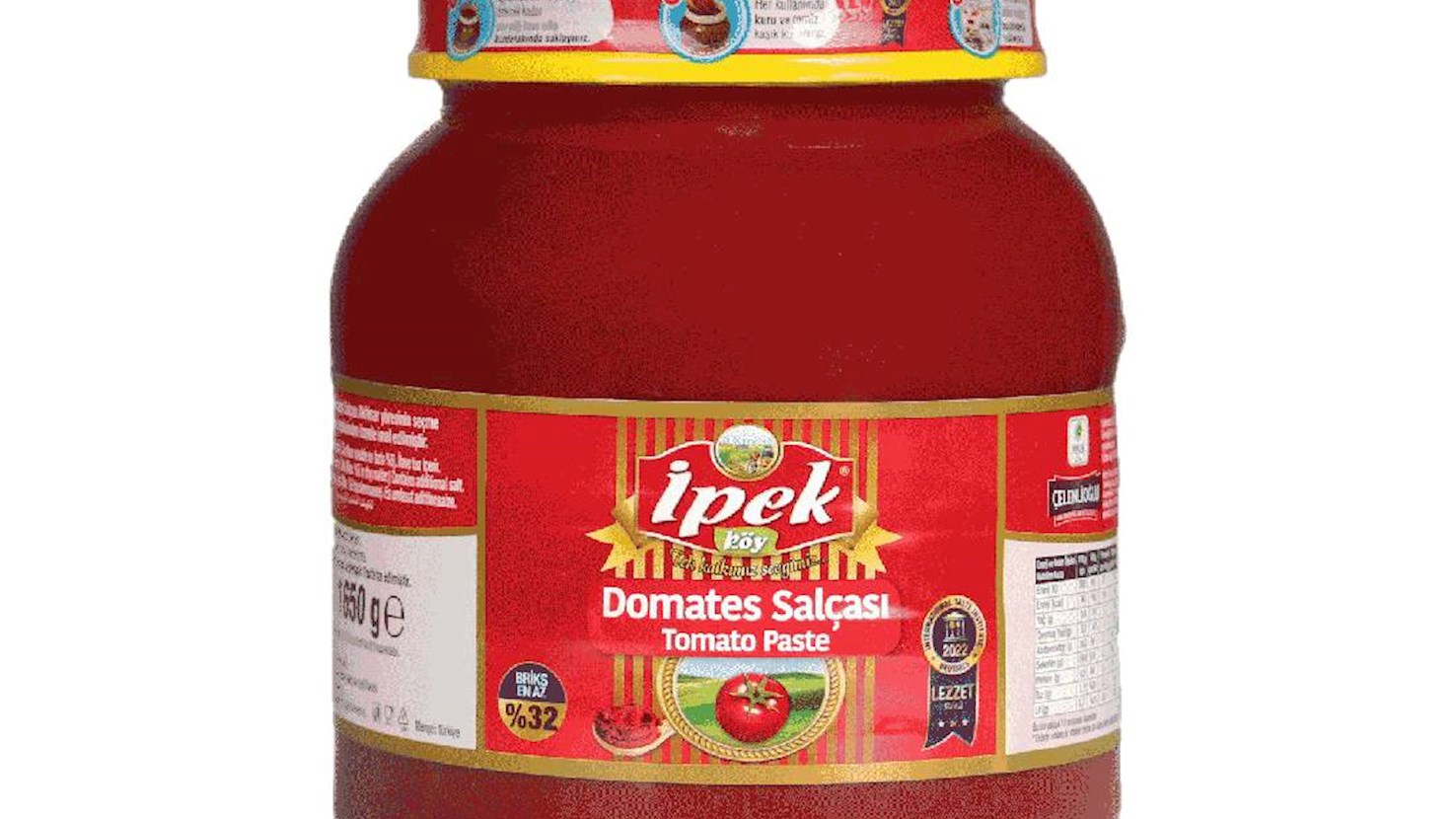
İpek Salça

4.5 ·
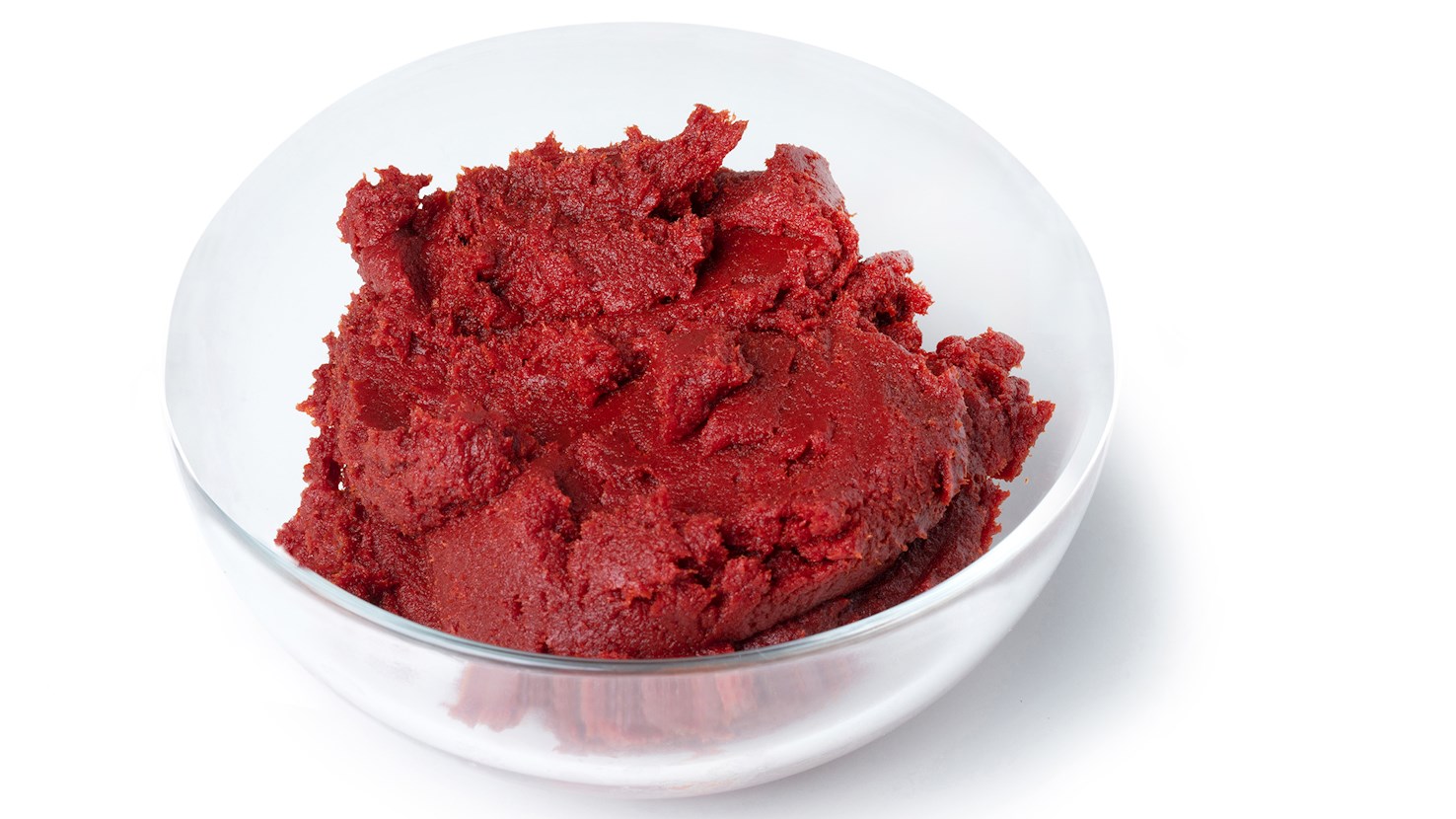
İpek Salça is a Turkish food manufacturer specializing in the production of high-quality tomato paste and related products. The company operates under Çelenlioğlu Gıda and is based in Akhisar, Manisa, Turkey. In addition to the İpek brand, the company also offers products under the Sedef and Sultan brands, providing a variety of tomato paste options and related products to cater to different tastes and consumer needs.
Awards
Crystal Taste Award - 3 stars (2023)
08

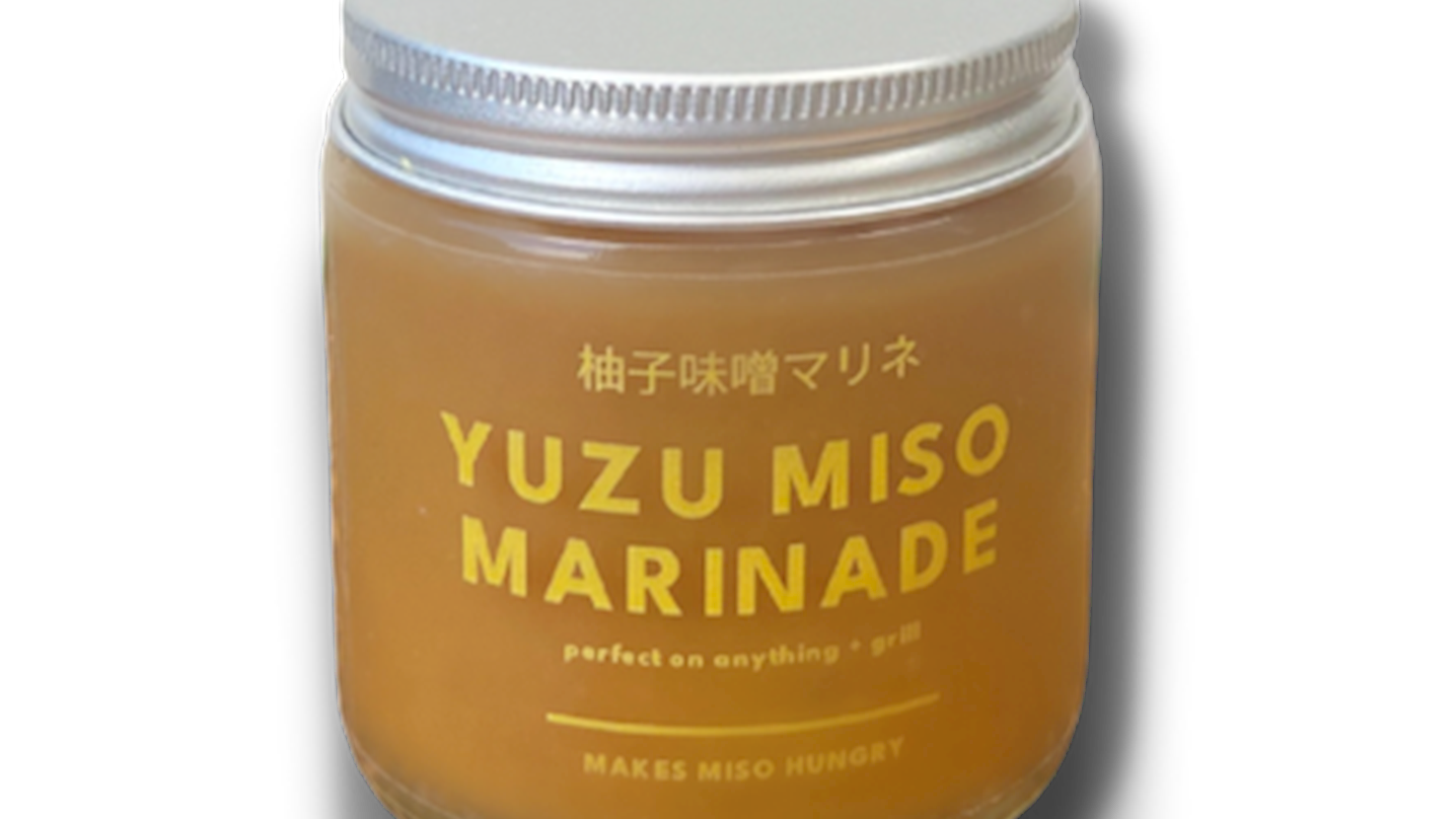
Makes Miso Hungry

4.5 ·
Awards
Great Taste Awards - 2 Stars (2023)
09

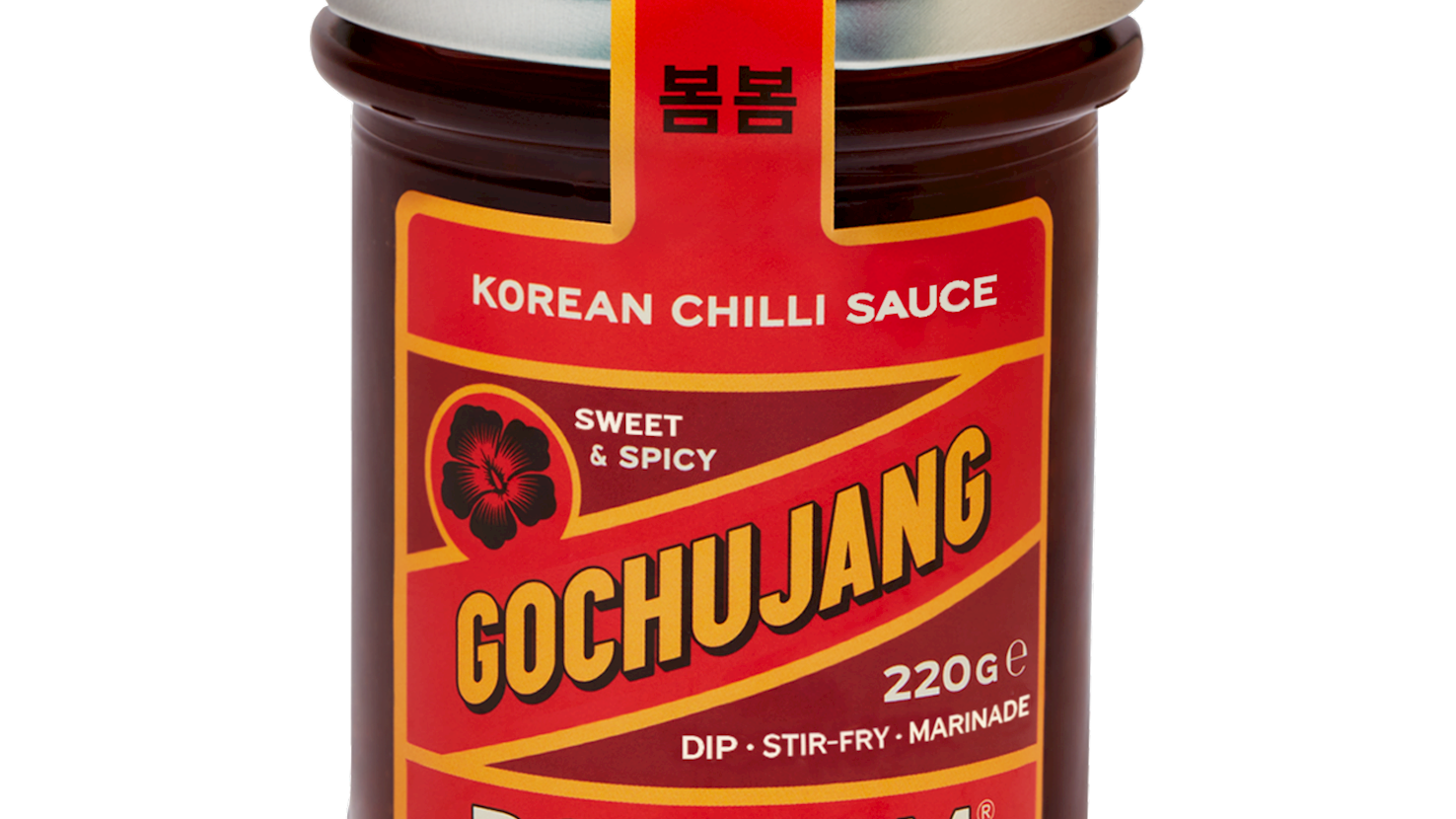
Bombom London

4.5 ·
Bombom London is a hot sauce producer based in London. They focus on creating a variety of hot sauces using fresh and high-quality ingredients. The company is known for its unique and flavorful blends, which often incorporate influences from different global cuisines. Bombom London's sauces do not contain artificial preservatives or additives.
Awards
Great Taste Awards - 2 Stars (2023, 2022)
10

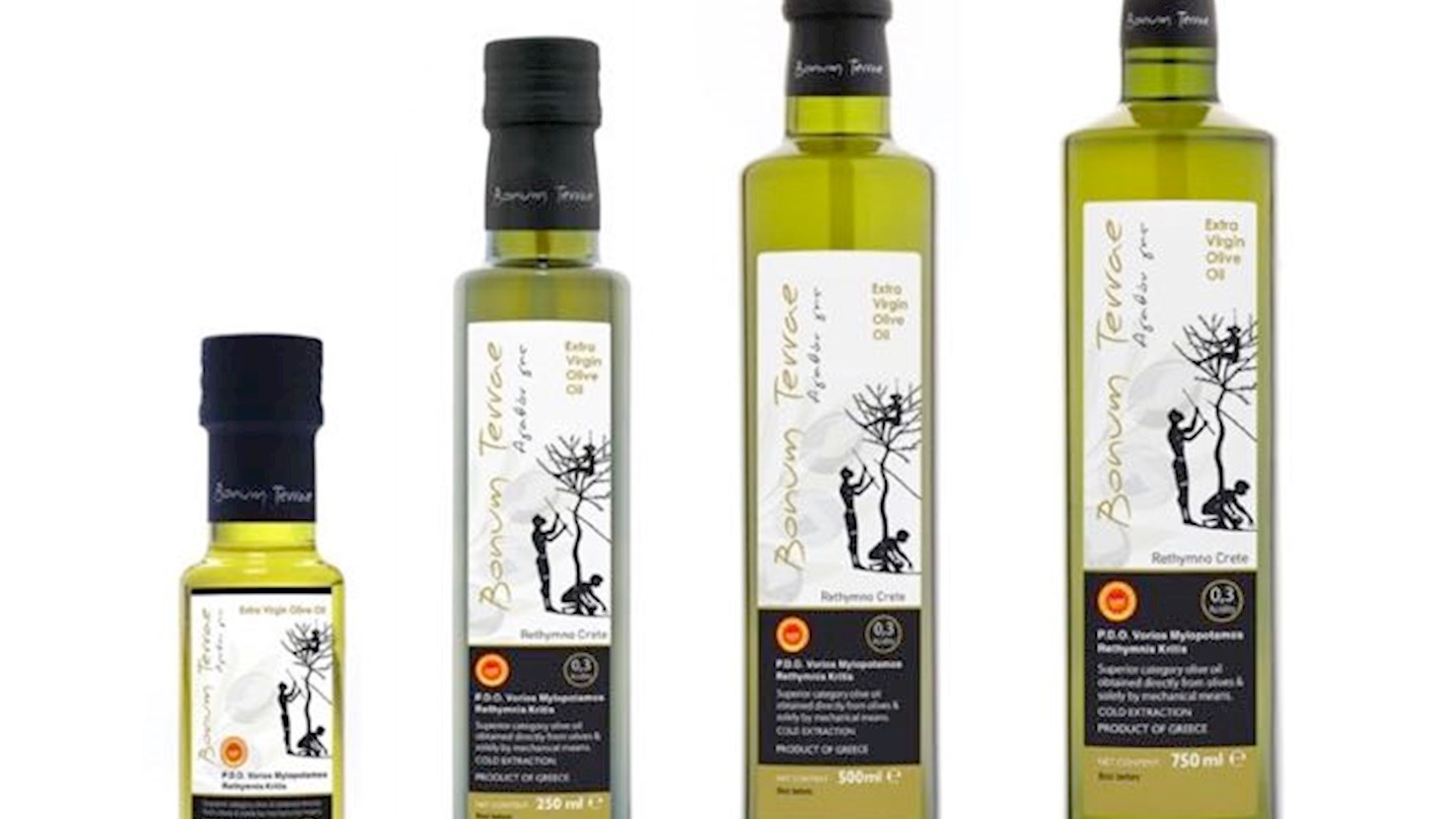
Bonum Terrae

4.5 ·
Bonum Terrae S.A. is a producer based in Athens, Greece. The company specializes in the production of food products with a focus on authentic Greek tastes. The product lineup includes olives, olive oils, and various traditional Greek pastes. Bonum Terrae values high-quality ingredients and traditional production methods. Their products are available in both domestic and international markets.
Awards
Great Taste Awards - 2 Stars (2023)

Best Paste Types in the World
01

Dou ban jiang (Chili bean paste)

4.3 ·

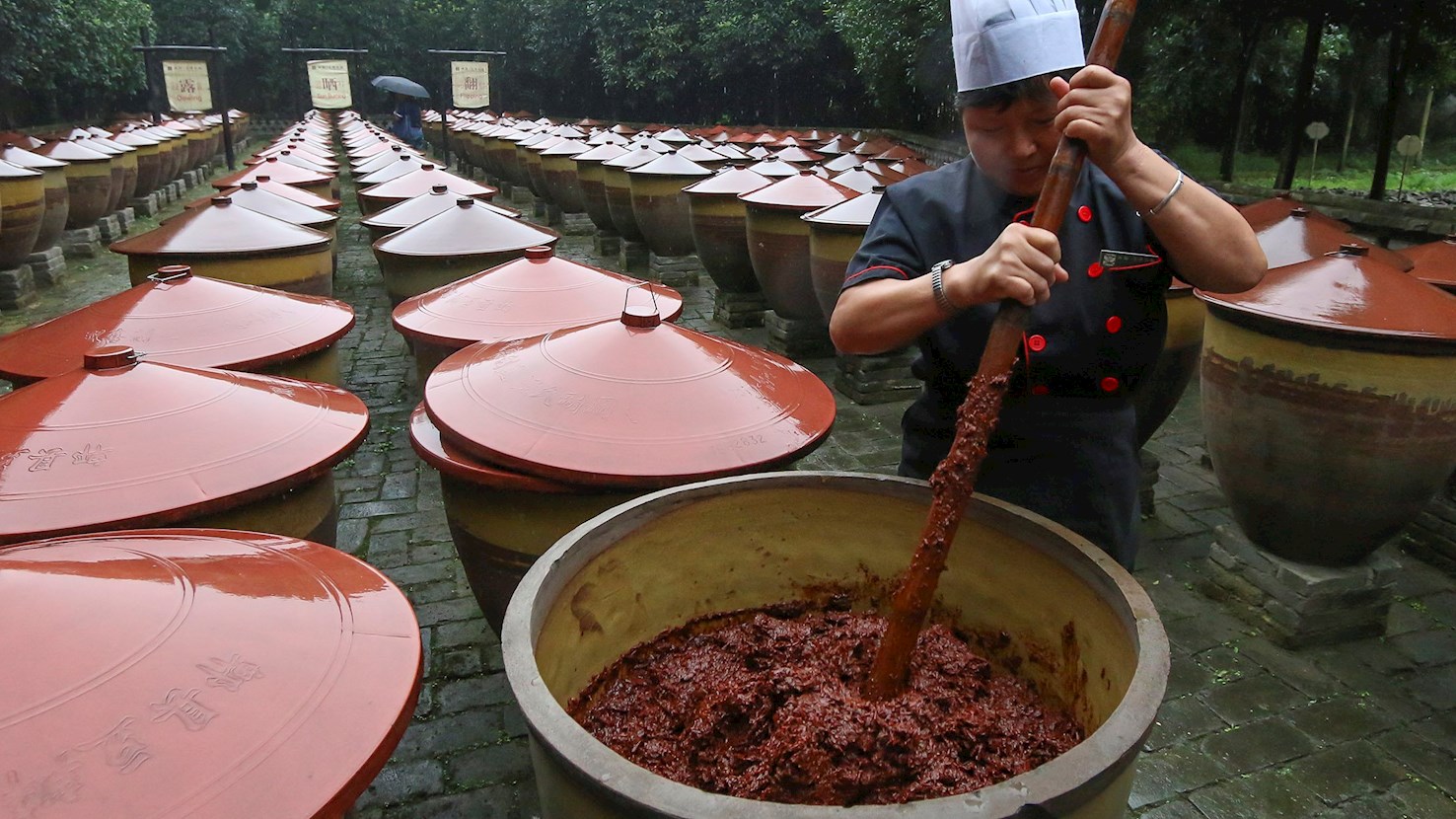
Traditionally, Sichuan's doubanjiang is a paste made from fermented broad beans, salt, chilis, and sometimes wheat flour. The ingredients are mixed and then placed in large clay pots to mature for at least a year while being daily hand-stirred. Depending on the maturation time, spanning from one to eight years, the paste will differ in color, texture, and flavor, ranging from bright red to a dark reddish-brown color. Mature doubanjiang will also have a much spicier and saltier flavor. The sauce which is often dubbed the soul of Sichuan cuisine is an important element in various dishes, most notably mapo doufu and twice-cooked pork. Asian cuisine has various fermented bean pastes made from soy beans, all of which are commonly titled as doubanjiang but only the bean paste prepared in Sichuan province is the authentic version. This bean paste has two subvarieties; one made with red oil, which is brighter and milder, and the other one produced in the town of Pixian, which is darker and with a more pungent taste.

02

Gochujang

4.2 ·

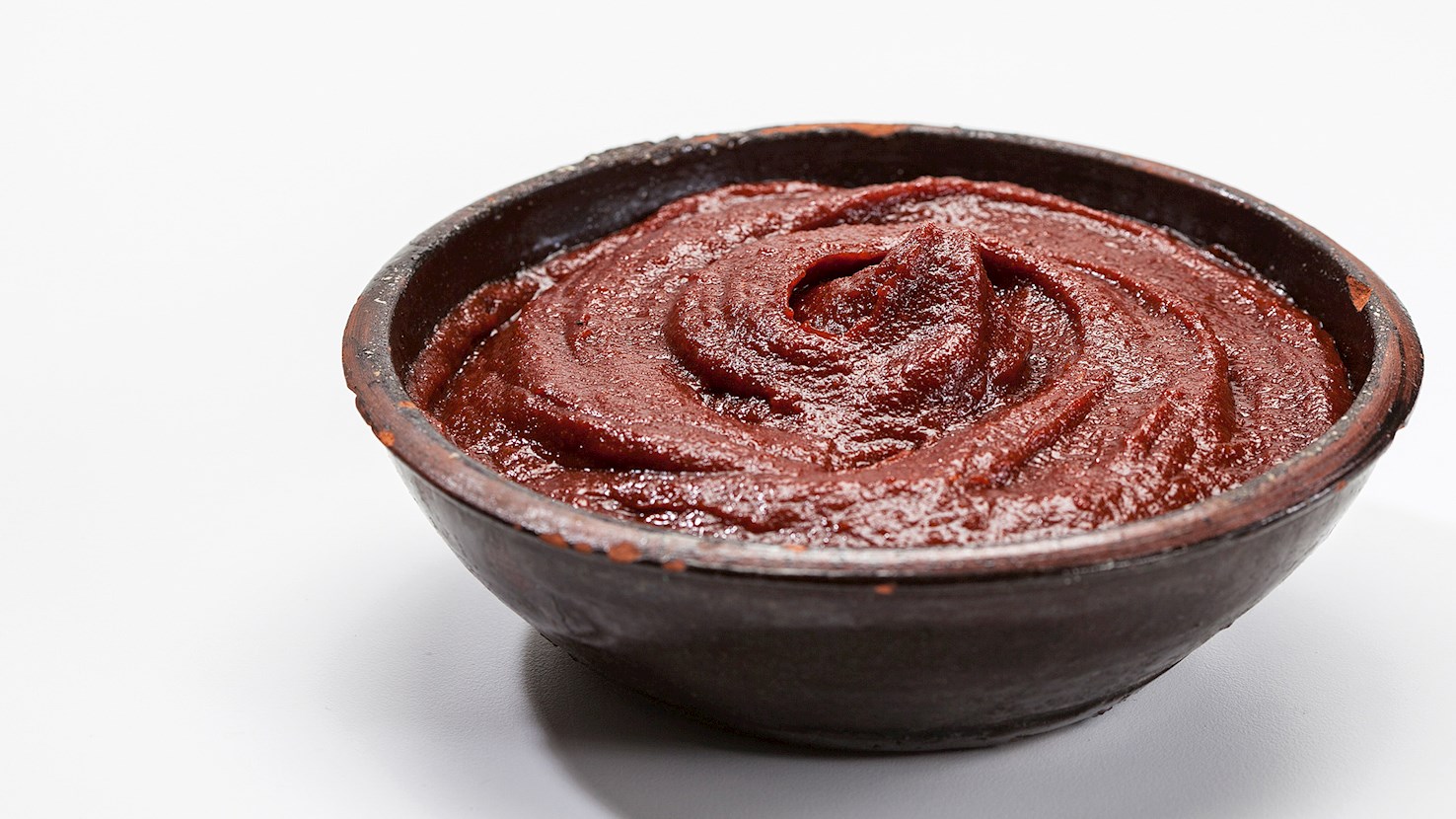
One of the essential ingredients in South Korean cuisine is a spicy, thick, and concentrated gochujang paste. In its basic form, it is made with a combination of gochugaru (fine chili powder made from a specific type of gochu chili pepper), meju (fermented soybean powder), salt, and glutinous rice. The combination of these fine powders is then left to ferment for several months, or even longer. Because of its popularity, many regional varieties appear throughout the country. Gochujang was first mentioned in writing in 1614, but it is believed that it existed prior to that. The paste is used either as a condiment or a cooking ingredient in soups, stews, sauces, and marinades. The most popular dishes made with it include kimchi, budae-jjigae, bibimbap, tteokbokki, and many other. Traditionally, like other jang dishes, this spicy chili paste is fermented in onggi vessels—a type of earthenware that lets air inside and it that way allows fermentation.

03

Red Bean Paste

3.8 ·

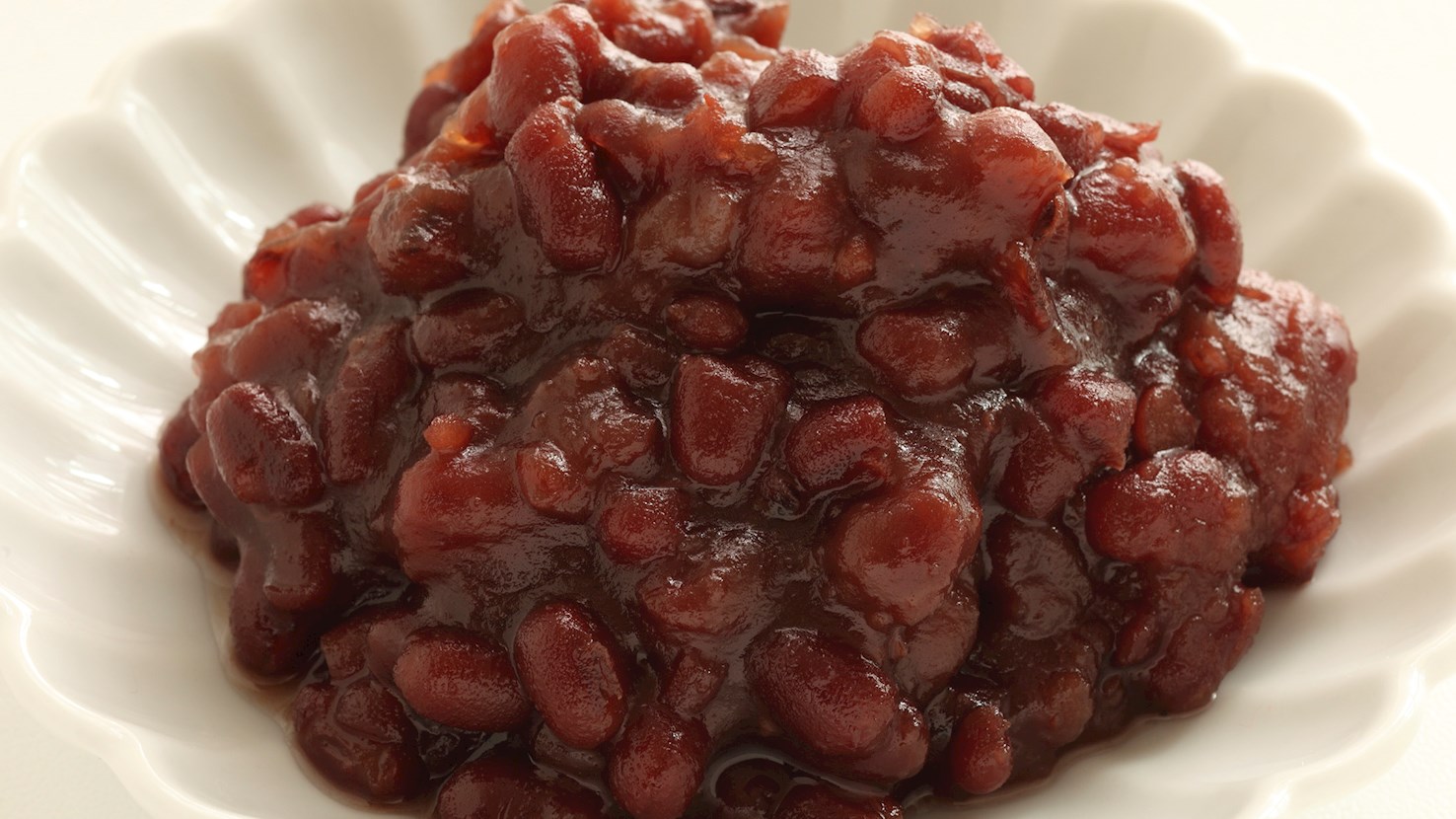
Red bean paste is a sweet paste made by boiling and mashing adzuki (also spelled as azuki) beans. The paste is then sweetened with honey or sugar. It is used as a filling for bread, steamed bread, cakes, and dumplings. The adzuki bean originates from China, but it has been introduced to Japan by the Chinese, and is now the sixth largest crop in Japan. There are two most popular varieties of red bean paste in Japan today: koshian (smooth) and tsubuan (with whole beans). Although red bean paste is most closely associated with Japan, it is also used in Chinese and Korean cuisine, in the preparation of dishes such as mooncakes, baozi, red bean soup, and baram tteok.

04

Zhī ma jiàng (Chinese sesame paste)

3.6 ·

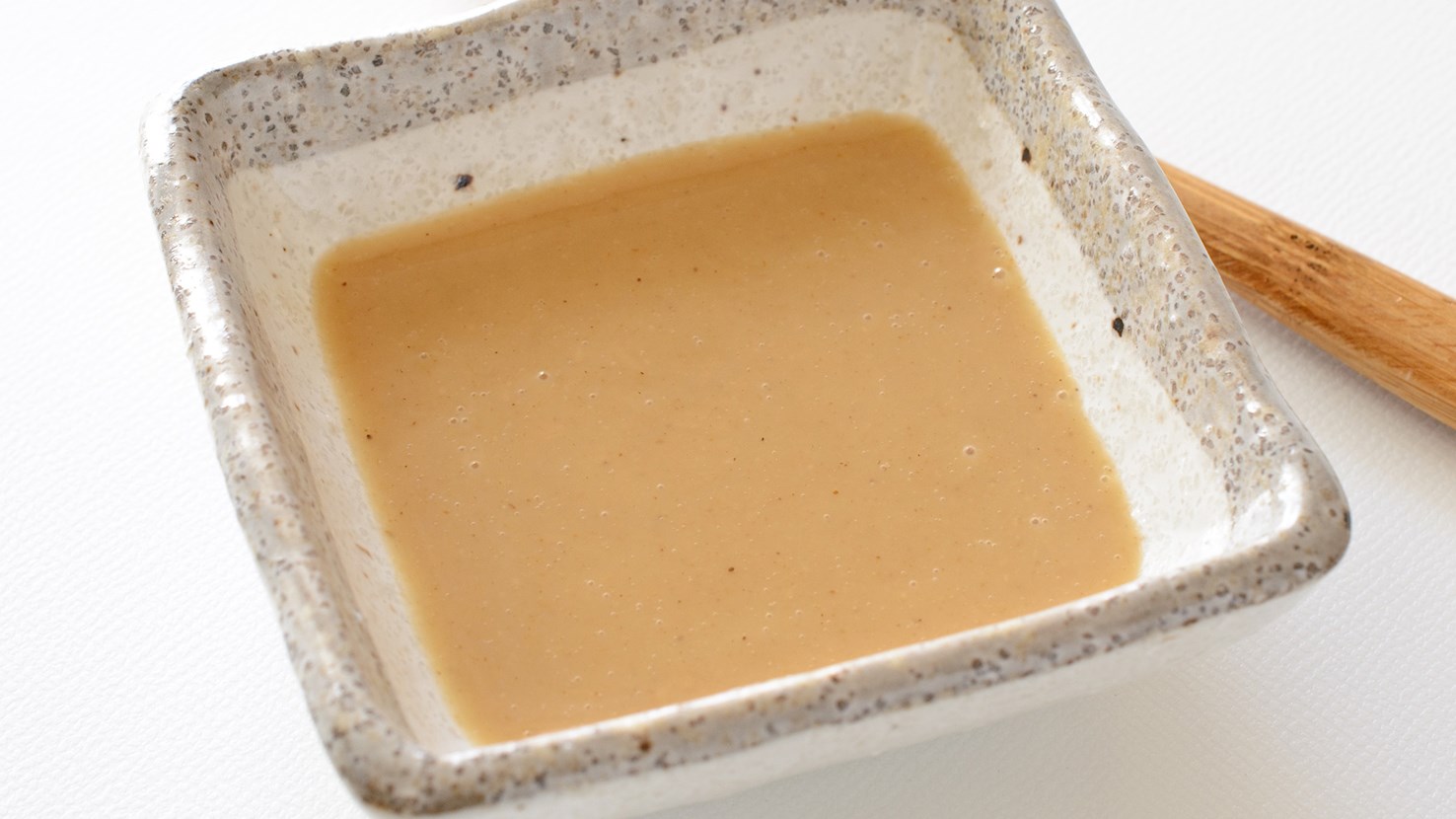
Zhī ma jiàng is the Chinese term for sesame paste, which is an ingredient that plays a central role in many Chinese dishes. This sesame paste is particularly popular in both Northern and Sichuan cuisines. It is typically made from toasted, unhulled sesame seeds, giving it a darker color and a more robust, nuttier flavor compared to tahini (a Middle Eastern sesame paste made from hulled sesame seeds). In Chinese cuisine, zhī ma jiàng is used in various dishes. It is mixed with noodles, used as a dip for hot pot dishes, or incorporated into sauces and dressings to add richness and depth.

05

Bumbu Bali

3.7 ·

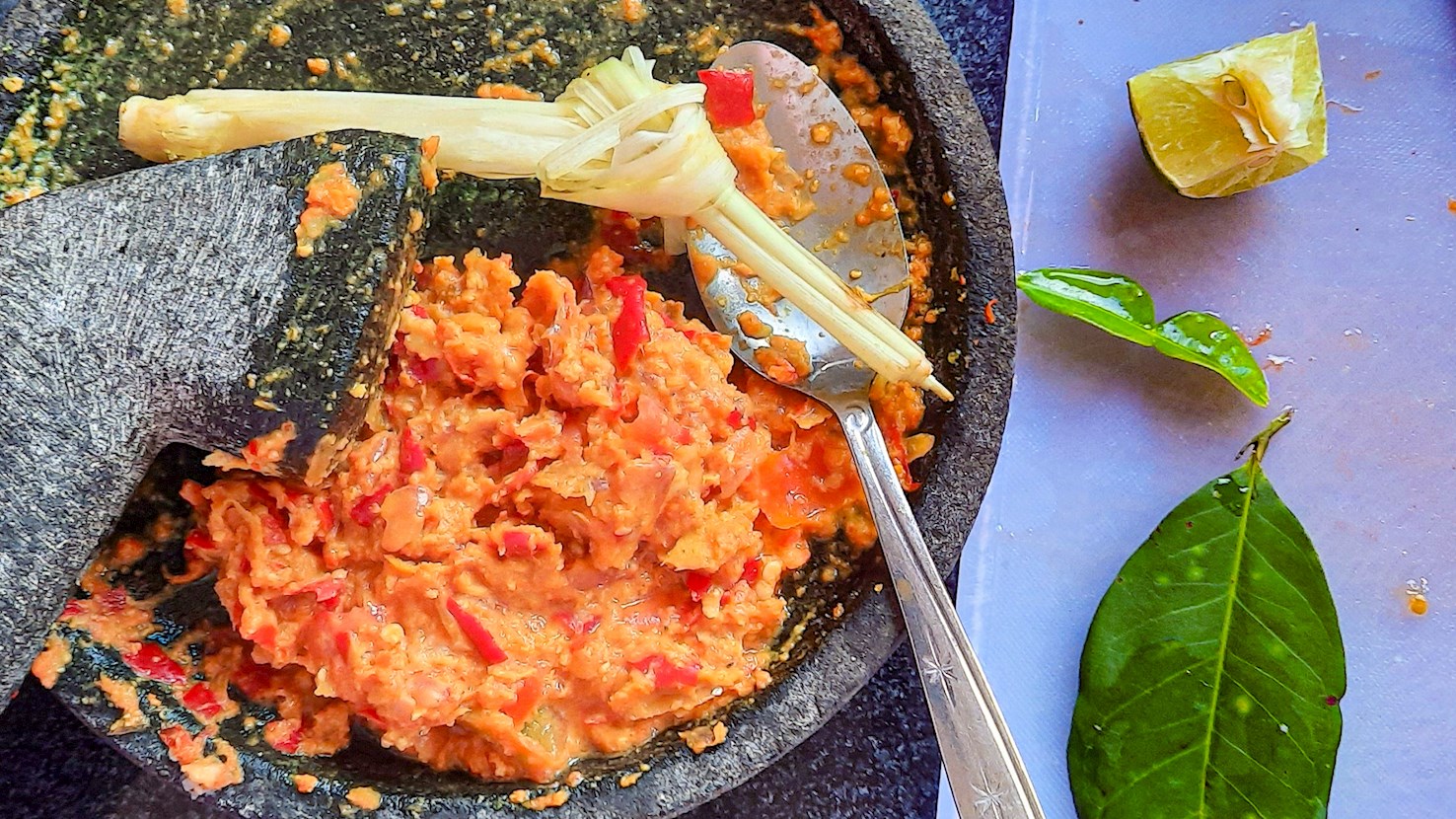
Bumbu Bali is a richly spiced seasoning paste and the foundation of many traditional dishes from the island of Bali, Indonesia. Known for its bold, aromatic profile and deep complexity, bumbu Bali is not a single dish but rather a crucial culinary element that defines the unique character of Balinese cuisine. It serves as the backbone for a wide range of preparations, like grilled meats, stews, vegetables, and even rice dishes, each infused with the unmistakable warmth and intensity that this spice blend delivers. The name "bumbu" simply means "spice mixture" in Indonesian, and in Bali, bumbu Bali is considered the mother of all spice bases. It typically includes a combination of shallots, garlic, ginger, galangal, turmeric, lemongrass, candlenuts, chili peppers, shrimp paste (terasi), and coriander seeds, all ground into a fine paste and sautéed in coconut oil until fragrant. The result is a deeply flavorful, vibrant yellow-orange paste that forms the heart of many Balinese dishes, balancing heat, sweetness, and aromatic depth in a way that is distinctive to the island's Hindu-Malay culinary heritage. What sets bumbu Bali apart from other regional spice pastes in Indonesia is its generous use of fresh roots and spices, combined with the ceremonial importance it holds. In Balinese culture, food is often prepared as an offering for the gods before it is shared with the family, and the process of making Bumbu Bali is treated with a sense of reverence and precision. It is traditionally ground by hand using a stone mortar and pestle, a method believed to release the natural oils and intensify the flavors more than mechanical blending. Bumbu Bali is central to iconic Balinese dishes such as ayam betutu (slow-cooked spiced chicken), sate lilit (minced meat satay), and babi guling (Balinese-style roast pig).

06

Lin jung (Lotus seed paste)

3.5 ·

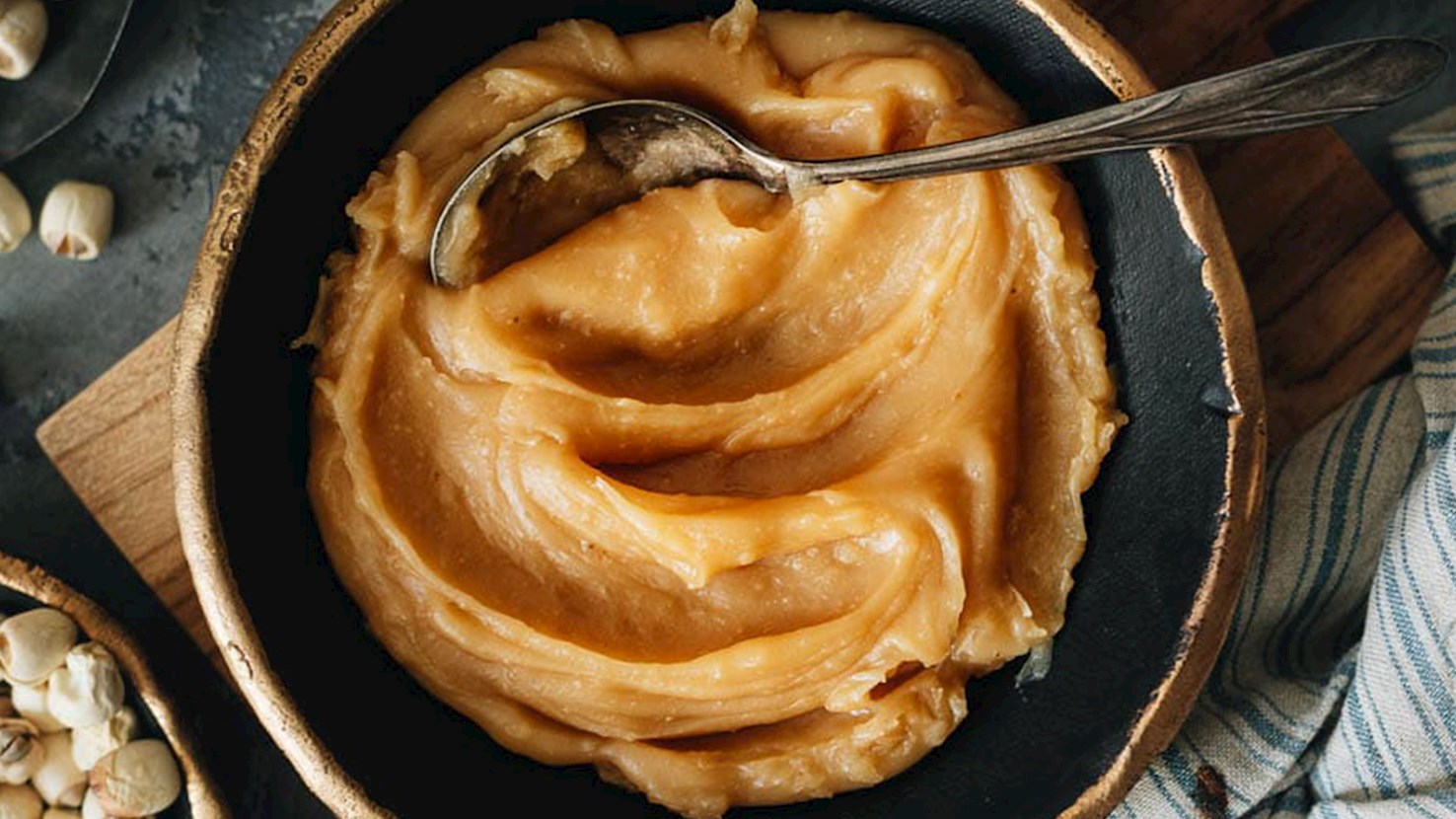
Lotus seed paste is a sweet, smooth filling commonly used in Chinese pastries and desserts. It's made from dried lotus seeds, which are the seeds of the lotus plant. The dried lotus seeds are soaked in water to rehydrate them. After soaking, they are cooked until soft. The cooked seeds are peeled to remove the bitter-tasting green germ (or heart) inside. This step is crucial as the germ can impart an undesirable bitter flavor to the paste. The peeled seeds are then mashed or ground into a fine, smooth paste. This can be done manually or with the help of machines in commercial production. The paste is then cooked with sugar and oil (often lard, but vegetable oils can also be used for a vegetarian or vegan version). The cooking process continues until the paste thickens and takes on a smooth, spreadable consistency. Lotus seed paste is known for its delicate, slightly sweet flavor and smooth texture. It's a key ingredient in many traditional Chinese pastries, such as mooncakes (eaten during the Mid-Autumn Festival), lotus seed buns, and in various other filled desserts and sweet soups.

07

Adrak-lehsun ka paste (Ginger-garlic paste)

3.0 ·

Adrak-lehsun ka paste is a blend of ginger (adrak) and garlic (lehsun), commonly used as a base ingredient in Indian cooking. It is made by grinding fresh ginger and garlic together, often in equal proportions, to form a smooth, aromatic paste. This paste is a staple in Indian cuisine, providing a flavorful and aromatic foundation for a wide variety of dishes. Fresh ginger and garlic are the primary ingredients, sometimes with a little water, oil, or salt added to aid in blending and preservation. The paste adds a deep, savory, and spicy aroma to recipes, enhancing the flavor of curries, gravies, stir-fries, and marinades. Many home cooks prepare this paste in bulk and store it in the refrigerator or freezer for convenience. The paste is widely used in curries, marinades, gravies, and rice dishes like biryanis and pulaos for added aroma and flavor.

08

Terasi

n/a ·

Terasi is a traditional Indonesian shrimp paste made from fermented ground shrimp mixed with salt and then sun-dried into solid, dark brown or reddish-brown blocks. It has a strong, pungent aroma and a deep umami flavor, which intensifies when roasted or fried before use. Terasi is an essential ingredient in Indonesian cuisine, commonly found in dishes like sambal terasi, sayur asem, nasi goreng, and peanut sauces for gado-gado or pecel. Different regions in Indonesia produce their own variations, such as Terasi Bangka, known for its strong fermentation, and Terasi Lombok, which has a spicier profile. It is usually toasted or fried before being incorporated into recipes to enhance its fragrance and complexity. If unavailable, Thai shrimp paste (kapi) or Vietnamese shrimp paste (mắm tôm) can be used as substitutes, though the texture and taste may differ slightly.

09

Strattu

n/a ·

Strattu is a traditional tomato paste originating from Sicily. The tomato paste is made from large batches of tomatoes that are boiled and their pulp is extracted. The pulp is stirred with a wooden stick, seasoned with salt, then spread into shallow trays that are set out in the sun to dry. Over a few days of drying and stirring, the pulp will become leathery in texture and a tomato paste will be created in the process. Oil is added to the tomato paste and it's then spooned into jars and sealed. Strattu is added in small amount to sauces or it can be spread over roasted meat.

10

Paprykarz szczeciński (Szczecin paprikash)

n/a ·

Paprykarz szczeciński is a Polish canned fish paste originating from the port city of Szczecin, a spread that became a recognizable element of everyday cuisine across the country. It is typically made from minced fish, rice, tomato paste, vegetable oil, onions, and a seasoning blend with a distinct peppery flavor, giving it both its name and its recognizable taste. The origins of this paste reach back to the 1960s, when Polish fishing vessels operated off the coast of West Africa. Crews came into contact with local spicy rice-and-fish dishes and adapted the idea for their own use at sea. The mixture proved both nutritious and easy to prepare in bulk, and its preservation through canning made it a practical food source. Once the recipe returned with the fishermen, production was taken up in Szczecin and quickly spread throughout Poland, especially in the decades when canned goods offered convenience and long shelf life. Preparation involves cooking fish, usually cod or other white fish, until tender, then combining it with cooked rice, tomato paste, onions, oil, and spices including paprika and black pepper. The blend is finely minced into a uniform paste and then canned, which ensures durability and portability. It can be spread on bread directly from the can or gently heated before serving, though its cold version is most familiar to many. Today it is usually eaten spread over slices of bread, often with pickles or fresh vegetables on the side. It may also appear in packed lunches or as a quick snack, appreciated for its convenience. Pairings are modest, most commonly rye bread, butter, and cucumbers, but its flavor profile also works well alongside light beers or simple soups in a larger meal.

About this ranking

TasteAtlas food rankings are based on the ratings of the TasteAtlas audience, with a series of mechanisms that recognize real users and that ignore bot, nationalist or local patriotic ratings, and give additional value to the ratings of users that the system recognizes as knowledgeable. For the “Top 19 Pastes in the World” list until June 24, 2026, 497 ratings were recorded, of which 442 were recognized by the system as legitimate. TasteAtlas Rankings should not be seen as the final global conclusion about food. Their purpose is to promote excellent local foods, instill pride in traditional dishes, and arouse curiosity about dishes you haven’t tried.

The initial list of top producers was compiled based on available reviews, awards, local recommendations, media and blog coverage, and consumer reviews. The list will be updated with ratings from TasteAtlas local ambassadors and TasteAtlas users.

Similar lists