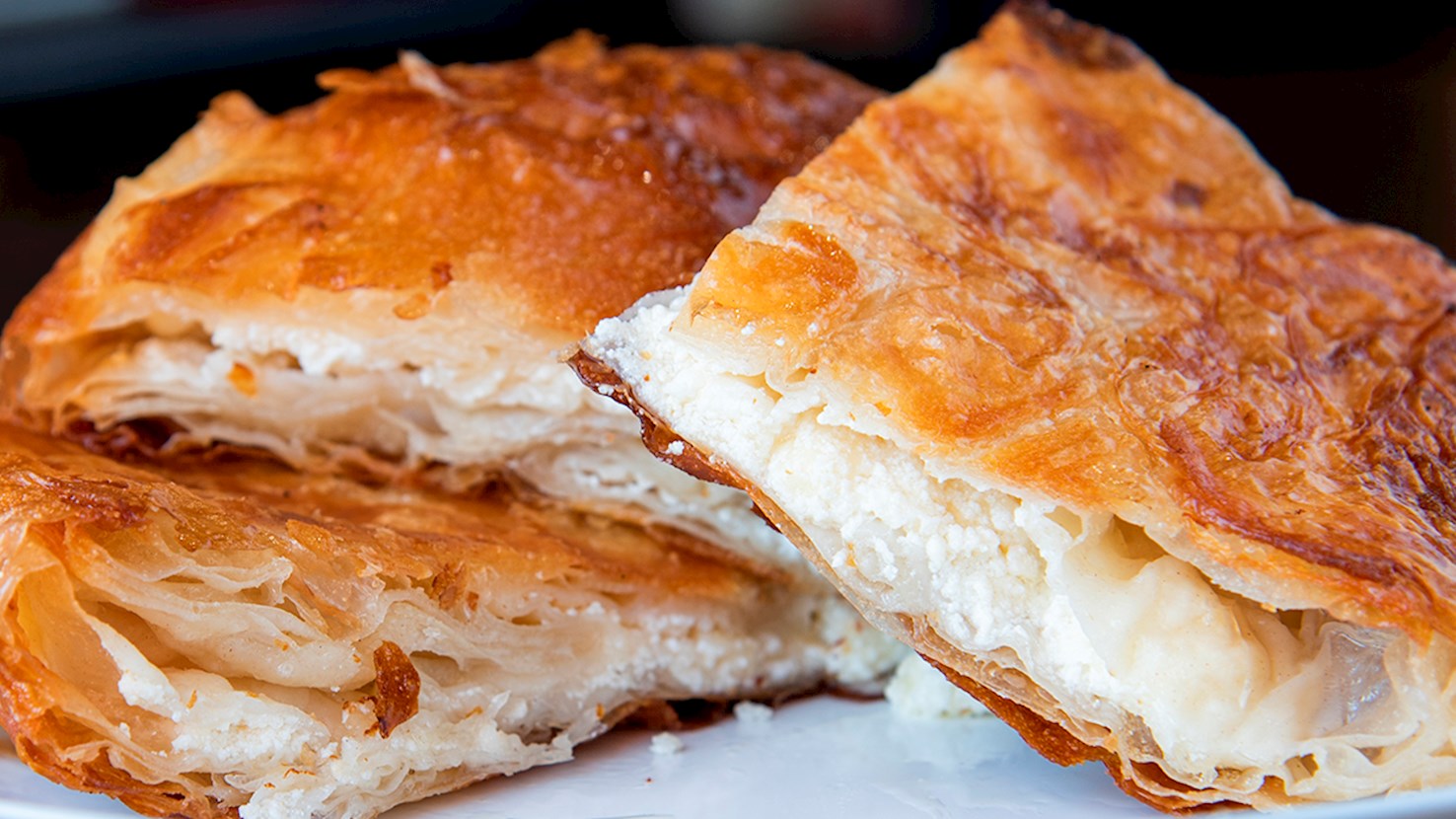
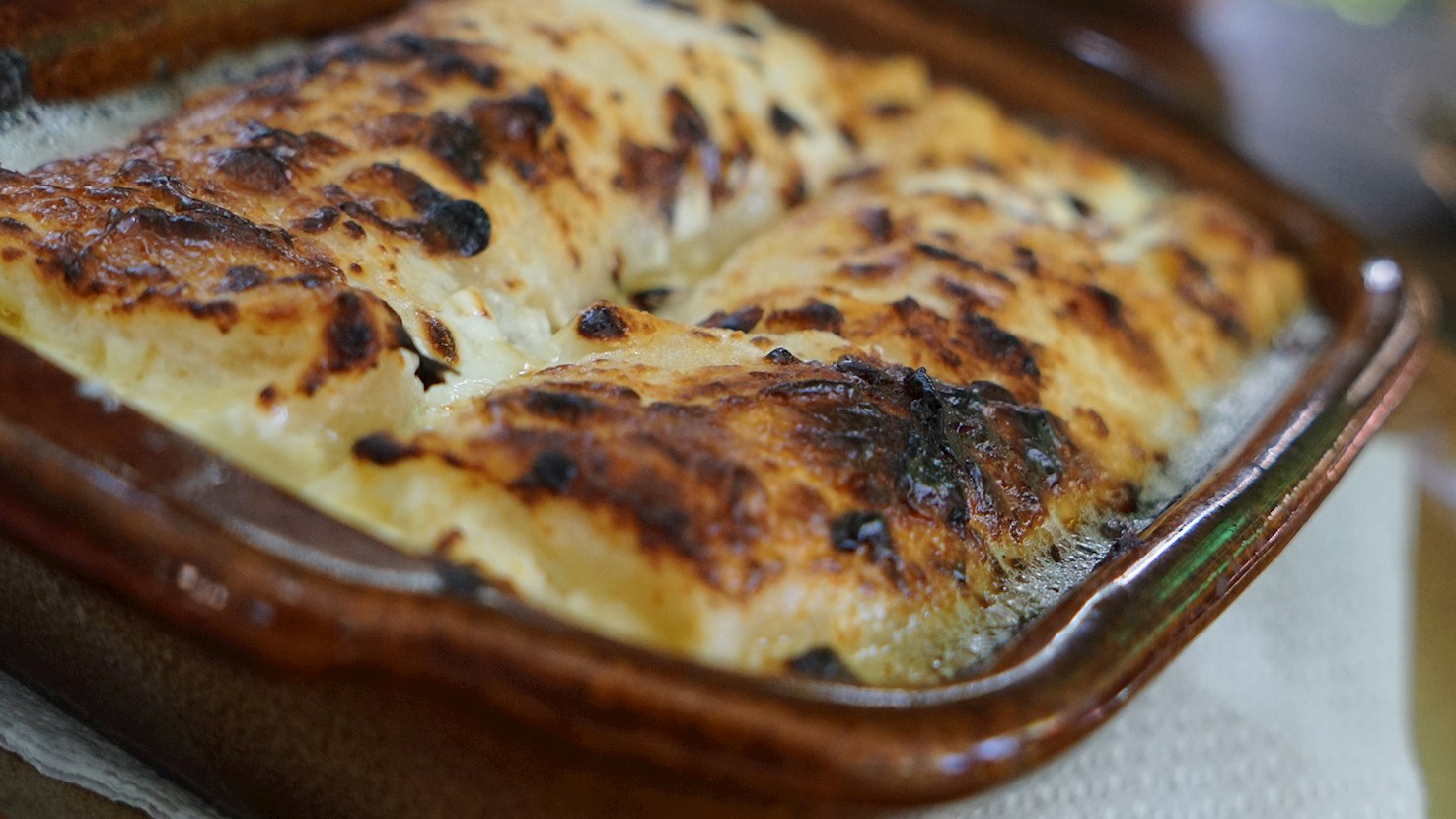
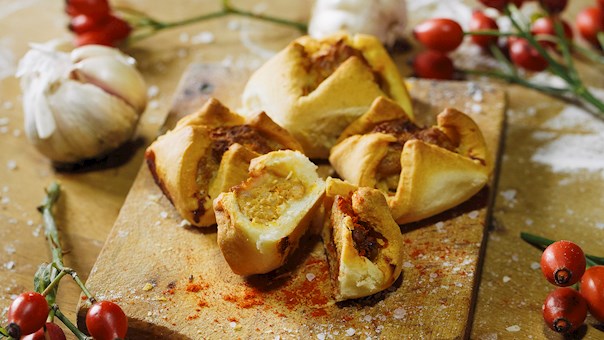
Burek sa sirom is a phyllo pastry that is round or coil-shaped and filled with a mixture of cheese and eggs. The dough is made with flour, salt, and water (and perhaps a bit of oil) and stretched into translucent sheets. The sheets of phyllo dough are stacked in a large tray, and each sheet is sprinkled with oil or oil and mineral water and spread with the cheese and egg filling. Still, you might have heard that burek can only be called burek if it's filled with meat. That is, if you live in Bosnia and Herzegovina, but not everyone does, nor is burek really Bosnian – in fact, it has Turkish origins. In Bosnia, burek (with meat) and other types of similar pies such as sirnica (cheese) and krumpiruša (potatoes) are usually rolled into a coil, while Croatians and Serbs have a more relaxed approach – burek can be round and cut into quarters, or rolled into a coil – both shapes are good, and both can be called burek sa sirom (when filled with cheese, of course). Initially, burek was brought over to Niš in the 15th century, and it was prepared as a round pie. After World War II, burek came to Croatia and Slovenia. The term burek sa sirom, denoting a round or coil-shaped pie filled with cheese has been so engrained into Croatian culture (for more than 50 years) that it can be considered a Croatian classic regardless of its name. The most important thing is that it's delicious, filling, and a great breakfast staple for many Serbs and Croatians, especially when paired with a refreshing cup of yogurt on the side.
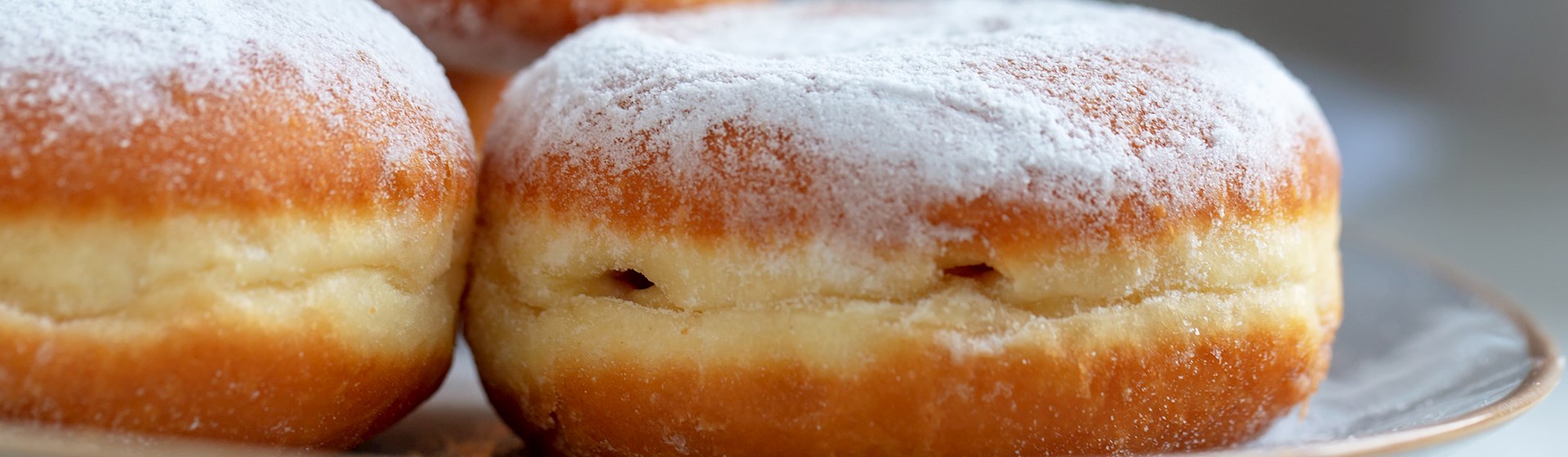
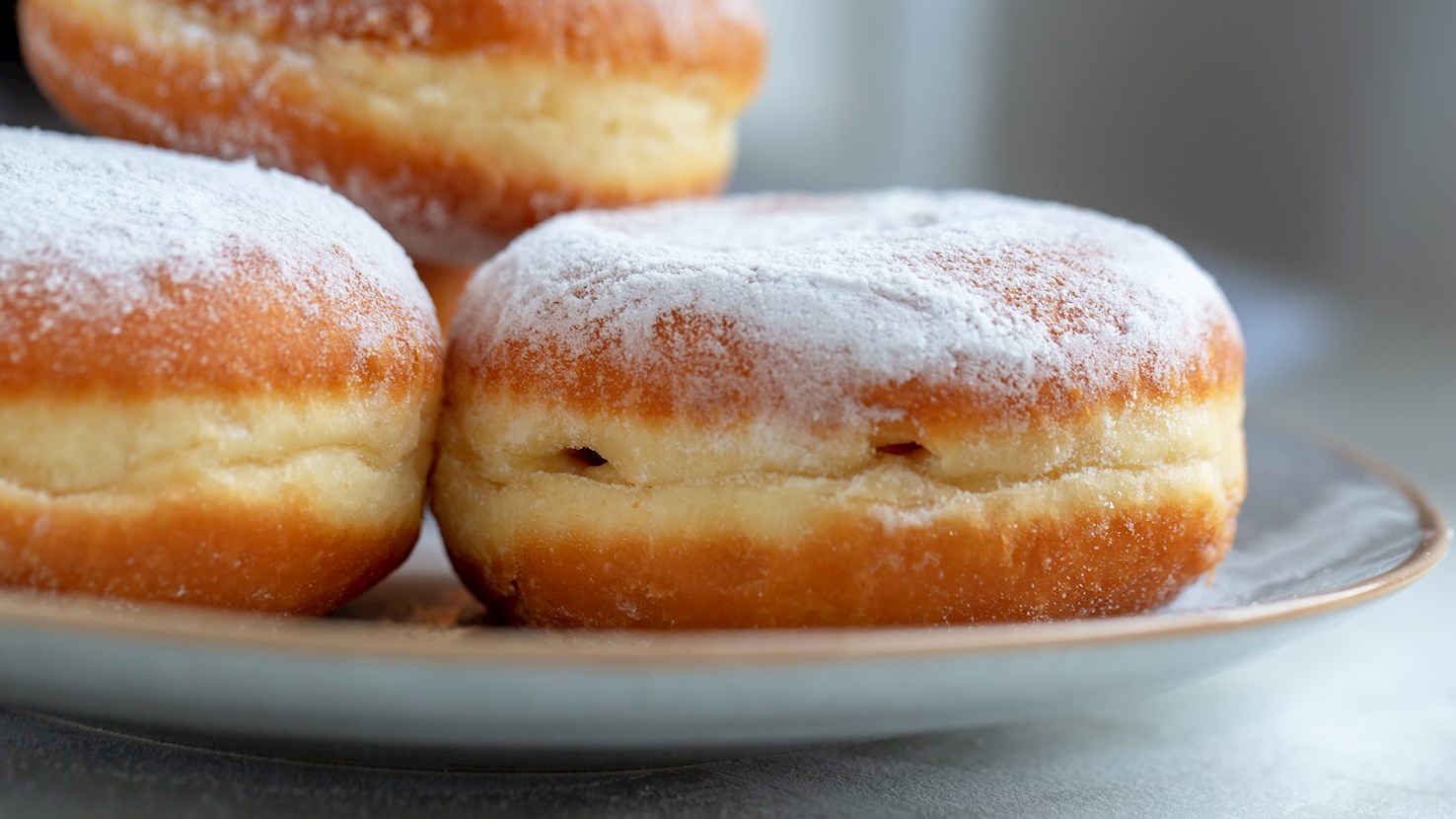
Krapfen was probably the first European-style doughnut to appear, followed by similar varieties in other countries. These pastries are traditionally prepared with leavened dough that is deep-fried until golden and crispy on the outside, while they remain soft, light, and airy on the inside. Though krapfen can be prepared plain, they are most often filled or topped with jams, and vanilla or chocolate custards, while the top is usually dusted with powdered sugar or drizzled with chocolate. The origin of the word krapfen dates back to 9th century, and the recipes in German can be found as early as the 14th century. The sweet versions of the pastry became predominant, and have remained closely associated with the Carnival, a festive period which precedes Christian Lent. Interestingly, during the Carnival, one krapfen in a batch filled with jam and fruit preserves might contain a filling of mustard as a prank. It is believed that doughnuts spread throughout many central European countries, which adopted the technique but used different regional names. Consequently, krapfen in Germany goes under Berliner, pfannkuchen, faschingskrapfen, krebbel, or kreppel. In Poland, they are known as pączki or krepel, Hungarians refer to them as fánk, Slovak as šišky, while the Czechs use the term koblihy. In Slovenia, they are better known as krofi, while the standard name throughout Croatia, Bosnia, and Serbia is krofne or krafne. In St. Petersburg, Russia, the doughnuts are known as pyshki (either ring-shaped or without a hole), and there is a local café that has been serving pyshki prepared from the original recipe since the 1960s.
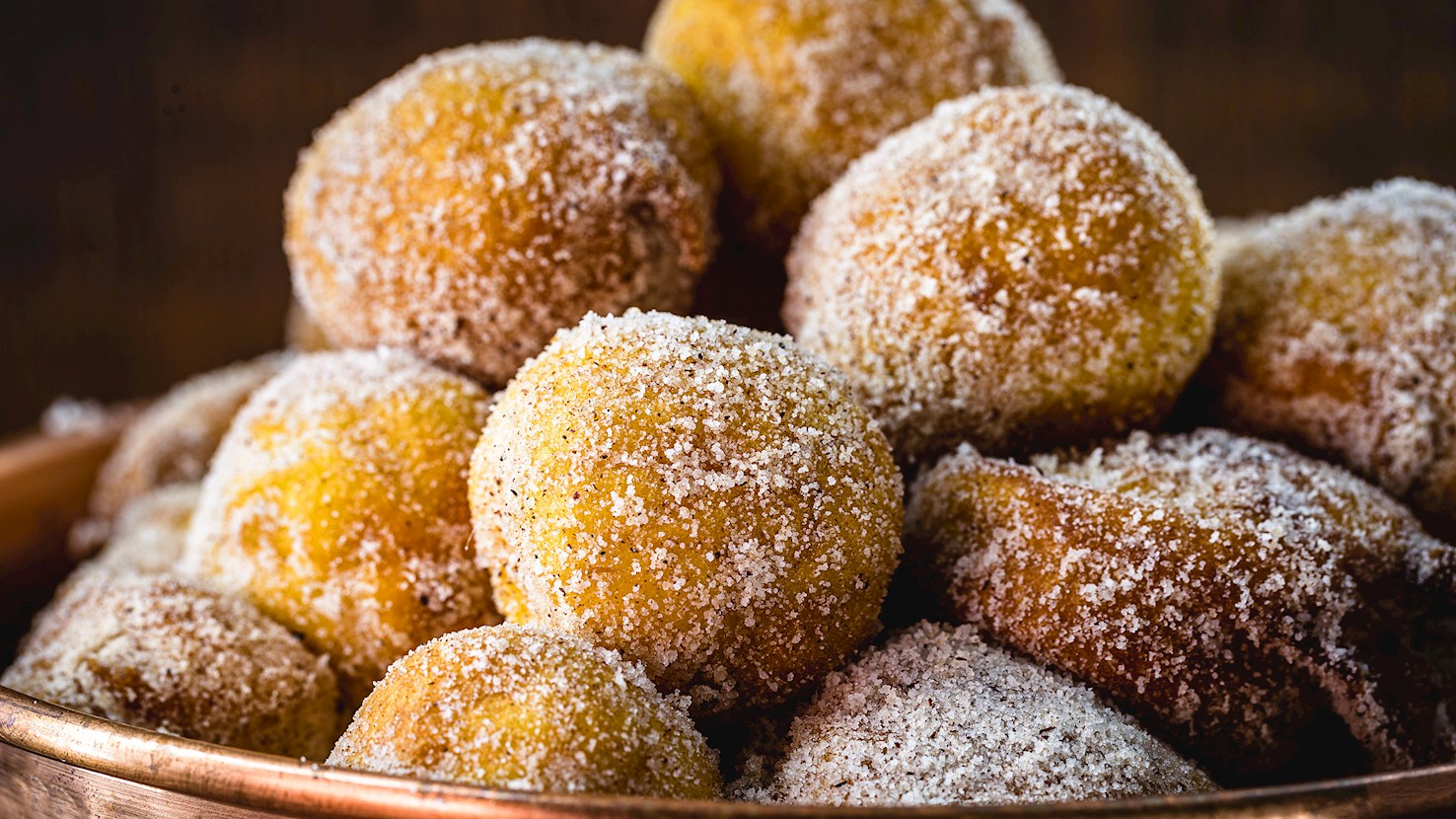
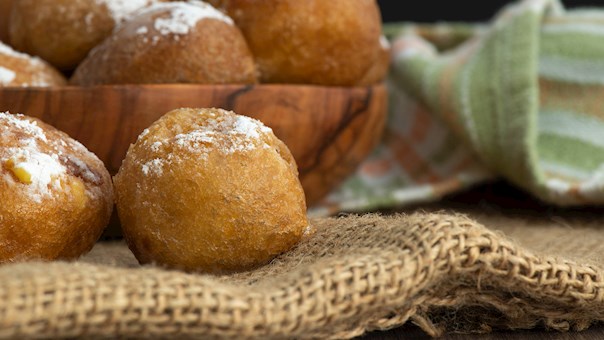
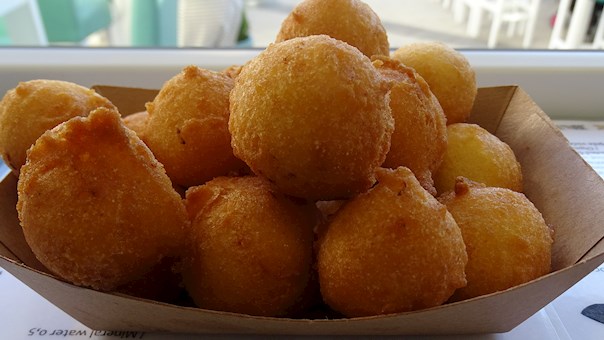
Fritule are traditional Croatian version of sweet, round fritters. They are prepared with a basic yeasted dough which incorporates eggs, flour, milk, butter, and sugar. Different varieties often employ raisins, grated apples, yogurt, and baking powder. The thick, buttery base is usually enriched with strong vanilla and citrus flavors, which give these small fritters a pleasant aroma and a distinctive flavor. The secret ingredient in the preparation of these miniature doughnuts is brandy. Rum, local fruit liquors, or strong spirits can all be incorporated into the velvety dough. They allow the fritters to stay crispy and light without absorbing too much oil from the deep-frying process. Traditionally, fritule are served dusted with powdered sugar, but modern versions often incorporate an array of different sugary toppings such as melted chocolate, whipped cream, or caramel. Fritule were invented as a festive treat, and they are usually consumed during the Christmas holidays and the carnival season. Although they originated in Dalmatia, today they are commonly found in many Croatian regions and enjoyed as a satisfying sweet snack or a nutritious dessert.
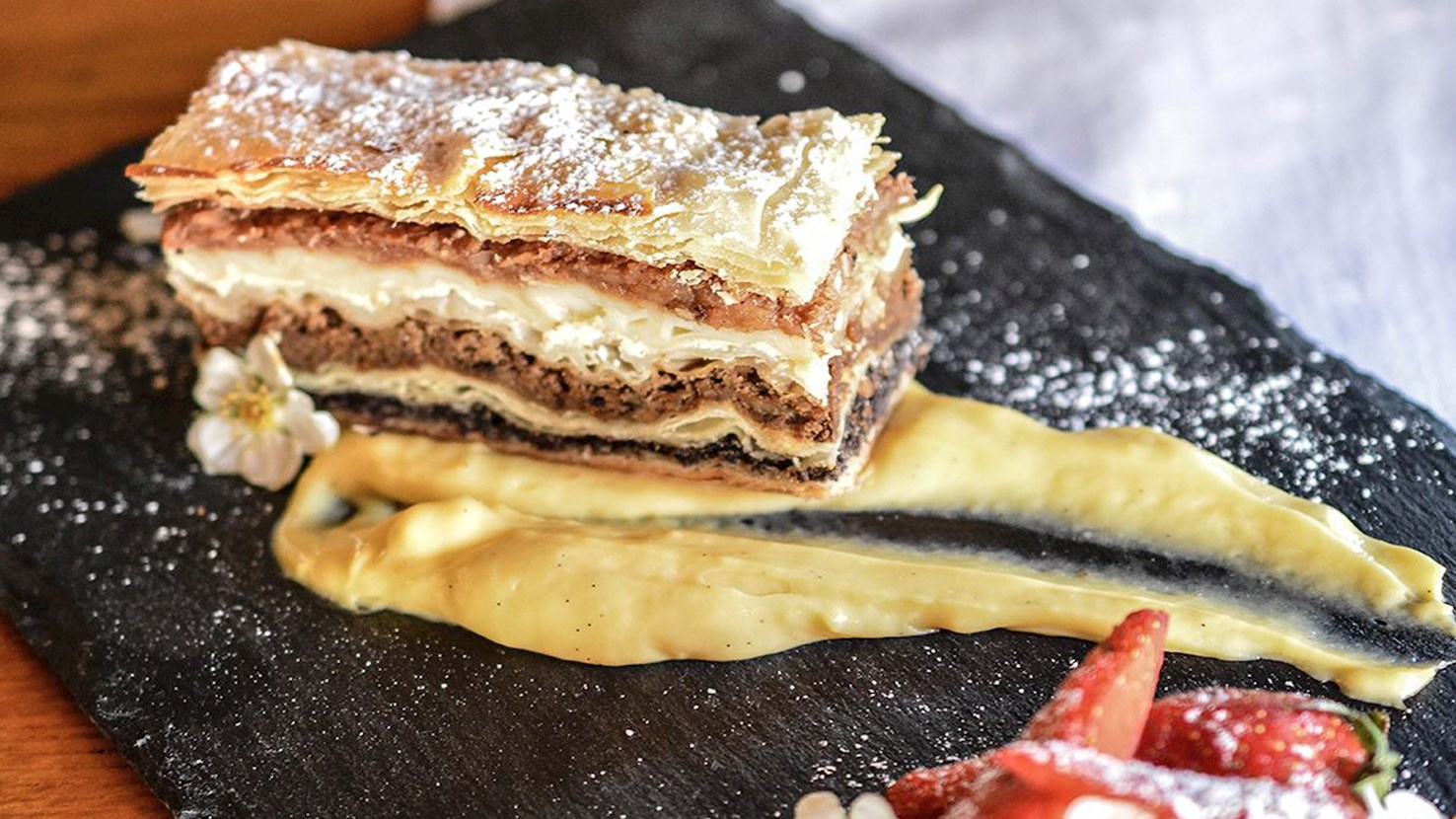
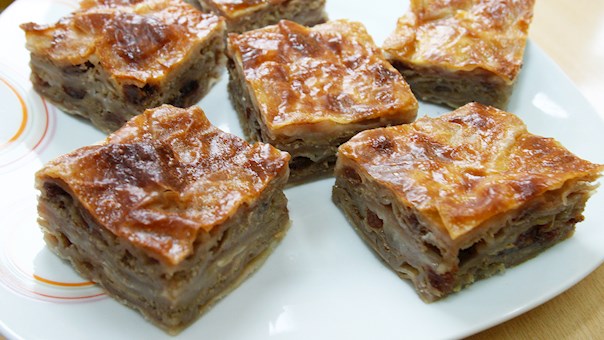
Međimurska gibanica is a traditional, highly caloric layered pastry originating from the Croatian region of Međimurje. It is usually served as a dessert after a big meal, but due to its nutritional value, it can also be consumed on its own. The pastry consists of several layers of phyllo dough filled with a combination of fresh cow's milk cheese, grated apples, ground walnuts, and ground poppy seeds, with the addition of raisins, cinnamon, rum, and sugar, according to personal preferences. The fillings are divided by alternating layers of thin dough. Međimurska gibanica is quite similar to the EU-protected Prekmurska gibanica, with some slight variations concerning the fillings and type of dough. The pastry is ready to be consumed after it has been baked in an oven and develops a golden-brown color of the exterior, and it is then typically cut into squares and served either warm or cold.
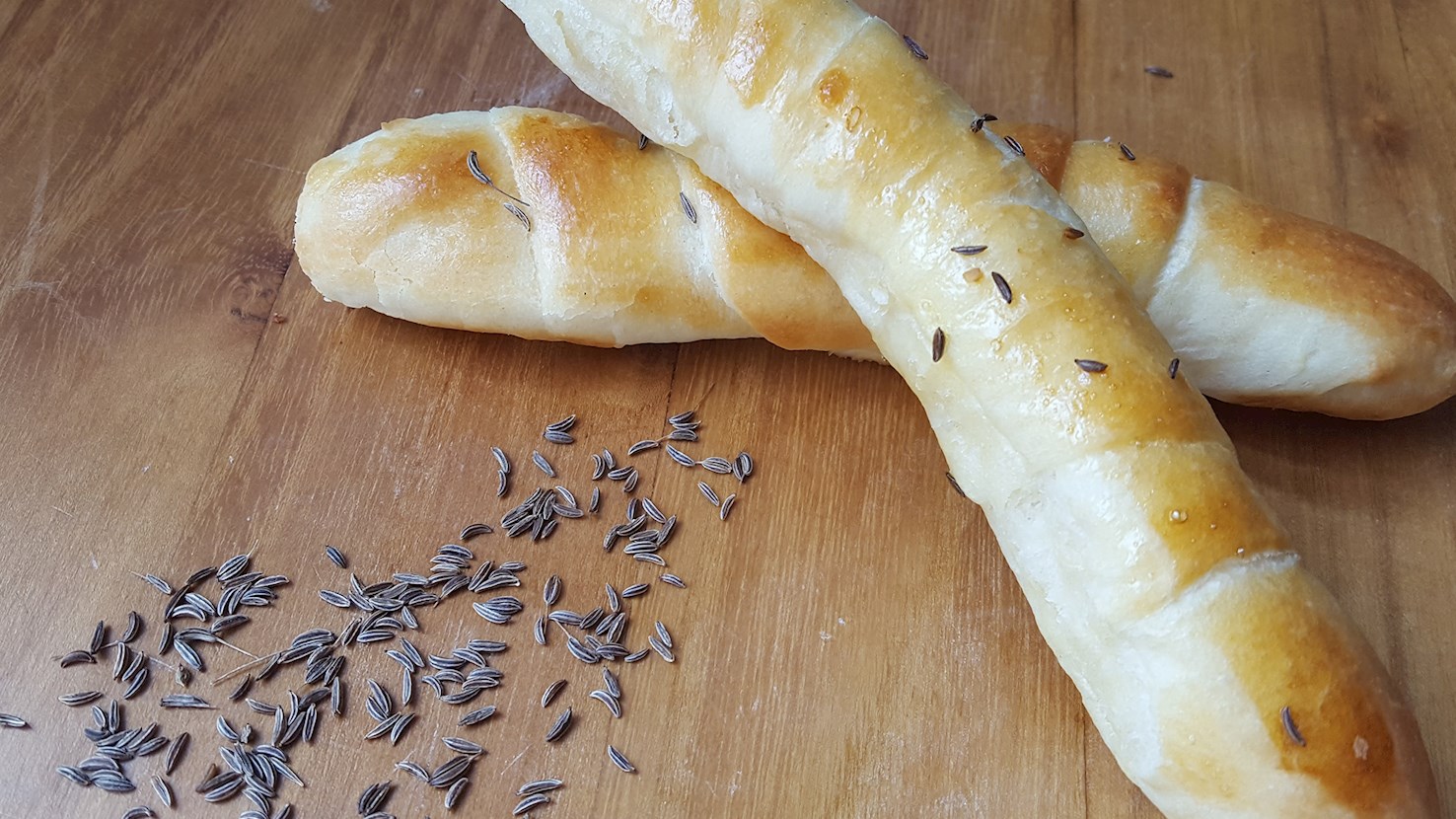
These elongated bread rolls are a specialty of the city of Varaždin, dating back to the 18th century, when Varaždin was the capital of Croatia. They consist of flour, milk, oil, yeast, sugar, and salt. Each klipič should be at least 23cm long, and once done, four folds should be visible on the exterior. Before baking, the dough is traditionally brushed with egg yolk and sprinkled with cumin, pumpkin, or sesame seeds. The flavor of klipiči can ebst be described as milky and slightly sour. Klipiči can be bought at numerous bakeries in Varaždin and they are commonly offered with morning coffee at most cafés in the city.
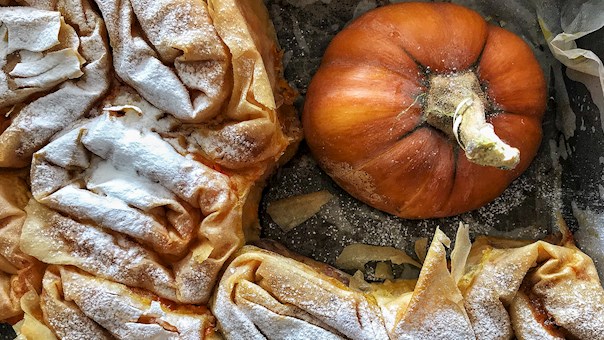
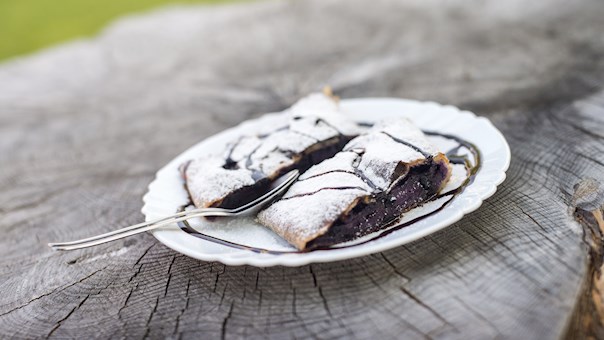
Bučnica is a comforting Croatian rolled pastry or strudel made with layers of thin dough that is filled with a combination of grated pumpkin, salt, fresh cheese, butter, sour cream, and eggs. The savory rolled pastry is baked in an oven until it develops a golden-brown color on the exterior, and it is recommended to serve it warm with a dollop of sour cream. Bučnica should always be well-baked and crispy, otherwise the filling will release the water and the pastry will lose its crispiness. It's especially popular in the summer as there is an abundance of young pumpkins which are ideal for the filling.
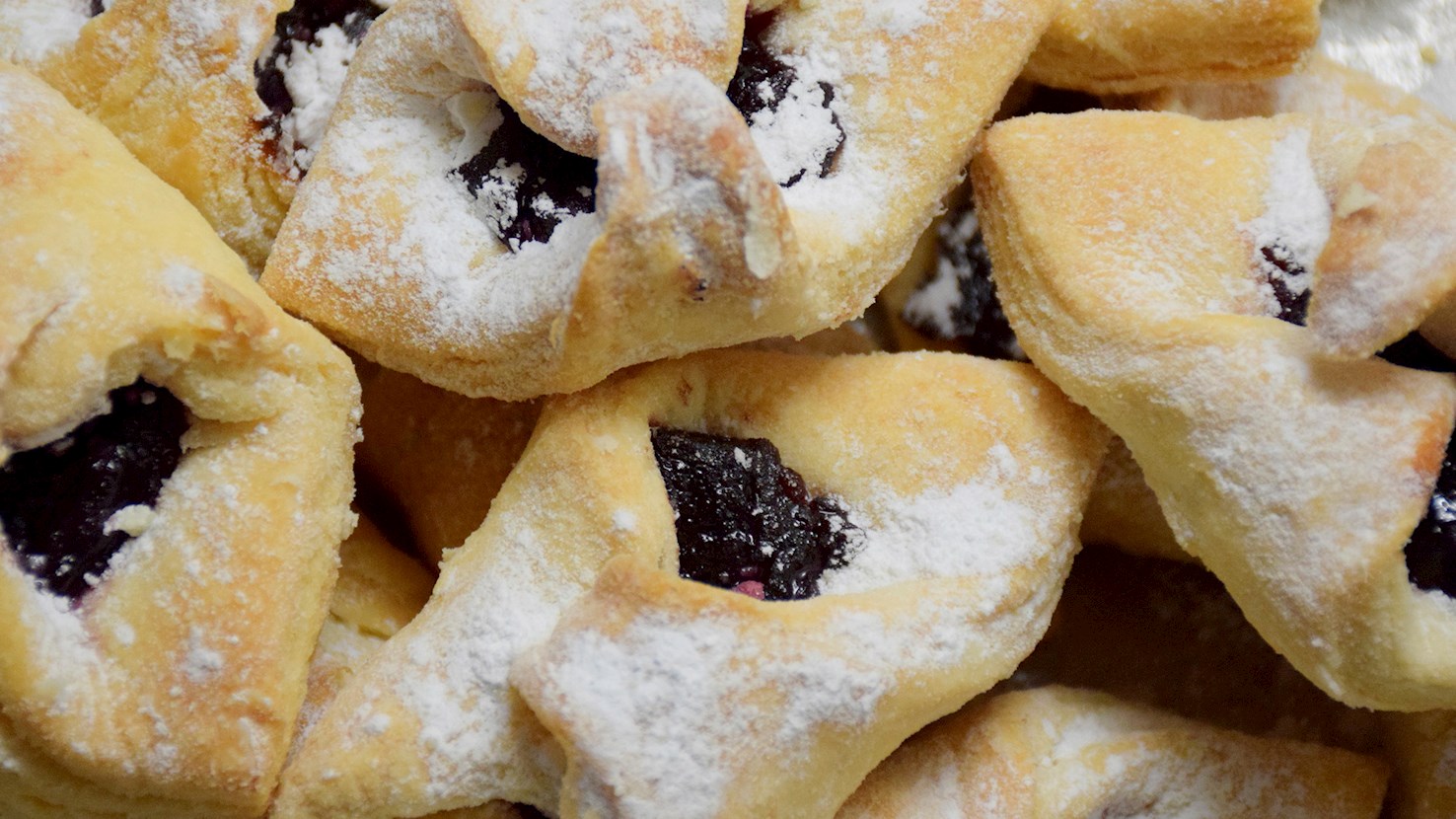
These traditional Slavonian pastries take their name from the Croatian word salo, meaning leaf lard. Typically filled with homemade apricot or plum preserves, salenjaci are traditionally made in wintertime, especially during the pig slaughter season when there is an abundance of fresh lard available in Slavonian households. Besides leaf lard as the main ingredient, it is the method of folding the yeasted dough that is crucial in achieving the leaf-like appearance and texture of the so-called Croatian croissants. While they are still hot from the oven, salenjaci are dusted with icing sugar and eaten warm, though they will keep fresh and succulent for days.
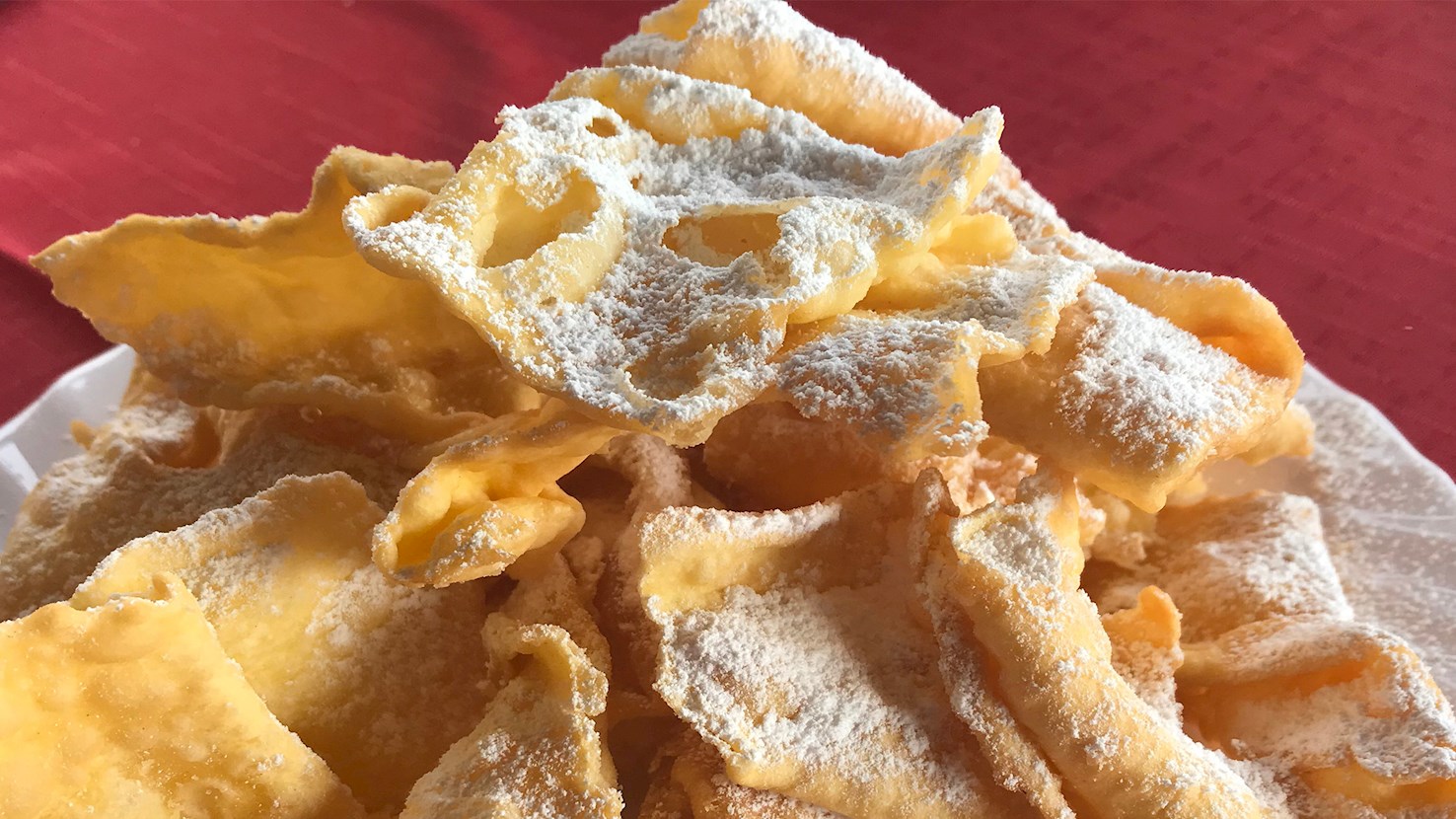
Kroštule are traditional Croatian pastries originating from the regions of Istria and Dalmatia. They are made by deep-frying ribbon-shaped dough. The dough consists of flour, sugar, egg yolks, oil, and milk. It is traditionally flavored with lemon zest, limoncello, or orange liqueur. Kroštule are sprinkled with powdered sugar while they are still warm. Nowadays, these deep-fried pastries are typically associated with the festive carnival season.
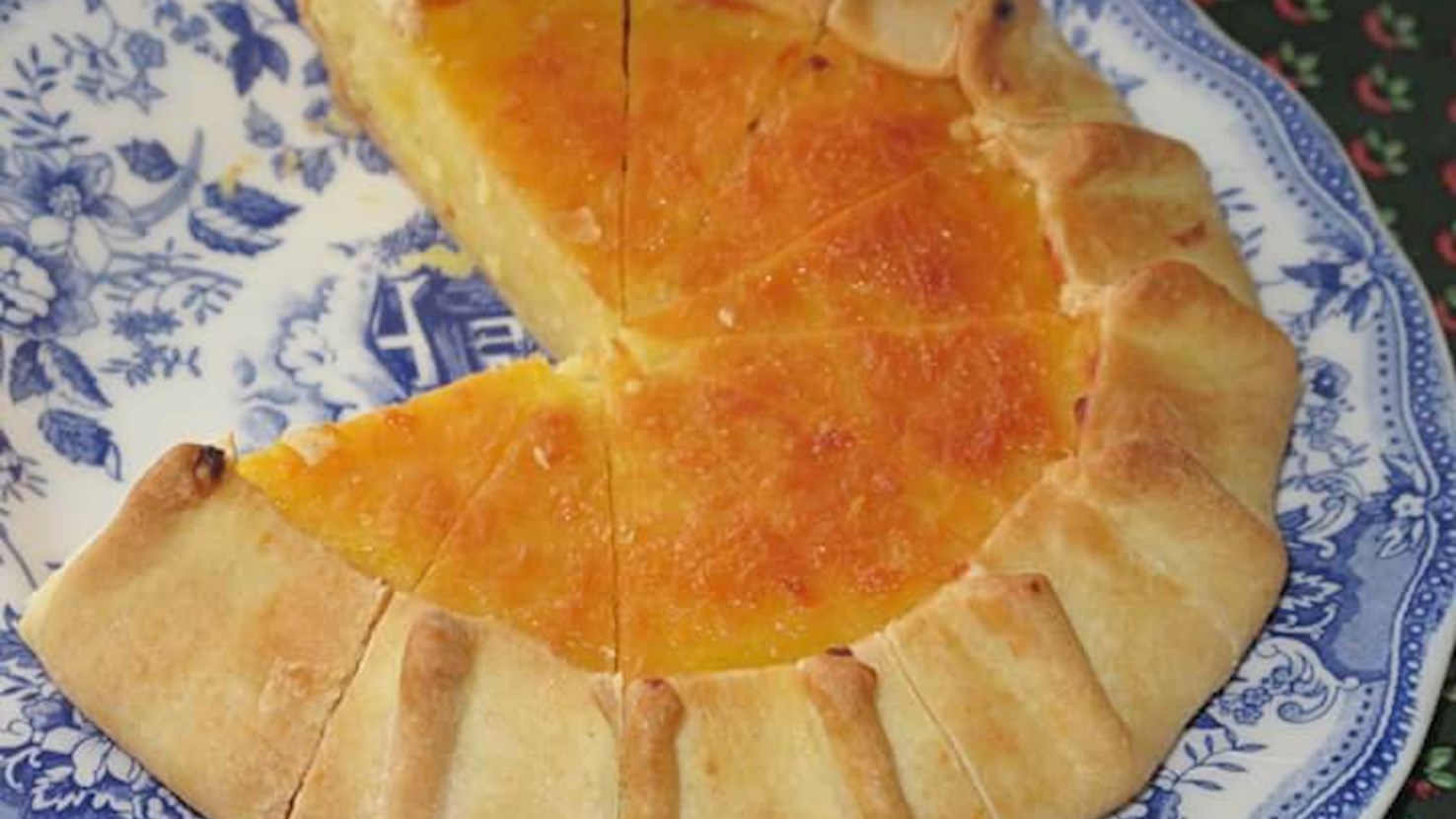
This Croatian pastry is a traditional delicacy that is mainly associated with the island of Krk. Presnac was created as a way to utilize the once abundant fresh sheep cheese and to create a unique, authentic dessert. The dish is assembled out of a pastry base that holds the creamy, lightly sweetened cheese filling. Though tradition suggests only sheep cheese, modern variations often replace it with fresh cow cheese and usually alter the filling with eggs and lemon zest. Presnac was traditionally prepared during the Carnival season, but nowadays the locals use every opportunity to make this specialty and to keep the tradition alive. Every year, a festival called Festa od Presnaci is held in the small town of Kornić, where the locals present their best versions of this traditional pastry.
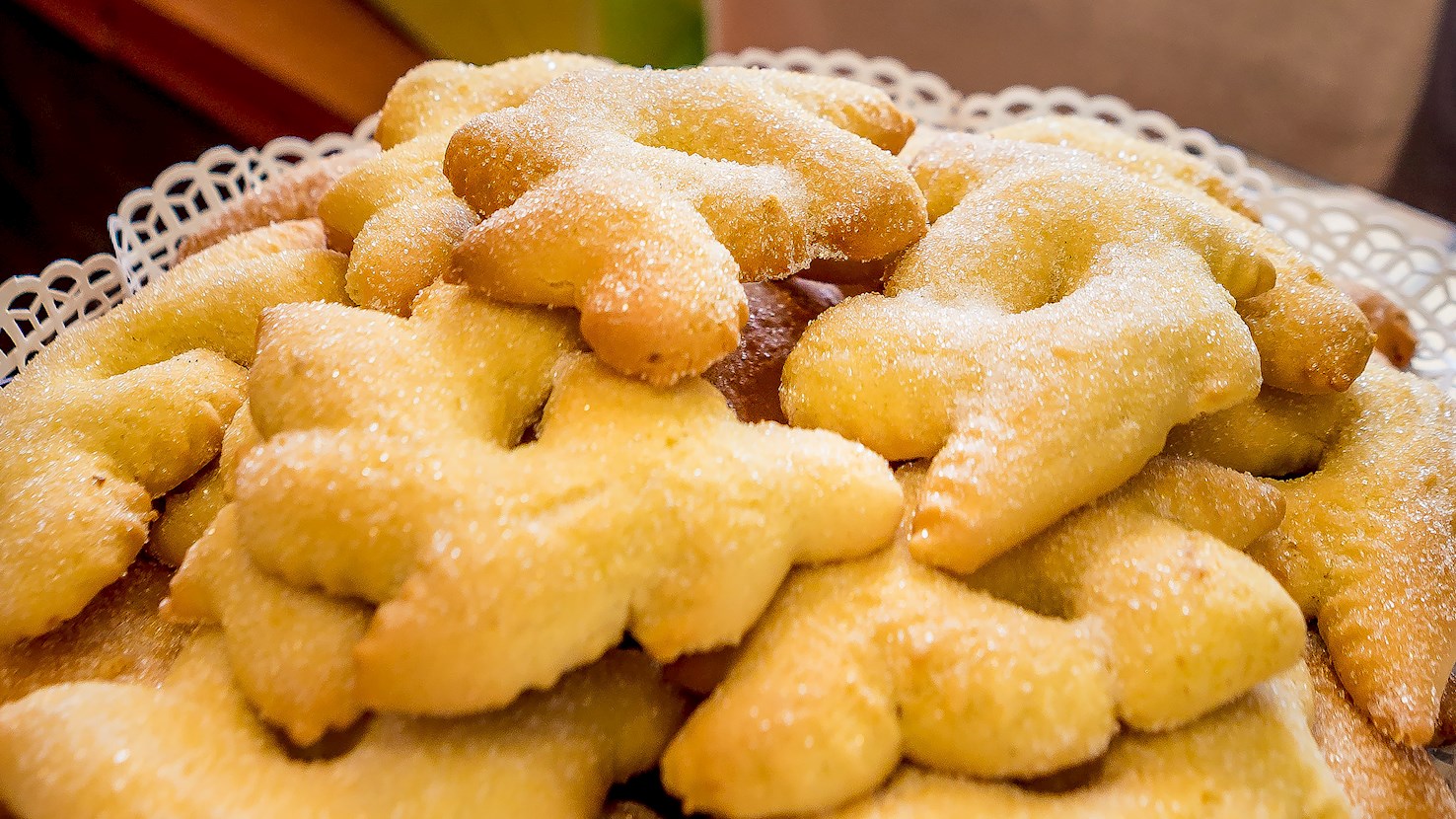
Pazinski cukerančić is a traditional pastry originating from the Istrian city of Pazin. It's usually made with a combination of ammonia (instead of baking soda or powder), flour, eggs, local brandy, sugar, milk, butter, oil, lemon zest, vanilla sugar, and a bit of salt. Once baked, these pastries are dipped in Malvazija wine and coarse sugar. In most cases, the pastry is prepared for weddings, but it can also be seen at baptisms, confirmations, and first Communions. In 2018, pazinski cukerančić has been declared as intangible cultural heritage of Croatia. It's easily recognized by its branched shape, and expert say that the texture depends on the weather – if bura, a northern wind is blowing, the texture will be harder, and if jugo is blowing, they become a bit crumbly.
TasteAtlas food rankings are based on the ratings of the TasteAtlas audience, with a series of mechanisms that recognize real users and that ignore bot,
nationalist or local patriotic ratings, and give additional value to the ratings of users that the system recognizes as knowledgeable.
For the “Top 25 Croatian Pastries” list until May 15, 2026, 1,489 ratings were recorded, of which 1,064 were recognized by the system as legitimate.
TasteAtlas Rankings should not be seen as the final global conclusion about food. Their purpose is to promote excellent local foods,
instill pride in traditional dishes, and arouse curiosity about dishes you haven’t tried.