shutterstock

Top 4 Czech Pastries

Last updated on July 15, 2026

Best Czech Pastries

01

Pekárna Kabát

3.9 ·

Pekárna Kabát is a Czech family bakery founded in 1992 by Marián Kabát in Prague. The company is known for handmade baked goods prepared according to traditional recipes, using high-quality ingredients mostly of Czech origin and avoiding chemical additives and food substitutes.

Its identity is built around honest baking craftsmanship, with products inspired by the kind of bread, rolls, pastries, and cakes once made by previous generations. Today, the bakery is run by the second generation of the Kabát family and has expanded across Prague with around 30 shops.

Its assortment includes bread, savory pastries, sweet baked goods, sandwiches, delicatessen items, and seasonal specialties. Among its notable products are Moravský koláč, Rohlík kroucený, Brusinková bageta, and Třicátník, a bread developed for the bakery’s 30th anniversary.

Třicátník is especially important within their bread range, made with a 30-hour fermentation process to achieve a soft crumb, crisp crust, and longer freshness. Pekárna Kabát positions itself as a bakery focused on everyday quality rather than luxury presentation, combining traditional Czech bakery culture with a modern retail network in Prague.

Best Czech Pastries

01

Vdolky

4.2 ·

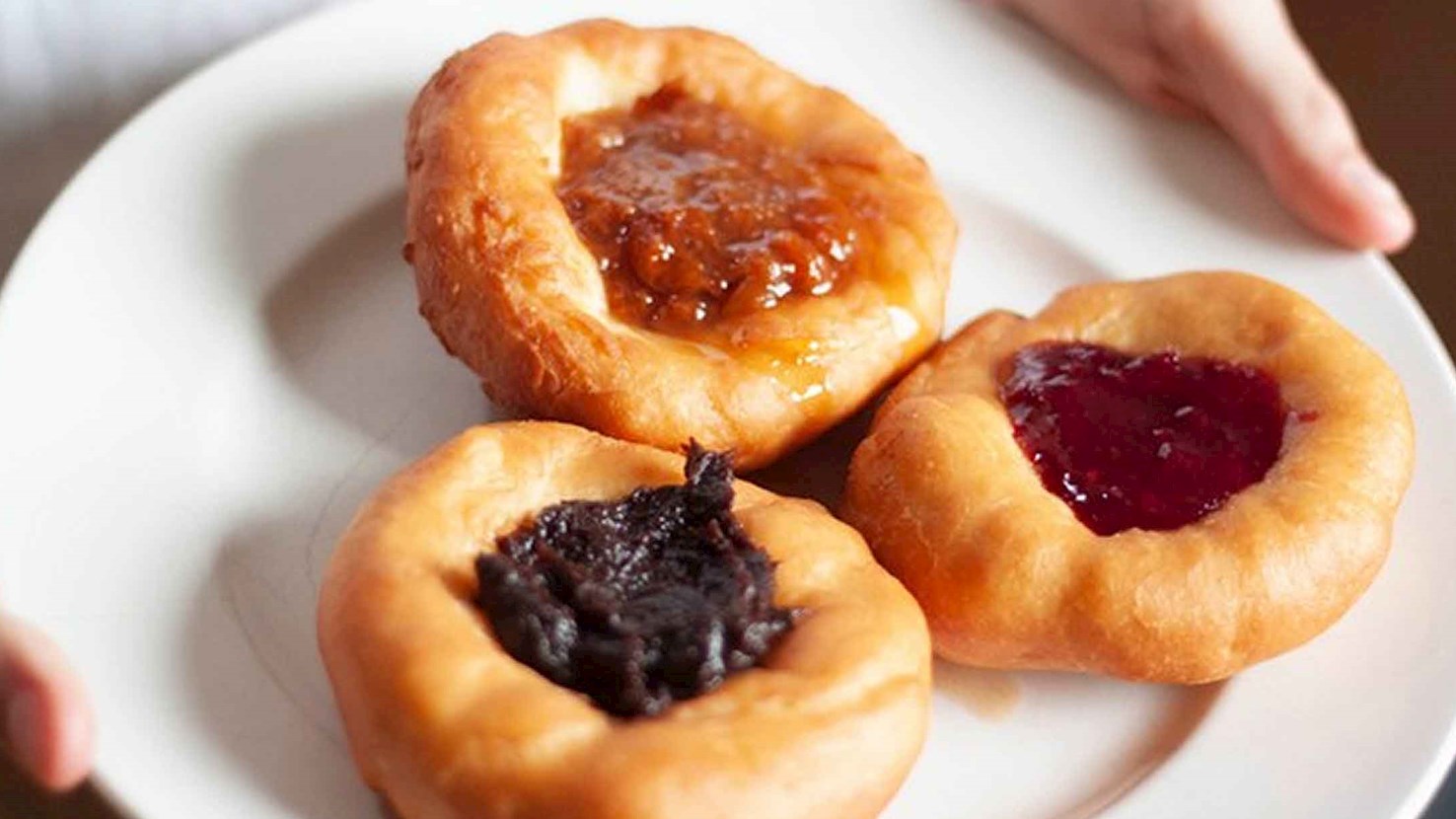
These soft, tender Czech doughnuts are prepared with yeasted dough that is occasionally flavored with lemon zest. They are typically round and have a small indentation on the top, which is used to hold all of the delicious filling. Even though they can be baked in the oven, vdolky are usually fried in oil until golden brown. Traditionally, they are enjoyed warm, smothered in jams and topped with whipped cream or crumbled tvaroh cottage cheese.

02

Koblihy

4.1 ·

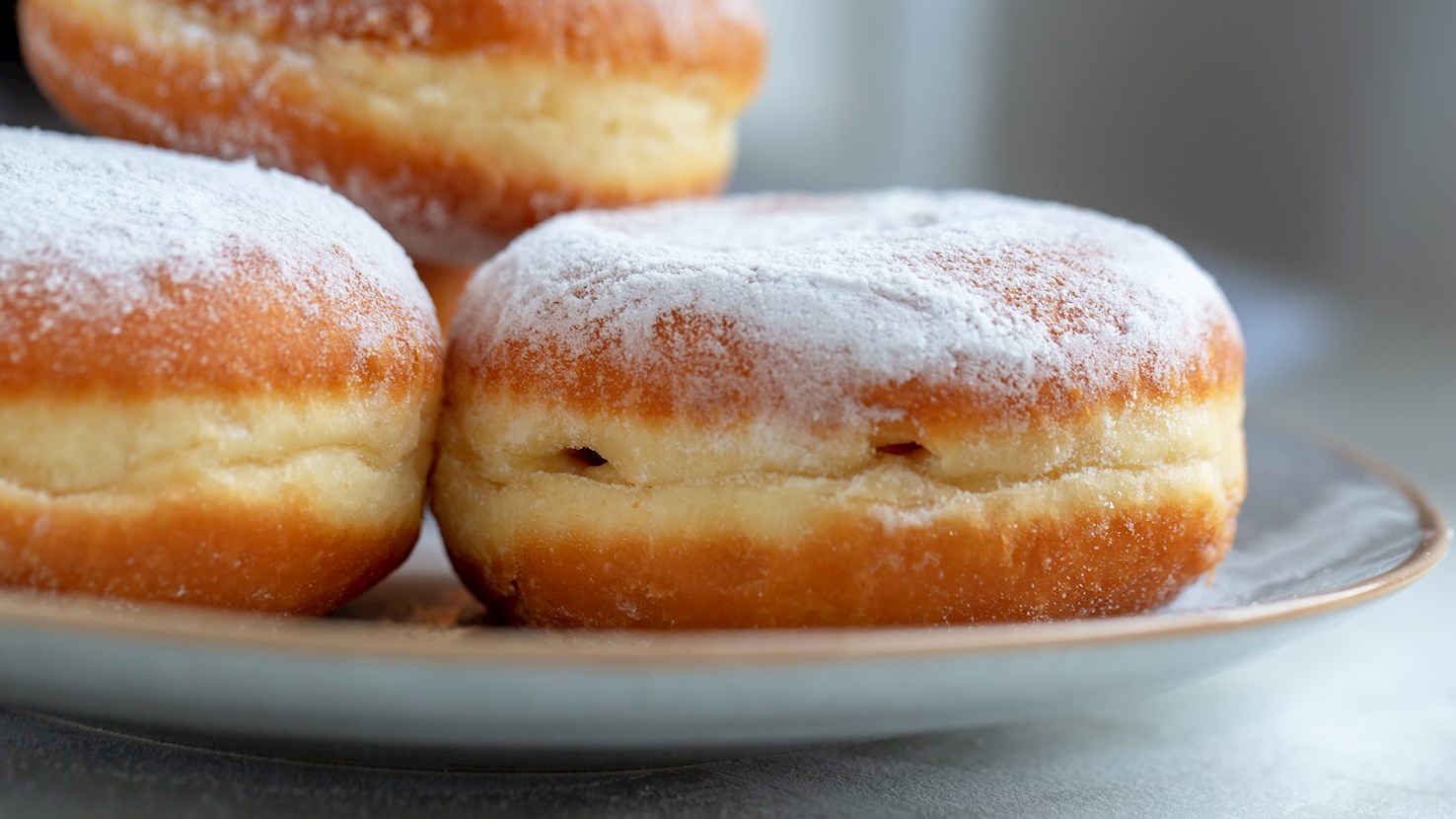
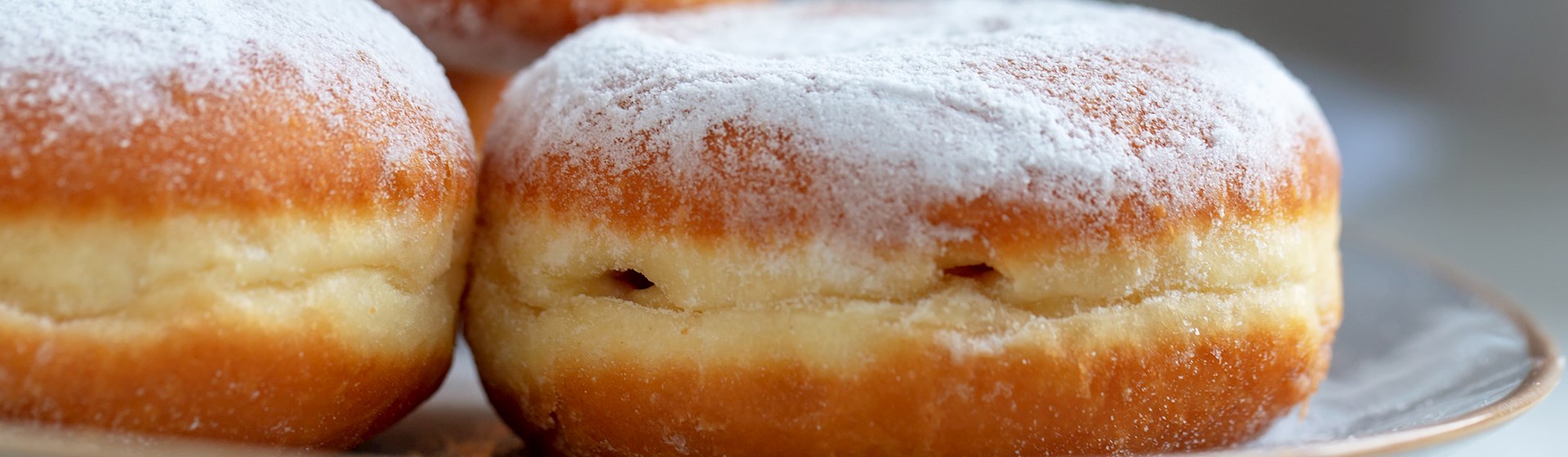
Krapfen was probably the first European-style doughnut to appear, followed by similar varieties in other countries. These pastries are traditionally prepared with leavened dough that is deep-fried until golden and crispy on the outside, while they remain soft, light, and airy on the inside. Though krapfen can be prepared plain, they are most often filled or topped with jams, and vanilla or chocolate custards, while the top is usually dusted with powdered sugar or drizzled with chocolate. The origin of the word krapfen dates back to 9th century, and the recipes in German can be found as early as the 14th century. The sweet versions of the pastry became predominant, and have remained closely associated with the Carnival, a festive period which precedes Christian Lent. Interestingly, during the Carnival, one krapfen in a batch filled with jam and fruit preserves might contain a filling of mustard as a prank. It is believed that doughnuts spread throughout many central European countries, which adopted the technique but used different regional names. Consequently, krapfen in Germany goes under Berliner, pfannkuchen, faschingskrapfen, krebbel, or kreppel. In Poland, they are known as pączki or krepel, Hungarians refer to them as fánk, Slovak as šišky, while the Czechs use the term koblihy. In Slovenia, they are better known as krofi, while the standard name throughout Croatia, Bosnia, and Serbia is krofne or krafne. In St. Petersburg, Russia, the doughnuts are known as pyshki (either ring-shaped or without a hole), and there is a local café that has been serving pyshki prepared from the original recipe since the 1960s.

03

Trdelník (Spit cake)

4.0 ·

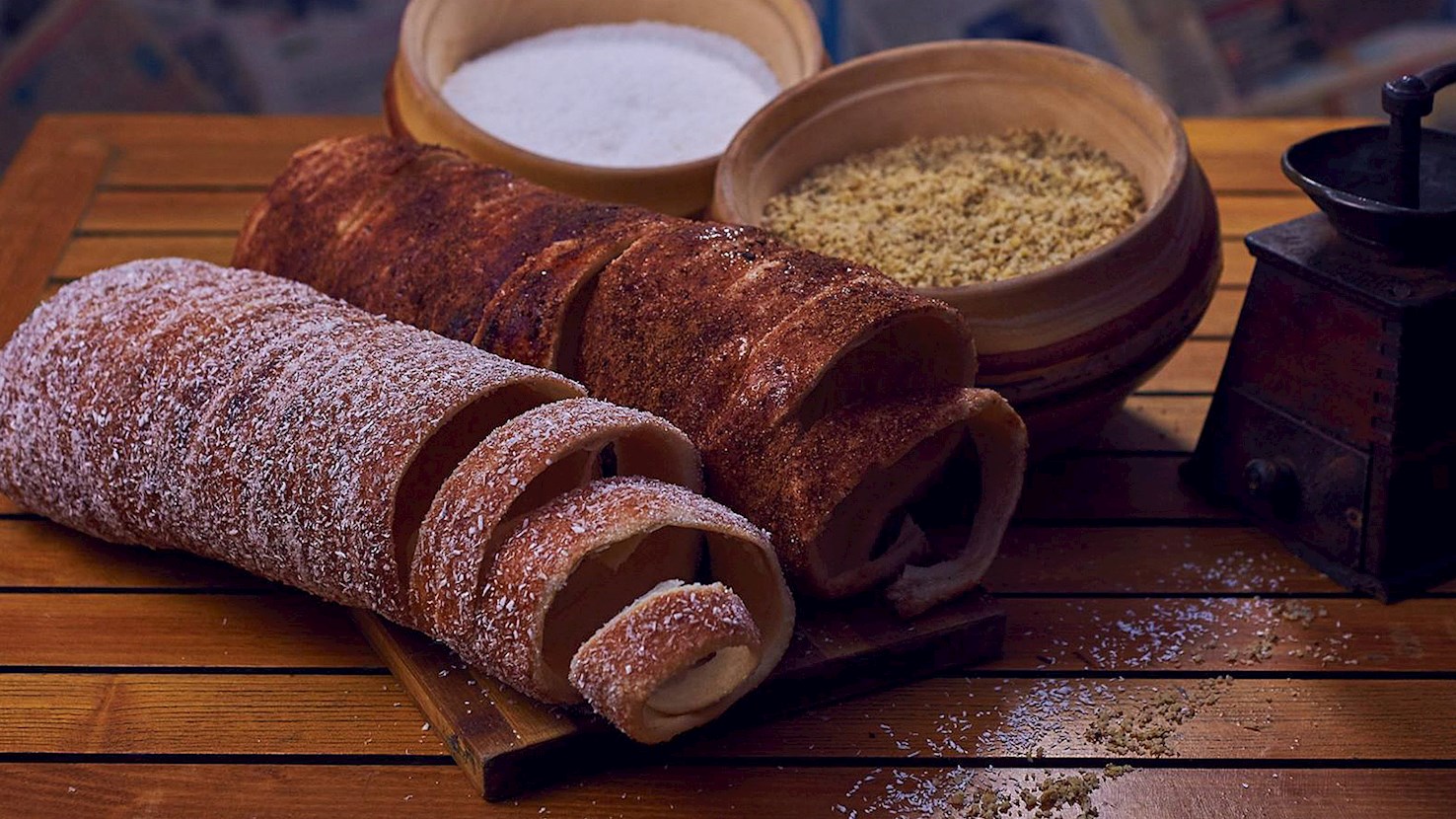
This Hungarian tube-shaped pastry popularly known as chimney cake traces its origin to the medieval era Székely Land—back then a part of the Kingdom of Hungary. The first known recipe titled Kürtős kaláts’ à la Mrs Poráni was found in a 1784 cookbook written by Transylvanian countess Mária Mikes de Zabola. The pastry shells are made from sweet yeast dough that is rolled in granulated sugar, basted in melted butter, and spit-roasted over charcoal. Freshly baked, kürtőskalács shells can be topped with additional ingredients such as ground walnuts or powdered cinnamon, but they're also often filled with ice cream or whipped cream. Kürtőskalács was once a festive treat favored by the Hungarian upper class, but over time it spread among the common people and became a part of everyday consumption, readily available as a street snack, and a big hit at festivals or similar outdoor events. An almost identical but slightly smaller Czech version of this sweet pastry goes under the name trdelník. Though it is highly disputed where it originally appeared, the pastry has undoubtedly become a vital part of Czech and Hungarian street food culture. Slovakian version, known as Skalický trdelník holds a PGI (Protected Geographical Indication) status under the EU law.

04

Koláče

4.0 ·

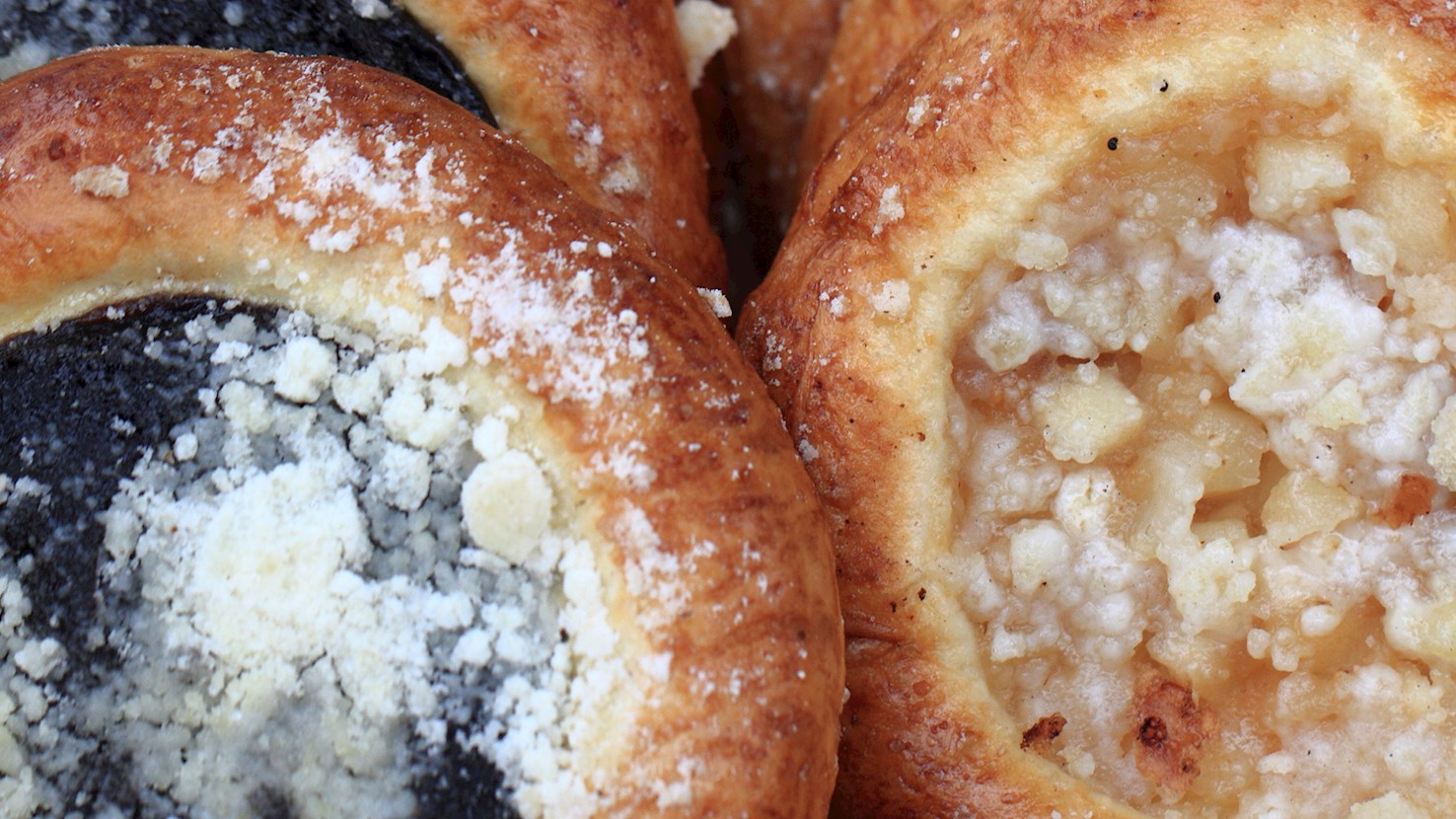
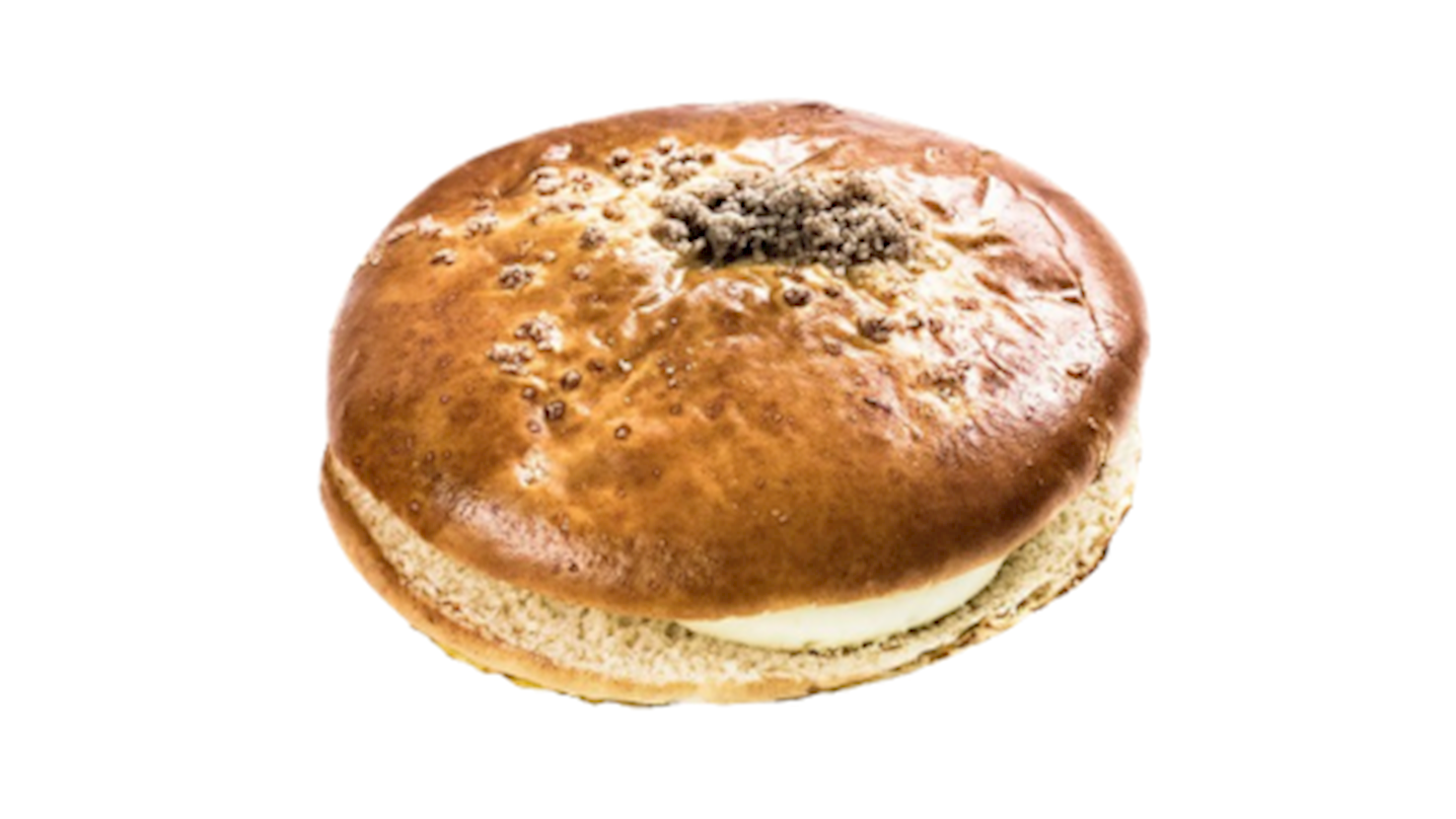
Koláče or kolache (plural: kolaches) is a sweet pastry roll that is traditionally topped with plums or plum jam, cheese, or poppy seeds. Modern toppings might include fruit such as apricots, blueberries, cherries, lemon, pineapples, or raisins. Its name is derived from the Czech word kola, meaning wheels, referring to the traditional, round shape of the pastry. The pastry originated in the 1700s in the Czech Republic, where round breads are some of the earliest ritual foods, usually symbolizing the sun and the moon. With numerous Czech people immigrating to Texas in the early 1900s, koláče grew in popularity in the United States of America, and today there are numerous Czech-American koláče festivals throughout the country. Although many Czechs insist on preparing their own koláče at home, it has become a commercial product in America, sold in numerous bakeries, doughnut stores, and even in some restaurants.

Read more
View all
View map
About this ranking

TasteAtlas food rankings are based on the ratings of the TasteAtlas audience, with a series of mechanisms that recognize real users and that ignore bot, nationalist or local patriotic ratings, and give additional value to the ratings of users that the system recognizes as knowledgeable. For the “Top 4 Czech Pastries” list until July 15, 2026, 1,554 ratings were recorded, of which 1,237 were recognized by the system as legitimate. TasteAtlas Rankings should not be seen as the final global conclusion about food. Their purpose is to promote excellent local foods, instill pride in traditional dishes, and arouse curiosity about dishes you haven’t tried.

The initial list of top producers was compiled based on available reviews, awards, local recommendations, media and blog coverage, and consumer reviews. The list will be updated with ratings from TasteAtlas local ambassadors and TasteAtlas users.

Similar lists