

shutterstock

Top 3 Guangdong Pastries

Last updated on May 15, 2026
01

Dàntà (Egg tart)

3.9 ·

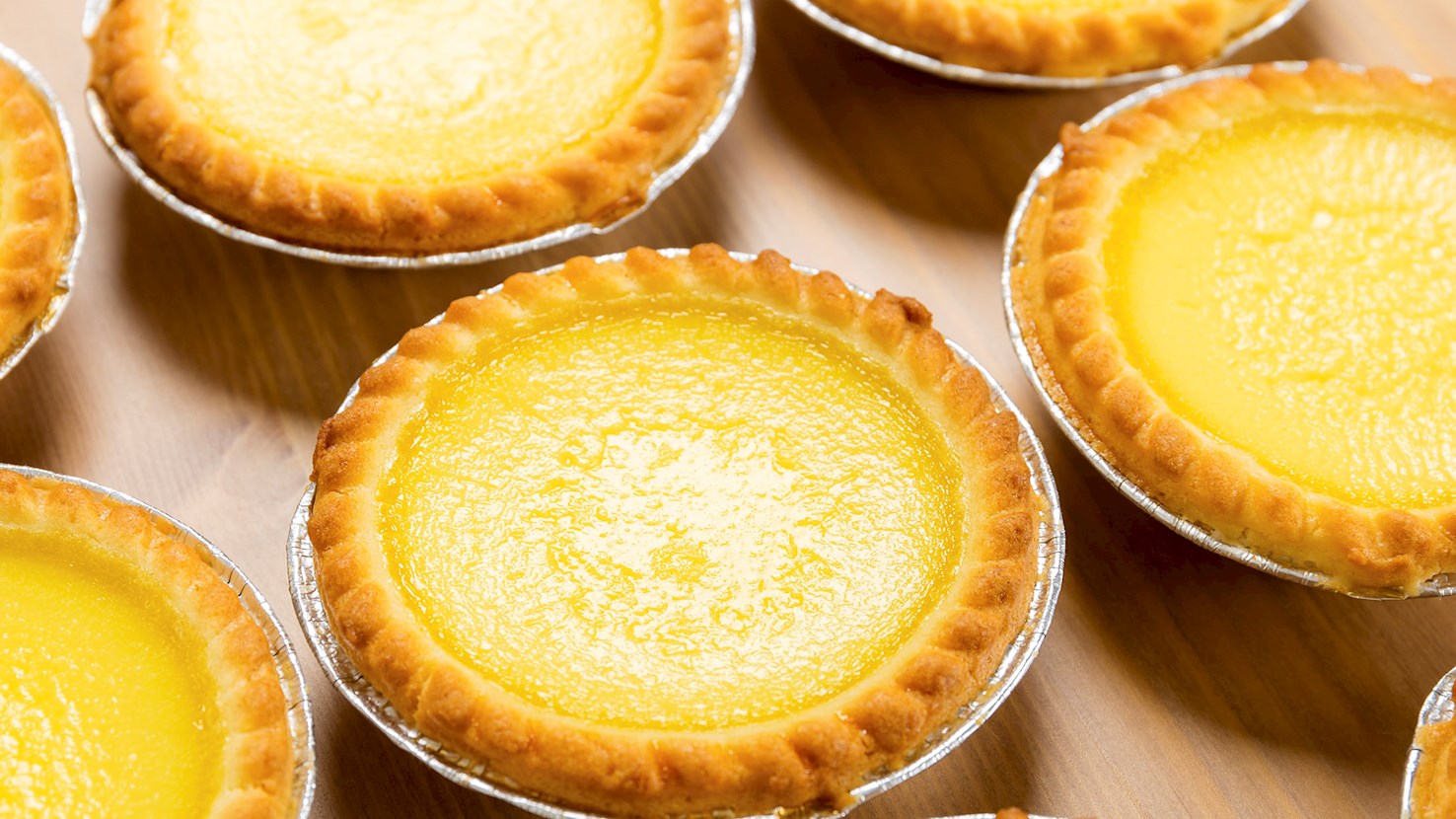
One of the most famous Chinese desserts is the classic egg tart, a delicious pastry consisting of a flaky outer shell with a creamy, but firm egg custard in the center. The origin of this traditional Chinese dessert is vague. It is believed that it grew out of Chinese contacts with western culinary traditions, but it is also likely that some form of an egg custard existed before the influence of the West. Chinese egg tart variety is believed to be a cross between the classic British egg custard, which is much creamier than the Chinese tart, and the famous Portuguese tarts, known as pastéis de nata, which are especially popular in Macau. Egg tarts first appeared in the Chinese region Guangdong, to eventually be taken to Hong Kong and Singapore where they also became one of the most beloved desserts. The main characteristic of the Chinese variety is the rich cream, which is firm and thick, with a strong and enhanced egg flavor. Both crumbly shortbread pastry (usually made with lard) and the crunchy puff pastry can be used as a shell. Occasionally, these tarts are flavored with ginger or green tea, and they should always be served warm, straight out of the oven. Egg tarts are the essential dessert of every dim sum meal, and a sweet delicacy commonly served in the Cantonese Asian restaurants. These tiny treats can also be found in traditional Chinese bakeries and coffee houses throughout the world.

02

Yuebing (Mooncake)

3.3 ·

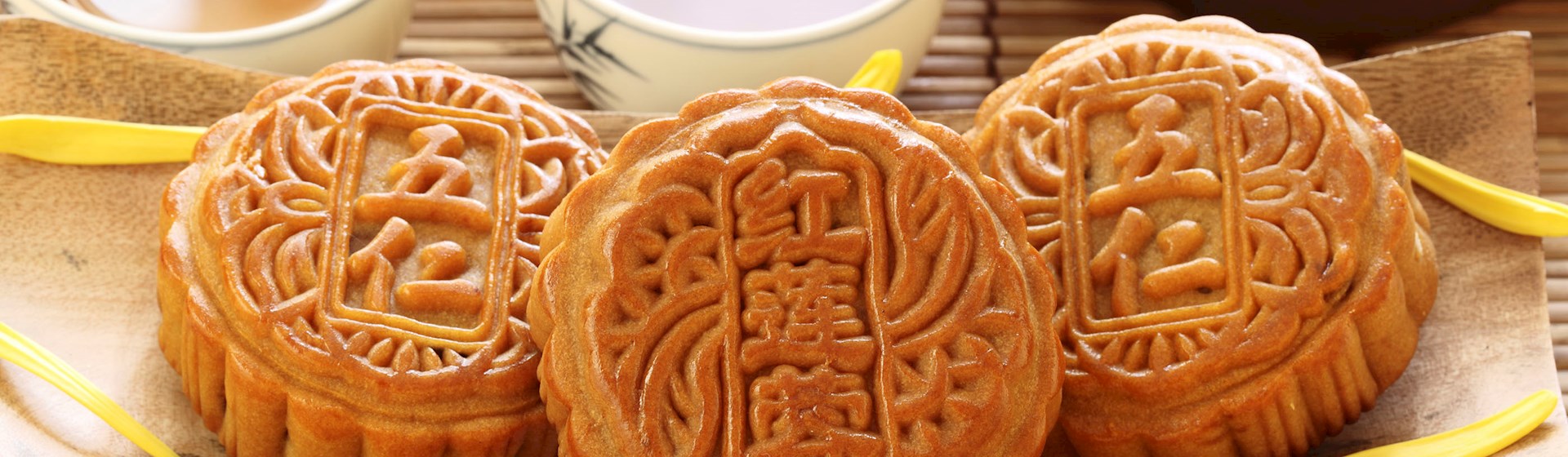
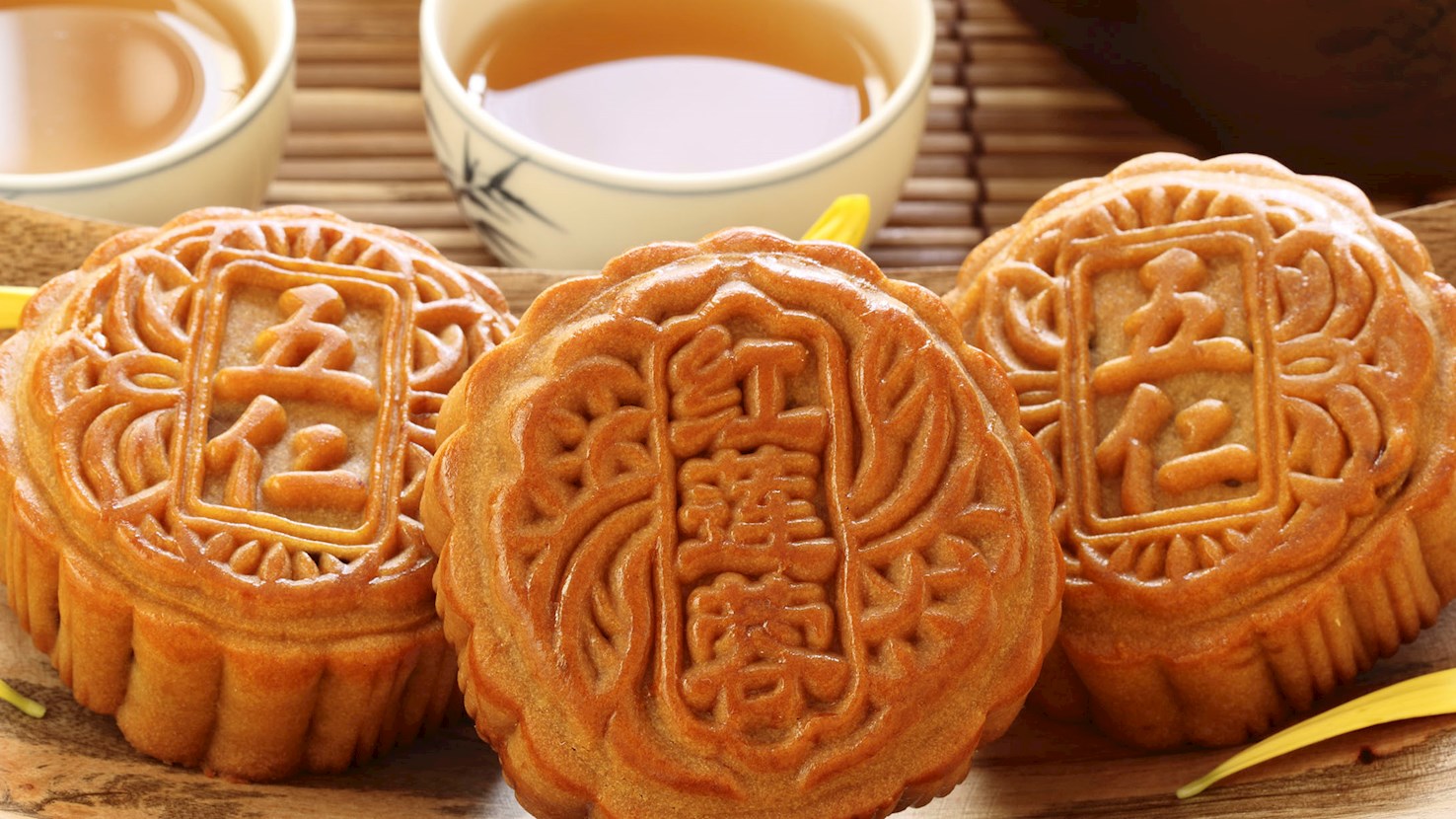
An ancient Chinese delicacy eaten during the Mid-Autumn Festival or Moon Festival, known as mooncake, is a pie-like pastry made with a shortcrust base called yueh ping that is traditionally filled with black sesame seed or lotus seed paste, along with red beans, roasted pork, mung beans, dates, and salted duck egg yolks. Nowadays, mooncakes are available in a variety of different sweet and savory fillings, some of which are fruits like honeydew, litchi or pineapple; chocolate or mixed nuts; abalone and seaweed; green tea, and even cream cheese or ice cream. Their round shape is not only reminiscent of the moon, but also a symbol of return or a full circle, which in Chinese philosophy stands for fulfillment, oneness, perfection, and unity. Mooncakes are meant to be shared among people, so they are typically enjoyed sliced into small wedges and usually served with Chinese tea. In ancient times, these pastries were prepared as an offering to the Moon, but over centuries they have become the most popular food of the Mid-Autumn Festival. Listed as a public holiday and an intangible cultural heritage, the Mid-Autumn Festival or Moon Festival is one of China’s most important traditions celebrated on the 15th day of the 8th lunar month when the full moon is said to be at its brightest and closest to Earth.

03

Danhuang lianrong yuebing (Cantonese mooncake)

3.2 ·

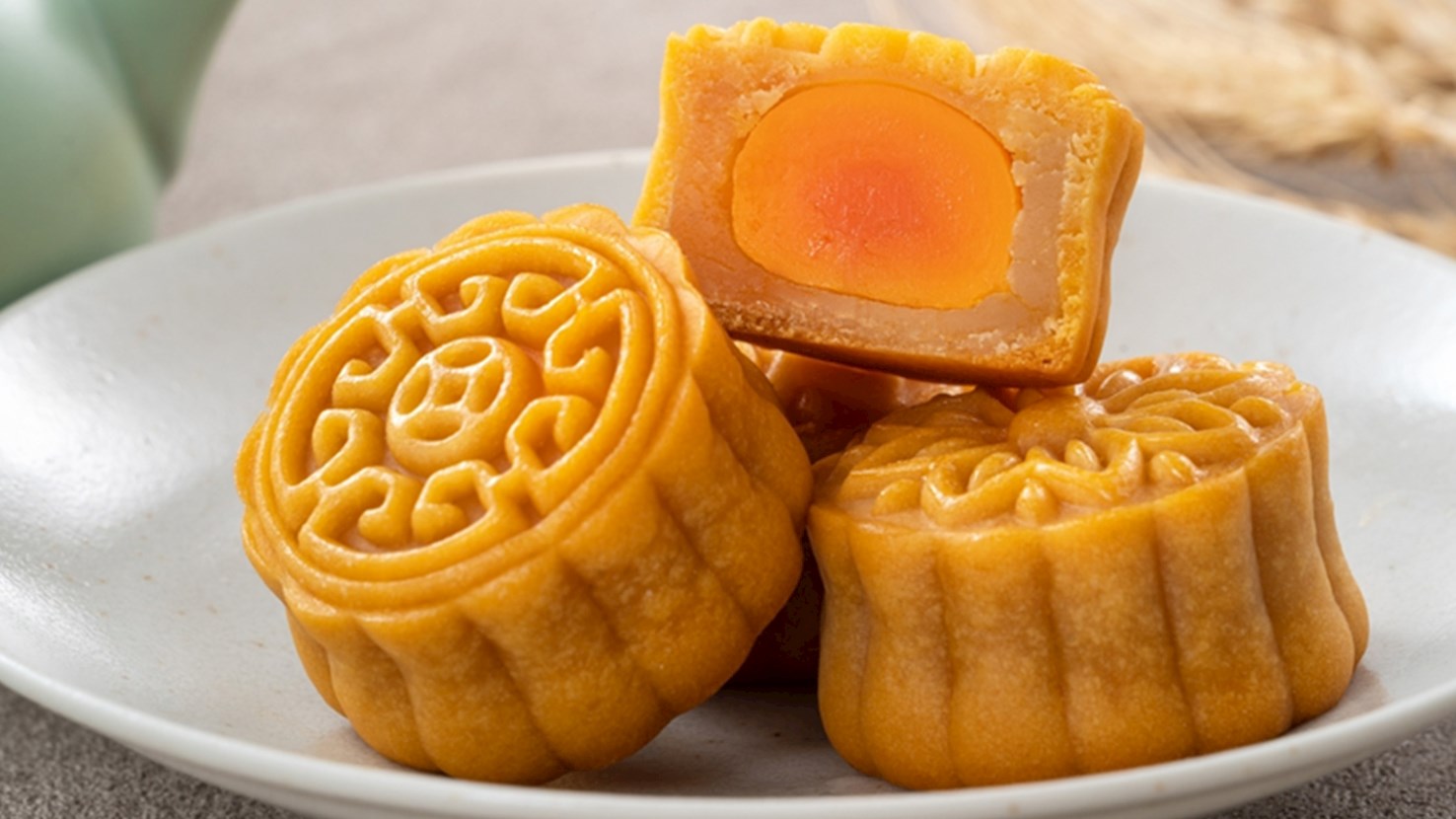
Cantonese mooncakes are a type of traditional Chinese pastry that is notably enjoyed during the Mid-Autumn Festival, which is a significant festival in many Asian countries. These mooncakes are distinctive with their tender, thin, and slightly browned crust and are usually filled with sweet, dense fillings. The most common filling in Cantonese mooncakes is lotus seed paste, which is smooth and sweet, and usually contains salted egg yolks, representing the full moon and offering a savory contrast to the sweet filling. Another distinctive feature is their appearance: the top of the mooncake is typically embossed with Chinese characters indicating the type of filling, the name of the bakery, and additional decorative motifs. Traditionally shared among family members to symbolize unity and togetherness, Cantonese mooncakes are not merely a food item but are deeply embedded in Chinese culture and traditions, often given as gifts to relatives and business associates during the Mid-Autumn Festival.

Read more
View all
View map
About this ranking

TasteAtlas food rankings are based on the ratings of the TasteAtlas audience, with a series of mechanisms that recognize real users and that ignore bot, nationalist or local patriotic ratings, and give additional value to the ratings of users that the system recognizes as knowledgeable. For the “Top 3 Guangdong Pastries” list until May 15, 2026, 641 ratings were recorded, of which 521 were recognized by the system as legitimate. TasteAtlas Rankings should not be seen as the final global conclusion about food. Their purpose is to promote excellent local foods, instill pride in traditional dishes, and arouse curiosity about dishes you haven’t tried.

Similar lists