

shutterstock

Top 4 Lisboner Pastries

Last updated on May 15, 2026
01

Pastel de Belém

4.6 ·

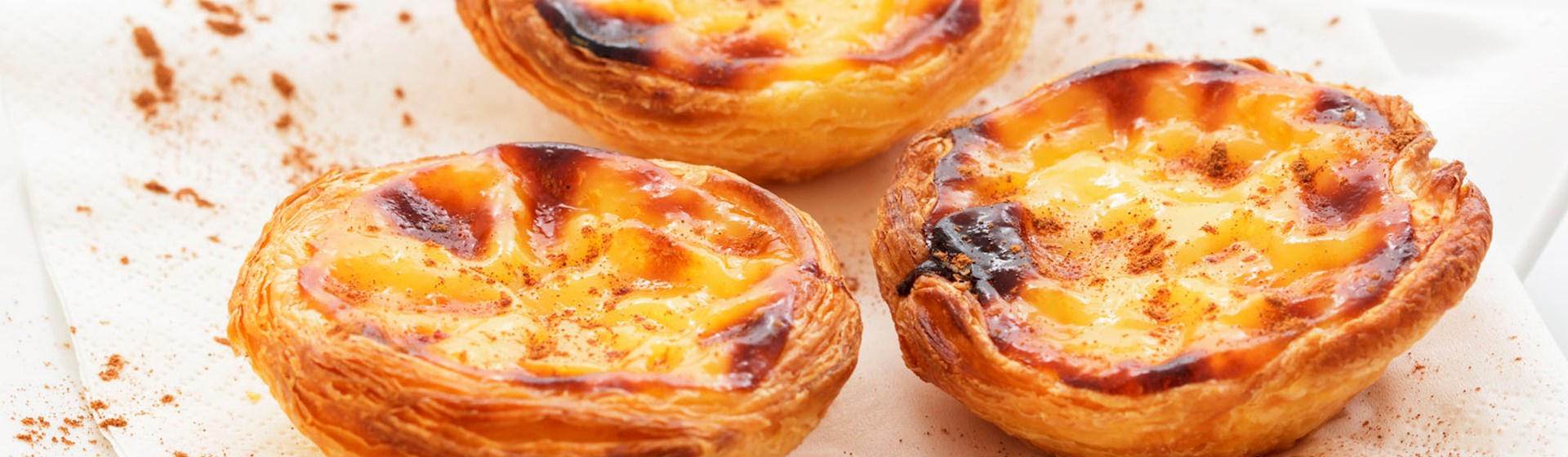
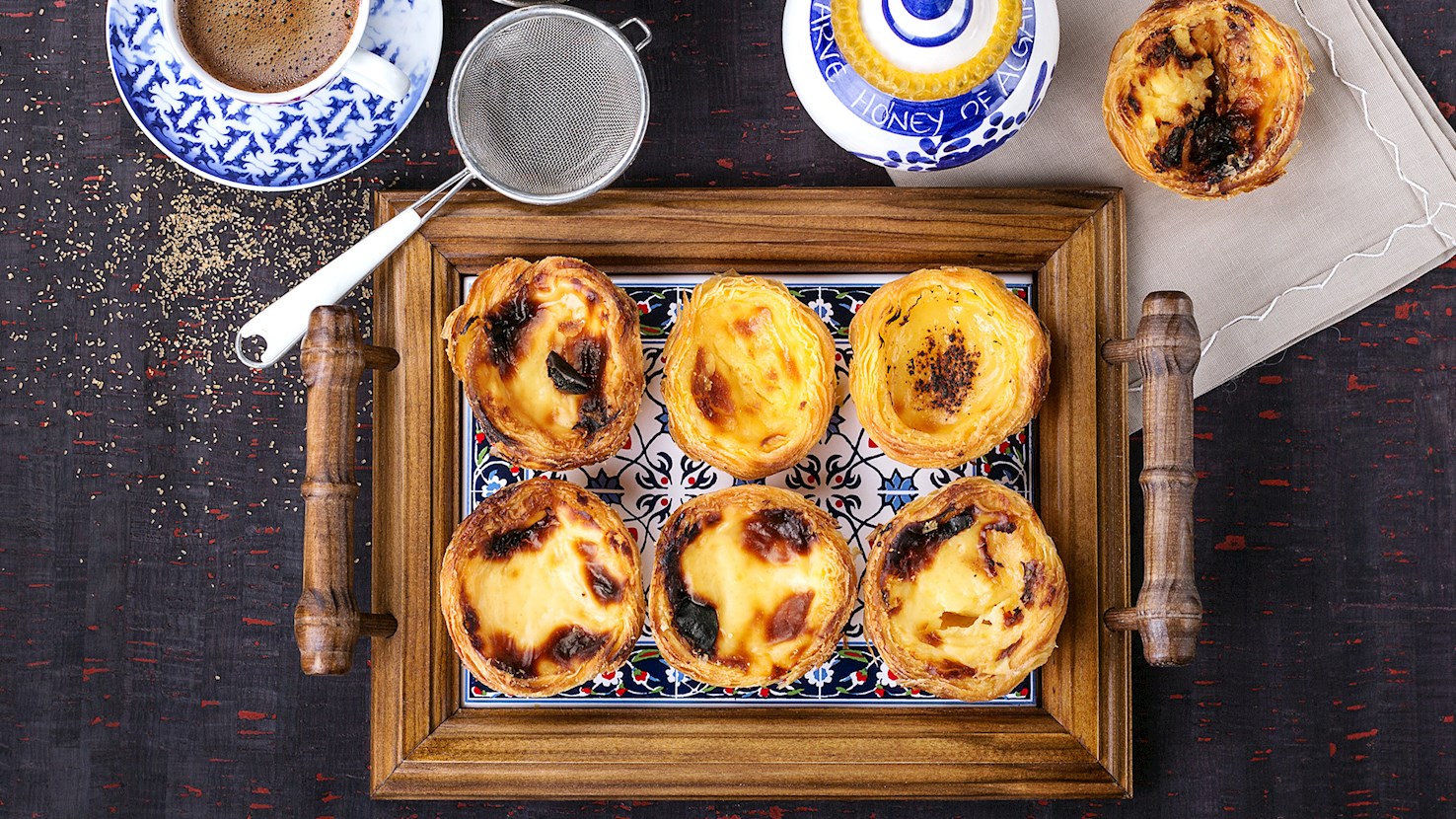
Pastel de Belém is a traditional egg custard tart and a predecessor to the famous pastel de nata. The tarts are made with a pastry shell that's filled with a combination of milk, eggs, sugar, lemon, and cinnamon. The first recipe for pastel de Belém dates back to 1837 when it was produced by the monks of the Jerónimos monastery. Only the custard tarts produced at the Fábrica Pastéis de Belém can be called pastel de Belém, while all the others, produced by other patisseries in Lisbon are called pastel de nata. Regardless of the name, these tarts can be served hot or cold and in 2009, The Guardian listed pastel de Belém as one of the 50 'best things to eat' in the world.

02

Pastel de nata

4.5 ·

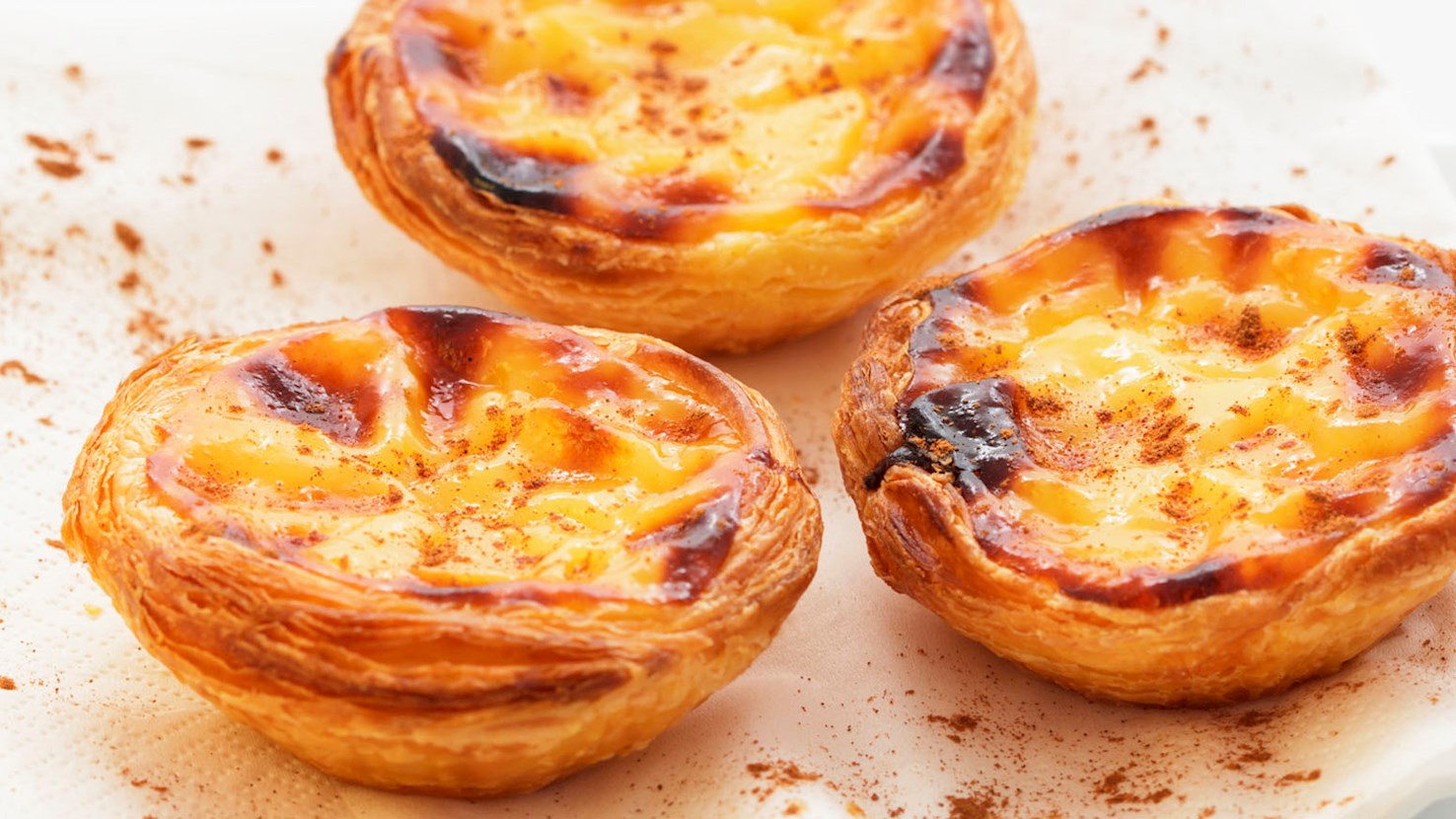
Pastel de nata is a traditional egg custard tart that is popular throughout the world. It is believed that for the best result, the filling should not be too sweet and should not have flavors of lemon nor vanilla. Instead, the tarts should be sprinkled with cinnamon and, ideally, paired with a cup of coffee. Originally, this treat was made before the 18th century by Catholic monks and nuns in Santa Maria de Belém in Lisbon. The tart was made from leftover egg yolks that were used in the clearing of wines and starching of clothes. Later on, the clerics made a deal with a nearby bakery to start selling pastel de nata commercially, and the product was a huge success. It is still hugely popular, and the fact can be supported by long lines of people who are waiting on their pastel de nata in front of numerous Portuguese bakeries. However, pastel de Belém's recipe is kept secret, and only the ones produced at the Fábrica Pastéis de Belém can be called pastel de Belém, while all the other egg custard tarts from other producers in Lisbon are called pastel de nata.

03

Travesseiros

4.1 ·

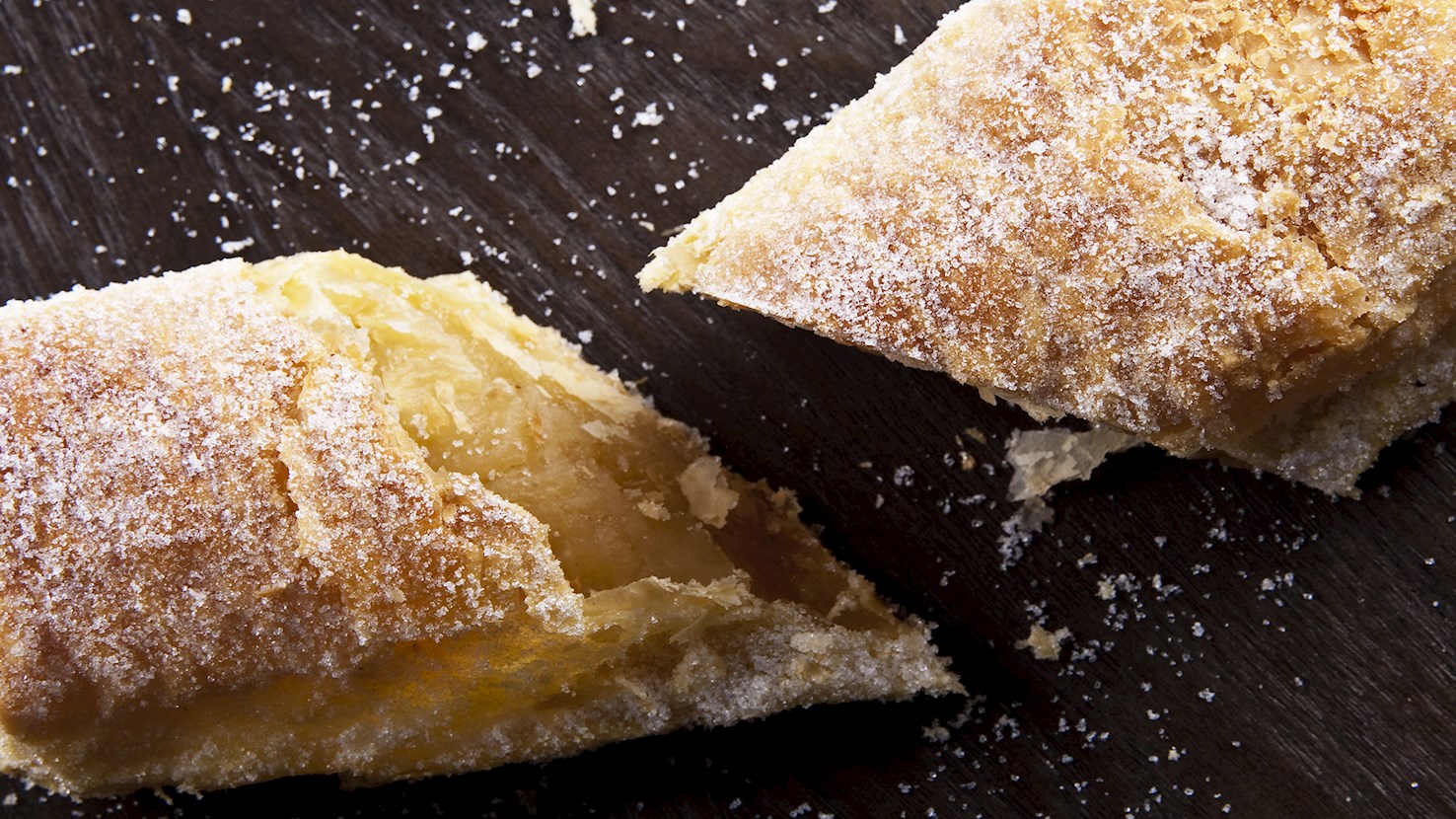
These crispy, sweet treats are made with a combination of puff pastry and a rich cream that consists of almonds and egg yolks. Travesseiros, which translates to pillows or cushions, is a signature dessert of Sintra. They are produced and sold at Piriquita, the same bakery where they were invented in the 1940s, and the original recipe is still a closely guarded secret. Travesseiros are best served freshly baked and lightly dusted with powdered sugar.

04

Queijada

3.9 ·

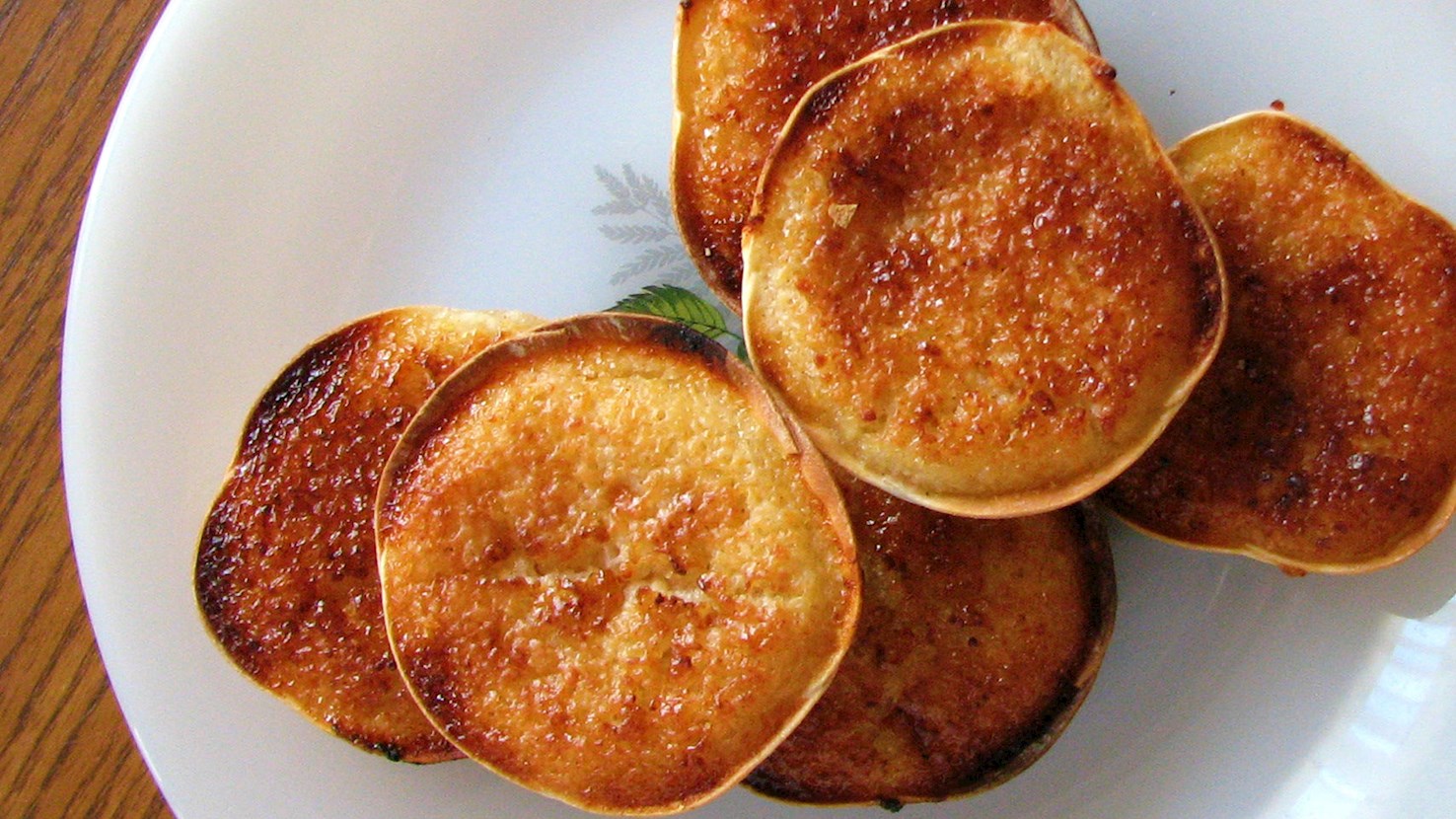
Queijada is a traditional pastry originating from Sintra. As mentioned in its name, queijada is prepared with a combination of queijo (cheese), eggs, milk, flour, and sugar. When properly baked, queijadas should have a fluffy crust on top. They can be bought at almost every pastry shop throughout Portugal. In medieval times, these small pies were used as a form of payment due to the fact that Sintra had great pastures and a surplus of fresh cheese which was used in the preparation of queijadas. Nowadays, there are many variations, such as the ones flavored with oranges (queijadas de laranja) and coconut (queijadas de coco). It is recommended to consume queijadas with a cup of espresso on the side.

Read more
View all
View map
About this ranking

TasteAtlas food rankings are based on the ratings of the TasteAtlas audience, with a series of mechanisms that recognize real users and that ignore bot, nationalist or local patriotic ratings, and give additional value to the ratings of users that the system recognizes as knowledgeable. For the “Top 4 Lisboner Pastries” list until May 15, 2026, 2,167 ratings were recorded, of which 1,573 were recognized by the system as legitimate. TasteAtlas Rankings should not be seen as the final global conclusion about food. Their purpose is to promote excellent local foods, instill pride in traditional dishes, and arouse curiosity about dishes you haven’t tried.

Similar lists