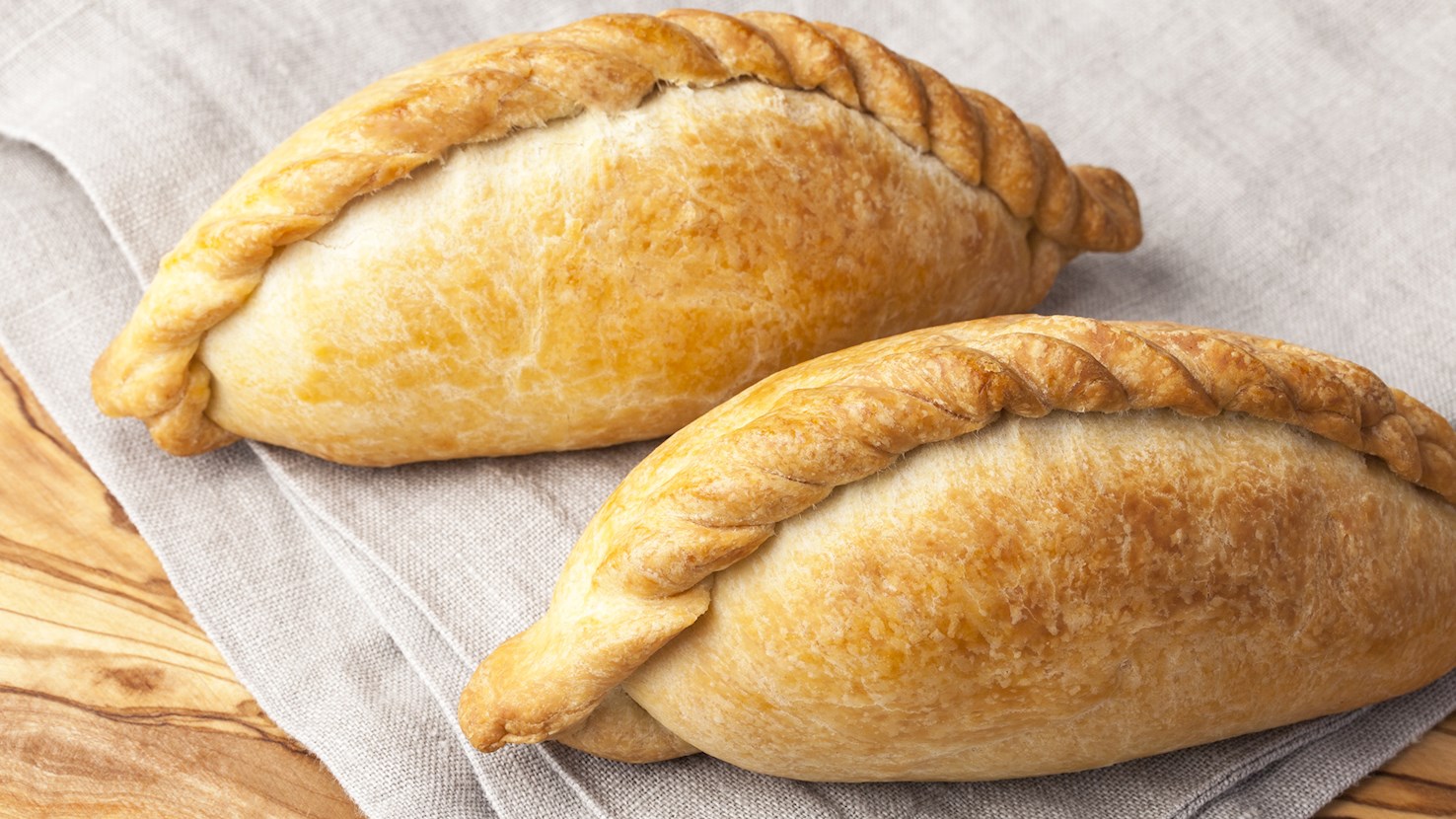
These traditional Lithuanian pastries are made with a dough that is enriched with butter, eggs, and either kefir or sour cream. The dough is hand-rolled, and it is traditionally filled with minced mutton that is flavored with onions and various herbs. It is then firmly pinch-sealed into crescent-shaped pockets. Kibinai are particularly popular with the Karaim ethnic minority in Lithuania, and they're primarily associated with the city of Trakai.
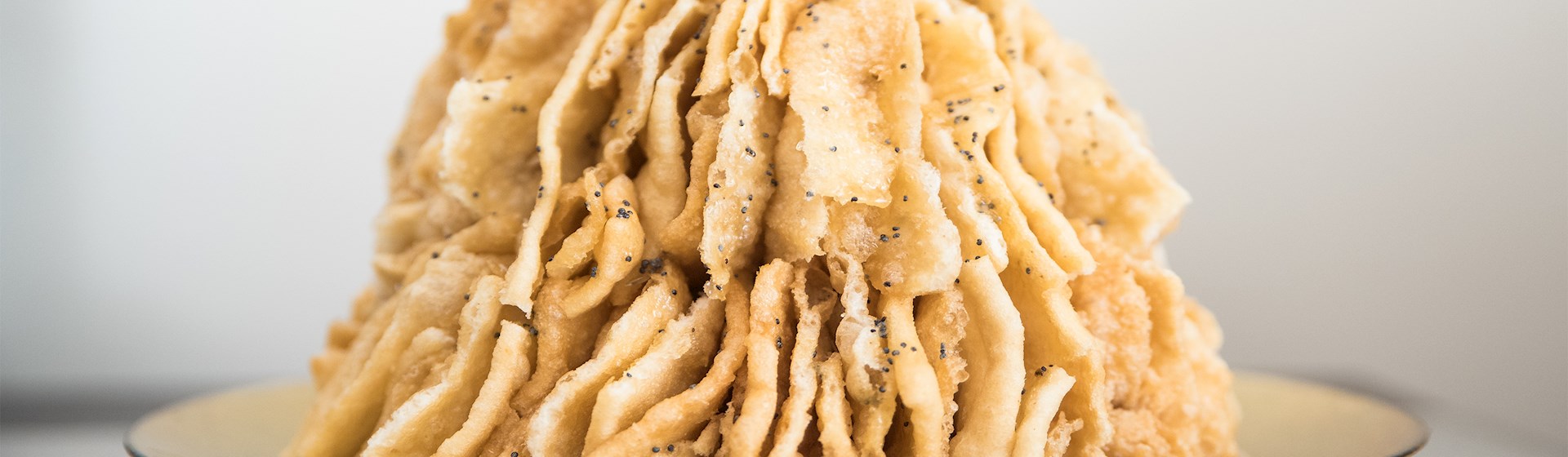
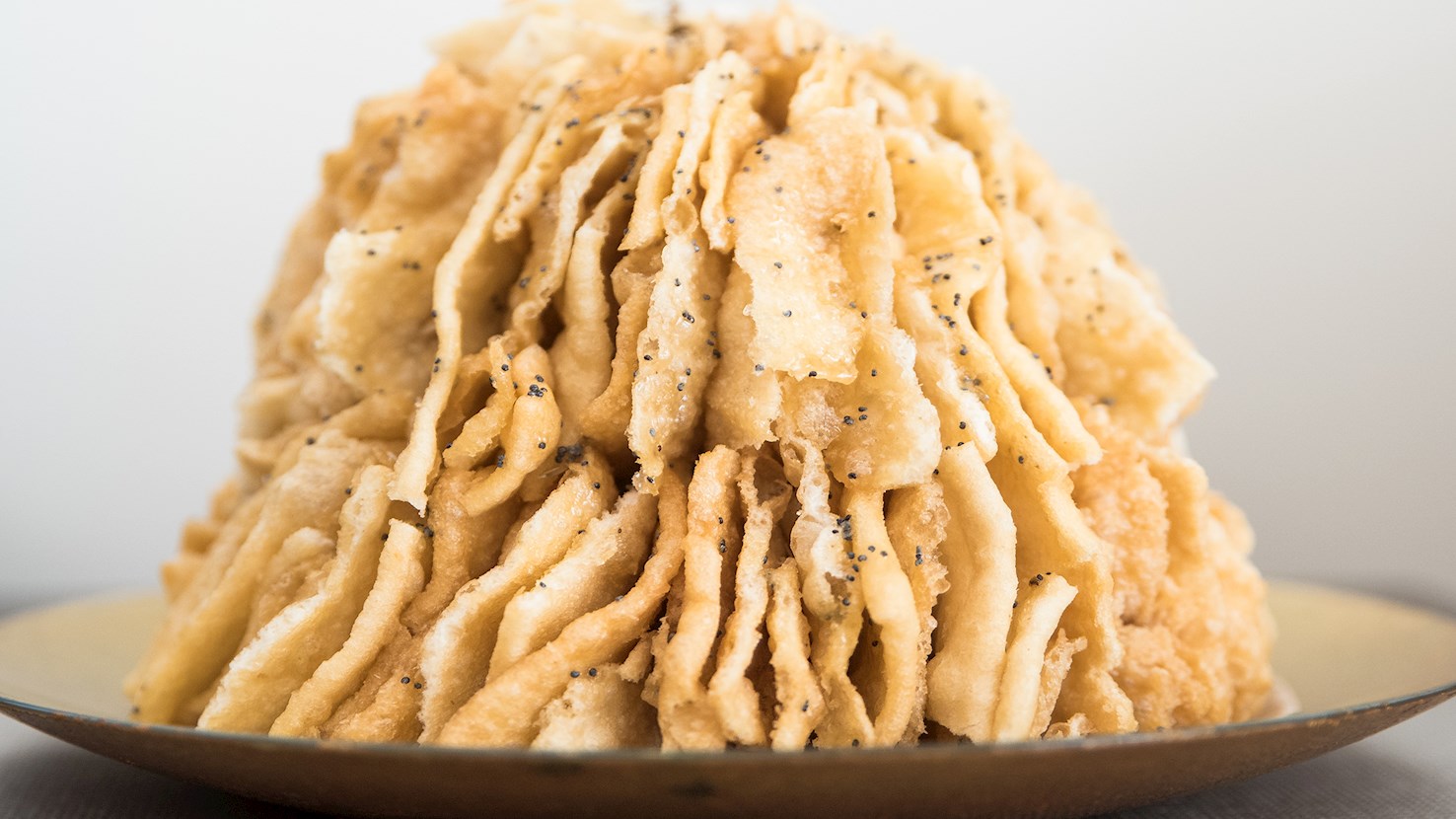
Skruzdėlynas is a Lithuanian dessert consisting of deep-fried pieces of dough which are stacked on top of one another, then glazed with honey syrup and sprinkled with poppy seeds. The dough consists of flour, eggs, a pinch of salt, and (optionally) sour cream. When done, it is rolled out very thinly and cut into small, rectangular pieces which are then fried in cooking oil. The syrup - made with honey, butter, sour cream, and a little water - is drizzled over each piece of dough. Finally, poppy seeds are sprinkled over the honey-dripping stack of pastries. This simple and delicious dish was originally made by Lithuanian beekeepers in late summer, just before the year’s first honey harvest.
Šimtalapis is a layered pastry from Lithuania that is prepared with yeast dough, poppy seeds, sugar, and butter, assembled in a way that creates a distinctive multi-layered structure. Its name literally translates to “hundred leaves,” describing the appearance of the finished pastry with its many thin, folded sheets of dough. The origins of šimtalapis are linked to the influence of the Tatars of the Alytus region, a community that settled in Lithuania centuries ago and introduced various dishes that became integrated into local cuisine. The method of rolling and folding the dough to achieve numerous layers recalls baking techniques found in other cultures, but in Lithuania the pastry developed into a unique specialty associated with celebrations. Over time it spread beyond Tatar households and became a recognizable part of Lithuanian festive food culture. Making šimtalapis requires patience and skill. The dough, made with flour, yeast, milk, eggs, and butter, is rolled out thinly and layered repeatedly, with generous amounts of melted butter brushed between the sheets to create separation. A sweet filling of finely ground poppy seeds mixed with sugar and sometimes raisins or honey is spread throughout the layers. The folded dough is then shaped, often into a circular or rectangular form, and baked slowly until the exterior is golden and the interior is tender but structured. The result is a pastry with a flaky, layered texture and a rich, nutty sweetness from the poppy seeds. It is usually served in slices with coffee or tea.
TasteAtlas food rankings are based on the ratings of the TasteAtlas audience, with a series of mechanisms that recognize real users and that ignore bot,
nationalist or local patriotic ratings, and give additional value to the ratings of users that the system recognizes as knowledgeable.
For the “Top 3 Lithuanian Pastries” list until June 15, 2026, 181 ratings were recorded, of which 124 were recognized by the system as legitimate.
TasteAtlas Rankings should not be seen as the final global conclusion about food. Their purpose is to promote excellent local foods,
instill pride in traditional dishes, and arouse curiosity about dishes you haven’t tried.