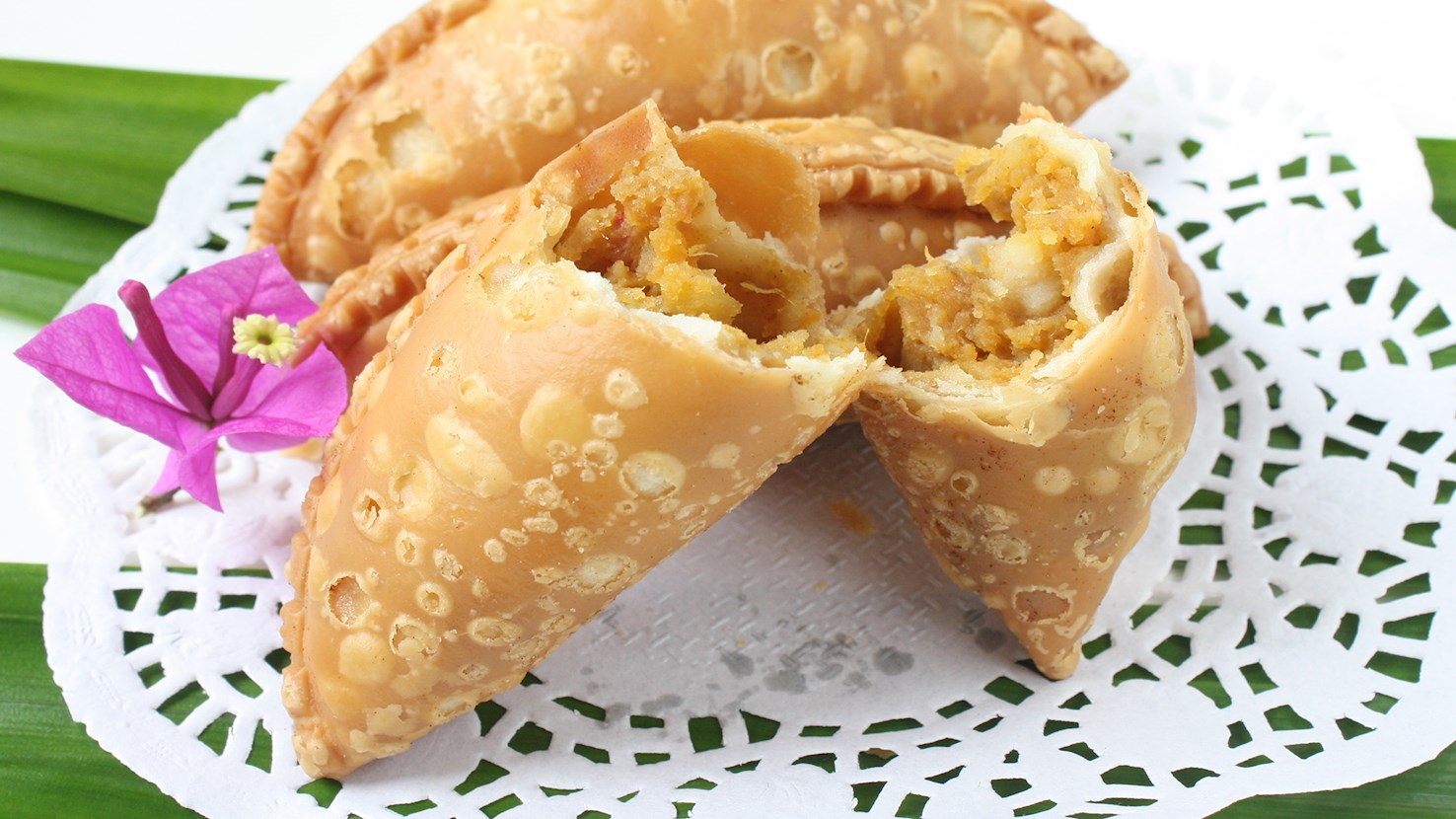
Karipap or curry puff is a small, deep-fried or baked pastry shell filled with thick chicken and potatoes curry. It is believed that the flavorful snack was invented by the Malays from the Malay Peninsula and parts of Sumatra and Borneo. It is a popular breakfast item or an afternoon snack which can be found at numerous stores, bars, and markets. Because of its simplicity and flavor, karipap quickly became popular outside Malaysia, especially in Thailand and Singapore. Today there are numerous versions of karipap, so instead of potato and chicken curry, it can be filled with various other ingredients such as tuna, sardines, and beef rendang. Crispy and flaky on the exterior, hot and soft on the interior, karipap is a snack that remains a staple of Southeast Asian cuisine.
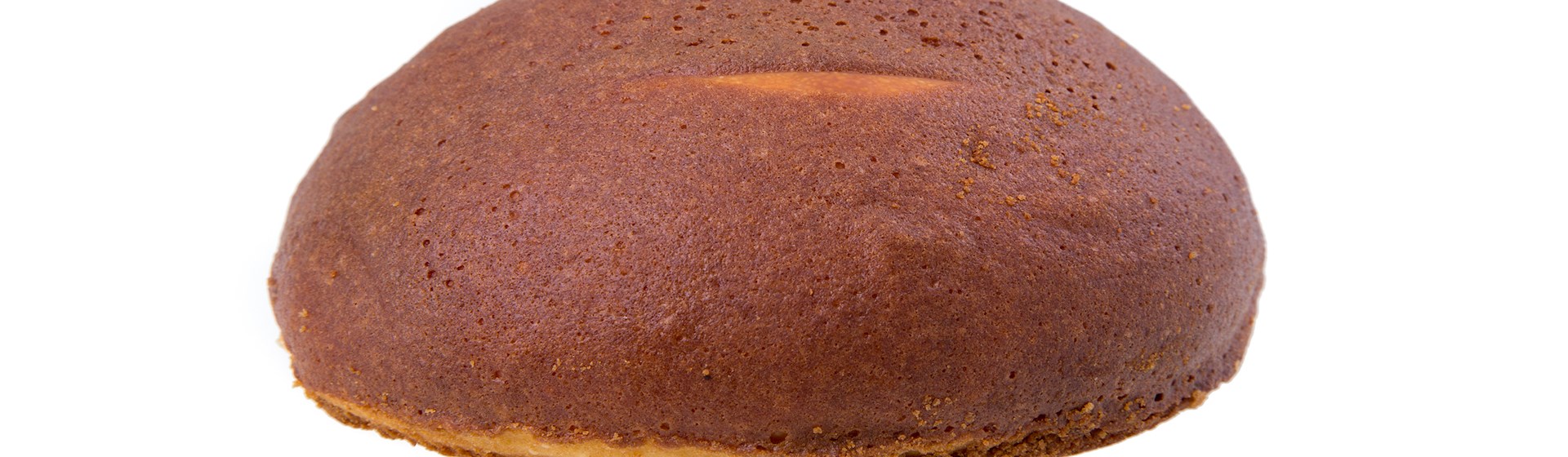
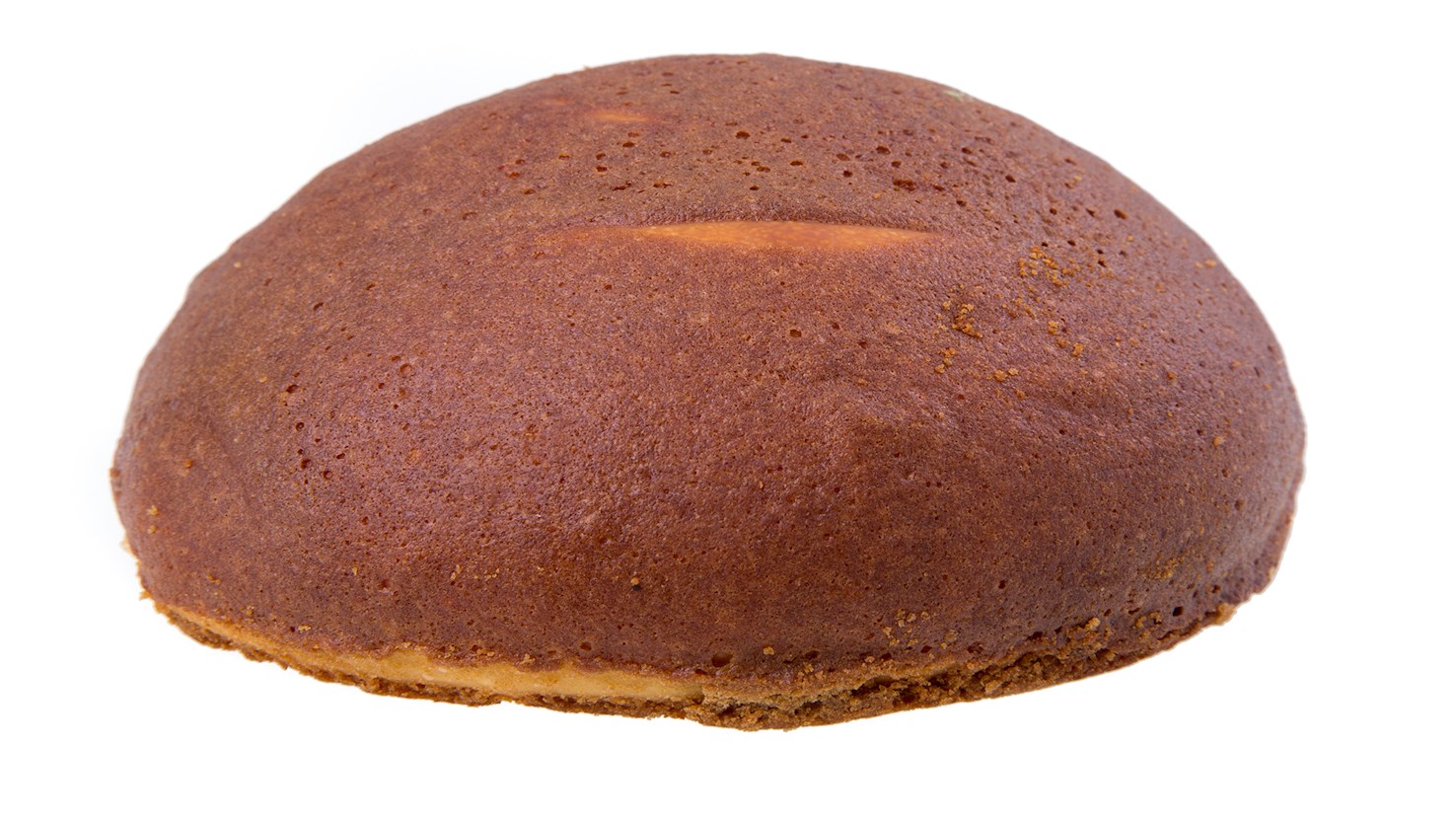
These Malaysian buns were invented at the namesake bakery in Penang. First marketed as Mexican coffee buns, they consist of a leavened dough that is filled with butter and topped with a layer of coffee-infused buttercream. During baking, the cream top completely covers the bun and creates a thin, crispy coffee layer. The Mexican conchas allegedly inspired the bun, hence its original name. Soon after they were introduced in 1998, the buns were an instant success. Nowadays, the franchise has spread throughout Asian and Arab countries, and their signature bun is better known as rotiboy or roti kopi.
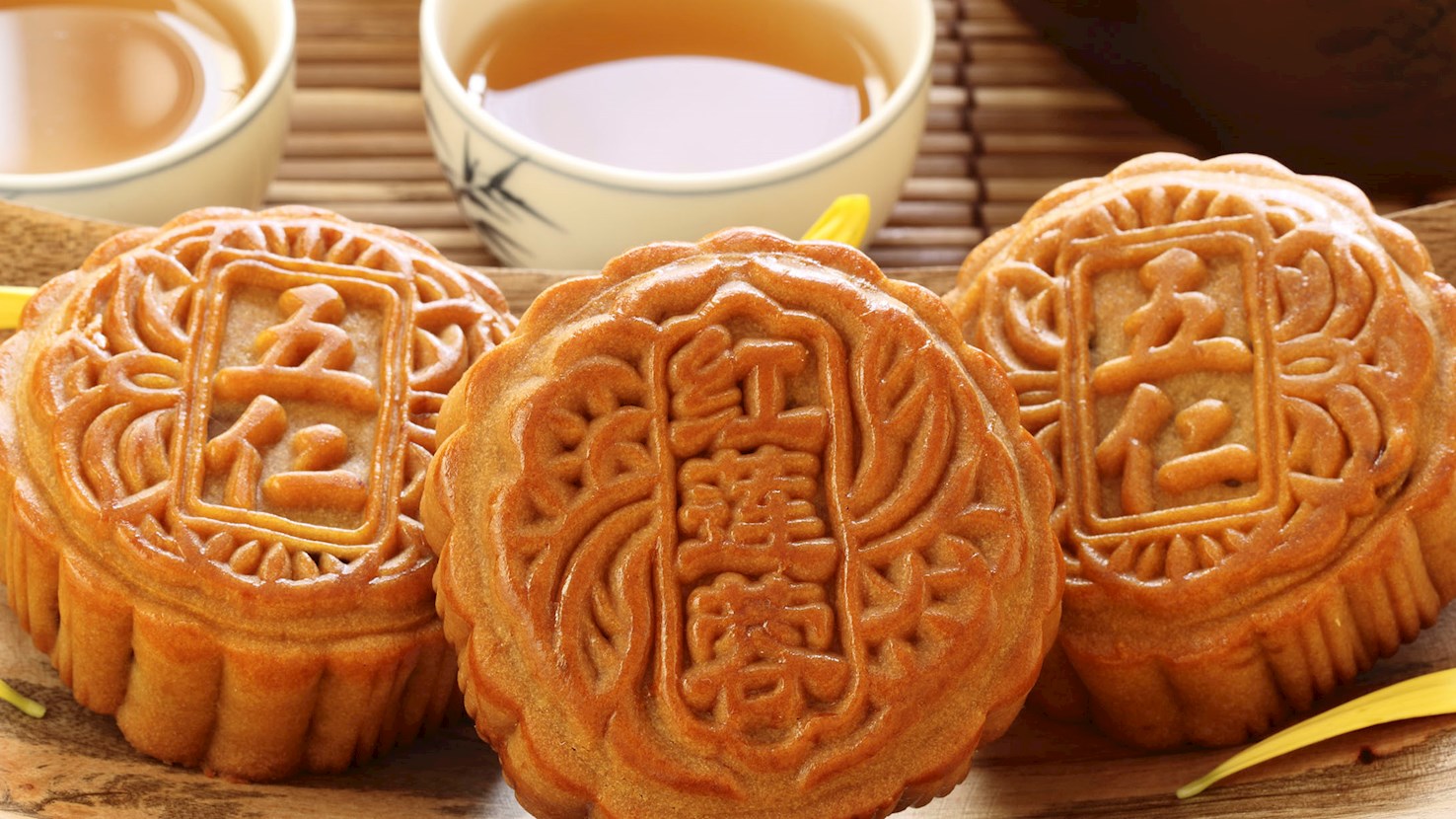
An ancient Chinese delicacy eaten during the Mid-Autumn Festival or Moon Festival, known as mooncake, is a pie-like pastry made with a shortcrust base called yueh ping that is traditionally filled with black sesame seed or lotus seed paste, along with red beans, roasted pork, mung beans, dates, and salted duck egg yolks. Nowadays, mooncakes are available in a variety of different sweet and savory fillings, some of which are fruits like honeydew, litchi or pineapple; chocolate or mixed nuts; abalone and seaweed; green tea, and even cream cheese or ice cream. Their round shape is not only reminiscent of the moon, but also a symbol of return or a full circle, which in Chinese philosophy stands for fulfillment, oneness, perfection, and unity. Mooncakes are meant to be shared among people, so they are typically enjoyed sliced into small wedges and usually served with Chinese tea. In ancient times, these pastries were prepared as an offering to the Moon, but over centuries they have become the most popular food of the Mid-Autumn Festival. Listed as a public holiday and an intangible cultural heritage, the Mid-Autumn Festival or Moon Festival is one of China’s most important traditions celebrated on the 15th day of the 8th lunar month when the full moon is said to be at its brightest and closest to Earth.
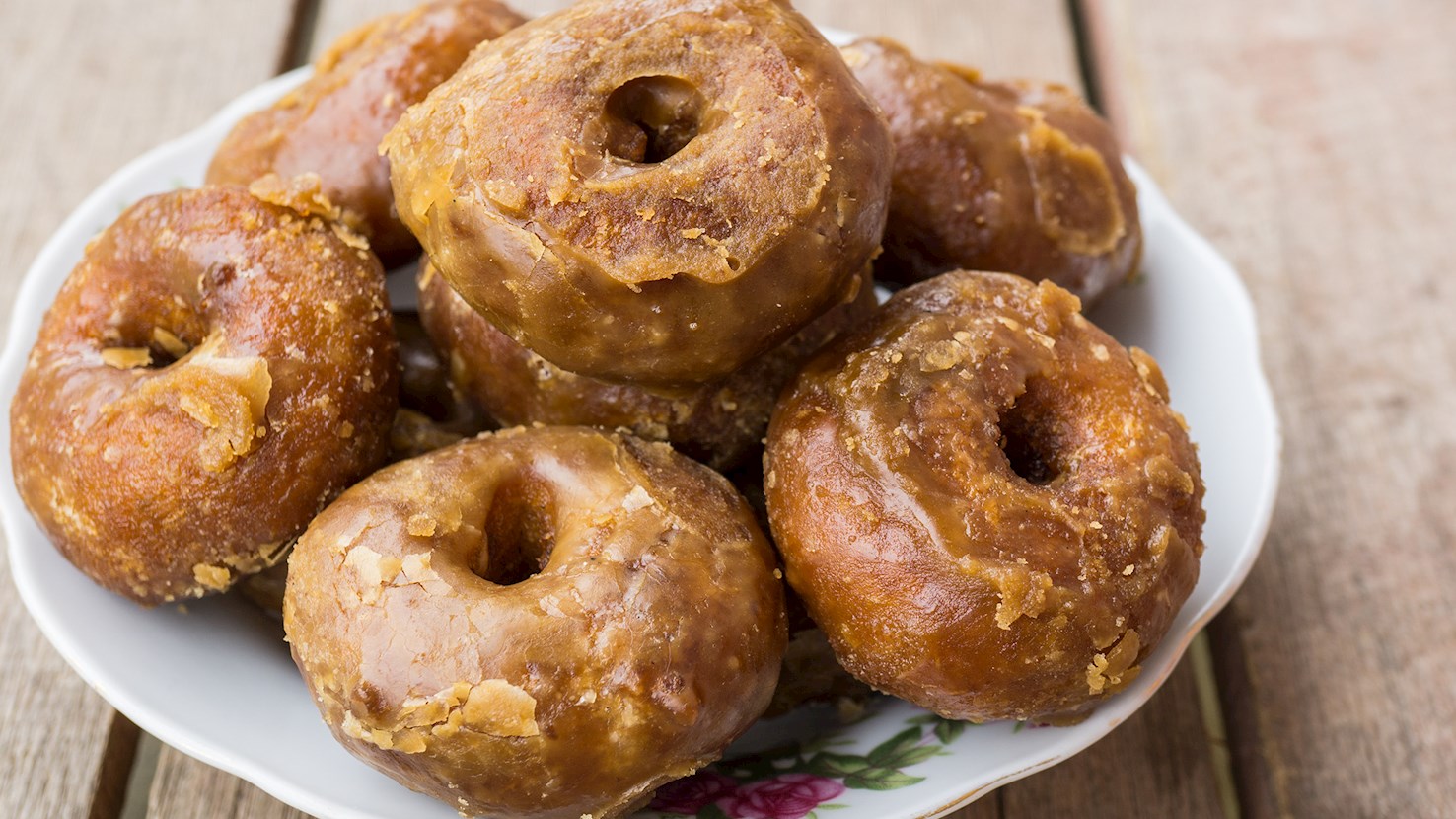
Kuih keria are Malaysian deep-fried doughnuts that are made from sweet potatoes. After they are steamed and mashed, the potatoes are combined with flour to form a pliable dough that is then shaped into doughnut rings. Unlike other types of doughnuts, this version is not leavened, resulting in somewhat denser texture. After they have been fried, the doughnuts are usually sugar-glazed or generously coated in white or palm sugar (gula melaka).
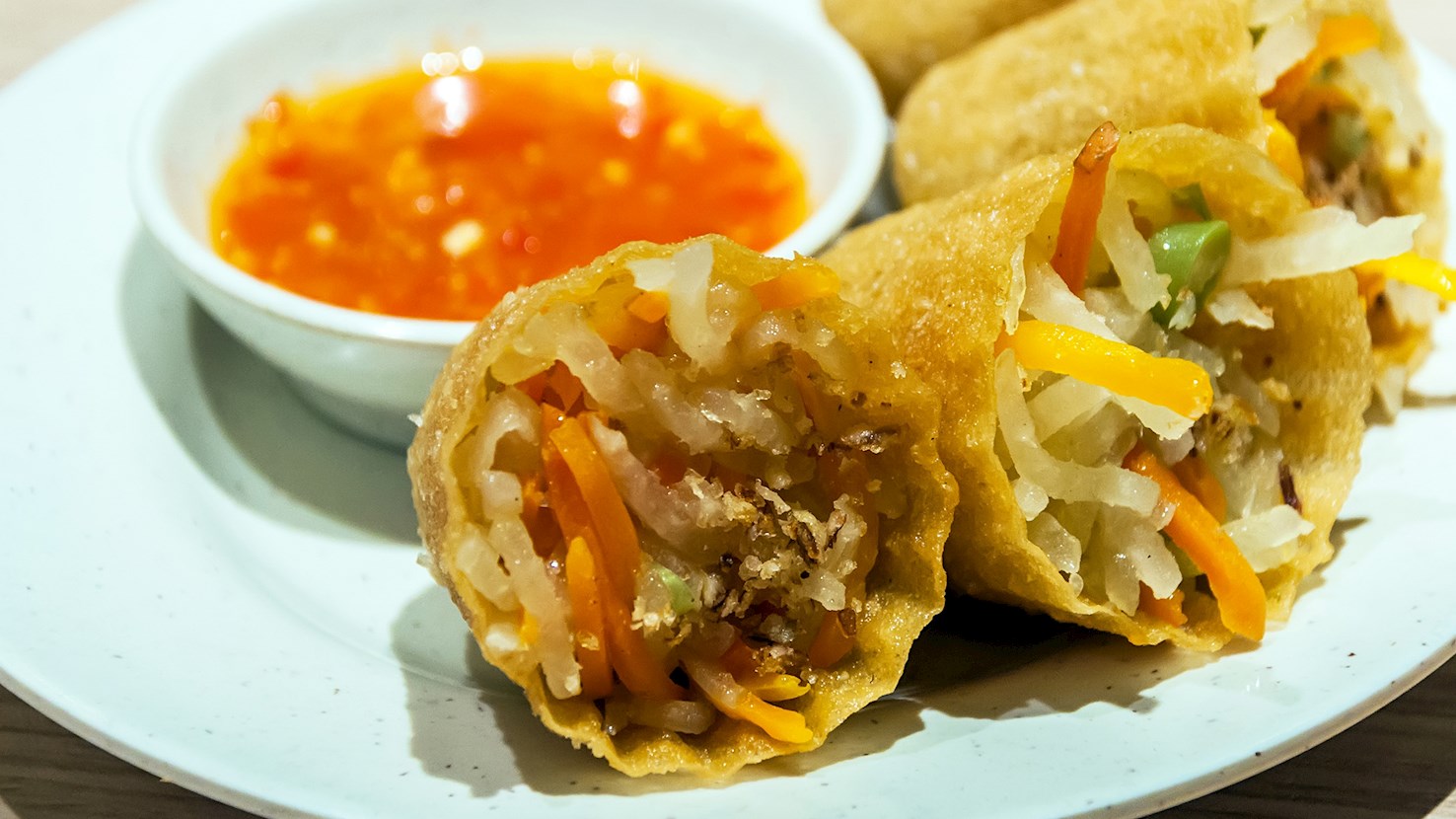
Pie tee is a dish consisting of a thin pastry—shaped in the form of a cup—which is filled with various sliced vegetables such as bamboo shoots, turnips, and carrots. The shells are made with the help of a pie tee mold that is first dipped in batter and then into the sizzling oil, while the top of each pastry is usually topped with chili sauce, coriander leaves, omelet strips, and shrimps. Although the origins of this decorative snack are said to be among the Peranakan Chinese, the exact location where they first appeared is not known, and the dish is linked to both Malaysia and Singapore.
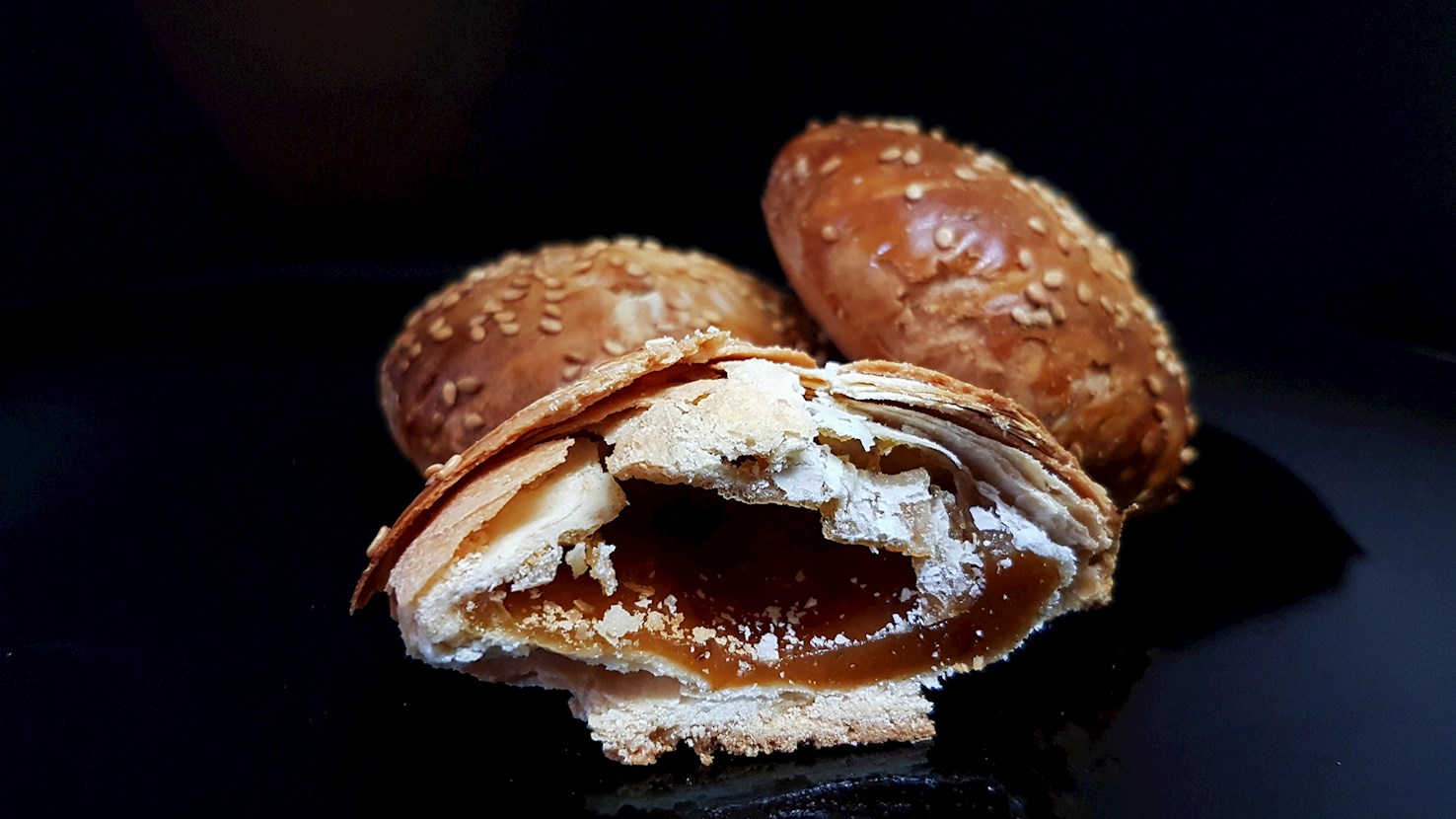
Heong peng or heong peah is a traditional pastry. The pastries are usually made with a combination of wheat flour, oil, sesame seeds, sugar, malt, and shallots. They're shaped like flattened balls and contain a sticky sweet filling consisting of malt and shallots. Before baking, the pastries are garnished with sesame seeds on top. Although the original flavor is maltose, there are other versions flavored with coffee, pandan leaves, and durian. The fragrant pastries are especially popular with the Malaysian Chinese community.
TasteAtlas food rankings are based on the ratings of the TasteAtlas audience, with a series of mechanisms that recognize real users and that ignore bot,
nationalist or local patriotic ratings, and give additional value to the ratings of users that the system recognizes as knowledgeable.
TasteAtlas Rankings should not be seen as the final global conclusion about food. Their purpose is to promote excellent local foods,
instill pride in traditional dishes, and arouse curiosity about dishes you haven’t tried.



What People Say