



Top 5 Norman Pastries

Last updated on June 15, 2026
01

Brasillé

n/a ·

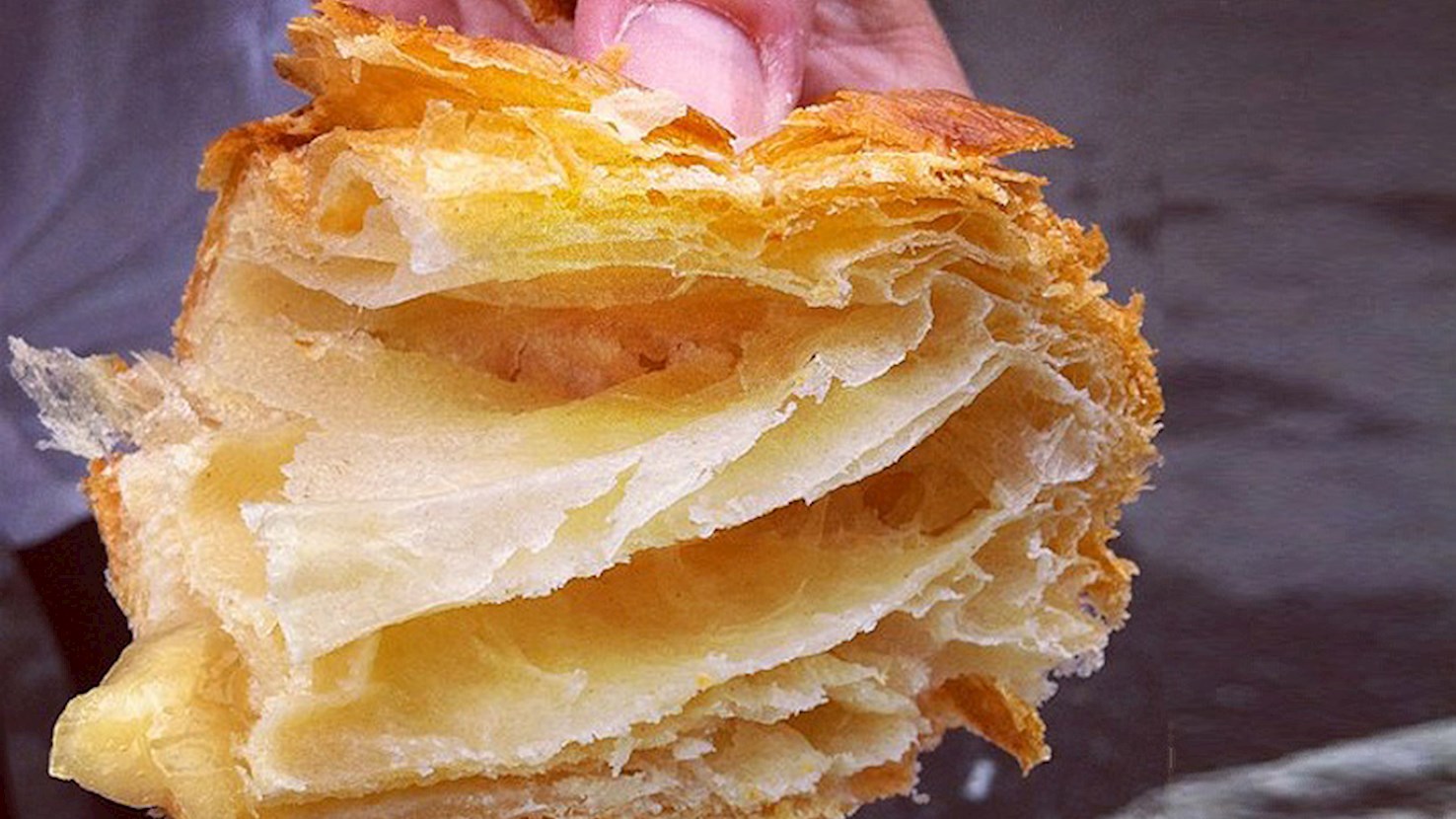
Brasillé is a traditional pastry made with flaky, buttery puff pastry, lightly salted butter, sugar, and eggs. Puff pastry is rolled out and buttered, then shaped into its characteristic oval shape before it is brushed with beaten eggs, sprinkled with sugar, and baked until puffed and golden on top. This French specialty used to be prepared out of simple bread dough and lard, but it was later re-invented by a French baker called Emilie Roussel, who replaced lard with butter and added sugar to the combination. Brasillé earned its name from the French word brasier, meaning a pan of hot coals or embers, referring to the method of baking the pastry in an oven of hot coals that gave the original pastry a slightly burnt top. Although it is typically only topped with sugar, some versions call for enhancing the pastry with a filling of apples, pears, or chocolate. This buttery pastry is typically enjoyed warm or slightly chilled as a dessert that can be served for breakfast or as an afternoon snack.

02

Douillon

n/a ·

Douillon is an sweet pastry from Normandy that consists of a whole peeled apple or pear, filled with sugar and sometimes butter, that is completely wrapped in a thin layer of dough and baked until the apple becomes tender and the pastry turns lightly golden, creating a dessert with a soft, juicy interior and a gently crisp exterior. Its presence is closely linked to apple-growing areas, where orchard fruit was abundant, and baking whole apples into dough provided a practical and satisfying way to turn simple ingredients into a filling sweet, becoming a familiar preparation in home kitchens and local bakeries. Preparation begins by selecting firm apples, removing the core while keeping the fruit whole, filling the cavity with sugar and sometimes butter, enclosing each apple fully in rolled dough, sealing it carefully, and baking until the pastry is cooked and the apple steams and softens inside its casing. Variations include using different apple or pear varieties, adding cinnamon or other mild spices, or marzipan, or making small changes to the dough used to wrap the fruit. Douillon is served warm or at room temperature as a dessert, often on its own or with either cream, honey and Calvados sauce, vanilla or chocolate sauce, and pairs well with coffee, tea, cider, or lightly sweet wines.

03

Mirlitons de Rouen

n/a ·

Mirlitons de Rouen are almond pastries from France associated with the city of Rouen. They are small oval pastries made from puff pastry filled with an almond-based mixture that becomes soft and slightly moist during baking while the layered dough turns light and crisp, creating a clear contrast between flaky exterior and smooth interior with a pronounced almond flavor. The pastry is documented in Rouen from the nineteenth century, when it became established as a local specialty produced by city bakers and progressively identified as a characteristic sweet of Rouen’s urban gastronomy. Preparation consists of shaping puff pastry into small oval molds, filling them with an almond mixture made from ground almonds combined with sugar, butter, and eggs, and baking until the pastry is well risen and the filling is set without excessive browning. The defining elements are the use of puff pastry and the almond filling, which clearly differentiate the Rouen version from other pastries bearing the same name in different towns and with different formats. Variations are limited and focus mainly on slight adjustments within the almond filling rather than changes in shape or dough, maintaining a consistent identity over time. Mirlitons de Rouen are eaten as individual pastries, most often at room temperature, and are commonly enjoyed with coffee or tea as part of everyday bakery consumption.

04

Bec de Flers

n/a ·

Bec de Flers is a sweet pastry from the town of Flers in Normandy. It consists of a puff pastry shell filled with a stewed mixture of apples and rhubarb. The pastry was developed by local food artisans specifically to establish and promote Flers's culinary identity. Its status was formalized in 1987 during a gastronomic exhibition, which led to the creation of the local "gastronomy brotherhood." While the brotherhood initially focused on a savory dish called le gousset Flérien, the bec de Flers became an integral part of their mission to showcase the town's heritage. The making of the pastry starts with cooking a compote of apples and rhubarb. This mixture is enclosed in rolled puff pastry, sealed tightly, and baked until the exterior is well-risen and golden brown. The technique requires precision to ensure the pastry layers separate and crisp fully without becoming soggy from the fruit filling's moisture. Bec de Flers is best enjoyed warm or lukewarm to maintain the contrast between the flaky crust and the melting fruit. It is sold in local bakeries as a dessert or snack and is the centerpiece of the brotherhood’s annual competition held on the third Sunday of September. It pairs naturally with regional beverages such as hard cider, as well as coffee, tea, or lightly sweet white wines.

05

Bourdelot

n/a ·

Bourdelots are a small pastry from Normandy in France made by encasing a whole apple (and sometimes a pear) in a pastry shell and baking it until the fruit is tender and the pastry golden. They trace back to household kitchens in the Normandy countryside, where abundance of apples and simple pantry staples such as dough and butter were used to create sweet dishes for family meals and village fairs; over time the recipe found its way into local pâtisseries and became emblematic of the region’s fruit-based baking. The preparation begins by peeling and coring whole apples, placing each on a square of pastry dough and filling the cavity with sugar, a splash of calvados or cider brandy and a knob of butter; the pastry corners are then brought together to surround the fruit, the surface is brushed with egg yolk, the pastries are arranged on a baking tray and baked until the dough is crisp and the fruit cooked through. Variations include using pears instead of apples, adding raisins or redcurrants in the fruit cavity, seasoning the apples with cinnamon, or lightly flavouring the pastry dough with vanilla or almond extract; the dessert can also be flambéed with calvados at the table. What distinguishes bourdelots is their use of whole intact fruit combined with a sealed pastry shell and the infusion of regional apple-based brandy, which gives the dessert a distinct character and strong sense of place. Bourdelots are served warm or at room temperature, often accompanied by a drizzle of crème fraîche or a scoop of vanilla ice cream, and they pair naturally with Normandy cider or a light sweet white wine, as well as with coffee or tea as an end to a meal or a café treat.

Read more
View all
View map
About this ranking

TasteAtlas food rankings are based on the ratings of the TasteAtlas audience, with a series of mechanisms that recognize real users and that ignore bot, nationalist or local patriotic ratings, and give additional value to the ratings of users that the system recognizes as knowledgeable. For the “Top 5 Norman Pastries” list until June 15, 2026, 5 ratings were recorded, of which 4 were recognized by the system as legitimate. TasteAtlas Rankings should not be seen as the final global conclusion about food. Their purpose is to promote excellent local foods, instill pride in traditional dishes, and arouse curiosity about dishes you haven’t tried.

Similar lists