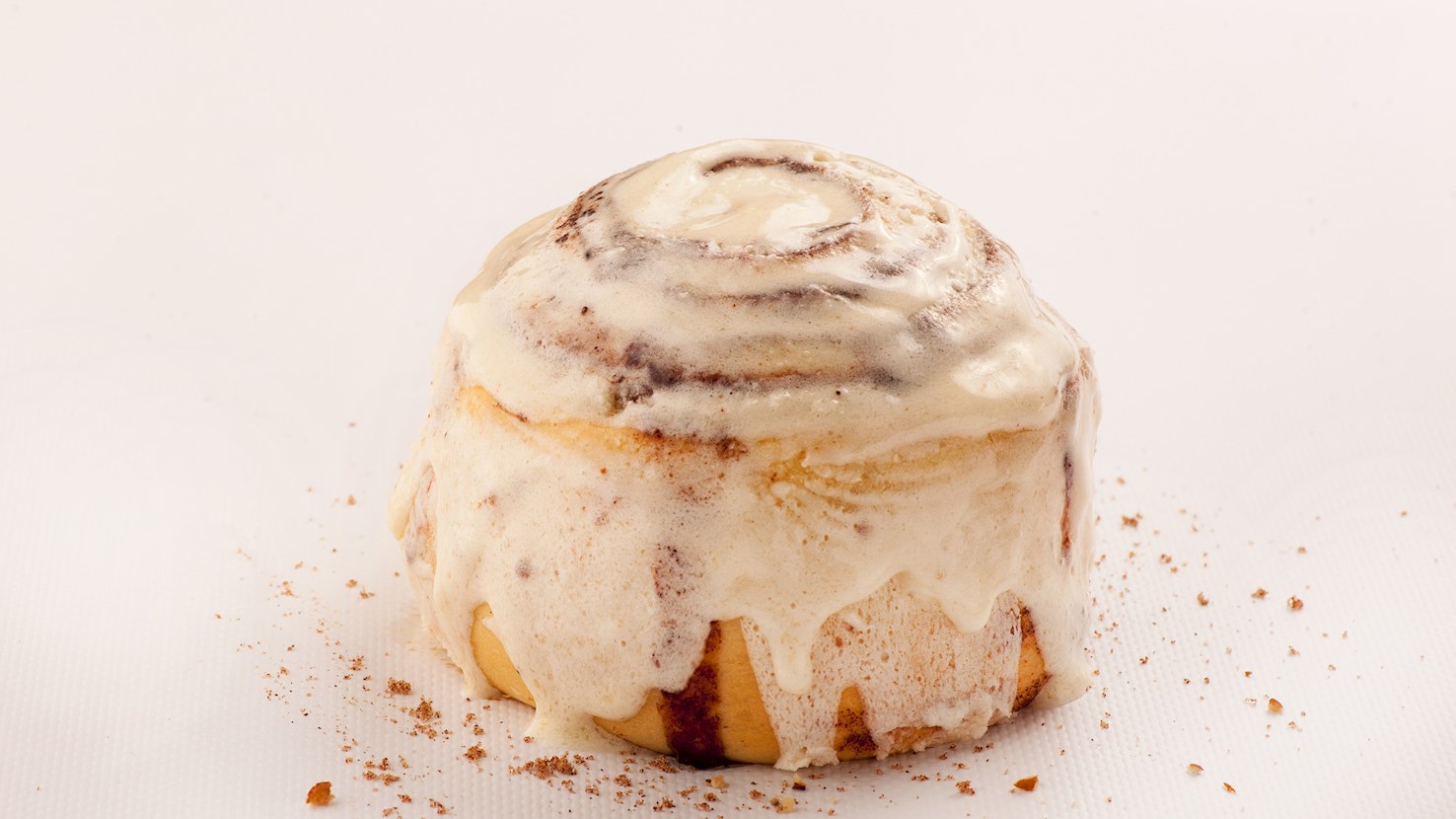
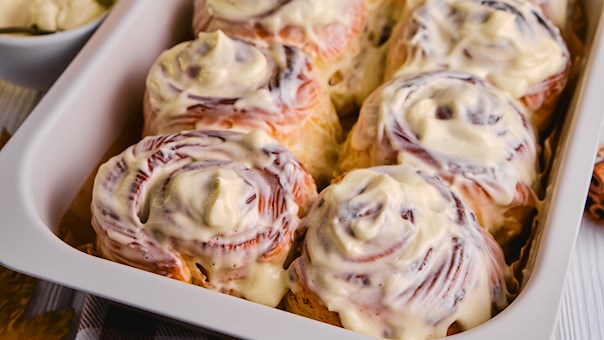
American-style cinnamon rolls are characterized by the pillowy, soft dough and their much larger size and softer texture when compared to their European cousins. They are made with yeasted dough that is rolled into a rectangle, spread with butter, then sprinkled heavily with a mix of sugar and cinnamon and rolled into a log that is cut into slices. The slices are arranged on a baking tray very tightly and baked. While still hot from the oven, the cinnamon rolls are usually topped with icing or a glaze, most notably powdered sugar icing or cream cheese frosting. There are many variations, either when it comes to the topping or the filling, which can include nuts like macadamia or raisins. Cinnamon rolls are usually eaten for breakfast or as a snack.
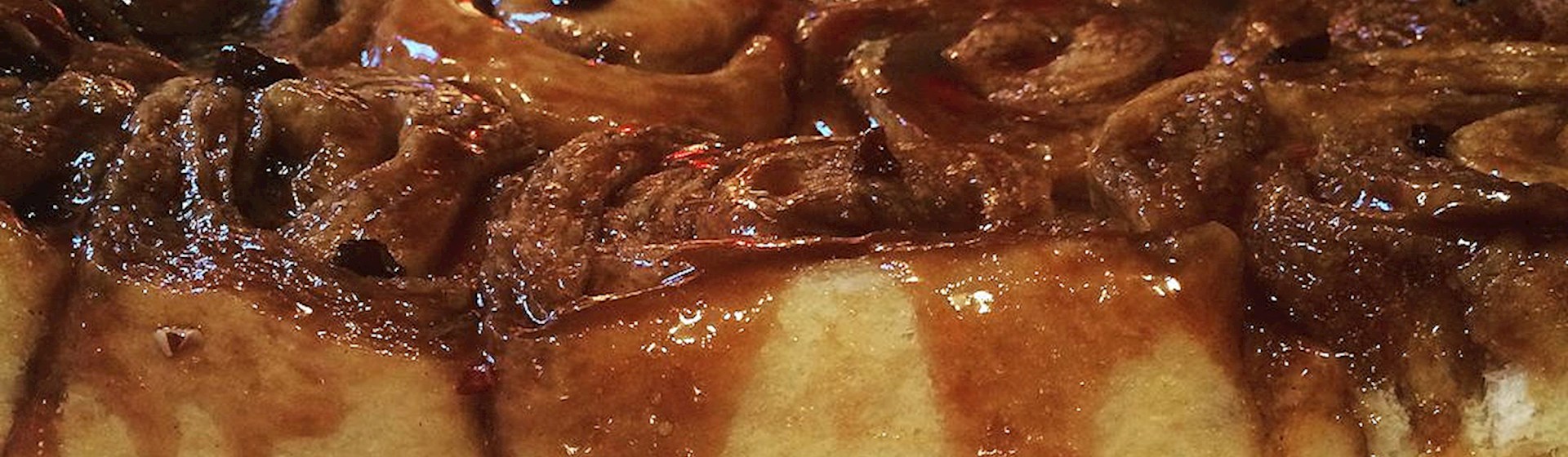
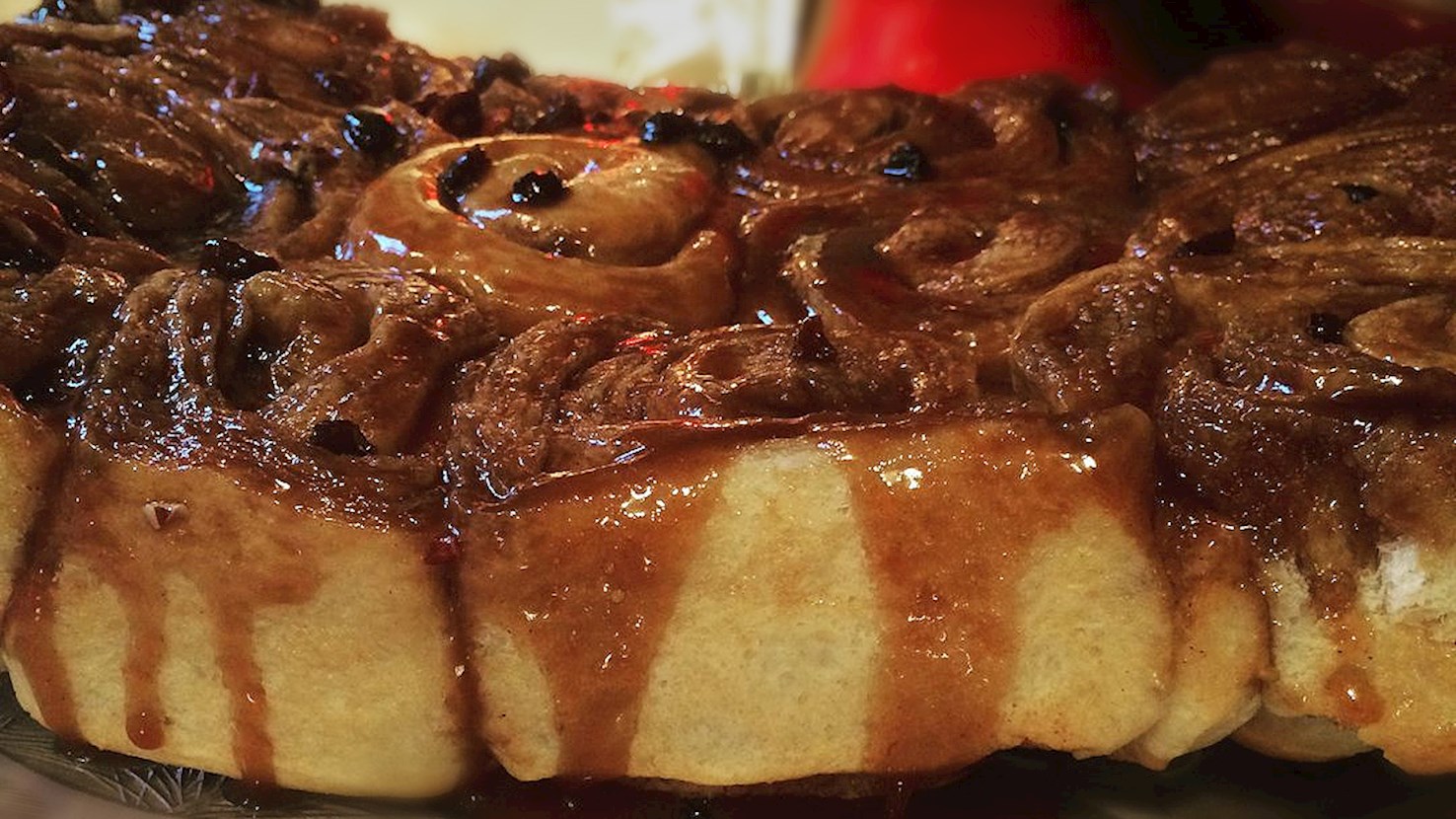
Sticky buns or cinnamon buns are a classic Philadelphian staple that evolved from German snail pastry (shnecken). The pastry was brought to Philadelphia by English and German immigrants in the 18th century. The sticky buns are made with a combination of milk, yeast, flour, salt, sugar, eggs, butter, brown sugar, cinnamon, raisins, and walnuts. The dough has to rice twice and the process is labor-intensive. If properly prepared, the result is a brioche-like cinnamon roll that's slightly crispy on the exterior and tender on the inside. There should be enough sugar, cinnamon, raisins, and walnuts between the dough layers. Before baking, these buns are covered with a mixture of brown sugar and butter, giving them their sticky nomenclature. The sticky buns are served warm, ideally with a cup of coffee on the side.
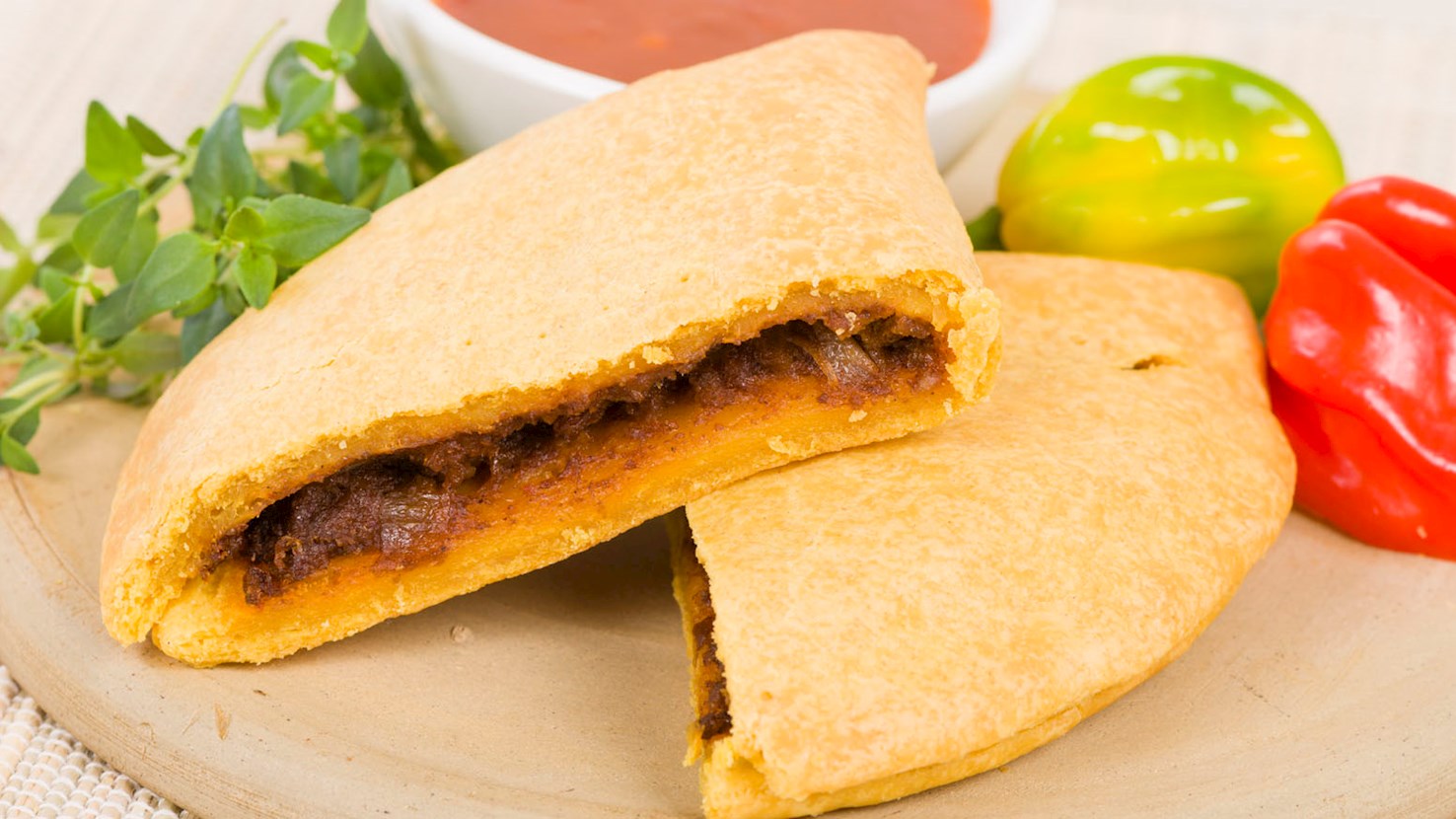
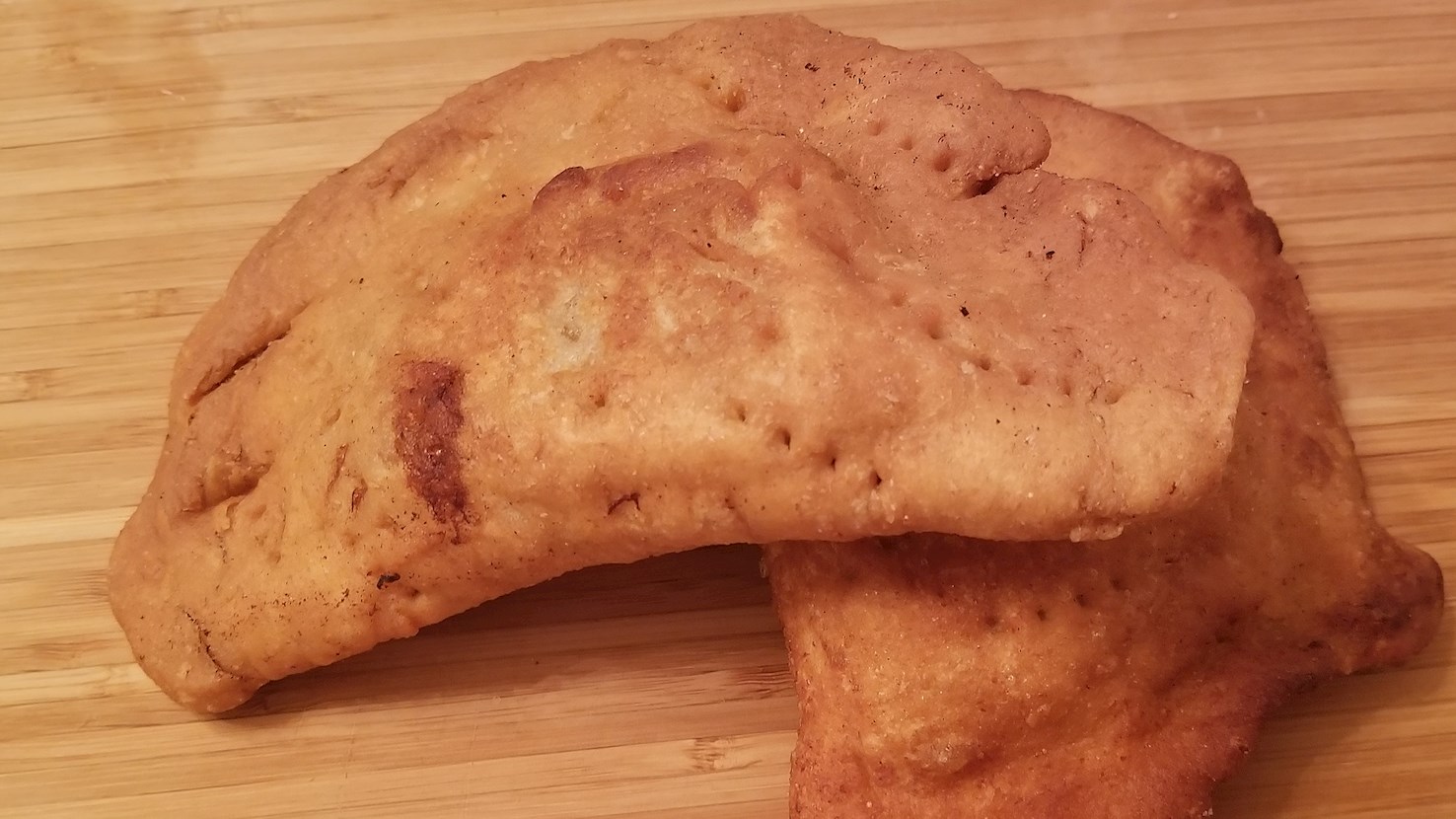
A Jamaican patty is a baked, handheld pastry filled with seasoned meat, vegetables, or seafood and enclosed in a flaky, yellow-tinted crust. It is one of the most recognizable foods of Jamaica and is widely eaten across the Caribbean and in Jamaican communities abroad. The distinct yellow color of the crust comes from turmeric or curry powder, and the filling is defined by a blend of Jamaican spices, including allspice, thyme, Scotch bonnet pepper, and scallion. Patties are commonly sold by bakeries, street vendors, and small shops, where they serve as an everyday meal or snack. The development of the Jamaican patty reflects several culinary influences that converged on the island. British settlers introduced meat pies, which inspired the concept of a seasoned filling wrapped in pastry. African cooking practices contributed techniques for seasoning and slow-cooking meat with spices and herbs. Indian indentured laborers brought curry powder and turmeric, which influenced both the color and flavor profile of the crust and fillings. Ingredients such as Scotch bonnet pepper, thyme, and allspice reflect local Jamaican agriculture and spice preferences. These elements gradually blended over the nineteenth and early twentieth centuries, and the patty emerged as a standardized street food item in urban areas such as Kingston, where bakeries refined the crust and expanded the variety of fillings. Preparation begins with making the dough, which combines flour, cold fat such as butter or shortening, turmeric or curry powder for color, salt, and water. The fat is cut into the flour to create a flaky texture similar to puff or shortcrust pastry. The dough is chilled, rolled out, and cut into circles or half-moon shapes. The filling typically consists of ground beef cooked with onion, garlic, thyme, Scotch bonnet, allspice, and breadcrumbs or flour to bind the mixture. Other fillings may include chicken, saltfish, shrimp, callaloo, vegetable mixes, or cheese. The filling is placed onto a piece of rolled dough, folded over, and sealed by crimping or pressing the edges. The patties are then baked until the exterior becomes crisp and golden. Jamaican patties are eaten throughout Jamaica in homes, schools, bakeries, and street stalls. They are widely consumed as a quick lunch or snack and are often served inside coco bread to make a more filling sandwich. Outside Jamaica, they are popular in Trinidad, Barbados, Guyana, Canada, the United Kingdom, and the United States, where Jamaican bakeries and restaurants prepare them with both traditional and expanded fillings. Common beverage pairings include ting, ginger beer, kola champagne soda, sorrel drink, fruit punches, and cold beer. The patty remains one of Jamaica’s most accessible and widely exported foods, valued for its portability, distinct flavor, and consistent preparation style.
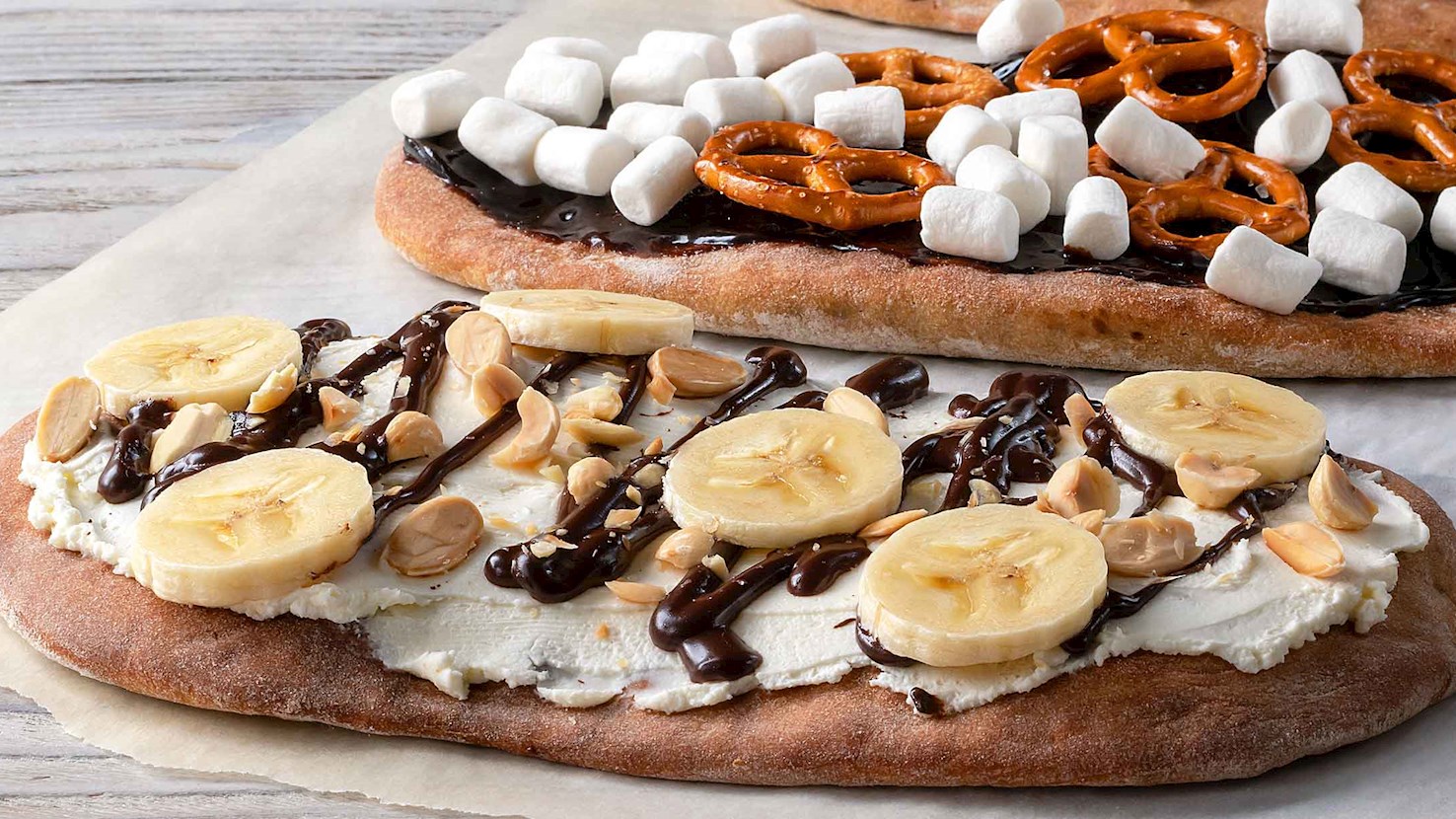
Beaver tails are sweet, flat, and thin Canadian pastries made from whole wheat flour. The dough is hand-stretched and shaped to look like a beaver's tail - unsurprisingly, one of Canada's national symbols. The shaped dough is fried (a technique referred to as float-cooking) on canola oil and smothered with butter and a variety of different toppings. Beaver Tails originated from a recipe created by Grant Hooker's family and have been served commercially since 1978. It is believed that the pastry evolved from a yeasty, wheaty dessert made from excess dough that was first made on early Canadian and American farms. Beaver Tails are always served hot and topped with cinnamon, sugar, and some lemon juice, which is the most popular option. Other toppings may include chocolate and hazelnut, maple syrup and butter, apple and cinnamon, whipped cream, chocolate sauce, jelly beans, bananas... The list goes on, as the possibilities are virtually infinite for this Canadian icon.
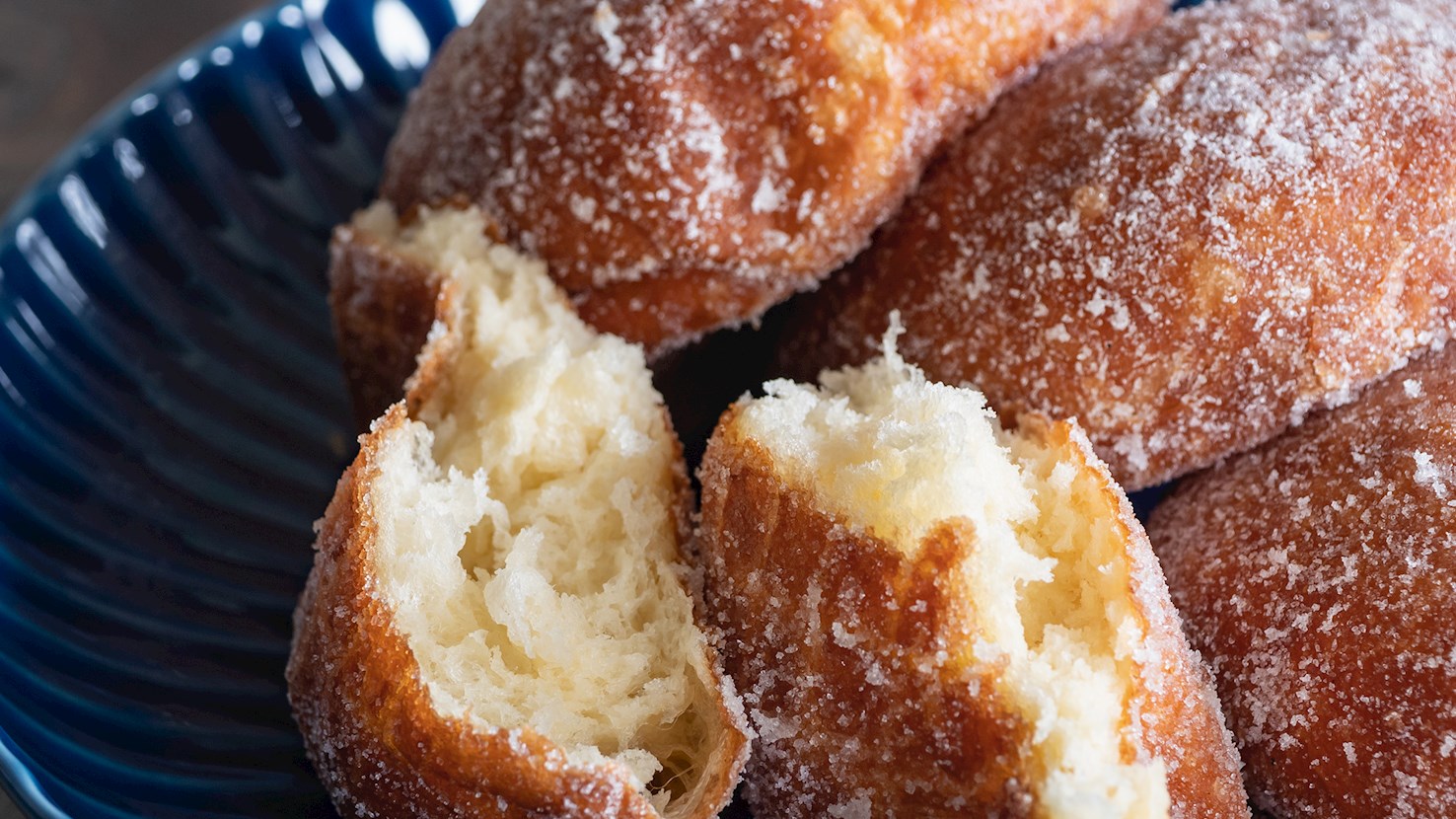
Malasadas are traditional Portuguese yeast-leavened doughnuts made from eggs, flour, sugar, and milk. They are sometimes coated with cinnamon or granulated sugar. The original Portuguese malasadas don't have any holes or fillings, but the variations prepared in Hawaii do. The popularity of malasadas in Hawaii is not accidental – Portuguese laborers from the Azores came to Hawaii in the 19th century to work in the plantations. They brought their traditional foods with them, including the malasadas, which were originally prepared in order to use all the sugar and lard in one's home before Lent. Nowadays, malasadas are especially popular on Fat Tuesday. The Hawaiian malasadas can be filled with various ingredients such as chocolate, guava, or coconut pudding (haupia). The name malasadas means poorly cooked, referring to the sugary exterior that's contrasted by a soft crumb.
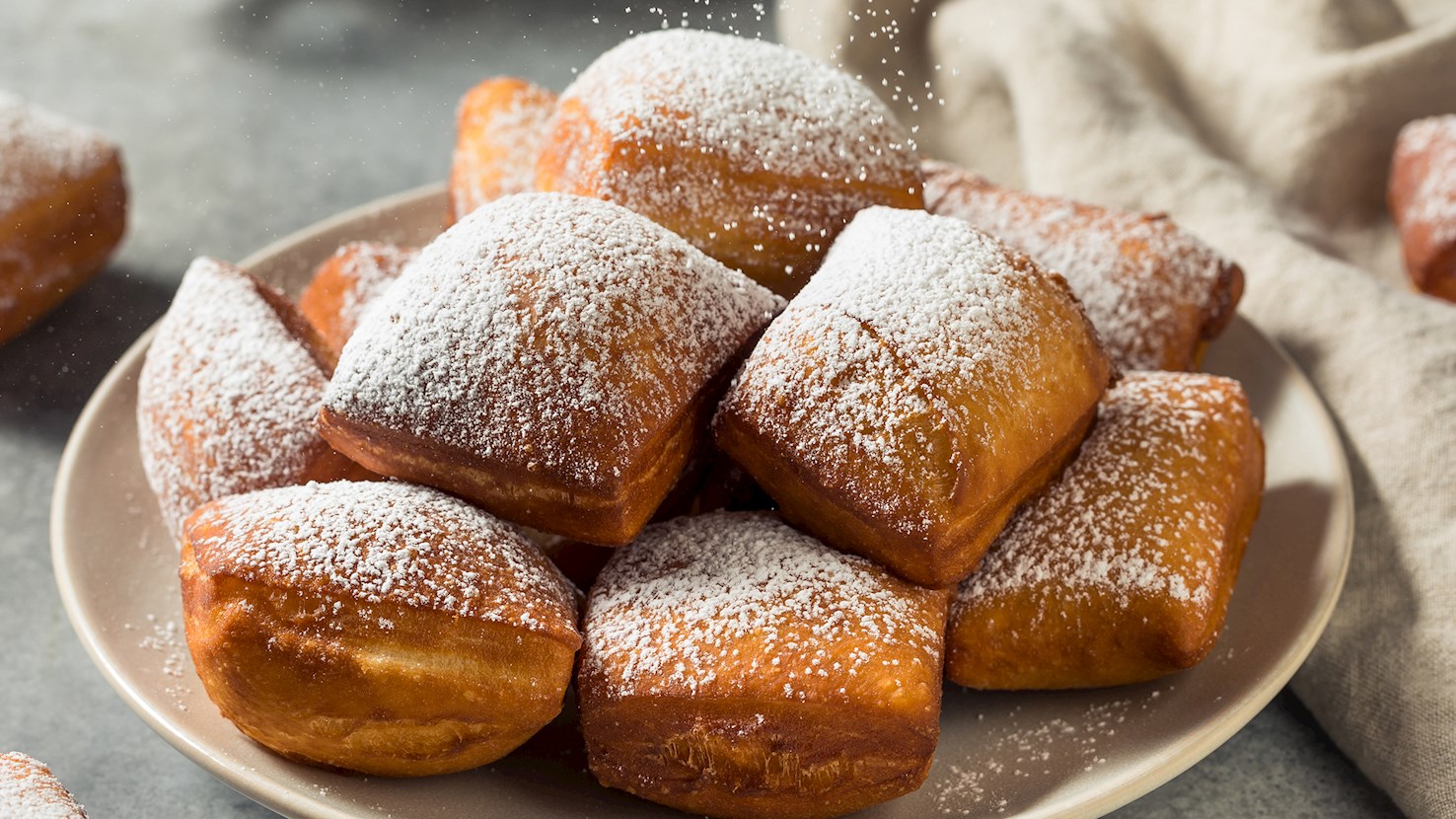
These squares of deep-fried pastry dough are sprinkled with powdered sugar and are traditionally served hot. The dish hails from France, and French settlers brought it to the Acadia region of Canada in the 17th century. Many of the Acadians later moved to Louisiana, and they brought their culinary traditions with them. Today, beignets are most commonly associated with the French Quarter of New Orleans, where they were declared the official state donut in 1986. These treats are typically served alongside chocolate milk or café au lait, a combination often served at the Cafe Du Monde - a New Orleans restaurant that is most often associated with beignets.
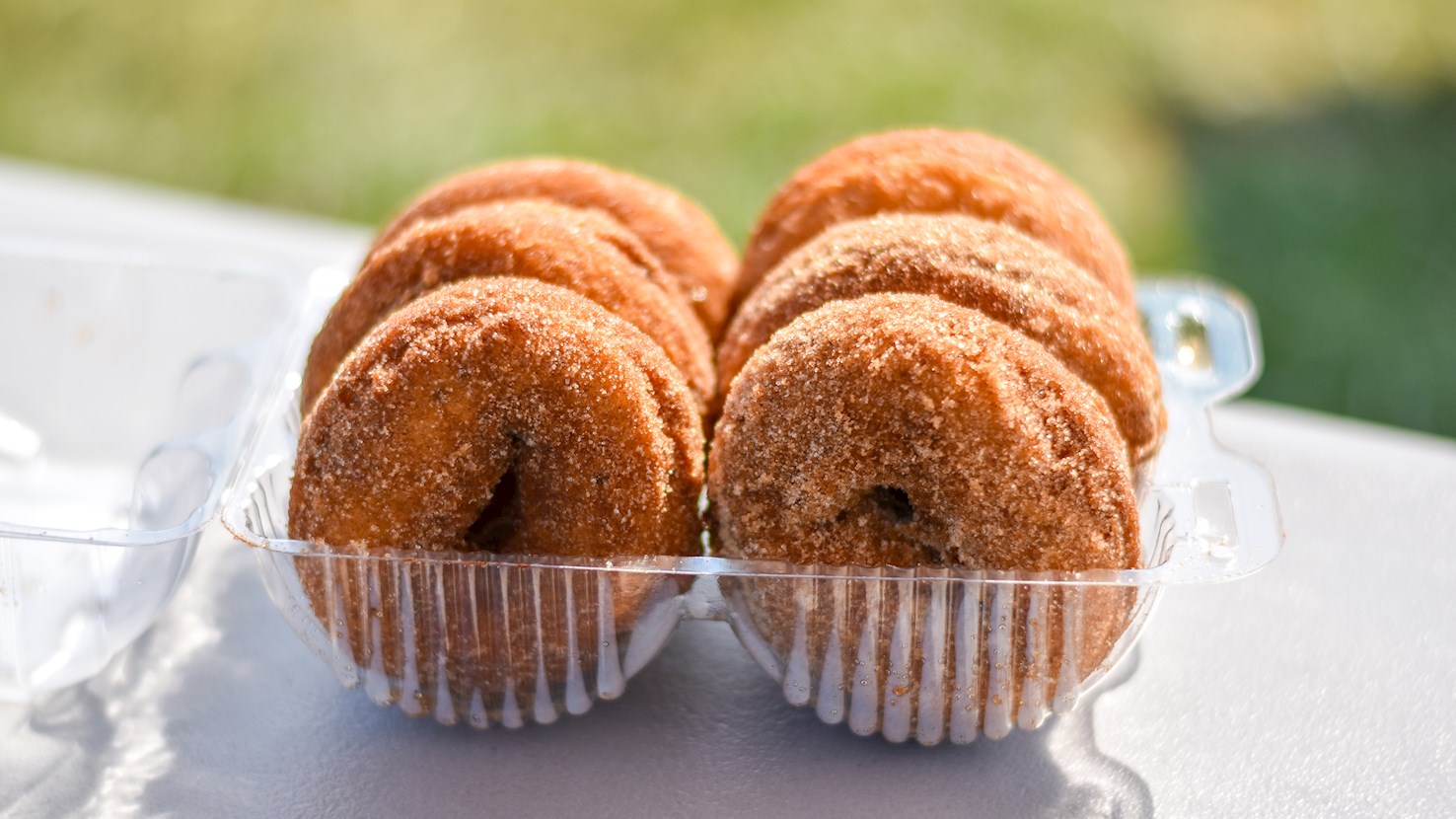
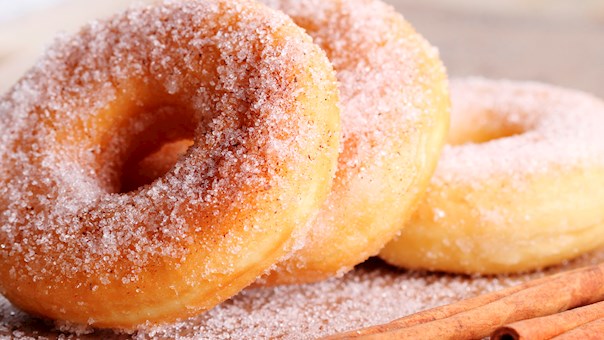
Apple cider doughnuts are a type of doughnut popular on the East Coast of the United States, particularly in New England. As the name implies, they are made with a dough containing apple cider and are often coated in cinnamon, nutmeg, and sugar. Apple cider doughnuts are a fall treat and can be found around apple orchards, at farmers' markets, in bakeries across the East Coast, and are a staple at autumn festivities. Although it is often considered they originated during Colonial times, the first recipe is from 1951, when DCA (Doughnut Company of America) introduced a new flavor to their line of doughnuts. This seasonal delicacy soon became a favorite and has stayed as such until today. Apple cider doughnuts are often paired with hot cider or a glass of cold apple cider, but milk or coffee also go well with this delicious snack.
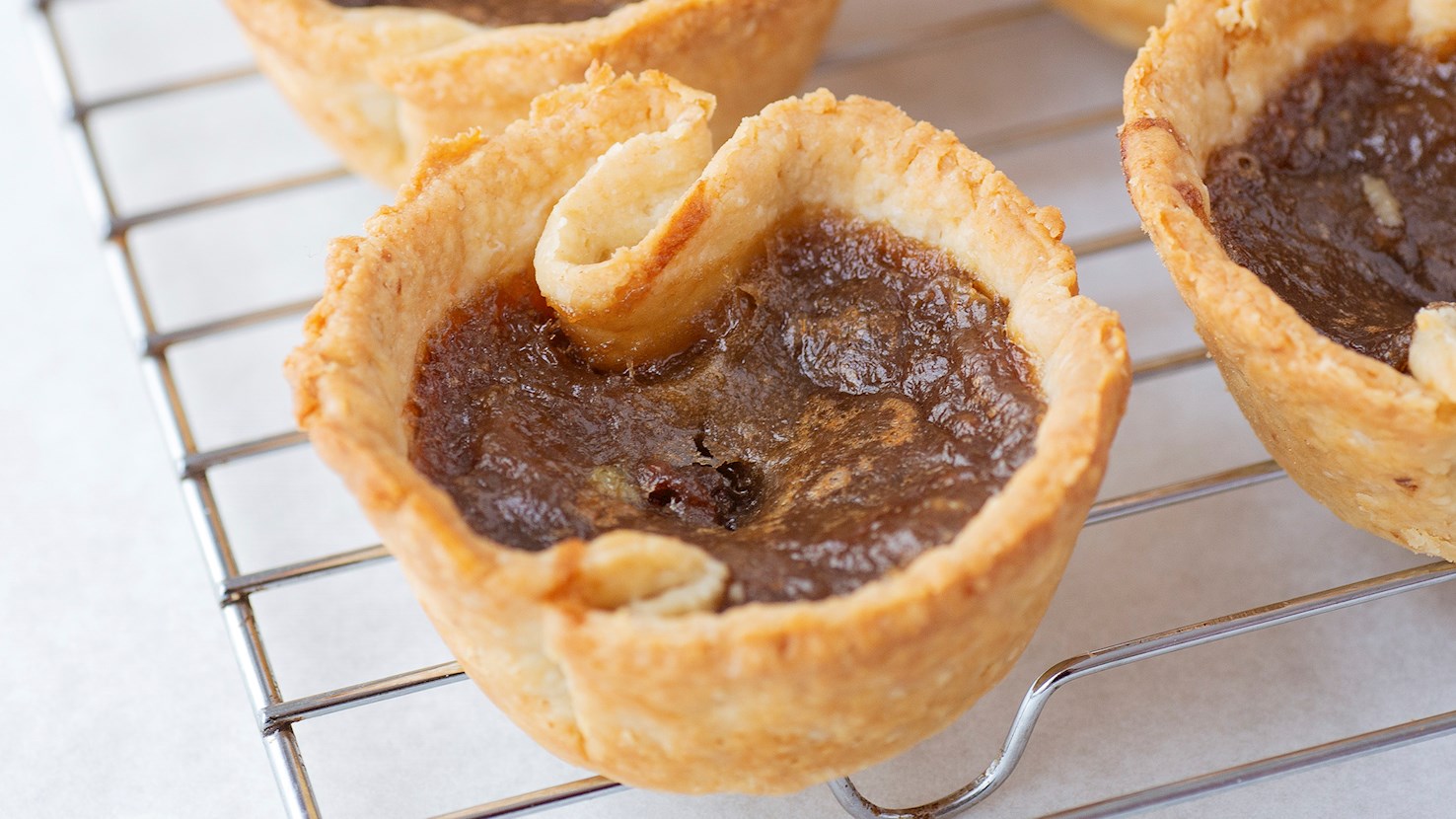
Butter tart is a humble food that achieved iconic status in early 20th-century Canada. The filling is traditionally made with a combination of walnuts, eggs, brown sugar, butter, and white vinegar, and it's then placed into small, flaky, deep or shallow tart shells before baking. Early versions of the recipe, dating back to 1915, suggest that currants and raisins should also be included in the mixture. There are lots of theories about the origin of the tart – some say that it is related to pecan pie, which was brought to the country by American slaves, some say it evolved from Quebec's sugar pie, while others say it's linked to Border Tarts from southern Scotland. Regardless of their origin, butter tarts are nowadays especially popular in the provinces of Ontario and Nova Scotia. The color of baked tarts depends on the darkness of the brown sugar used, and the filling on the interior can be either solid or runny (for a runny tart, the cooking time is shortened).
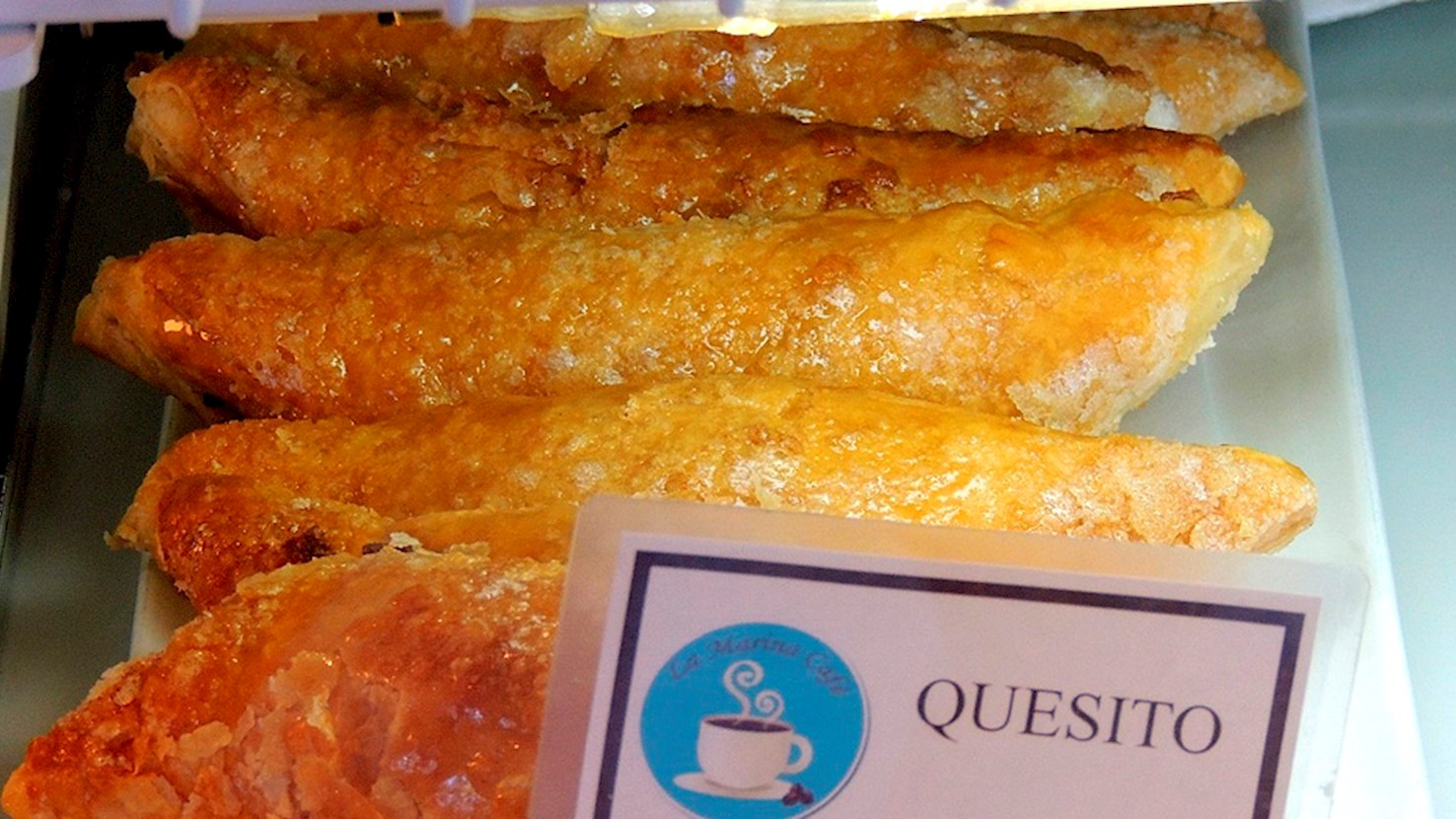
Quesito is a flaky puff pastry wrapped around sweetened cream cheese and finished with a glossy sugar glaze. The name means “little cheese,” referring to the cream cheese filling at the center of the pastry. Quesitos are among the most recognizable items in Puerto Rican bakeries and are commonly eaten for breakfast or as a snack with coffee. The exact origin of the quesito is not documented. Its puff pastry reflects European baking traditions, while the use of cream cheese places the familiar modern form of the pastry in a more recent period of Puerto Rican baking. By the late 20th century, quesitos were firmly established as a standard bakery item across the island. The traditional version is deliberately simple. Puff pastry is rolled out and cut into squares or rectangles. Cream cheese is mixed with sugar, and often a small amount of vanilla, until smooth. The filling should remain noticeably tangy rather than becoming as sweet as cheesecake. A portion of the cream cheese mixture is placed diagonally across each piece of pastry. Two opposite corners are folded over the filling and overlapped in the center, producing the elongated, slightly twisted shape characteristic of a quesito. Some bakers roll the pastry more completely around the cheese, but the filling usually remains visible at one or both ends. The surface is brushed with egg wash before baking, which helps the pastry develop a shiny, deep golden crust. As it bakes, the layers of puff pastry separate and expand around the soft cream cheese filling, producing a crisp, flaky exterior. Sugar is an important part of the finish. Depending on the bakery method, the pastry may be sprinkled with sugar before baking or brushed afterward with a simple sugar syrup or a light glossy glaze. The resulting surface is slightly sticky and often develops crisp, caramelized patches as it cools. A properly baked quesito has strong textural contrast: the outside is flaky and crisp, while the center remains smooth, creamy, and slightly tangy. The sugar coating adds sweetness without masking the cheese flavor. Quesitos are displayed alongside other pastries in Puerto Rican panaderías, bakeries, cafés, and pastry shops throughout the island. They are particularly associated with the morning bakery routine and are commonly eaten with café con leche or strong Puerto Rican coffee. Guava and other fillings are sometimes added, but the classic quesito remains the plain cream cheese version.
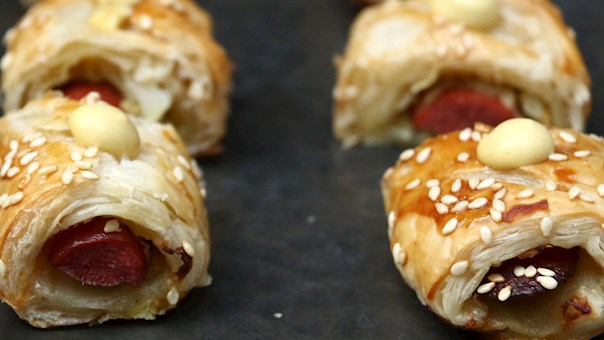
These Haitian delicacies consist of puff pastry that is shaped into small squares and filled with various types of meat such as beef, chicken, pork, or even fish. They are regularly served at numerous special events and celebrations, but Haitian patties can also be paired with rice and beans as a filling meal. Although they can be made at home, these pastries can also be bought on Haitian streets where food stall vendors sell them freshly prepared.
TasteAtlas food rankings are based on the ratings of the TasteAtlas audience, with a series of mechanisms that recognize real users and that ignore bot,
nationalist or local patriotic ratings, and give additional value to the ratings of users that the system recognizes as knowledgeable.
For the “Top 35 North American Pastries” list until September 15, 2026, 3,109 ratings were recorded, of which 2,746 were recognized by the system as legitimate.
TasteAtlas Rankings should not be seen as the final global conclusion about food. Their purpose is to promote excellent local foods,
instill pride in traditional dishes, and arouse curiosity about dishes you haven’t tried.



What People Say