Top 18 Southeast Asian Pastries

Last updated on July 15, 2026

Best Southeast Asian Pastries
01

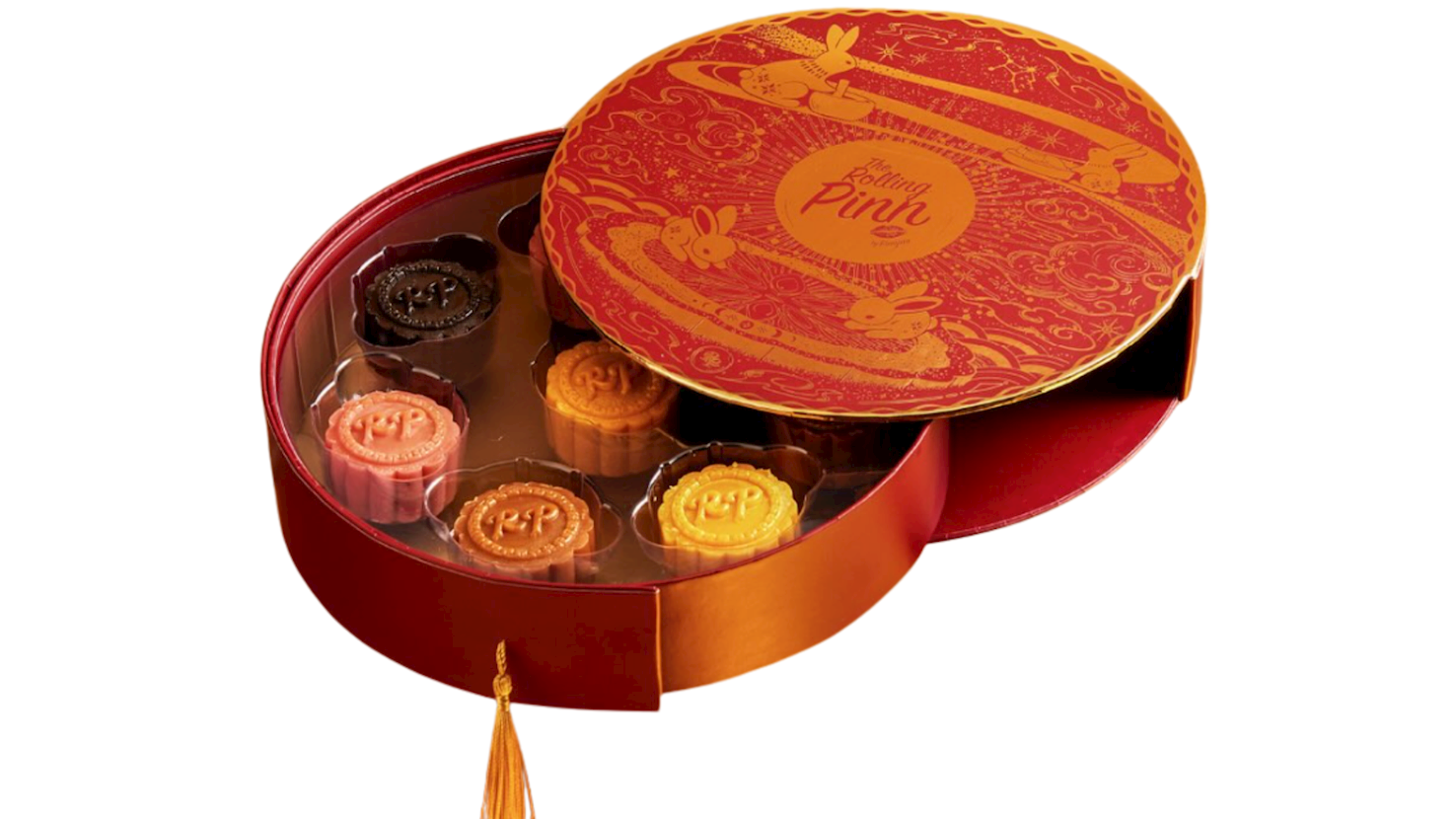
Drop by Dough

4.2 ·

Drop by Dough is a Thai producer of artisanal baked goods and a café chain based in Bangkok, specializing in brioche doughnuts and other desserts. In addition to its signature doughnuts, the product range includes packaged cookies, seasonal gift boxes, and coffee- and tea-based beverages. The company combines local ingredients with international culinary influences, offering flavors inspired by Japanese teas, tropical fruits, and other ingredients characteristic of Asian cuisine. The brand places a strong emphasis on high-quality ingredients, handcrafted production, and a distinctive visual identity reflected in both its products and packaging. Over the years, Drop by Dough has gained considerable popularity among both Bangkok residents and visitors, and its products are frequently featured in guides highlighting Thailand’s contemporary culinary scene.

Best Southeast Asian Pastries

01

Karipap

4.4 ·

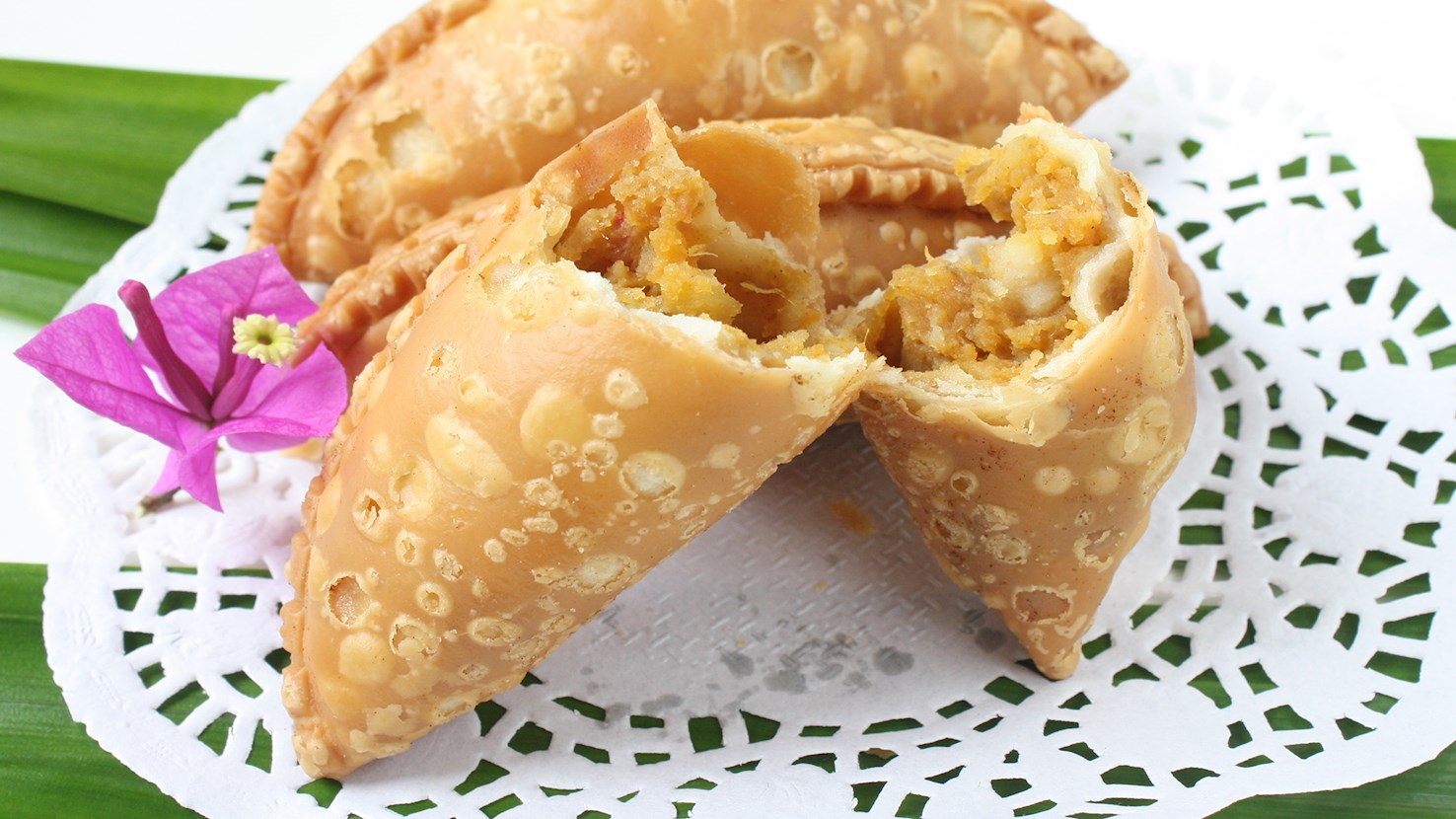
Karipap or curry puff is a small, deep-fried or baked pastry shell filled with thick chicken and potatoes curry. It is believed that the flavorful snack was invented by the Malays from the Malay Peninsula and parts of Sumatra and Borneo. It is a popular breakfast item or an afternoon snack which can be found at numerous stores, bars, and markets. Because of its simplicity and flavor, karipap quickly became popular outside Malaysia, especially in Thailand and Singapore. Today there are numerous versions of karipap, so instead of potato and chicken curry, it can be filled with various other ingredients such as tuna, sardines, and beef rendang. Crispy and flaky on the exterior, hot and soft on the interior, karipap is a snack that remains a staple of Southeast Asian cuisine.

02

Odading

4.1 ·

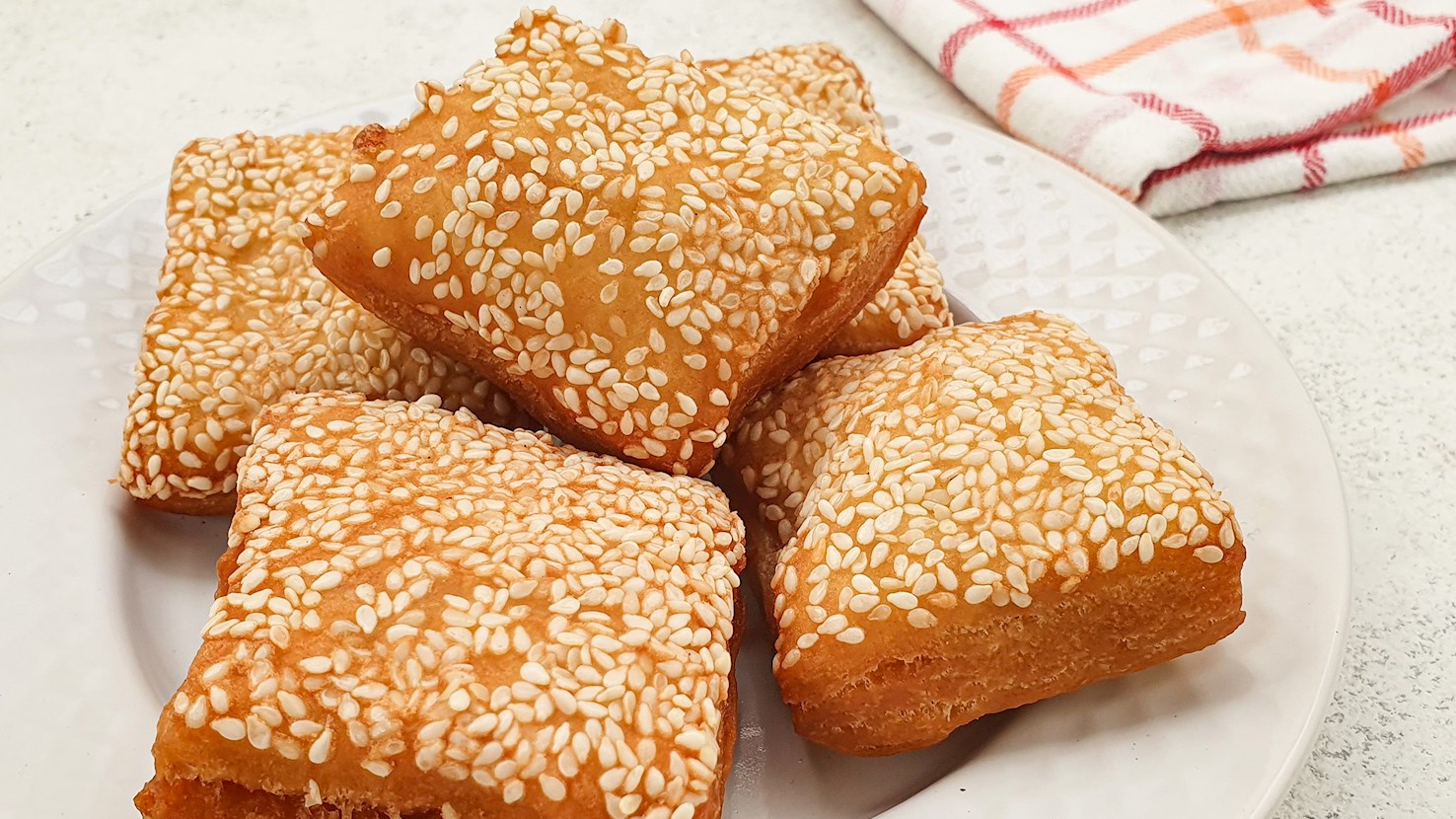
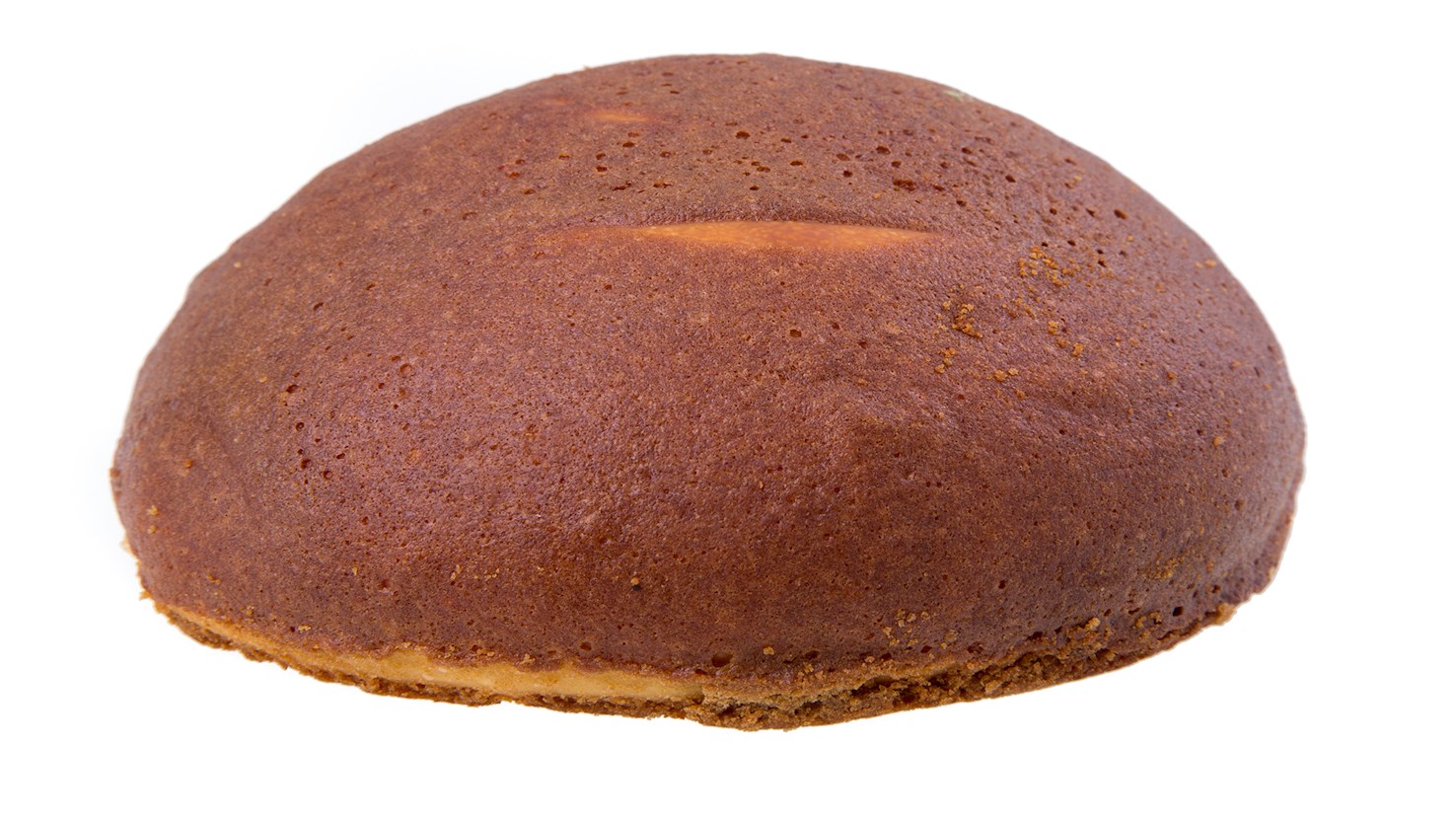
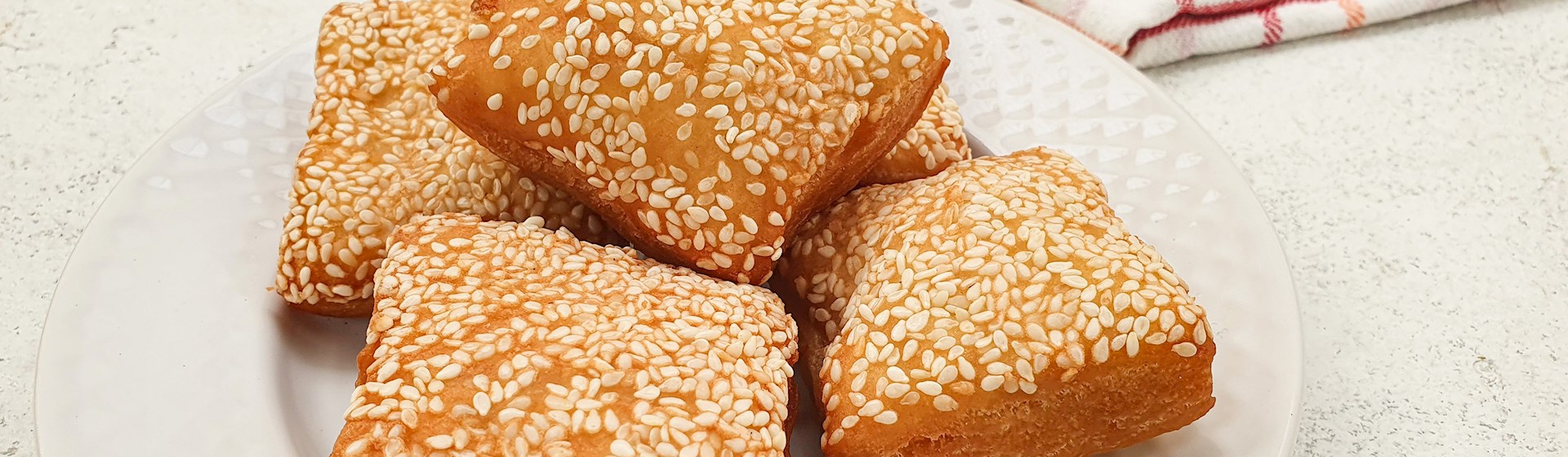
Odading is a sweet fried dough snack from Bandung, the capital of West Java. It is made by preparing a yeast-based dough enriched with sugar, milk, and sometimes eggs, then shaping it into flattened squares or rectangles before deep-frying until golden brown and puffed. The texture of odading is light and airy on the inside with a slightly chewy crust that becomes crisp as it cools. The name is believed to have originated during the colonial period, when Dutch and local influences merged in urban markets and home kitchens, leading to recipes that combined European-style enriched dough with local cooking techniques. The preparation of odading begins by mixing all-purpose flour with yeast, sugar, salt, and milk, then kneading until a smooth dough forms. The dough is left to rise until doubled in volume, then rolled out and cut into uniform pieces. Each piece is rested briefly to develop air pockets that create the characteristic fluffiness when fried. Once shaped, the dough is fried in moderately hot oil so it cooks through evenly without burning on the outside. Finished odading is sometimes sprinkled with additional sugar or brushed with a thin sugar syrup for extra sweetness. Odading is commonly eaten as a snack or breakfast item and is often sold by street vendors and small shops in Bandung, where it has long been a familiar part of everyday food culture. It is usually served warm, either plain or accompanied by coffee or tea. The snack gained renewed popularity in Indonesia after a viral video humorously promoted odading as “bread of an iron man,” which sparked national interest and boosted sales for many local vendors.

03

Samusa

4.1 ·

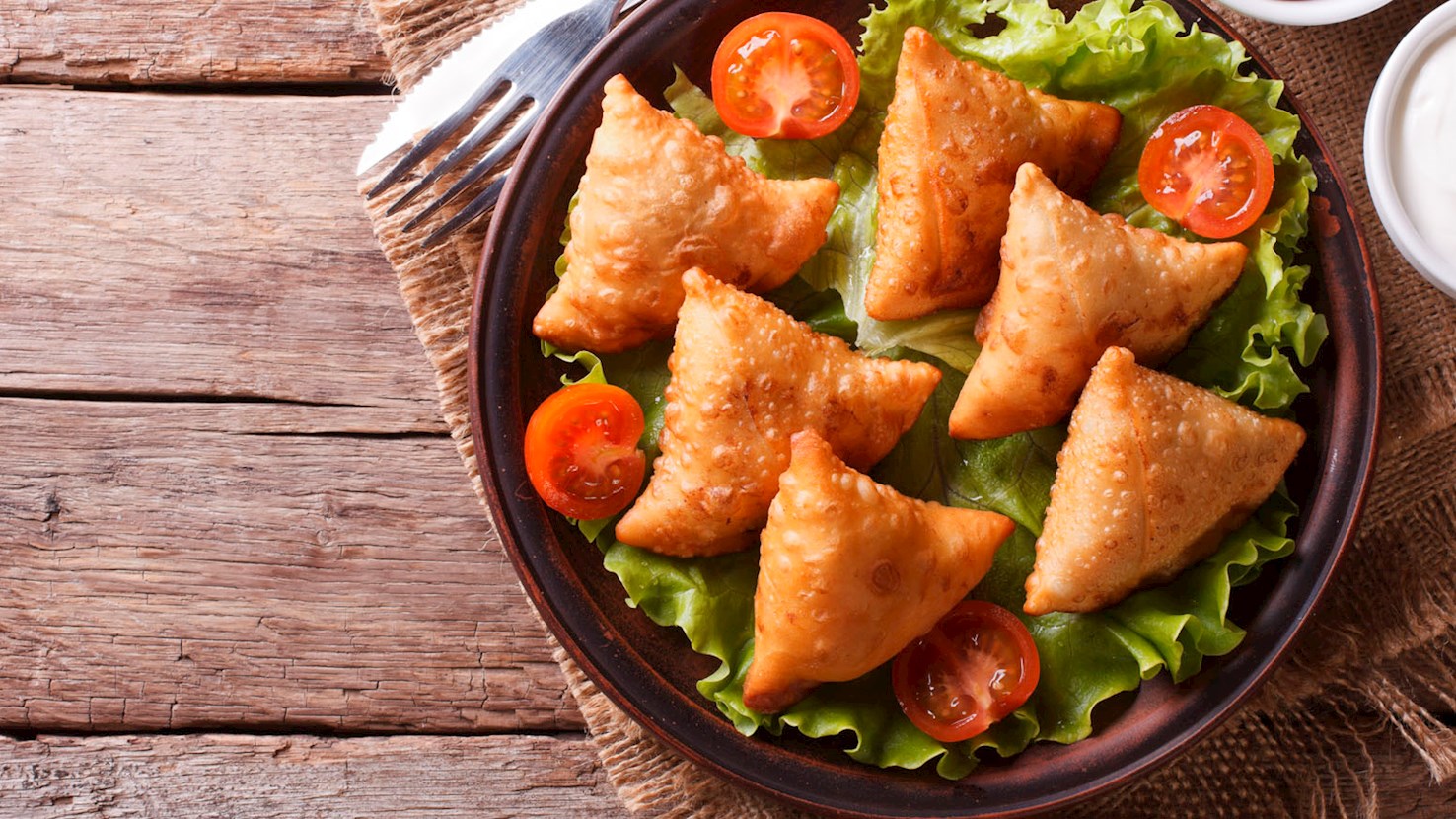
Due to their crunchy texture and a variety of different flavors, samosas provide a perfect introduction to the world of Indian cuisine for newcomers. These deep-fried, triangular pastries are filled with a variety of ingredients ranging from vegetables to meat, such as onions, lentils, spiced potatoes, peas, or ground meat. It is said that the popular, golden-brown snack travelled to India along the old trade routes from Central Asia, which is why samosas are also prevelent in Middle Eastern countries where they are typically served for Ramadan. In Saudi Arabia, for example, they are typically filled with meat or cheese and can be shaped as triangles, squares, and rolls. These savory triangles are typically served hot and accompanied with chopped onions, yogurt, or fresh, homemade Indian chutneys made with a variety of ingredients such as mint, coriander or tamarind. However, not all samosas are savory - some versions can contain a number of sweet ingredients such as pomegranate, mango, and raisins. Sweet or savory, they can be found throughout India at numerous street stalls and roadside eateries, freshly made and traditionally paired with masala chai tea.

04

Pa thong ko

3.8 ·

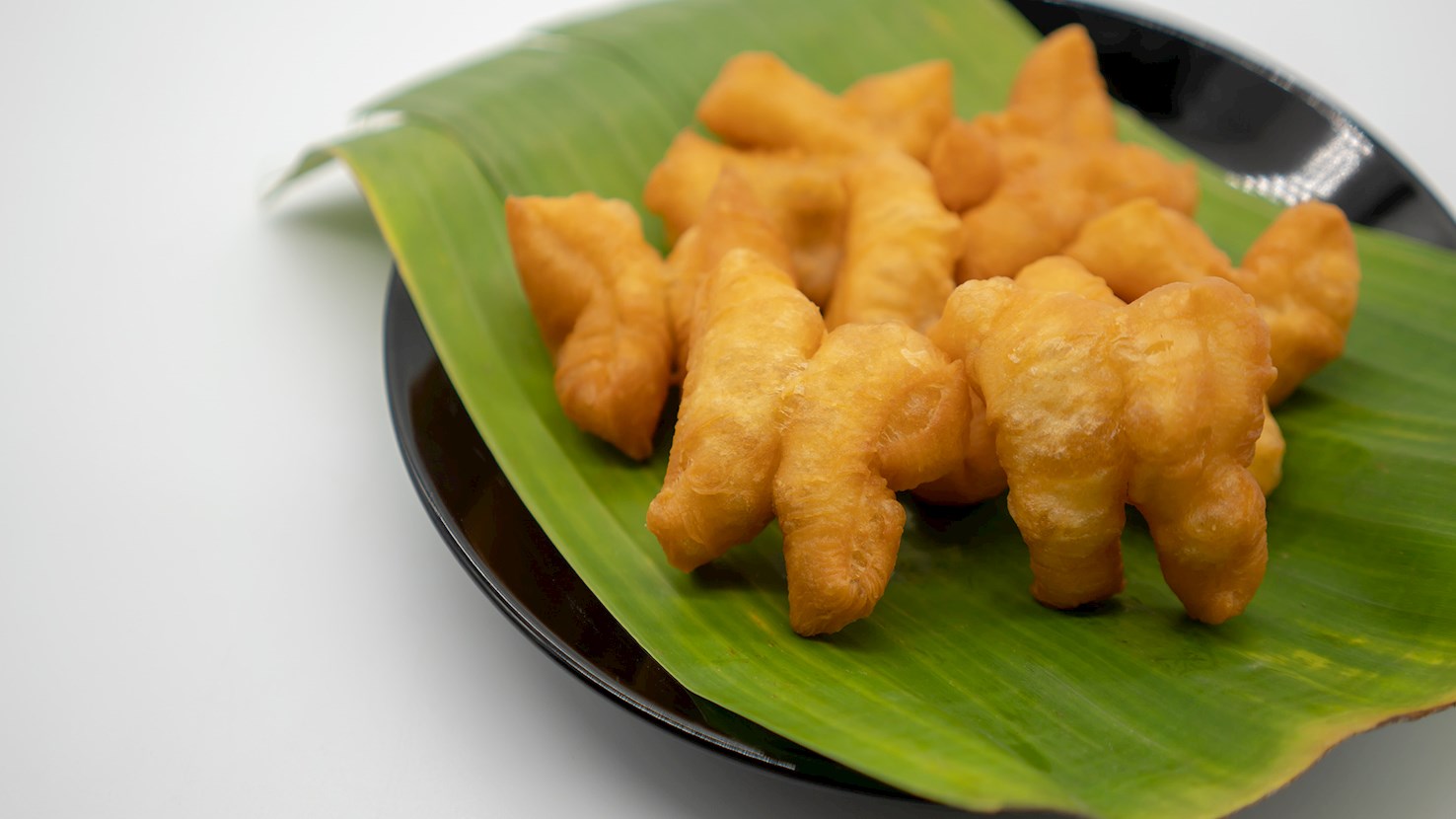
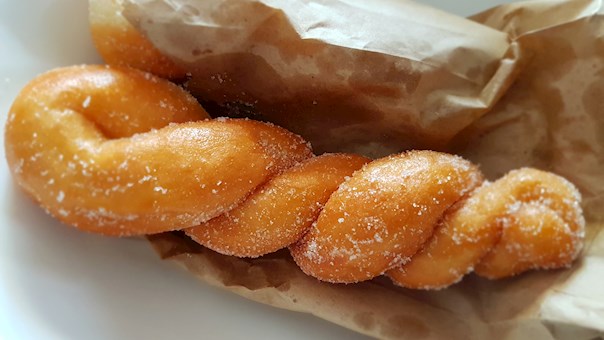
Pa thong ko is the Thai take on popular Chinese crullers called youtiao. To make the crullers, a mixture of flour, yeast, baking ammonia, alum powder, lukewarm water, salt, sugar, and some baking powder is formed into a dough, which is then oiled, left to rest, and finally cut into long strips. Pairs of dough strips are then carefully stuck to one another to give the crullers their recognizable shape before they are deep-fried in hot oil until nicely colored, puffy, and slightly crispy. Innovative ways of shaping the crullers other than their traditional form have emerged over the years, and nowadays, pa thong ko can be seen in numerous unusual shapes such as dinosaurs or dragons. In Thailand, warm pa thong ko is a typical breakfast meal and a well-loved street food item, and it is usually complemented by sweetened condensed milk, Thai custard, or Thai congee, along with a cup of fresh coffee on the side.

05

Rotiboy

3.8 ·

These Malaysian buns were invented at the namesake bakery in Penang. First marketed as Mexican coffee buns, they consist of a leavened dough that is filled with butter and topped with a layer of coffee-infused buttercream. During baking, the cream top completely covers the bun and creates a thin, crispy coffee layer. The Mexican conchas allegedly inspired the bun, hence its original name. Soon after they were introduced in 1998, the buns were an instant success. Nowadays, the franchise has spread throughout Asian and Arab countries, and their signature bun is better known as rotiboy or roti kopi.

Best restaurants
06

Cireng

3.7 ·

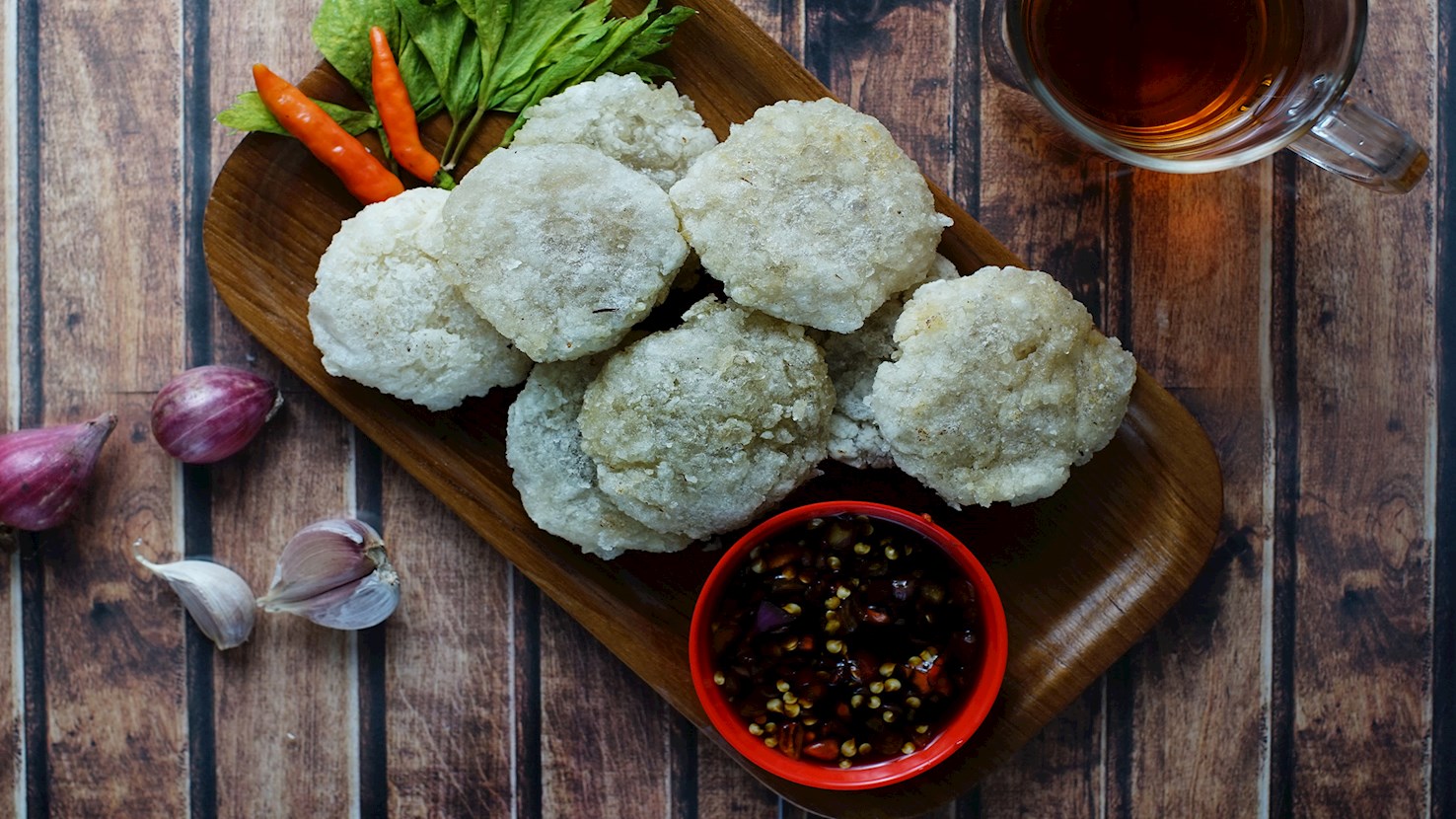
Cireng is a popular Indonesian street food snack made from fried tapioca flour dough, known for its crispy exterior and chewy, elastic interior. The name cireng is a shortened form of aci digoreng in Sundanese, which literally means “fried tapioca starch.” Originating from West Java, especially among Sundanese communities, cireng has become widely loved across Indonesia for its addictive texture and versatility. The dough is typically made from tapioca flour mixed with water, garlic, scallions, salt, and sometimes ground coriander or chicken stock powder, then shaped into small discs or irregular chunks before being deep-fried until golden. While the outside turns crispy, the inside remains springy and chewy, a texture that Indonesians refer to as kenyal. Cireng is often served with a variety of dipping sauces, the most common being a spicy sweet soy sauce (cabe rawit + kecap manis) or rujak sauce made from palm sugar, tamarind, and chili. There are also modern variations filled with cheese, chicken, or spicy beef, making cireng a snack that blends traditional flavor with playful innovation. Loved for its simplicity, affordability, and satisfying chew, cireng is a quintessential Indonesian street snack, often sold by roadside vendors, at school canteens, or in traditional markets, enjoyed by people of all ages as a crunchy and comforting treat.

07

Bakpia Pathok

3.7 ·

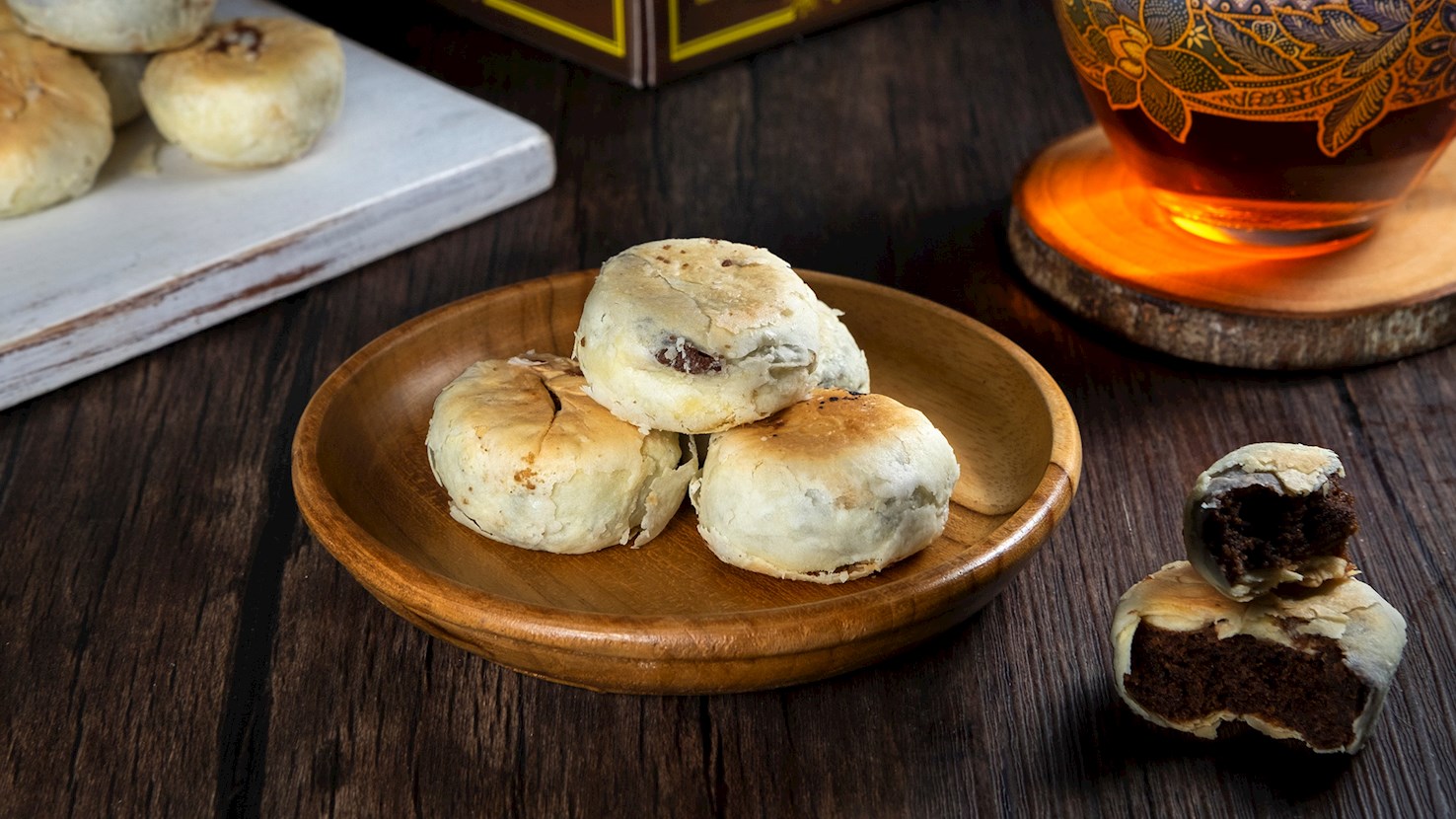
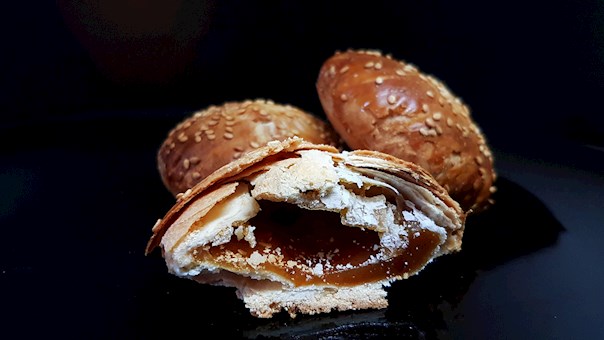
Bakpia Pathok is an Indonesian delicacy that consists of a round, slightly flattened pastry filled with a sweet mung bean mixture. The pastry is characterized by a soft and flaky texture, while its interior, containing the filling, has a pasty consistency that perfectly adheres to the dough. Its name derives from a suburb area in the city of Yogyakarta called Pathok, where the production of these pastries initially began. Apart from the traditional mung bean filling, bakpia pathok can nowadays be made with chocolate, cheese, and exotic fruits such as pineapple or durian fruit. Other, more innovative flavors have also emerged in recent years, such as cappuccino, banana cheese, blueberry cheese, and tuna. Even though it has been influenced by traditional Chinese cuisine, this specialty has been adapted to local flavors and has become one of the most beloved street snacks in Indonesia. The pastry’s flavor is not appreciated only by the local population, but also by tourists, owing to whom the pastry is nowadays considered a popular food souvenir to bring back home after visiting the country. In Indonesia, this sweet specialty can be bought from street food vendors, market stalls, and numerous shops that offer packaged versions of the pastry.

08

Khanom wai phra jan (Mooncake)

3.3 ·

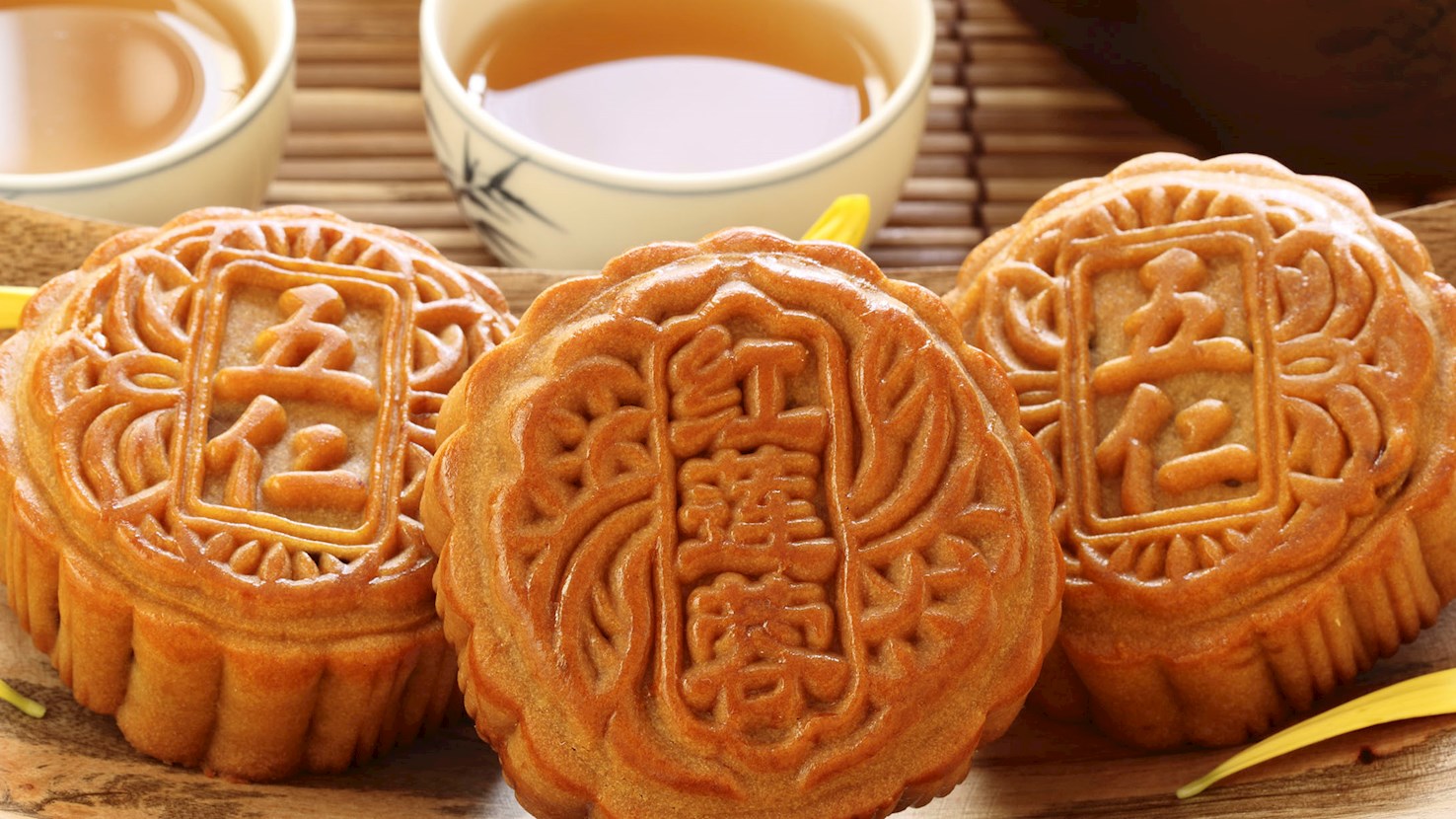
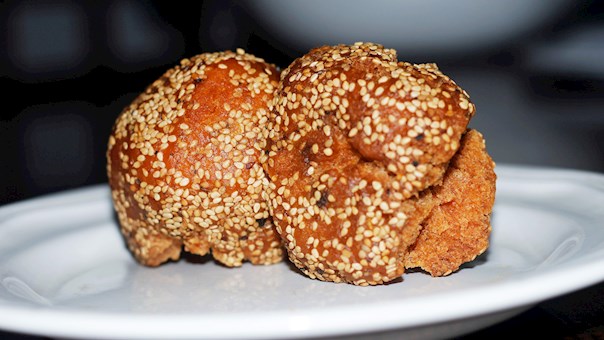
An ancient Chinese delicacy eaten during the Mid-Autumn Festival or Moon Festival, known as mooncake, is a pie-like pastry made with a shortcrust base called yueh ping that is traditionally filled with black sesame seed or lotus seed paste, along with red beans, roasted pork, mung beans, dates, and salted duck egg yolks. Nowadays, mooncakes are available in a variety of different sweet and savory fillings, some of which are fruits like honeydew, litchi or pineapple; chocolate or mixed nuts; abalone and seaweed; green tea, and even cream cheese or ice cream. Their round shape is not only reminiscent of the moon, but also a symbol of return or a full circle, which in Chinese philosophy stands for fulfillment, oneness, perfection, and unity. Mooncakes are meant to be shared among people, so they are typically enjoyed sliced into small wedges and usually served with Chinese tea. In ancient times, these pastries were prepared as an offering to the Moon, but over centuries they have become the most popular food of the Mid-Autumn Festival. Listed as a public holiday and an intangible cultural heritage, the Mid-Autumn Festival or Moon Festival is one of China’s most important traditions celebrated on the 15th day of the 8th lunar month when the full moon is said to be at its brightest and closest to Earth.

09

Panada

3.2 ·

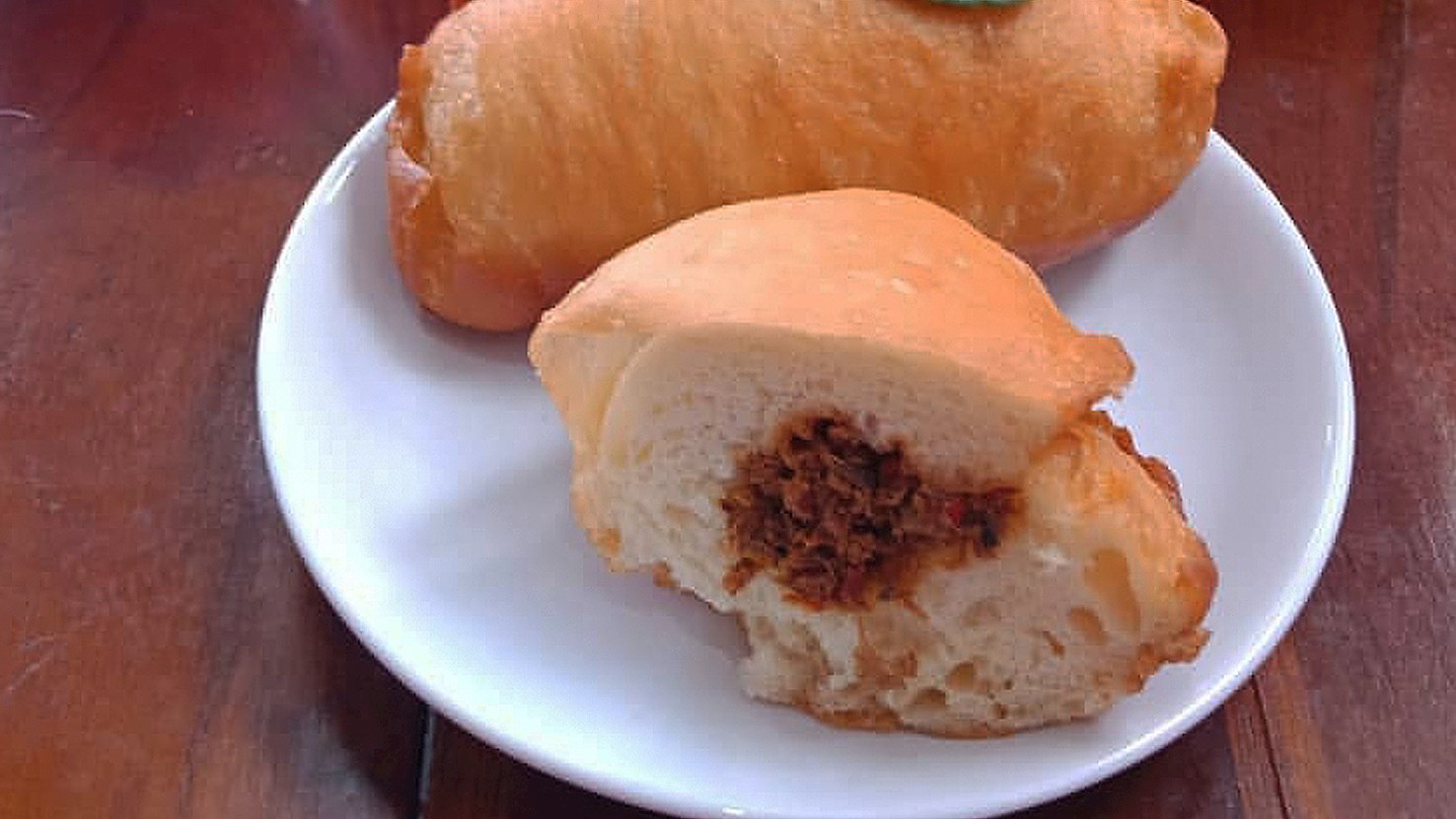
Panada is an interesting Indonesian take on Spanish and Latin American empanadas. These deep-fried, crescent-shaped pastries consist of leavened dough and a fish-based filling. The Indonesian version is traditionally filled with a combination of skipjack tuna, shallots, coconut milk, chili peppers, and other optional ingredients. The name of this convenient snack unmistakably resembles Spanish empanadas, small pies that originated in Galicia, but which have become a staple in Latin American countries. However, it is believed that the origin of panada was influenced by the Portuguese, who were present in the area since the 16th century. Regardless of its questionable background, panada has become a traditional Indonesian snack that is mostly associated with North Sulawesi and the city of Manado.

10

Otap

2.9 ·

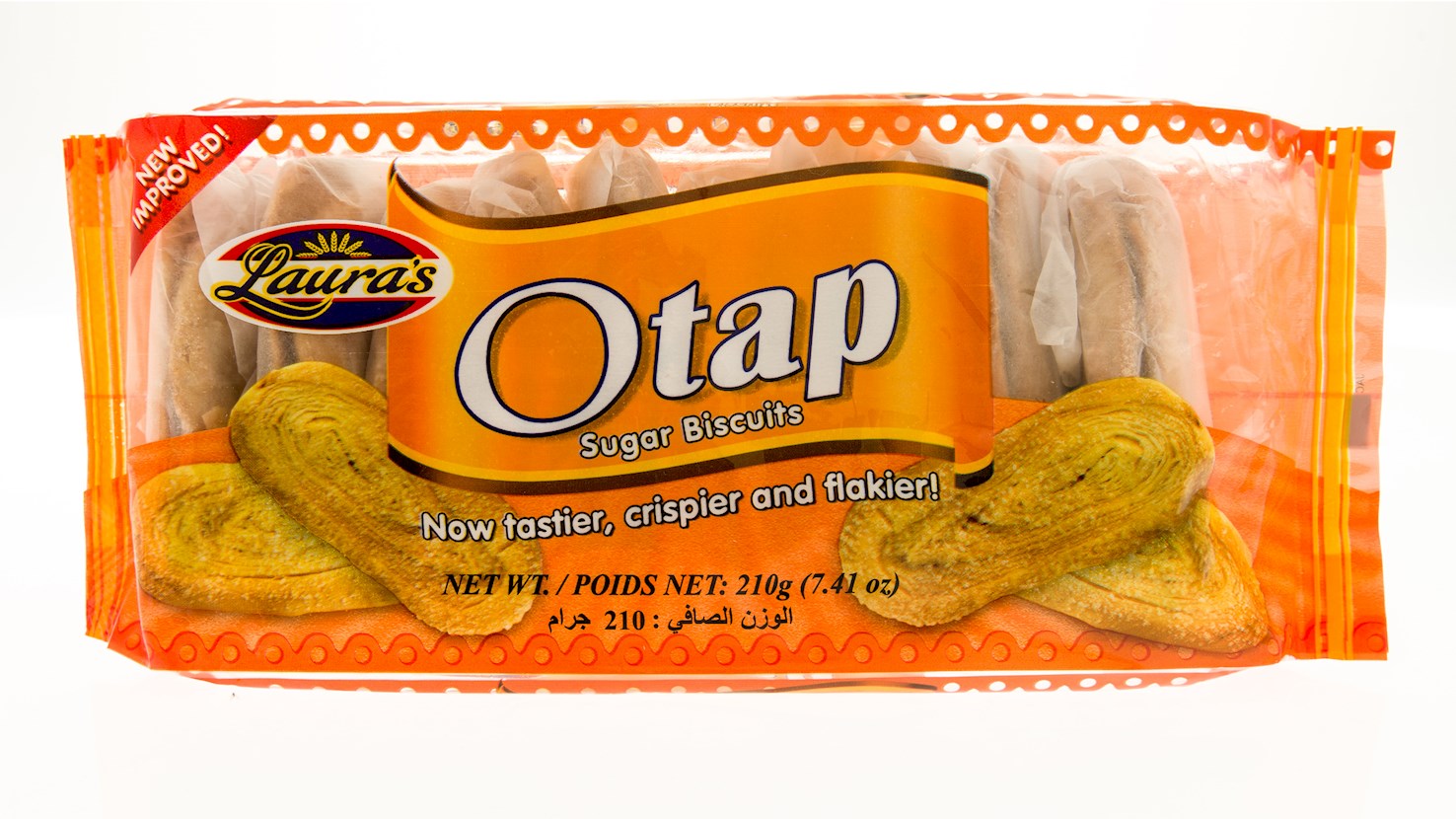
Otap is a sweet, thin, oval-shaped Filipino treat made with puff pastry. These treats are usually small in size, generously sprinkled with sugar, and have an incredibly crispy and crumbly texture. It is believed that otap originated in Cebu, and today it represents a signature product of the entire region. The sugary biscuits are available at numerous local markets and stores and are usually enjoyed as a light dessert or a sweet afternoon snack.

Read more
View all
View map
About this ranking

TasteAtlas food rankings are based on the ratings of the TasteAtlas audience, with a series of mechanisms that recognize real users and that ignore bot, nationalist or local patriotic ratings, and give additional value to the ratings of users that the system recognizes as knowledgeable. For the “Top 18 Southeast Asian Pastries” list until July 15, 2026, 1,317 ratings were recorded, of which 1,017 were recognized by the system as legitimate. TasteAtlas Rankings should not be seen as the final global conclusion about food. Their purpose is to promote excellent local foods, instill pride in traditional dishes, and arouse curiosity about dishes you haven’t tried.

The initial list of top producers was compiled based on available reviews, awards, local recommendations, media and blog coverage, and consumer reviews. The list will be updated with ratings from TasteAtlas local ambassadors and TasteAtlas users.

Similar lists