shutterstock

Top 35 Spanish Pastries

Last updated on June 15, 2026

Best Spanish Pastries
01

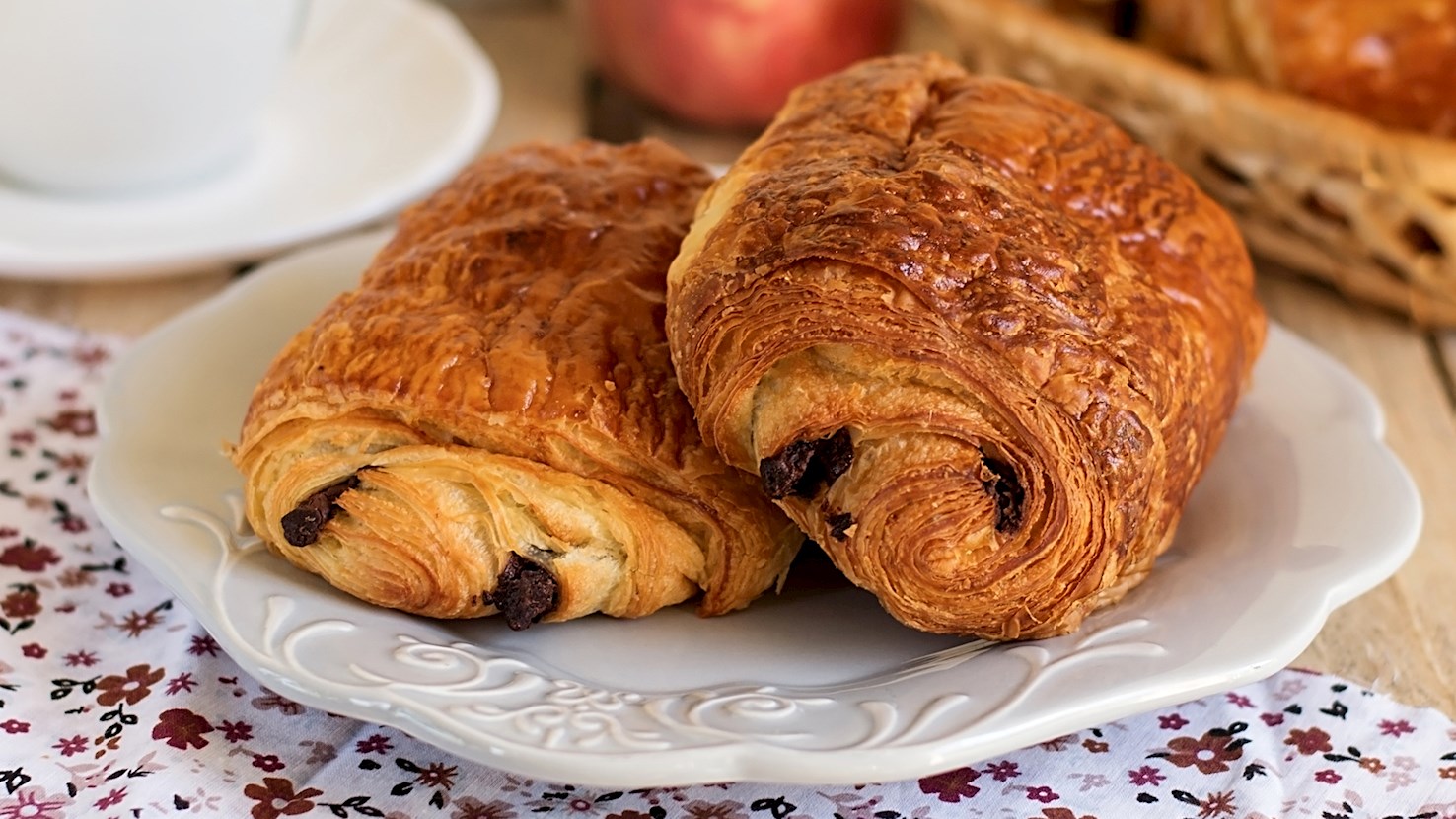
Napolitana de chocolate

4.2 ·

Pain au chocolat is a French viennoiserie roll made with a combination of rectangular, yeast-leavened dough and a few chocolate sticks or chocolate ganache. The filled dough is rolled, baked, then served, ideally while still hot or warm. This flaky pastry can be bought at numerous French bakeries and supermarkets. Interestingly, another name for pain au chocolat is chocolatine, and it is mostly used in the southwest of the country. In Bordeaux, there is even a case where customers had to pay more if they ordered a pain au chocolat rather than a chocolatine. It is believed that the southwest stuck with chocolatine because it is similar to the Occitan word chicolatina. Regardless of these "name wars", in France, one should never refer to pain au chocolat as a chocolate croissant.

02

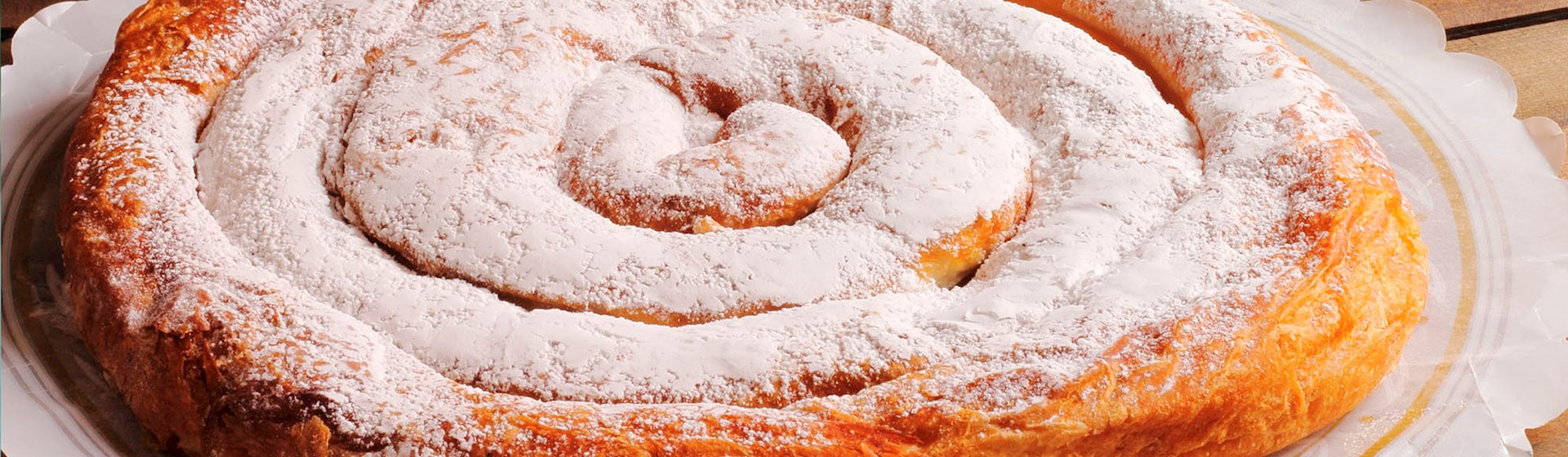
Ensaïmada de Mallorca

4.1 ·

Ensaimada de Mallorca is a spiral-shaped sweet pastry made with yeast dough that is combined with eggs and lard. This type of pastry has been made on the island of Mallorca since the 17th century and the recipe has remained unchanged to this day. The word ensaïmada comes from saïm, meaning lard, which is the essential ingredient in this recipe. The base recipe for ensaimada de Mallorca is very simple and includes only flour, sugar, eggs, yeast, and water. However, there are many variations of this recipe which had been developed during the centuries, including the likes of those with pumpkin, cream, or chocolate.

03

Empanadas

4.1 ·

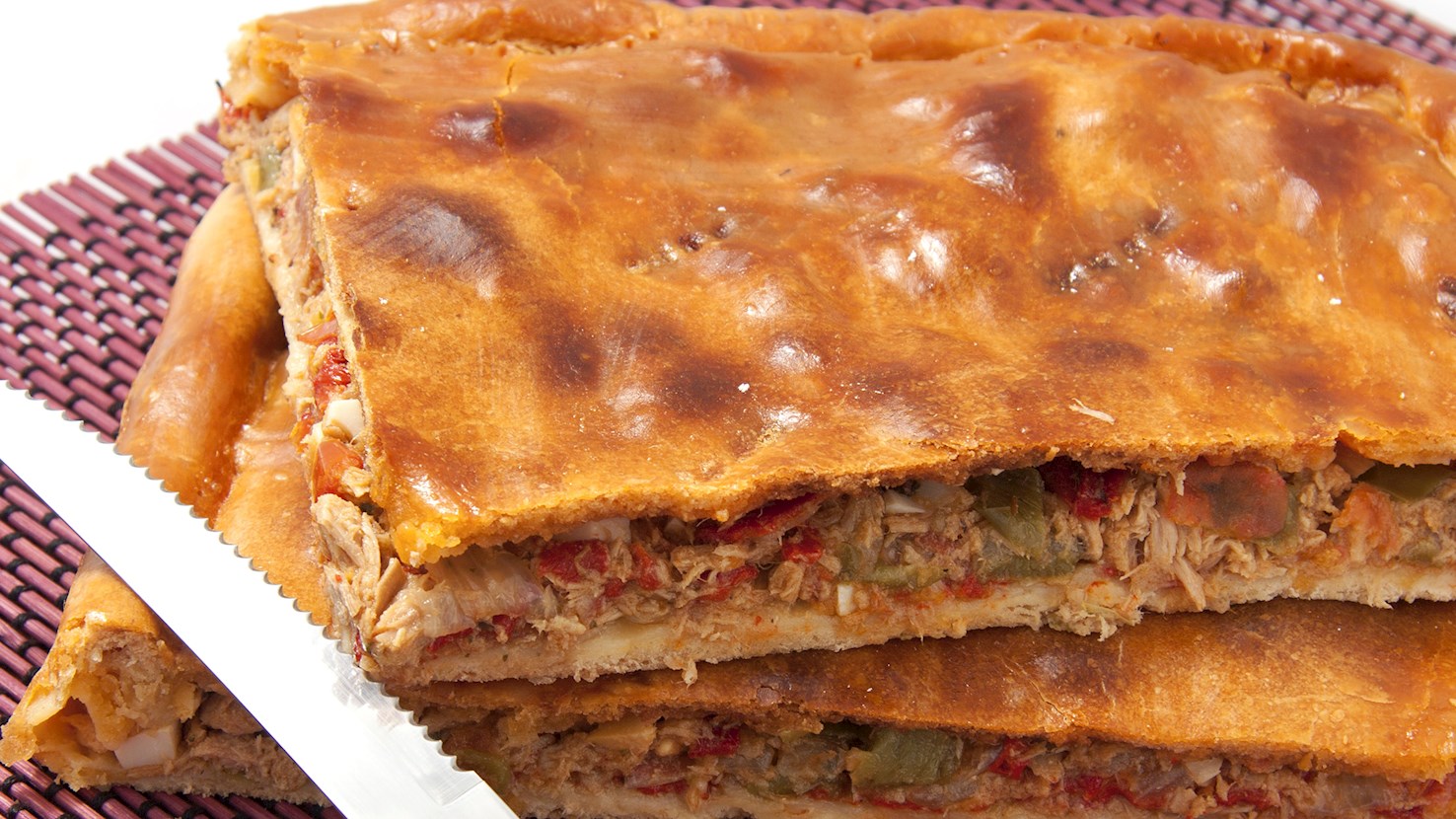
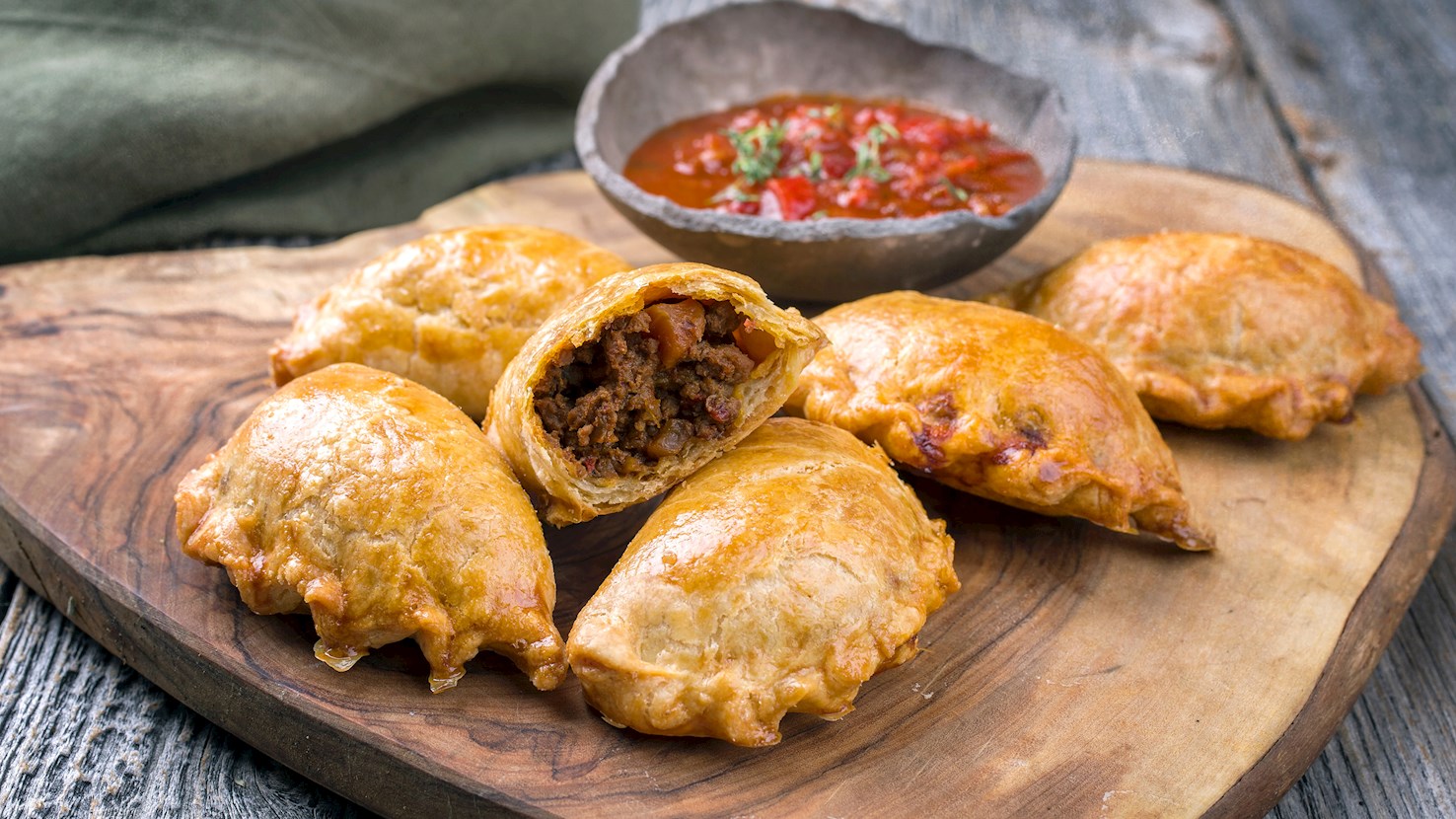
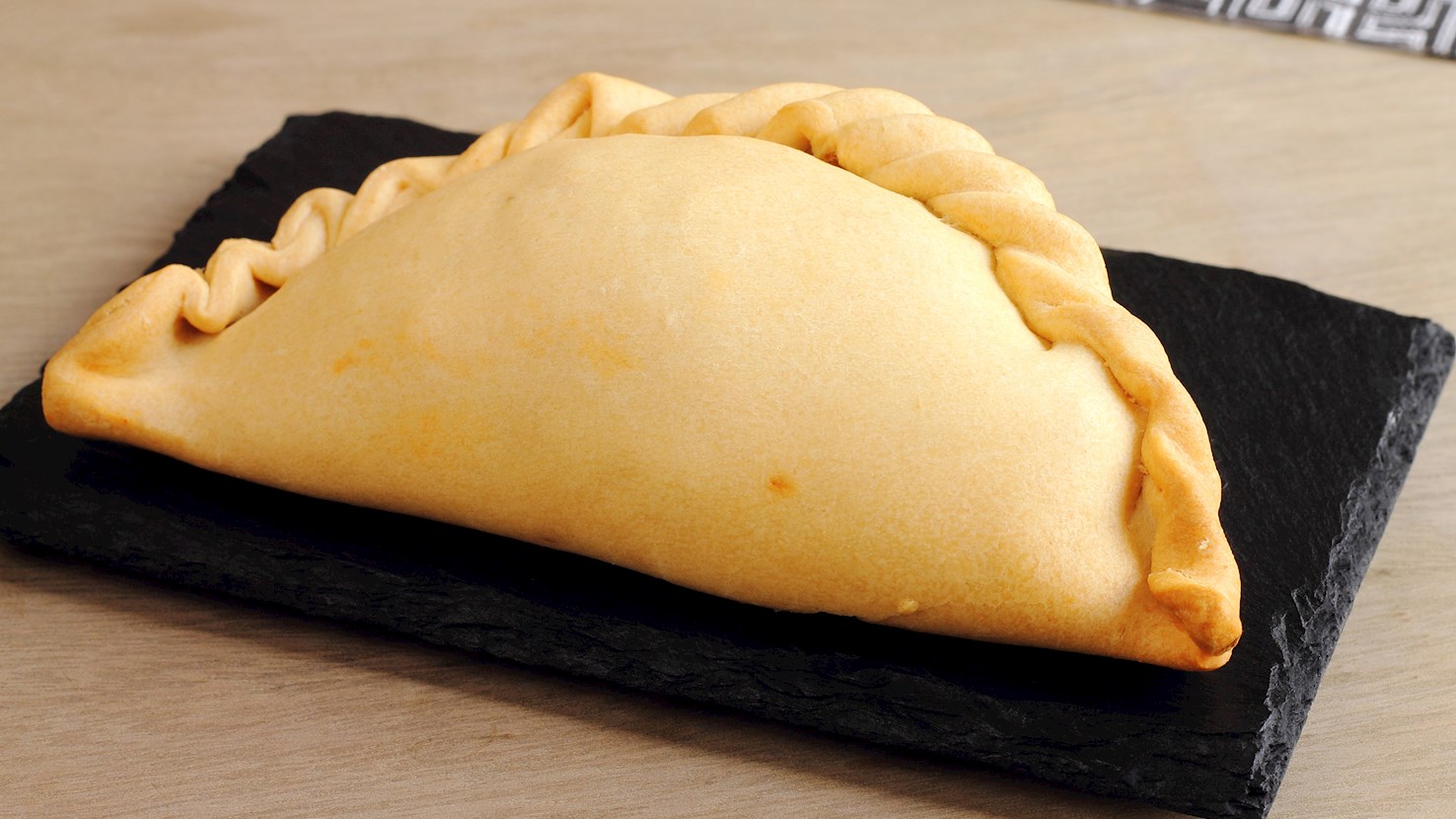
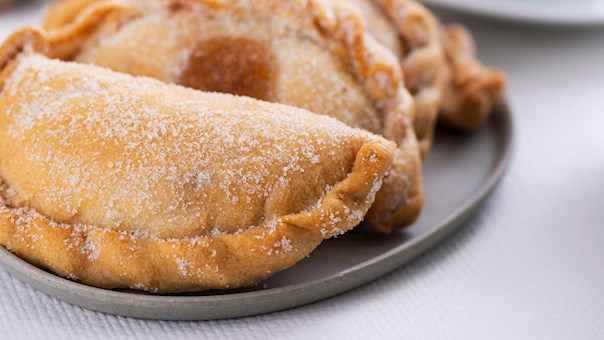
Best described as little pockets with hot fillings; empanadas are crescent-shaped, flaky pastry dough pies found throughout Latin America that are easy to prepare, inexpensive, and convenient. The name of the dish stems from the Spanish empanar, which literally translates to covered with bread or breaded. Empanadas are likely to have originated from Galicia, Spain, where they were prepared as a portable and filling meal for working people, providing energy and nutrients needed for a day of hard labor. Baked and fried until golden, they are usually filled with a variety of spiced meats and vegetables, depending on regional preferences. In Mexico, cornmeal flour and minilla (a spicy combination of chilis, olives, capers, and shark meat) is the most popular filling. In Chile, it is clams, mussels, and scallops, and in Bolivia, the filling consists of potatoes and eggs - in spicy or mild versions of the dish. Spain is famous for its empanada gallega, filled with a stew-like combination of pork or tuna and peppers. However, Argentina is considered by many to be the best place for empanada lovers worldwide, and they can be found everywhere - from street-food carts and local bakeries to fancy restaurants. Argentinian empanadas are rarely (almost never) eaten for breakfast. There are also sweet varieties of the dish, filled with dulce de leche or fresh pineapple cubes. A true international dish in every sense of the word, empanadas are so popular that there is even a Latin American Empanada Festival, celebrated each September in the Tucumán province in Argentina.

04

Churros

4 ·

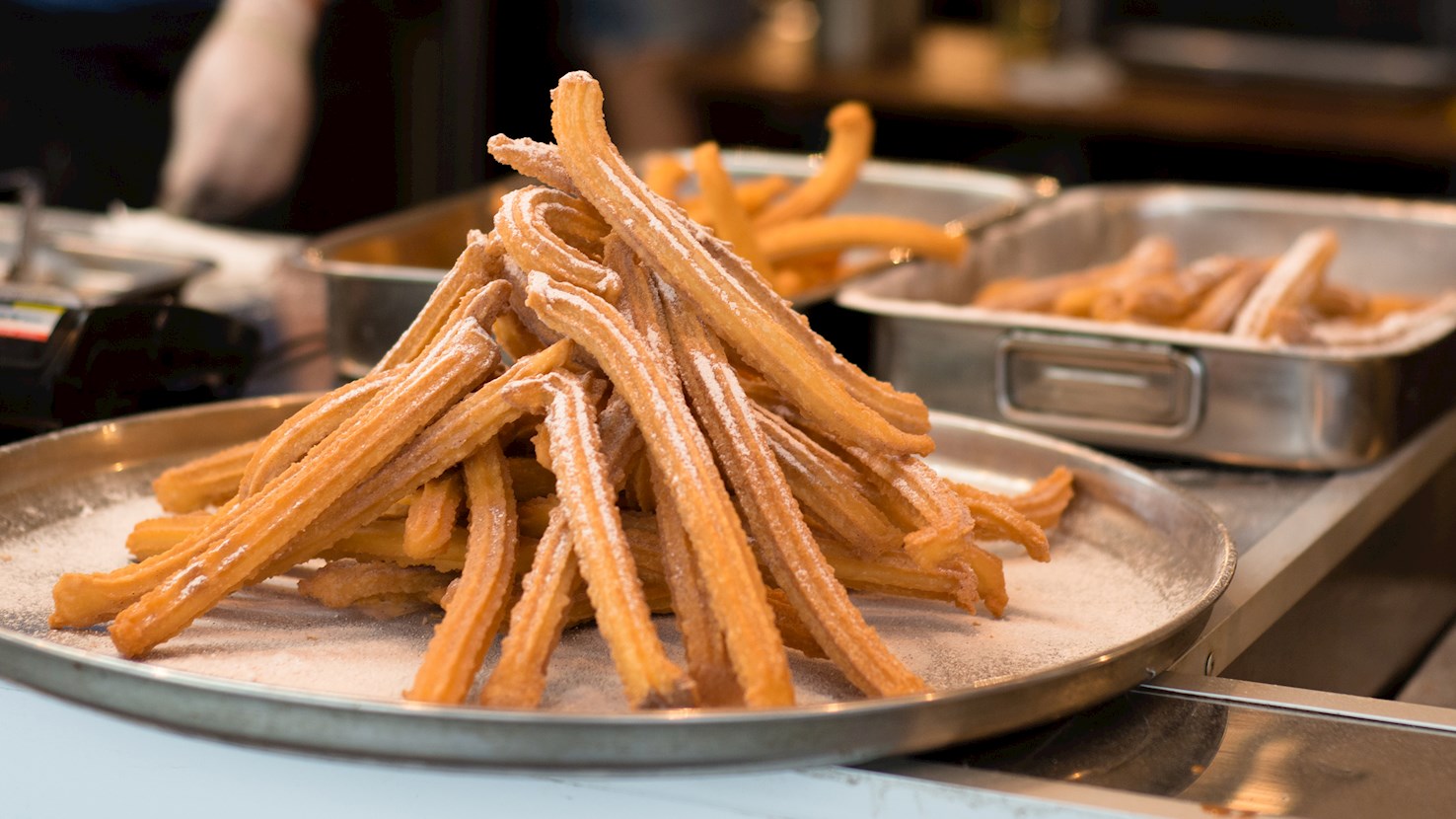
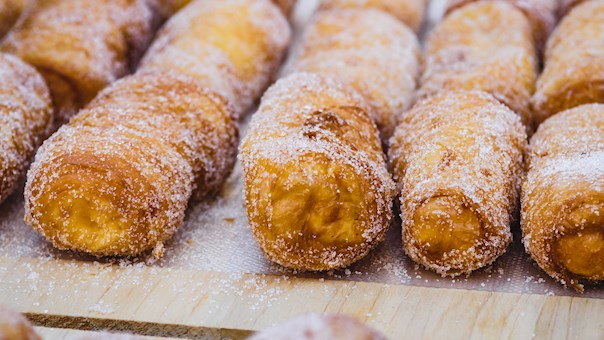
Elongated, crispy, crunchy and intensely fragrant, churros consist of deep-fried yeast dough encrusted with sugar. Although some may argue against consuming these sweet treats, warning others about the dangerous effects of sugar and fat on human bodies, the popularity of churros throughout the world doesn't seem to wane. Originally invented by Spanish shepherds who could easily cook them in a pan over an open fire, today these unusually shaped, cinnamon sugar sprinkled twists are most commonly eaten in Spain and Latin America as a hot breakfast food, accompanied by a strong cup of coffee or a cup of thick hot chocolate. Their characteristical shape is achieved by pressing the dough through plastic tubes so it emerges on the other side in thin, ridged ropes. Although churros are a Madrid specialty, the ones found in Seville are often praised because they differ in a lighter and more delicate texture. In Cuba, they may be filled with guava, in Mexico with dulce de leche, and in Uruguay with cheese. Regardless of the varieties, churros are an indulgence that must be tried at least once.

05

Piononos

3.9 ·

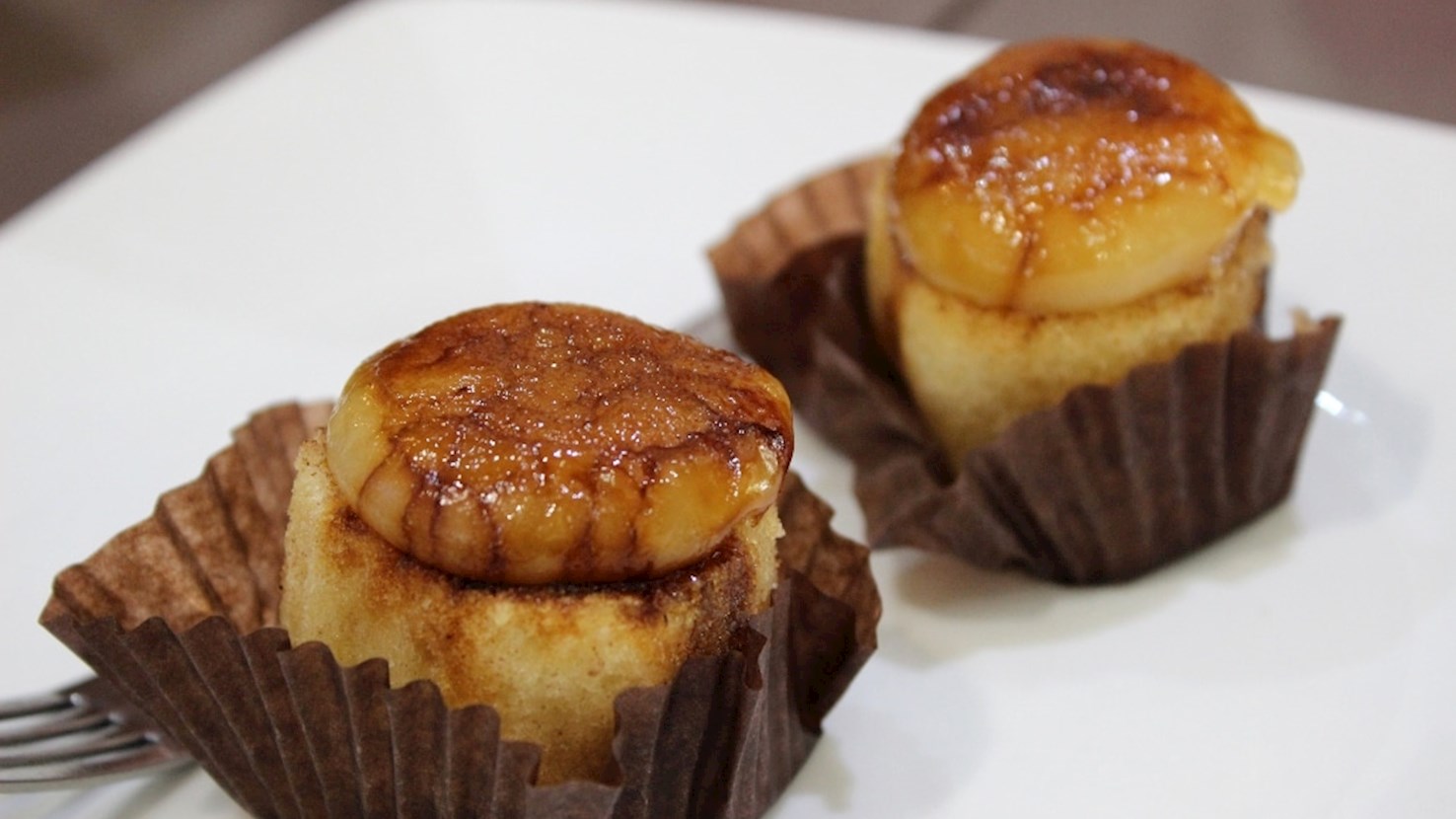
Piononos are traditional Spanish pastries originating from Santa Fé in Granada. This syrupy sponge cake filled with cream and cinnamon is rolled up into a cylinder, drenched with rum-laced syrup, and crowned with toasted cream and sugar. The pastry was invented by pastry chef Ceferino Isla, who wanted to pay tribute to Pope Pius IX (Pio Nono). That's why the pastry has the name pionono and it also visually recalls the Pope – a cylindrical and chubby appearance, served in white paper that represents the cassock, and the upper part which represents the solide with which the Pope covers his crown. Piononos are usually eaten for merienda in the afternoon, with a cup of coffee on the side.

06

Empanada de cordero

3.8 ·

Empanada de cordero is a type of Spanish empanadas originating from the Balearic Islands. Unlike their Galician counterpart, Mallorcan empanadas have a dough that’s prepared without yeast. The dough is made with a combination of egg yolks, lard or butter, flour, salt, olive oil, and lukewarm water. Each empanada is typically filled with a mixture of diced lamb, chopped bacon, salt, and black pepper. The pastries are baked until lightly browned and the filling is fully cooked. Once prepared, empanadas de cordero are served warm or at room temperature.

07

Cocarrois

3.8 ·

Cocarrois is a traditional vegetable turnover originating from the Balearic Islands. The dough is similar to the island’s empandas de cordero, but it’s enriched with orange juice and sugar. Other ingredients used to make the dough include flour, olive oil, egg yolks, and lard or butter. The filling is typically made with vegetables such as Swiss chard, cauliflower florets, and scallions, along with parsley, pine nuts, and raisins. The dough is stuffed, then closed and shaped into a half-moon. The pastries are baked until lightly browned, then served warm or at room temperature. These turnovers are especially popular during Easter.

08

Tortos asturianos

3.7 ·

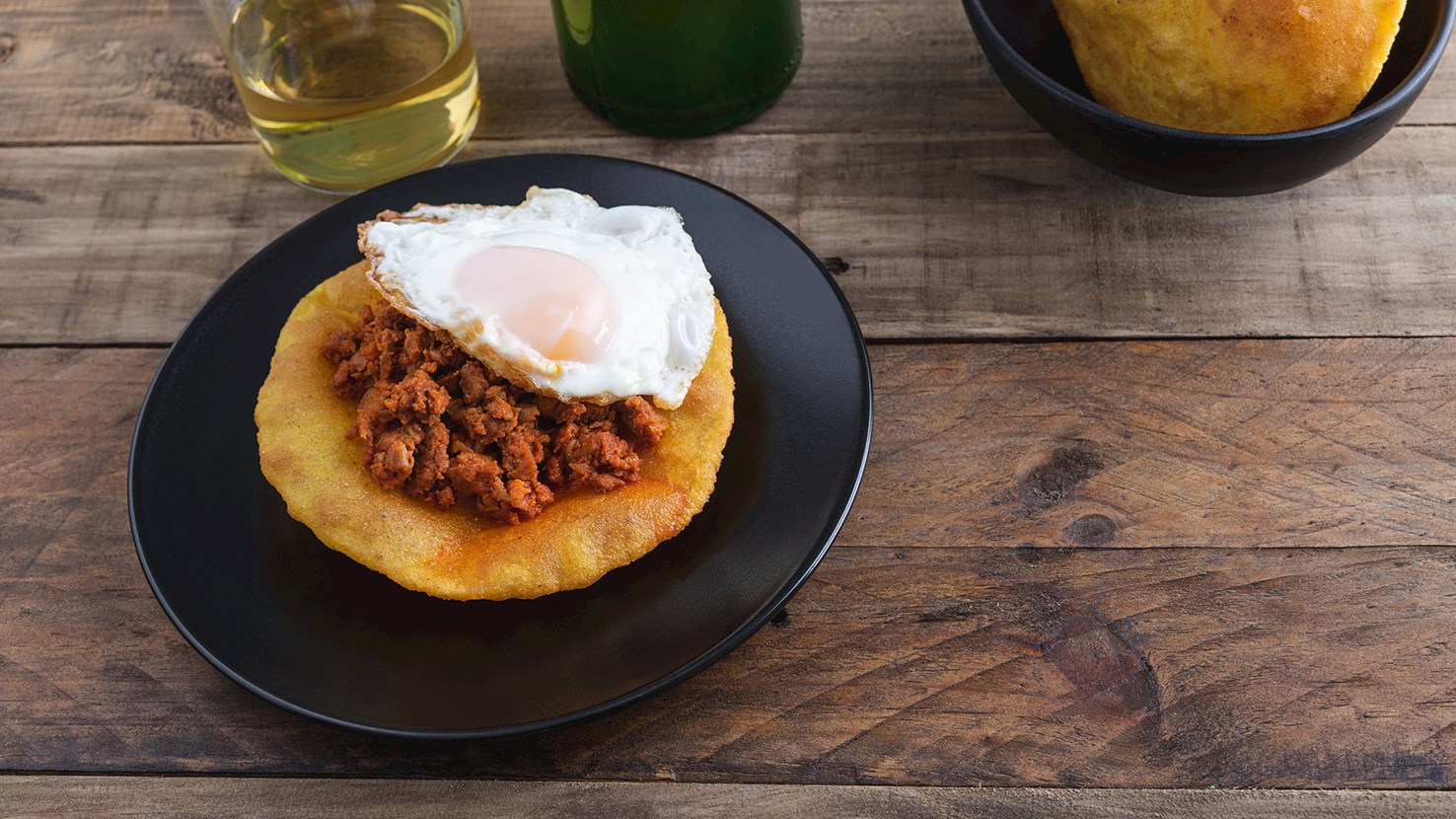
Tortos is a traditional dish originating from the Asturias region. This humble dish is made with a combination of corn flour, ground pork that’s seasoned with paprika (picadillo), and eggs. The tortos (corn fritters) are made with a combination of corn flour, wheat flour, salt, water, and olive oil. Although they can be made with corn flour only, the wheat flour is usually added for better consistency. The dough is shaped into balls which are then left to rest in the fridge for a few hours. Later on, the dough is flattened and fried in hot olive oil on both sides until golden. The tortas are topped with ground pork and fried eggs, and the dish is ready to be served. Tortos asturianos is especially popular in rural areas.

09

Coca

3.7 ·

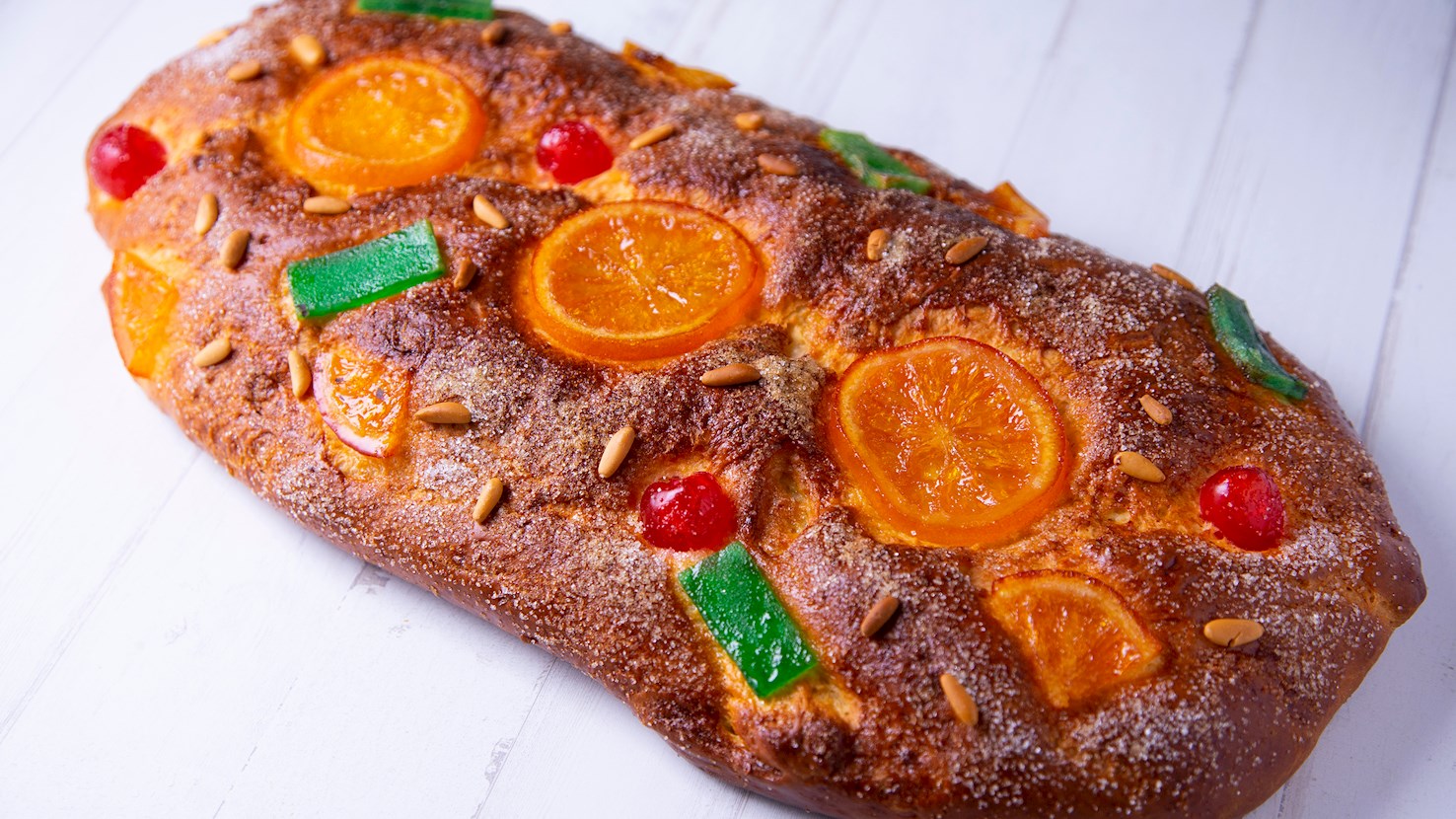
Considered the star of Catalan baked goods, coca is a traditional pastry prepared in a few varieties: sweet, savory, open, and closed. Depending on the variety, coca may take on various shapes and forms and resemble a flatbread, a pizza, or even a cake. The sweet variety usually consists of flour, sugar, butter, and eggs, and it is typically topped or filled with candied fruit, marzipan, cream, or pine nuts. The savory variety is prepared in the same way, but sugar and eggs are replaced by yeast and salt. A wide range of ingredients may go on top or inside savory cocas, including vegetables, fish, meat, and mushrooms, among others. Savory varieties include pizza-like cocas or coques as they’re called in Catalan, such as coca de recapte (topped with vegetables and fish) and coca de xulla (with bacon and other meat). There is also a variety that combines sweet and savory flavors such as coca de llardons, a flat coca which is made with pork cracklings, pine nuts, and sugar. In Spain, special varieties of coca are prepared for almost all important festivities and celebrations, and even national holidays such as La Mercè (Festival of the Virgin of Mercy) and La Diada de Cataluña (National Day of Catalonia) have their own unique cocas. Some of these include coca de San Juan (a sweet cake for the eve of St. John’s Day), mona de Pascua (an Easter cake eaten during the Semana Santa), and coca de reyes (a sweet Christmas cake for the Day of the Kings).

10

Rosquillas

3.5 ·

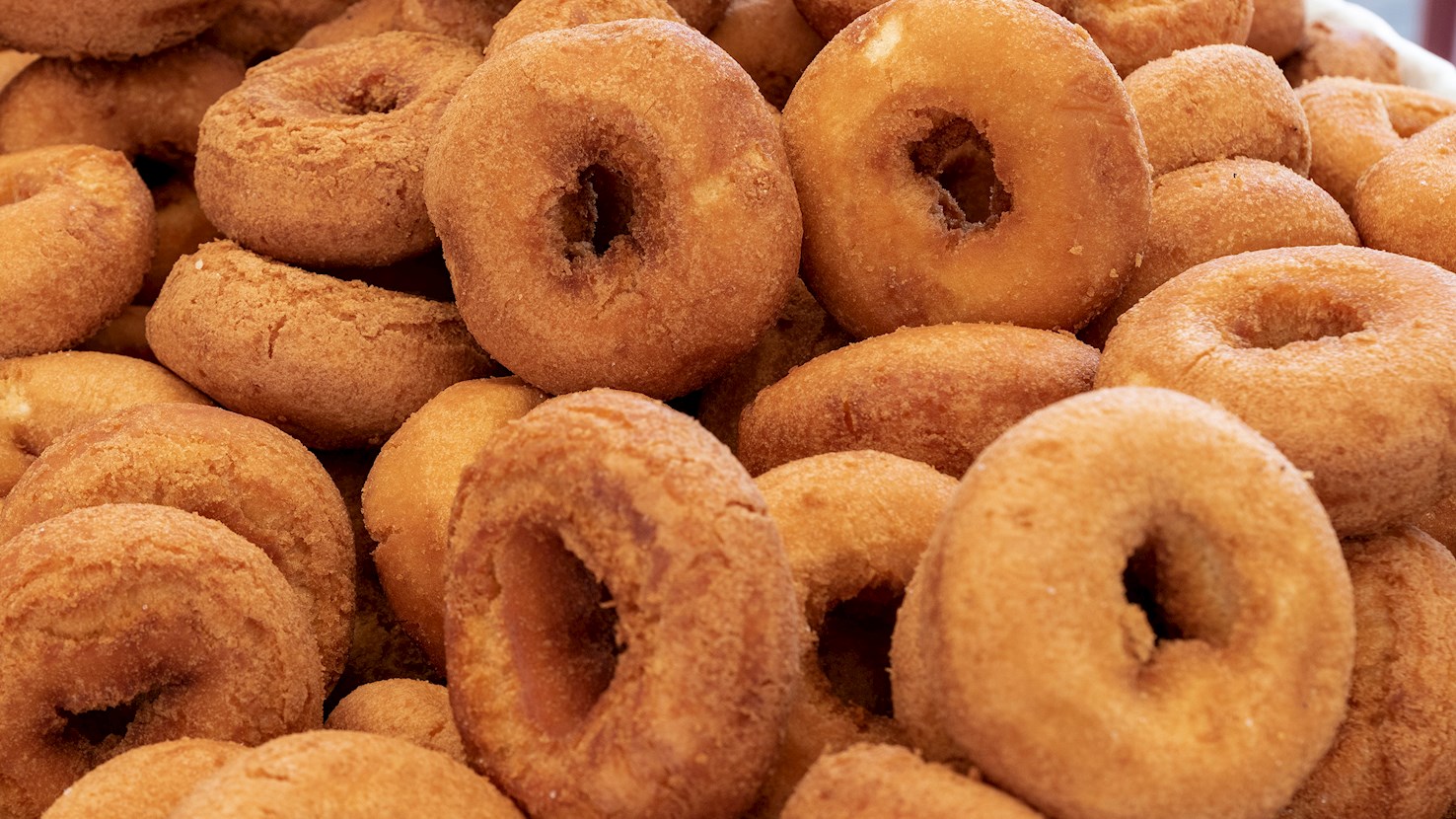
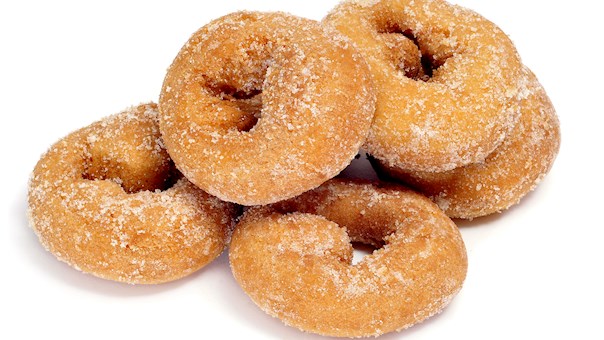
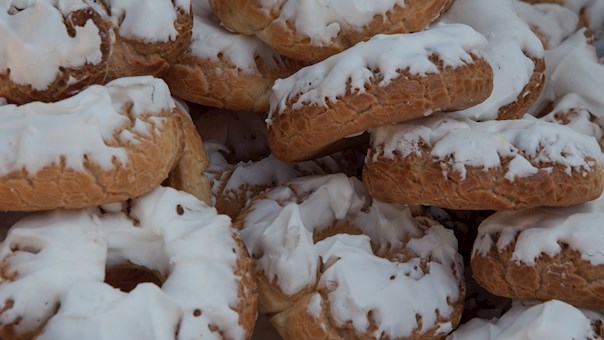
Rosquillas are traditional Spanish deep-fried donuts, characterized by their fluffy texture and a hole in the middle. They are typically prepared during the Holy Week festivities. Although there are many varieties of rosquillas, the classic ones are prepared with a combination of eggs, sugar, milk, oil, lemon zest, flour, baking powder, and anisette, which imparts a unique flavor to these tasty donuts. Another classic variety of rosquillas is made with sweet muscat wine (moscatel), and those donuts are known as rosquillas de vino. After they have been deep-fried, rosquillas are typically served as a sweet snack, topped with cinnamon sugar. Interestingly, in Honduras, the rosquillas are made with corn masa and curd cheese, and they are not deep-fried but baked in the oven.

Best Spanish Pastries
01

Mantecados Felipe II

4.3 ·
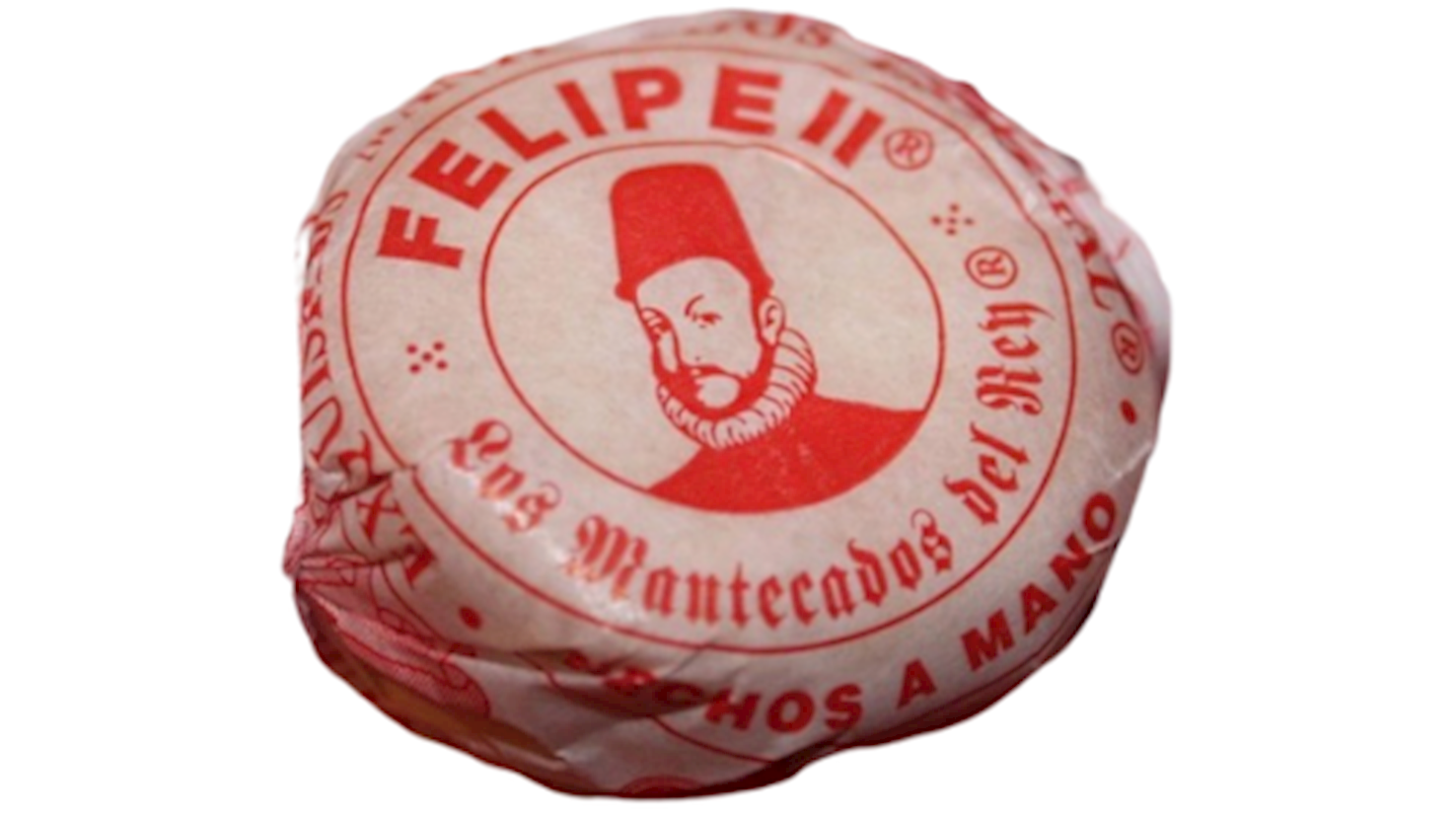
Mantecados Felipe II is one of the most recognizable brands of traditional Spanish mantecados, with an identity deeply rooted in history and artisanal production. Its origin is linked to the 16th century and a story associated with Philip II of Spain, after whom the brand is named, reinforcing its historical and cultural significance. Today, production is managed by Confitería Blancanieves Tejedor, based in Vitoria-Gasteiz, which continues to preserve the original recipe and handcrafted approach. The brand is often regarded as one of the oldest references in the mantecado category in Spain, positioning it as a benchmark product. The recipe relies on a limited number of high-quality ingredients, including wheat flour, powdered sugar, pork lard, and Marcona almonds, resulting in a distinctive crumbly texture and pronounced almond character. Production remains largely artisanal, maintaining the traditional format of individually wrapped small cakes, a presentation that has been preserved for over a century. Rather than focusing on innovation, the brand’s value lies in continuity, combining historical heritage, established ingredients, and traditional craftsmanship. Mantecados Felipe II stands as a reference within Spanish seasonal confectionery, particularly associated with festive periods, while maintaining relevance through its clear connection to origin and long-standing production practices.
Awards
Monde Selection - Gold (2025, 2024, 2023, 2021)
Monde Selection - Gold (2022)
Read more
View all
View map
About this ranking

TasteAtlas food rankings are based on the ratings of the TasteAtlas audience, with a series of mechanisms that recognize real users and that ignore bot, nationalist or local patriotic ratings, and give additional value to the ratings of users that the system recognizes as knowledgeable. For the “Top 35 Spanish Pastries” list until June 15, 2026, 3,154 ratings were recorded, of which 2,646 were recognized by the system as legitimate. TasteAtlas Rankings should not be seen as the final global conclusion about food. Their purpose is to promote excellent local foods, instill pride in traditional dishes, and arouse curiosity about dishes you haven’t tried.

The initial list of top producers was compiled based on available reviews, awards, local recommendations, media and blog coverage, and consumer reviews. The list will be updated with ratings from TasteAtlas local ambassadors and TasteAtlas users.

Similar lists