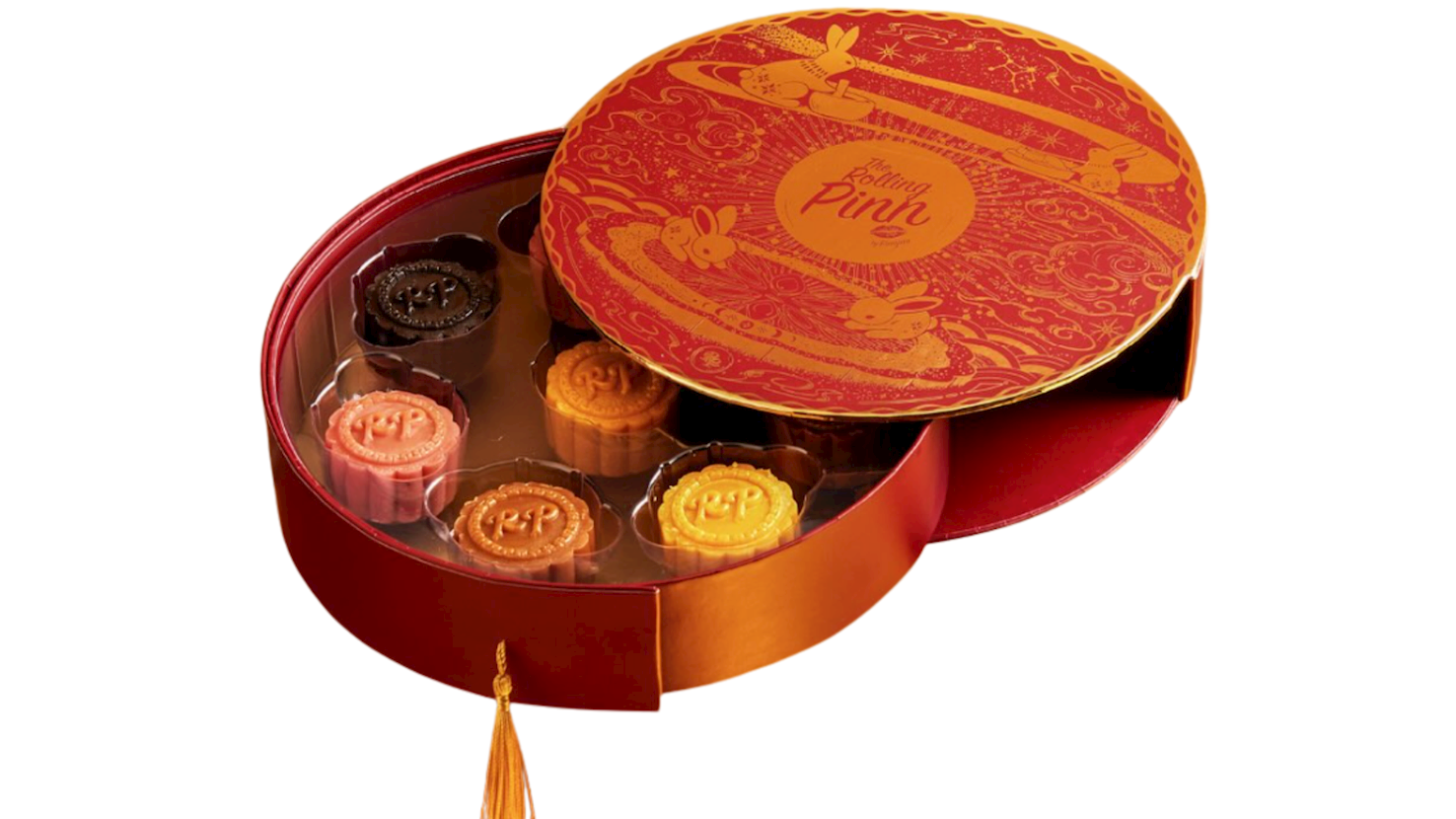
The Rolling Pinn is a Thai artisanal bakery and dessert brand based in Bangkok, founded by Pinn Janvatanavit. Established in 2018, the brand began as a small online bakery inspired by the founder's lifelong passion for baking, which started during her childhood. Initially focusing on homemade cookies and cupcakes, The Rolling Pinn quickly gained popularity through social media thanks to its distinctive desserts, creative presentation, and premium ingredients. The brand combines classic European pastry techniques with contemporary flavors and visually striking designs, offering a wide selection of cakes, cookies, pastries, chocolates, and seasonal dessert collections. Its products are made in small batches using carefully selected ingredients, with an emphasis on both taste and craftsmanship. In addition to custom celebration cakes, The Rolling Pinn is known for introducing limited-edition creations inspired by global dessert trends while adapting them to local preferences. Over the years, the company has expanded from an online business into a well-established bakery with multiple retail locations across Bangkok.
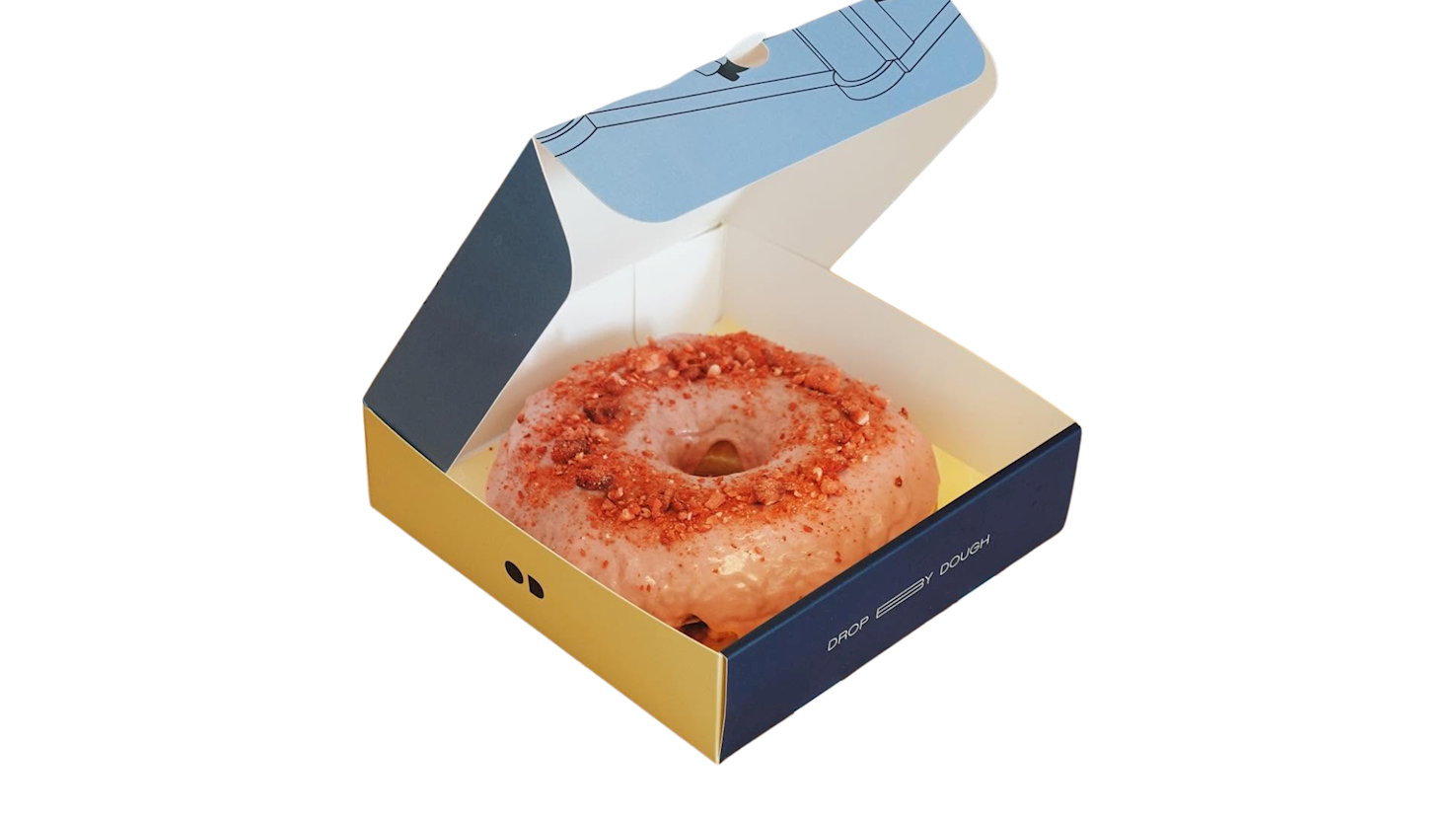
Drop by Dough is a Thai producer of artisanal baked goods and a café chain based in Bangkok, specializing in brioche doughnuts and other desserts. In addition to its signature doughnuts, the product range includes packaged cookies, seasonal gift boxes, and coffee- and tea-based beverages. The company combines local ingredients with international culinary influences, offering flavors inspired by Japanese teas, tropical fruits, and other ingredients characteristic of Asian cuisine. The brand places a strong emphasis on high-quality ingredients, handcrafted production, and a distinctive visual identity reflected in both its products and packaging. Over the years, Drop by Dough has gained considerable popularity among both Bangkok residents and visitors, and its products are frequently featured in guides highlighting Thailand’s contemporary culinary scene.
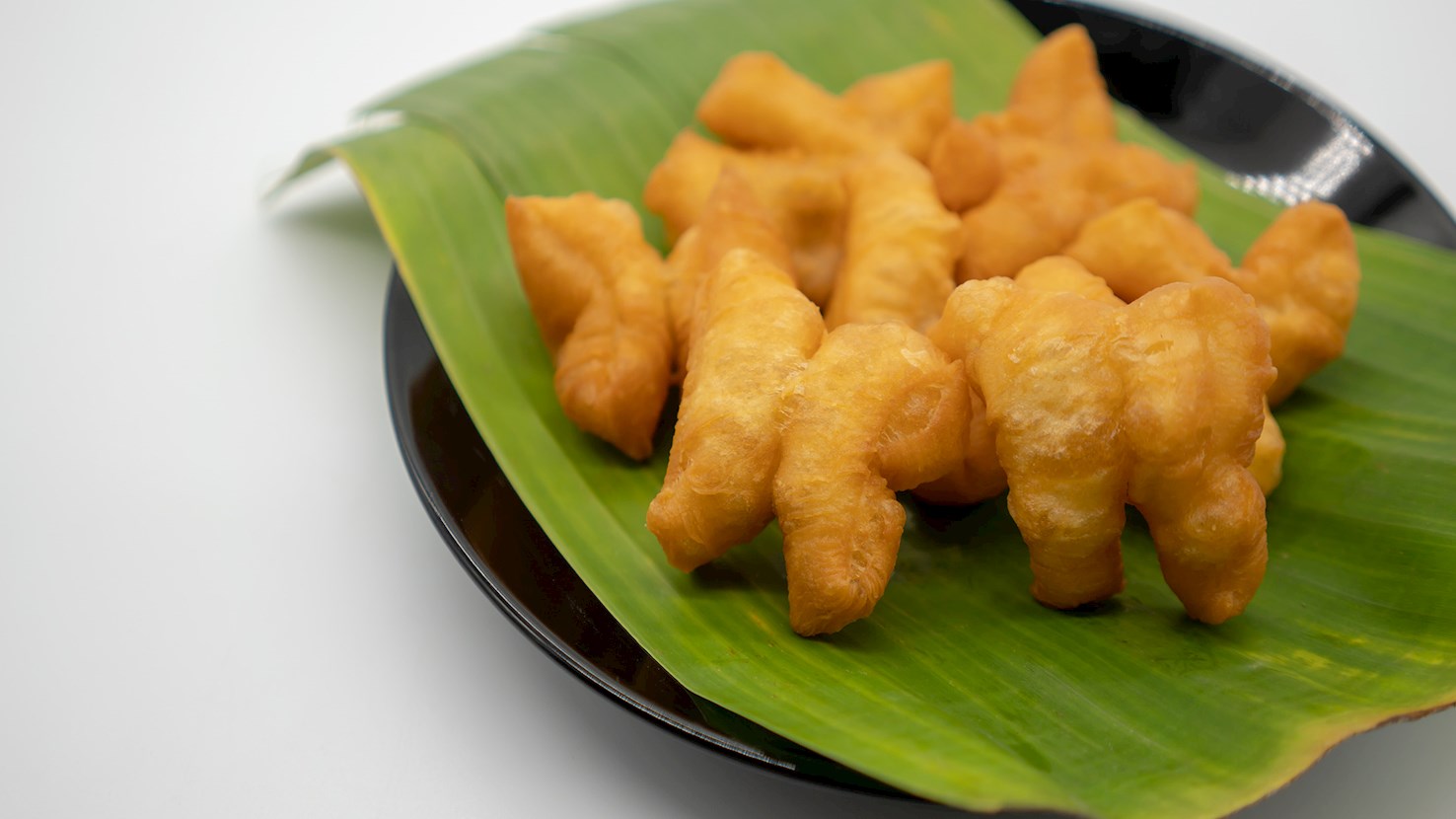
Pa thong ko is the Thai take on popular Chinese crullers called youtiao. To make the crullers, a mixture of flour, yeast, baking ammonia, alum powder, lukewarm water, salt, sugar, and some baking powder is formed into a dough, which is then oiled, left to rest, and finally cut into long strips. Pairs of dough strips are then carefully stuck to one another to give the crullers their recognizable shape before they are deep-fried in hot oil until nicely colored, puffy, and slightly crispy. Innovative ways of shaping the crullers other than their traditional form have emerged over the years, and nowadays, pa thong ko can be seen in numerous unusual shapes such as dinosaurs or dragons. In Thailand, warm pa thong ko is a typical breakfast meal and a well-loved street food item, and it is usually complemented by sweetened condensed milk, Thai custard, or Thai congee, along with a cup of fresh coffee on the side.
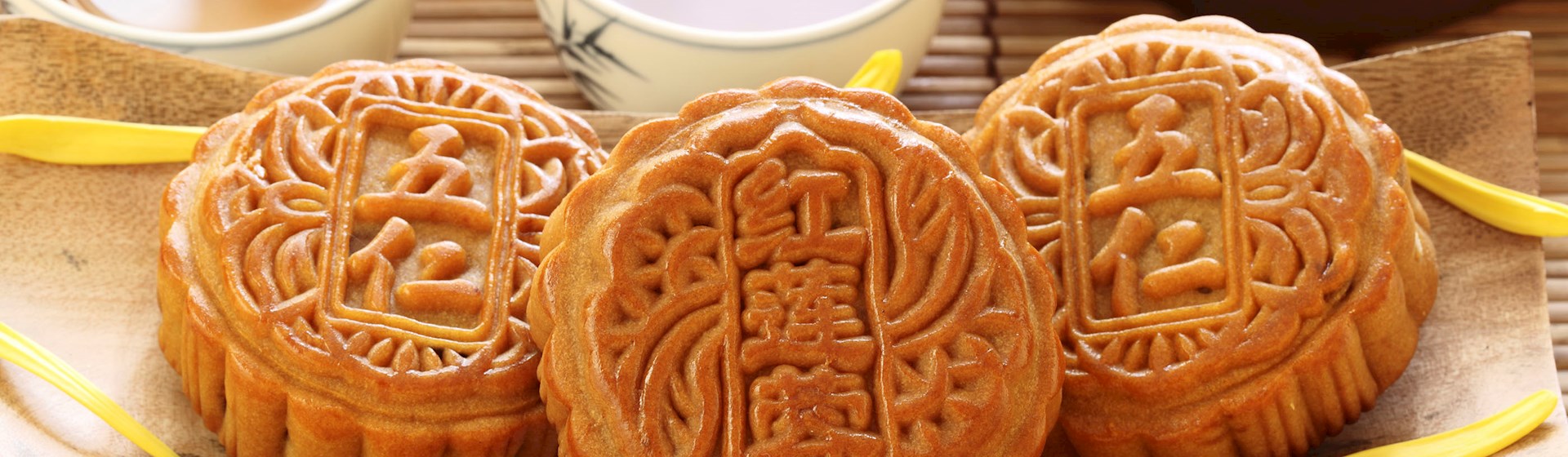
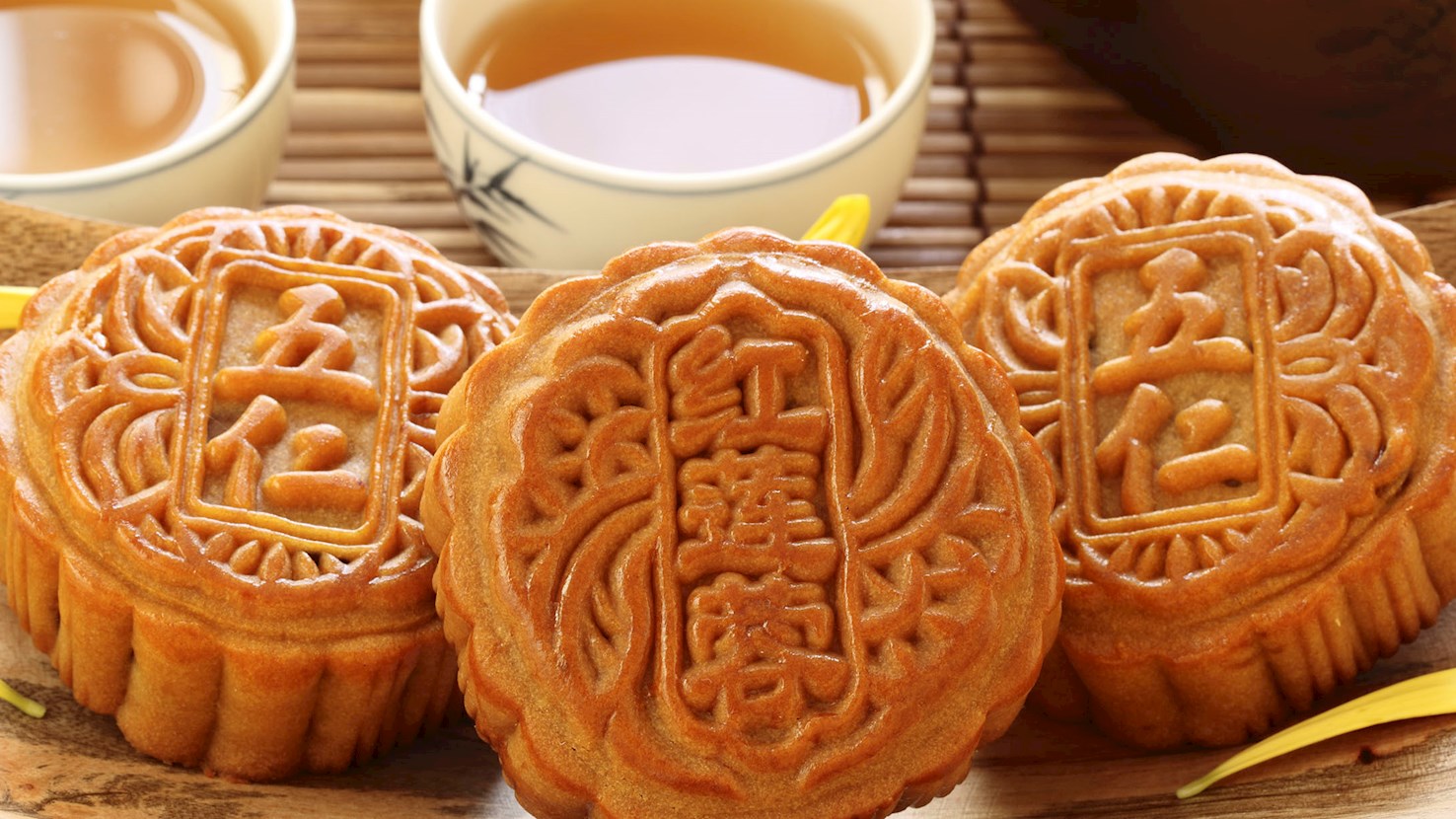
An ancient Chinese delicacy eaten during the Mid-Autumn Festival or Moon Festival, known as mooncake, is a pie-like pastry made with a shortcrust base called yueh ping that is traditionally filled with black sesame seed or lotus seed paste, along with red beans, roasted pork, mung beans, dates, and salted duck egg yolks. Nowadays, mooncakes are available in a variety of different sweet and savory fillings, some of which are fruits like honeydew, litchi or pineapple; chocolate or mixed nuts; abalone and seaweed; green tea, and even cream cheese or ice cream. Their round shape is not only reminiscent of the moon, but also a symbol of return or a full circle, which in Chinese philosophy stands for fulfillment, oneness, perfection, and unity. Mooncakes are meant to be shared among people, so they are typically enjoyed sliced into small wedges and usually served with Chinese tea. In ancient times, these pastries were prepared as an offering to the Moon, but over centuries they have become the most popular food of the Mid-Autumn Festival. Listed as a public holiday and an intangible cultural heritage, the Mid-Autumn Festival or Moon Festival is one of China’s most important traditions celebrated on the 15th day of the 8th lunar month when the full moon is said to be at its brightest and closest to Earth.
Krathong thong is a traditional appetizer consisting of pastry cups that are filled with various ingredients. In Thailand, to make the pastry shells, cooks use a special mold that looks like a cupcake pan at the end of a long handle. The pastry cups are usually made with a combination of plain and rice flour, salt, sugar, egg yolks, water, mineral water, and oil. The ingredients for the filling vary, and some of the popular ones include pork or chicken, onions, carrots, potatoes, curry powder, and garlic. These golden cups are available in numerous eateries and at street food stands in Thailand.
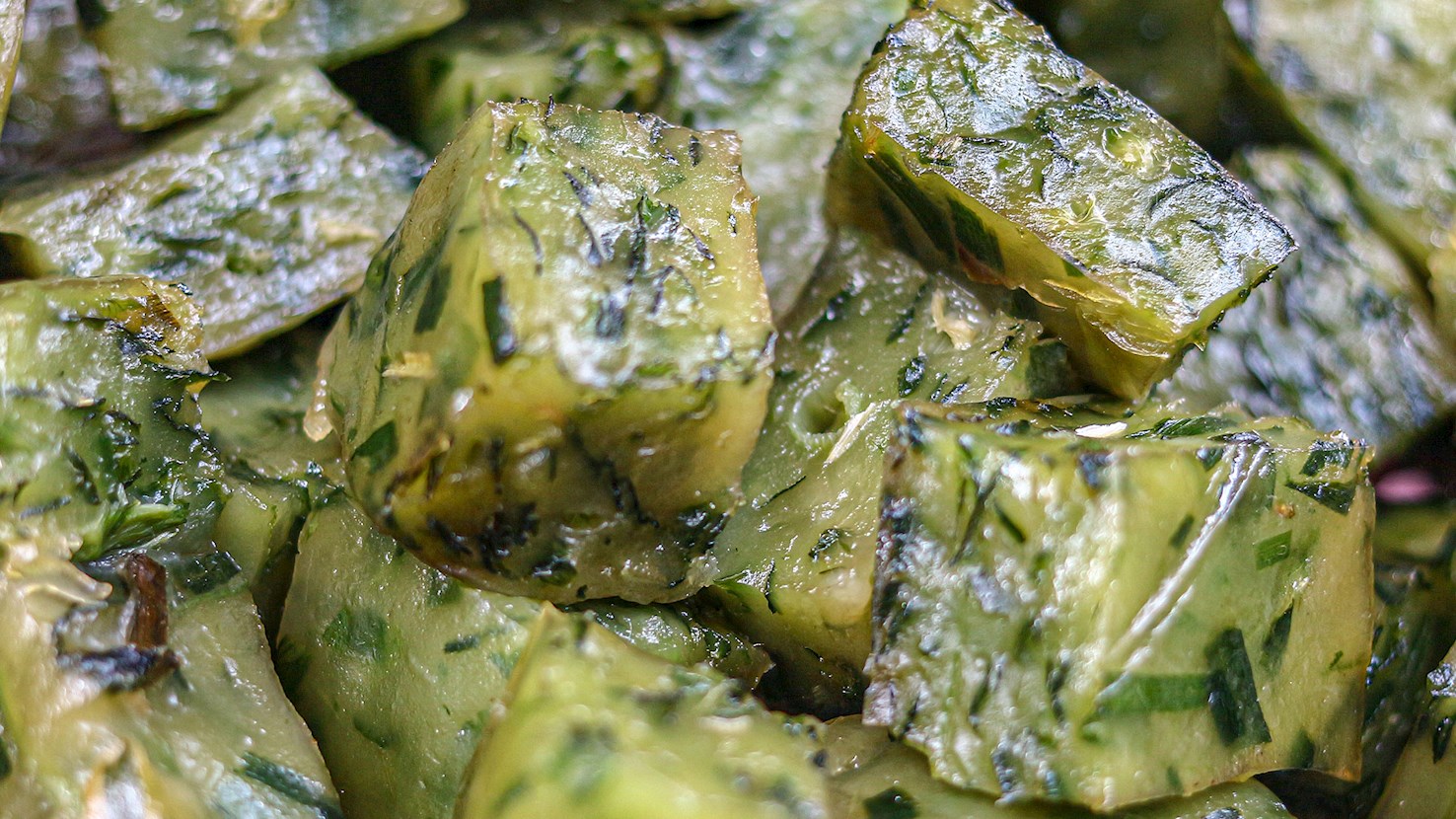
Gui chai tod is a Thai-Chinese fried chive cake or dumpling snack found widely in Thailand, especially in Bangkok and central Thai cities, where it is sold at markets, street stalls, and small snack shops. Its name refers to gui chai, Chinese chives, and tod, meaning fried, and the dish comes from the Teochew-influenced Chinese food culture that became deeply established in Thailand through migration and urban trade. It is closely related to Chinese chive cakes and dumplings, but the Thai version developed its own familiar street-food form, usually made with a soft, slightly chewy starch-based dough or cake packed with chopped garlic chives and then pan-fried until the exterior becomes crisp. The mixture commonly uses rice flour together with tapioca starch, which gives the interior its elastic, almost translucent texture, while the filling or batter is seasoned simply so the chives remain dominant. Depending on the style, the mixture may be steamed first in a tray and cut into squares before frying, or shaped into individual pieces that are cooked and then browned on a griddle or in a shallow layer of oil. The contrast between the crisp, golden surface and the soft, chewy center is central to the dish, as is the sharp, fresh flavor of the chives. It is usually served with a dark dipping sauce based on soy sauce, vinegar, sugar, and chile, which adds saltiness, acidity, and heat without overpowering the mild dough. Gui chai tod is commonly eaten as a snack or light meal, often in the morning or afternoon, and it is especially easy to find in areas with strong Thai-Chinese food traditions. It pairs well with hot tea, iced tea, soy milk, or light coffee, and it is also commonly eaten alongside other market snacks and small fried dishes.
TasteAtlas food rankings are based on the ratings of the TasteAtlas audience, with a series of mechanisms that recognize real users and that ignore bot,
nationalist or local patriotic ratings, and give additional value to the ratings of users that the system recognizes as knowledgeable.
TasteAtlas Rankings should not be seen as the final global conclusion about food. Their purpose is to promote excellent local foods,
instill pride in traditional dishes, and arouse curiosity about dishes you haven’t tried.
The initial list of top producers was compiled based on available reviews, awards, local recommendations, media and blog coverage, and consumer reviews.
The list will be updated with ratings from TasteAtlas local ambassadors and TasteAtlas users.





What People Say