


shutterstock

Top 16 Western European Pears

Last updated on June 02, 2026
01

Pêra Rocha do Oeste

4.3 ·

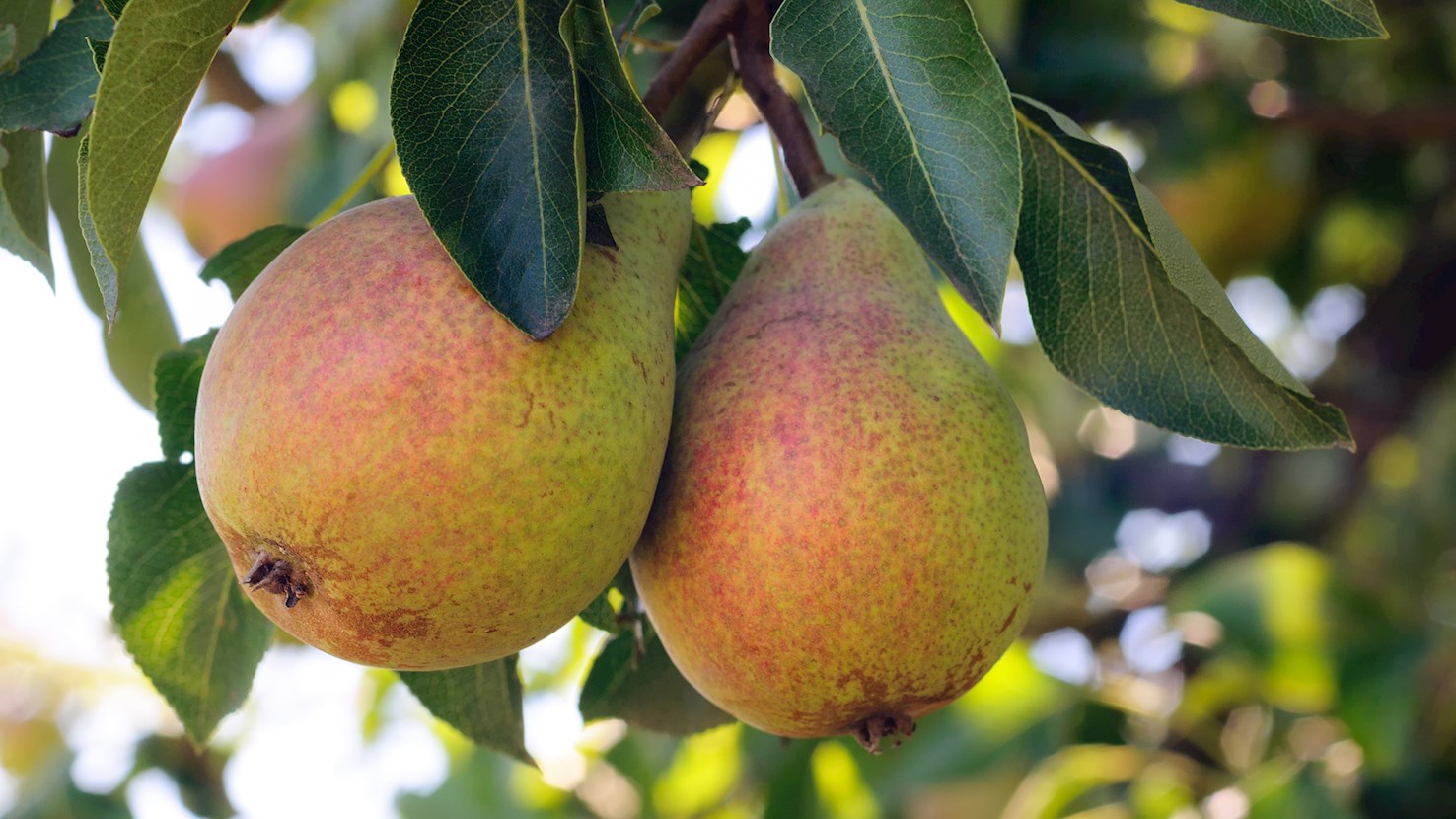
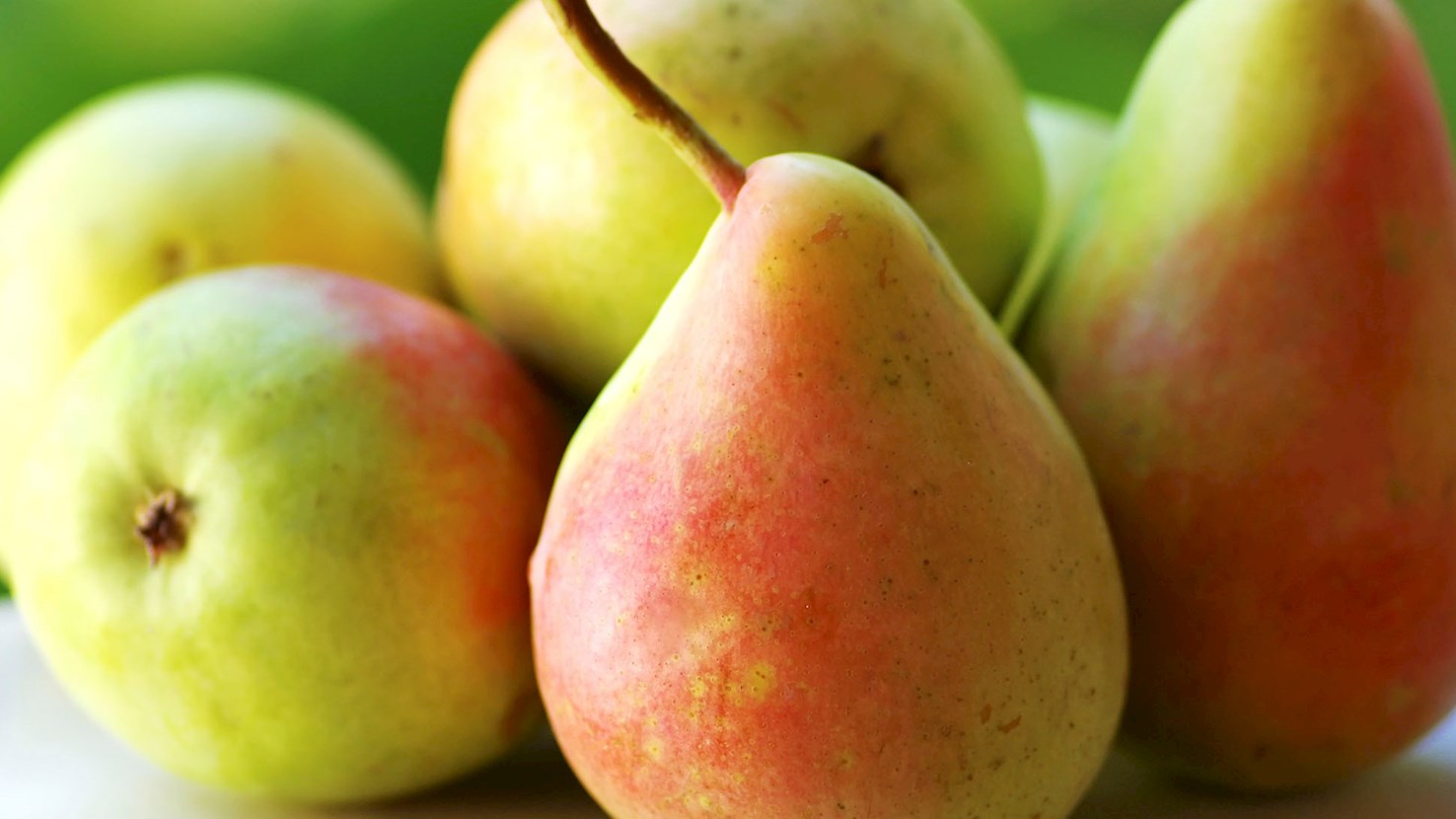
This cultivar of the Pyrus communis species, also known as Rocha, hails from the Portuguese municipalities of Leiria, Santarém, and Lisbon. According to legend, the Pera Rocha was discovered by farmer Pedro Antonio Rocha in the town of Obidos north of Lisbon. Rocha found a pear tree that bore exceptional fruit and shared grafts of the tree with his neighbours and friends, resulting in the rapid spread of the varietal throughout the region. The pears are harvested from August through late September, and the fruit are picked both by hand and mechanically. Rocha do Oeste pears have an elongated oval shape, a light yellow color, and occasional pink spots. The flesh is white, sweet, soft, and slightly grainy, and the fruit is exceptionally juicy and fragrant. It is a great variety for producing fruit juices, jams, and desserts, such as Pera Rocha cozida em bom vinho – pears boiled in red wine topped with sugar and cinnamon.

02

D'Anjou (Anjou pear)

3.9 ·

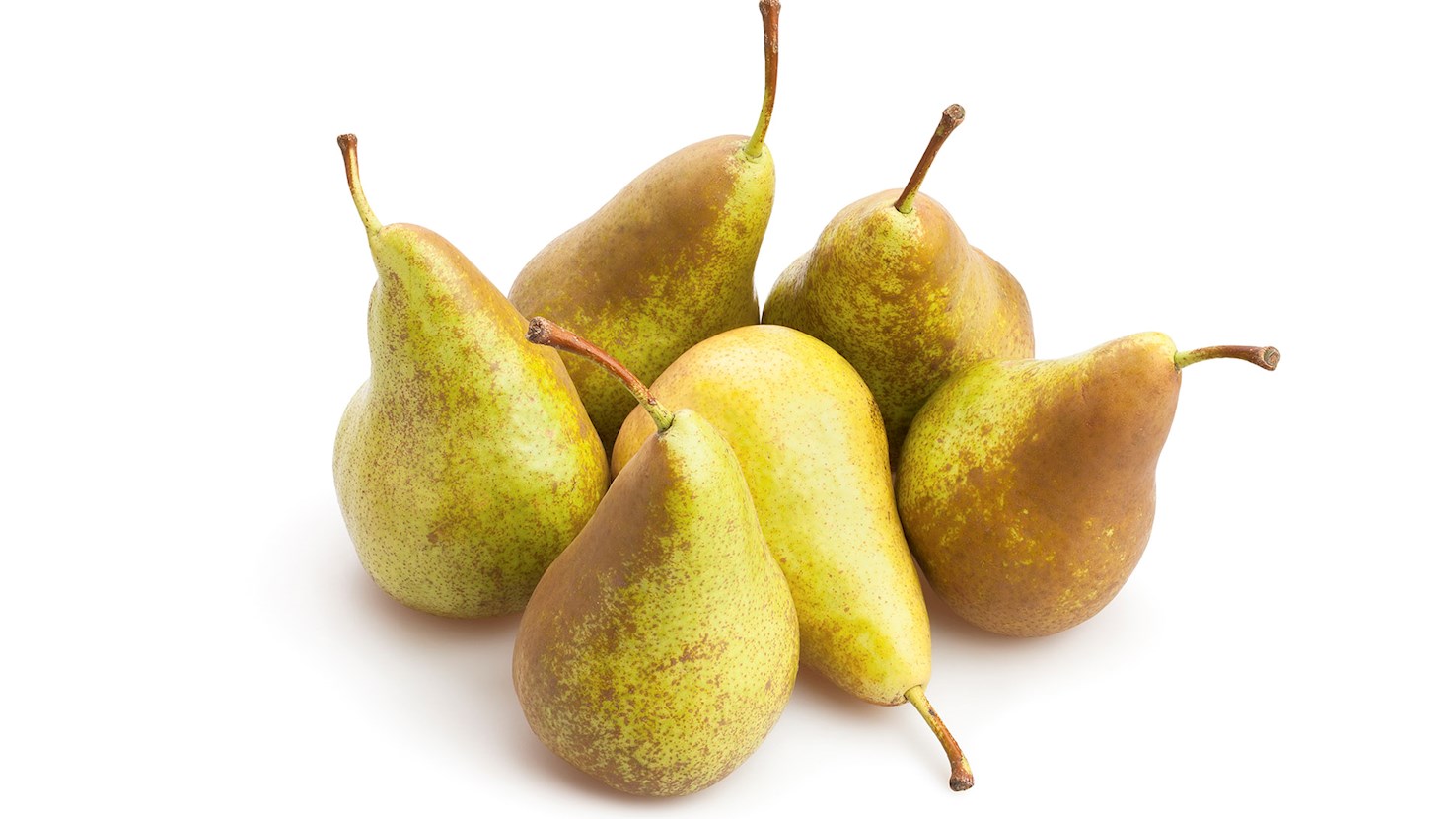
D'Anjou is a pear variety that originated in Belgium or France in the mid-19th century. The pears are medium to large in size with an egg-shaped appearance. The skin ranges from yellow to light or bright green. The flesh is aromatic and tender in texture, while the flavor is sweet and juicy. Anjou is an all-purpose pear and it's eaten fresh, poached, baked, roasted, or grilled. The flesh is dense and suitable for higher temperatures.

03

Passe Crassane

n/a ·

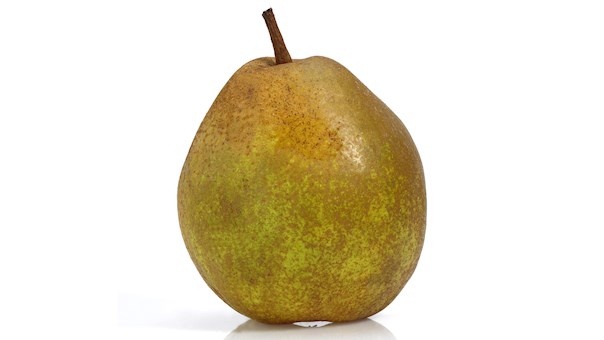
Passe Crassane is a French pear variety originating from Rouen. The pear is medium to large in size and has russeted, greenish-yellow skin. The skin is thin and smooth, and the flesh is slightly coarse and grainy, yet soft and juicy. The flavors are aromatic, fruity, and sweet-tart with floral notes. Passe Crassane is available from late winter through spring. The pears are often used in baking, poaching, and roasting. When raw, it can be sliced and enjoyed as a snack or used in salads and cheeseboards. It pairs well with ginger, hazelnuts, lemon, almonds, garlic, smoked fish, chocolate, and onions.

04

Belle Angevine

n/a ·

Belle Angevine is a unique pear variety originating from the 17th century. The pears are very large and heavy, which is why they often drop from trees before picking. They have a green skin which becomes yellow, and then red–meaning they are ready to be picked. Belle Angevine is usually cooked and used in the preparation of various desserts.

05

Peras de Rincón de Soto

n/a ·

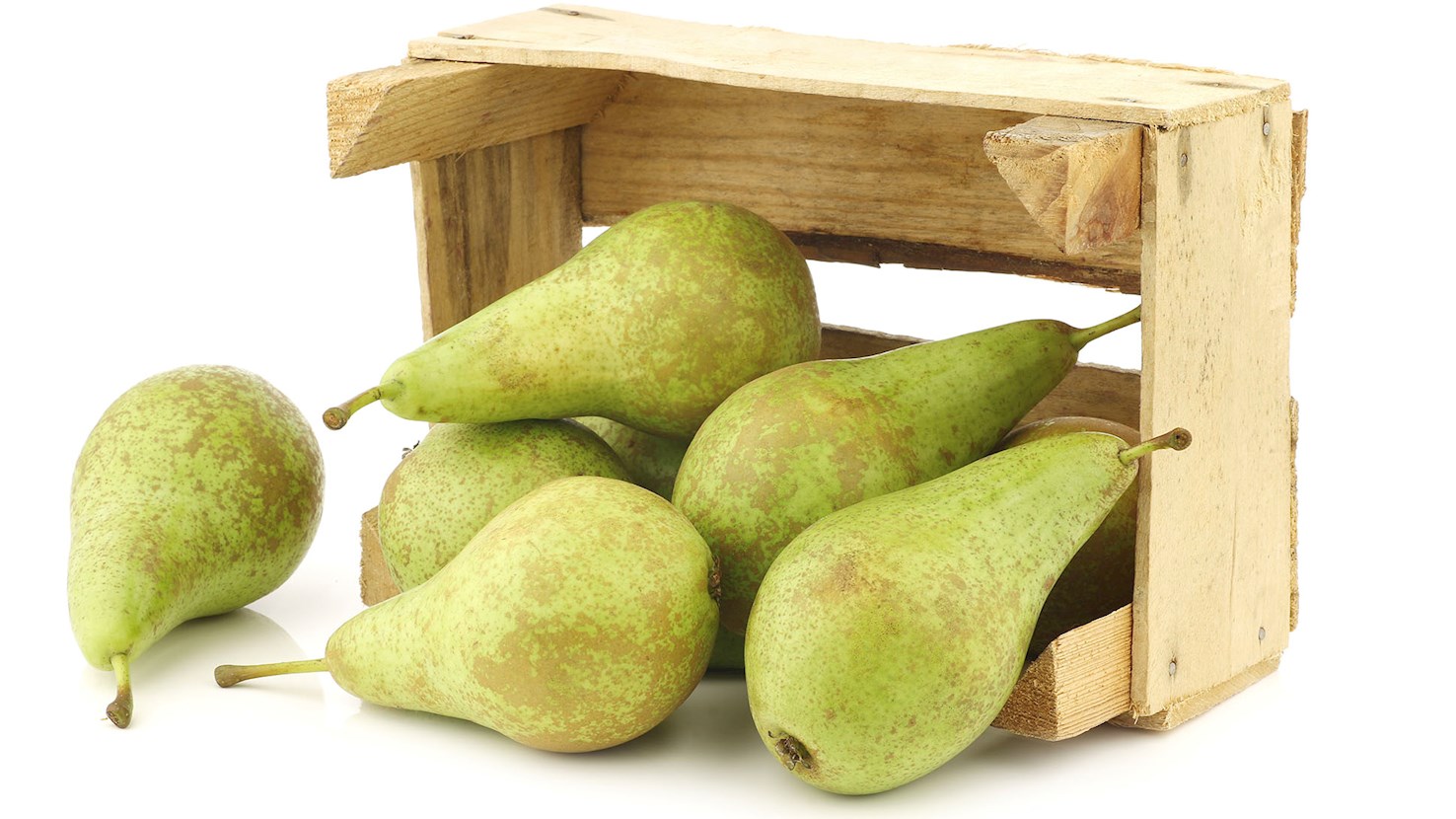
Peras de Rincón de Soto are pears of the Blanquilla and Conference varieties, grown in the Ebro valley. These pears are larger, longer, sweeter, firmer and with a greener skin than those cultivated in the other areas. They are carefully hand-picked, leaving the stems on, after which they are processed and packaged no longer than 6 hours after harvesting. Peras de Rincón de Soto are extremely sweet with no tartness, very crispy and succulent with light fruity and floral aromas.

06

Pera dell'Emilia Romagna

n/a ·

Grown in the provinces of Reggio Emilia, Ferrara, Modena, Ravenna and Bologna, Pera dell’Emilia Romagna refers to fresh pears of the following varieties: Abate Fetel, Conference, Decana del Comizio, Kaiser, Max Red Bartlett, Cascade, Passa Crassana and William. The excellent quality of these pears is directly influenced by the pedoclimatic conditions of the designated cultivation area and the producers' expertise. Depending on the variety, the harvesting of Emilia-Romagna pears generally begins in mid-August and lasts until the end of September. Since all of the varieties are particularly juicy and sweet, Emilia-Romagna pears can be used in numerous sweet and savory dishes. For an interesting combination of flavors, they can be enjoyed in a risotto with Pecorino cheese and paired with a glass of white wine.

07

Beurré Bosc

n/a ·

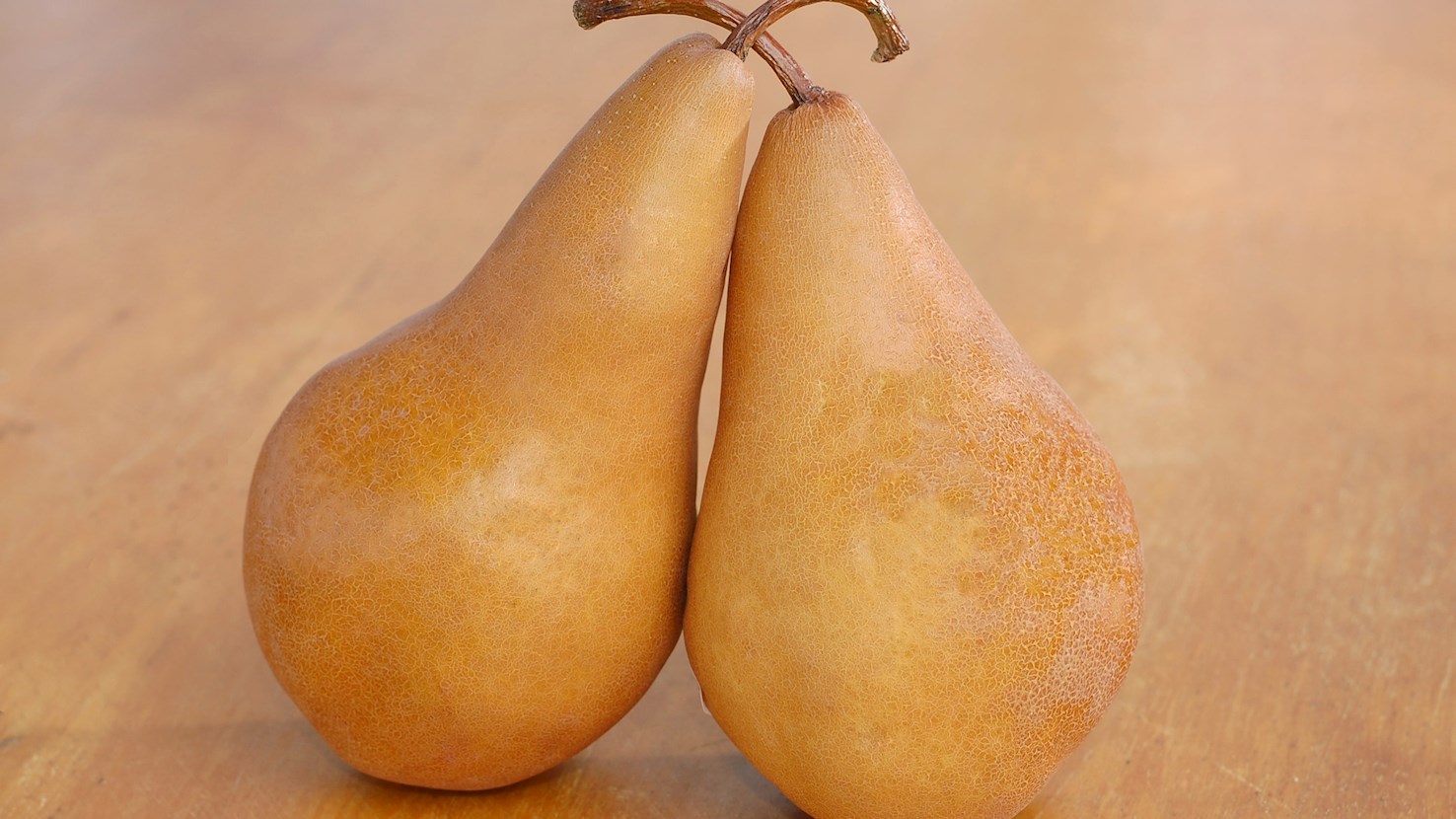
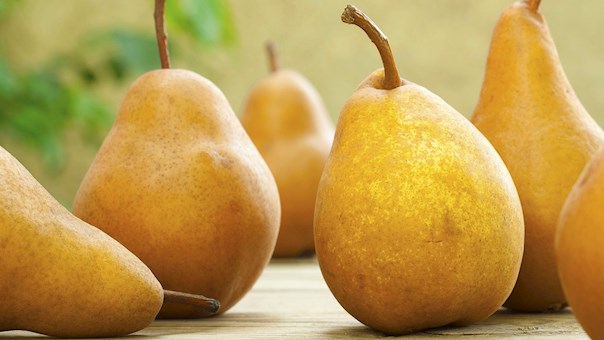
Beurré Bosc is a pear variety originating from Apremont and dating back to the early 1800s. The pear is easily recognized by its long, tapered neck and lengthy stalk. The white flesh is crisp and aromatic, while the flavors are sweet and spicy. Beurré Bosc holds its shape well when it's baked or poached due to its firm flesh. The season of these pears starts in autumn and goes through spring. Interestingly, due to its shape and warm color, Beurré Bosc is often used in paintings, photography, and drawings.

08

Pera de Jumilla

n/a ·

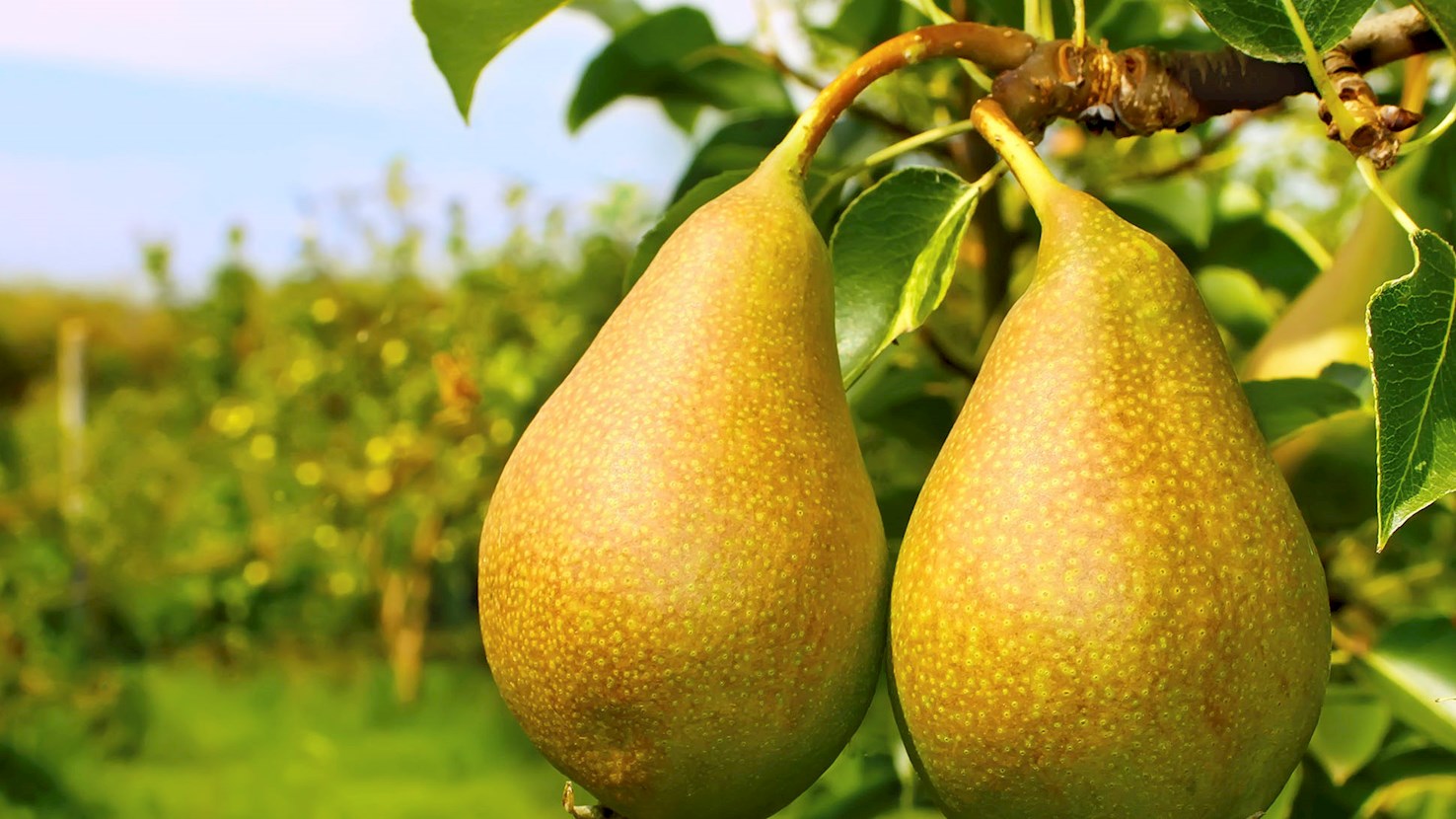
Pera de Jumilla are the pears grown, harvested and packaged in the municipality of Jumilla in the province of Murcia. These pears are yellow-green with red spots on the side that has been exposed to the sun. The flesh is white in color, very juicy and sweet with a mild fragrance and aroma. Pera de Jumilla have a higher content of sugar compared to pears grown elsewhere due to the large amount of sunlight they receive. They also reach maturity earlier and are firmer and larger than other pears. All stages of cultivation and production must take place within the defined geographical area, which provides ideal weather and soil conditions for the development of this particular variety.

09

Pommes et Poires de Savoie

n/a ·

Apples and pears from the Savoie region in France are unique in shape and taste because of the specific type of soil they grow on, the altitude gives them firm flesh, and the variations in climate in the region affect their ripening and prolong their shelf life. The fruit has been awarded a status of superior organoleptic characteristics, measured by Thiault index, and it was the first French fruit to gain a protected PGI status in 1996. There are 22 varieties of Savoie apples and pears, 16 of which are apples and 6 are pears. The fruit is perfect for use in cooking, pies, salads, cakes, eaten fresh, sliced, paired with cheese or made into smoothies and fresh juices because of their sweet, crunchy flesh.

10

Pera Mantovana

n/a ·

Grown within the Lombardian province of Mantua, Pera Mantovana refers to fresh pears of the following varieties: William, Max Red Bartlett, Conference, Decana del Comizio, Abate Fetel and Kaiser. When fully ripe, the sweet flavored Mantovana pears are particularly juicy and aromatic which makes them ideal for preparing various desserts, syrups and liqueurs. They are also often served with honey and mature cheeses or used for preparing Mostarda Mantovana, a type of spicy mustard and fruit preserve.

Read more
View all
View map
About this ranking

TasteAtlas food rankings are based on the ratings of the TasteAtlas audience, with a series of mechanisms that recognize real users and that ignore bot, nationalist or local patriotic ratings, and give additional value to the ratings of users that the system recognizes as knowledgeable. For the “Top 16 Western European Pears” list until June 02, 2026, 166 ratings were recorded, of which 117 were recognized by the system as legitimate. TasteAtlas Rankings should not be seen as the final global conclusion about food. Their purpose is to promote excellent local foods, instill pride in traditional dishes, and arouse curiosity about dishes you haven’t tried.

Similar lists