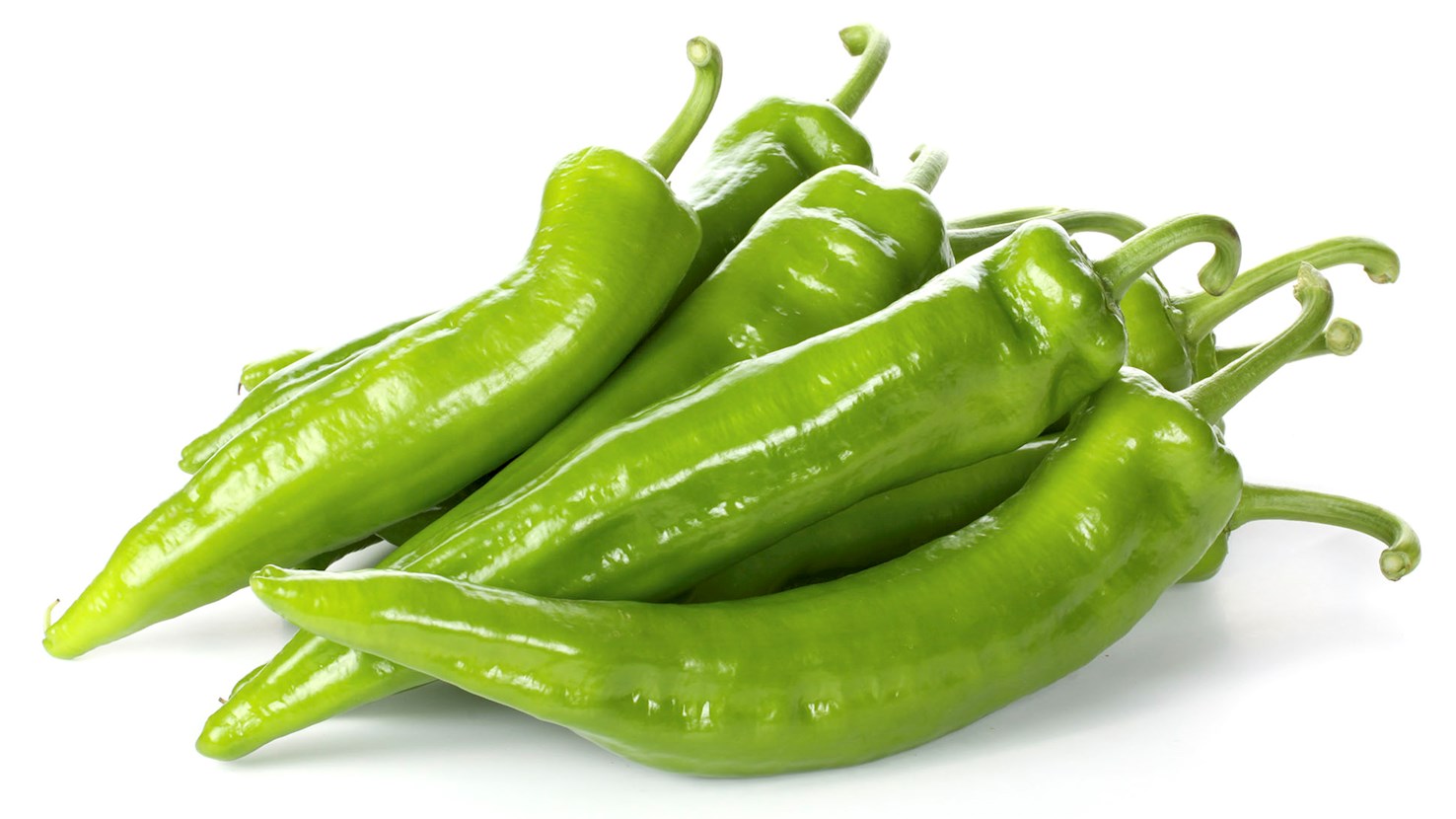
Pimiento de Gernika are the green peppers traditionally grown in the area in the north of Spain, encompassing the northern part of the Basque region. This area has a typical Atlantic climate with high levels of precipitation which provide optimal conditions for the development of this pepper variety. The seed and ways of cultivation have been passed down through generations and have been a carefully protected secret. Gernikako Piperra are elongated peppers of the Derio and Iker varieties, harvested before they are fully ripe and are best enjoyed fried. The mild Guernica peppers—named for a town in the Basque region of Spain that was bombed during the Spanish Civil War—is generally prepared in a similar way to the Padrón pepper: lightly charred and then tossed in olive oil and sea salt. While the Padrónes can occasionally have quite a bit of heat to them, the Guernica peppers are consistently sweet and mild and the larger peppers are marvelous stuffed with goat cheese and fried.
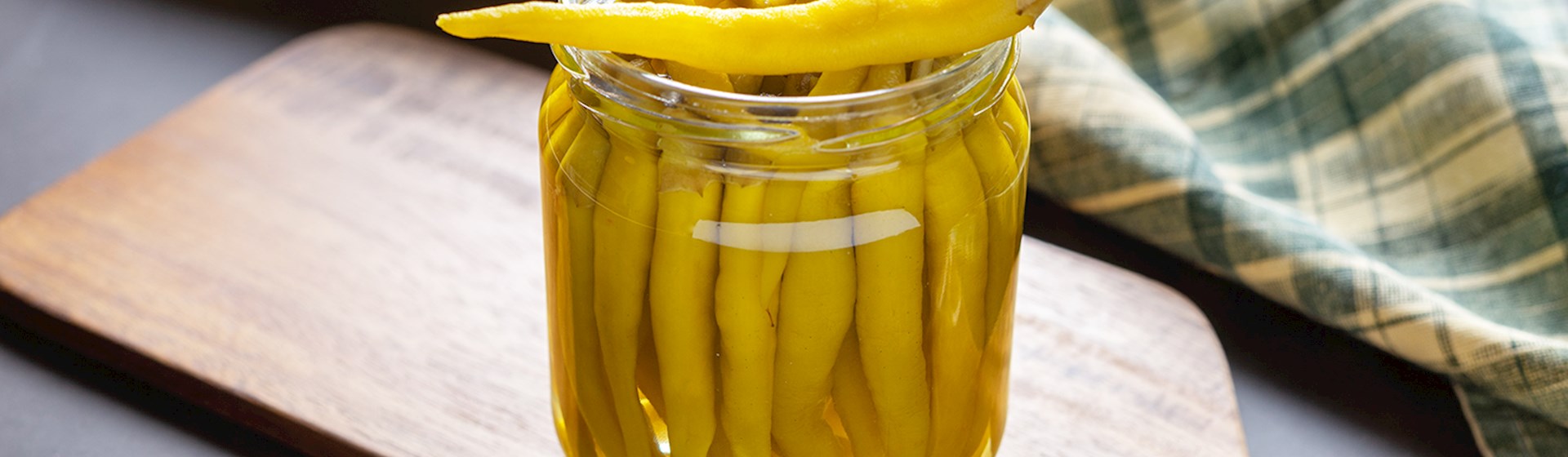
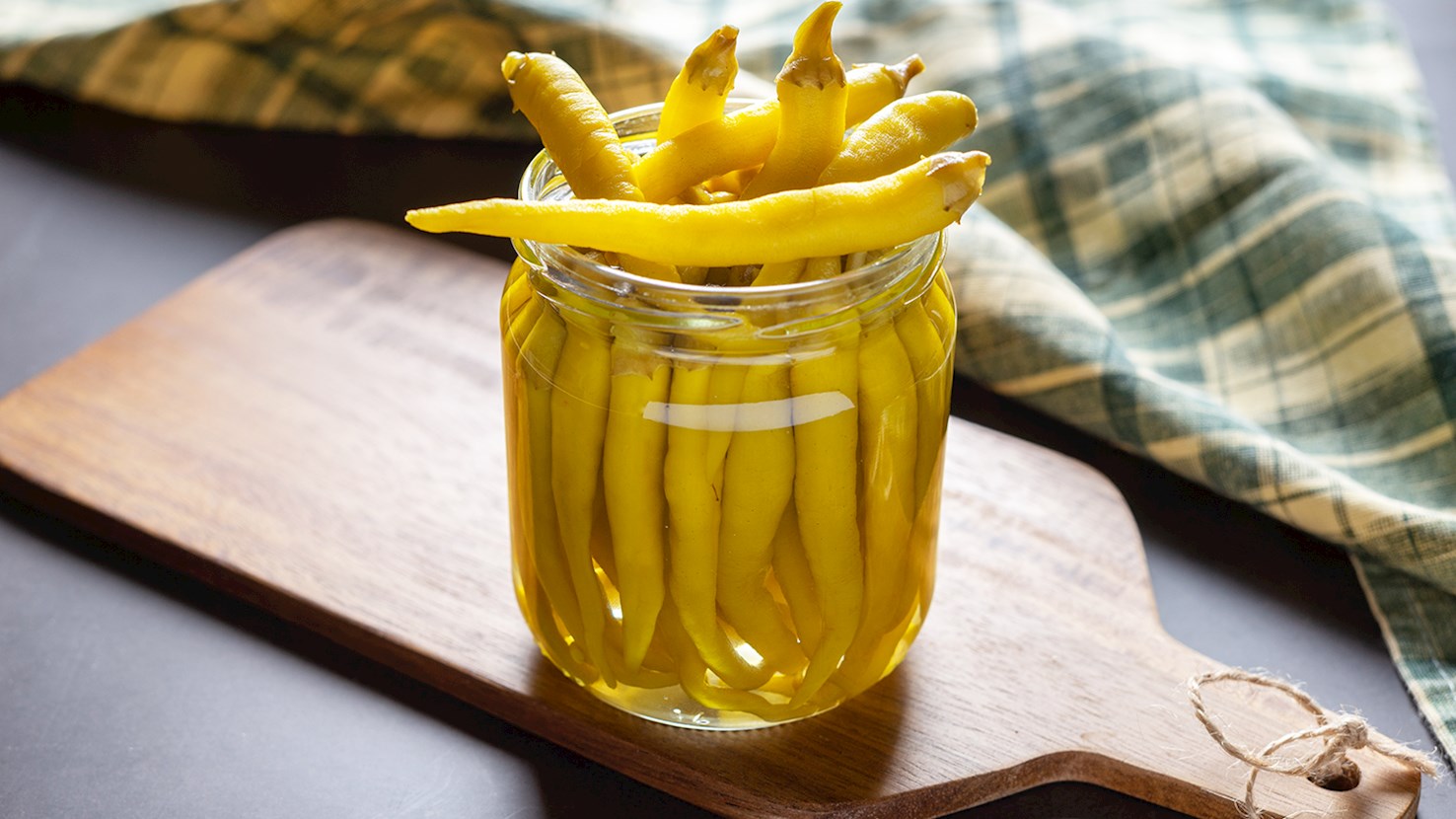
Guindilla is a hot pepper variety originating from the Basque Country, Spain. These peppers are long, narrow, and have a mild heat level. They're usually pickled in white wine vinegar and used for cocktails such as Bloody Mary, snacks, or appetizers such as pintxos (pinchos). The skin of guindilla peppers is smooth and shiny, while the color is vibrant green to greenish-yellow. The flavors are mild, bright, and slightly sweet. When pickled, the flavors become tangy and light. Interestingly enough, the pickled guindilla is known as piparra.
Choricero pepper is a long red pepper, typically dried, from northern Spain, especially associated with the Basque Country and parts of La Rioja and Navarre, where it plays an essential role in local cooking. It is used not as a fresh vegetable but as a dried seasoning ingredient that imparts sweetness, depth, and a characteristic red color to stews, sauces, sausages, and meat dishes. Although mild in flavor and low in heat, its concentrated taste and aromatic qualities make it indispensable in many regional recipes, particularly those involving meat and fish. The pepper’s origin is closely linked to the introduction of capsicum varieties from the Americas to the Iberian Peninsula in the 16th century. Farmers in northern Spain gradually adapted these plants to their climate and soil, selecting varieties that developed thick flesh, mild flavor, and the ability to dry well without losing their aromatic qualities. Over time, the choricero became a fixture of local agriculture and a cornerstone of the region’s cooking. It is especially valued in Basque cuisine, where it became a key ingredient in sauces like salsa vizcaína and in stews such as bacalao a la vizcaínaor meat dishes like carne guisada. Choricero peppers are typically sun-dried after harvest, which enhances their flavor and allows them to be stored for months. Before cooking, the dried peppers are soaked in warm water until softened. The skin is then slit open, and the inner flesh is scraped out with a spoon or knife. This pulp is what is used in cooking, added directly to sauces, stews, and sautés, where it melts into the dish and contributes a sweet, slightly smoky flavor and vibrant color. Because of its richness, only a small amount is needed to transform the taste and texture of a sauce or broth.
What distinguishes the choricero from other peppers is its ability to enrich dishes without adding heat. Its deep, sweet flavor and thick, meaty flesh give sauces a velvety texture and an earthy complexity that pairs well with slow-cooked preparations. It also blends seamlessly with other Spanish staples like garlic, onions, olive oil, and tomatoes, forming the base of many regional dishes. Choricero peppers are most commonly used in Basque and northern Spanish cooking, where they appear in stews, braises, and sauces served with cod, lamb, beef, and other hearty ingredients. They are a key component of salsa vizcaína, the tomato-free sauce that defines many Basque dishes, and they also enhance vegetable preparations such as menestra and bean stews. They pair well with robust red wines from Rioja or Navarra, which complement their sweetness and depth.
TasteAtlas food rankings are based on the ratings of the TasteAtlas audience, with a series of mechanisms that recognize real users and that ignore bot,
nationalist or local patriotic ratings, and give additional value to the ratings of users that the system recognizes as knowledgeable.
For the “Top 3 Basque Peppers” list until June 24, 2026, 52 ratings were recorded, of which 46 were recognized by the system as legitimate.
TasteAtlas Rankings should not be seen as the final global conclusion about food. Their purpose is to promote excellent local foods,
instill pride in traditional dishes, and arouse curiosity about dishes you haven’t tried.