



Shutterstock

Top 5 Peruvian Peppers

Last updated on June 10, 2026
01

Aji amarillo

4.6 ·

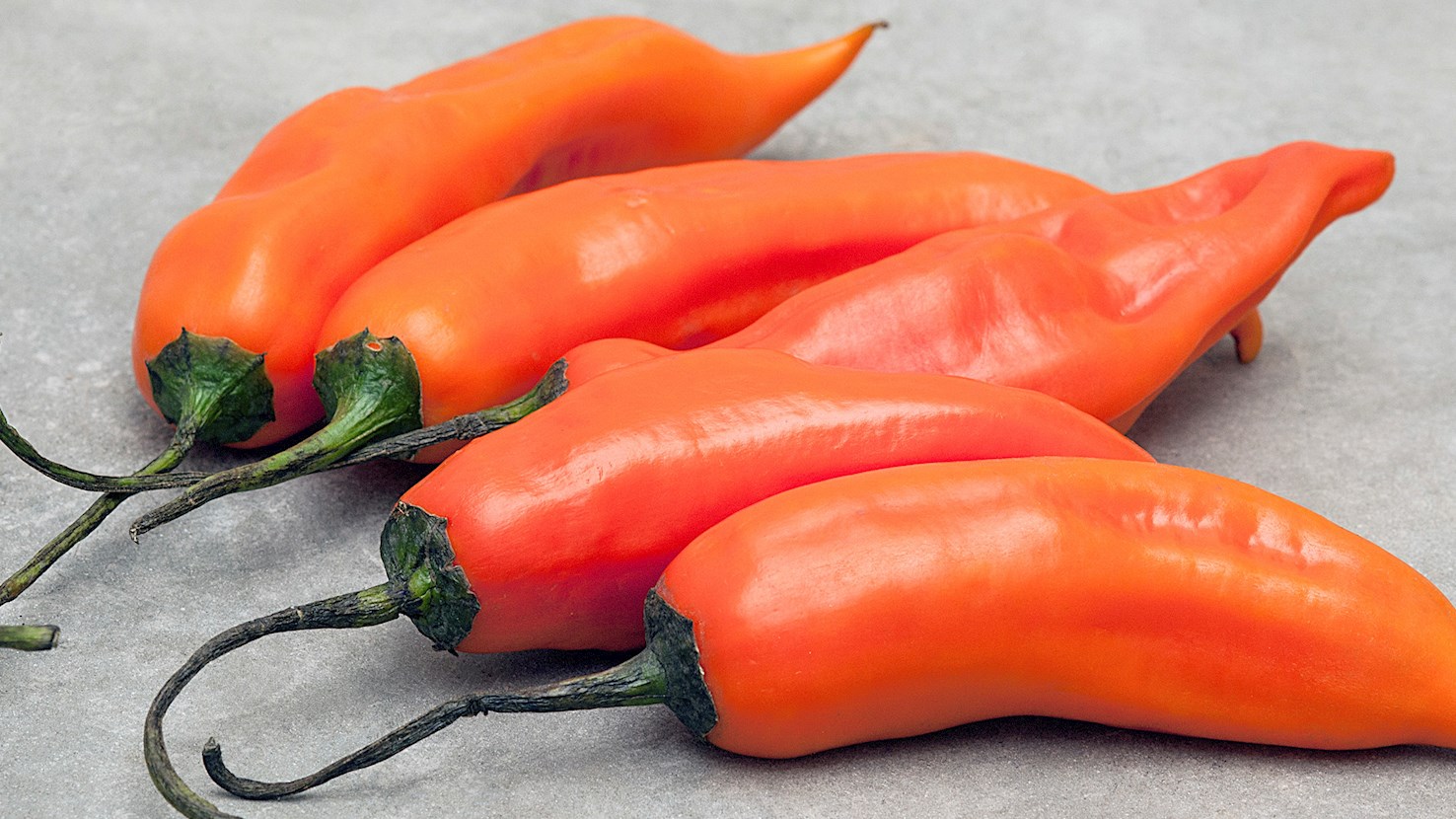
Aji amarillo is a staple in Peruvian cuisine, a chile pepper with a bright orange color and thick flesh. Its heat level ranges from medium to hot, and it is commonly used in a variety of soups and sauces. This chile variety is native to South America and has a distinctive, subtle, and full-bodied fruitiness. It can be bought in a few forms: dried, fresh, canned, or in the form of a paste. When incorporated into sauces, it is often thickened with bread, mayonnaise, and dairy products, and it is then spooned over a variety of meat, fish, and vegetable dishes. When used in its dried and ground form, it is especially good for rice dishes, giving them a sweetish flavor and vibrant color.

02

Rocoto chile

4.4 ·

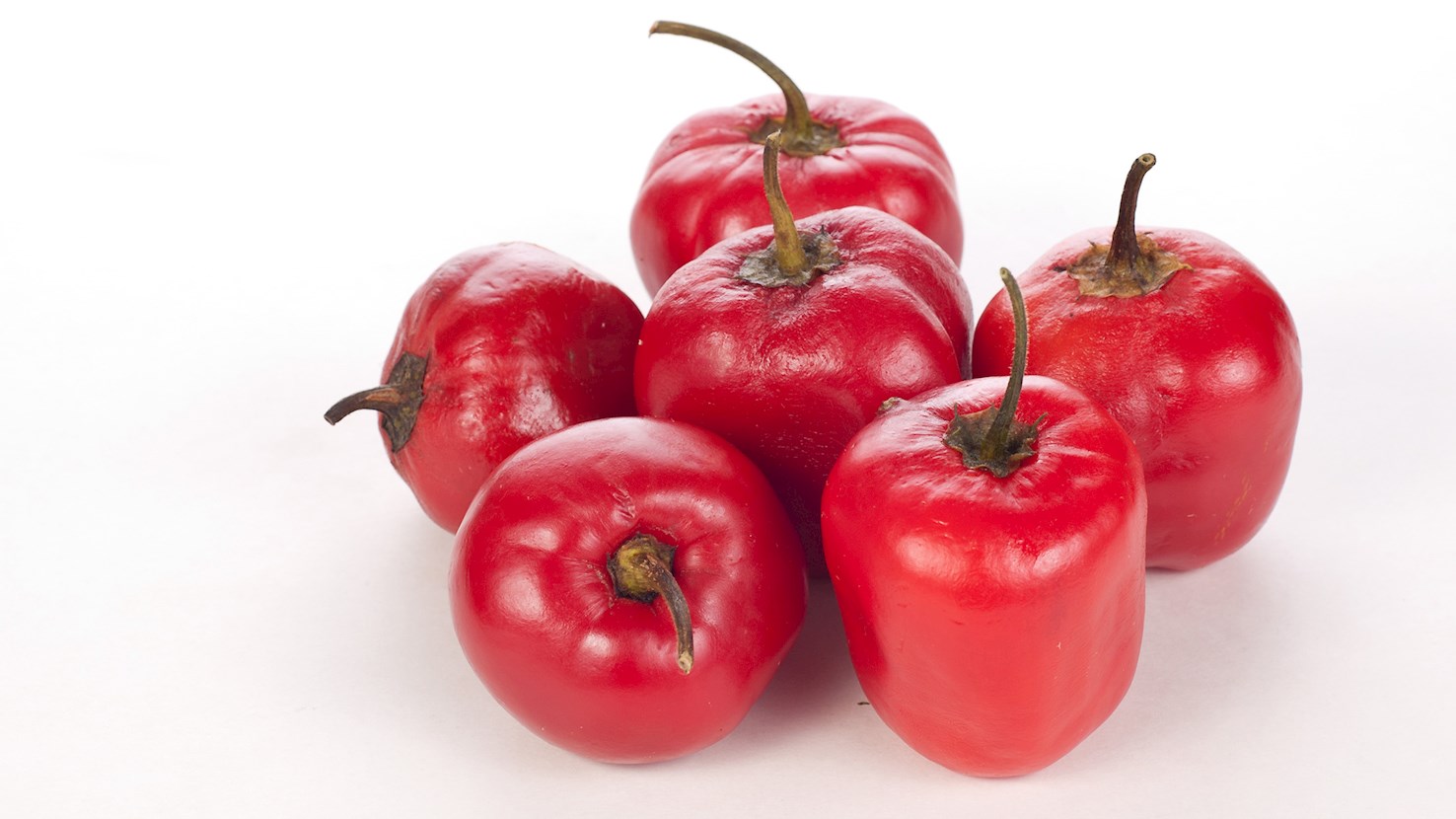
Rocoto chile is a type of chili pepper that is believed to have originated in the Andean areas of Peru and Bolivia, where it has long been grown and used as an essential ingredient of traditional cuisine. It belongs to the Capsicum pubescens genus and is characterized by hairy leaves and dark seeds ranging from dark brown to black, while its rather thick and juicy flesh may be of red, orange, yellow, or green color. Varying in both size and shape, the rocoto chili is renowned for being one of the hottest peppers in the world, and it is distinguished by a rich, fruity, and spicy flavor. Rocoto chilis may be enjoyed fresh as an accompaniment to various dishes, made into chili paste and used as a condiment, or ground to a powder-like consistency and used as a spice. Because of its high degree of heat, this chili is typically used in smaller quantities to add a fiery kick to a wide variety of sauces, soups, salads, stews, salsas, ceviches, and other traditional specialties such as rocoto relleno (stuffed rocoto peppers) and huacatay hot sauce.

03

Ají limo

4.3 ·

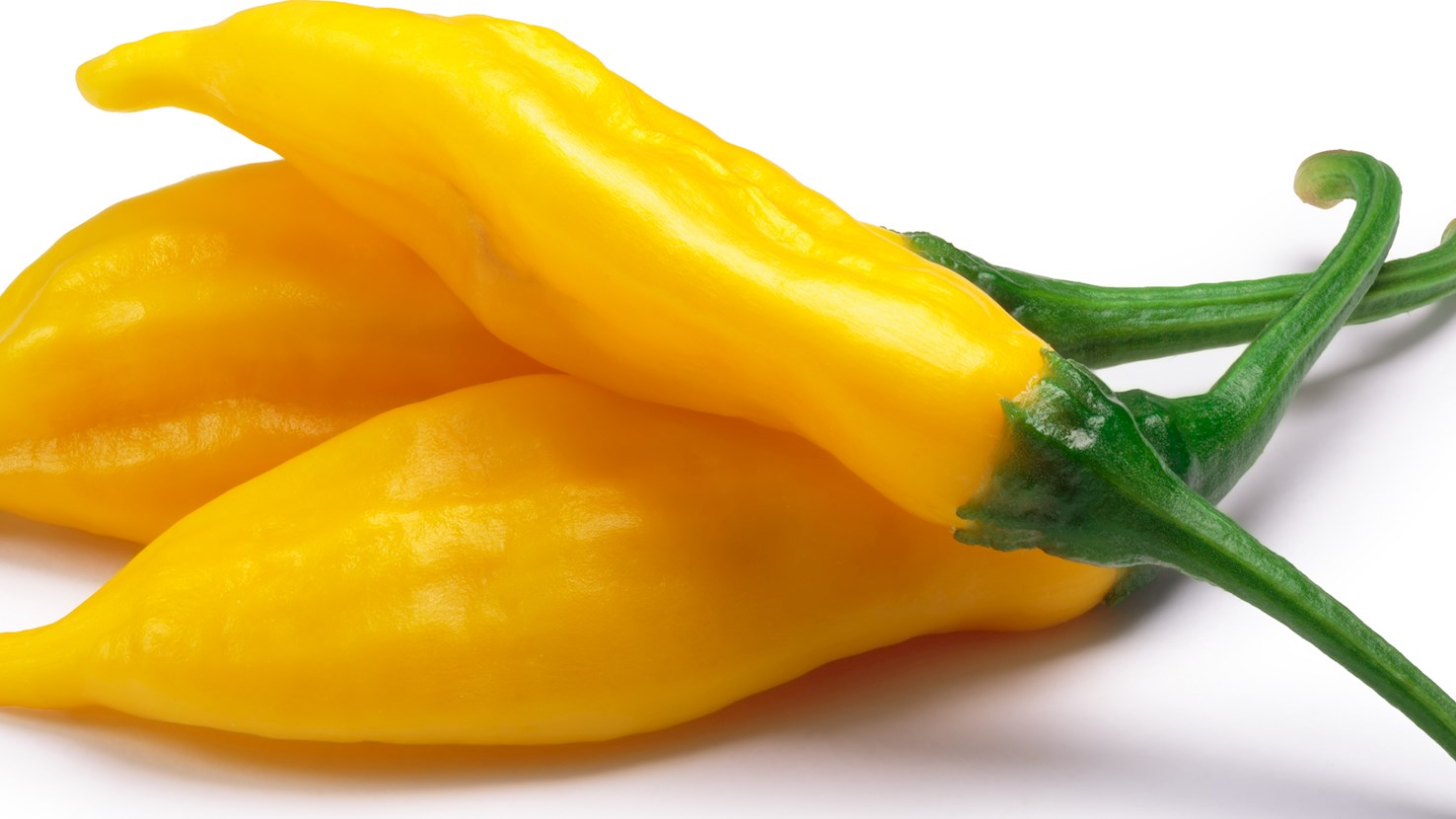
Aji límo (also known as lemon drop pepper) is a Peruvian hot pepper with a citrusy tang and a Scoville heat unit of 15,000-30,000. When mature, its color becomes golden-yellow, and the flavor becomes fruity, with some people comparing it to fresh lemongrass. This chili variety is ideal for spicy salsas, hot sauces, and dishes based on chicken or fish. In Peru, it is often used as a seasoning for various main meals and snacks.

04

Ají panca

4.3 ·

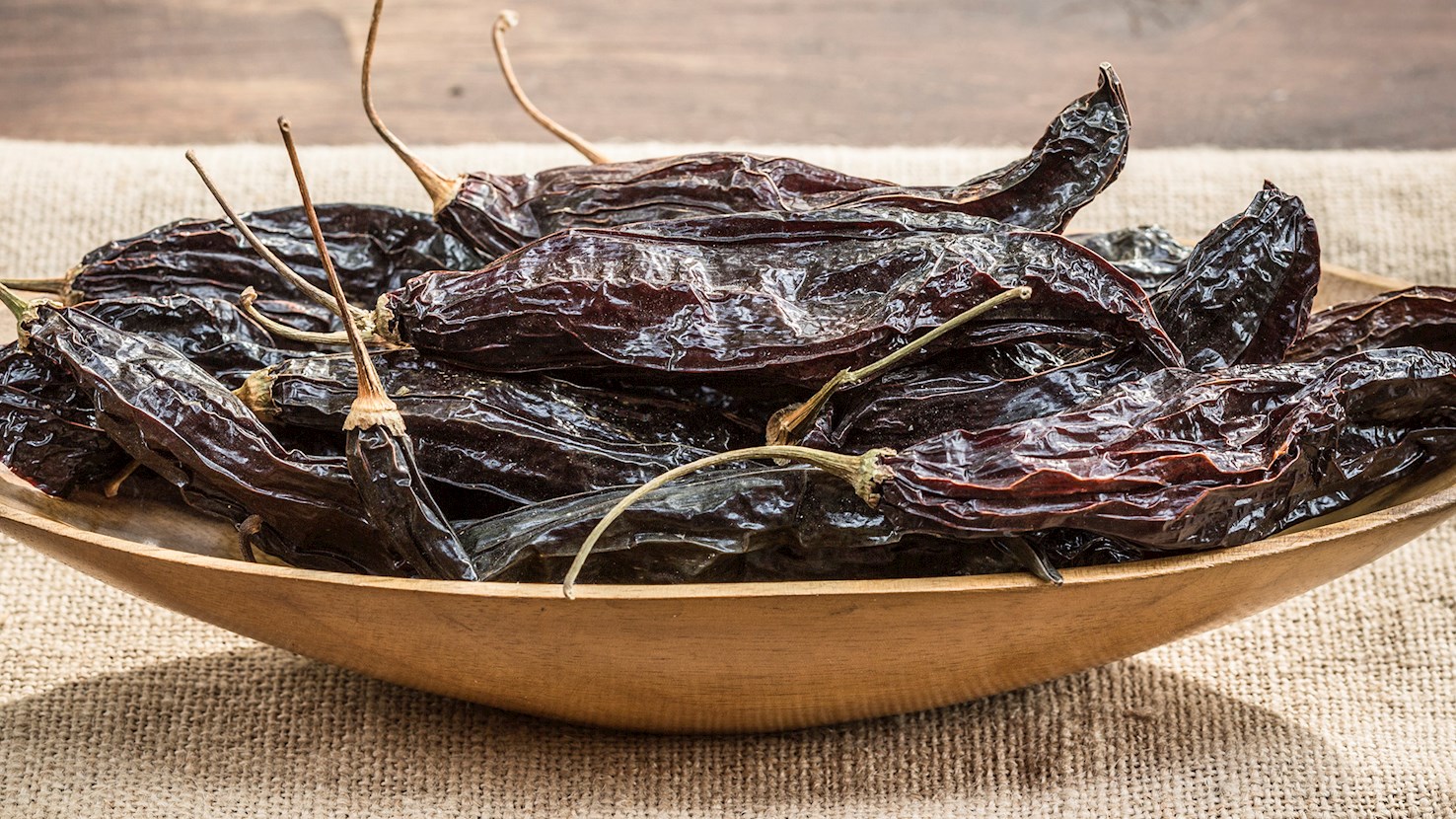
Peruvian panca chili, or ají panca as it's known in South America, is the second most common pepper in Peru, grown all along the coast. This deep red to burgundy colored hot pepper is similar in appearance to ají amarillo, only less spicy and has a rather sweet, berry-like, and slightly smoky flavor with a pronounced floral bouquet. Ají panca can be made into a paste or it can be dried and minced. It is widely used as a seasoning in Peruvian cuisine, especially for various sauces, stews, and fish-based dishes like the famous parihuela seafood soup.

05

Ají mirasol

n/a ·

Ají mirasol refers to a specific type of chili pepper that originates from Peru. In its fresh form, it's known as ají amarillo, which translates to "yellow chili". When dried, this chili becomes ají mirasol. Mirasol means "looking at the sun" in Spanish, which is a reference to the way these chilies are sun-dried. Drying the chili pepper concentrates its flavors, and as such, ají mirasol might have a more intense flavor compared to the fresh version. Ají mirasol is a fundamental ingredient in many Peruvian dishes and gives a unique fruity, moderately spicy flavor. The heat level is moderate, generally around 30,000 to 50,000 on the Scoville heat scale. It is used in various Peruvian dishes, often being rehydrated before use or ground into a powder.

Read more
View all
View map
About this ranking

TasteAtlas food rankings are based on the ratings of the TasteAtlas audience, with a series of mechanisms that recognize real users and that ignore bot, nationalist or local patriotic ratings, and give additional value to the ratings of users that the system recognizes as knowledgeable. For the “Top 5 Peruvian Peppers” list until June 10, 2026, 640 ratings were recorded, of which 161 were recognized by the system as legitimate. TasteAtlas Rankings should not be seen as the final global conclusion about food. Their purpose is to promote excellent local foods, instill pride in traditional dishes, and arouse curiosity about dishes you haven’t tried.

Similar lists