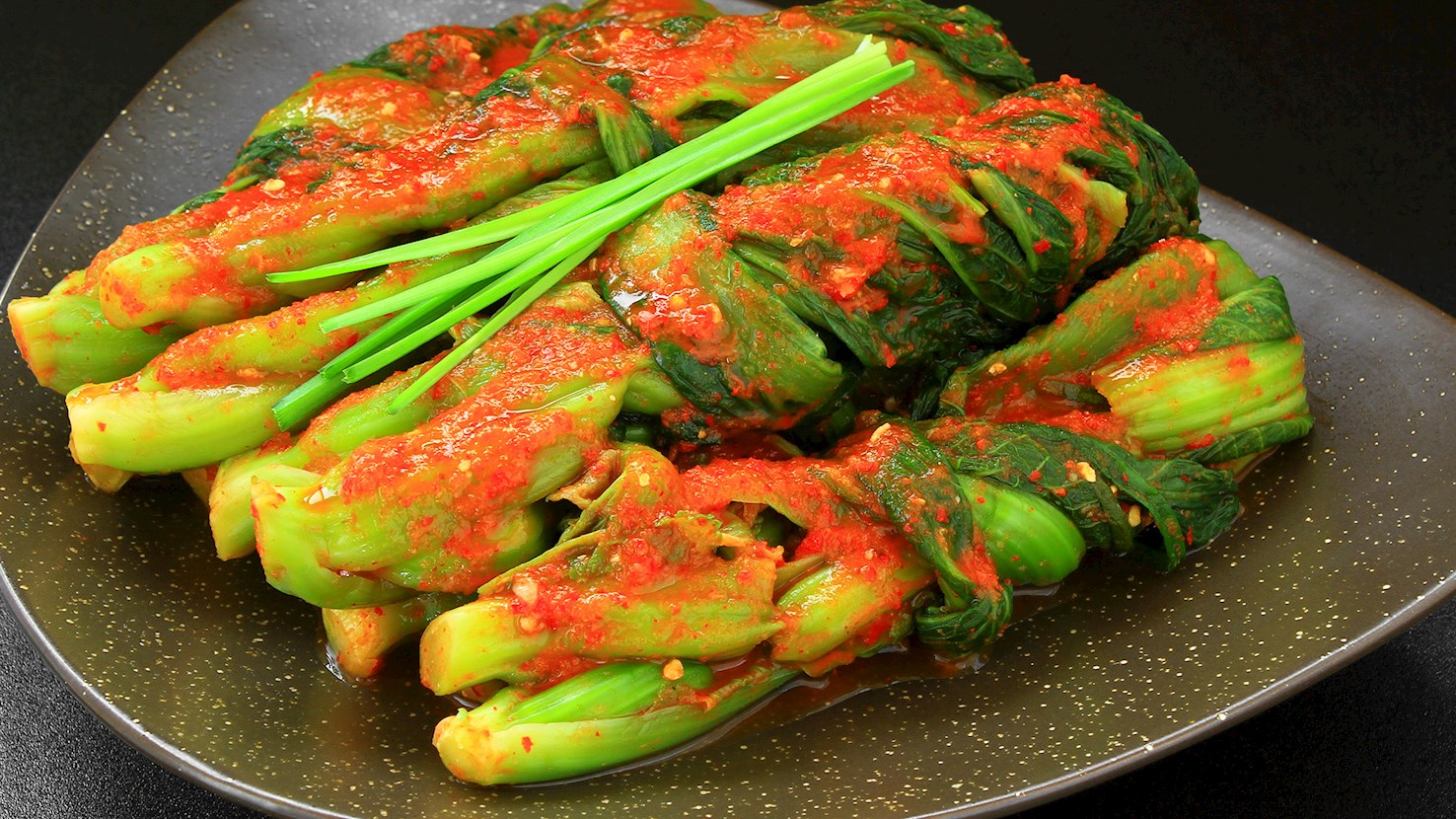
This kimchi variety is prepared with mustard leaves (gat) that are coated in a spicy mixture of chili flakes, ginger, garlic, finely sliced scallions, and (optionally) fermented anchovy paste. The greens are roughly chopped before they are coated in the paste and left to ferment. Gat kimchi is appreciated for the pungent flavor of the leaves that perfectly complement the spicy chili paste. Mustard leaf kimchi is usually served as banchan - a traditional Korean side dish.
Suìmǐ yácài is a finely chopped preserved mustard stem from Yibin in Sichuan, widely used as a seasoning and topping in local cuisine. It is made from the stems of a specific variety of mustard green that are fermented, flavored, and aged to develop a deeply savory taste and complex aroma. The product’s name, which translates to “crushed rice sprout vegetable,” refers to its texture, chopped so finely that the pieces resemble grains of rice. Its role in Sichuan cooking is foundational, as it brings concentrated umami, subtle sweetness, and aromatic depth to a variety of dishes without dominating them. The roots of suìmǐ yácài are closely tied to the development of Yibin’s preserved vegetable industry, which grew from household preservation methods used to store vegetables for use throughout the year. Fermenting mustard stems was an effective way to preserve the harvest in a humid climate, and over time, Yibin gained a reputation for producing some of the most aromatic and well-balanced pickled vegetables in the region. The technique was refined and commercialized, and the finely minced version emerged as a convenient format particularly suited for restaurant kitchens and street vendors, who valued its ability to integrate seamlessly into sauces and toppings. Preparation begins with mustard stems that are cleaned, salted, and left to ferment in earthenware containers, allowing lactic acid bacteria to develop and transform the vegetable’s flavor. Once fermented, the stems are drained, chopped into a fine, rice-like consistency, and then seasoned with soy sauce, sugar, and spices before undergoing a second aging process to intensify their taste and aroma. The resulting product is dark brown, slightly sticky, and intensely fragrant, with a balance of salty, sweet, and earthy notes. Suìmǐ yácài is rarely eaten on its own but is used as a flavor enhancer in many dishes. It is perhaps most famous for its role in dàn dàn miàn, where it adds depth to the sauce and balances the heat of chili oil and the nuttiness of sesame paste. It also appears in stir-fried minced pork, steamed buns, noodle soups, and rice toppings, where its fine texture allows it to distribute evenly throughout a dish. Its concentrated flavor means that only a small amount is needed to have a noticeable impact, and its versatility makes it a staple in both home and restaurant kitchens across Sichuan. It complements bold spices, chili oil, and soy-based sauces especially well, enhancing the complexity of dishes without overpowering them.
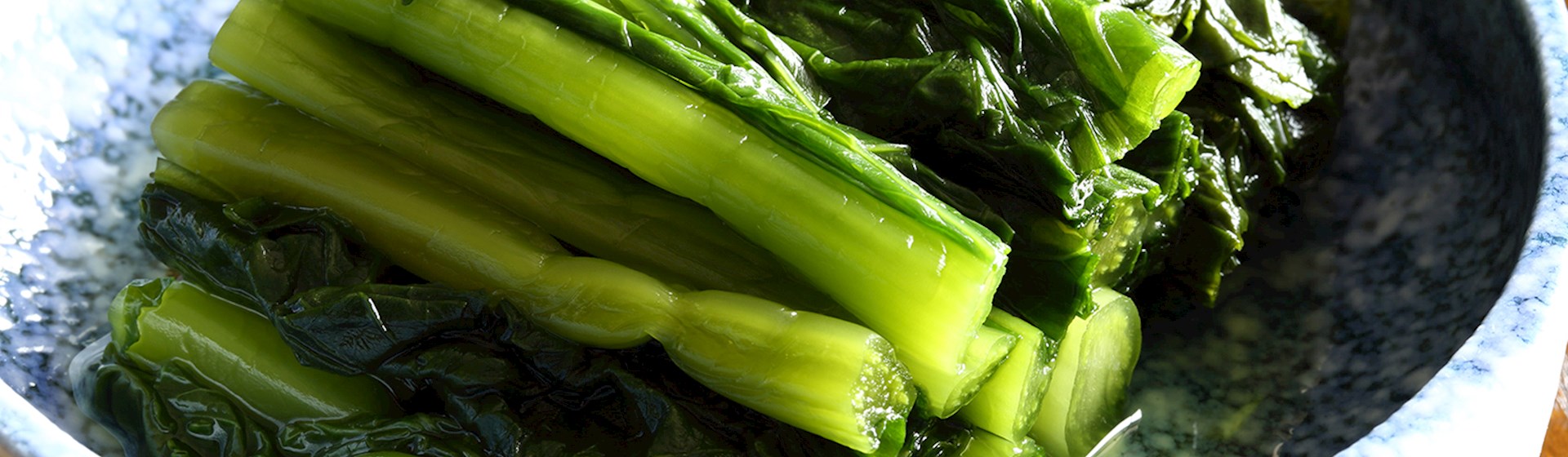
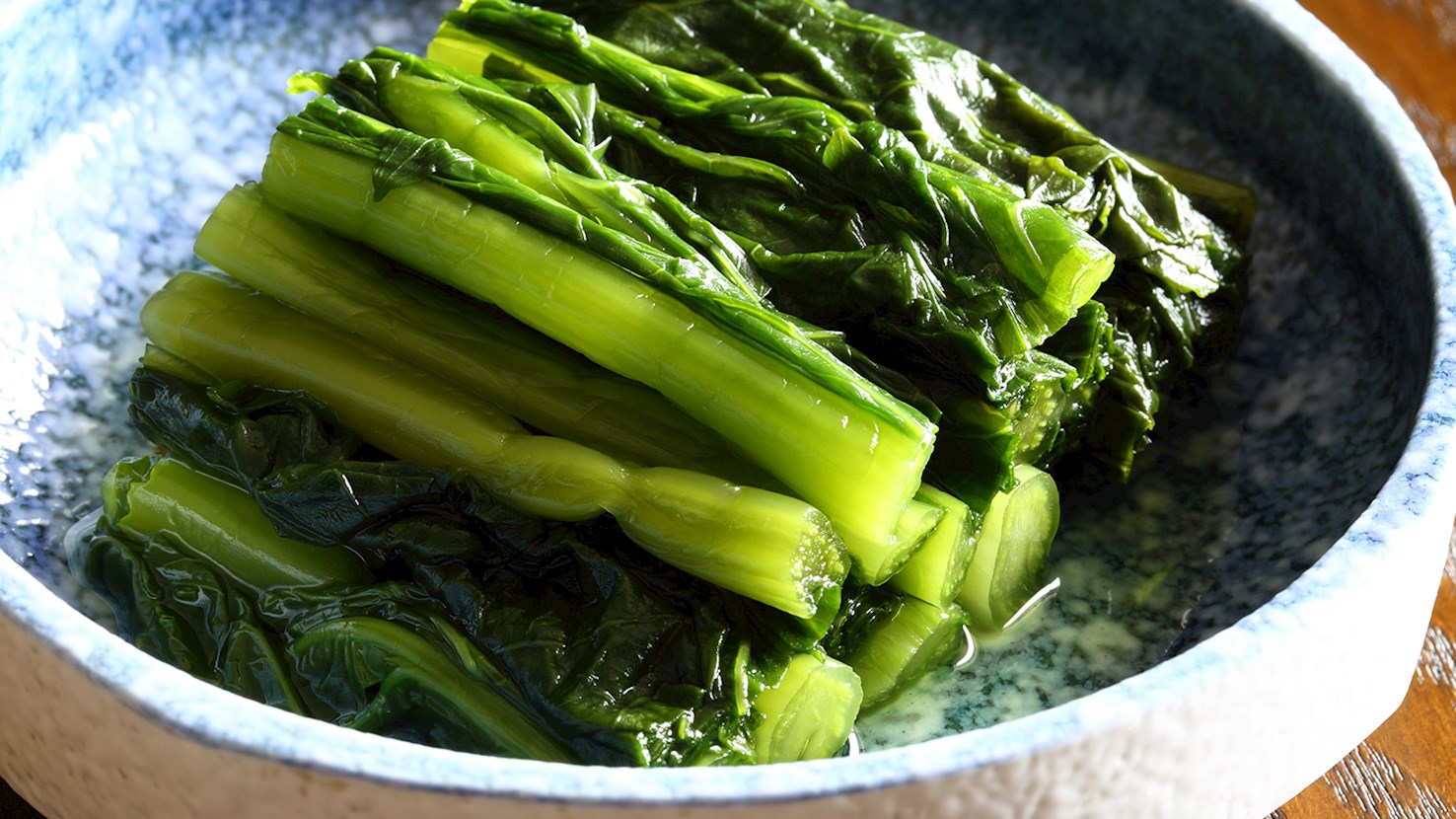
Nozawana is a traditional leafy vegetable coming from the common turnip, but it’s also a type of mustard leaf. The dark green, long leaves are used for tsukemono – Japanese pickled dishes. The flavor of nozawana is mild and the texture is tender. The leaves are usually pickled in a combination of soy sauce, vinegar, mirin, kombu, sugar, and chili. Alternatively, they can be stir-fried or steamed with various vegetables, but the leaves are usually pickled because they spoil quickly after they’ve been picked.
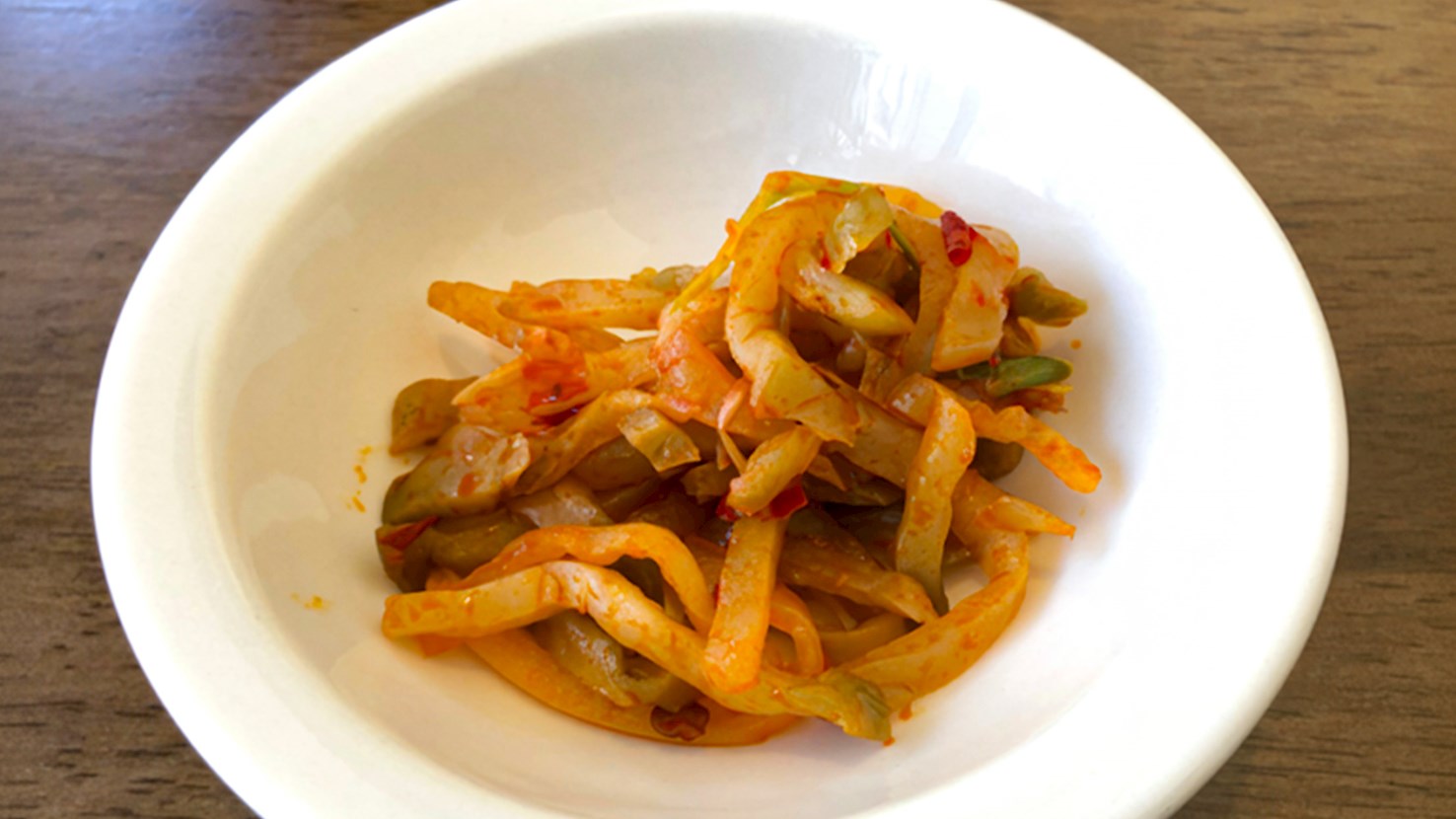
Fúlíng zhàcài is preserved mustard greens from Fuling, a district of Chongqing, known for its firm texture, salty-sour flavor, and pungent aroma. It is made from the swollen stem of the mustard plant, which is pickled, pressed, and aged to create a condiment that is both intensely flavored and versatile. Its origins lie in the agricultural landscape of the Yangtze River basin, where mustard plants were widely cultivated and preservation techniques were developed to ensure a stable food supply throughout the year. Over time, the preserved tuber from Fuling gained recognition beyond its local context, becoming one of the most well-known pickled vegetables in China and an important part of Sichuan and Chongqing cuisine. The development of zhàcài was shaped by both practical necessity and culinary innovation. Farmers discovered that the thick, knobby stem of certain mustard varieties could be salted and fermented in large clay jars, transforming its dense, fibrous structure into a tender yet crisp product with a distinctive taste. By the late Qing dynasty, the pickling methods had been refined, and production in Fuling became organized on a larger scale, supplying households and markets throughout China. Its unique flavor profile, a combination of saltiness, tang, and a slight peppery heat, made it a valued ingredient in a variety of regional dishes. Preparation begins with freshly harvested mustard tubers, which are peeled, salted, and pressed to draw out moisture. They are then rubbed with chili powder and spices before being packed into earthenware containers to ferment and age, sometimes for several months. During this process, the tuber’s flavor deepens and its texture becomes pleasantly crunchy. Once cured, the zhàcài is washed to remove excess salt and can be sliced, shredded, or diced depending on how it will be used. Fúlíng zhàcài is consumed in many ways. It can be eaten as a cold side dish, served with plain rice or congee, where its intense flavor provides contrast to mild staples. It is also commonly stir-fried with pork, tofu, or vegetables, lending complexity and seasoning without the need for additional spices. Its fine balance of salt, spice, and acidity allows it to enhance noodle soups, fried rice, and even steamed buns. It is widely regarded as a pantry essential in southwestern China and is often served as part of a shared meal, complementing richer main dishes and balancing their flavors. Outside China, it has also found a place in fusion cooking, where chefs use it as a condiment or garnish to add a punch of umami and spice to contemporary dishes.
Shàoxīng méigāncài is a dried and preserved mustard green product from Shaoxing in Zhejiang Province, known for its dense texture and concentrated savory aroma. It is made from specific varieties of Brassica juncea that are cultivated in the region and processed through salting, pressing, sun-drying, and long aging. The product formed in a part of Zhejiang where mustard greens were widely grown as winter crops and where food preservation methods relying on salt and controlled dehydration were common. Producers in Shaoxing developed a process that reduced moisture far more aggressively than other preserved greens, creating a compact, darkened vegetable with a flavor and texture that withstand extended cooking. Preparation begins by washing and trimming mustard greens, salting them heavily, and pressing them to extract moisture. After the initial salting, the greens are arranged and sun-dried, then repeatedly pressed and dried again until most of the water is removed. They are then packed tightly in containers or tied into bundles for extended aging, which can last several months or longer, during which the greens darken and develop a firm, rubbery structure. Before cooking, méigāncài is often soaked or rinsed to adjust salinity, then cut finely or sliced depending on the dish. A defining feature of Shàoxīng méigāncài is its deep, almost smoky savoriness that comes from the lengthy drying and aging stages, which distinguishes it from fresher, lighter preserved greens found in other regions. It is commonly used in braised pork dishes, steamed preparations, stir-fries, and stuffed items, contributing both flavor and texture. The ingredient is eaten throughout Shaoxing and neighboring regions in household cooking and restaurant dishes, frequently paired with pork belly, tofu, or rice-based preparations. It matches well with mild teas such as green tea or Longjing and complements steamed rice, congee, or light soups that balance its concentrated salty richness.
Nìngbō xuěcài is a preserved mustard green product from Ningbo in Zhejiang Province, made by salting, pressing, fermenting, and aging specific varieties of Brassica juncea grown in the region. It developed in an environment where winter vegetables were preserved to extend their shelf life and where coastal humidity and cool seasons created conditions suited to slow fermentation. Producers in Ningbo began processing mustard greens by heavily salting them, removing moisture through repeated pressing, and allowing controlled fermentation in sealed containers, which resulted in a product with a firm texture, deep green color, and a saline, slightly sour profile that withstands cooking without losing structure. Preparation begins by selecting mature mustard greens, trimming them, and washing them thoroughly before coating them with salt and stacking them under weights to extract liquid. After the initial curing period, the greens are packed tightly into ceramic or wooden containers, sealed, and stored for an extended fermentation that can last several weeks or months depending on temperature and desired flavor intensity. Once matured, the preserved greens are rinsed lightly before use and cut into small pieces for cooking. It is widely eaten in Ningbo households, markets, and restaurants, often used in stir-fries with pork, steamed fish preparations, soups, or mixed into fried rice and noodle dishes. It pairs well with mild seafood, congee, plain noodles, and light teas such as green tea or bamboo leaf tea, which balance its salty and fermented notes.
Yíbīn yácài is pickled mustard greens from Yibin in Sichuan province, known for its deep umami flavor and aromatic complexity. It is made from the stems of mustard greens that are finely chopped, salted, fermented, and seasoned, resulting in a condiment that is both savory and slightly sweet with a distinctive fragrance. Its place in Sichuan cuisine is significant, and it is often used as a flavor enhancer rather than a standalone dish, contributing depth and character to a wide range of recipes. The origins of yíbīn yácài date back centuries, rooted in the preservation techniques developed by local communities who relied on fermentation to store vegetables for use throughout the year. In the warm, humid climate of Sichuan, pickling and fermenting vegetables not only extended their shelf life but also created new layers of taste that became integral to the region’s cooking. Yibin’s mustard greens, grown in fertile river valleys, were particularly well-suited to this process, and the city gradually became associated with the production of high-quality yácài. Over time, it became more than just a method of storage, as it evolved into a key seasoning valued by home cooks and chefs alike. The preparation of yíbīn yácài is a patient, multi-step process. Mustard green stems are harvested, cleaned, and chopped into fine pieces, then salted and left to ferment naturally in large clay containers. This stage allows beneficial bacteria to develop and transform the vegetable’s texture and flavor. After fermentation, the mixture is combined with seasonings such as soy sauce, sugar, and sometimes spices before being aged further to deepen its taste. The finished product is dark brown, aromatic, and slightly sticky, with a complex flavor that balances salty, sweet, and earthy notes. It is rarely eaten on its own but plays an essential role in cooking. It can be stir-fried with minced pork, used as a topping for noodles, folded into rice dishes, or added to tofu and vegetable preparations for depth. One aspect that sets yíbīn yácài apart from other pickled vegetables is its fine texture and intensely concentrated flavor, which allows it to be used almost like a seasoning or spice. It contributes a savory backbone to dishes without overwhelming them and pairs particularly well with chili oil, garlic, and soy-based sauces, which complement its richness. In Sichuan households and restaurants, it is a pantry staple, found in everything from quick stir-fries to complex noodle soups. It is most famously used in dishes such as dan dan noodles, where its salty-sweet punch is essential to the overall flavor balance, and it is often served alongside steamed rice or congee, where its concentrated taste enhances simple foods.
TasteAtlas food rankings are based on the ratings of the TasteAtlas audience, with a series of mechanisms that recognize real users and that ignore bot,
nationalist or local patriotic ratings, and give additional value to the ratings of users that the system recognizes as knowledgeable.
For the “Top 7 Asian Preserved Mustard Greens” list until May 31, 2026, 25 ratings were recorded, of which 24 were recognized by the system as legitimate.
TasteAtlas Rankings should not be seen as the final global conclusion about food. Their purpose is to promote excellent local foods,
instill pride in traditional dishes, and arouse curiosity about dishes you haven’t tried.