

shutterstock

Top 6 Pickled Radish
in the World

Last updated on June 06, 2026
01

Kkakdugi

3.8 ·

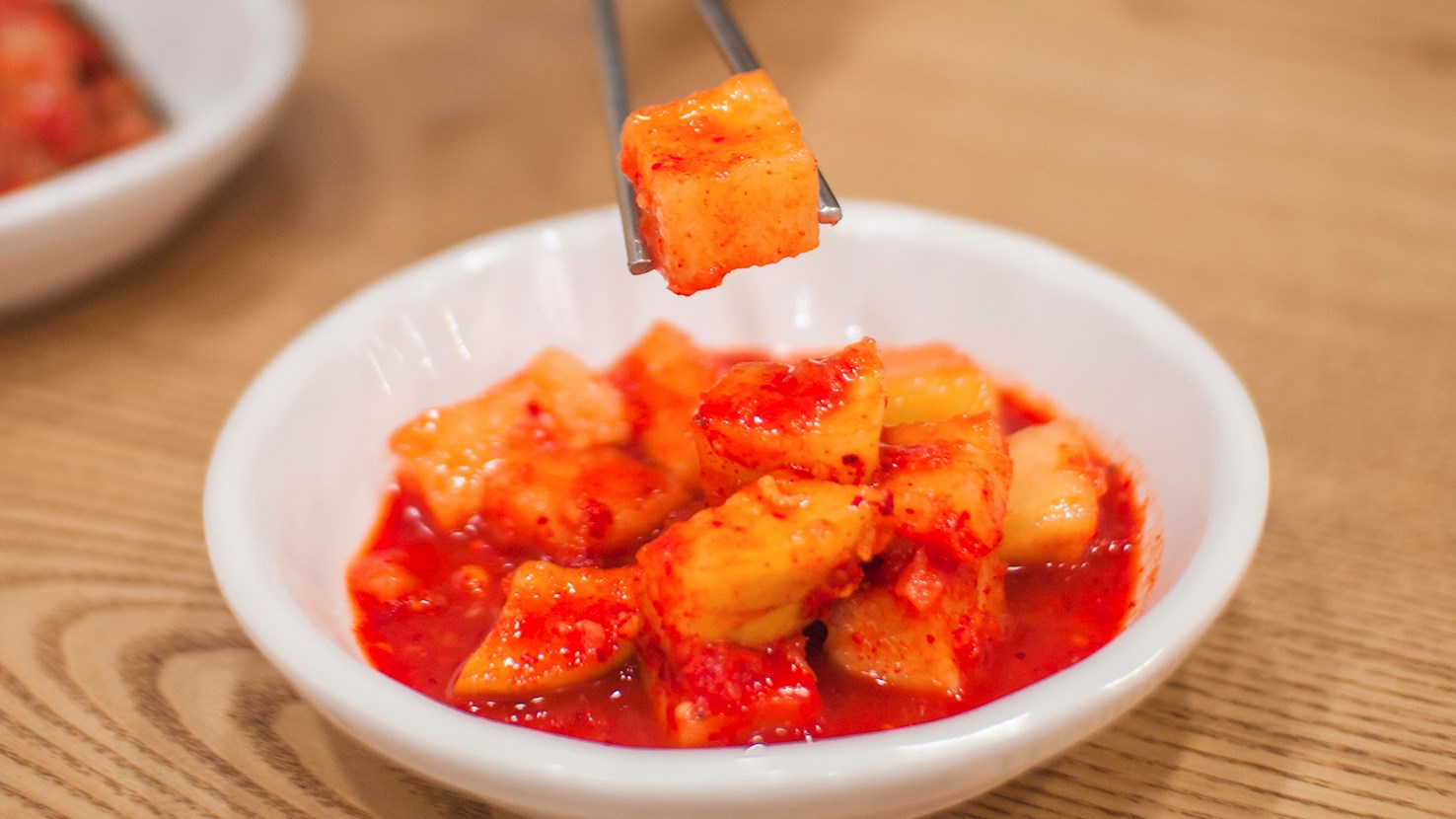
This kimchi variety uses radishes (mu) as the main ingredients. The radishes are cut into cubes and are then coated in a spicy combination of chili powder, onions, and ginger before they are left to ferment for a couple of days. Apart from the basic version, kkakdugi comes in several other varieties which may slightly differ in preparation or additional ingredients. KKakdugi is one of the most common banchan (side dishes) served in traditional Koran restaurants.

02

Takuan

3.7 ·

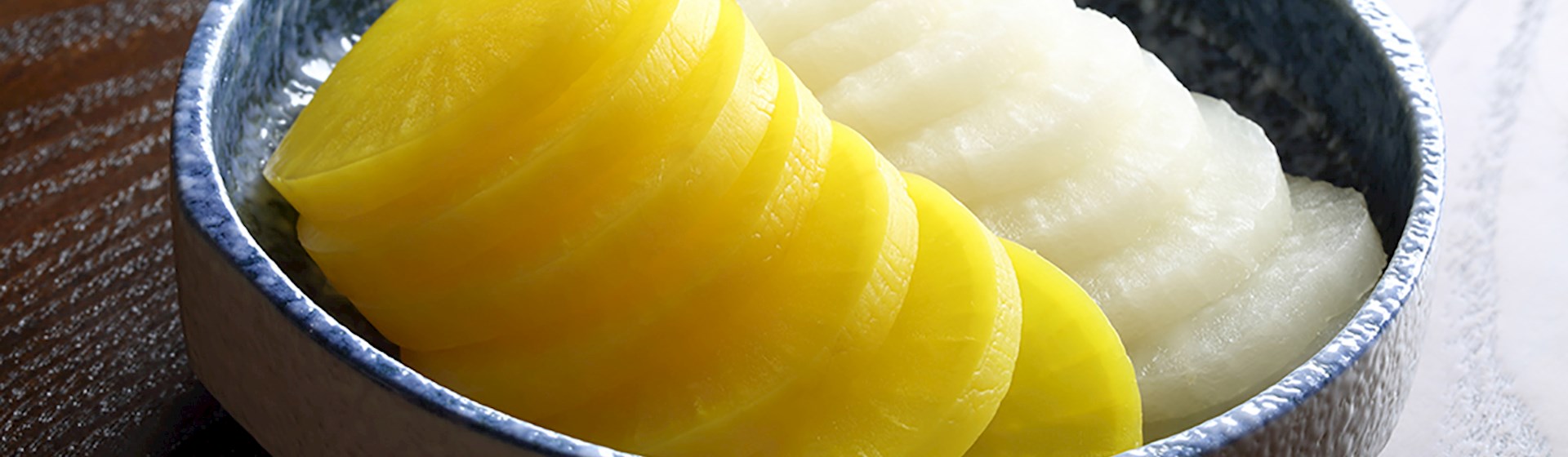
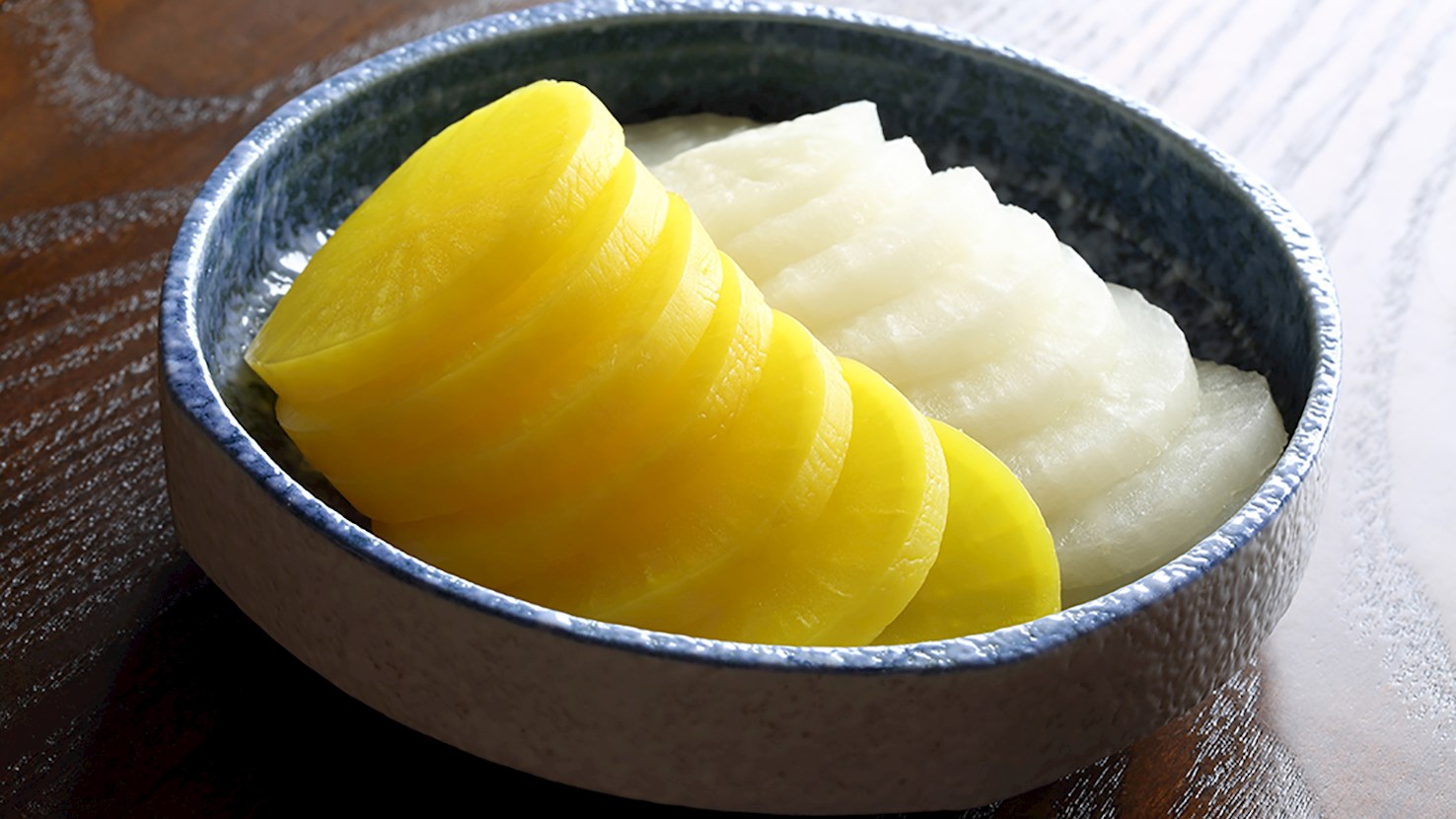
Takuan is pickled Japanese daikon radish, and as such, it belongs to the group of tsukemono pickles. The Japanese daikon is very crunchy and has sweet and mild flavors. It's typically sun-dried, seasoned with salt and various spices, then left in the pickling solution of turmeric, rice wine vinegar, sugar, salt, and water for a few months. Once finished, the daikon is yellow in color and slightly pungent. In Akita Prefecture, takuan is smoked, and it's then known as iburigakko. In South Korea, takuan is called danmuji. It's usually served with other tsukemono pickles or used in salads, stir-fries, and as an ingredient in sushi. Takuan is also sometimes served at the end of a large meal because it aids digestion, or as a snack at teatime.

03

Dongchimi

3.6 ·

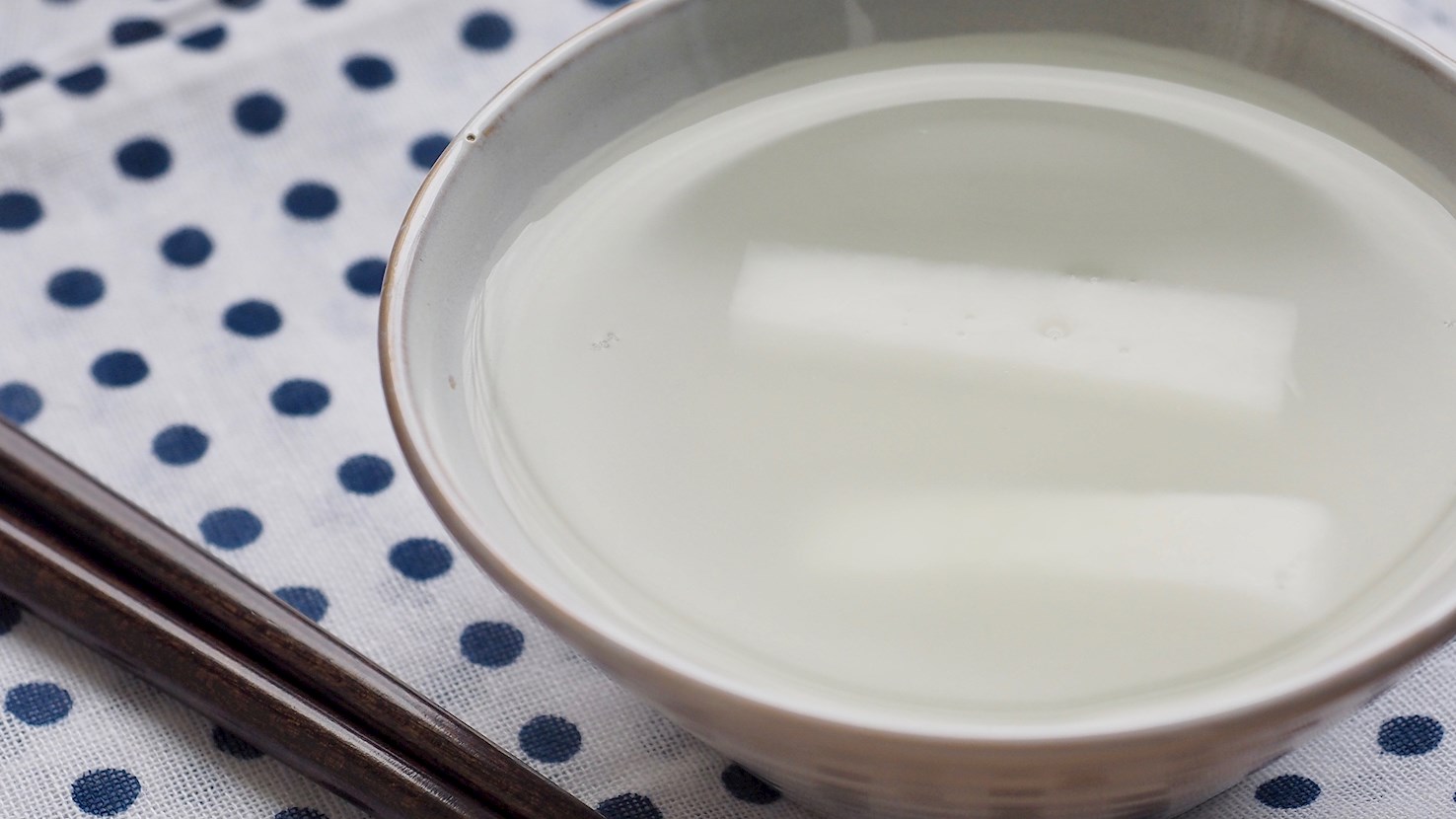
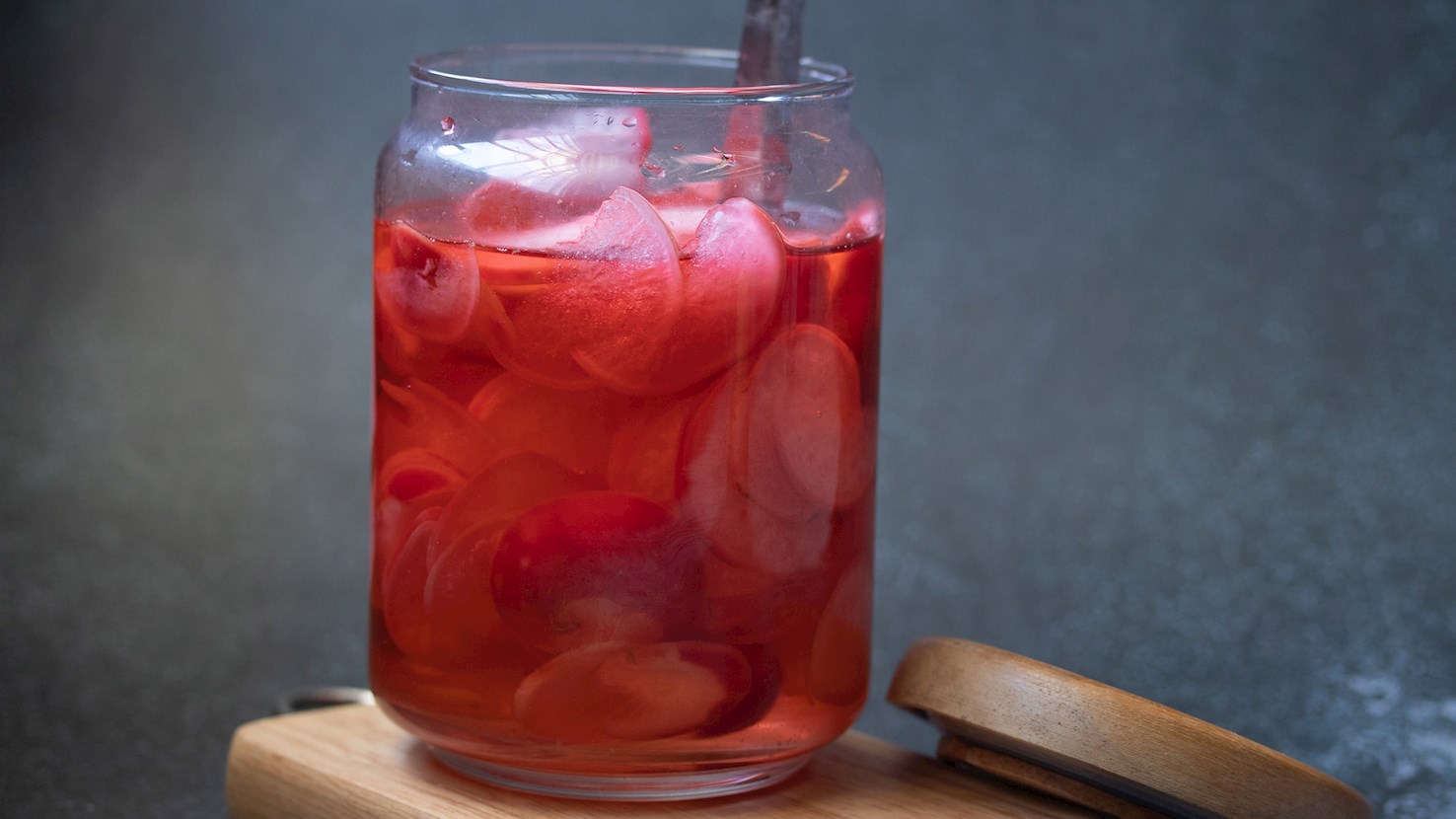
This white radish pickle is a winter staple in South Korea. Mu or Korean radish is the main ingredient in dongchimi, and while small radishes can be pickled whole, larger versions are usually sliced before they doused in a sweet and salty brine. Although other ingredients may vary, typical additions include onions, garlic, ginger, Korean pear, or green chili peppers. Dongchimi can be served as a side dish, but it can also be enjoyed as a refreshing and nourishing appetizer or a base for cold noodle dishes.

04

Yeolmu kimchi

3.3 ·

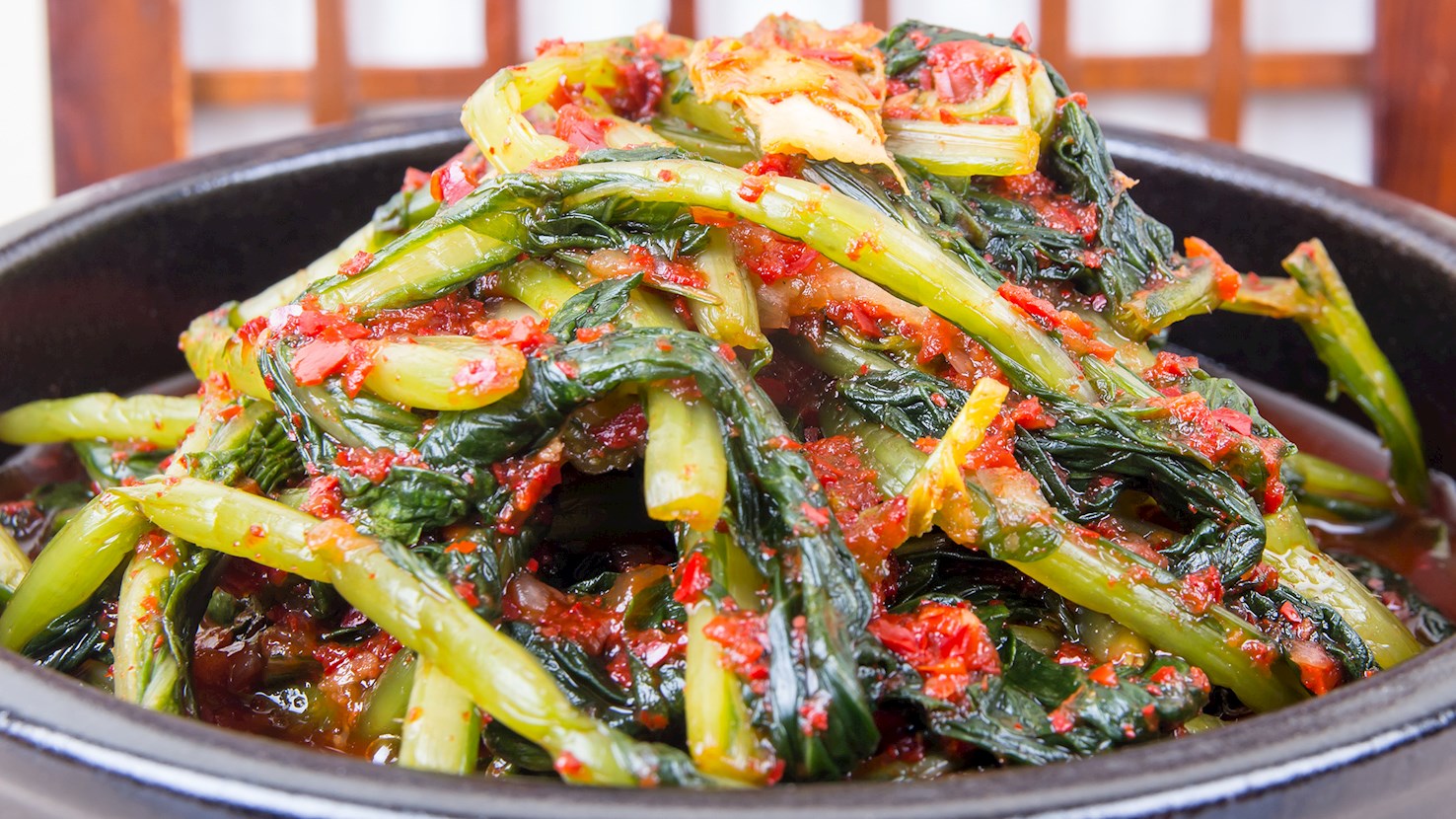
As the name suggests, this kimchi variety is prepared with yeolmu—young radish greens that have a long green stem and a small, white root. The radishes are cut into smaller chunks before they are salted and combined with a kimchi paste that usually consists of a rice flour base that is mixed with chili flakes, grated garlic and ginger, fish sauce, sliced fresh chilis, and fermented shrimp paste. Yeolmu kimchi is a summer favorite, and it is often served as a cold side dish (banchan), but it is also commonly added to noodle dishes or bibimbap—a variety of Korean mixed rice.

05

Chonggak kimchi

3.3 ·

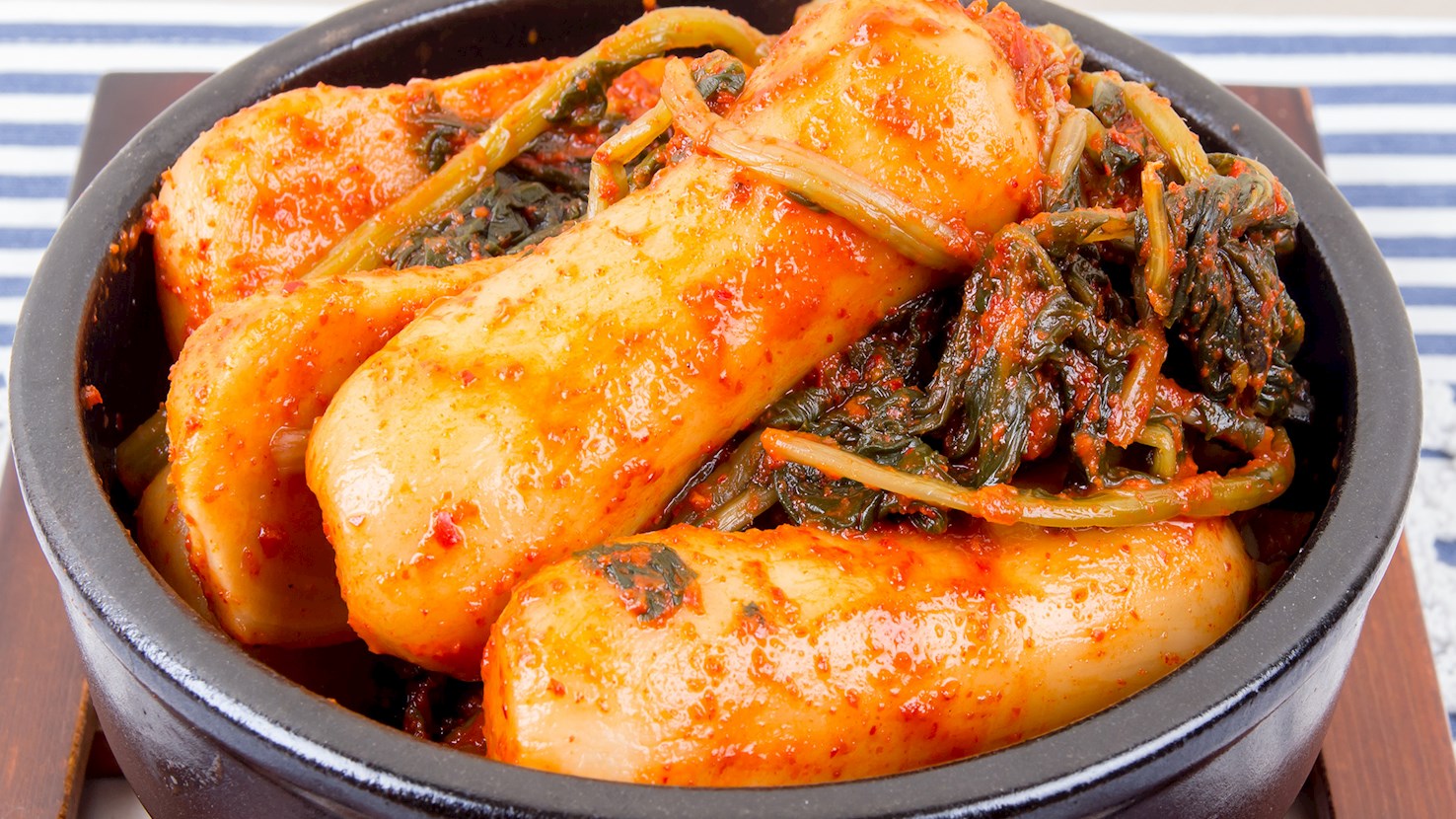
This kimchi variety is made with chonggakmu—small-sized, firm, and crispy ponytail radishes with tender green stems. The radishes, together with the stems, are brined or salted and are then generously coated in a kimchi paste before they are left to ferment. The spicy kimchi mixture is usually made with a thick rice flour paste that is combined with chili flakes, minced garlic and ginger, and additions such as anchovy paste or fish sauce. Chonggak kimchi is usually served as a side (banchan) with a variety of Korean dishes.

06

Son labu

n/a ·

Son labu is a traditional pickled side dish originating from Tibet. It’s usually made with a combination of mooli (daikon), dried hot peppers, Sichuan peppercorns, garlic, vinegar, and salt. The daikon is chopped and mixed with the rest of the ingredients. The mixture is placed in an earthenware, glass, or ceramic container and covered with cold water. The container is sealed and left in a cold place for about three weeks before consumption. This spicy, salty, and sour dish can be enjoyed at any time of the day, but it’s usually eaten with other dishes such as stir-fries.

About this ranking

TasteAtlas food rankings are based on the ratings of the TasteAtlas audience, with a series of mechanisms that recognize real users and that ignore bot, nationalist or local patriotic ratings, and give additional value to the ratings of users that the system recognizes as knowledgeable. For the “Top 6 Pickled Radish in the World” list until June 06, 2026, 250 ratings were recorded, of which 224 were recognized by the system as legitimate. TasteAtlas Rankings should not be seen as the final global conclusion about food. Their purpose is to promote excellent local foods, instill pride in traditional dishes, and arouse curiosity about dishes you haven’t tried.

Similar lists