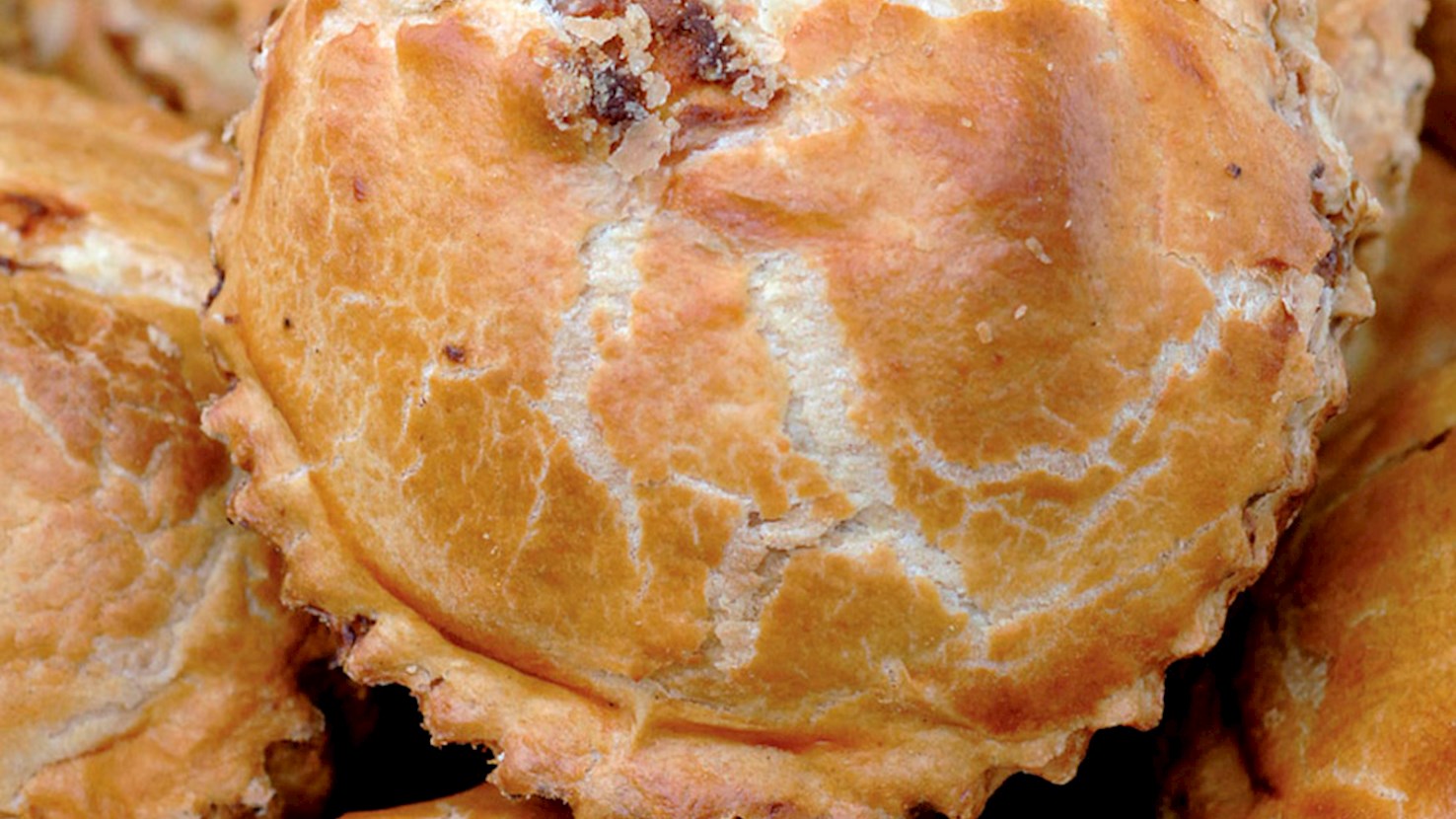
A typical dessert of the East Flanders, mattentaart is a small puff pastry pie with a tender, almond-flavored cheese curd filling called mattenbrij. These delicious Flemish pies are traditionally made in the city of Geraardsbergen and the neighboring village of Lierde, and their production depends heavily on the Geraardsbergen area's dairy produce, since genuine mattentaarts are prepared using only fresh milk, butter, and buttermilk from the local farms. Although the origins of mattentaart can be traced back to the Middle Ages, the oldest known recipe was found in Een Notabel Boecxken van Cokeryen, the first cookbook in Dutch, written and published in 1514 by Thomas van Der Noot. Later on, the famed mattentaarts were even depicted by the Flemish Renaissance painter and printmaker Pieter Bruegel the Elder in his 1567 painting The Peasant Wedding. And even though mattentaart is today famous throughout Belgium and abroad, in 2006, this pie has been declared a regional product protected by the European Union which means it can only be called mattentaart if it is produced in Geraardsbergen or Lierde.
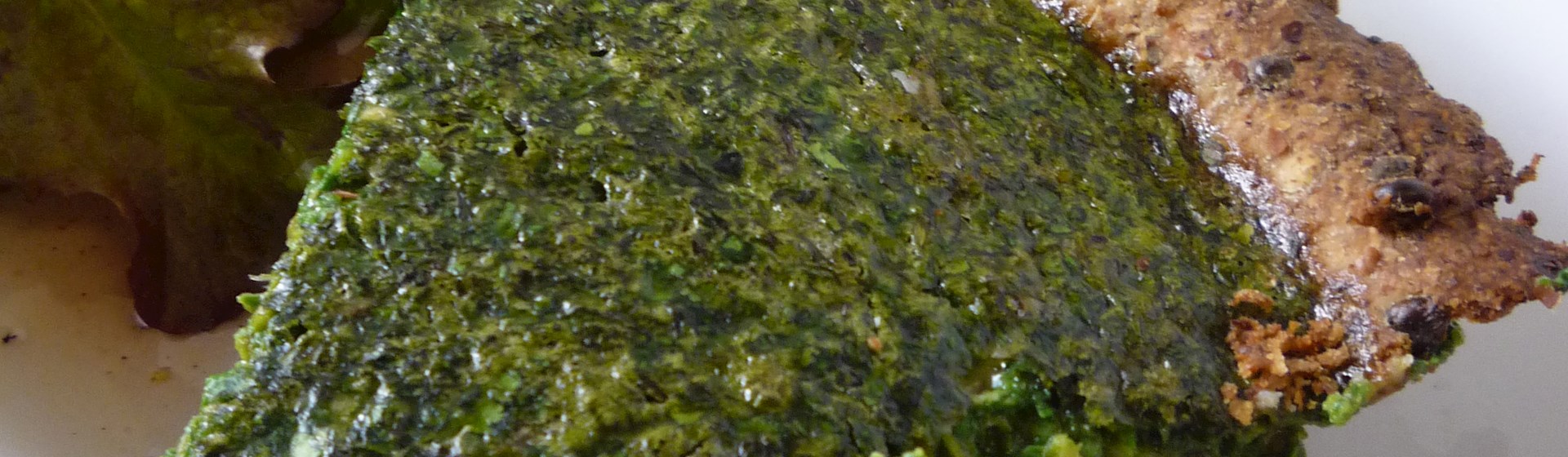
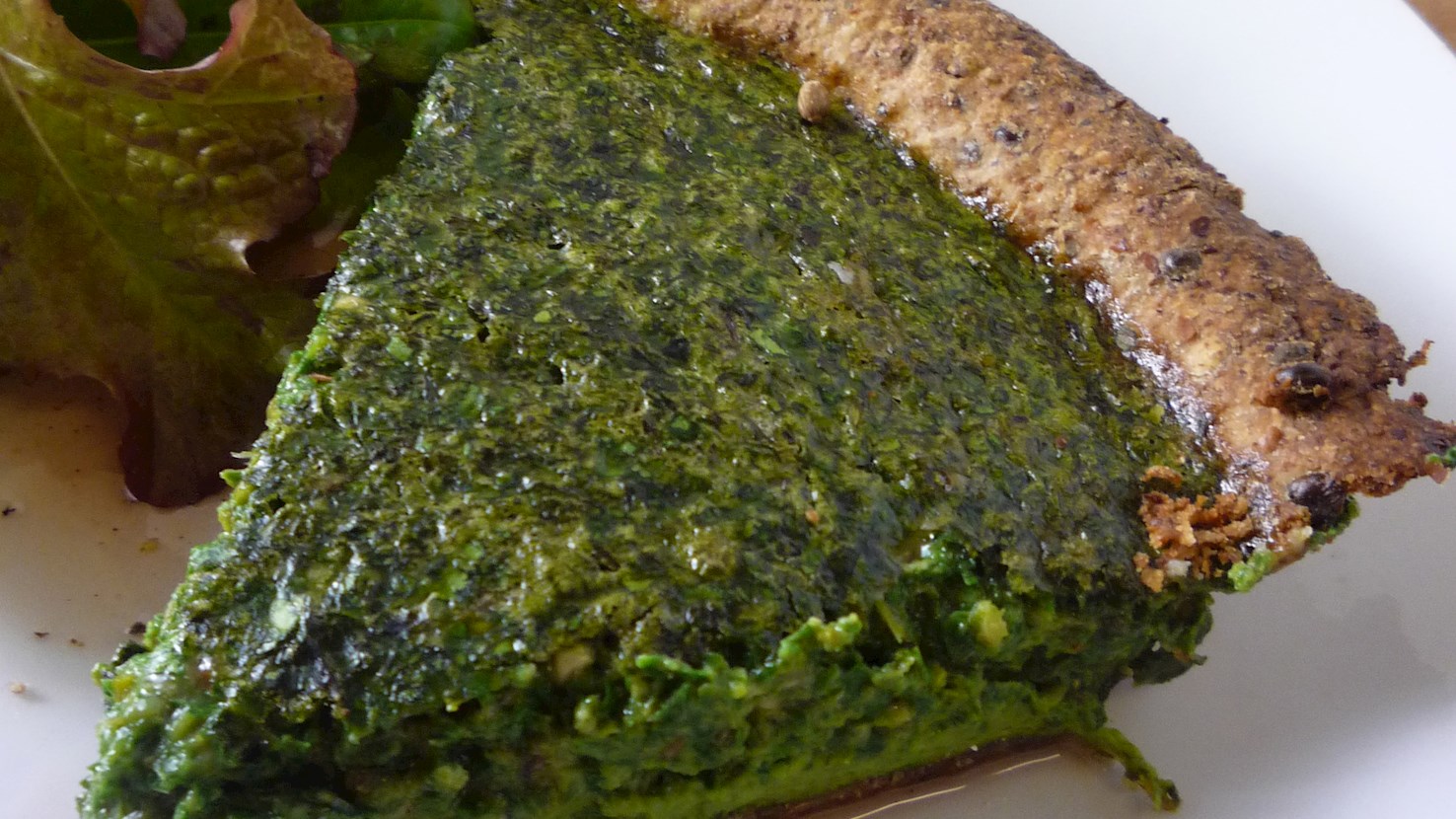
Tarte al djote is a traditional dish originating from the city of Nivelles. This savory pie is prepared with a combination of cow's milk cheese, chard, butter, onions, eggs, parsley, and pepper. The base, or the dough for the pie is made with flour, butter, eggs, milk, yeast, and salt. Once assembled, the pie is baked until golden brown, and it's then served while still soft and hot, sprinkled with knobs of salted butter which will trickle down the pie. It is believed that tarte al djote dates back at least to the 13th century.
Gentse vlaai is a richly spiced sweet pie from the region of East Flanders, Belgium, which carries the flavour of gingerbread-style biscuits and speculaas mixed into a gently cooked, syrup-rich base. Over the years, it became firmly associated with fairs and communal gatherings in the Ghent area, recognised on regional platforms as an authentic speciality of the locale. The bake is made by gently warming milk and then adding broken slices of gingerbread like speculaas and ontbijtkoek, stirring continuously to avoid sticking, then incorporating a measure of kandijsiroop (a dark candied syrup) until the mixture becomes smooth and homogeneous. Typically, the pie is additionally spiced with cinnamon, nutmeg, and ginger, and can also have rusks, butter, and eggs as ingredients. Once blended, the mixture is transferred into a glass dish and baked for about 40 minutes at 150 °C until it sets into a firm but tender sliceable form, with the dark syrup and spiced biscuits making the colour and aroma its signature features. It is most commonly eaten at room temperature or slightly warm, often served in simple slices at coffee time or dessert after a meal in Ghent-area homes and cafés, and it pairs particularly well with a strong dark-roast coffee or black tea, the bitterness of the drink balancing the spiced sweetness of the slice.
TasteAtlas food rankings are based on the ratings of the TasteAtlas audience, with a series of mechanisms that recognize real users and that ignore bot,
nationalist or local patriotic ratings, and give additional value to the ratings of users that the system recognizes as knowledgeable.
For the “Top 3 Belgian Pies” list until June 15, 2026, 47 ratings were recorded, of which 35 were recognized by the system as legitimate.
TasteAtlas Rankings should not be seen as the final global conclusion about food. Their purpose is to promote excellent local foods,
instill pride in traditional dishes, and arouse curiosity about dishes you haven’t tried.