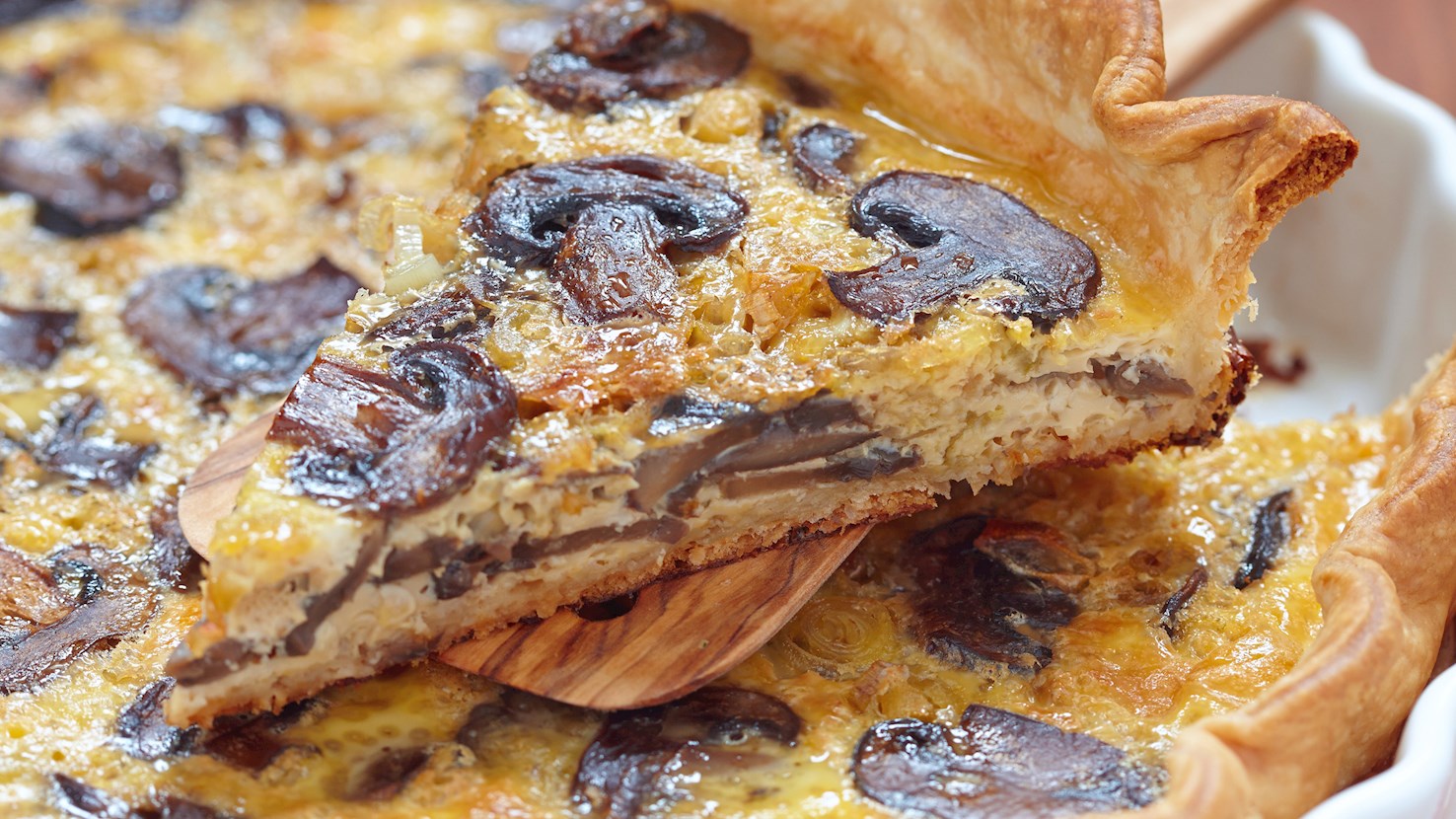
Mushroom quiche is a delicious French pie that was greatly popularized by Julia Child in her book Mastering the Art of French Cooking. The quiche is made with a pastry shell that is filled with a combination of mushrooms, shallots, port, eggs, whipping cream, and Swiss cheese. It is additionally spiced with salt, pepper, and a dash of nutmeg that creates a unique warmness. Baked until puffy and browned, mushroom quiche is ready to be consumed as soon as it is taken out of the oven, but it can also be consumed chilled.
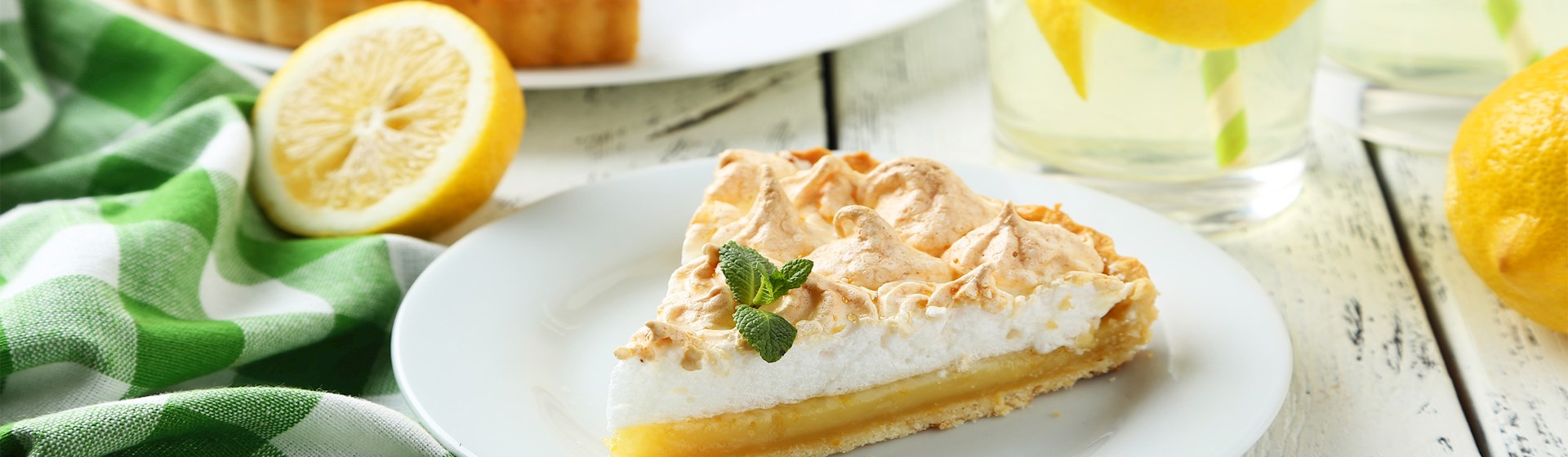
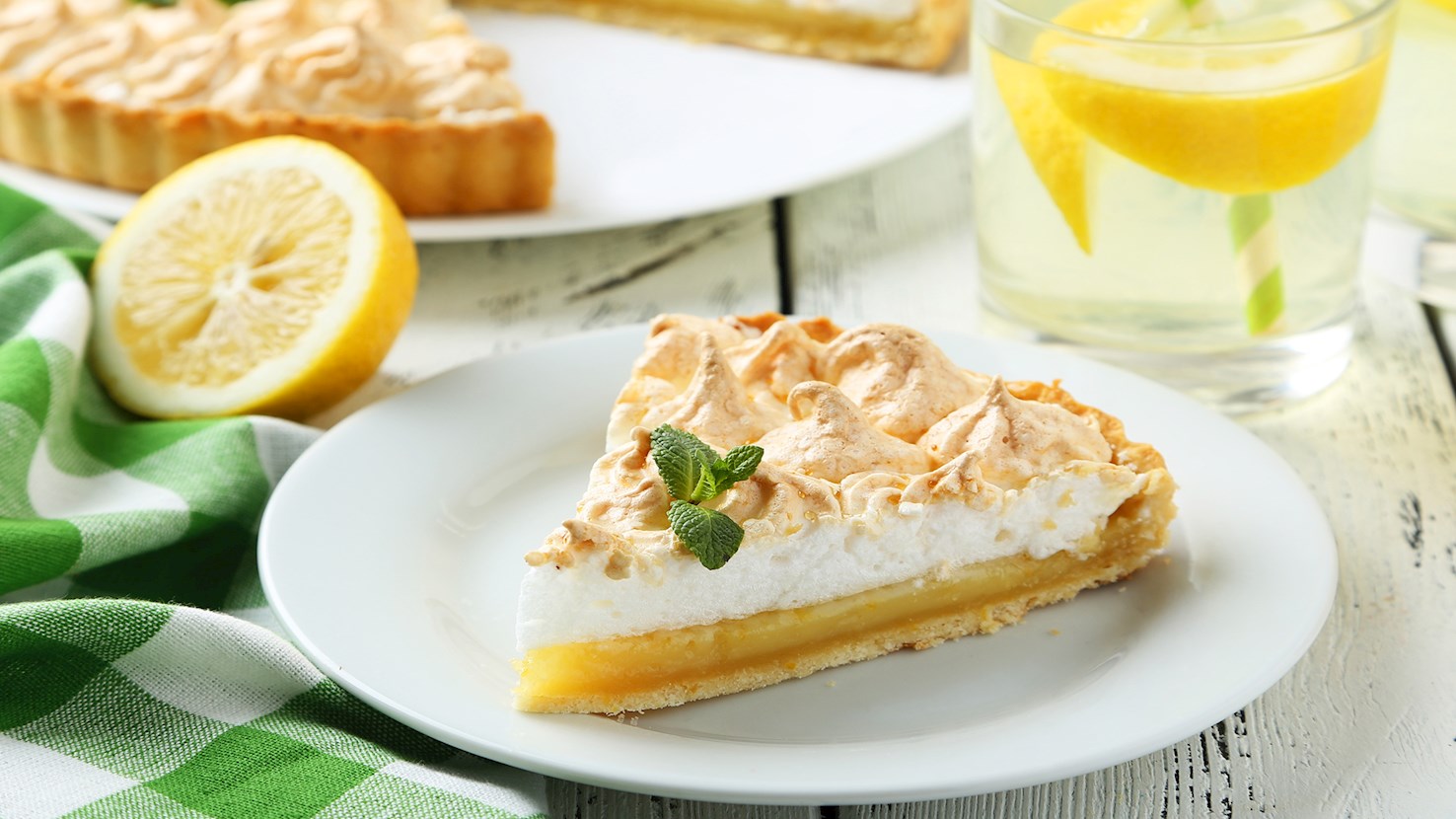
This baked dessert is made with a base layer of shortcrust pastry that is topped with lemon custard and fluffy meringue. The custard is usually made with a combination of lemon zest and juice, sugar, egg yolks, and (sometimes) starch. The origins of this sweet treat are murky and mysterious – some credit Elizabeth Coane Goodfellow of Philadelphia as the inventor, but her 18th-century recipe mentions lemon pudding, while the meringue is used in minimal amounts, as an accent. Other sources say that the first recorded recipe was written by Alexander Frehse, a Swiss baker, and some suggest that the botanist Emile Campbell-Browne had a similar recipe in Wigbeth, Dorset, in 1875. Regardless of the origins, lemon meringue pie has been the favorite of presidents, and it even has its own day – August 15, known as National Lemon Meringue Pie Day.
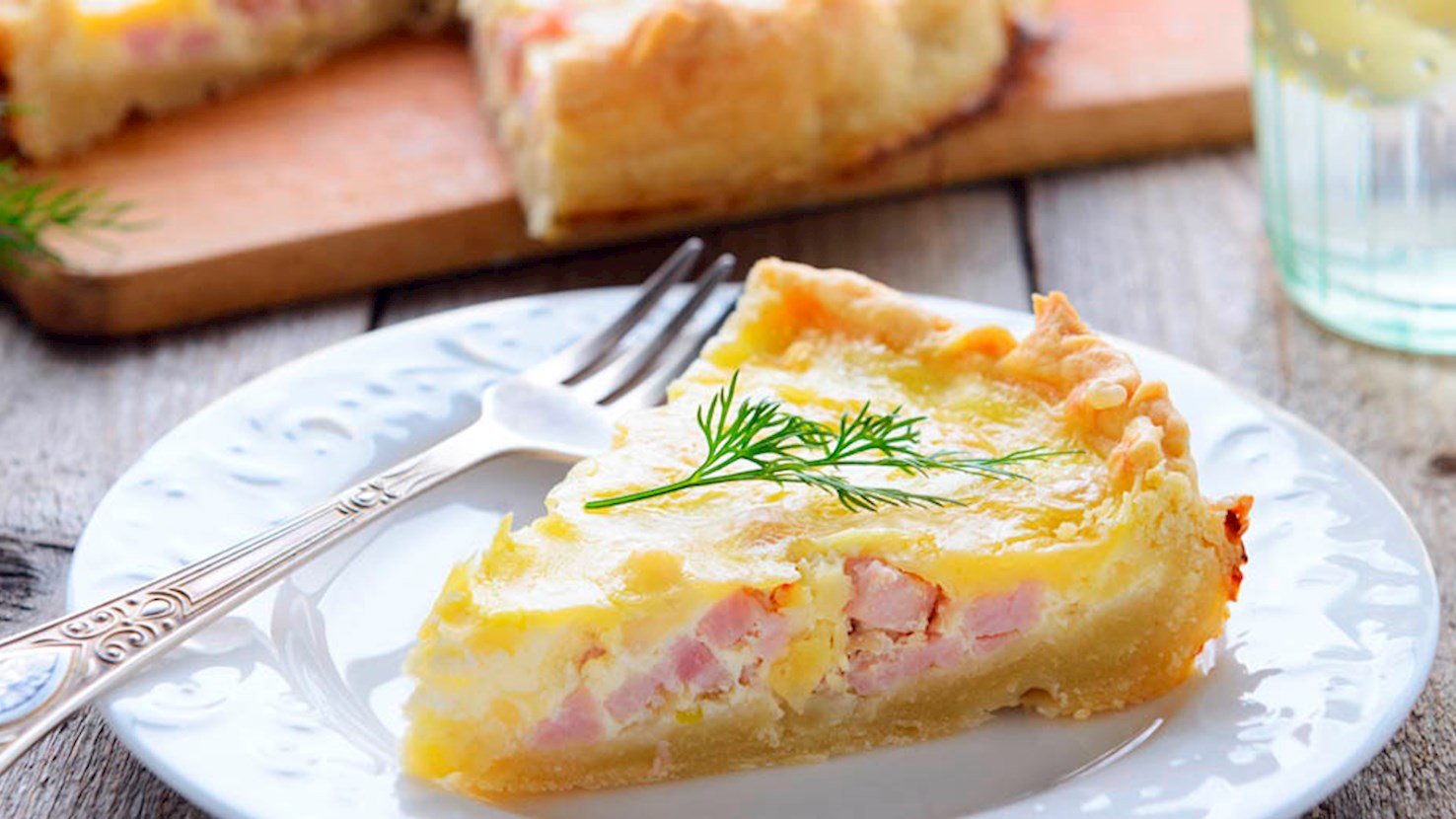
Although quiches can be made with nearly anything, from meats and vegetables to seafood, herbs, and cheeses, the king among these delicious baked tarts is still the original quiche Lorraine, consisting simply of a shortcrust dough base that is filled with bacon, eggs, cream, nutmeg, and a dash of salt and pepper. The word quiche is thought to have been adapted from the German word küchen, meaning cake, as the first Lorraine quiches were made with bread dough instead of shortcrust dough. In the French region of Lorraine, it is traditionally served on May Day as an accompaniment to roasted suckling pig. Any other day in the year, it is served as an appetizer, usually with a green salad on the side, and it is typically consumed either at room temperature or warm, while the golden-brown crust is still crunchy.
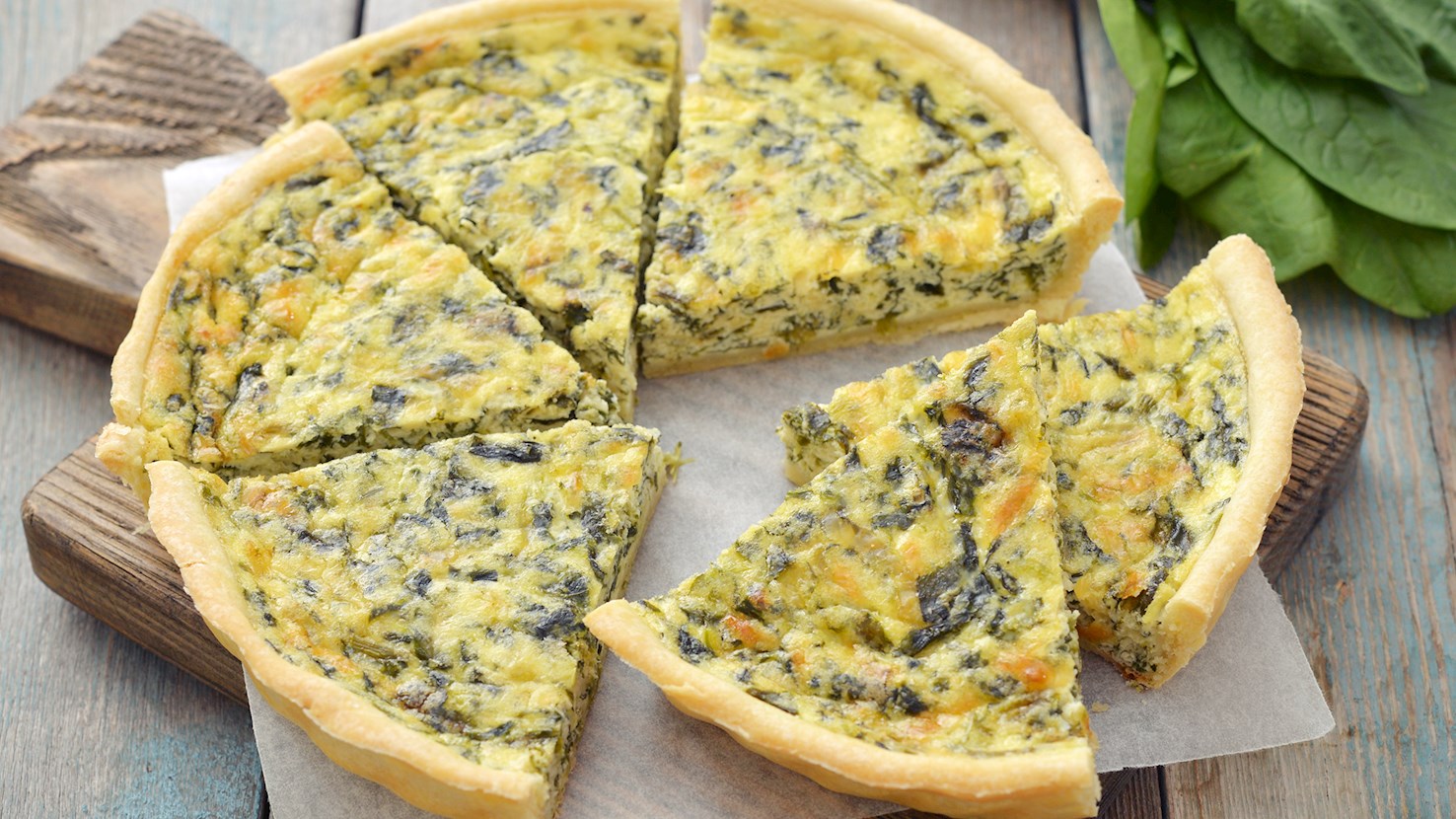
Quiche Florentine is an open savory tart with a crisp pastry shell and an egg-and-cream custard containing spinach and cheese. Gruyère and Emmental are common choices, although feta, goat cheese, Comté, or another suitable cheese may replace them. The filling should be firm enough to hold a wedge while remaining soft, moist, and creamy rather than dense or rubbery. The confirmed history of Quiche Florentine is limited. The word quiche is documented in Lorraine in a March 1605 account book that records a payment for “quiches and eschaudes,” the latter being another type of baked item. The term came from the regional language of Lorraine and did not enter wider French usage until the nineteenth century. Its deeper etymology remains uncertain, although it has often been compared with the German word Kuchen. The exact composition of the quiches recorded in 1605 is not described. The culinary term à la florentine has a narrower established meaning than simply “made with spinach.” It refers to eggs or fish placed on stewed spinach, covered with Mornay sauce, and browned. In broader modern usage, “Florentine” is often applied to savory foods containing spinach, including quiche. The pastry shell is usually made from a savory shortcrust containing wheat flour, cold butter, salt, and chilled water. It does not have to consist strictly of those ingredients; some versions include an egg or use another fat. The butter and water should remain cold so that the dough stays tender and does not become greasy or tough. The flour and butter are worked together only until the mixture resembles coarse crumbs with small visible pieces of fat. Chilled water is added gradually, just until the dough holds together. Excessive mixing develops more gluten and can produce a hard shell that shrinks in the oven. The dough is formed into a flat disc, wrapped, and chilled before rolling. Once rested, the pastry is rolled into a circle slightly larger than the tart tin. It is placed in a fluted metal tin and pressed gently into the corners without being stretched. Stretching creates tension that can pull the pastry down the sides during baking. Any excess is trimmed, and the lined tin is chilled again to firm the butter and reduce shrinkage. The shell is normally partially blind-baked rather than baked completely. Parchment is fitted against the pastry and filled with ceramic weights, dried beans, or rice. The weights stop the base from rising and support the sides while the pastry sets. After an initial bake, the parchment and weights are removed, and the base returns briefly to the oven until it looks dry and lightly colored. A fully browned shell can become too dark or brittle during the second bake with the filling. Partial blind baking gives the pastry enough structure to resist the wet custard while leaving time for it to finish cooking after the tart is filled. Brushing the warm base with a little beaten egg and returning it to the oven for a minute can create an additional moisture barrier, although this step is optional. Fresh spinach can be wilted in a covered pan, steamed, or blanched briefly in boiling water. It does not need prolonged boiling. Once the leaves collapse, they are drained and cooled before being squeezed firmly in a clean cloth or pressed against a fine sieve. Removing excess water is essential because spinach releases a large amount of liquid as it wilts. Water left in the leaves dilutes the custard, slows its setting, creates wet areas around the spinach, and can soften the pastry base. It does not instantly curdle the cream. Curdling is more closely associated with excessive heat and overbaking. The squeezed spinach is chopped into short pieces so that long leaves and stems do not pull away when the tart is sliced. Frozen spinach can also be used, but it must be thawed completely and squeezed just as thoroughly. Because fresh spinach loses most of its volume when heated, a large quantity of raw leaves may be needed to produce enough drained spinach for one tart. The custard is made by gently whisking whole eggs with heavy cream. A mixture of cream and whole milk can produce a lighter, more fluid filling, while cream alone creates a richer and thicker result. Ground nutmeg, sea salt, and coarse black pepper are commonly added. The nutmeg should remain subtle, reinforcing the spinach and dairy rather than dominating them. The eggs and dairy should be combined until smooth but not beaten into a foam. Incorporating too much air causes the filling to rise unevenly and then sink as it cools. The aim is an even, close-textured custard rather than an inflated center. The drained spinach is distributed across the partially baked pastry shell. Grated Gruyère or Emmental is scattered through and over the greens. The cheese can also be mixed with the spinach before it enters the shell, which helps distribute both ingredients evenly. The custard is poured slowly over the spinach and cheese. It should settle into the spaces between the ingredients without overflowing the pastry. The shell is not filled to the rim; a small gap allows the custard to expand and makes the tart easier to transfer to the oven. Once baked, the pastry should be golden, and the custard should be set around the edges. The center should still tremble slightly when the tin is moved. Residual heat continues setting the eggs after the tart leaves the oven. Removing it before the center becomes completely rigid produces a smoother and more tender texture. The finished custard should not form a firm, solid block. A hard center, visible separation of liquid, or a coarse, grainy texture usually indicates excessive baking. Egg proteins tighten as they heat, and prolonged exposure forces moisture out of the custard. Overbaked quiche can therefore become dry, rubbery, or curdled. A slight central movement at the end of baking is normal and desirable. The exposed cheese may develop small golden-brown areas, but it should not form a thick, dark crust. If the pastry edges brown too quickly, they can be covered loosely with foil while the custard finishes setting. Replacing Gruyère or Emmental with feta changes both flavor and texture. Feta adds more salt and acidity but does not melt into a smooth, continuous layer. Goat cheese creates soft, creamy pockets with a pronounced tang. Both balance the richness of the eggs and cream, although the salt in the custard may need to be reduced. Bacon or pancetta can be added to the spinach layer. Bacon contributes smoke, salt, and rendered fat. Pancetta supplies cured pork flavor but is not necessarily smoked. Either should be browned first and drained so that excess fat does not collect in the shell. Thick cubes create distinct pieces of pork, while smaller pieces spread the salt and fat more evenly. Mushrooms, leeks, onions, garlic, herbs, or smoked salmon may also be included. Ingredients containing substantial moisture should be heated and drained before entering the shell. Too many additions leave insufficient custard to bind the filling and can make the tart difficult to slice. Once removed from the oven, Quiche Florentine should rest before cutting. Fifteen to thirty minutes is usually enough, depending on its depth. The residual heat completes the setting of the center, while the cooling fat and egg proteins give the filling enough stability to hold a clean wedge. A thirty-minute rest is useful for a deep tart but is not an absolute minimum. Cutting the quiche immediately can cause the hot filling to spread and may tear the soft pastry. Leaving it for much longer produces firmer slices but reduces the warmth of the custard. Quiche Florentine may be served slightly warm, at room temperature, or cold. It should not arrive boiling hot, when the custard is least stable, and the flavors of the cheese, spinach, and nutmeg are harder to distinguish. Slight warmth keeps the filling supple, while room temperature gives firmer slices and a more pronounced flavor. Quiche itself may be eaten hot or cold. A raw green salad with mustard vinaigrette is a common accompaniment, not a compulsory part of the serving. Frisée, rocket, endive, or mixed leaves provide crispness and mild bitterness beside the soft custard. Vinegar and mustard balance the butter, cream, eggs, and cheese, but the salad does not need to be dressed heavily. Too much vinaigrette can dominate the spinach and make the pastry wet if it reaches the plate. A well-made Quiche Florentine depends on balance: crisp pastry, thoroughly drained spinach, enough cheese to add depth without making the filling greasy, and a gently baked custard that remains creamy after slicing.
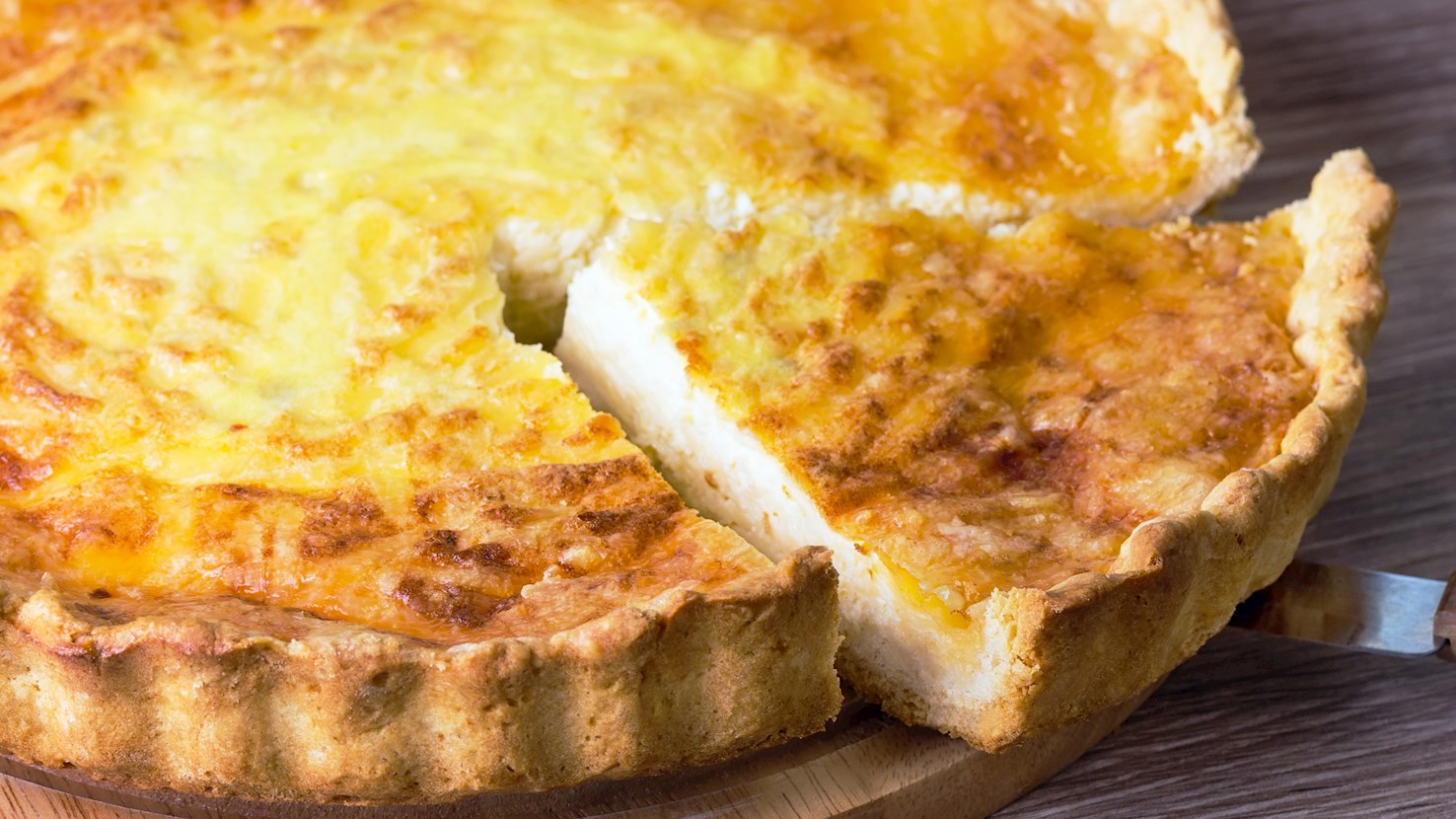
This savory, baked French delicacy consists of a thin flaky pastry crust topped with a delicious cheese mixture. The traditional open tart usually makes use of classic cheese varieties such as Gruyère, Camembert, or Roquefort, which are blended into a luscious custard of eggs and milk or crème fraîche. The creamy filling is often adorned with a variety of fresh herbs or a sprinkling of freshly-grated nutmeg. The baked quiche is a delightful combination of crispy crust, a velvety center, and a perfectly browned top. Quiche au fromage is a staple dish found at French markets or on the menus of traditional French restaurants. It can be enjoyed as a light main course or as a filling snack.
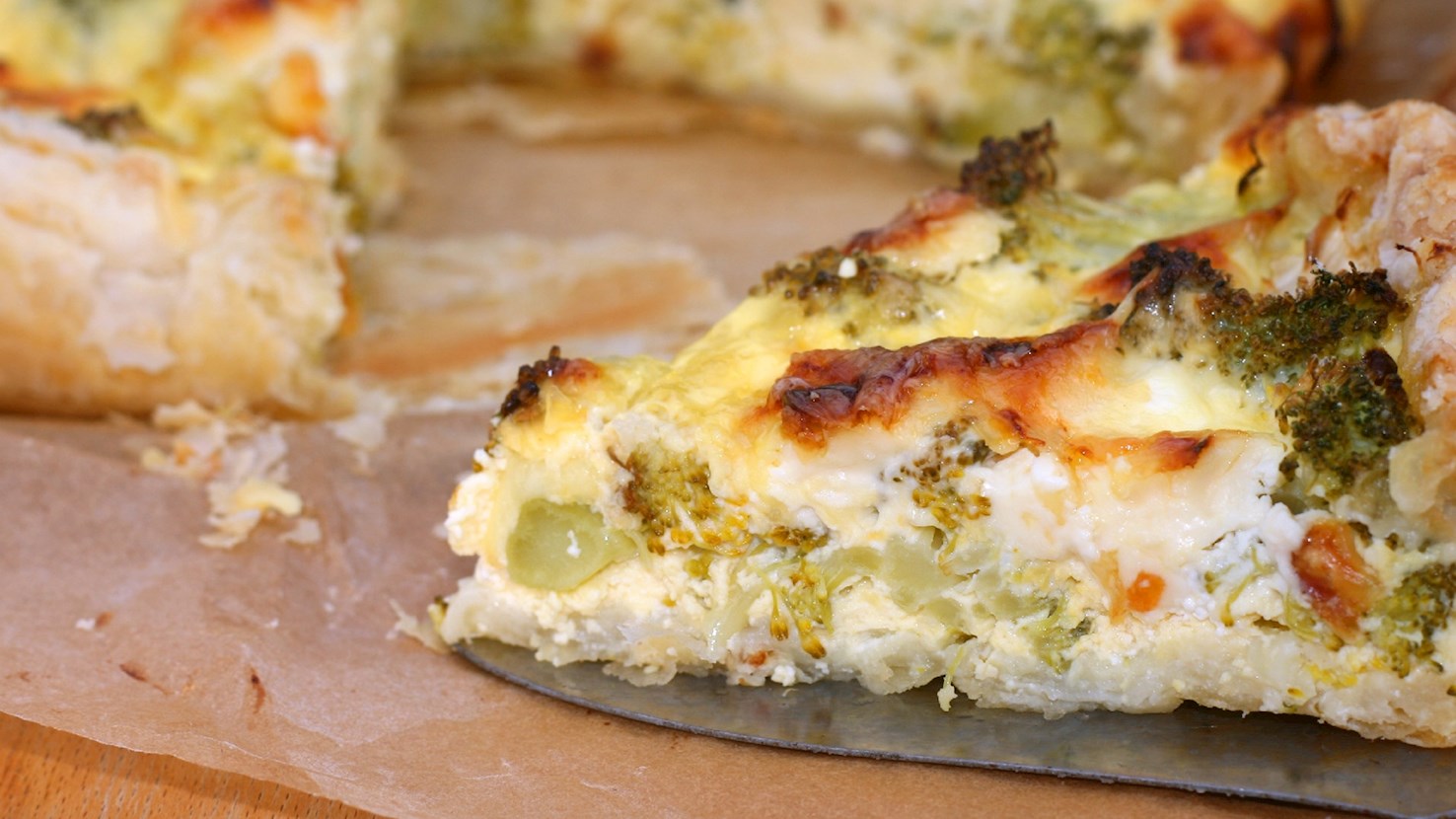
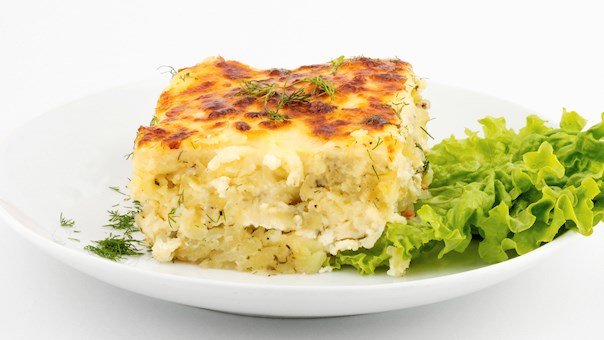
This popular French pie consists of a pastry crust filled with eggs, cream, and anything from bacon, cheese, and leek to mushrooms and seafood. Quiche is usually very filling and high in calories, making it a frequent choice for parties and buffet tables. It can be served either hot or cold, and is traditionally cut into slices. Numerous varieties of quiche exist today, the most popular of which are quiche Lorraine, quiche Florentine, and quiche Provençale.
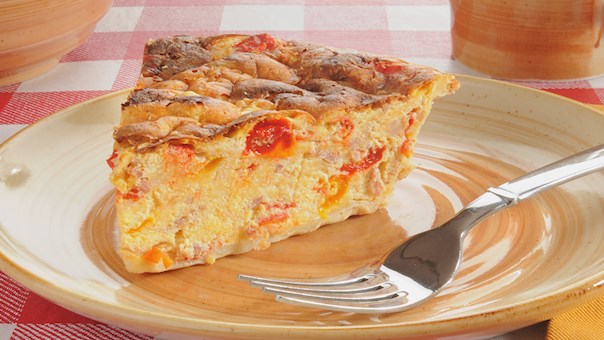
This variety of the French quiche is suitable for vegetarians, as it utilizes a variety of fresh vegetables such as zucchini, tomatoes, onions, or bell peppers. The choice of vegetables is left to the cooks, but tomatoes are usually a staple of quiche Provençale. The vegetables are combined with cheese, eggs, and seasonings such as Herbes de Provence. A pastry shell is then filled with this savory combination and baked until puffy and browned, when it is ready to be consumed.
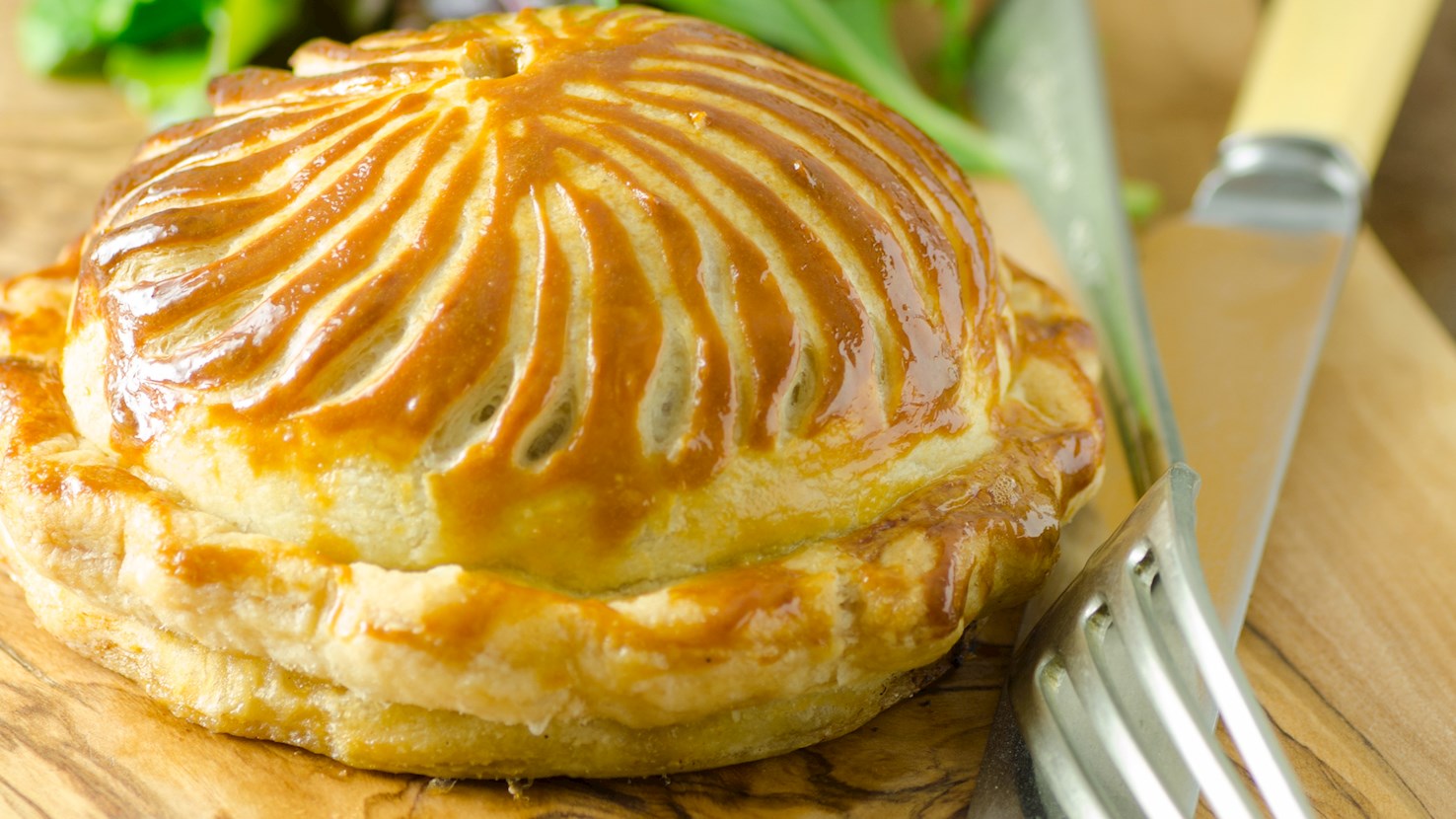
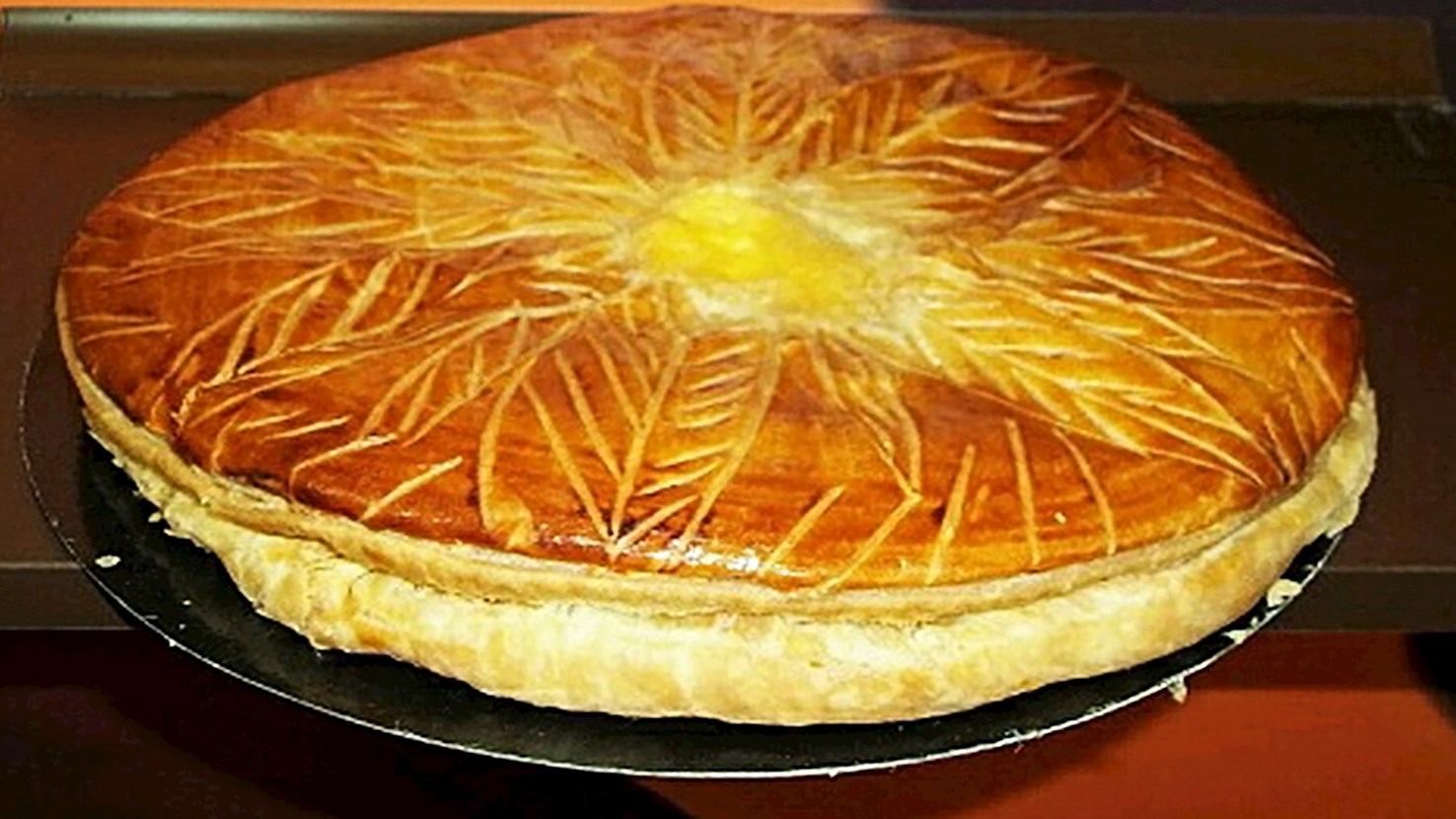
Pithiviers is a classic French pastry pie that's traditionally decorated with spiral markings coming from the center of the dish. It originated in the eponymous French town. The dish is made from puff pastry, and it can be filled with sweet or savory ingredients. For the dessert pie, pithiviers is often filled with fruits such as plums and cherries or almond cream. The sweet versions are usually served with coffee on the side. The savory versions are commonly filled with cheese, vegetables, and meat such as beef, chicken, or pork. What characterized pithiviers is its distinctive, shiny top crust, a result of eggwash or caramelized sugar at the end of baking.
This hearty, meat-studded entrée is often confused with pâté Lorrain, another classic French meat pie. But unlike pâté Lorrain, cream and egg custard is added to the filling of Tourte Lorraine. Apart from this, according to Larousse Gastronomique, one of the prime reference books on French cuisine, both are baked in pastry and include a chunky pâté of pork and veal marinated in an aromatic bath of wine, shallots, cloves, and flavorful Herbes de Provence – a classic blend of dried thyme, marjoram, oregano, rosemary, chervil, tarragon, lovage, savory, sage, bay leaf, and fennel. Best enjoyed fresh out of the oven, Tourte Lorraine is traditionally served as an appetizer with a side of green salad, and is typically paired with a chilled glass of wine. In Lorraine, it is also particularly popular among the working class as an early morning meal.
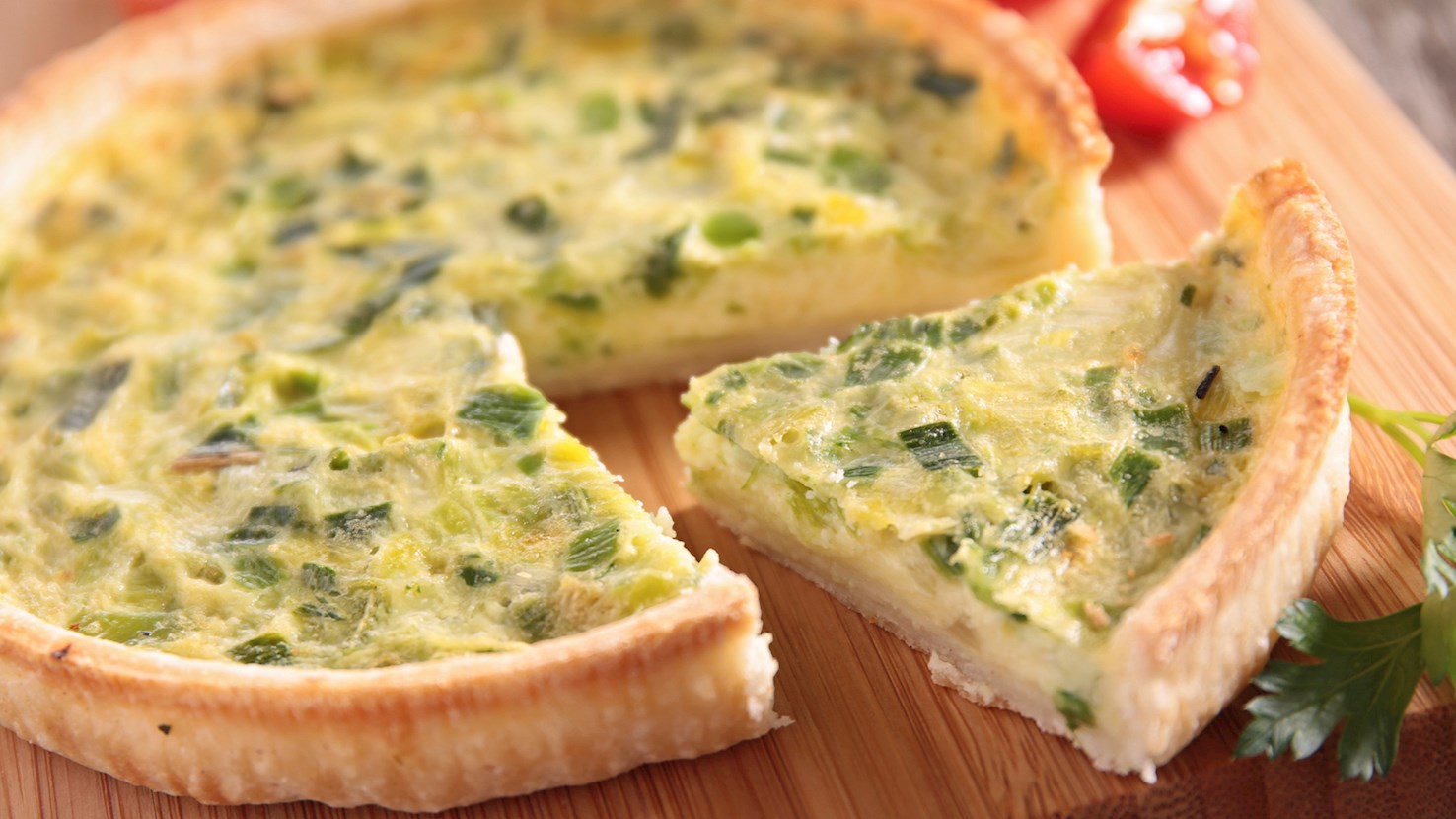
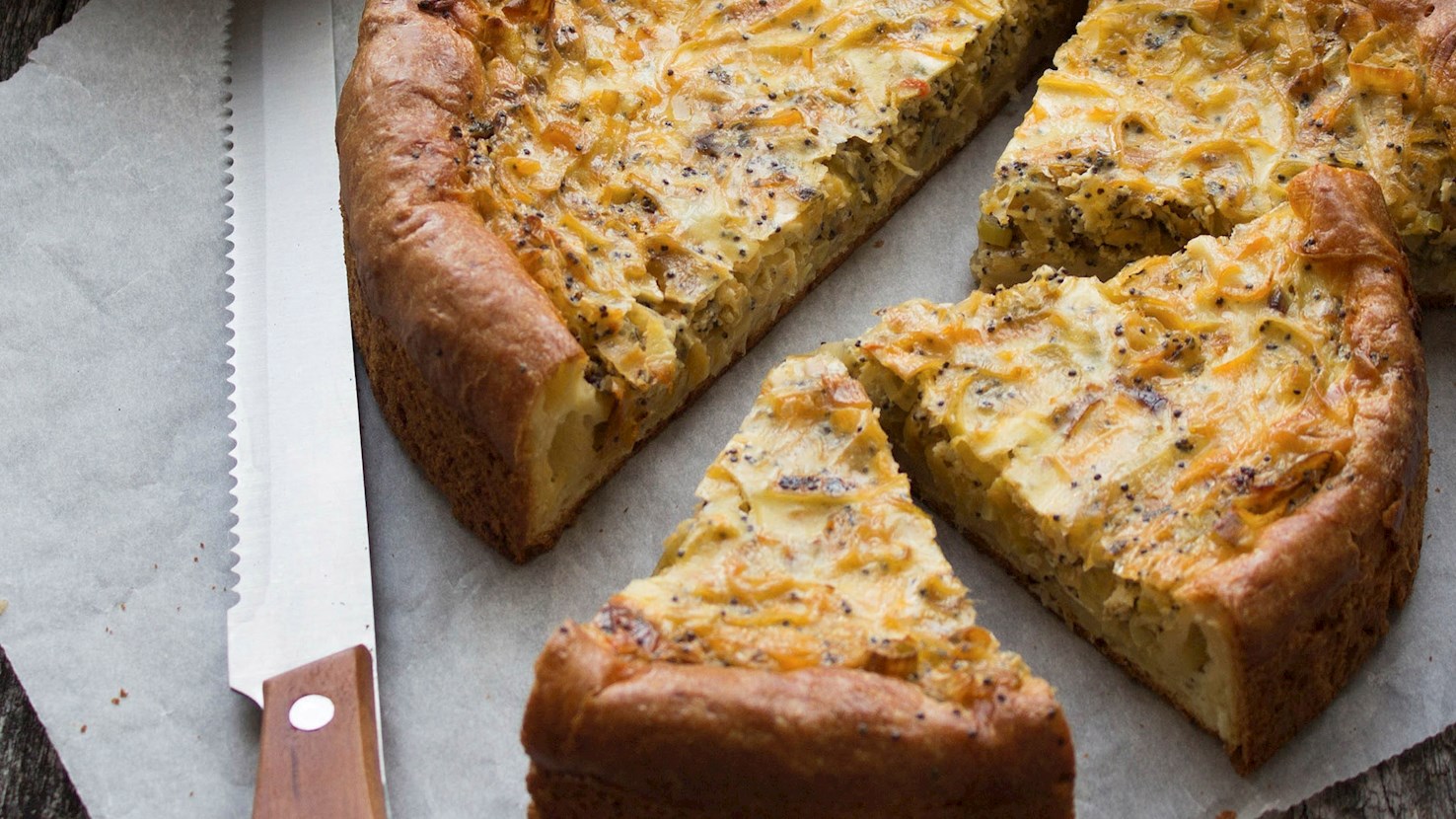
Flamiche is a traditional pie that is filled with chopped leeks, a small amount of butter, and either milk or crème fraîche. The dish has origins in the French region of Picardy, and it is considered the Picardy equivalent of the popular quiche Lorraine. The first known recipe dates back to the late 18th century, and it has been found in a French soldier's notebook. Today, there are numerous variations of flamiche, with added cheese, nutmeg, bacon, and different vegetables. Flamiche can sometimes be used as an accompaniment to heavier meat dishes.
TasteAtlas food rankings are based on the ratings of the TasteAtlas audience, with a series of mechanisms that recognize real users and that ignore bot,
nationalist or local patriotic ratings, and give additional value to the ratings of users that the system recognizes as knowledgeable.
For the “Top 30 French Pies” list until October 15, 2026, 1,843 ratings were recorded, of which 1,665 were recognized by the system as legitimate.
TasteAtlas Rankings should not be seen as the final global conclusion about food. Their purpose is to promote excellent local foods,
instill pride in traditional dishes, and arouse curiosity about dishes you haven’t tried.






What People Say