



shutterstock

Top 4 Samsun Pies

Last updated on May 15, 2026
01

Samsun Pidesi

4.2 ·

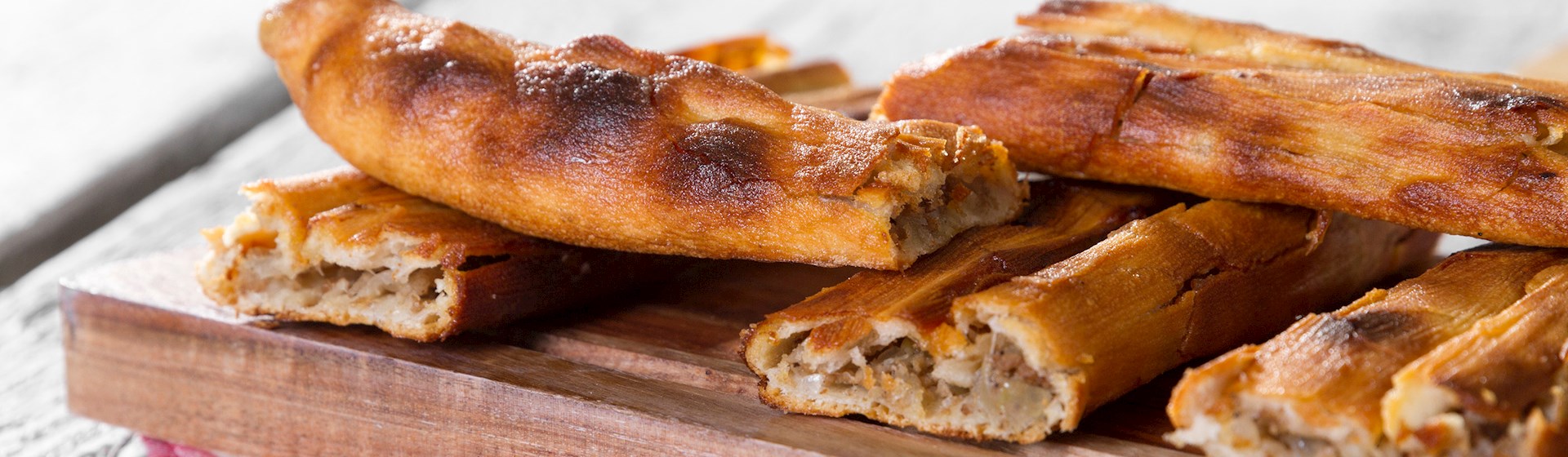
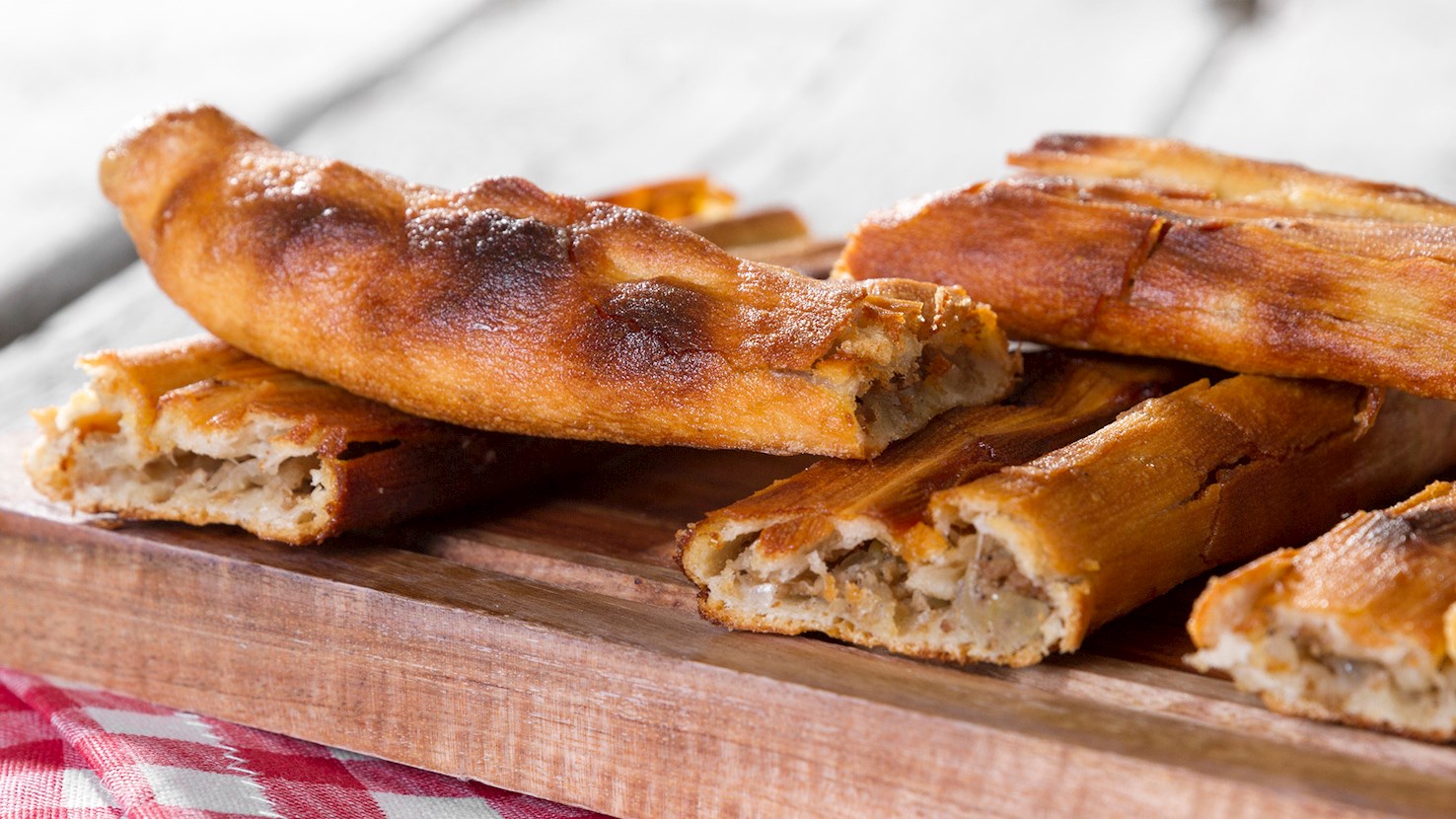
Samsun pidesi, from Turkey's Samsun Province, encompasses three distinct varieties: Bafra pidesi, Terme pidesi, and Çarşamba pidesi. Terme pidesi is an open-faced pie made with a dough of flour, water, salt, yeast, and sugar. It's topped with meats, cheeses, or pastırma and can include a whole egg placed atop the filling. It's about 70-80 cm (28-32") long and 15 cm (6") wide. Bafra pidesi is canoe-shaped, about 1 meter (3.2 ft) long and 2.5 cm (1") wide. The dough is made with flour, water, yeast, and salt, and the pie is filled with pre-cooked ground beef, onions, and spices, then baked and topped with small chunks of butter. Çarşamba pidesi is a soft, long loaf, about 75-80 cm (30-32") long and 4-5 cm (2") wide. The sourdough-based dough wraps around a minced beef and onion filling, finished with a smear of butter for added flavor. Each type reflects Samsun's diverse baking traditions, offering a range from crispy to soft textures and varied fillings. Also, all three types of Samsun pidesi carry a geographical indication.

02

Çarşamba pidesi

4.1 ·

Çarşamba pidesi is a Turkish savory pie from Çarşamba district in Samsun, Turkey. Unlike the crispy Bafra pidesi, it is known for its soft texture. This pide is shaped into a long, thin loaf, about 75-80 cm (30-32") in length and 4-5 cm wide (2"), and weighs around 200-220 grams (7 oz). It is made with a dough leavened with sourdough and with a raw filling consisting of minced beef and onions that have been squeezed of its juice, pepper, and salt. After baking in a wood-fired oven, butter is spread on the hot pide to enhance its flavor. The final product is a soft, buttery bread, distinct from the crispy varieties of pide.

03

Bafra Pidesi

3.9 ·

Bafra pidesi, a traditional Turkish savory pie from Bafra, is known for its unique canoe shape and is about 1 meter (3.2 ft) long and 2.5 cm (1 inch) wide. The dough, made from flour, water, yeast, and salt, is rolled into an oval shape and filled with a mixture of medium-fat ground beef, which has been previously roasted and drained of fat, finely chopped onions, salt, and black pepper. Once filled, it is sealed by pinching the ends together at the top and baked in a wood-fired oven (kara fırın) until browned. After baking, excess flour is brushed off, and the warm pita is opened and topped with small chunks of butter. It's then sliced into squares or baklava-like pieces for serving.

04

Terme Pidesi

3.9 ·

Terme pidesi, hailing from the Terme district in Turkey, offers a unique take on traditional Turkish pide. It differs from Bafra and Çarşamba pidesi in that it is an open-faced pie, showcasing its fillings on the surface. The dough is made with flour, water, salt, yeast, and a touch of sugar. But one of the defining features of Terme pidesi is its array of fillings. Options range from minced meat and cubed meat to an assortment of cheeses like kaşar peyniri (a type of Turkish cheese), çökelek (a dry curd cheese), and beyaz peynir (Turkish white cheese). Other popular toppings include pastırma (a highly seasoned, air-dried cured beef) and sucuk (a spicy Turkish sausage). These fillings are often generously layered on the open-faced dough; the longer sides of the dough are folded over and sealed at both ends. A unique aspect of Terme Pidesi is the option to add an egg on top of any of these fillings. The typical Terme pidesi, regardless of the filling, is 70-80 cm (28-32") long and 15 cm (6") wide.

Read more
View all
View map
About this ranking

TasteAtlas food rankings are based on the ratings of the TasteAtlas audience, with a series of mechanisms that recognize real users and that ignore bot, nationalist or local patriotic ratings, and give additional value to the ratings of users that the system recognizes as knowledgeable. For the “Top 4 Samsun Pies” list until May 15, 2026, 372 ratings were recorded, of which 82 were recognized by the system as legitimate. TasteAtlas Rankings should not be seen as the final global conclusion about food. Their purpose is to promote excellent local foods, instill pride in traditional dishes, and arouse curiosity about dishes you haven’t tried.

Similar lists