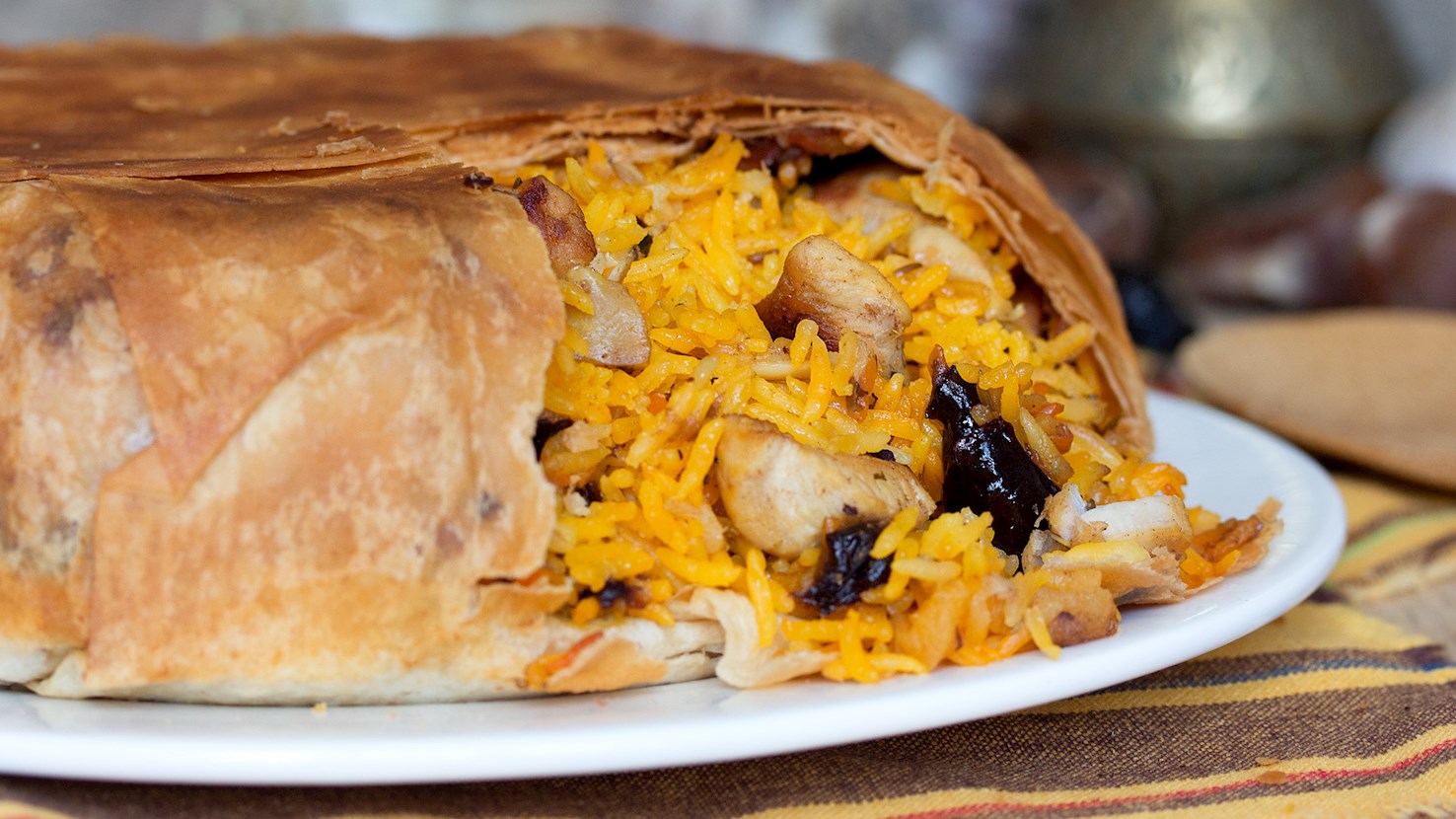
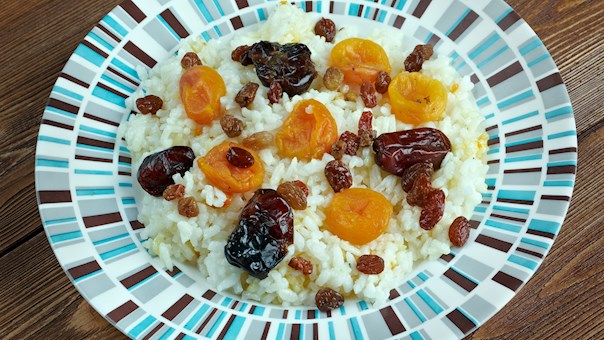
A dish worthy of a king - or perhaps simply the main course of a wedding ceremony - shah pilaf (translated as crown pilaf) is a traditional meal infused with a medley of local aromas. It goes through several stages of preparation before reaching its distinctive final shape. First, basmati rice is cooked, then placed inside a bowl lined with lavash (a thin and soft wheat-based flatbread). Layers of dried apricots, plums, chestnuts, and raisins are added on top of the rice to create a unique blend of textures and flavors. For an even more diverse flavor profile, some variations also include lamb or chicken meat dispersed within the layers. The filling is completed by pouring a small amount of saffron water into the bowl, after which it is covered with lavash and baked until golden-brown. Due to the fact that the dish can remain warm for up to several hours, it is a favorite at weddings, dinner parties, and other special occasions.
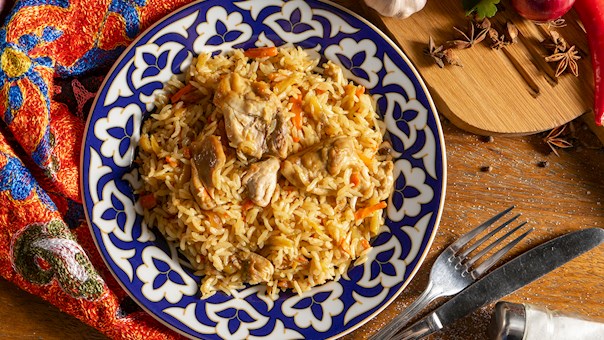
Plov is the national dish of Uzbekistan and the Uzbek word for the famous rice dish called pilaf or pullao. It is of great importance to the nation's history, tradition, and culture. Over fifty versions of the recipe exist, some of them even 10 centuries old, but to make the best-known version, the first step is to make zirvak, a base consisting of seasoned carrots, onions, and meat sautéed in fat. Once the base is done, rice is added in a layer over the previously sautéed ingredients, topped with water, and everything is simmered until the rice is fully cooked. A vast array of ingredients can be added to plov such as meat, vegetables, and fruit.
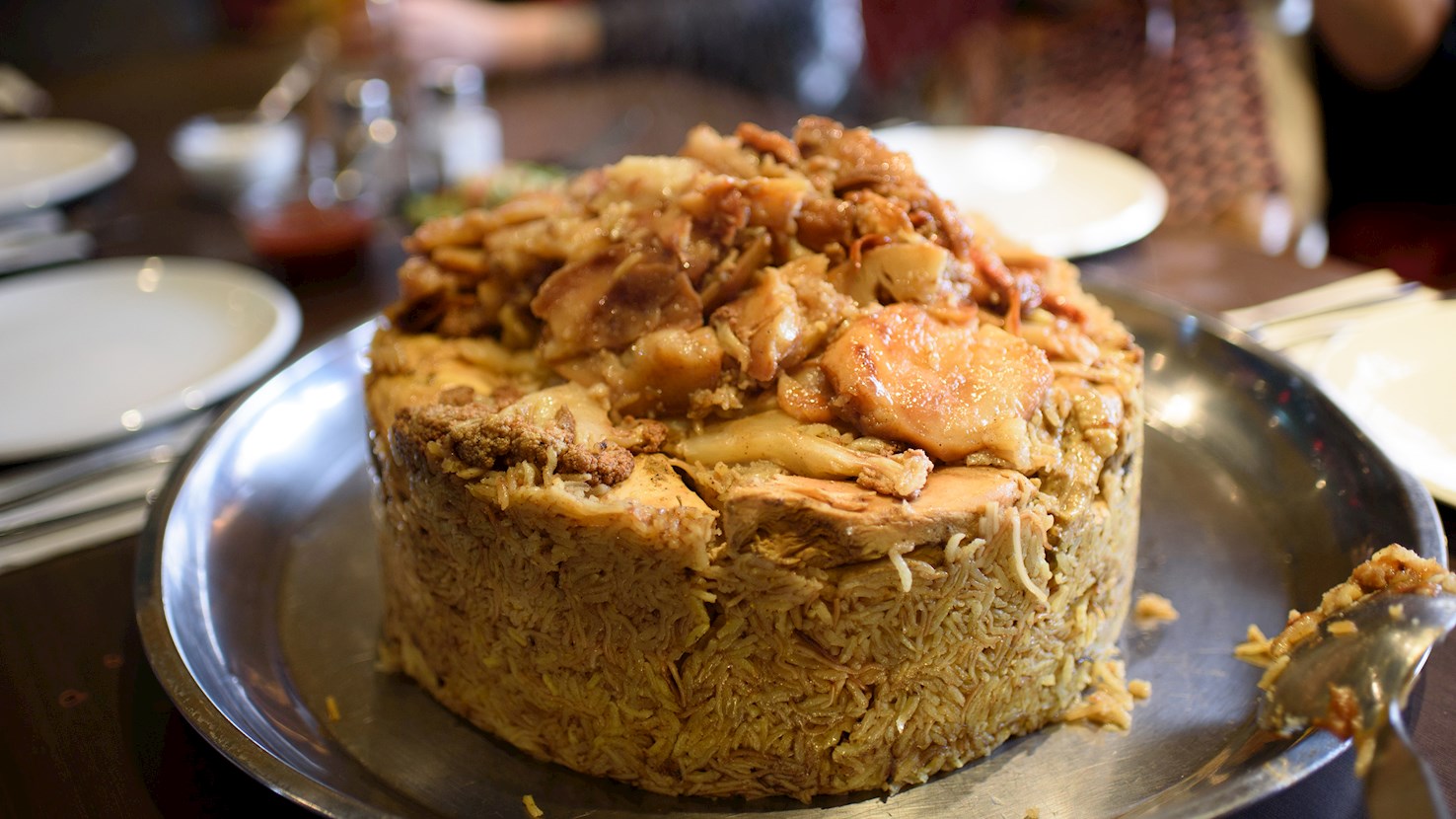
Maqluba is a one-pot rice dish from the Levant, especially popular in Palestine, Jordan, Syria, and Iraq, whose name means “upside-down” in Arabic. It is built from layers of rice, meat such as chicken or lamb, and fried vegetables, usually eggplant, cauliflower, or potatoes, all cooked together in a single pot and then flipped onto a serving platter so that the ingredients form a structured, layered cake. The inversion is its defining feature, giving it both its name and its striking appearance. The dish reflects centuries of Levantine cooking practices, where rice, meat, and vegetables were often cooked together for both sustenance and efficiency. Over time, cooks developed a method that not only maximized flavor but also gave the meal a distinctive presentation. The practice of turning the pot upside down and serving it intact became associated with family gatherings and communal tables, and recipes began to vary from one household to another. Some families preferred lamb for its richness, others chicken for its lighter flavor, while the selection of vegetables depended on the season and local produce. To prepare maqluba, the meat is first cooked with onions and spices, often including cinnamon, cardamom, and allspice, which infuse the broth that later cooks the rice. Vegetables are sliced and fried until golden, then layered at the bottom of a large pot, followed by the meat and then the rice. The cooking liquid, usually the seasoned broth from the meat, is poured over the layers, and the pot is left to cook gently until the rice is tender and has absorbed all the flavors. When finished, the pot is rested briefly before being inverted onto a large platter, revealing the colorful strata of vegetables and meat beneath the rice topping. Maqluba is eaten widely across the Levant, served as a centerpiece dish for gatherings, family meals, and festive occasions. It pairs well with simple accompaniments such as yogurt or a fresh cucumber-tomato salad, which provide a cooling contrast to the warm spices and hearty layers of the dish.
Etli pilav is a traditional rice dish. For this pilaf variety, the rice is cooked with onions and chunks of meat such as beef or lamb. Other ingredients include butter, olive oil, salt, and pepper. Once cooked, the pot is turned upside down and the dish is served on a large plate or a tray so that the onions and the meat will be on top, with the rice underneath. Etli pilav is typically served hot, then seasoned with salt and pepper. It's recommended to accompany the pilaf with sautéed eggplants or refreshing yogurt-based salads.
Perde pilavı or drape pilaf is a traditional dish consisting of dough that is filled with rice, chicken, currants, almonds, pine nuts, butter, and spices such as salt, oregano, and pepper. The dough is made with flour, eggs, butter, and yogurt. This pilaf is typically prepared for weddings because it symbolizes the building of a new home, while rice symbolizes fertility and the currants are a sign of future children.
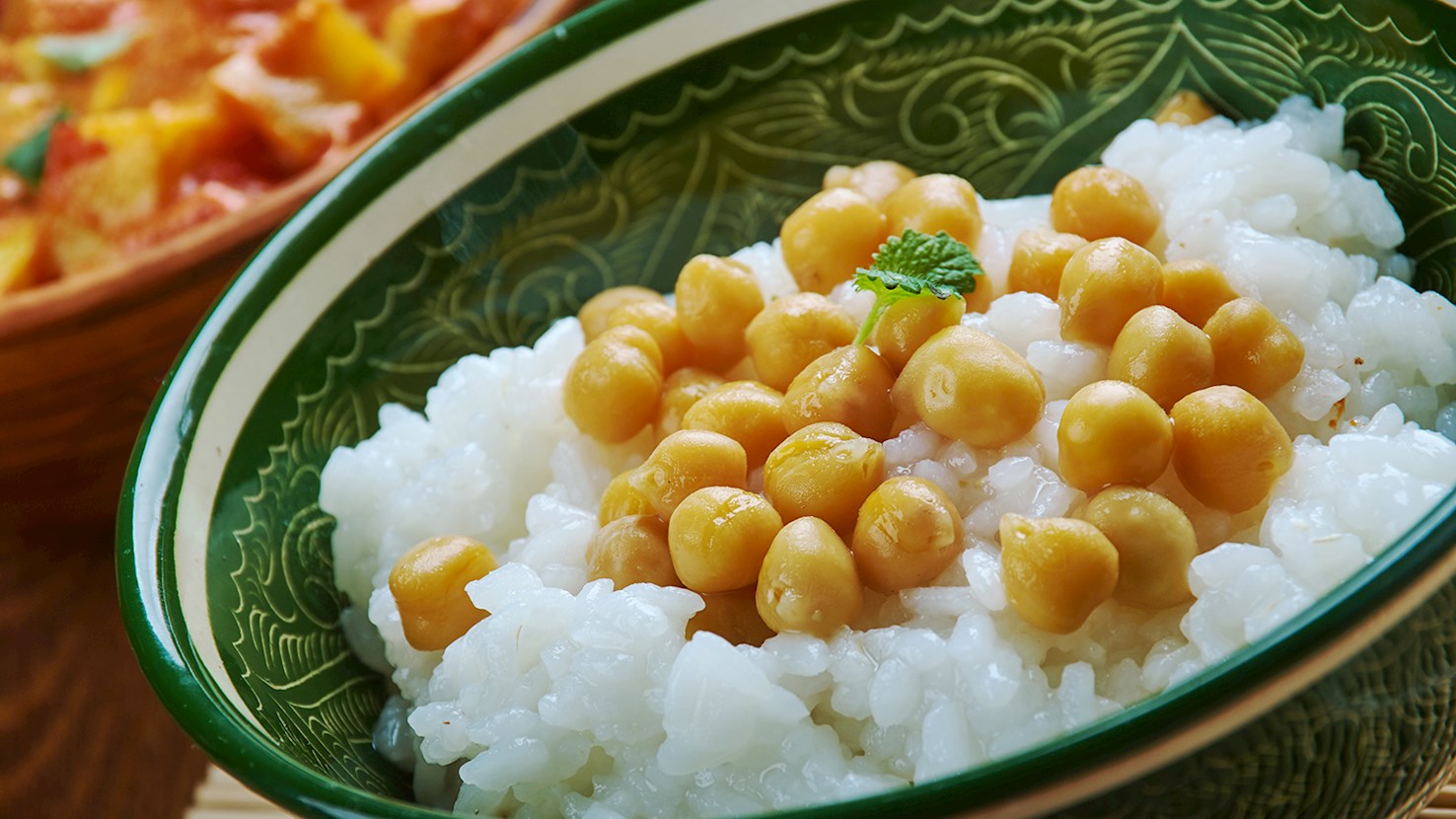
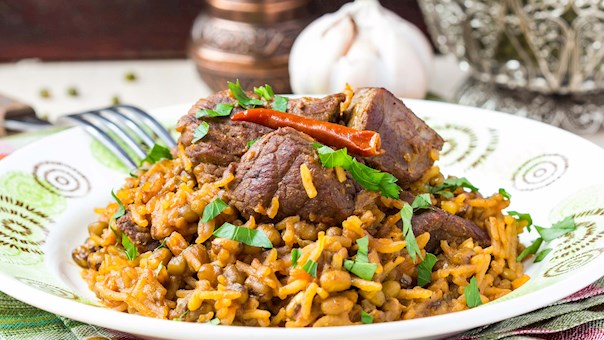
Nohutlu pilav is a traditional dish that's usually sold as street food. This pilaf is made with a combination of white rice, chickpeas, oil, butter, onions, and vegetable stock. The ingredients are cooked and once done, nohutlu pilav is served either on its own or with the addition of pieces of chicken or pickled chili peppers. The dish is usually sold in Istanbul and throughout Turkey from glass street vending carts. It's recommended to pair it with a cup of refreshing ayran.
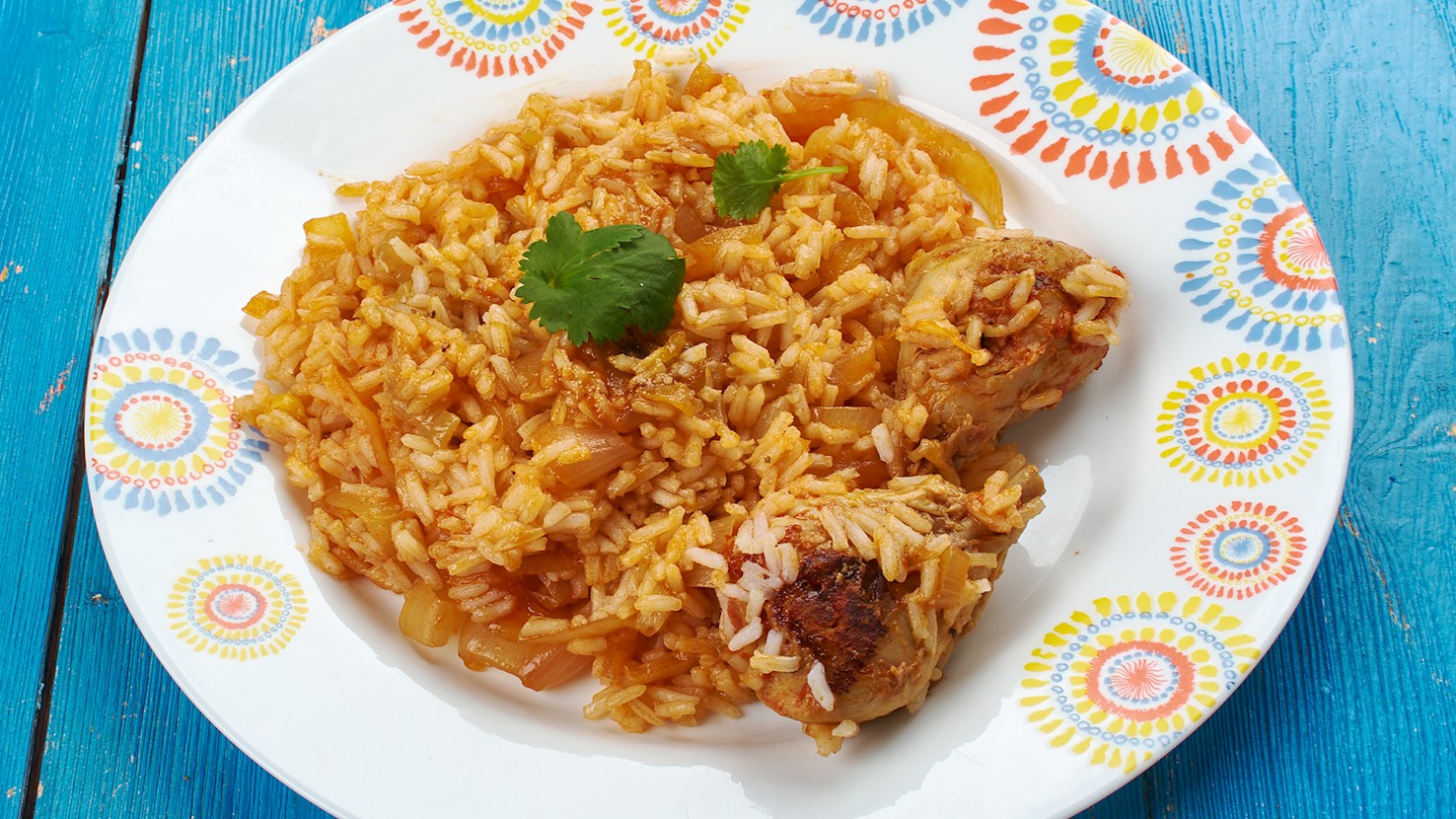
Kenyan pilau is a spiced rice dish cooked with meat and aromatics, eaten widely in Kenya and especially associated with coastal and urban Swahili-influenced cooking, where it is prepared as a complete main dish rather than a side. Its formation reflects long-standing Indian Ocean trade connections that brought rice, whole spices, and pilaf-style cooking methods to the East African coast, where these techniques were adapted to local preferences for beef or goat, deeper browning of onions, and a darker, more robust spice profile than many other pilau or pilaf variants found elsewhere. Preparation begins by slowly frying sliced onions in oil until deeply browned, creating a base that defines the color and flavor of the dish, followed by the addition of whole spices such as cumin, cardamom, cloves, cinnamon, and black pepper, then meat is added and cooked until coated and lightly seared before water or broth is introduced and rice is added to cook by absorption so each grain takes on the spiced liquid. Serving presents the rice and meat together, hot and cohesive, without separation or garnish beyond simple accompaniments, and the dish is brought to the table as the central element of the meal. What distinguishes Kenyan pilau is its reliance on onion caramelization and whole-spice infusion rather than tomato or coconut, resulting in rice that is aromatic and dark without being sauced or oily, and its flavor balance is achieved through technique rather than added sweetness or acidity. It is eaten at home, at celebrations, and in casual eateries, commonly for lunch or dinner, served with kachumbari or simple salads to provide contrast, and it pairs naturally with plain yogurt where available, water, unsweetened tea, or light fruit drinks, which complement the spice without competing with it.
Tovukli palov is a traditional rice pilaf dish originating from Uzbekistan. The dish is usually made with a combination of rice, chicken, onions, carrots, oil, salt, and pepper. A whole chicken is washed and cut into portions. The onions are sliced and fried in hot oil, then mixed with the chicken pieces and carrot strips. The mixture is covered with water, rice is added to the pot, and the dish is simmered over low heat until everything becomes tender and the water evaporates. This plov is served warm on a large platter.
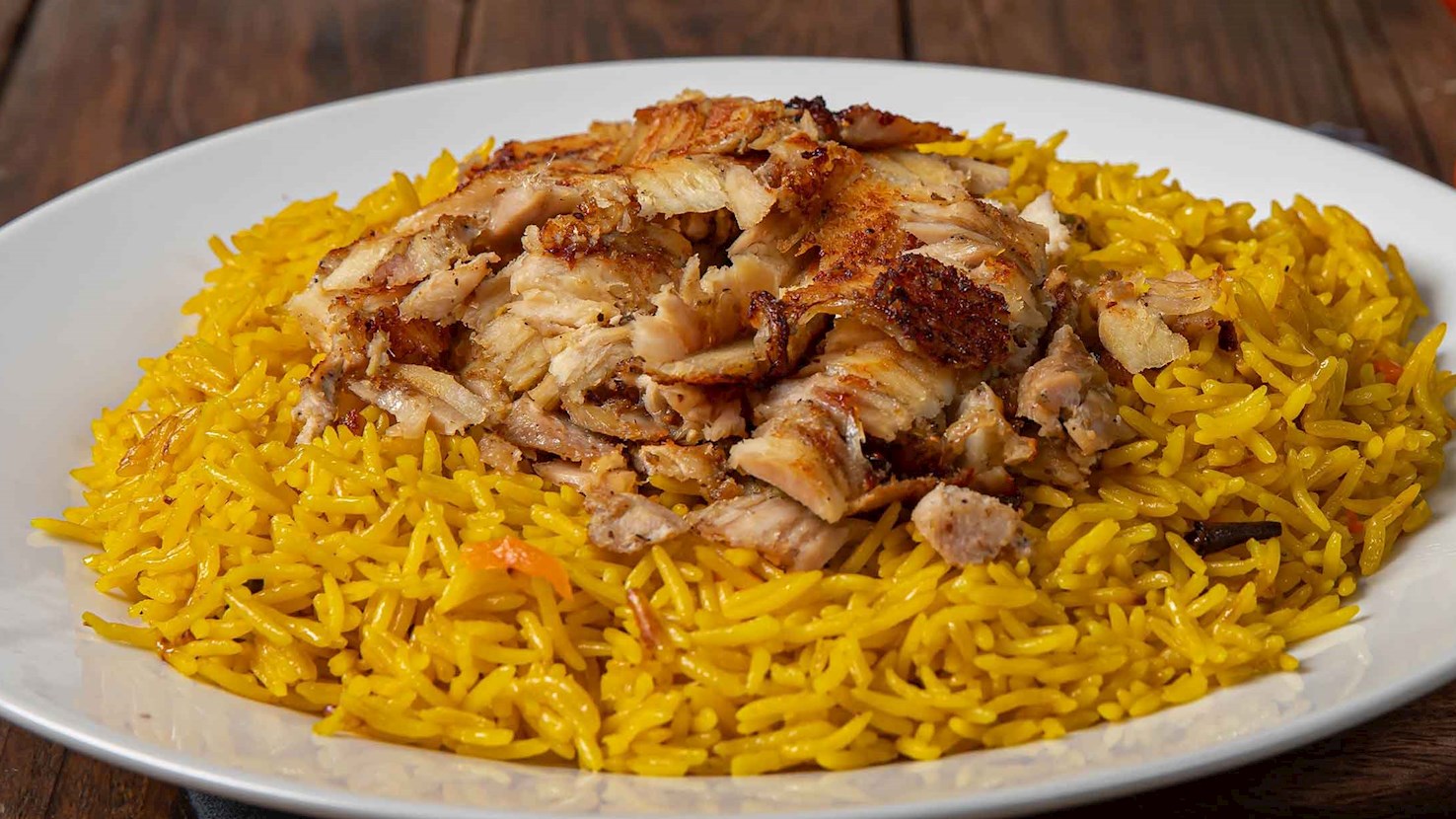
Ruz al Bukhari or Bukhari rice is a rice dish that is enjoyed throughout the Gulf States of the Arabian Peninsula. This Middle Eastern specialty is believed to derive its name from the city of Bukhara, a historically-important trading city situated on the Silk Road in Central Asia. A variety of spices such as cinnamon, cardamom, star anise, fennel seeds, cumin, coriander seeds, nutmeg, and black pepper, which used to be traded on the Silk Road, are featured in this dish, imparting a distinctive flavor and aroma to it. Chicken, lamb, or mutton typically accompany this dish, and long-grain rice is usually cooked in the aromatic broth obtained from cooking the accompanying meat. The dish is often topped with nuts, dried fruits, fried onions, or coriander leaves, and it is usually served with a green salad and salata hara (a spicy tomato sauce) on the side.
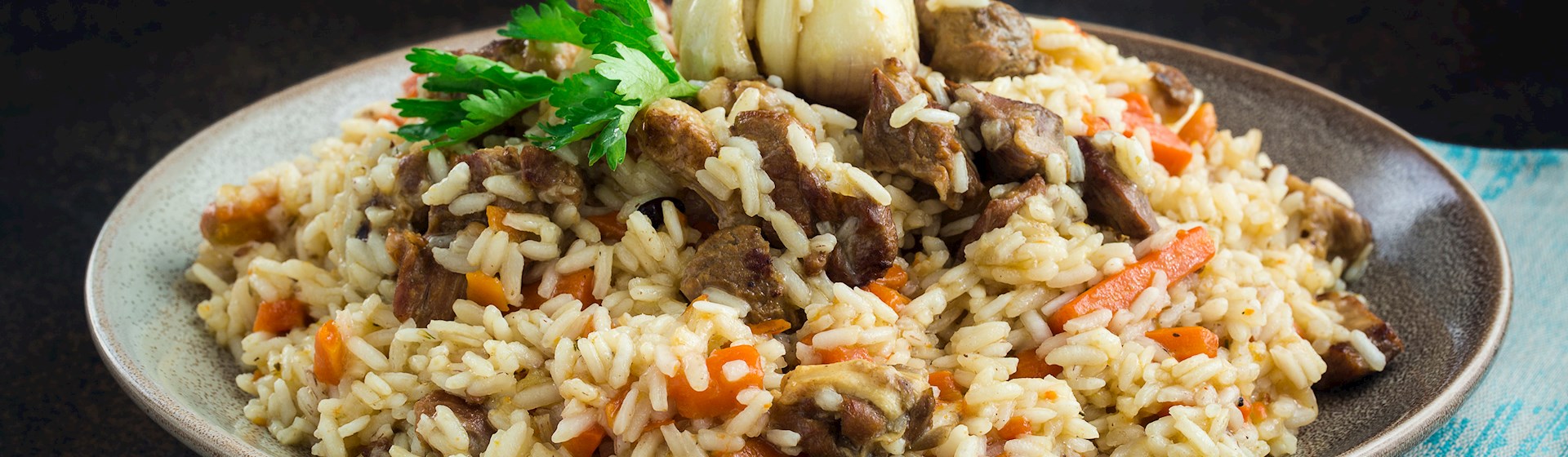
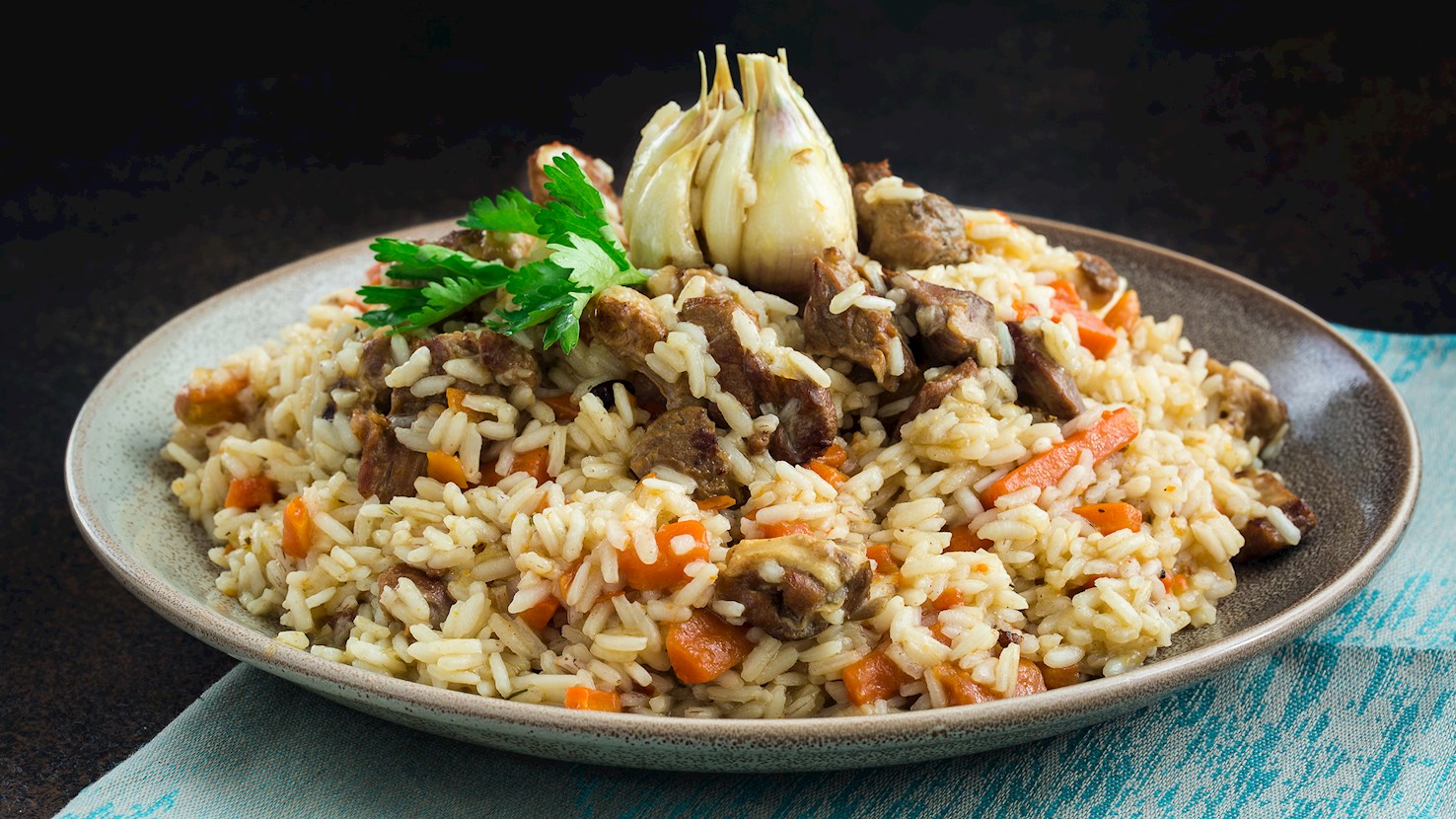
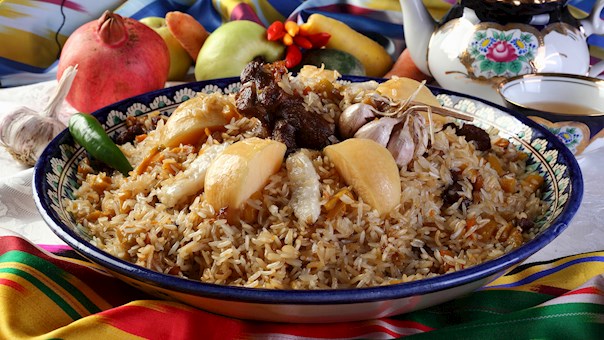
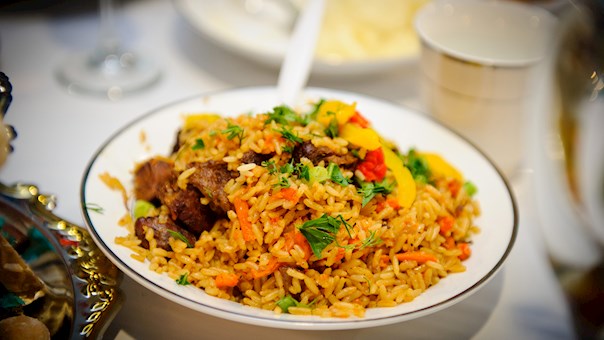
Sarimsokli palov is a traditional rice pilaf dish originating from Uzbekistan. The dish is usually made with a combination of rice, garlic, onions, carrots, mutton or beef, oil, salt, and pepper. The meat is cut into pieces and browned in oil with sliced onions and carrot strips. The mixture is seasoned with salt and pepper, covered with water, and simmered over low heat with unpeeled garlic cloves. The soaked rice is added to the pot and the dish is cooked until the water evaporates. Once done, the garlic is removed, and the rice pilaf is stirred and served on a large platter. The garlic is then peeled and arranged on top of the pilaf.
TasteAtlas food rankings are based on the ratings of the TasteAtlas audience, with a series of mechanisms that recognize real users and that ignore bot,
nationalist or local patriotic ratings, and give additional value to the ratings of users that the system recognizes as knowledgeable.
For the “29 Pilaf Varieties Ranked From the Best To the Worst” list until October 17, 2026, 811,838 ratings were recorded, of which 532,919 were recognized by the system as legitimate.
TasteAtlas Rankings should not be seen as the final global conclusion about food. Their purpose is to promote excellent local foods,
instill pride in traditional dishes, and arouse curiosity about dishes you haven’t tried.












What People Say