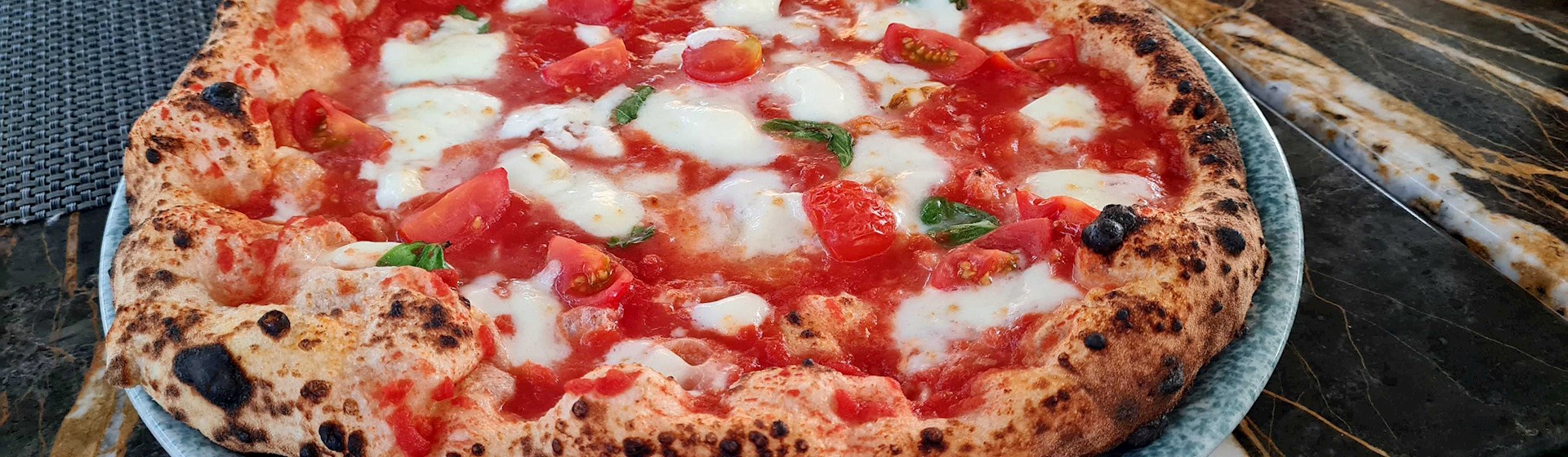
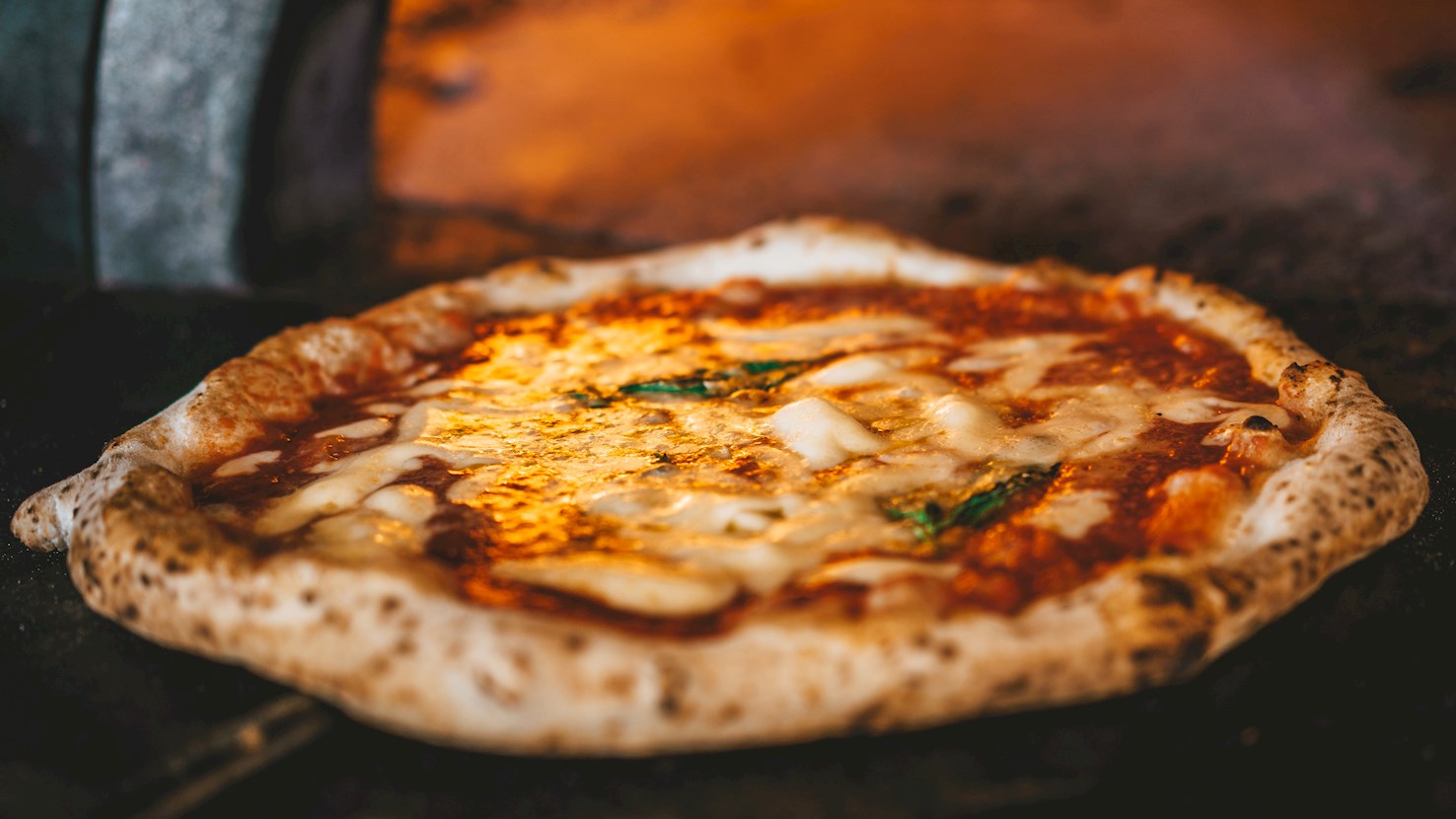
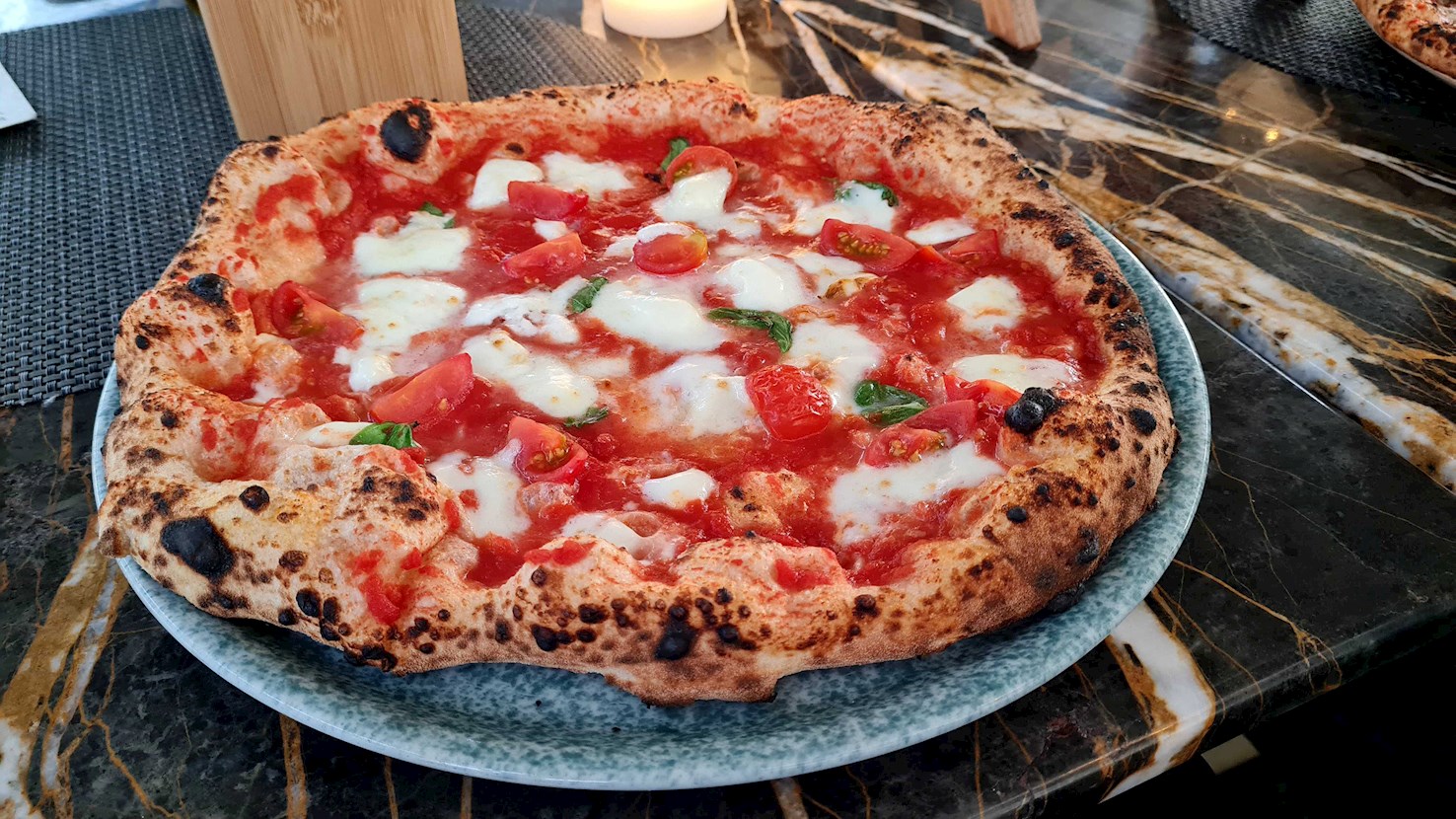
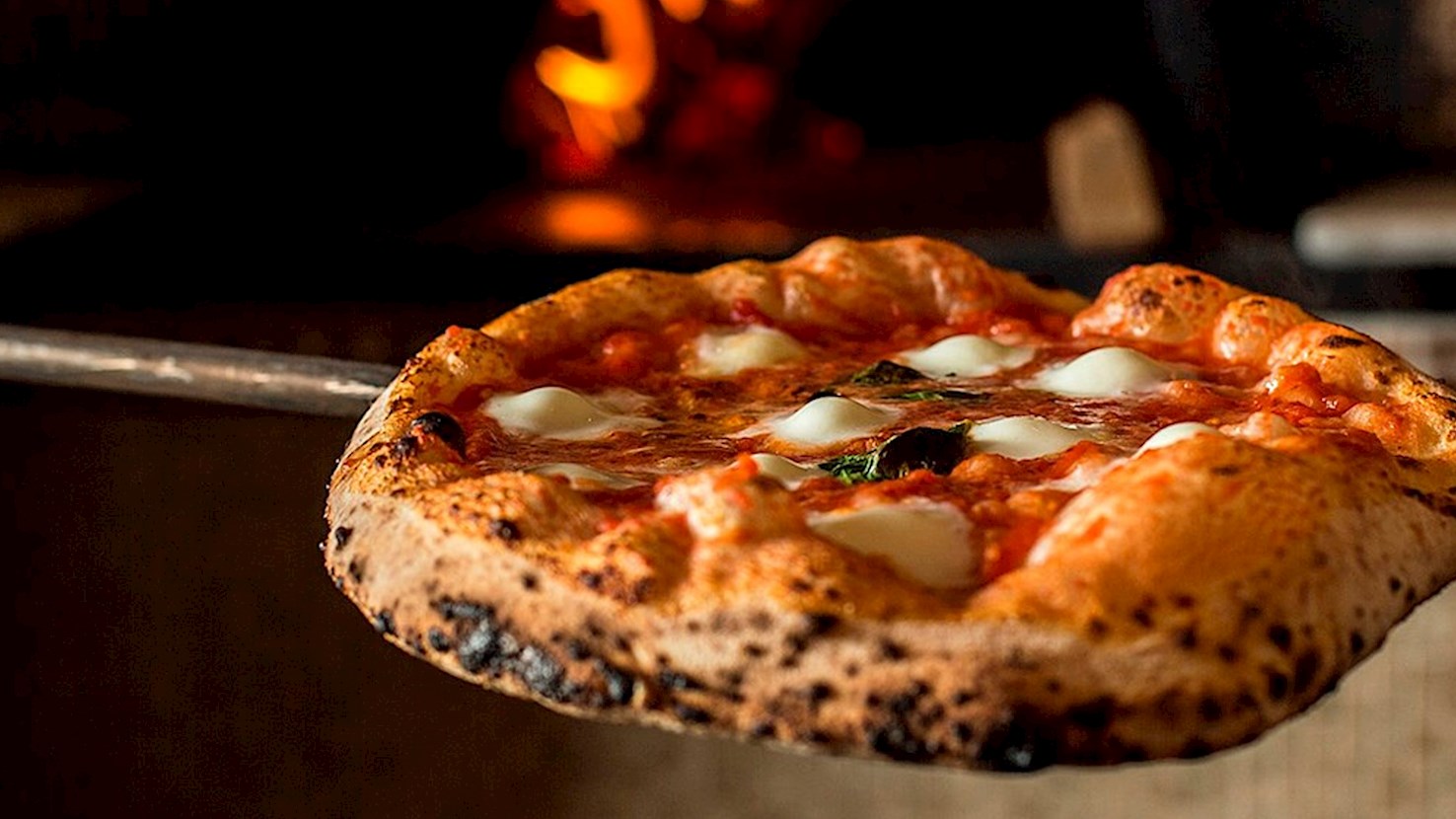
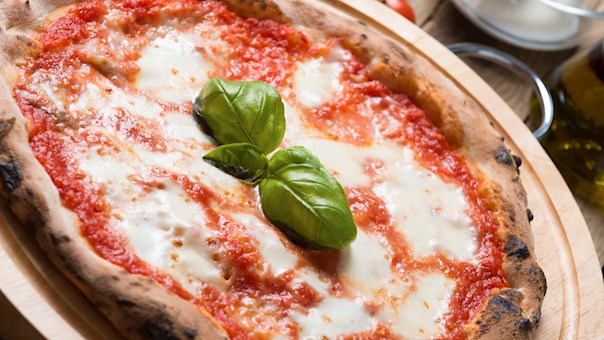
Italy’s most emblematic culinary creation, the genuine pizza Napoletana is made with just a few simple ingredients and prepared in only two variations – marinara, the basic Neapolitan pizza topped with a tomato-based sauce flavored with garlic and oregano, and margherita, which is topped with tomatoes, mozzarella, and fresh basil leaves, a delicious combination whose colors are said to represent the Italian flag. The crust is very thin at the base, and the dough puffs up on the sides, which results in airy crust that should have typical charred 'leopard spots' if baked properly. The origins of this iconic Neapolitan dish can be traced to the early 1700s, when what we know today as pizza marinara was first described by Italian chef, writer, and philosopher Vincenzo Corrado in his treatise on the eating habits of the people of Naples. Almost 200 years later, in 1889, the premier Neapolitan master pizzaiolo Raffaele Esposito added mozzarella to the mix and invented the margherita, which is now generally cited as the first modern pizza. Originally dubbed la pizza tricolore, Esposito’s creation is said to have been made in honor of and named after Margherita of Savoy, the Queen consort of the Kingdom of Italy, who was visiting Naples at the time. In 2010, as one of Italy’s most popular foods worldwide, pizza Napoletana was officially recognized by the European Union and granted the designation of Traditional Specialty Guaranteed. And remember, a good pizza Napoletana doesn't need any additions other than the designated toppings.
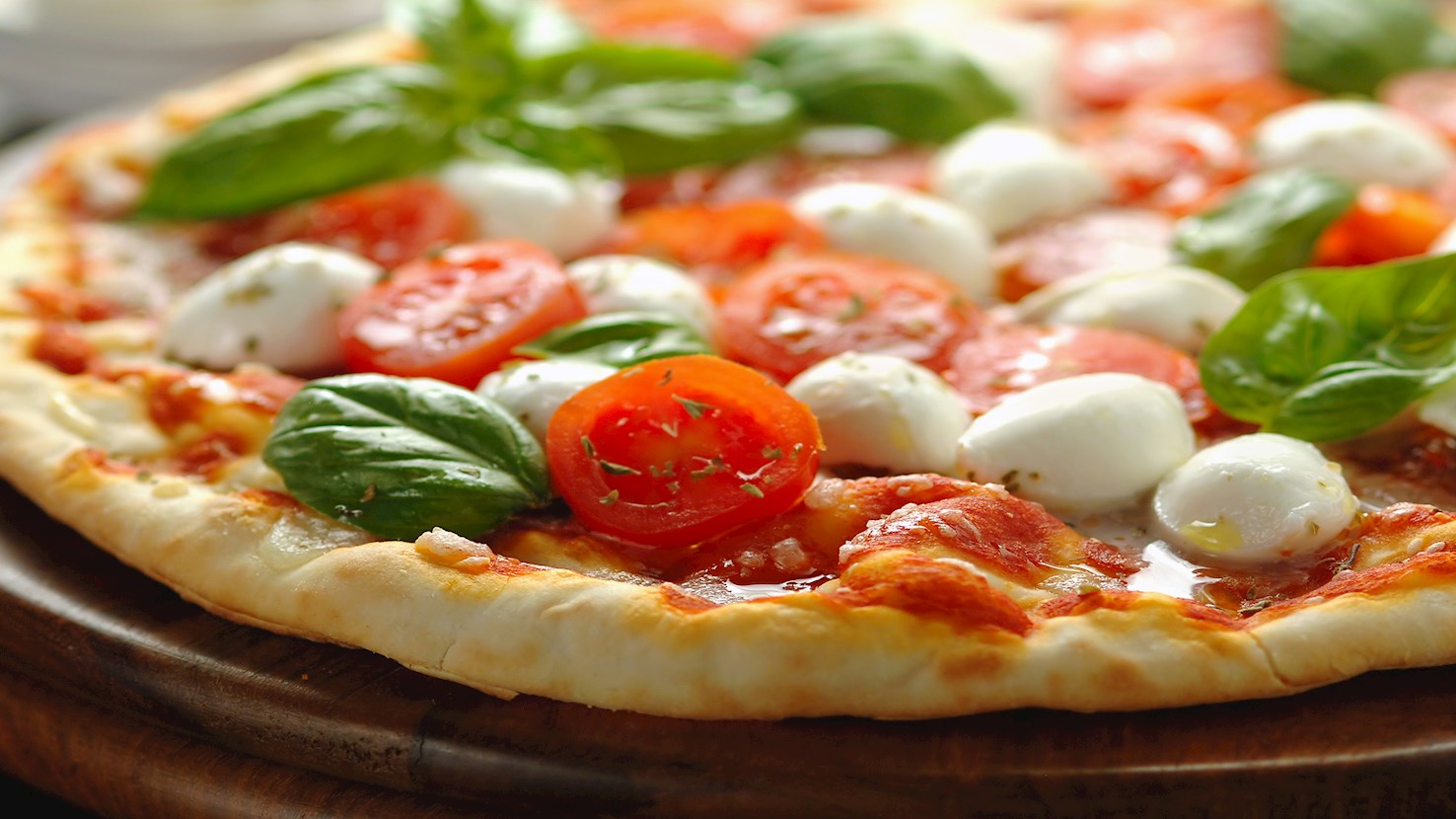
Tomato sauce, cherry tomatoes, and buffalo mozzarella are the standard toppings for pizza bufalina. Mozzarella di bufala, as they call it in Italy, is a type of mozzarella prepared with the milk of the Italian Mediterranean buffalo. Renowned for its rich flavor and tender texture, buffalo mozzarella gives this traditional pizza variety its distinctive, one-of-a-kind flavor. Pizza bufalina is typically finished off with a drizzle of olive oil and a handful of fresh basil leaves before serving.
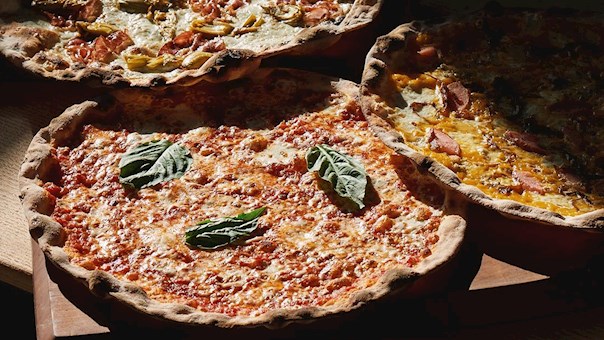
Pizza Margherita is a delicacy that is literally fit for a queen. In 1889, Queen Margherita of Savoy visited Naples, where she was served a pizza that was made to resemble the colors of the Italian flag: red tomatoes, white mozzarella cheese, and green basil. It was made by a chef named Raffaele Esposito of Pizzeria Brandi, who is credited for its invention. The Queen loved the dish, and Esposito named it after her - pizza Margherita, but such a pizza was also made before that time, and can be dated back to at least 1866, when the most popular pizza toppings included basil, cheese, and tomatoes, but the pizza was not yet named Margherita. Since those times, Margherita has become one of the most popular pizza varieties in the world, and in 2009, it was protected as one of the three Pizze Napoletane with an STG European label of protection, proving its excellence in flavor, ingredients, and traditional pizza-making techniques.
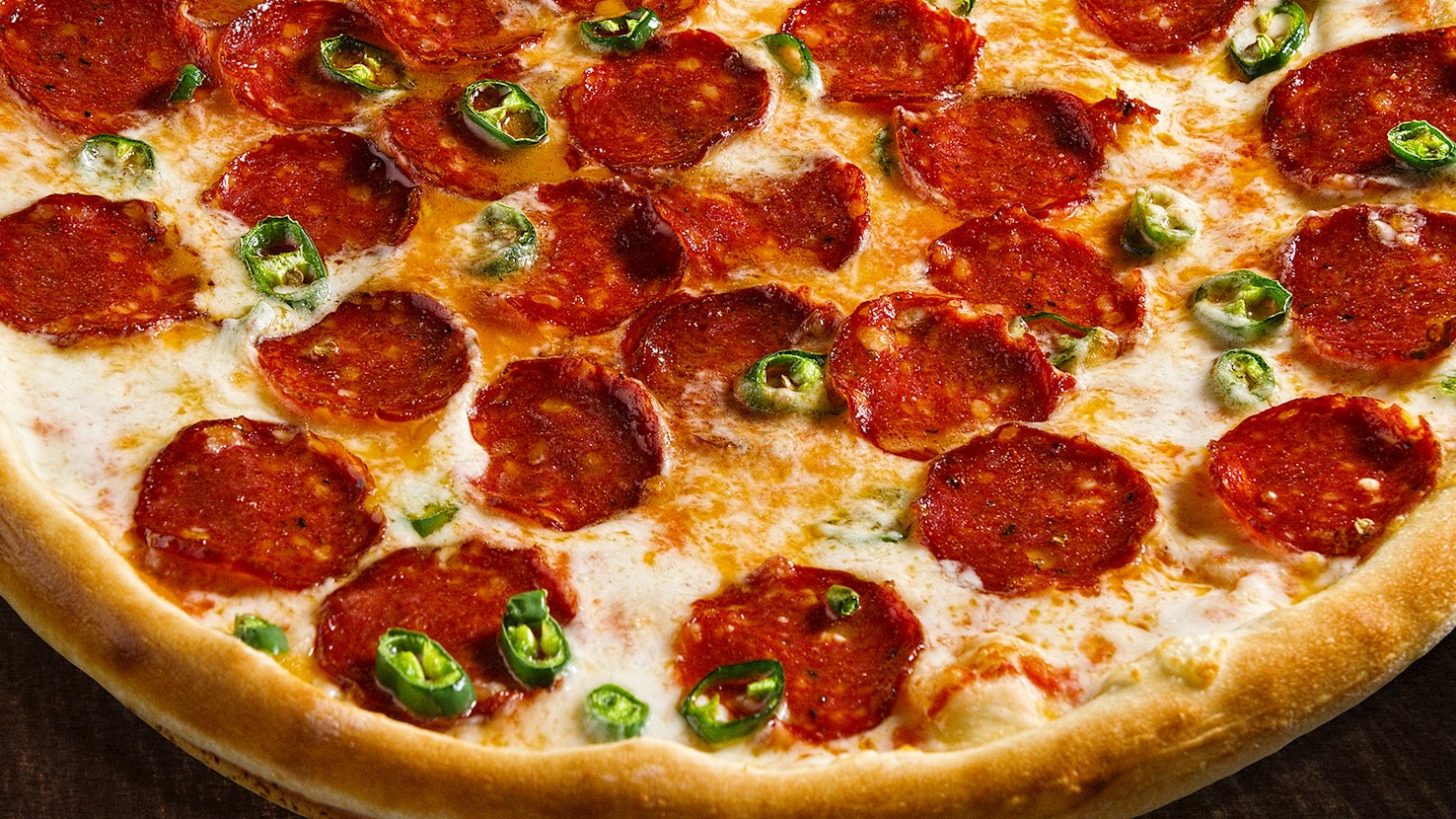
Diavola is a variety of Italian pizza that is traditionally topped with tomato sauce, mozzarella cheese, spicy salami, and hot chili peppers. Black olives are optional and can be added for extra flavor.
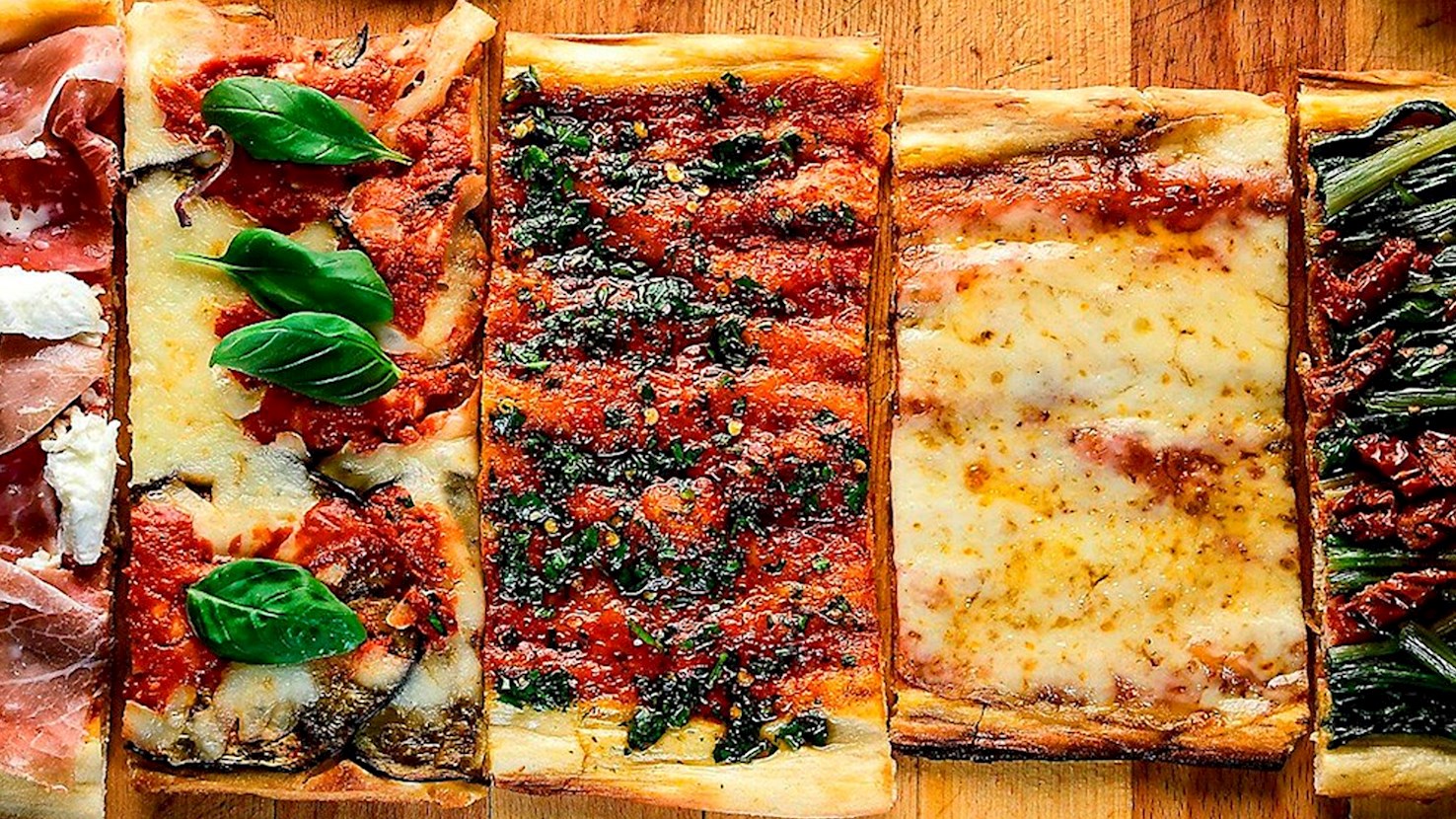
Pizza al taglio is a variety of Italian pizza that is baked in rectangular trays and sold sliced into squares or rectangles. Prices can be marked either per slice of pizza or per kilogram. The first pizza al taglio was baked in Rome in the late 1950s, when it was topped with olive oil and tomato sauce. Today, the dish is one of the most loved street food items both in Rome and in most of Italy. When making pizza al taglio, it is important to let the dough rise and ferment for a longer period of time. The dough is usually baked, topped, and then baked once more, resulting in an evenly-cooked pizza that's light, airy, and easily digestable.
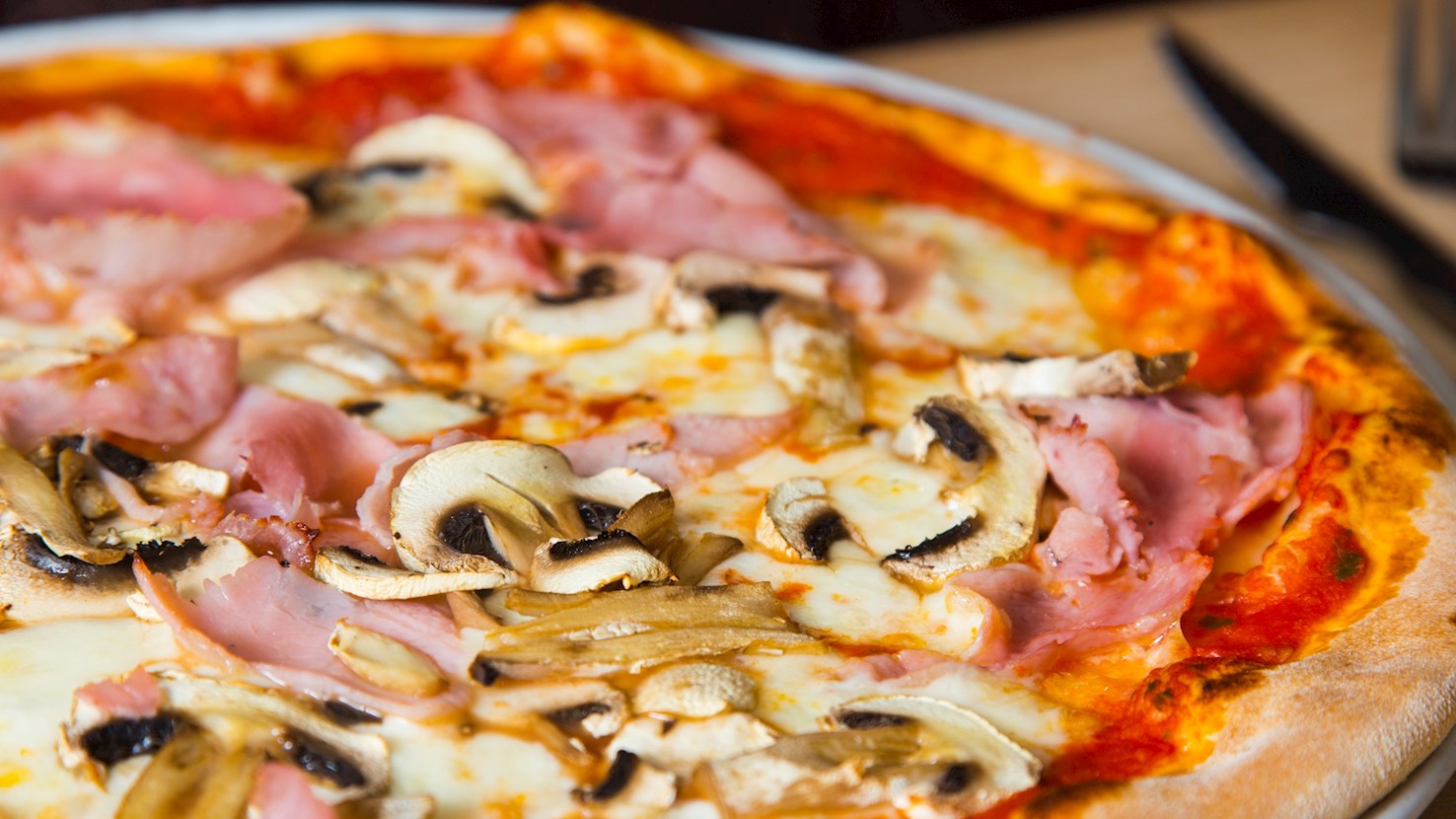
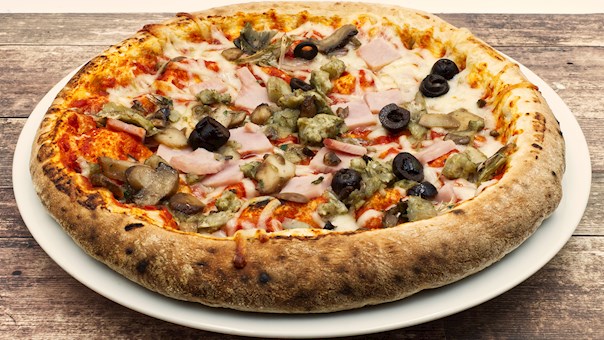
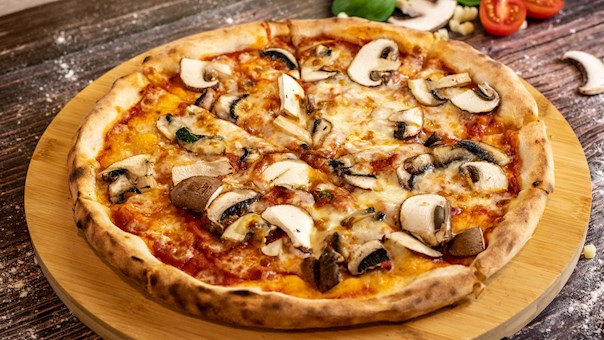
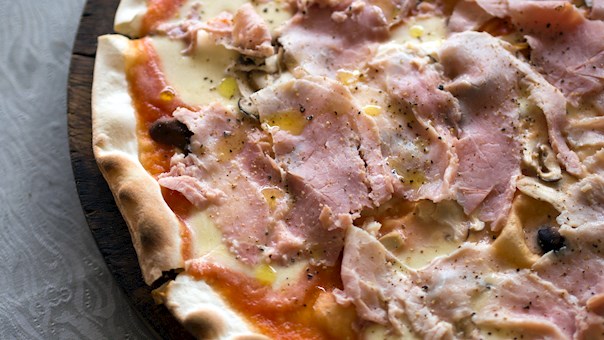
Prosciutto e funghi is a pizza variety that is topped with tomato sauce, mozzarella, thin slices of prosciutto cotto, and mushrooms. Some varieties can be topped with olives or served drizzled with olive oil.
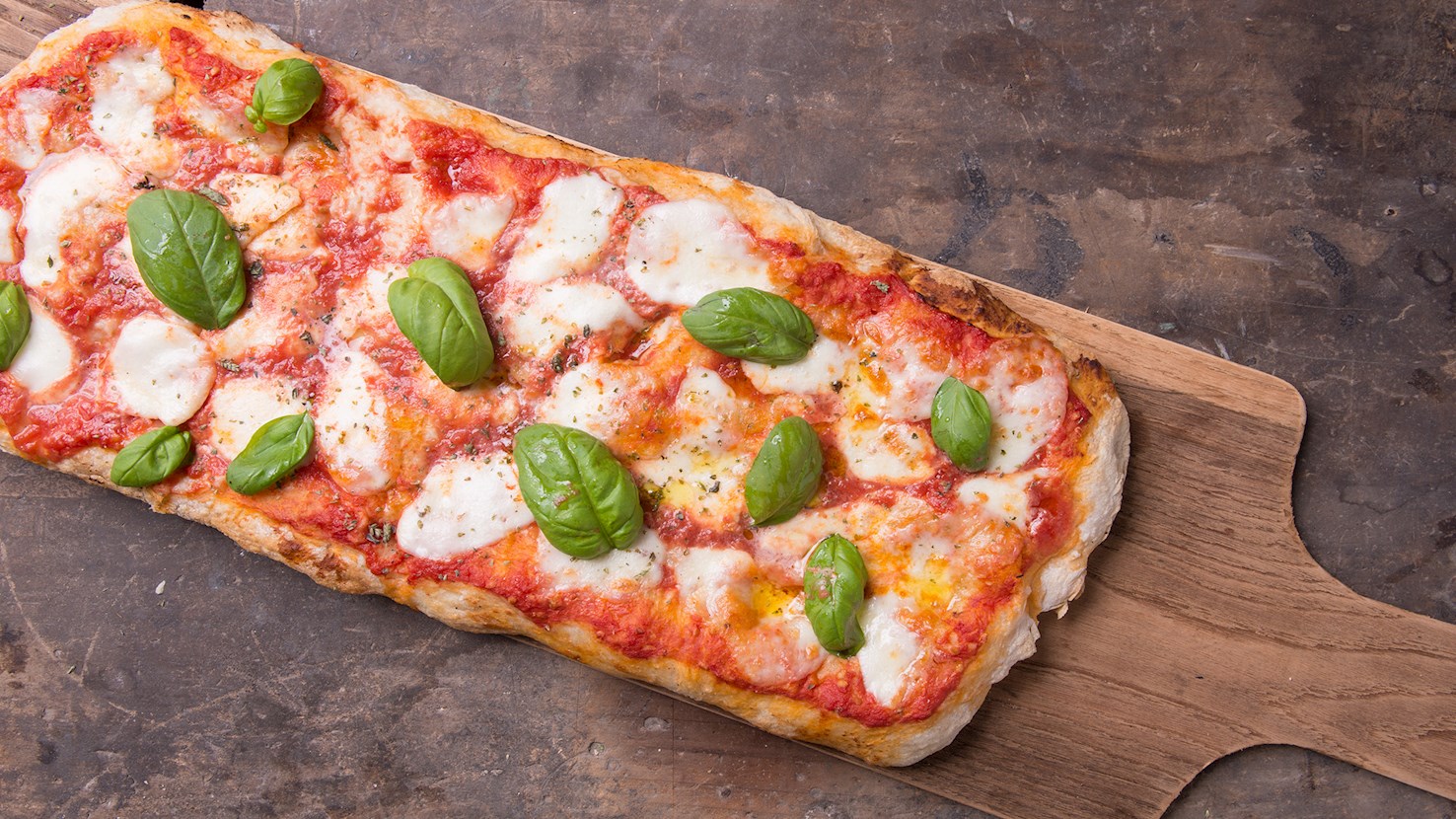
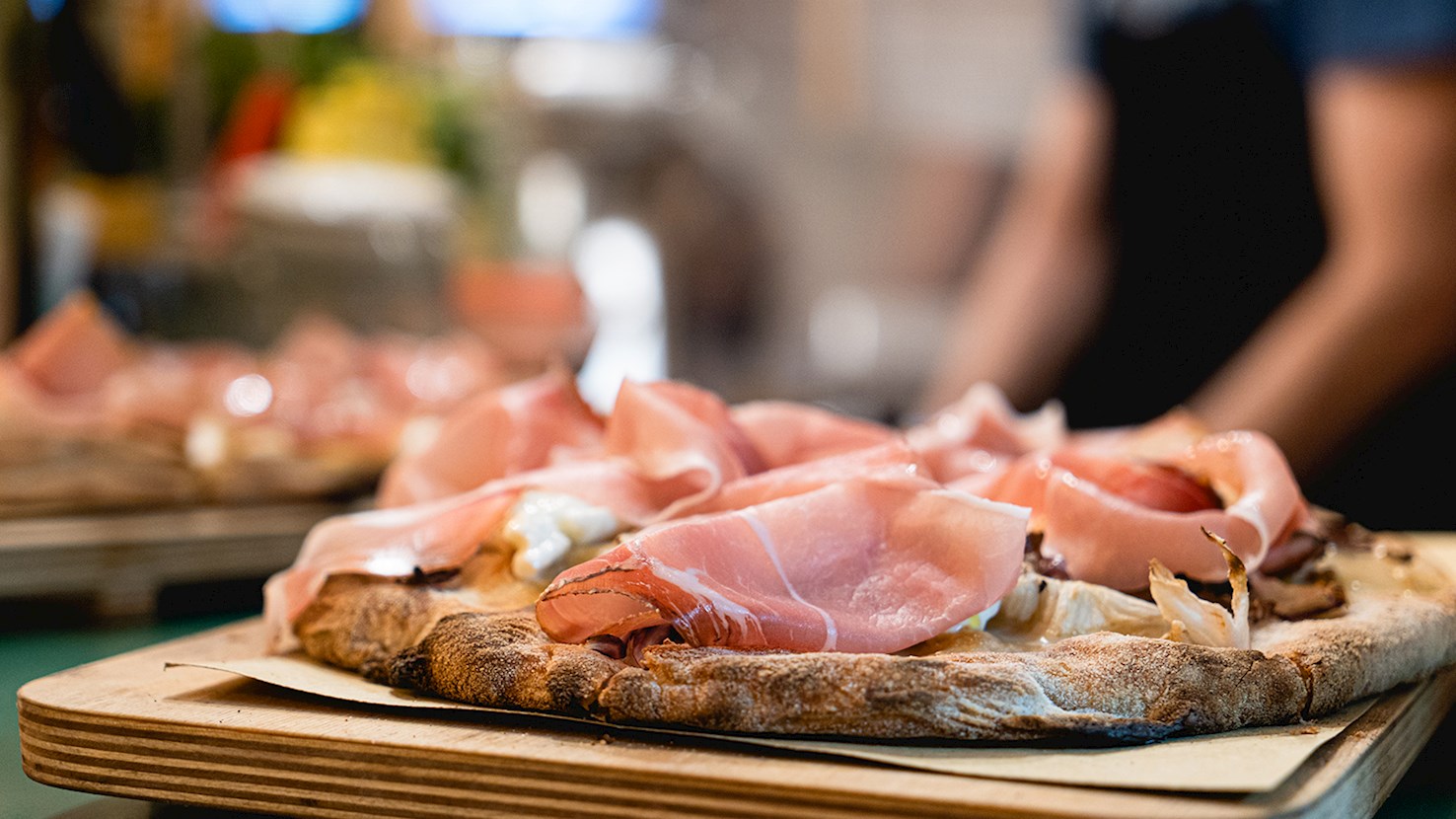
Typically shared among groups and consumed by the slice, the Roman invention known as pizza alla pala is a long, oval-shaped flatbread made with a high-hydration, long-rising dough. It is baked in electric ovens, transferred to a wooden board called pala, then topped with various fresh ingredients. The pizza is characterized by a thick crust and a tender, fluffy interior, while the toppings can be anything from prosciutto and cherry tomatoes to various cheeses, olives, and spicy salami.
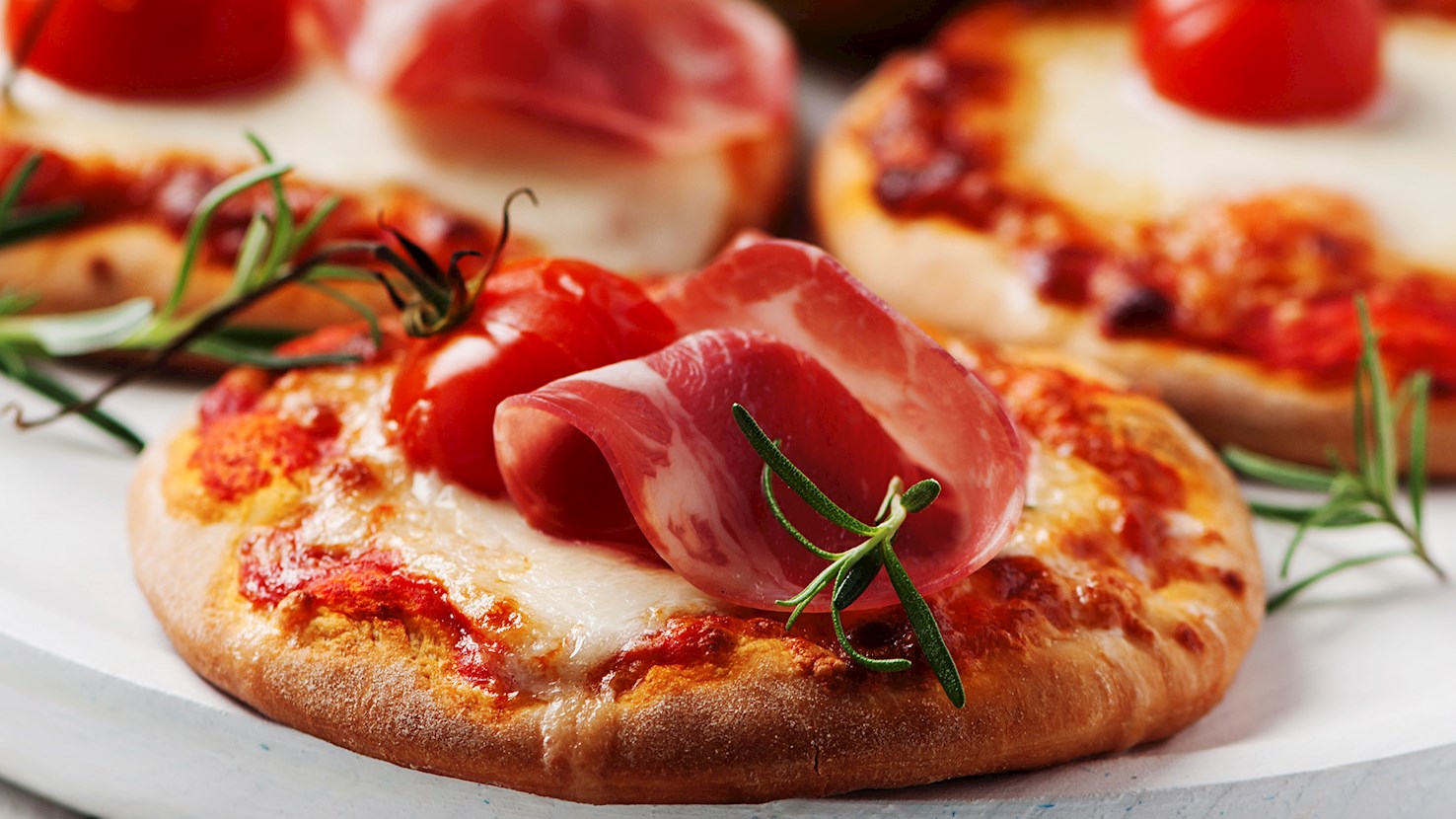
Pizzetta is a small version of pizza that varies in size and shape, so some pizzettas can even be prepared in the shape of a heart. It is made in the same way as a regular, large pizza, consisting of a dough base (or puff pastry) topped with sauces, cheeses, and various additional ingredients. The dish is usually served as an appetizer, a quick snack, or a light meal. In Rome's bakeries, pizzette are often sold by weight, and if you order an apéritif at a café, you might even get a complimentary pizzetta with your order.
Pinsa romana is an ancient Italian dish and the ancestor to the classic pizza we know today. The main ingredient is pinsa romana flour, a mix of wheat flour type 0, soy flour, rice flour, and dried mater dough. This ancient pizza has an oval (or sometimes rectangular) shape, the higher hydration of the dough (making it more digestible), and the dough contains less fats and carbohydrates than regular pizza. The dough for pinsa romana is always prepared with cold water. In ancient Rome, pinsa was prepared by poor peasants, and the name is derived from the word pinsere, meaning to stretch or to spread, referring to the dough and its elongated shape. Due to the fact that the major difference between pinsa romana and pizza is in the dough, not the toppings, it can be topped with most ingredients, such as tomato sauce, herbs, mozzarella, salami, and mushrooms.
This is a variety of Italian pizza that is traditionally topped with cherry tomatoes, mozzarella di bufala, olive oil, and fresh basil leaves. It provides a great way to use up leftover tomatoes, and some cooks like to finish it off with a drizzle of balsamic reduction on top.
TasteAtlas food rankings are based on the ratings of the TasteAtlas audience, with a series of mechanisms that recognize real users and that ignore bot,
nationalist or local patriotic ratings, and give additional value to the ratings of users that the system recognizes as knowledgeable.
For the “Top 98 Pizzas in the World” list until April 15, 2026, 15,995 ratings were recorded, of which 13,138 were recognized by the system as legitimate.
TasteAtlas Rankings should not be seen as the final global conclusion about food. Their purpose is to promote excellent local foods,
instill pride in traditional dishes, and arouse curiosity about dishes you haven’t tried.