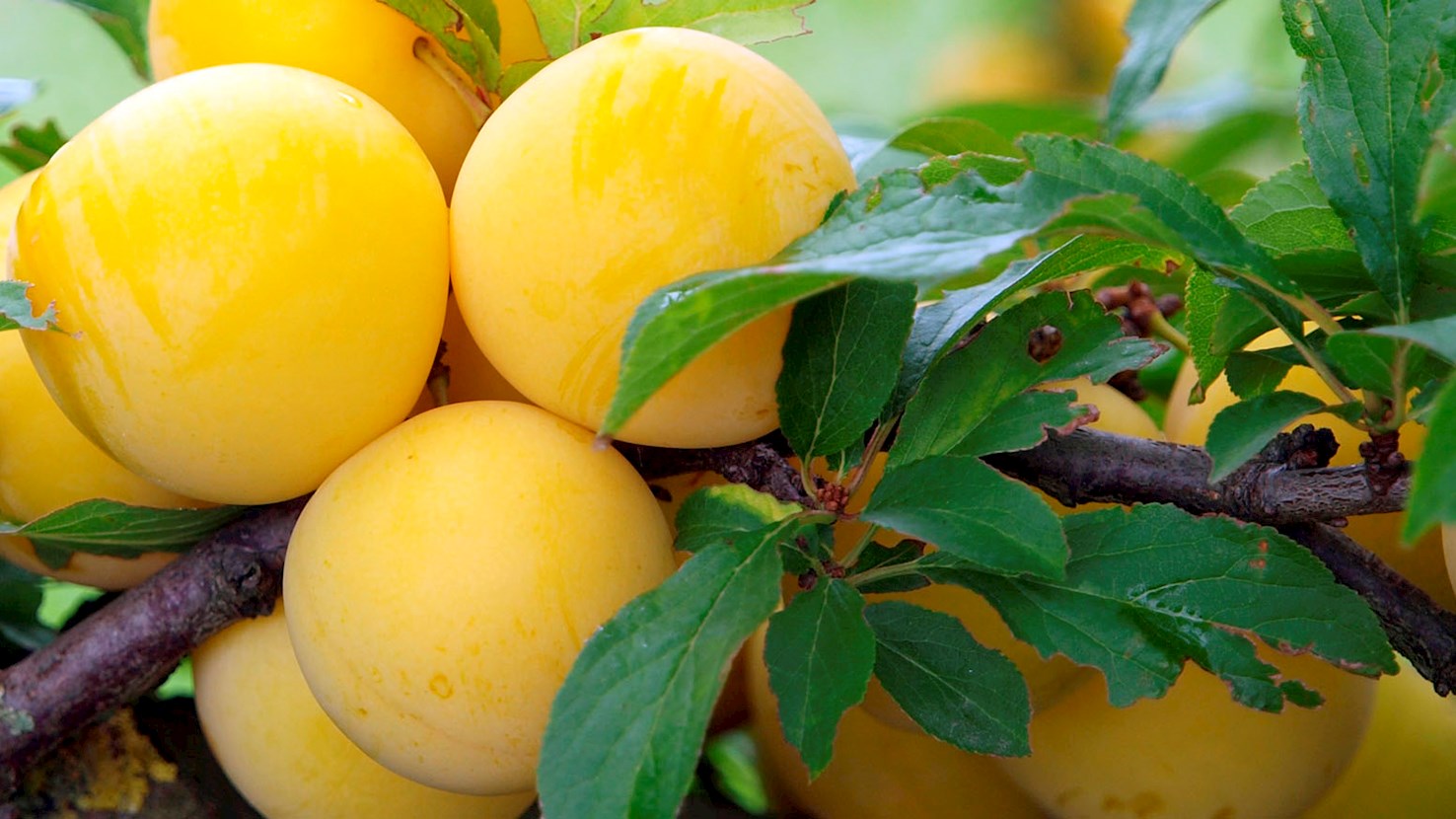
A specialty of the Lorraine region in France since the 16th century, these plums are small with a striking yellow to golden color. Their flesh has a smooth, fine texture and on the outside, the skin has numerous tiny spots. Usually eaten fresh or cooked in jams and pies, Mirabelle plums have a sweet, delicate taste and are harvested in September. A great thing about them is that they don't have a pit on the inside, so there is no need to manually remove it before cooking. The plums can also be used in tarts, souffles and sauces, and chefs are still inventing new recipes based on these unique plums.
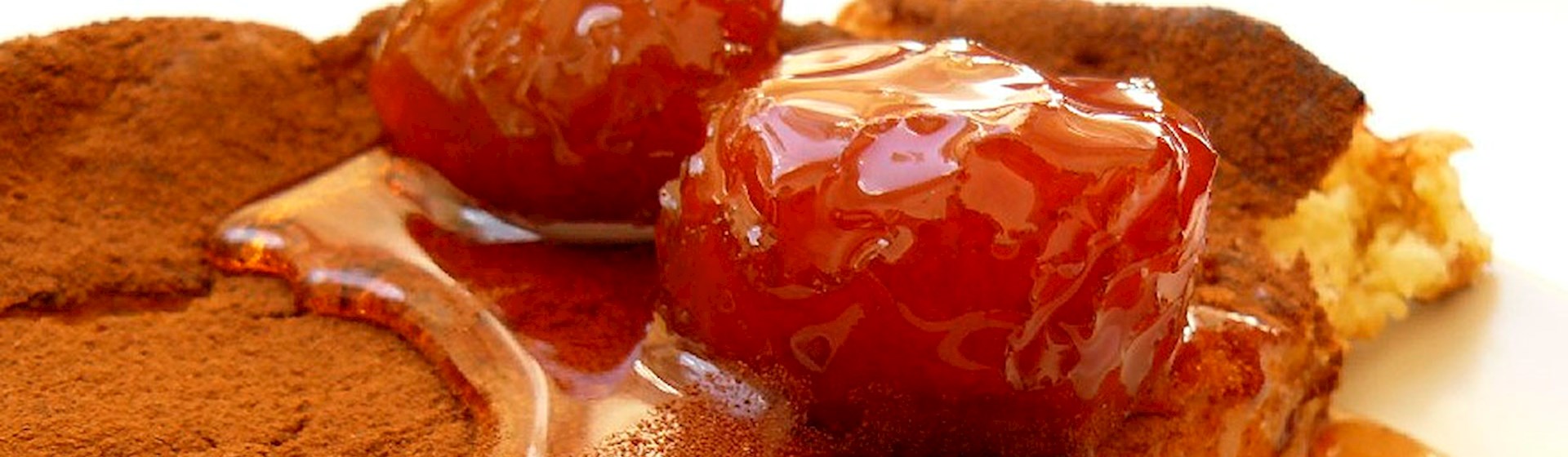
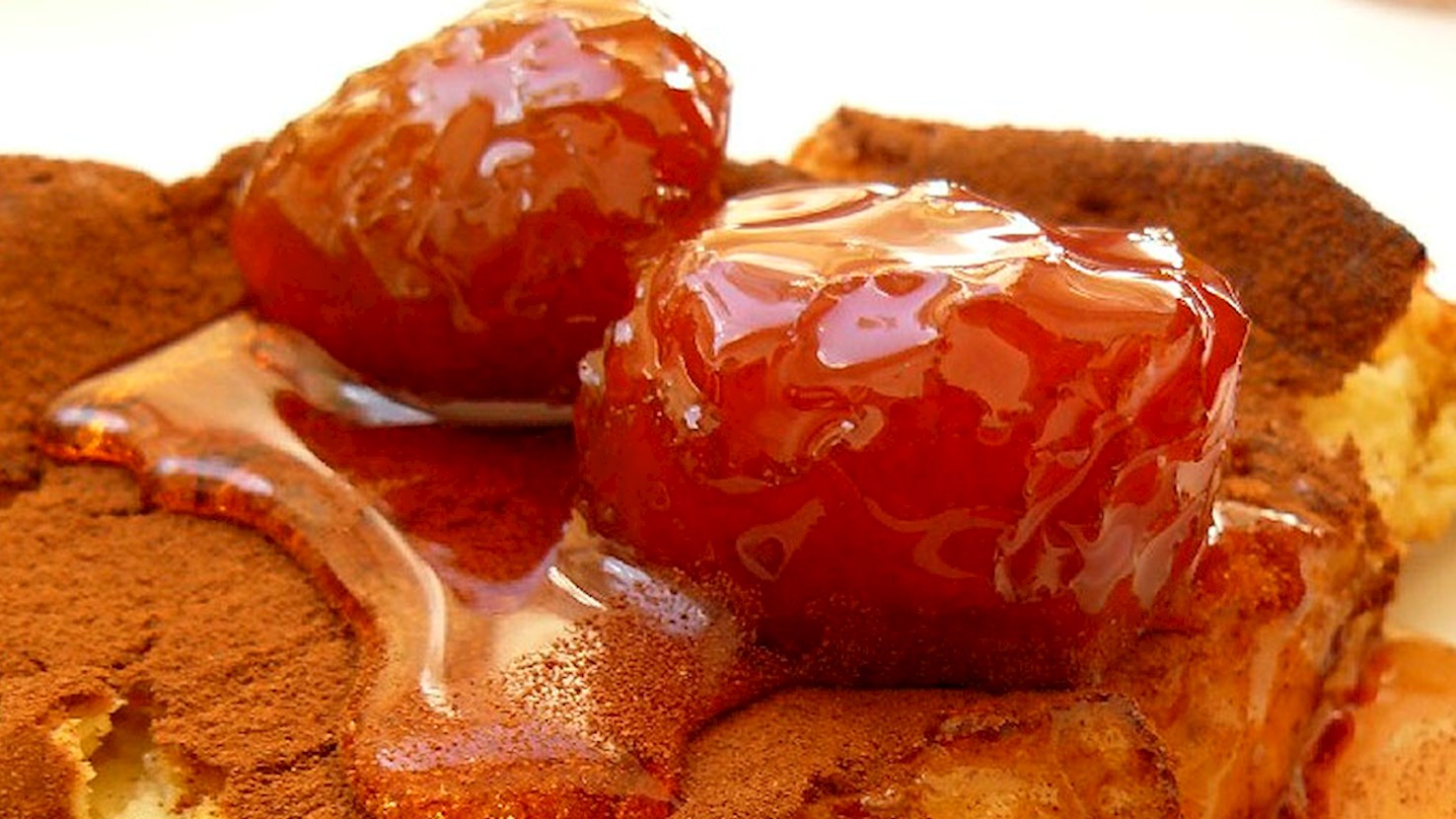
This plum dessert is made from the fruit of the Queen Claudia Verde cultivar. Originally from France, this type of plum is a staple of the Portalegre region. Grown in deep, well-drained soil and under the bright Portuguese sun, Elvas plums are usually picked while still green, during June and July. They are then transported to factories, where they are processed the very same day into this famous plum confit, which is made by cooking and reducing the plums with sugar syrup, creating a rich dessert with an intensely sweet flavor and aroma.
Susina di Dro is a fresh plum produced within numerous municipalities in the Autonomous Province of Trento, situated in the Sarca Valley in Trentino-Alto Adige. It is distinguished by its high content of polyphenols and low sugar content: these two characteristics are closely tied to the distinctiveness of the production area, especially the regular winds. The most important is the so-called Ora del Garda which guarantees clear skies and, therefore, continuous sunshine, as well as high temperatures. Two different growing methods are used during the production process: pieno vento and fusetto. Susina di Dro has a delicate sweet-acidulous flavor, and apart from being enjoyed in its natural form, it can be dried or used in the preparation of juices, jams, ice-cream, syrups, fermented drinks and liqueurs. It is also an excellent ingredient for desserts, such as clafoutis and plum crumble. Dro - the time of plum is an annual event which takes place in the area every August and it is the modern day version of an initiative which began in the 1970s.
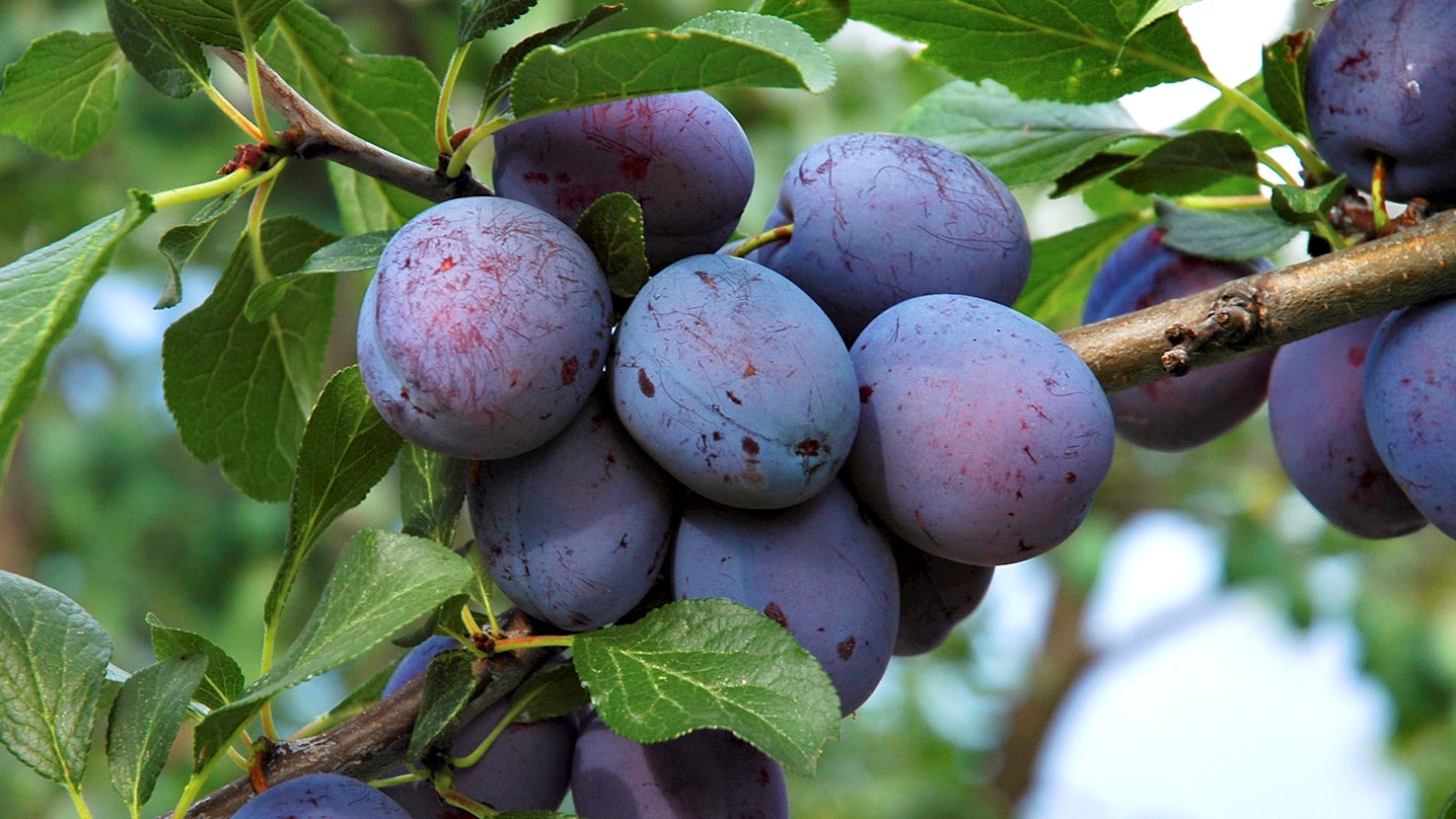
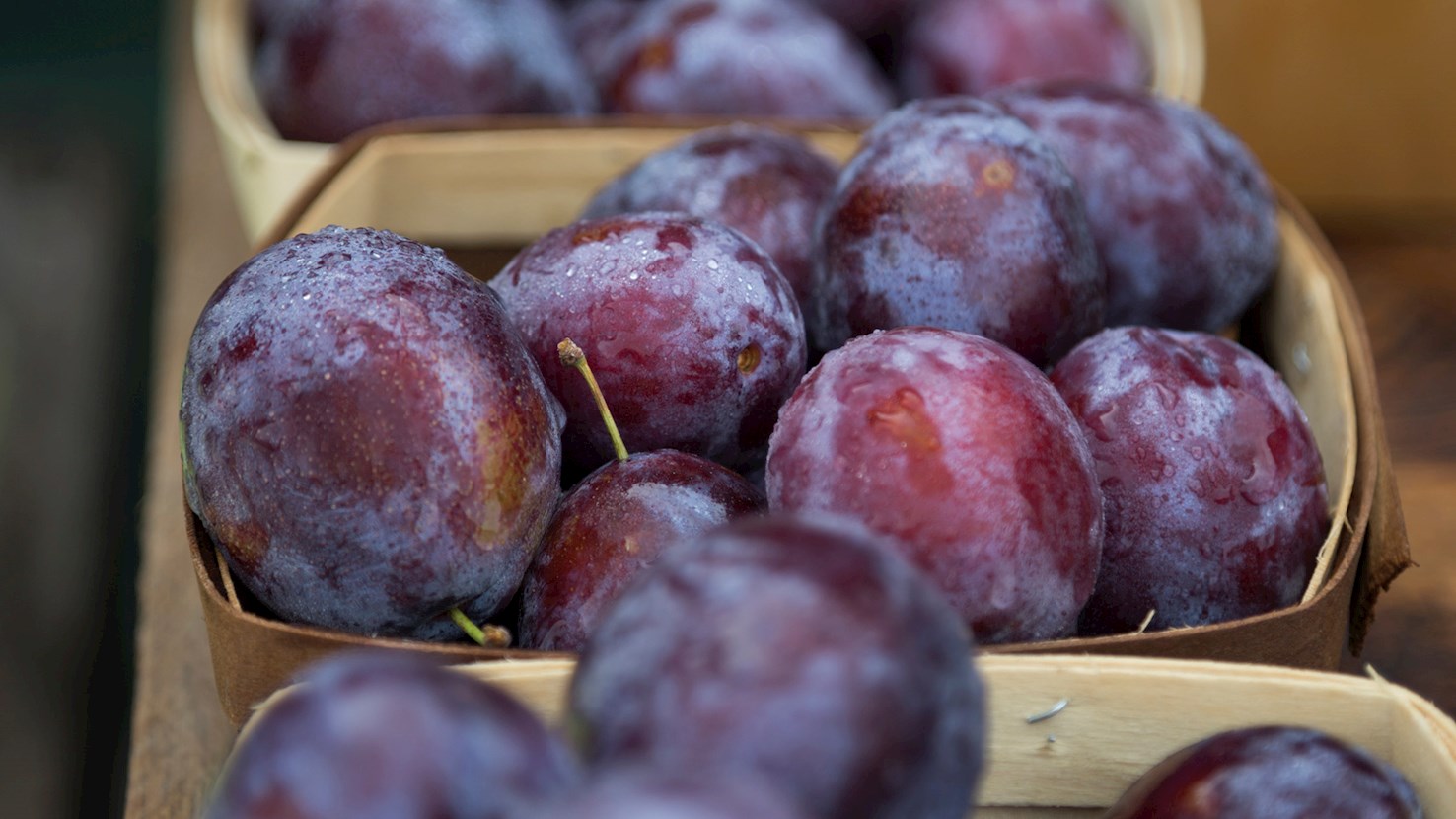
Susine, or how they call it in a local Ligurian dialect, balle d'ase (lit. balls of asses) is a variety of a very small plum grown around the community of Pignone. Although miniature, these violet-colored plums are extremely delicious, and therefore very popular. They can be enjoyed raw, or used to prepare a wide range of desserts.
Reine-Claude is a group of green to yellow-green plums grown primarily in France and recognized for their high sugar content, soft flesh and suitability for fresh eating and cooking. They are widely cultivated in the Loire Valley, southwest France and several central regions where the climate suits stone fruits. The plums are medium-sized, round, and characterized by thin skin and aromatic flesh that stays green even at full ripeness, a feature that sets them apart from many other dessert plums. Their emergence in French orchards is linked to the sixteenth century, when the fruit became associated with Queen Claude of France, after whom the group of cultivars was named. Orchard records and agricultural notes from that period document rapid adoption across central and western France due to the fruit’s sweetness and stable yields. Over time, several cultivars developed under the Reine-Claude name, including Reine-Claude Dorée, Reine-Claude Verte and Reine-Claude de Bavay, each with slight differences in color, timing and size but sharing similar flavor characteristics. During the nineteenth and early twentieth centuries, as European fruit nurseries spread preferred varieties across borders, Reine-Claude plums were exported and planted in England, Germany, Spain and later in parts of Eastern Europe. From there, they reached orchards in the United States, particularly the Pacific Northwest and pockets of California, where specialty growers cultivate them on a smaller scale. Preparation depends on intended use. When eaten fresh, the plums are washed, pitted and served at room temperature to preserve their texture and sweetness. For cooking, they are well suited to jams, tarts, pastries and compotes because their flesh holds its shape under heat, producing thick, fragrant fillings without breaking down completely. Their consistently high natural sugar level reduces the need for added sweeteners and gives cooked preparations a pronounced, concentrated fruit flavor. Reine-Claude plums are eaten across France during their late-summer season and appear in markets, bakeries and home kitchens. Outside France, they are consumed in countries where they are grown, often as a specialty fruit with a shorter market presence than commercial red or purple plums. They are served fresh, folded into desserts or preserved for later use. They pair well with mild cheeses, yogurt, light custards and soft pastries, and match beverages such as Loire Valley white wines, sparkling wines, floral herbal teas and mild coffees that complement rather than overshadow their sweetness and aroma.
TasteAtlas food rankings are based on the ratings of the TasteAtlas audience, with a series of mechanisms that recognize real users and that ignore bot,
nationalist or local patriotic ratings, and give additional value to the ratings of users that the system recognizes as knowledgeable.
For the “Top 5 Western European Plums” list until June 02, 2026, 42 ratings were recorded, of which 30 were recognized by the system as legitimate.
TasteAtlas Rankings should not be seen as the final global conclusion about food. Their purpose is to promote excellent local foods,
instill pride in traditional dishes, and arouse curiosity about dishes you haven’t tried.