

shutterstock

Top 7 Portuguese Pome Fruits

Last updated on June 15, 2026
01

Pêra Rocha do Oeste

4.3 ·

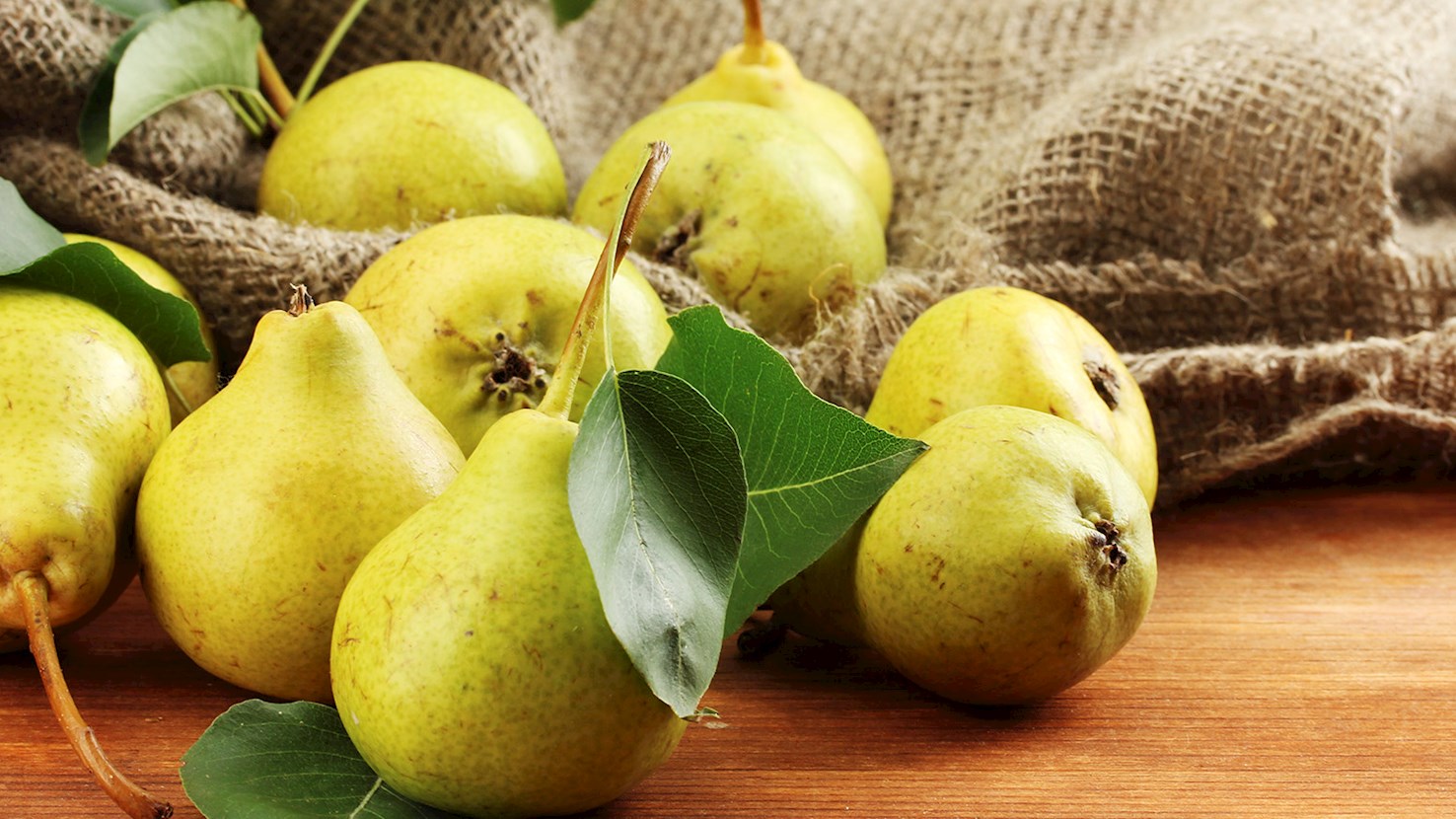
This cultivar of the Pyrus communis species, also known as Rocha, hails from the Portuguese municipalities of Leiria, Santarém, and Lisbon. According to legend, the Pera Rocha was discovered by farmer Pedro Antonio Rocha in the town of Obidos north of Lisbon. Rocha found a pear tree that bore exceptional fruit and shared grafts of the tree with his neighbours and friends, resulting in the rapid spread of the varietal throughout the region. The pears are harvested from August through late September, and the fruit are picked both by hand and mechanically. Rocha do Oeste pears have an elongated oval shape, a light yellow color, and occasional pink spots. The flesh is white, sweet, soft, and slightly grainy, and the fruit is exceptionally juicy and fragrant. It is a great variety for producing fruit juices, jams, and desserts, such as Pera Rocha cozida em bom vinho – pears boiled in red wine topped with sugar and cinnamon.

02

Maçã Bravo de Esmolfe

4 ·

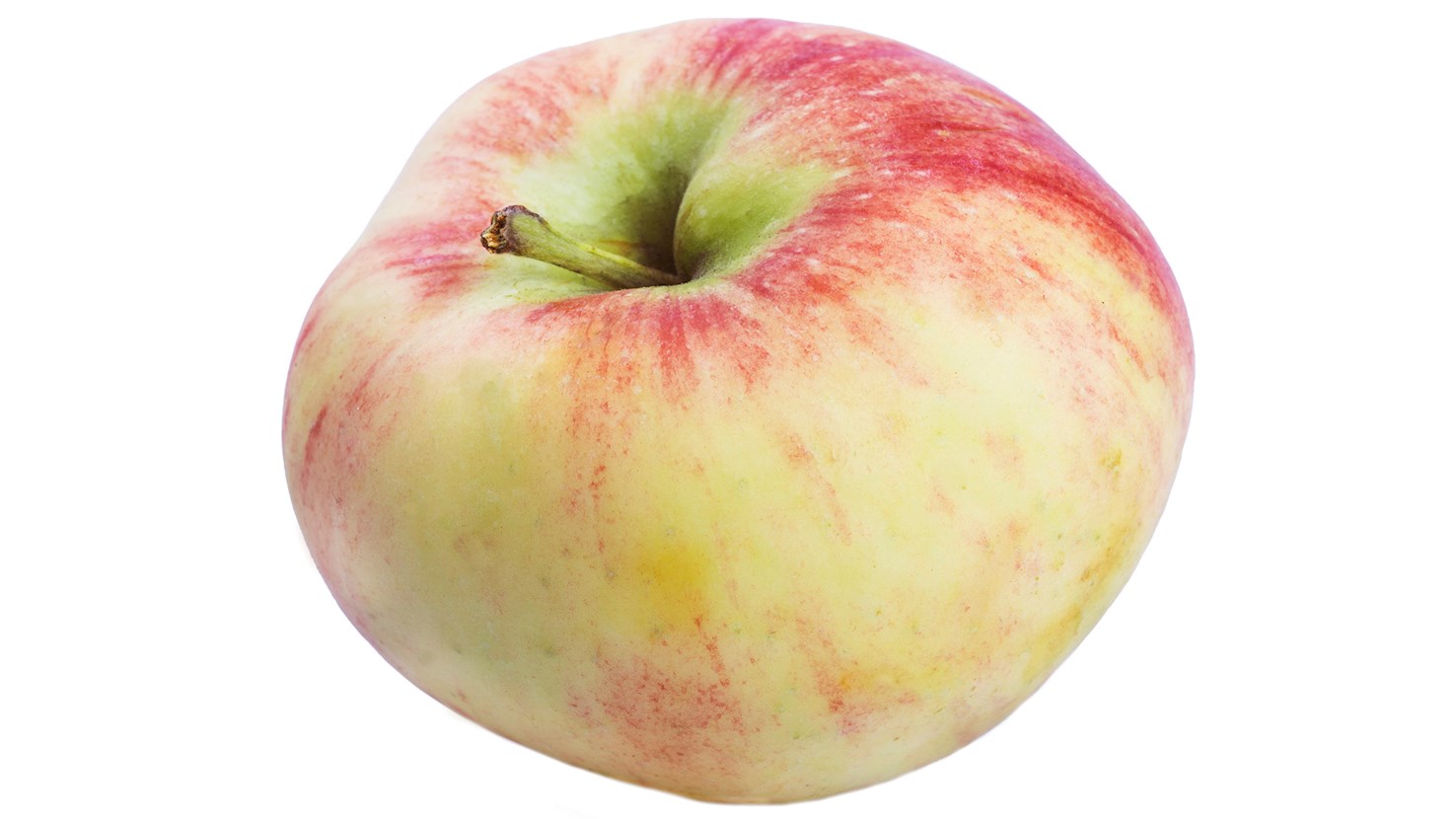
This variety of apples is characterized by its long shelf life and intense, unique fragrance. They are grown and harvested in the districts of Coimbra, Viseu, Guarda, and Castelo Branco in Portugal. The trees of this varietal bear fruit only when they are three or four years old, but the unique qualities of the fruit make it worth the wait. They have a white peel with some reddish spots dispersed throughout, and a soft, sweet, juicy flesh. These apples are usually eaten raw after a meal, but their intense fragrance can also be put to excellent use when dried to perfume small spaces, such as drawers or cabinets.

03

Maçã de Alcobaça

4 ·

Maçã de Alcobaça are apples from the Royal Gala, Red and Golden Delicious, Jonagold, Fuji, Casanova de Alcobaça, Granny Smith and Reineta Parda varieties, characterized by their excellent organoleptic qualities, sweetness and juiciness. The Royal Gala has fine flesh and is very sweet and fragrant. Red Delicious has white-colored flesh, firm texture and an aroma is reminiscent of a pineapple. The Jonagold, Golden and Reineta have a flavorful, bittersweet pulp. Fuji has greenish-white-colored flesh, a very sweet flavor, and a fragrant aroma. The Casanova and the Granny Smith varieties have white flesh, soft texture and a sweet and pleasant taste. The apples are renowned for high levels of natural sugar, their intense smell and bright, shiny colors and are used as a dessert after big meals or eaten fresh as a healthy snack.

04

Maçã da Beira Alta

3.5 ·

These apples belong to the Golden, Gala, Red Delicious, Starking, Jonagold, Granny Smith, and Jonared Reineta varieties. They are grown in Terras do Demo, literally translated as 'lands of the devil', in the Beira interior, a region named after its harsh climatic conditions with typically cold winters and hot, dry summers. Despite the hellish weather, the apples raised in this region are of excellent quality, and have a distinctive flavor and sweet, juicy flesh. The hot summers with little rain ensure that the fruit develops a deep red skin and high sugar content. Beira Alta apples are usually eaten after meals as a dessert or baked, sprinkled with sugar, and paired with Porto wine.

05

Maçã Riscadinha de Palmela

n/a ·

These Portuguese apples are characterized by their intense aroma, their unusual, oblong shape, and their bright colors with recognizable reddish spots dispersed throughotu the skin. These apples have been produced in the Portuguese municipality of Palmela since the 19th century. Tender, sweet, and juicy, these apples bloom early and mature by mid-July. They are commonly eaten after a meal as a dessert or used in various regional tarts and pies.

06

Maçã da Cova da Beira

n/a ·

These apples hail from three varieties – Golden Delicious, Red Delicious, and Jersey Mac. They have unique organoleptic properties that come from the special soil and climate of the region in which they are grown, situated between Serra da Gardunha and Serra da Estrela in Portugal. The climate of this territory shelters the apple trees grown there from strong Atlantic winds. Medium to large in size, the apples are characterized by their typical bright color of their skin, which usually ranges from yellow to red. They are eaten whole or sliced, or can be used in the production of fruit juices and numerous desserts.

07

Maçã de Portalegre

n/a ·

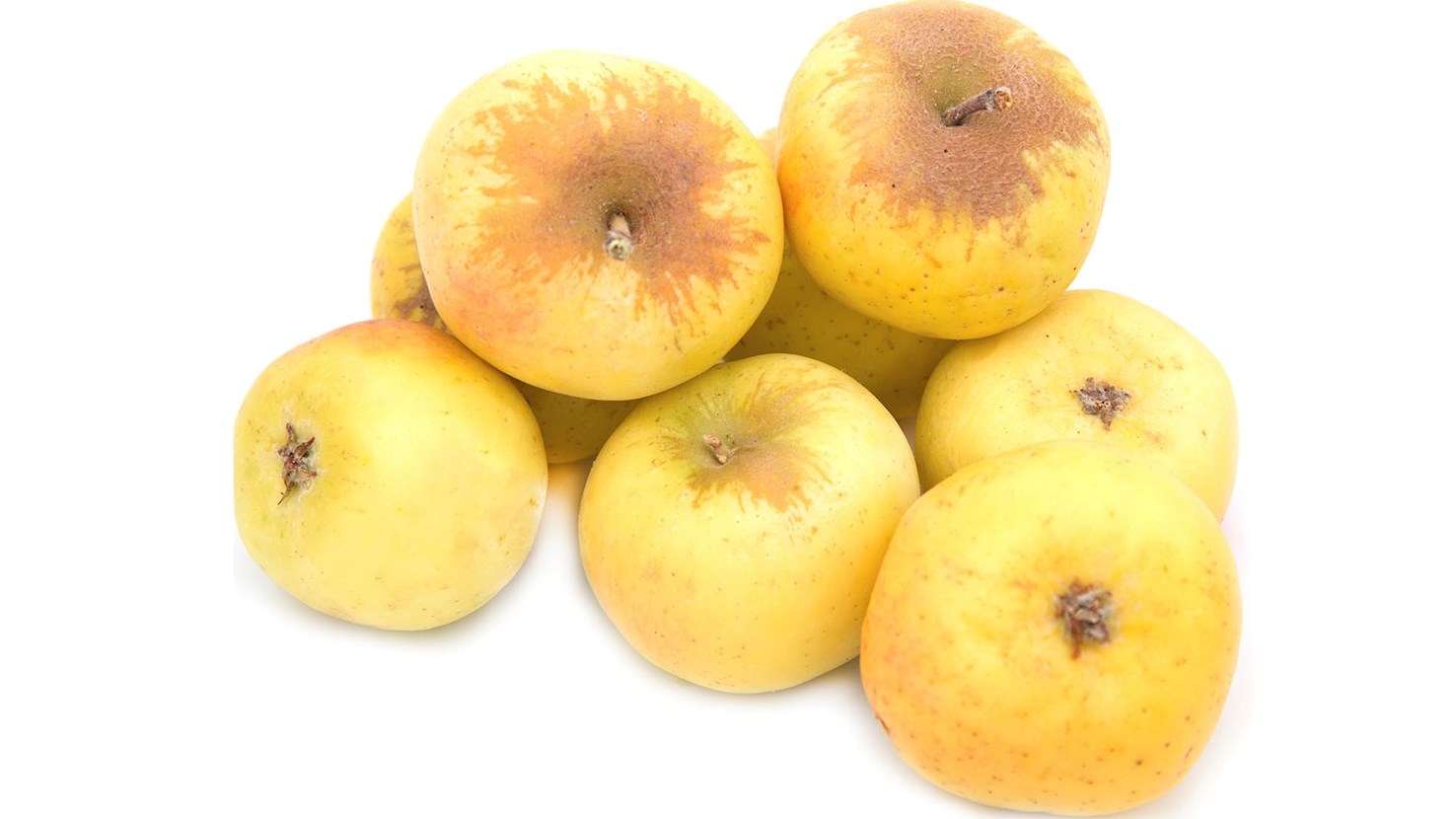
These apples hail from the Esmolfe de Bravo variety, which was derived from the cross-breeding of the Camoesa and Melapio apple varietals in the Portalegre region in Upper Alentejo in Portugal. These trees bear fruit every other year, and the fruit is hand-harvested with traditional, specially-made wooden baskets with a soft lining to protect the fruit from bruising. The apples are yellow to green in color with typical red spots dispersed throughout. The flavor is delicately sweet with a fragrant, intense aroma. Portalegre apples are usually eaten after a meal or used in the production of fruit juices and desserts.

Read more
View all
View map
About this ranking

TasteAtlas food rankings are based on the ratings of the TasteAtlas audience, with a series of mechanisms that recognize real users and that ignore bot, nationalist or local patriotic ratings, and give additional value to the ratings of users that the system recognizes as knowledgeable. For the “Top 7 Portuguese Pome Fruits” list until June 15, 2026, 198 ratings were recorded, of which 119 were recognized by the system as legitimate. TasteAtlas Rankings should not be seen as the final global conclusion about food. Their purpose is to promote excellent local foods, instill pride in traditional dishes, and arouse curiosity about dishes you haven’t tried.

Similar lists