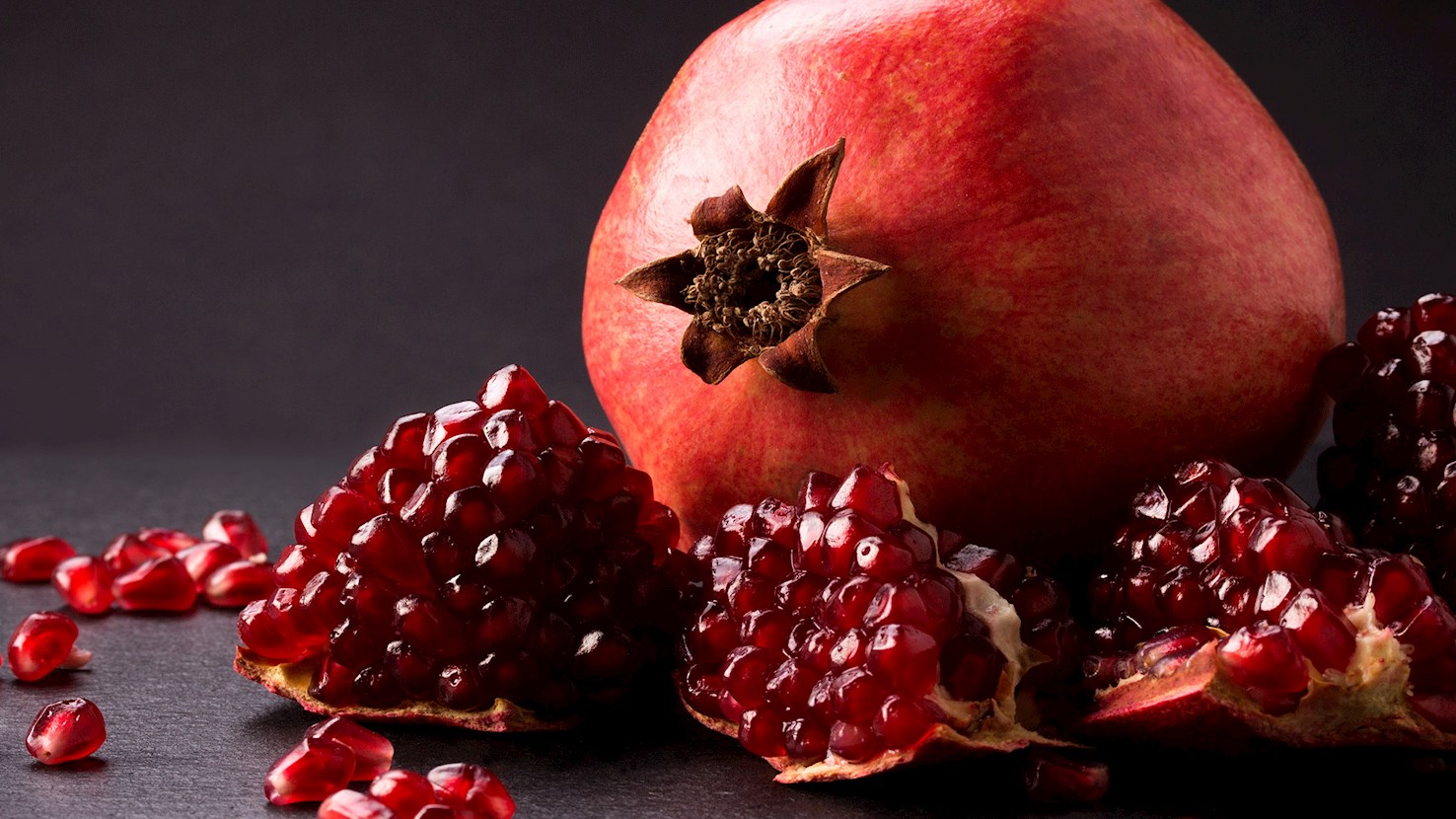
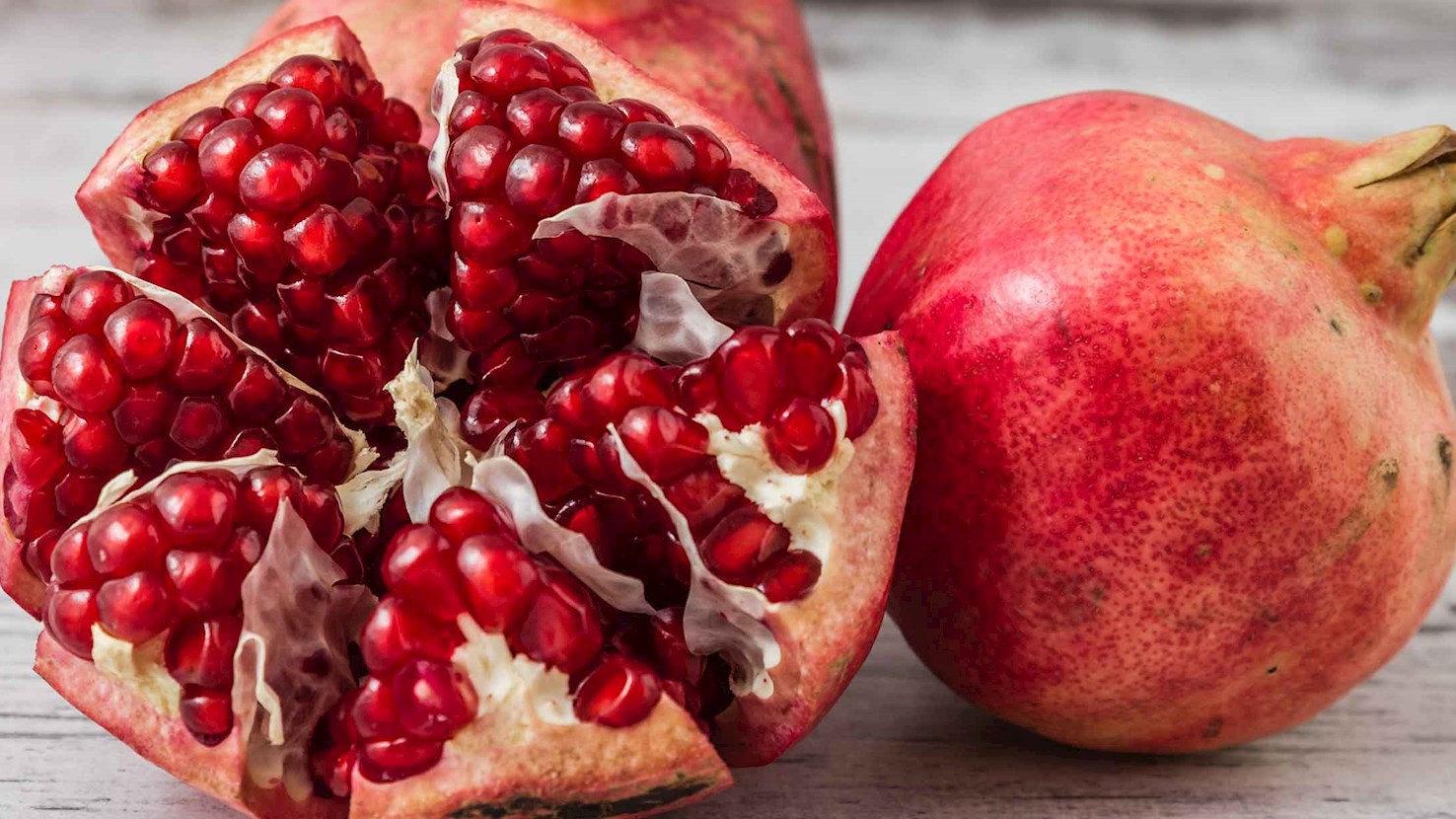
Considered an indigenous fruit of the Armenian Highlands, Armenian pomegranate is the edible fruit of a small leafy tree or shrub. With a crown-like head and a spherical shape, the pomegranate has a thick, red shell that hides hundreds of small juicy, red, and glistening arils with tiny white seeds inside. Defined by a tangy and mildly sweet flavor, the pomegranate arils, commonly called seeds, are grouped in piles that are surrounded by thin, white or yellow, bitter-flavored membranes. Armenian pomegranate has both grown wild and been cultivated on the Armenian soil since antiquity and is called nur in Armenian. This fruit has long been - and still is - omnipresent in Armenian tradition, cuisine, culture, and art - it was featured in artistic deeds such as the renowned film-maker Sergei Paradjanov’s The Color of Pomegranates and Martiros Saryan’s painting Under a Pomegranate Tree. Pomegranates are a staple fruit in Armenian households and are most commonly eaten fresh, while their juicy seeds are used as a traditional garnish for various meat and fish dishes, and are often added to traditional dishes, meats, and pies. Two excellent Armenian products featuring this remarkable fruit are pomegranate juice and pomegranate wine, which is characterized by a semi-sweet flavor.
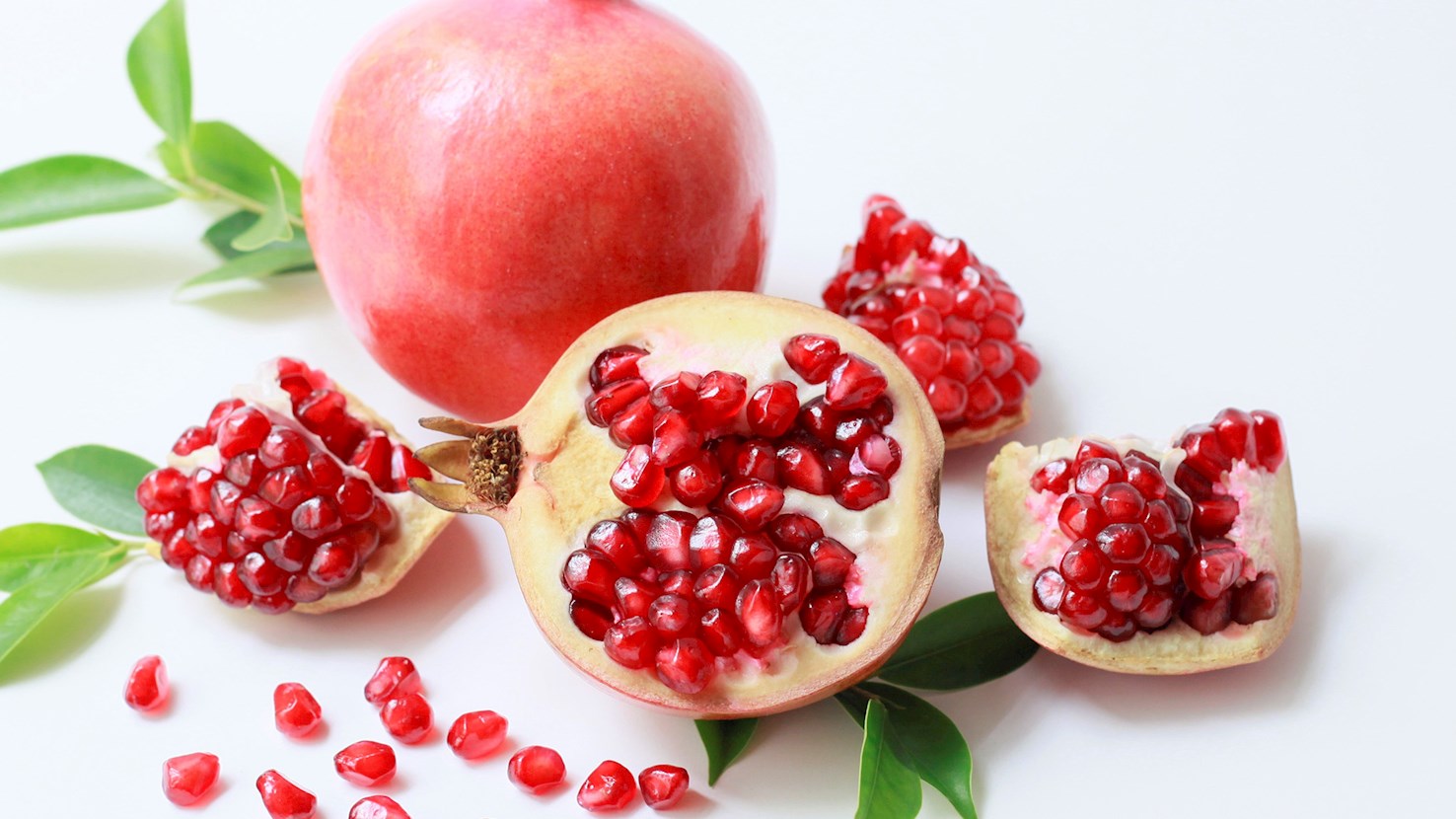
Granada Mollar de Elche is a pomegranate grown in the in the province of Alicante in the south-east of the Autonomous Community of Valencia. This type of pomegranate is known for its unique characteristics that differentiate it from other varieties; Granada de Elche is particularly sweet and has an intense color that comes from its high content of anthocyanin, the antioxidant pigment found in this fruit. This variety, in addition to its intense flavor, has a soft seed that makes it easier to eat. This 'superfruit' is extremely popular worldwide, so it comes as no surprise that more than 70% of production is for export.
Kandahar pomegranate is a variety of Afghan pomegranate that hails from the province of Kandahar. Known as Kandahari anar in Afghanistan, this fruit is renowned for its juiciness, ruby-red arils, and its remarkable size. The fruit is said to have an exceptional flavor and can sometimes weigh up to a kilogram. In Afghanistan, the pomegranate season begins in October and lasts until January. Although the pomegranate production in Afghanistan had been dwindling a while ago, the much-needed support provided by the Afghan government and the US Agency for International Development has helped bring the production back at its feet. These days Kandahar pomegranate is thriving again, yielding over 30,000 tons of produce.
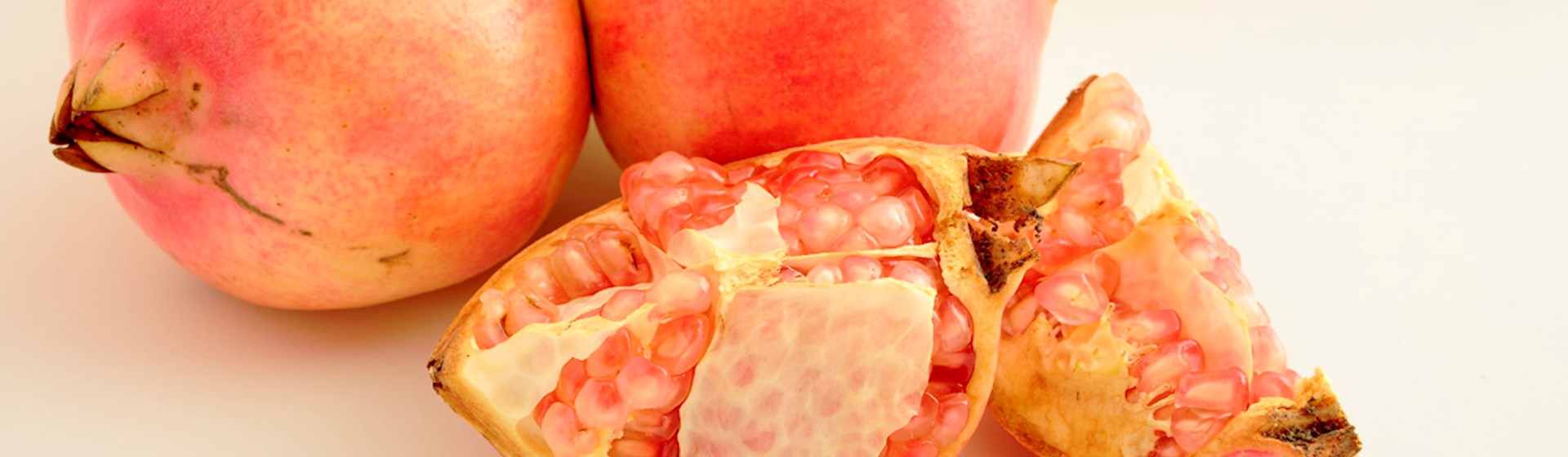
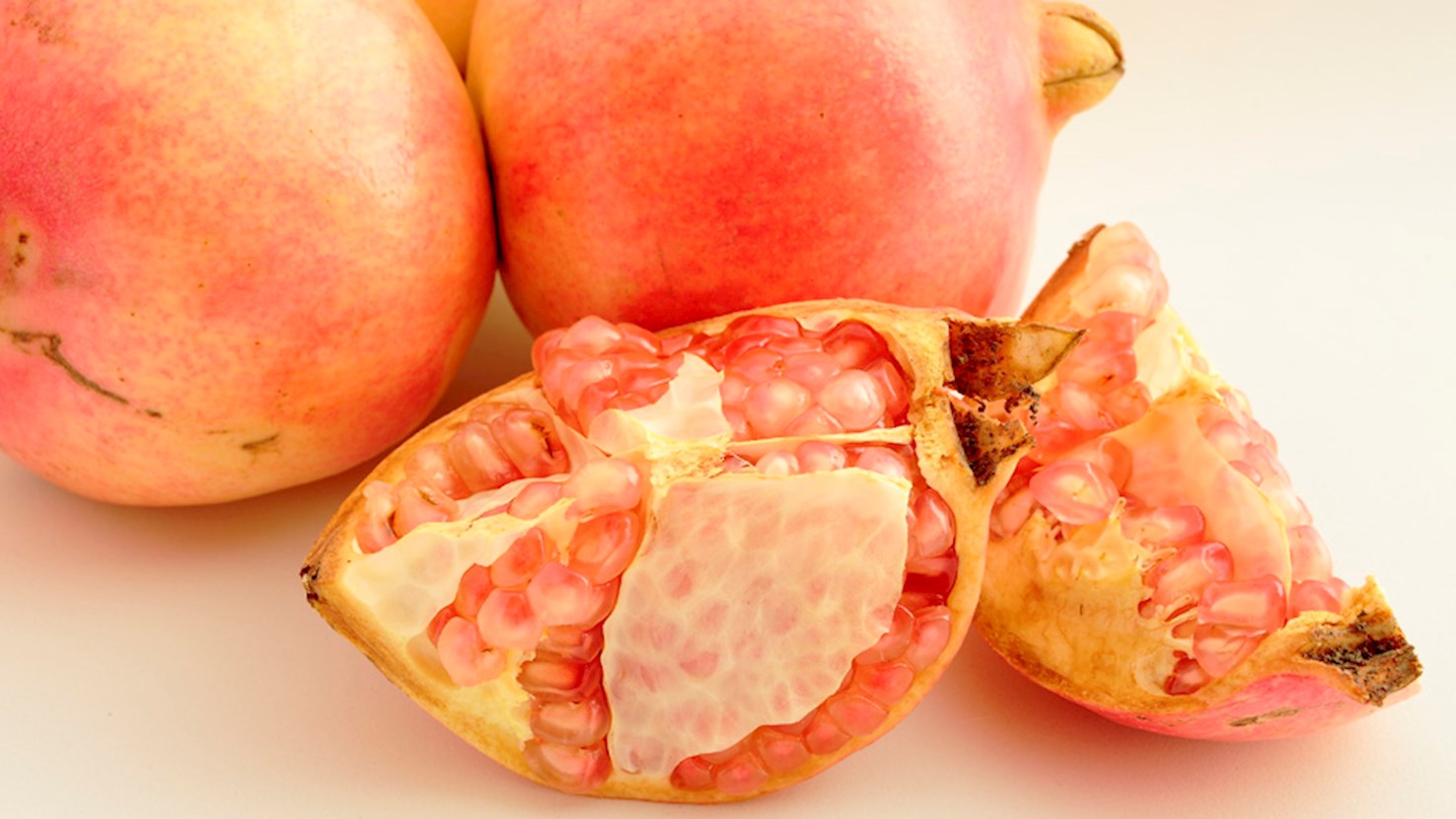
Al Baha pomegranate (Punica granatum L.) is a seasonal fruit produced in Al-Baha, Saudi Arabia, characterized by high quality and varying sizes, ranging from apple-sized to grapefruit-sized (200-400 grams). It has red or white to red arils with a sweet, juicy taste, featuring a beige skin. Cultivated in Al-Baha's northern region, its growth thrives in a moderate, temperate climate with adequate irrigation. This ancient crop has been a livelihood source for local farmers for centuries, best planted in spring or summer in moderate climates. Pomegranates yield juice and are used for making tea by boiling their peel, which is effective for stomachaches. During the harvest season, they are consumed as fruit. Pomegranate peel tea, slightly bitter in taste, can be enhanced with aromatic plants for flavor and is beneficial for digestion. Al-Baha pomegranate is a unique local product and is harvested annually. However, climate change poses a risk, as farmers increasingly turn to imported varieties, endangering the future of this cherished fruit.
TasteAtlas food rankings are based on the ratings of the TasteAtlas audience, with a series of mechanisms that recognize real users and that ignore bot,
nationalist or local patriotic ratings, and give additional value to the ratings of users that the system recognizes as knowledgeable.
TasteAtlas Rankings should not be seen as the final global conclusion about food. Their purpose is to promote excellent local foods,
instill pride in traditional dishes, and arouse curiosity about dishes you haven’t tried.






What People Say