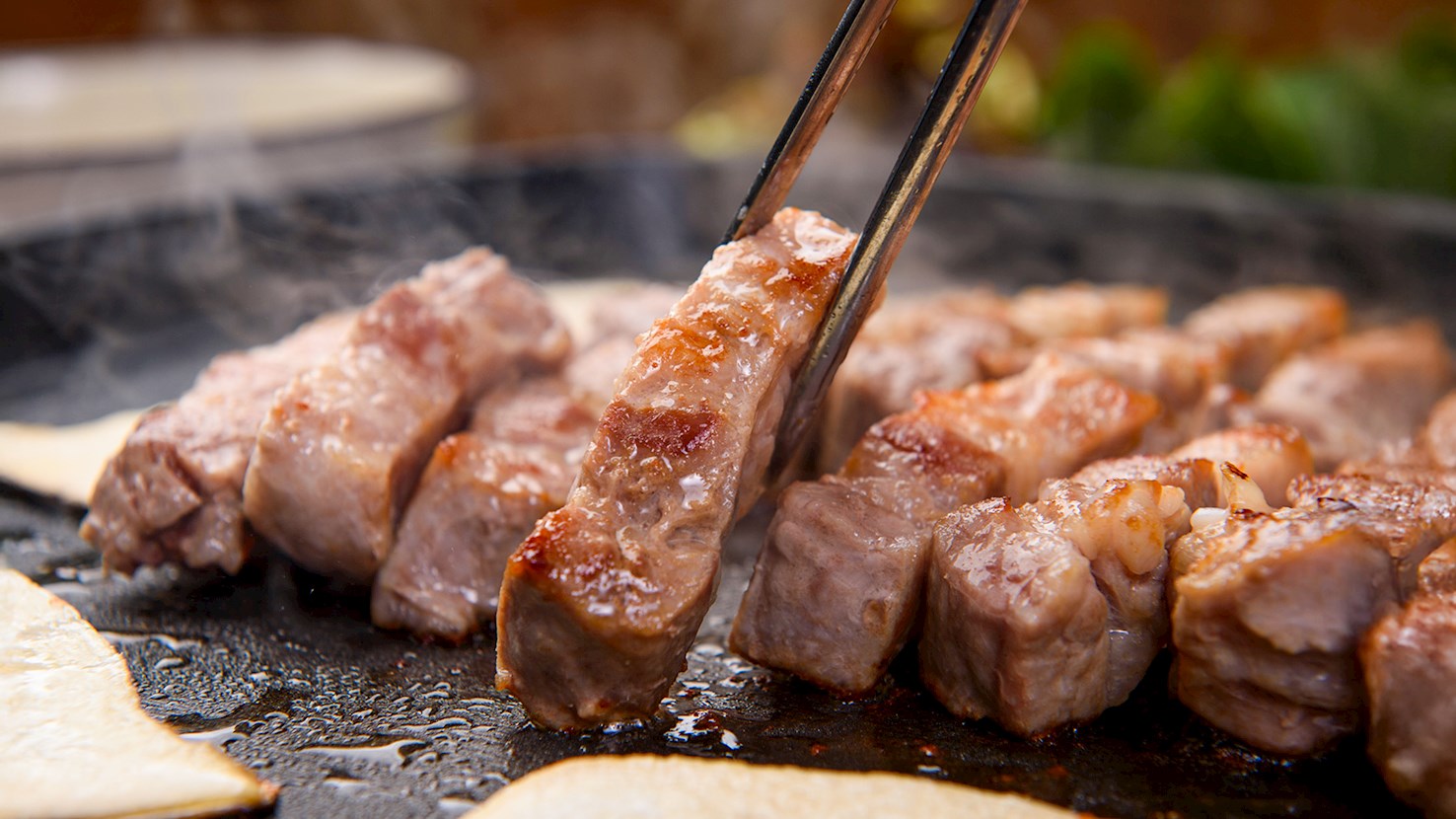
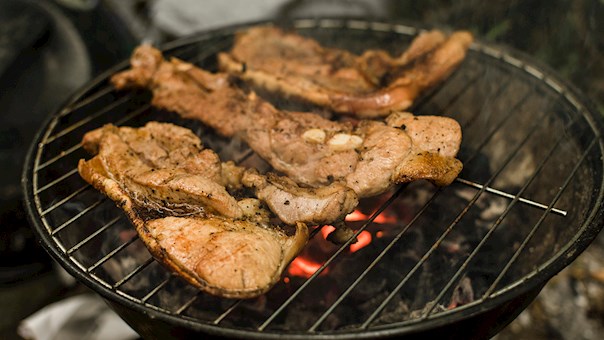
Samgyeopsal is a South Korean delicacy consisting only of pork belly, the most expensive cut of pork in the country. It is so popular in South Korea that the residents eat it approximately once every four days. The name of the dish consists of three words: sam (three), gyeop (layered), and sal (meat), so it can be literally translated as three-layered meat, referring to the three visible layers of the meat. It is believed that the dish became popular in the 1960s, when the price of soju decreased and people needed a dish to go with it, so they chose pork belly due to its low price at the time. Whether at home or in restaurants, samgyeopsal is traditionally cooked at the table in a special pan which is designed to let the fat run off the sides of it. The dish is most commonly accompanied by lettuce, raw garlic, green chili peppers, kimchi, and green onions. Two dipping sauces are traditionally served on the side: one is ssamjang, consisting of sesame oil, chili paste, and soybean paste, and the other is gireumjang, consisting of sesame oil, salt, and black pepper.
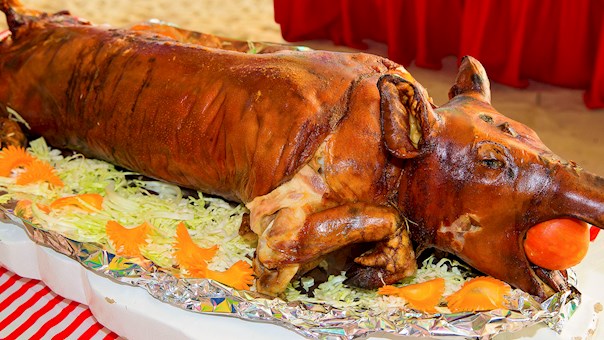
A version of typical Cantonese siu mei (roasted meat dishes), siu yuk is a hefty meal that is mostly consumed in small quantities, made by roasting a whole, seasoned pig in charcoal furnaces at very high temperatures, resulting in succulent, tender meat and crispy skin. Traditionally, the meat is served as it is, but it is sometimes accompanied by either hoisin sauce or soy sauce. Since it is a known fact that the Chinese have many beliefs, in Hong Kong siu yuk is often oferred to the Jade Emperor (the first god in Chinese culture) in order to celebrate a movie's opening, hoping that the movie achieves great success in the cinemas. The dish is often garnished with pineapple or cucumber slices, placed in a red box and wrapped with red wrapping paper, for additional luck.
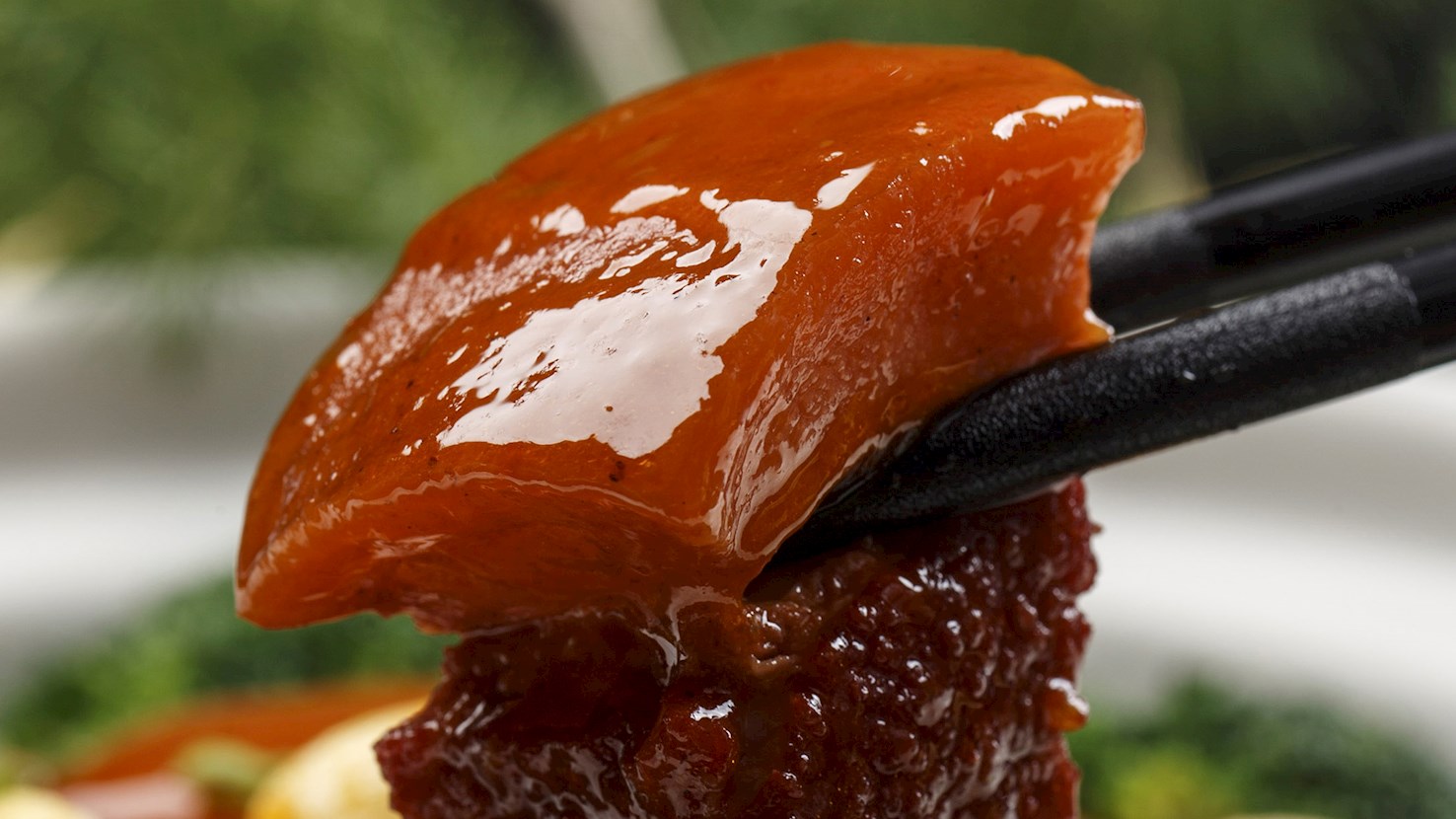
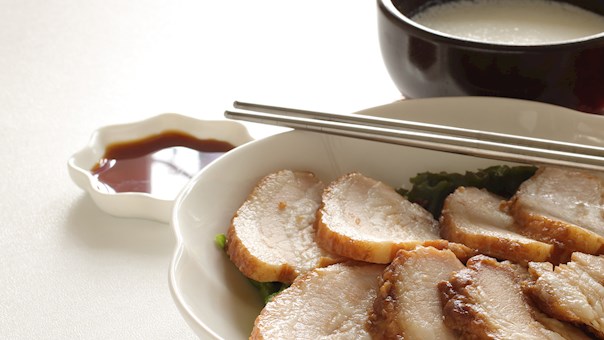
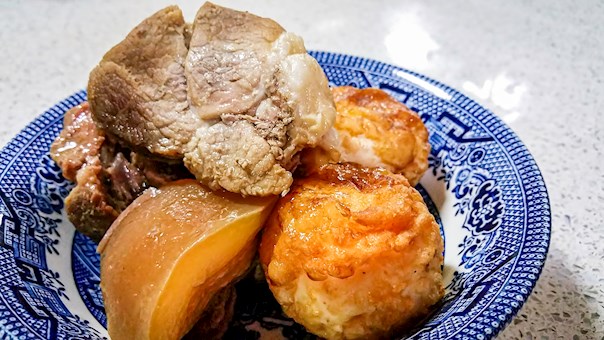
The traditional Hangzhou's trademark dish of red-cooked pork belly, Dōngpō ròu, is built with a handful of Chinese staple ingredients like ginger, scallions, soy sauce and, most importantly, Shàoxīng rice cooking wine, an essential ingredient for red-cooked meals. The meat (with the skin on) is typically browned in fat, simmered twice, braised, sautéed, and finally steamed, after which it becomes so amazingly tender it can be pulled away with chopsticks. Dōngpō ròu is said to have been invented (or at least inspired) by Su Dongpo, an 11th-century Song Dynasty statesman, poet, artist, calligrapher, and one of the four classical Chinese gastronomes. According to legend, one day Su Dongpo decided to prepare stewed pork when, in the middle of cooking, an old friend visited and challenged him to a game of Chinese chess. Engrossed with the game, Su had completely forgotten about his stew until the intense aroma of slow-braised pork meat reminded him of it. The dish was eventually named Dongpo pork in his honor and later became widely popular across the country.
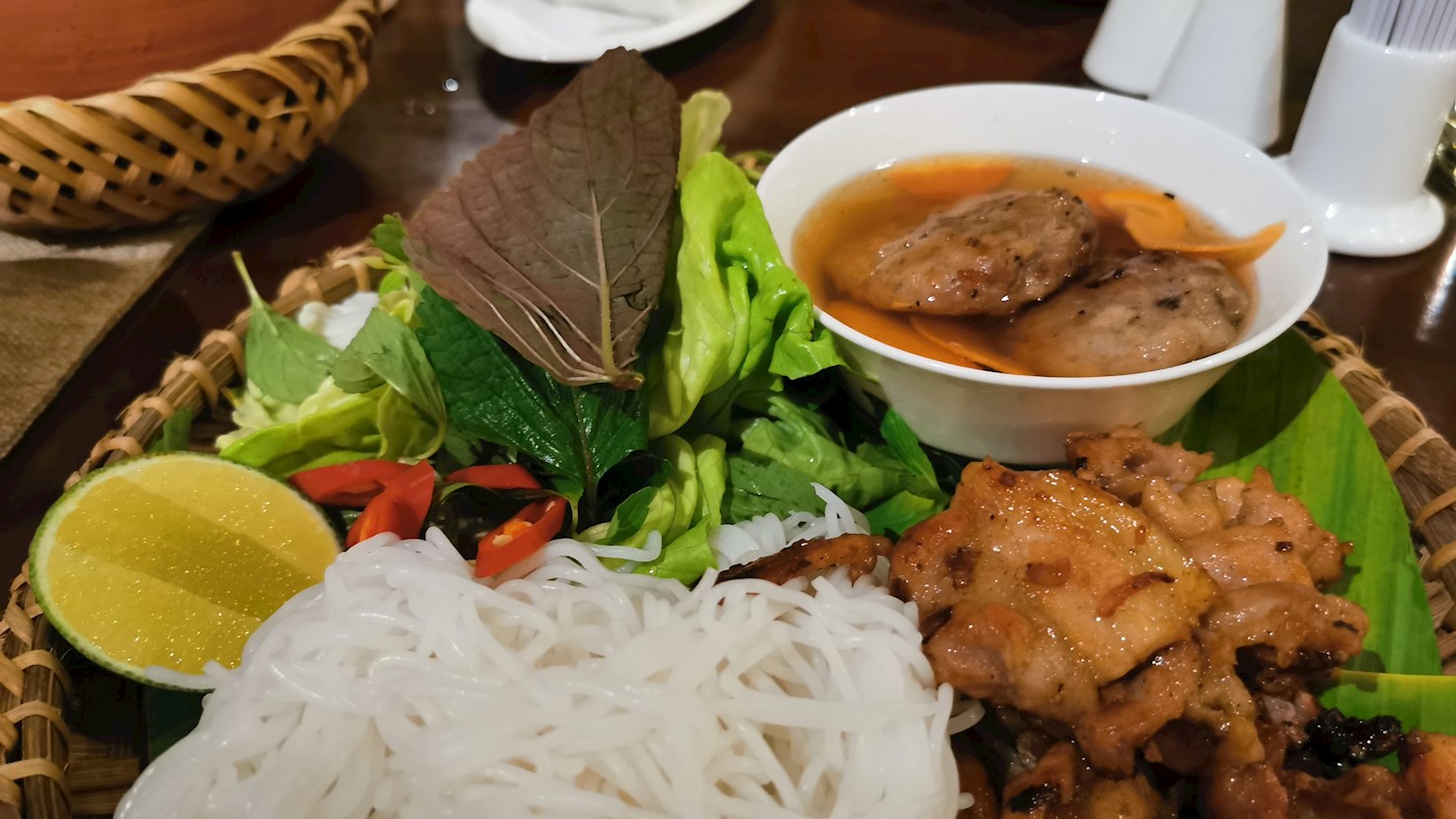
Bún chả is a pork and noodle dish that is intricately connected to Hanoi, where it is believed to have originated. The dish combines three elements: a bowl of grilled pork meatballs served in a cold broth, a plate of rice noodles, and a combination of various fresh greens such as perilla leaves, lettuce, coriander, and morning glory. Although bún chả or similar varieties can be found in other parts of Vietnam, the local Hanoi version is held in high regard. Not much is known about its history or origin, but the dish became internationally recognized in 2016 when it was featured on the show Parts Unknown – in which the host Anthony Bourdain enjoyed bún chả together with the former president Barack Obama.
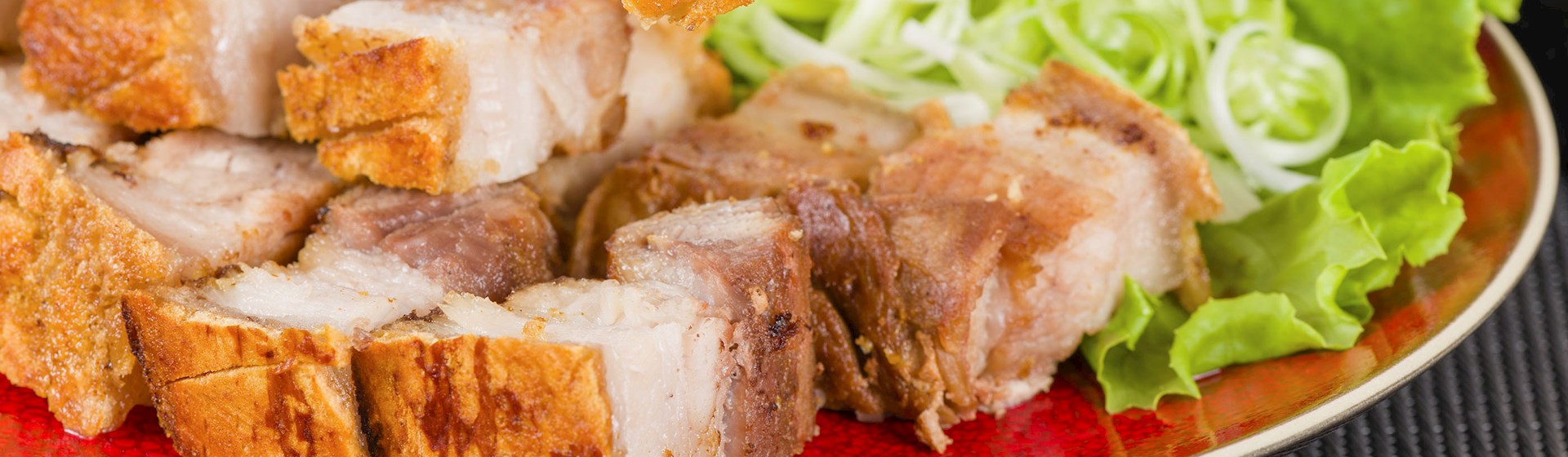
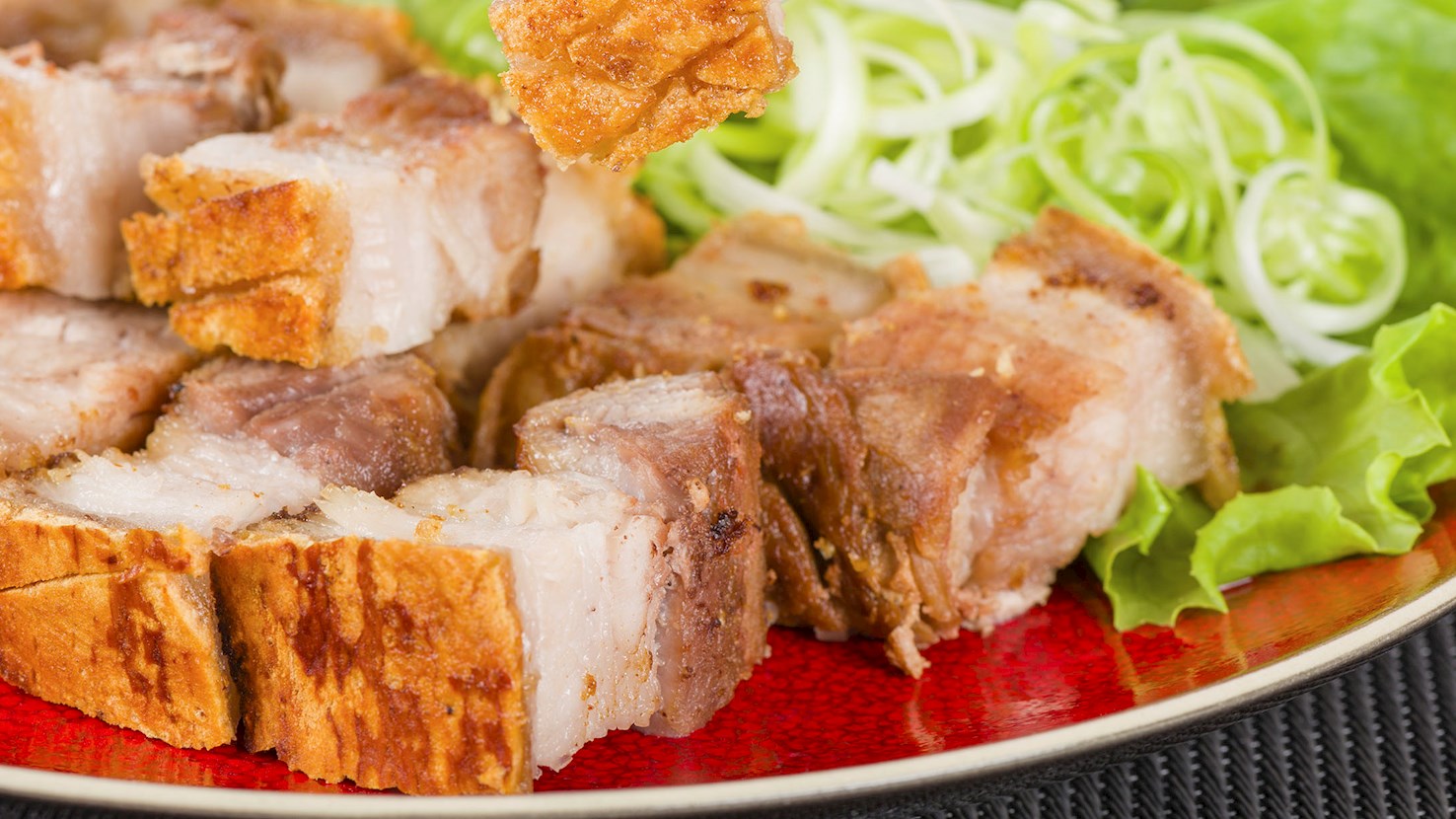
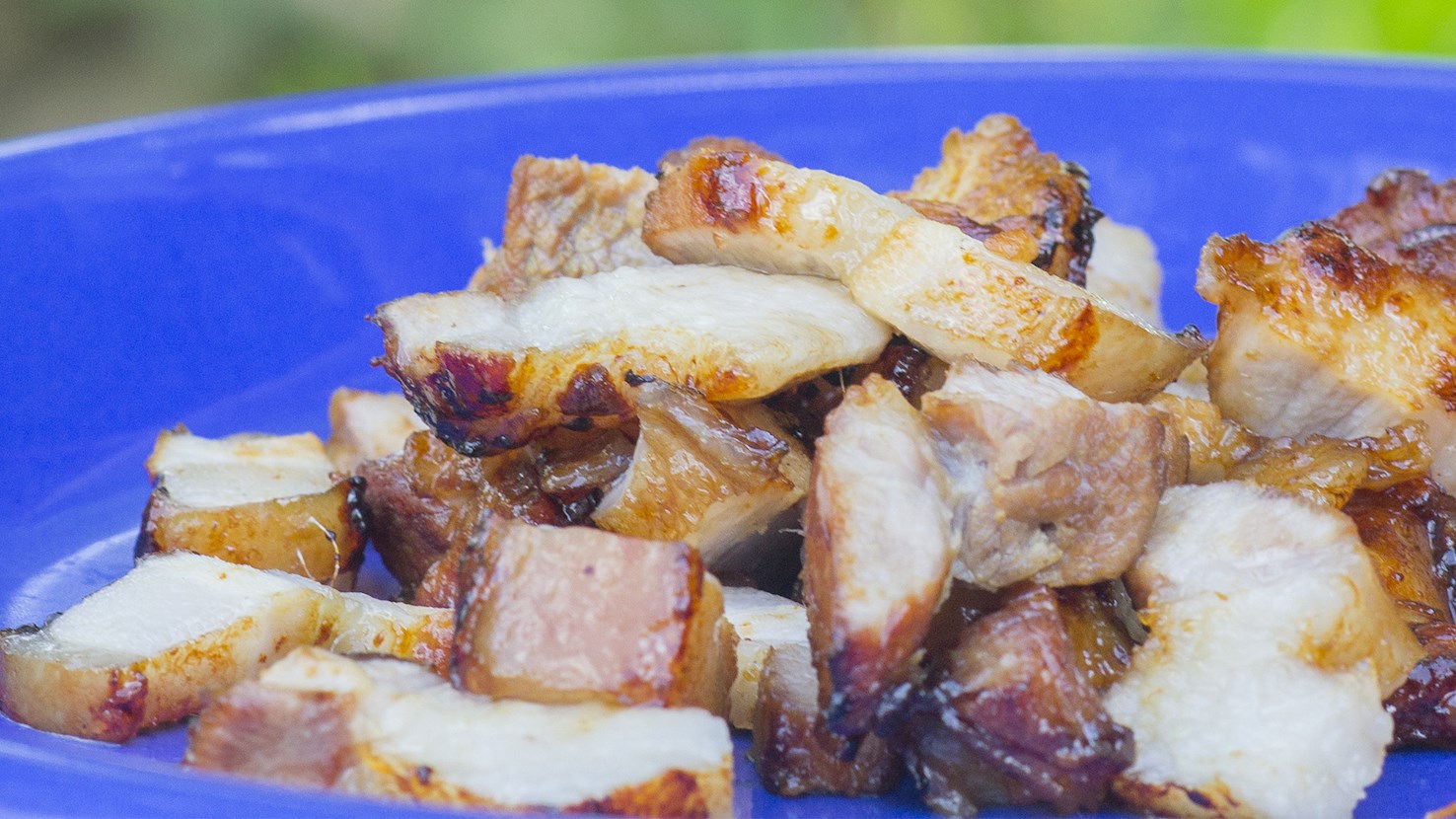
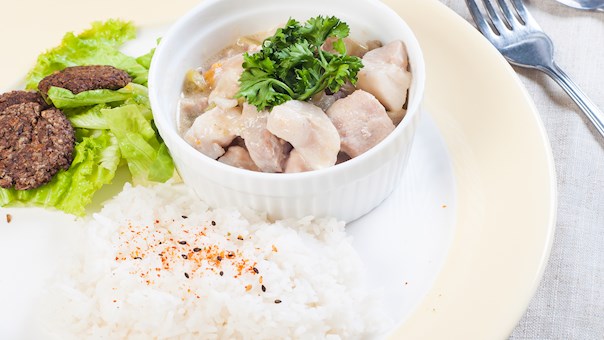
Lechon kawali is the Filipino version of deep-fried pork belly. Primarily boiled in plain or seasoned water, the meat is rubbed with salt, cut into chunks, then deep-fried until it develops a golden-brown, crispy skin, but remains juicy and tender on the inside. It is one of the most famous Filipino dishes eaten throughout the country. Always served hot, lechon kawali is usually accompanied by spicy vinegar sauce or a traditional lechon liver sauce on the side.
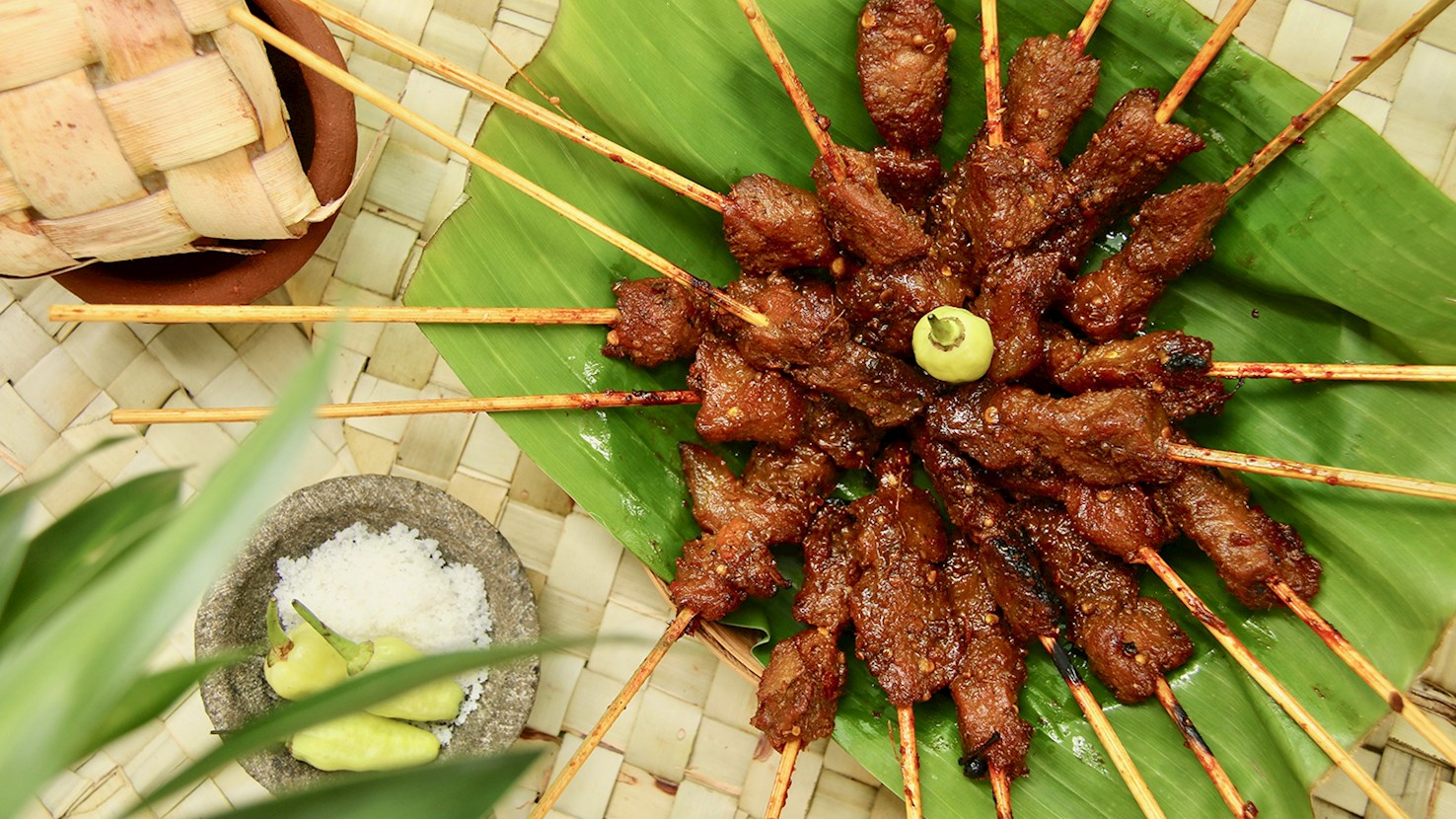
Sate babi is an Indonesian pork satay that originates primarily from the Chinese-Indonesian and Balinese communities, offering a distinctive take on the country’s iconic skewered meat dishes. Unlike most Indonesian sate, which is often made from chicken, beef, or goat due to the country’s majority Muslim population, sate babi is popular in regions where pork is widely consumed, such as Bali, North Sulawesi, and parts of Java with significant non-Muslim populations, particularly among Chinese-Indonesians. The dish consists of small cuts of pork that are marinated in a richly seasoned mixture before being skewered and grilled over charcoal. The marinade typically includes garlic, shallots, coriander, tamarind, soy sauce, palm sugar, and sometimes lemongrass or ginger, resulting in a flavor profile that is simultaneously savory, sweet, and aromatic. The meat is usually cut into bite-sized cubes or thin slices, allowing it to cook quickly while maintaining a tender, juicy interior and slightly charred exterior. During grilling, the skewers are often brushed with the leftover marinade to deepen the flavor and create a glossy, caramelized finish. In Bali, sate babi is often prepared for religious ceremonies and festive gatherings, where it is served alongside lawar, rice, and spicy sambal. It holds an important cultural role, symbolizing celebration and abundance. In Chinese-Indonesian cuisine, it is commonly sold at street stalls and small family-run warungs, especially in urban areas like Jakarta and Surabaya, where it is typically served with rice, pickled vegetables, and a thick peanut or soy-based sauce. The Balinese version tends to be spicier and more aromatic, reflecting the island’s bold and vibrant culinary traditions, while Chinese-Indonesian versions may lean slightly sweeter and more soy-forward.
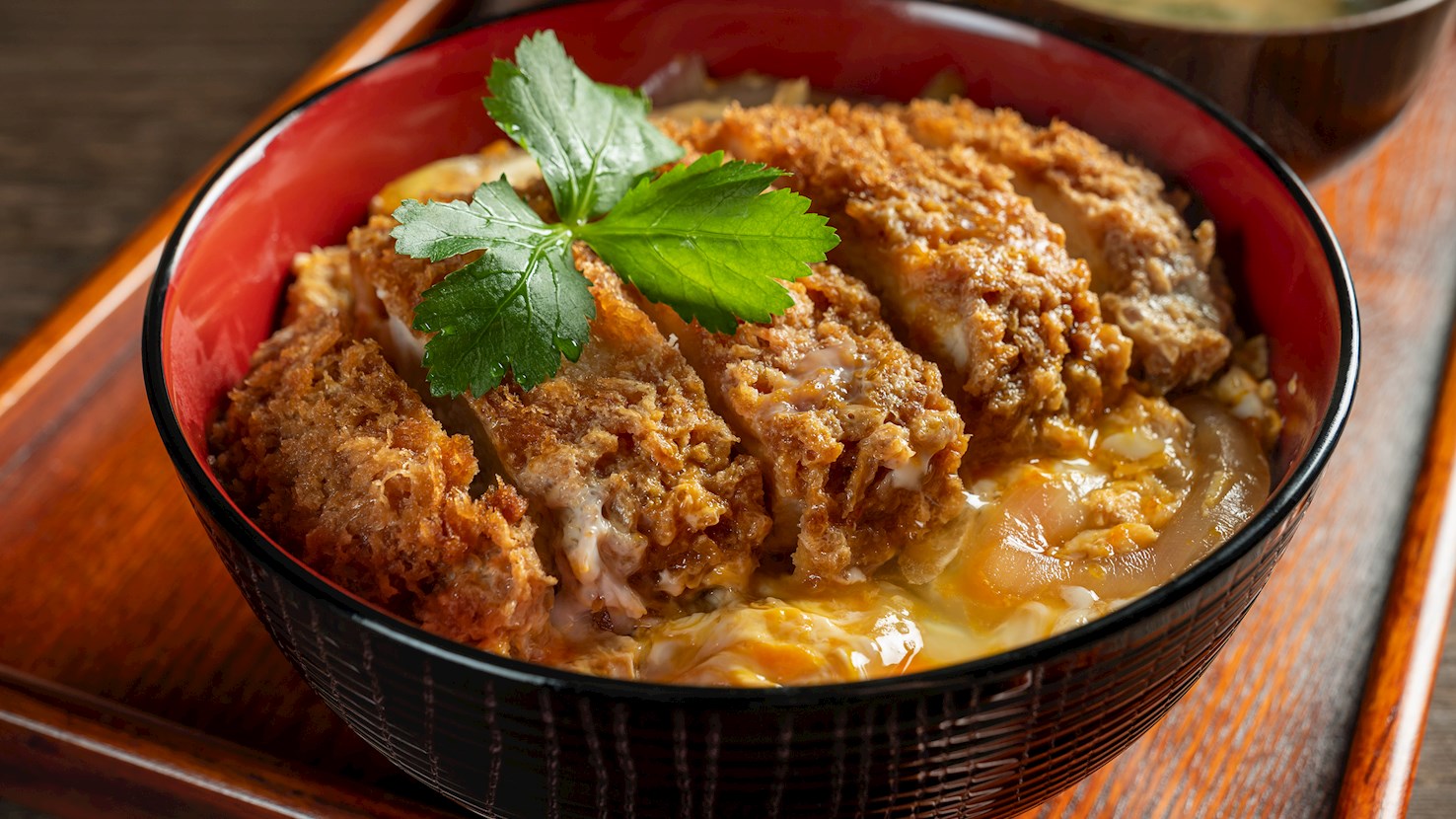
Katsudon is a type of donburi, meaning it's a rice dish served in a bowl topped with simmered ingredients. In this case, the topping is another Japanese favorite — tonkatsu — a deep-fried and crumbed pork cutlet, but here it is simmered together with vegetables in a seasoned sauce bound with eggs. The earliest reference to the dish dates back to 1921 and since then numerous varieties have been developed by adding or replacing the ingredients from the original recipe. The best-known versions include katsudon made with Worcestershire sauce, miso, and soy sauce, but there are also ones that replace pork with beef or chicken.
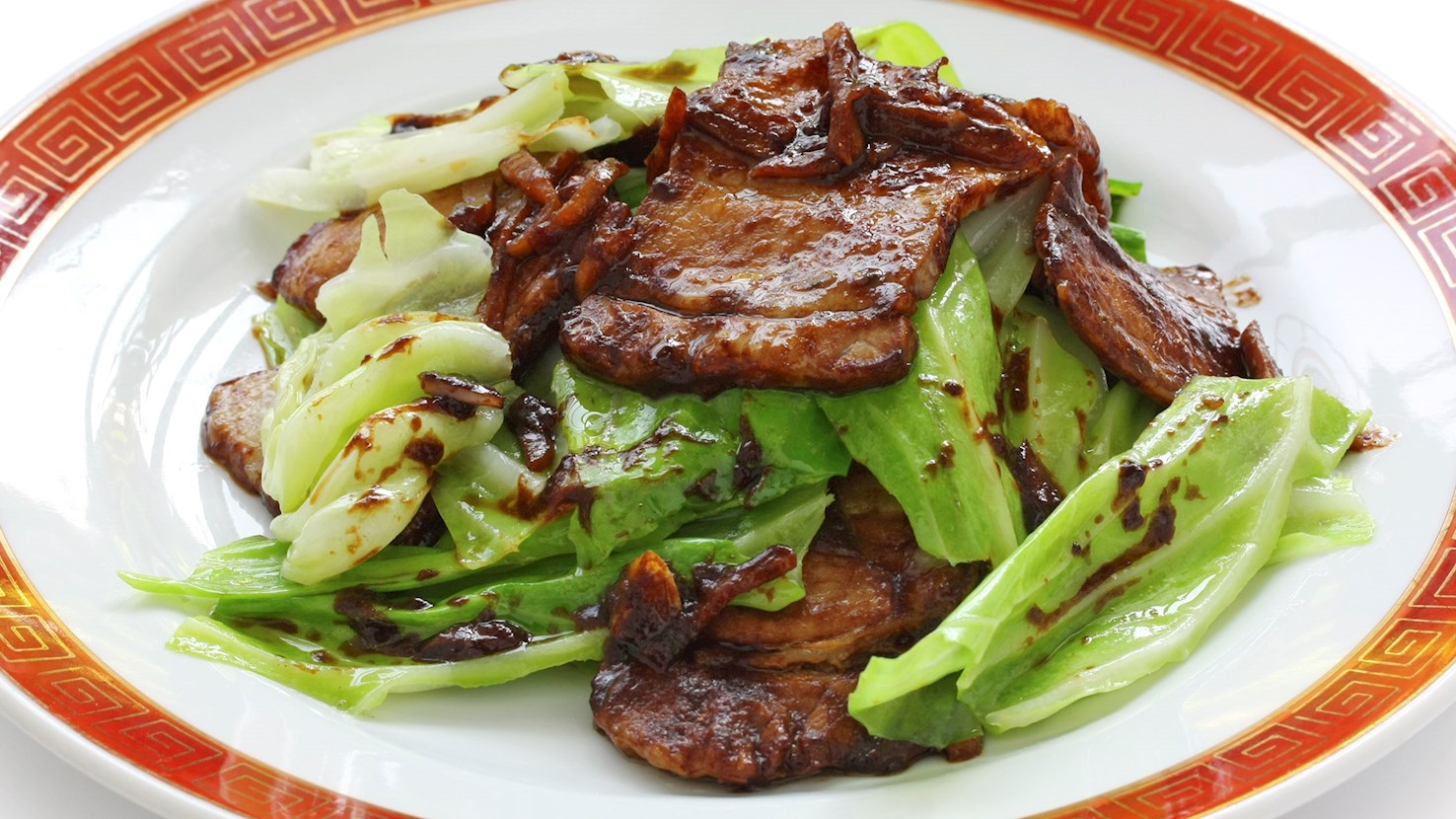
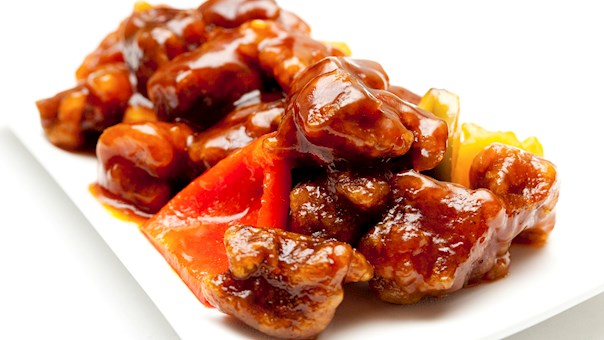
Twice cooked pork is a Sichuan specialty prepared by cooking fatty pork leg or belly (with the skin intact) in two different ways. Pork is first simmered in a pot and cooled in the refrigerator in order for the meat and fat to firm up. After that, the meat is sliced and stir-fried with vegetables such as cabbage, bell peppers, leeks, and mushrooms until it develops a brown color and the skin gets crispy on the edges. Ingredients may vary from one cook to another, but most of them add a sauce made with rice wine, soy sauce and various other condiments to the wok along with meat and vegetables. It is believed that the dish was invented during the Song Dynasty period by a poet who was preparing a pork dish for his friend. He cooked the meat in a pot and forgot about it, and when he returned, he saw that the liquids had evaporated, and the meat was sizzling in its own fat, thus a new dish was created. Today, the people of Sichuan traditionally have a feast on every 1st and 15th lunar month, where twice cooked pork is prepared as the main star of the festivities.
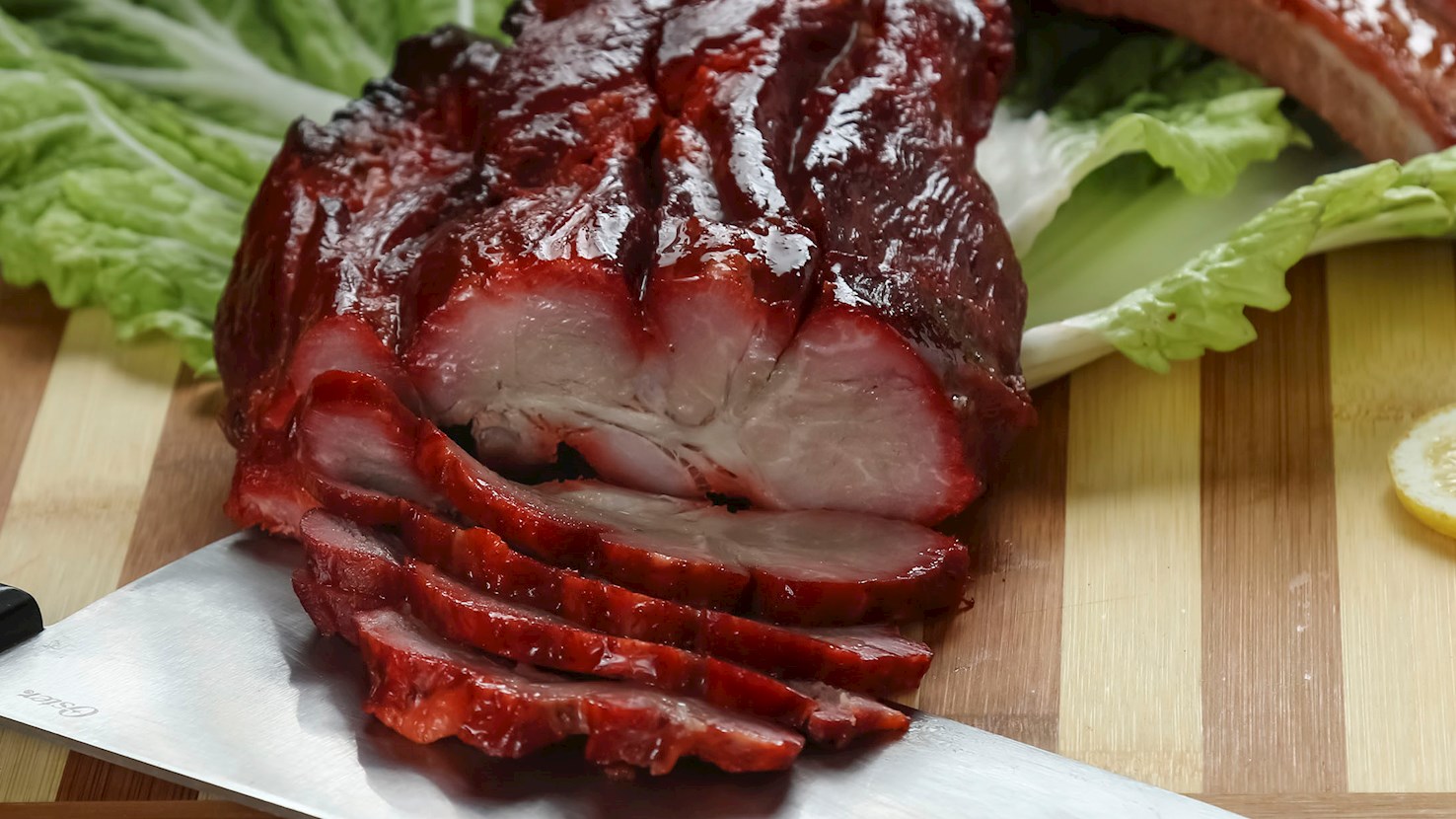
Char siu is a dish consisting of roasted, barbecued pork that has previously been marinated in the eponymous sauce, including ingredients such as soy sauce, hoisin sauce, rice wine, and star anise. The pork is usually served either as a sliced appetizer or shredded and chopped as a main meal. In the early days of char siu, any available meats, such as wild boars and pigs were used to make the dish. The name char siu is literally translated to fork-roasted, referring to the original method of preparation in which the meat is placed on an elongated fork and roasted over an open fire that caramelizes the sugars found in the marinade. One of the most popular ways to use the meat is to serve it in steamed buns called char siu bao. As a proof of char siu's popularity, it was listed as the 28th among the World's 50 Most Delicious Foods in a poll compiled by CNN Go in 2011.
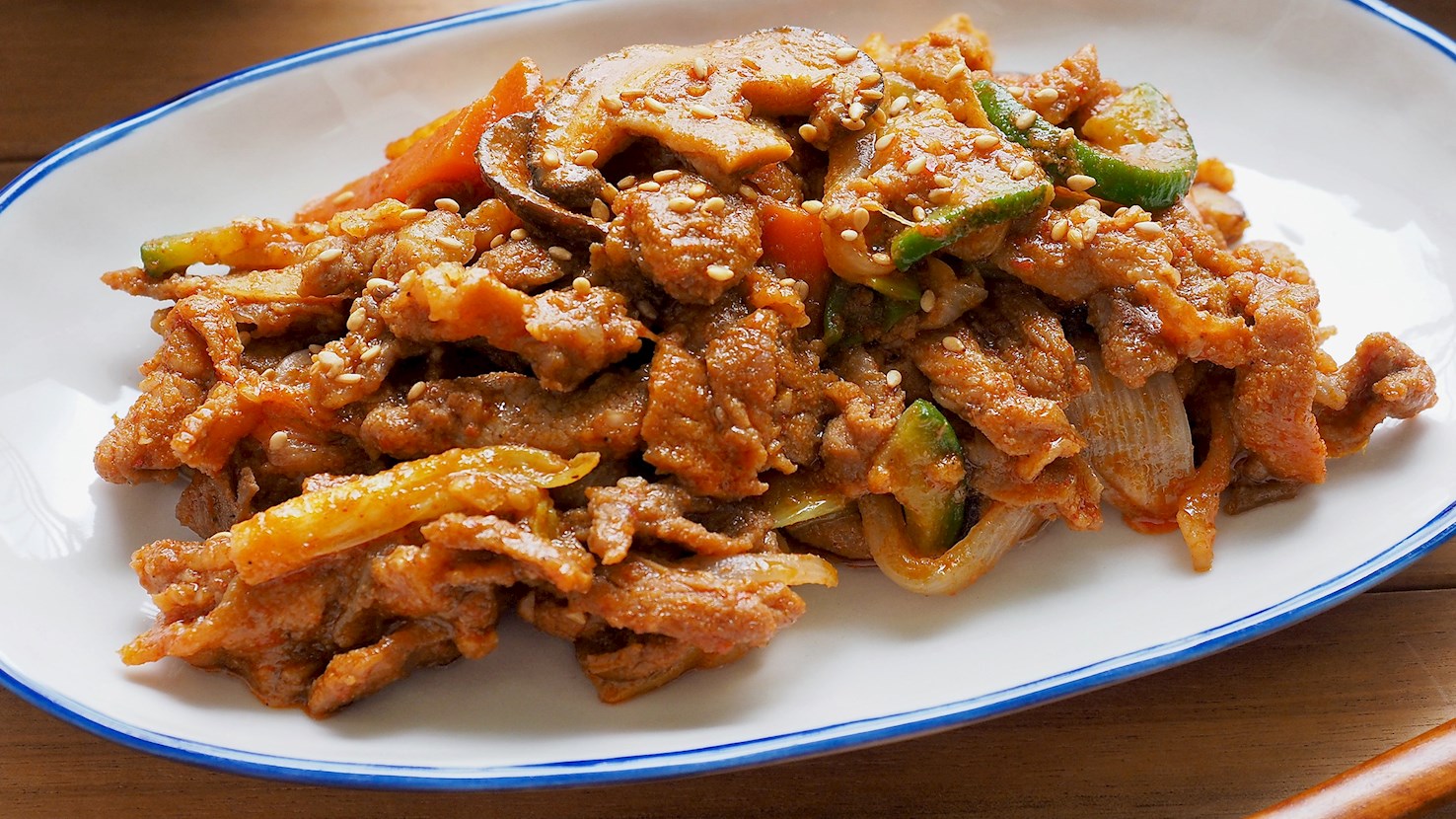
This South Korean classic consists of thinly sliced fatty pork cuts that are marinated and then grilled or pan-fried. The marinade is based on gochujang - a spicy Korean chili paste - and additions such as soy sauce, chili flakes, rice wine, garlic, and ginger. Also known as dwaejigogi bokkeum, this pork dish is commonly prepared at home, and it is a staple at Korean restaurants. Jeyuk bokkeum is usually served with lettuce or perilla leaves that are meant to be used as wrappers, while other accompaniments include ssamjang and kimchi.
TasteAtlas food rankings are based on the ratings of the TasteAtlas audience, with a series of mechanisms that recognize real users and that ignore bot,
nationalist or local patriotic ratings, and give additional value to the ratings of users that the system recognizes as knowledgeable.
For the “Top 76 Asian Pork Dishes” list until June 15, 2026, 4,277 ratings were recorded, of which 3,309 were recognized by the system as legitimate.
TasteAtlas Rankings should not be seen as the final global conclusion about food. Their purpose is to promote excellent local foods,
instill pride in traditional dishes, and arouse curiosity about dishes you haven’t tried.