


shutterstock

Top 48 Central European Pork Dishes

Last updated on June 15, 2026
01

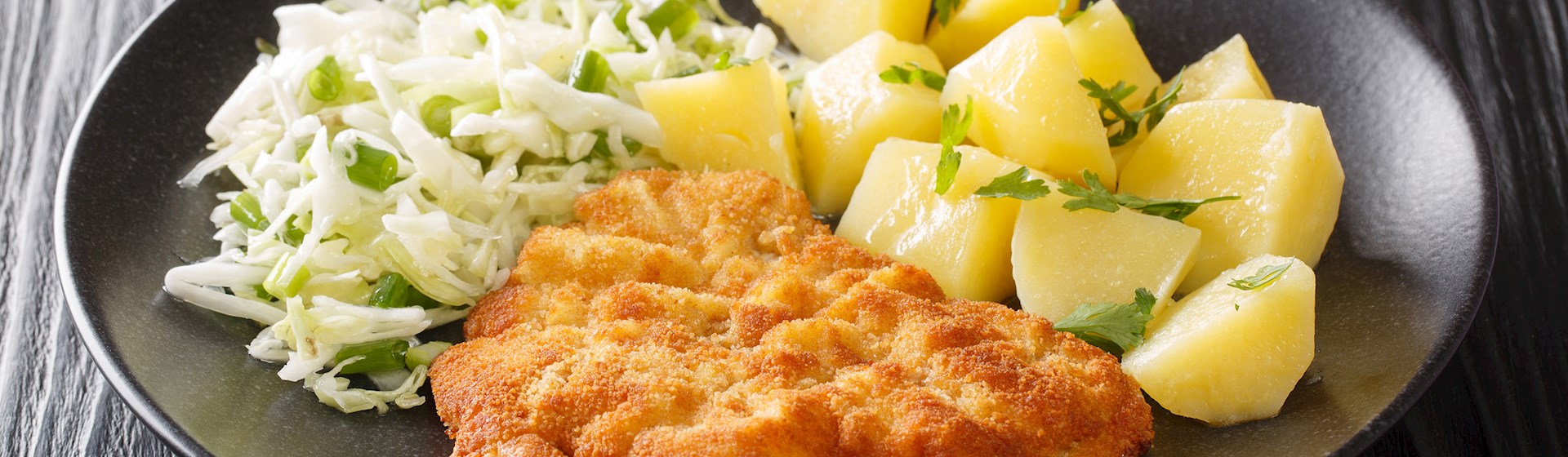
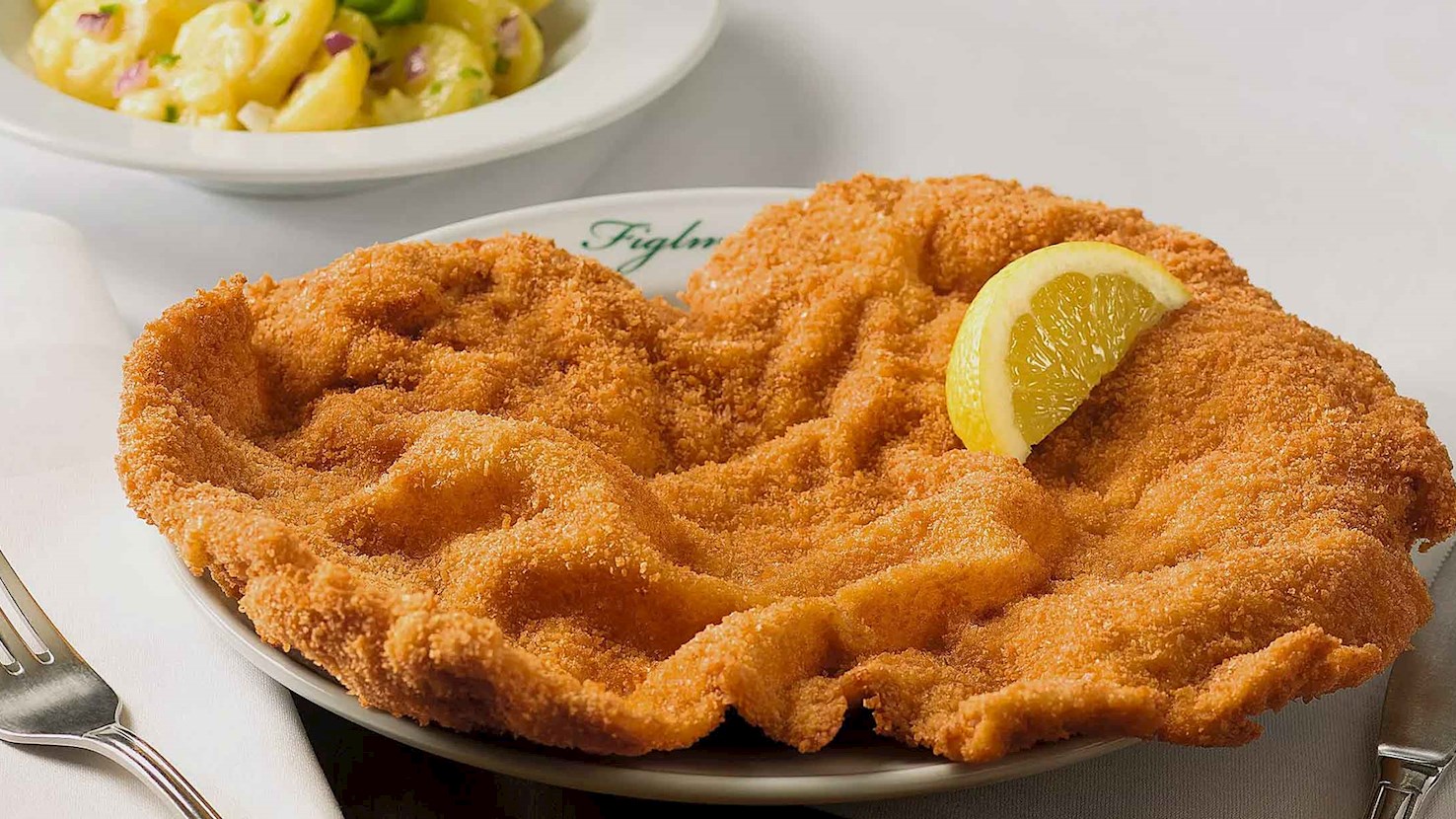
Schnitzel Wiener Art

4.2 ·

Schnitzel Wiener Art is a take on the classic of Austrian cuisine, the Wiener schnitzel, a breaded and fried veal cutlet. But unlike the traditional Wiener schnitzel, the schnitzel Wiener Art is made with a pork cutlet, not a veal one. The reason behind this switch is the fact that pork is much cheaper and more available than veal. Today, most restaurants in Austria and Germany serve the Wiener schnitzel made with pork and not the real Wiener schnitzel. Luckily, they are obliged by law to state so on their menu. Schnitzel Wiener Art is prepared the same way as the traditional Wiener schnitzel. The pork is thinly pounded, breaded, and pan-fried, usually in oil or a mix of oil and butter. When it comes to serving, the same side dishes are served as with the traditional Wiener schnitzel — a potato salad, French fries, and parsley potatoes will all do, and to cut through the fat, any of the following — a dollop of lingonberry jam, a salad, or lemon wedges to squeeze over the meat — should also be present when the schnitzel is served.

02

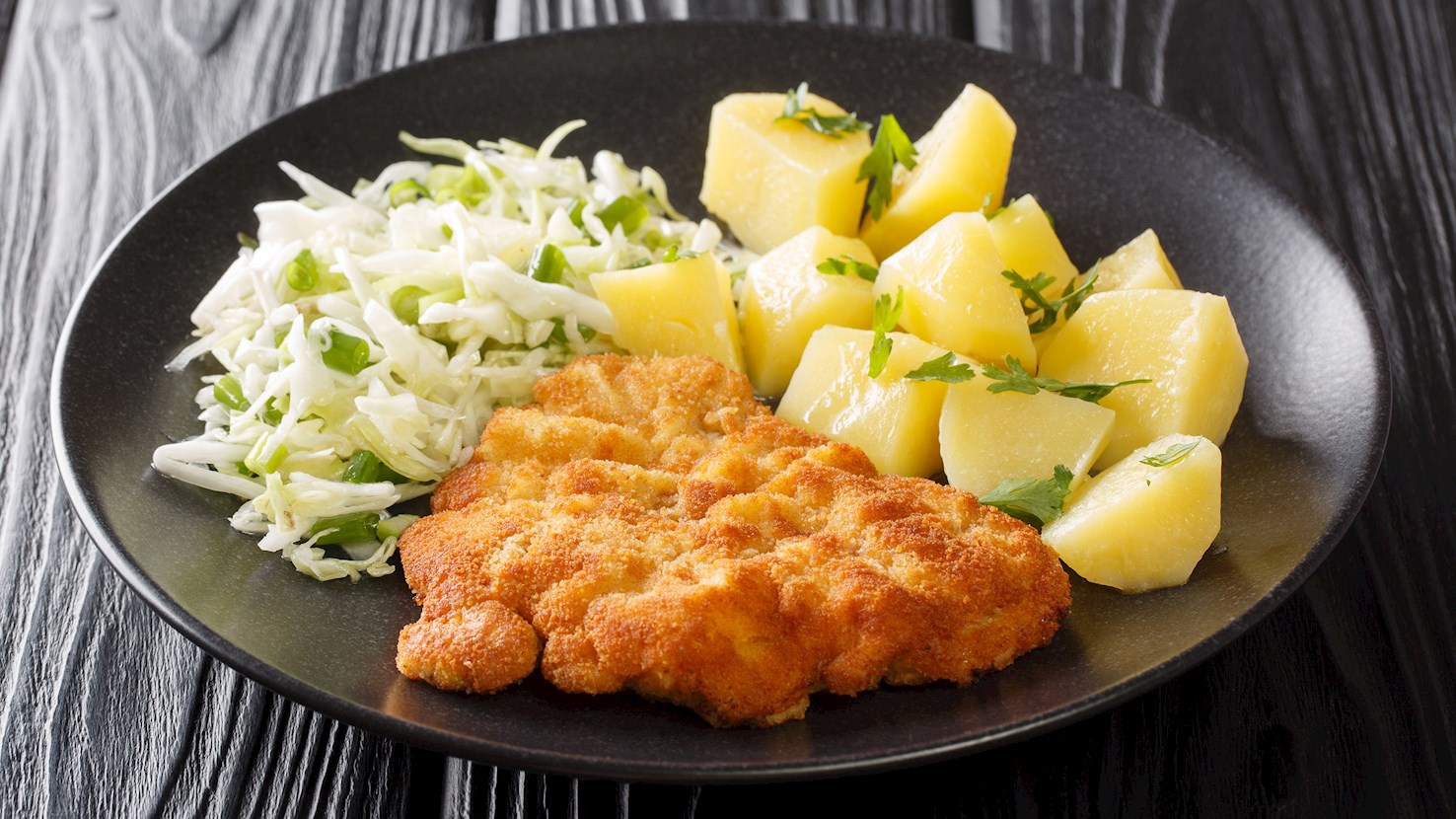
Kotlet schabowy

4.1 ·

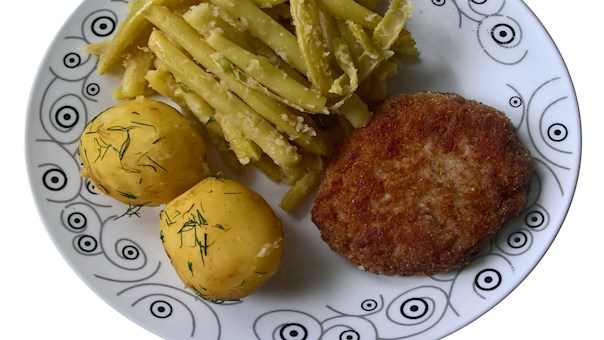
Considered to be a variation of the more famous Wiener schnitzel, the breaded pork cutlet known as kotlet Schabowy is one of the most popular Polish dishes. Even though it appeared in the 19th century under the influence of Austrian and German culinary tradition, it quickly became a mainstay in restaurants and households throughout the country. It is typically prepared with a thin breaded pork chop or tenderloin, fried in lard, and served alongside cooked potatoes, sauerkraut, and various fresh and pickled salads.

03

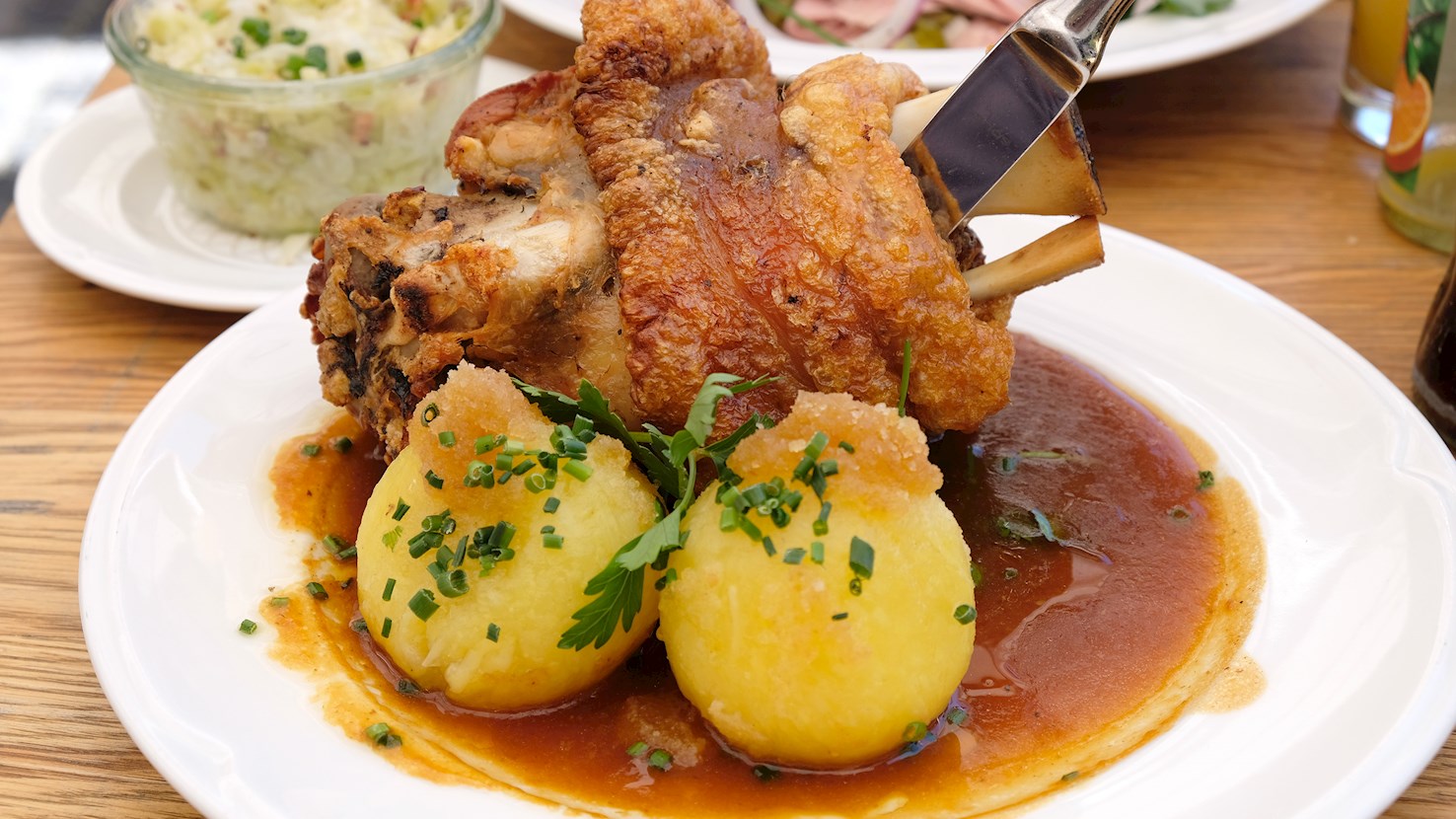
Schweinshaxe

4.1 ·

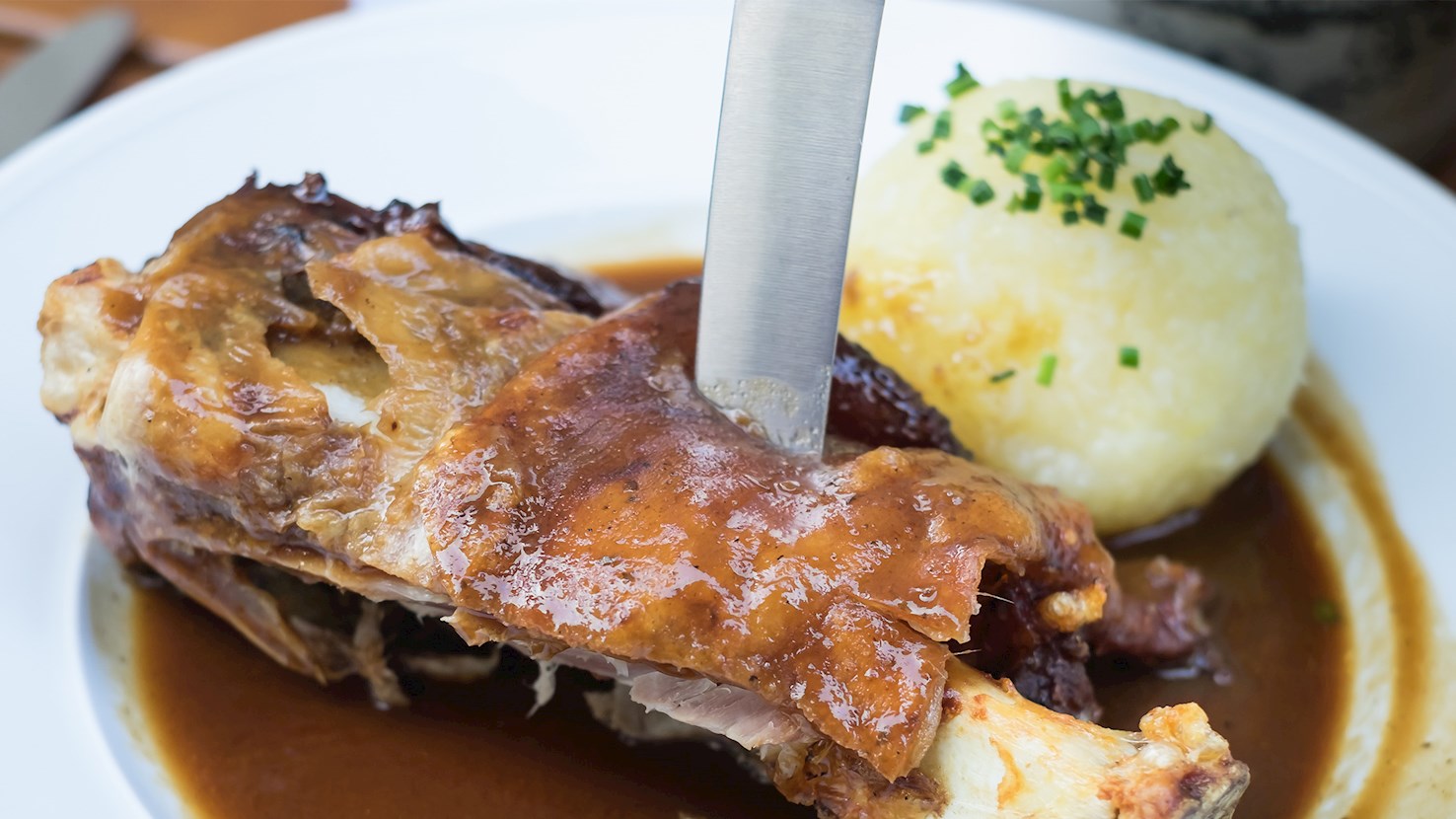
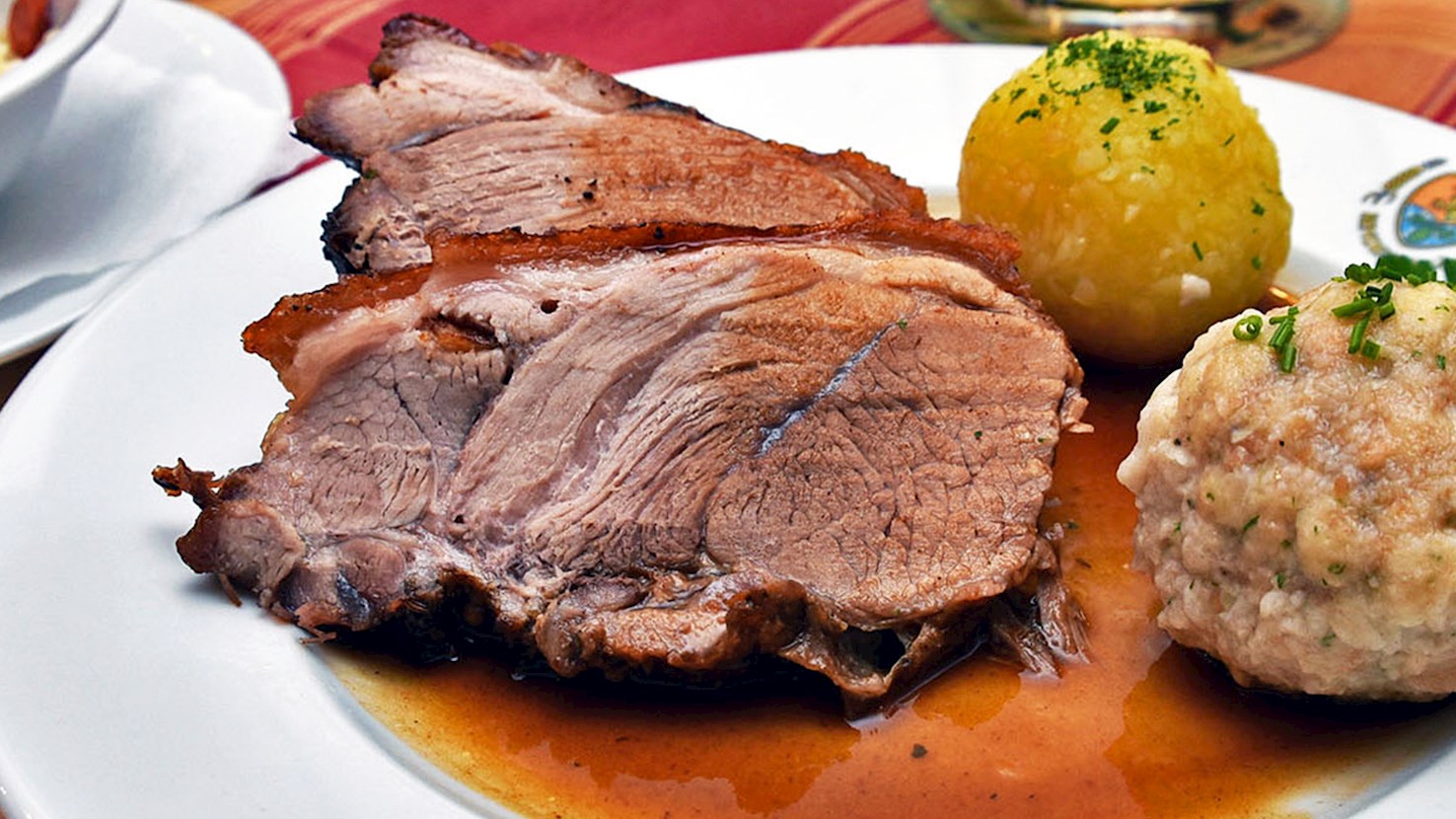
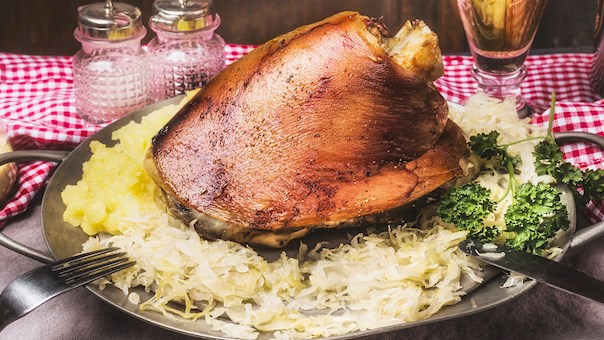
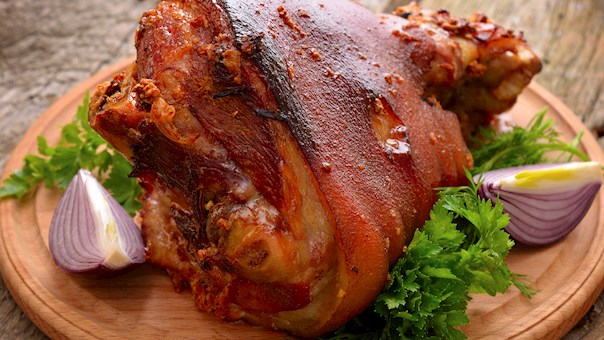
The term Schweinshaxe is typically used in the southern parts of Germany, predominantly in Bavaria, and it usually refers to a whole pork knuckle that is roasted for hours until it is thoroughly cooked and the skin becomes golden brown and crispy. Pork knuckles are a staple in traditional German cuisine, and they come with various names such as hachse, haxe, haxn, knöchla, hechse, hämmchen, and bötel, mainly depending on the region and a slightly different preparation process. Eisbein is the northern version of the dish that is typically cured or pickled and then boiled. Though it is commonly found in restaurants throughout the country and the region, Schweinshaxe is a quintessential dish at the popular folk festival Oktoberfest. The knuckle is almost always served whole, and it's usually accompanied by sauerkraut, braised cabbage, roasted potatoes, or potato dumplings. Similar dishes are found in other European countries, such as pečené vepřové koleno in the Czech Republic.

04

Schäufele

4.1 ·

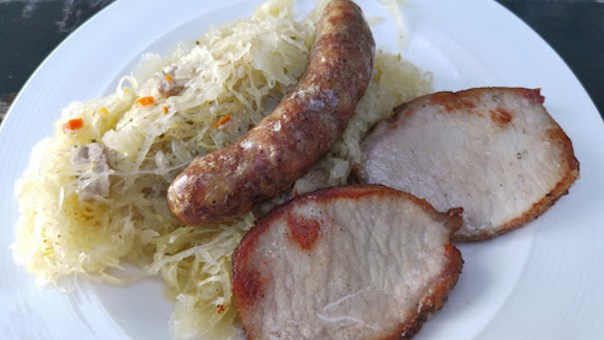
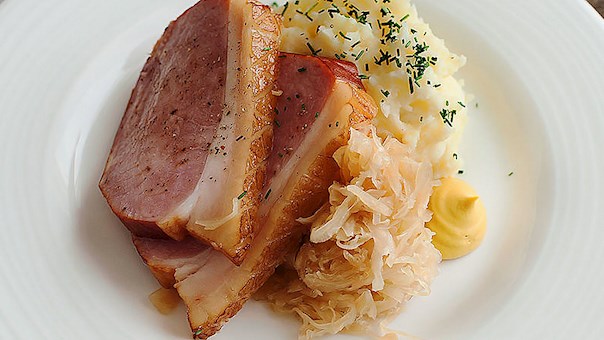
Schäufele is a traditional dish from the south of Germany, using pig’s shoulder as the main ingredient. Depending on the region, the meat can be cured and smoked beforehand, seasoned, and then it is either roasted or boiled. Additional ingredients may include various spices, onions, and root vegetables. A typical Franconian version of the dish is served with gravy, potato dumplings, and a salad on the side, while the smoked and cured version from Baden is usually accompanied by a potato salad.

05

Székely gulyás

4.1 ·

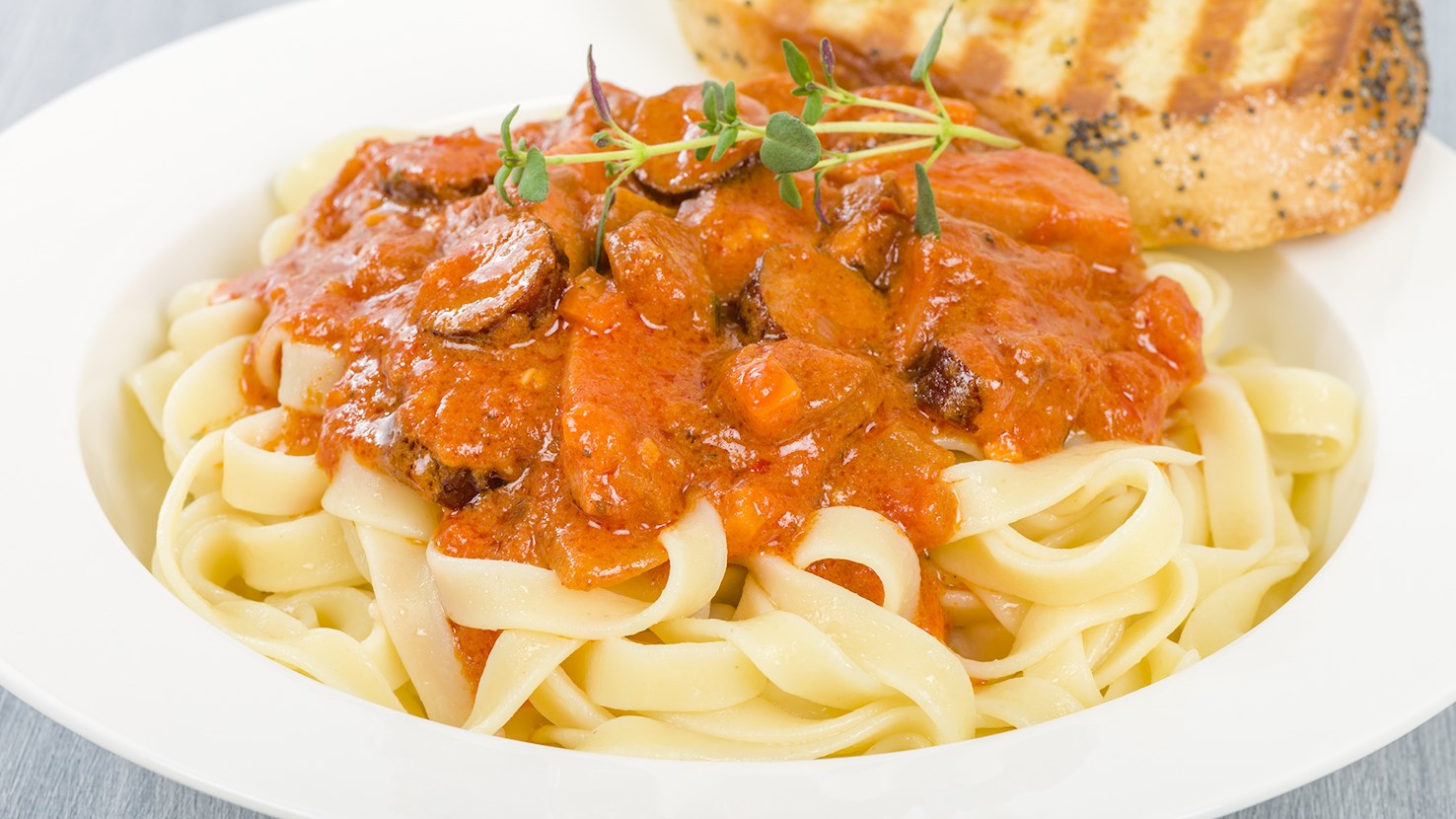
Székely gulyás is a thick and rich Hungarian stew prepared with a combination of pork, onions, peppers, paprika, potatoes, sauerkraut, sour cream, and garlic. The dish is believed to have originated in the city of Szeged, known for its paprika, and it was supposedly named after the Hungarian journalist and archivist Jószef Székely. Once prepared, Székely goulash is typically served with homemade pasta or crusty bread on the side.

06

Spanferkel

4.1 ·

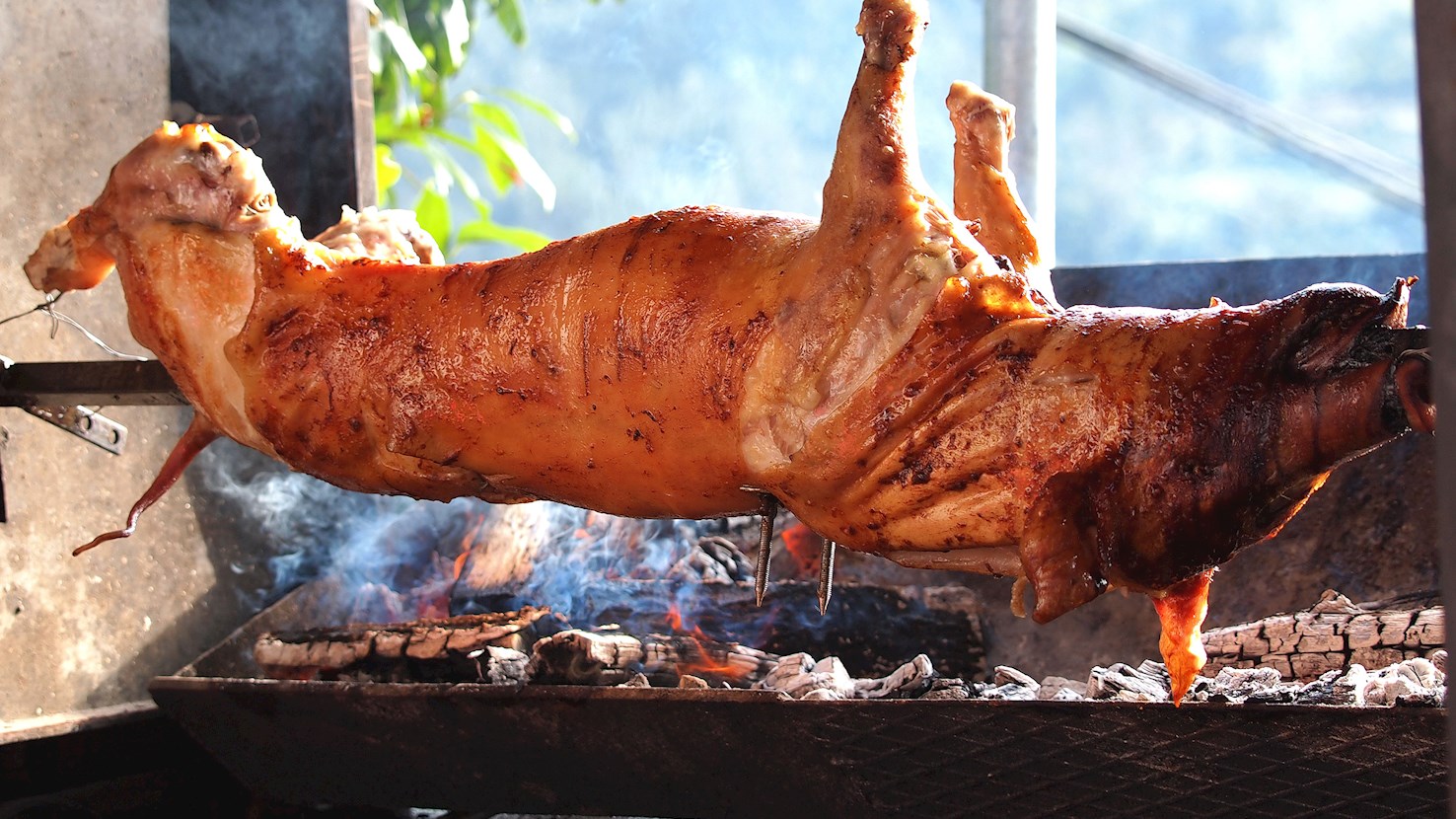
Spanferkel is the German version of roasted suckling pig. Whether it is prepared cut or whole, the piglet is usually roasted in the oven or on a spit, and comes in numerous regional varieties that are often smothered in oil or butter, stuffed, then seasoned or rubbed with spices. In Germany, suckling pig is traditionally associated with festive and special occasions and is usually accompanied by a sauce made from meat drippings, or various vegetables and salads.

07

Vepřo knedlo zelo (Pork roast with dumplings and sauerkraut)

4.0 ·

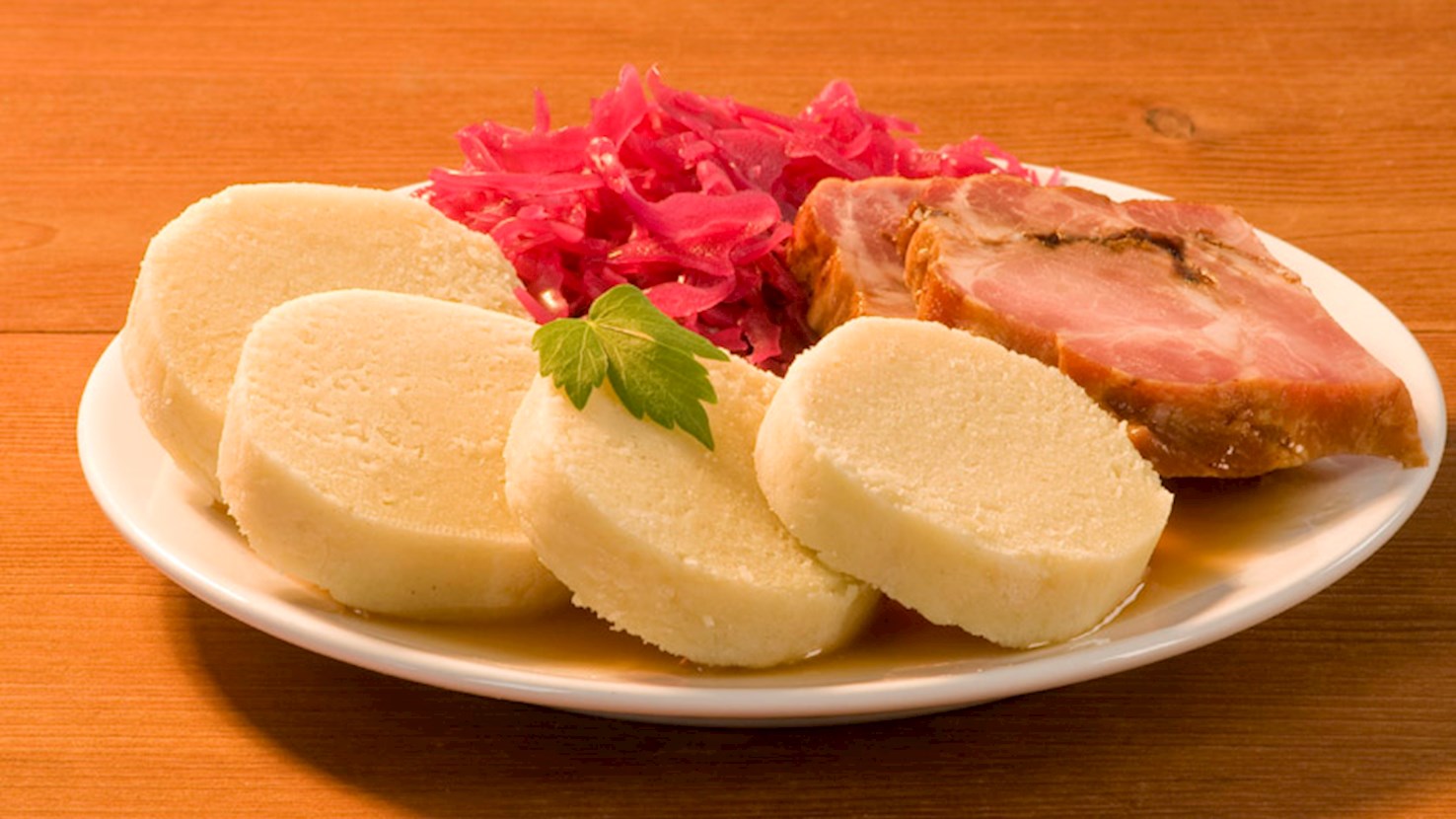
The name of this Czech national dish translates simply as pork roast with bread dumplings and sauerkraut. Pork is roasted in the oven with chopped onions, and the drippings from the roast are reduced into a sauce that is served with the dish. The sauerkraut can be stewed or served plain, and it can range from sweet to sour depending on the chef. Sauerkraut can also be replaced with red cabbage, or enriched with the addition of sliced bacon and caraway seeds, a spice used frequently in Czech national cooking. Plain bread dumplings are usually standard alongside this dish, but potato dumplings occasionally make an appearance in their stead. Vepřo-knedlo-zelo is served in most Czech households as a regular weekend meal, but it is also often the central dish served during Christmas dinner. The dish is believed to have German origins, and the German cooking tradition almost certainly influenced the three essential parts of the dish. However, it has become a Czech national dish, and it can be found in every traditional restaurant across the country. For the locals, a good Czech Pilsner beer is a must alongside this comforting, hearty classic.

08

Schweinebraten

3.9 ·

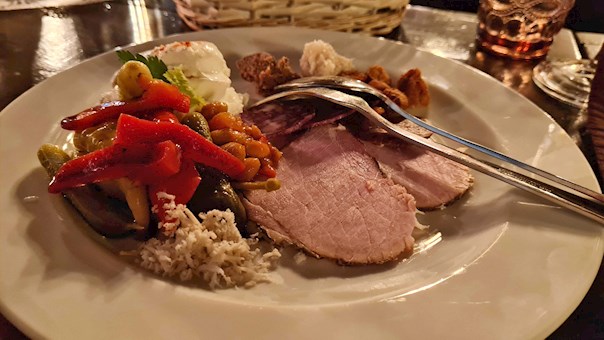
Schweinebraten is a traditional pork roast originating from Bavaria. It is typically prepared for Sunday lunch and consists of sliced pork roast that's served with homemade gravy, semmelknödel (bread dumplings) or potato dumplings, and either sauerkraut or rotkohl (red cabbage). When properly prepared, the meat should be succulent and very tender. The best part of pork to use for this dish is boneless pork shoulder. Before the preparation, pork is often rubbed with mustard, marjoram, or minced garlic, giving it a bit of extra flavor. For the best possible experience, it is recommended to pair the dish with a cold German beer on the side, preferably a lager.

09

Schwenkbraten

3.9 ·

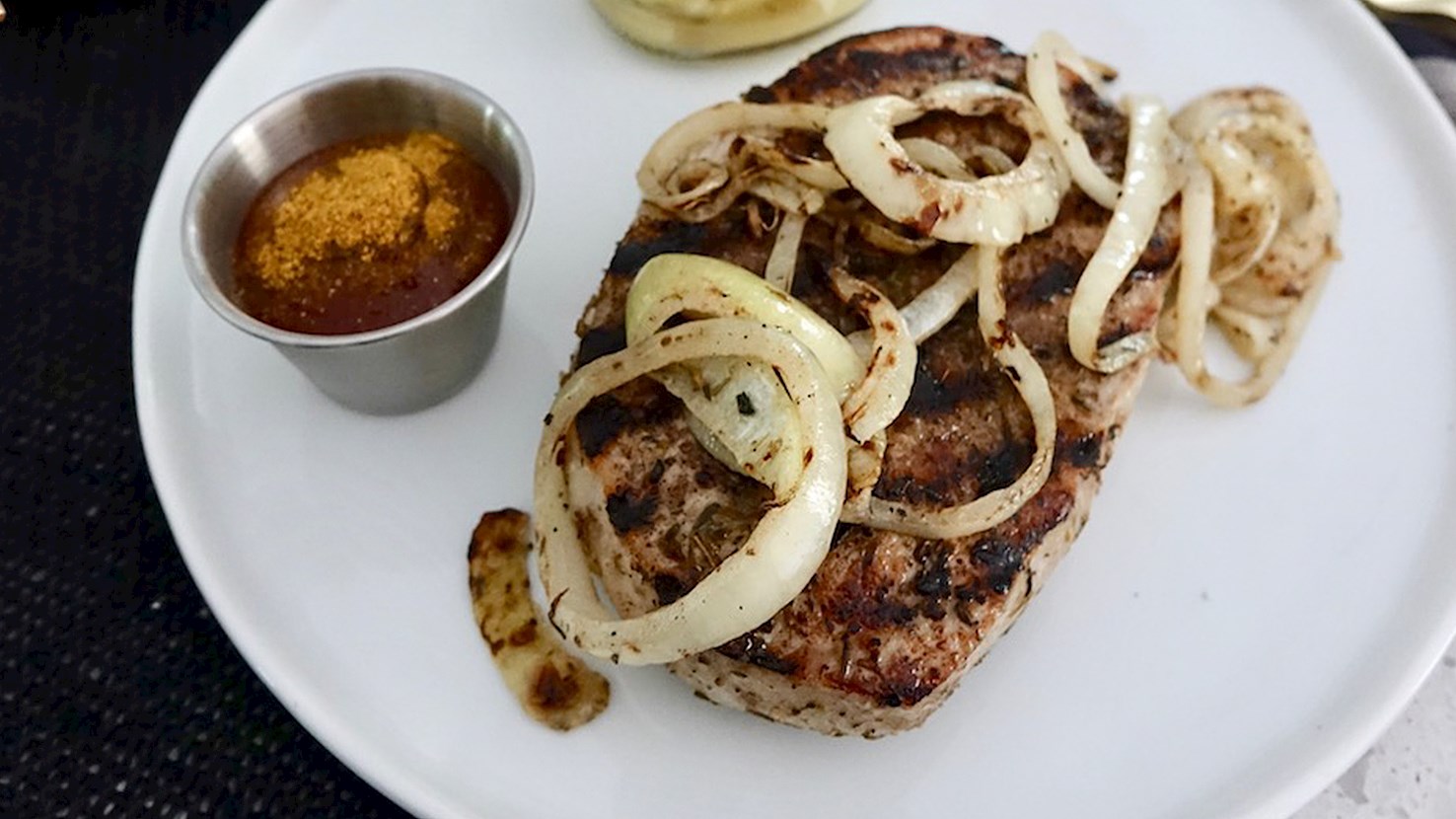
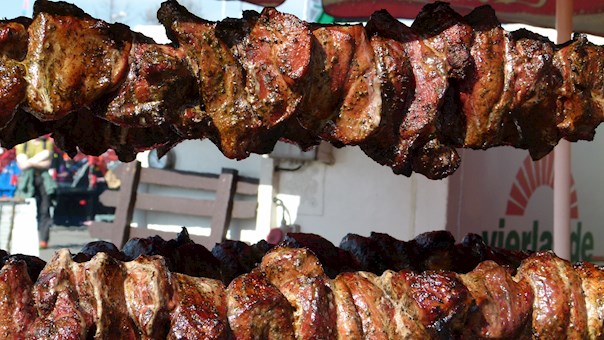
A barbecue specialty hailing from Saarland, schwenkbraten consists of marinated pork steaks that are grilled on a schwenker, a unique grill which is suspended from a tripod and swung over an open wood fire by a schwenkmeister (the person doing the grilling). The pork steaks used in the dish are typically neck cuts, but other pork cuts will also do. They are usually left to soak in the marinating mixture overnight or up to 3 days. Typical ingredients used in the marinade include dried thyme, dried oregano, onions, salt, black pepper, garlic, juniper berries, oil, and (optionally) German Riesling wine. With a crispy crust on the outside and succulent and tender meat on the inside, these grilled pork steaks are typically paired with a glass of fine German Riesling or beer, along with various side dishes such as potato salads, fresh salads, roasted vegetables, and bread rolls.

10

Odojak na ražnju

3.9 ·

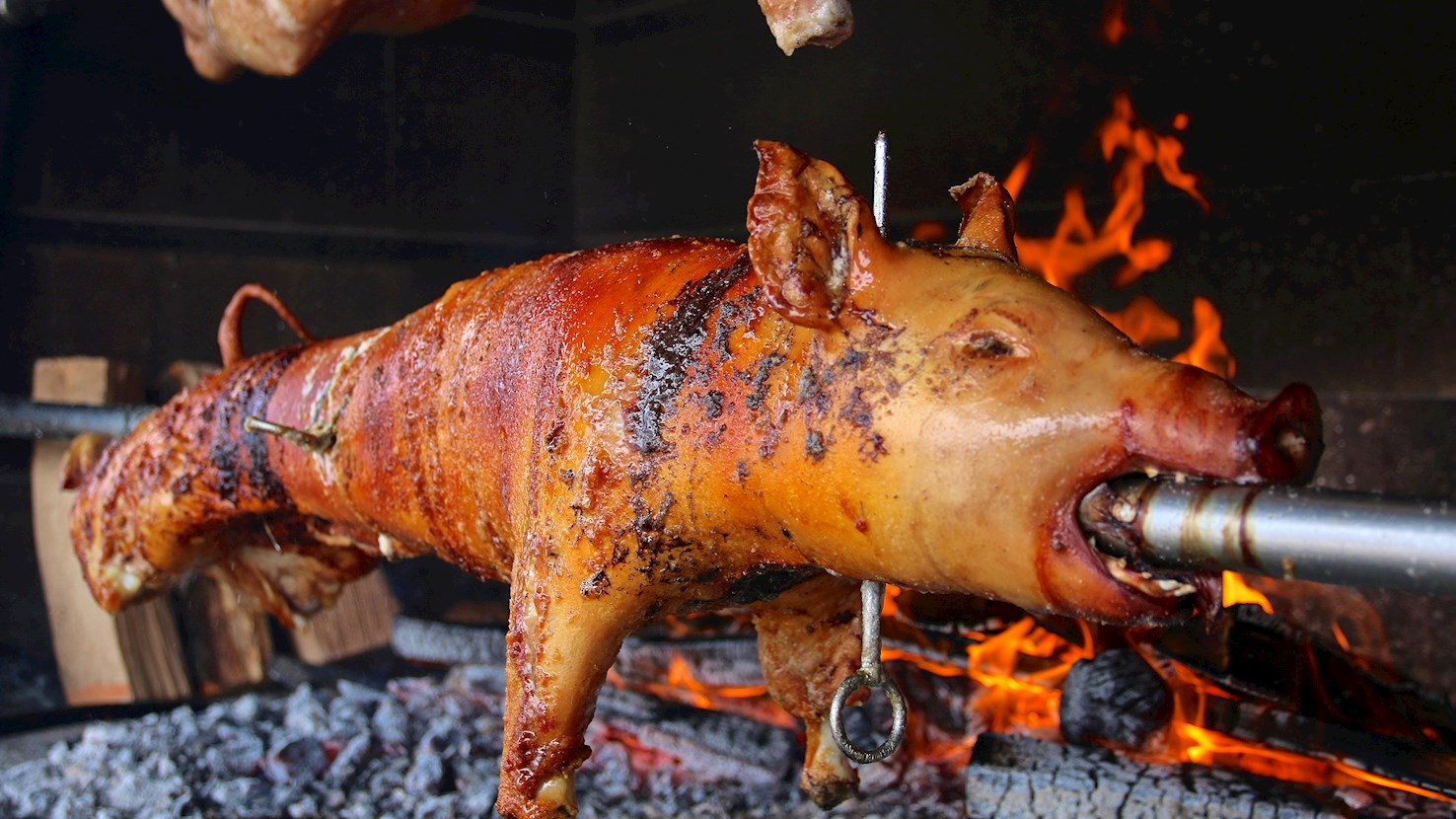
Odojak na ražnju is a popular Croatian dish made by roasting a whole suckling pig on a rotating spit. It is roasted over an open fire until the skin becomes crispy and golden-brown in color. Before it's roasted, the suckling pig is traditionally seasoned only with salt. The cooking time is somewhere between 3,5 hours and 5,5 hours, depending on the size of the pig. Once the white steam starts to form and the fat stops dripping, the suckling pig is properly roasted. This dish is often prepared for special occasions and important guests, and it's usually served with bread and roasted potatoes.

Read more
View all
View map
About this ranking

TasteAtlas food rankings are based on the ratings of the TasteAtlas audience, with a series of mechanisms that recognize real users and that ignore bot, nationalist or local patriotic ratings, and give additional value to the ratings of users that the system recognizes as knowledgeable. For the “Top 48 Central European Pork Dishes” list until June 15, 2026, 2,203 ratings were recorded, of which 1,832 were recognized by the system as legitimate. TasteAtlas Rankings should not be seen as the final global conclusion about food. Their purpose is to promote excellent local foods, instill pride in traditional dishes, and arouse curiosity about dishes you haven’t tried.

Similar lists