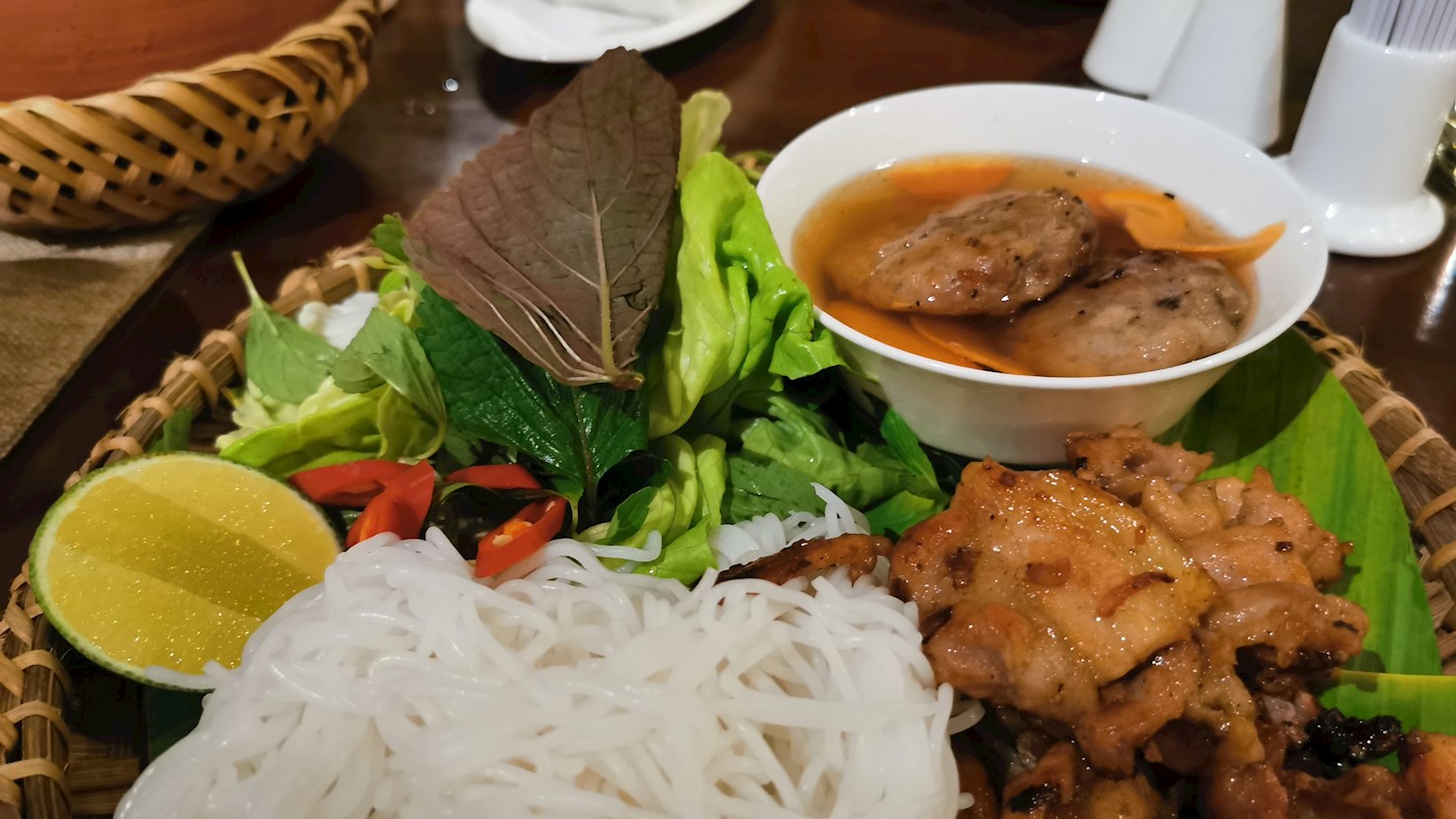
Bún chả is a pork and noodle dish that is intricately connected to Hanoi, where it is believed to have originated. The dish combines three elements: a bowl of grilled pork meatballs served in a cold broth, a plate of rice noodles, and a combination of various fresh greens such as perilla leaves, lettuce, coriander, and morning glory. Although bún chả or similar varieties can be found in other parts of Vietnam, the local Hanoi version is held in high regard. Not much is known about its history or origin, but the dish became internationally recognized in 2016 when it was featured on the show Parts Unknown – in which the host Anthony Bourdain enjoyed bún chả together with the former president Barack Obama.
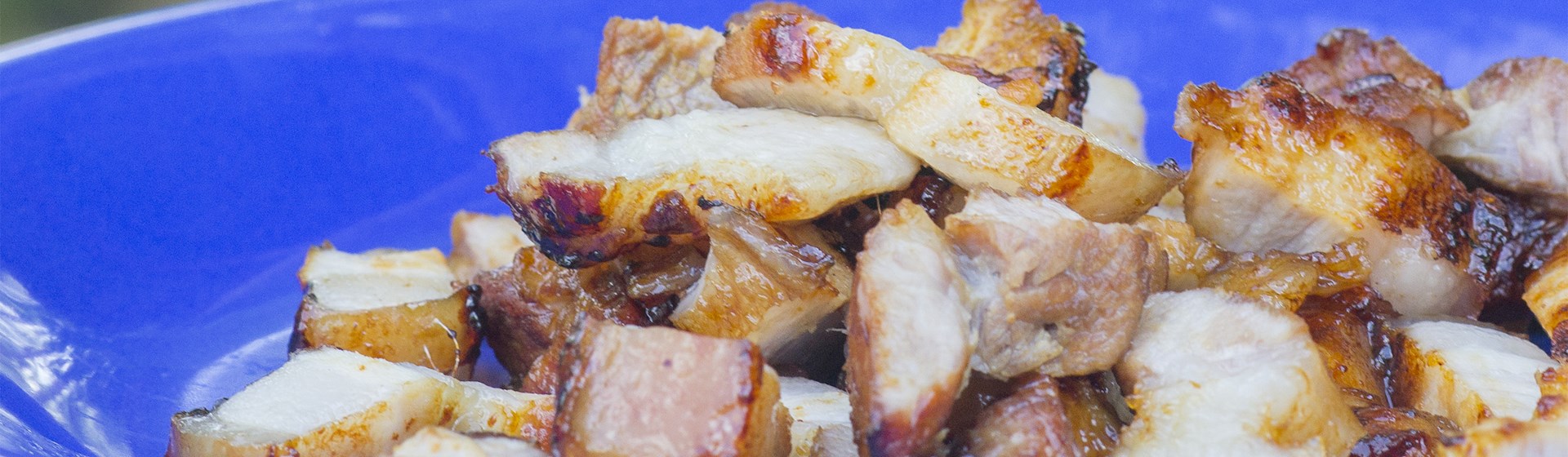
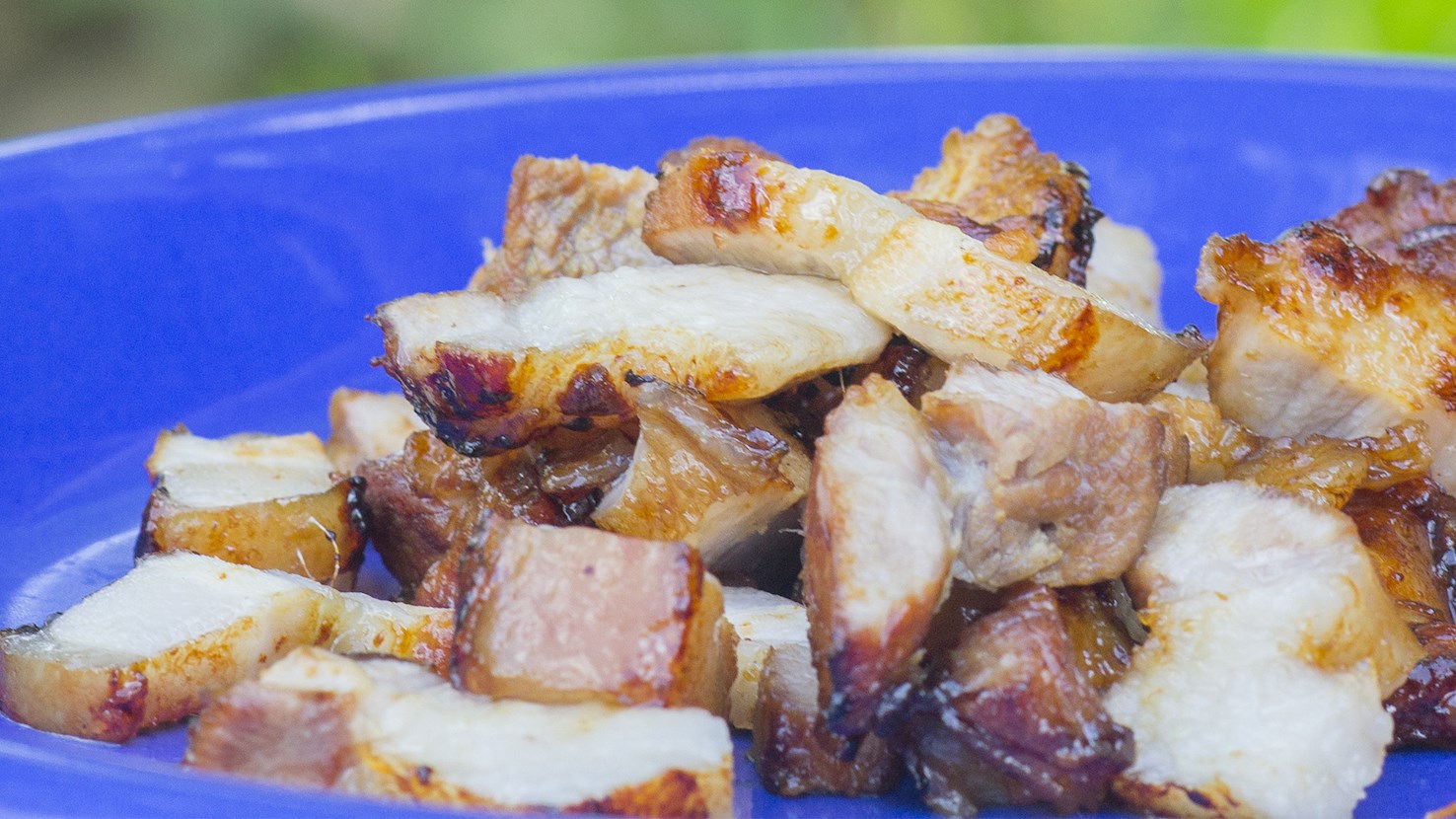
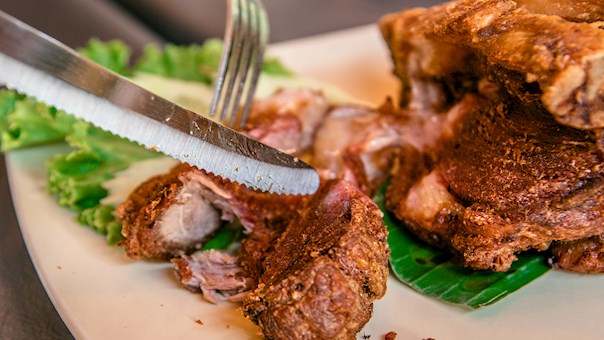
Lechon kawali is the Filipino version of deep-fried pork belly. Primarily boiled in plain or seasoned water, the meat is rubbed with salt, cut into chunks, then deep-fried until it develops a golden-brown, crispy skin, but remains juicy and tender on the inside. It is one of the most famous Filipino dishes eaten throughout the country. Always served hot, lechon kawali is usually accompanied by spicy vinegar sauce or a traditional lechon liver sauce on the side.
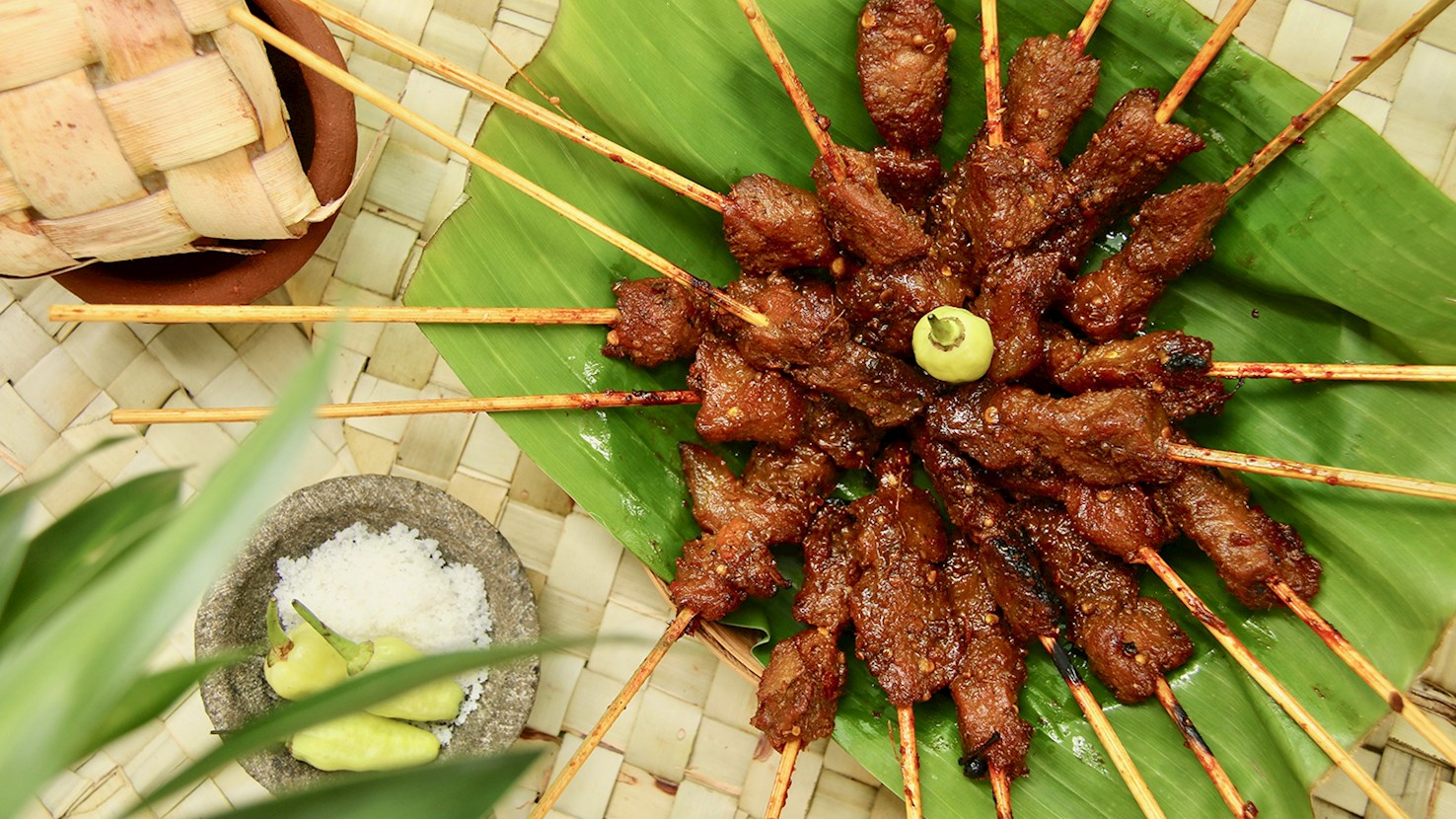
Sate babi is an Indonesian pork satay that originates primarily from the Chinese-Indonesian and Balinese communities, offering a distinctive take on the country’s iconic skewered meat dishes. Unlike most Indonesian sate, which is often made from chicken, beef, or goat due to the country’s majority Muslim population, sate babi is popular in regions where pork is widely consumed, such as Bali, North Sulawesi, and parts of Java with significant non-Muslim populations, particularly among Chinese-Indonesians. The dish consists of small cuts of pork that are marinated in a richly seasoned mixture before being skewered and grilled over charcoal. The marinade typically includes garlic, shallots, coriander, tamarind, soy sauce, palm sugar, and sometimes lemongrass or ginger, resulting in a flavor profile that is simultaneously savory, sweet, and aromatic. The meat is usually cut into bite-sized cubes or thin slices, allowing it to cook quickly while maintaining a tender, juicy interior and slightly charred exterior. During grilling, the skewers are often brushed with the leftover marinade to deepen the flavor and create a glossy, caramelized finish. In Bali, sate babi is often prepared for religious ceremonies and festive gatherings, where it is served alongside lawar, rice, and spicy sambal. It holds an important cultural role, symbolizing celebration and abundance. In Chinese-Indonesian cuisine, it is commonly sold at street stalls and small family-run warungs, especially in urban areas like Jakarta and Surabaya, where it is typically served with rice, pickled vegetables, and a thick peanut or soy-based sauce. The Balinese version tends to be spicier and more aromatic, reflecting the island’s bold and vibrant culinary traditions, while Chinese-Indonesian versions may lean slightly sweeter and more soy-forward.
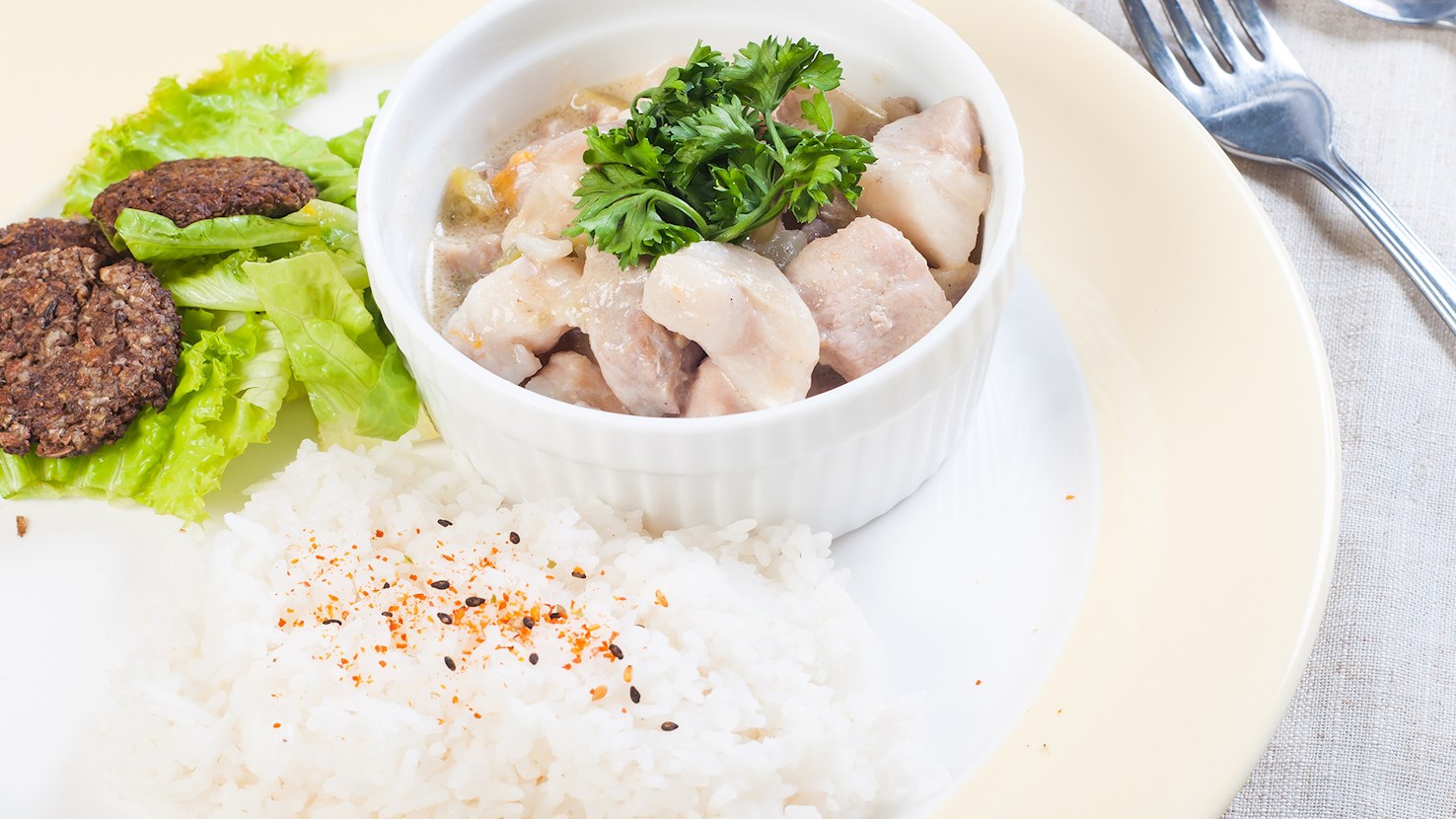
Bicol express is a popular Filipino dish consisting of sliced pork that is doused in a creamy coconut-based sauce and seasoned with shrimp paste and spicy chili peppers. According to popular belief, Cely Kalaw invented the dish in her Manila restaurant. She was inspired by the traditional Bicolano coconut-infused dishes and named the new invention after a Filipino train service operating from Manila to the Bicol region. Creamy and spicy Bicol express is usually served with plain steamed rice on the side.
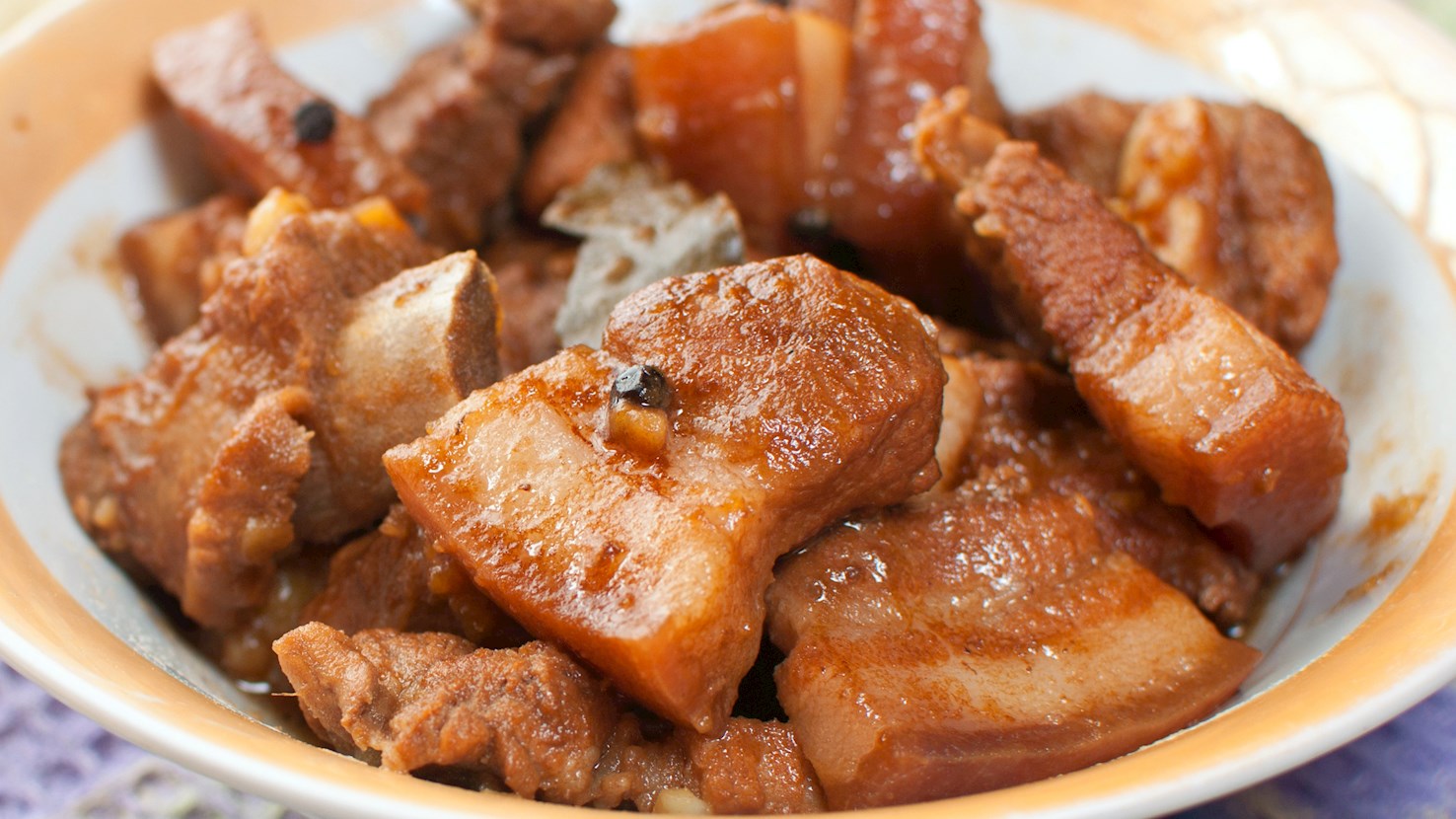
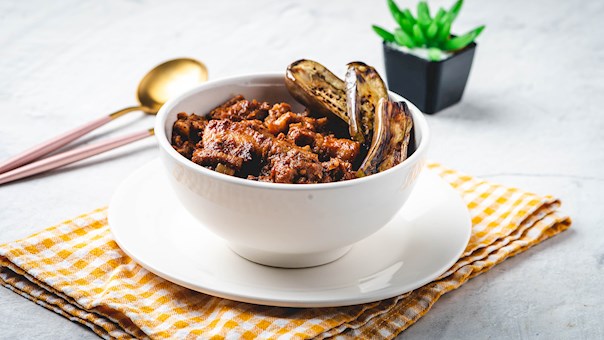
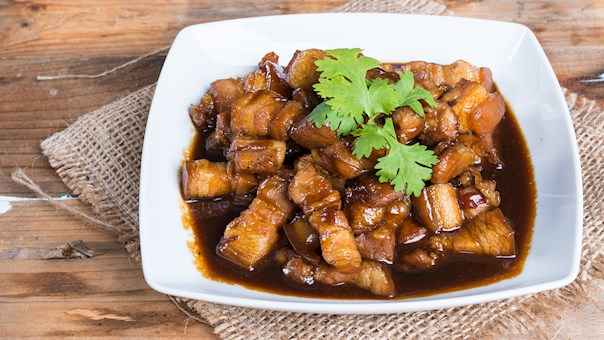
Adobong baboy is a traditional stew originating from the Philippines. This type of Filipino adobo is made with a combination of pork belly, garlic, soy sauce, vinegar, sugar, bay leaves, peppercorns, and salt. The pork is marinated in a combination of garlic and soy sauce, and it's then browned in a pan over high heat. The rest of the ingredients are added to the pan (except the vinegar), and the dish is simmered for a few minutes before the vinegar, salt, and water or soy sauce are added to the pan. Once fully cooked, this pork stew is served hot with the thick sauce and white rice on the side.
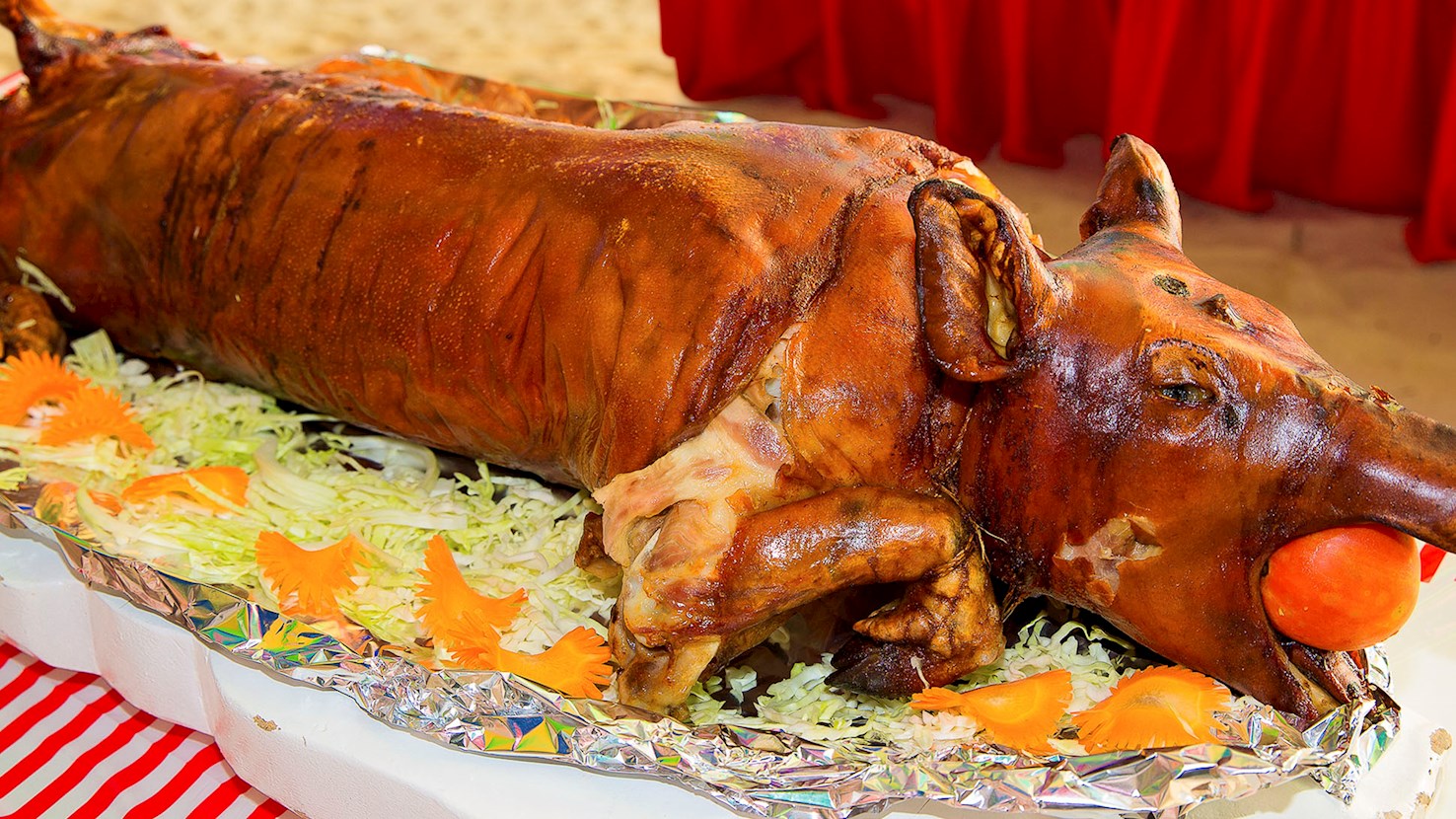
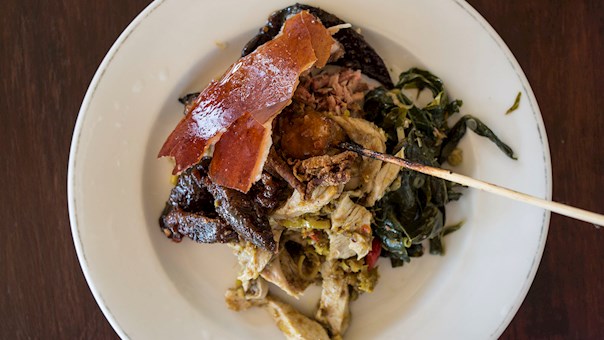
Lechon, derived from a Spanish word for roasted suckling pig is one of the most popular dishes in the Philippines. The slowly-roasted suckling pig is usually stuffed with lemongrass, tamarind, garlic, onions, and chives, and is then roasted on a large bamboo spit over an open fire. It is traditionally served whole on a platter, at celebrations and festive events such as weddings and Christmas. Once the meat is properly roasted and falls off the bone, people tend to eat every part of the pig, and the crispy, reddish-brown, crackling skin is especially beloved. Lechon is often served with a thick and rich liver sauce that is cooked with sugar, fresh herbs, and vinegar. If anything is left after the feast, the leftovers are often made into lechon slaw, slowly cooked with vinegar, garlic, and liver sauce for that extra bit of flavor. Apart from the Philippines, the dish is especially popular in countries such as Cuba, Puerto Rico, the Dominican Republic, and Spain. Some famous chefs even named lechon the best pig in the world, so it is definitely worth a try.
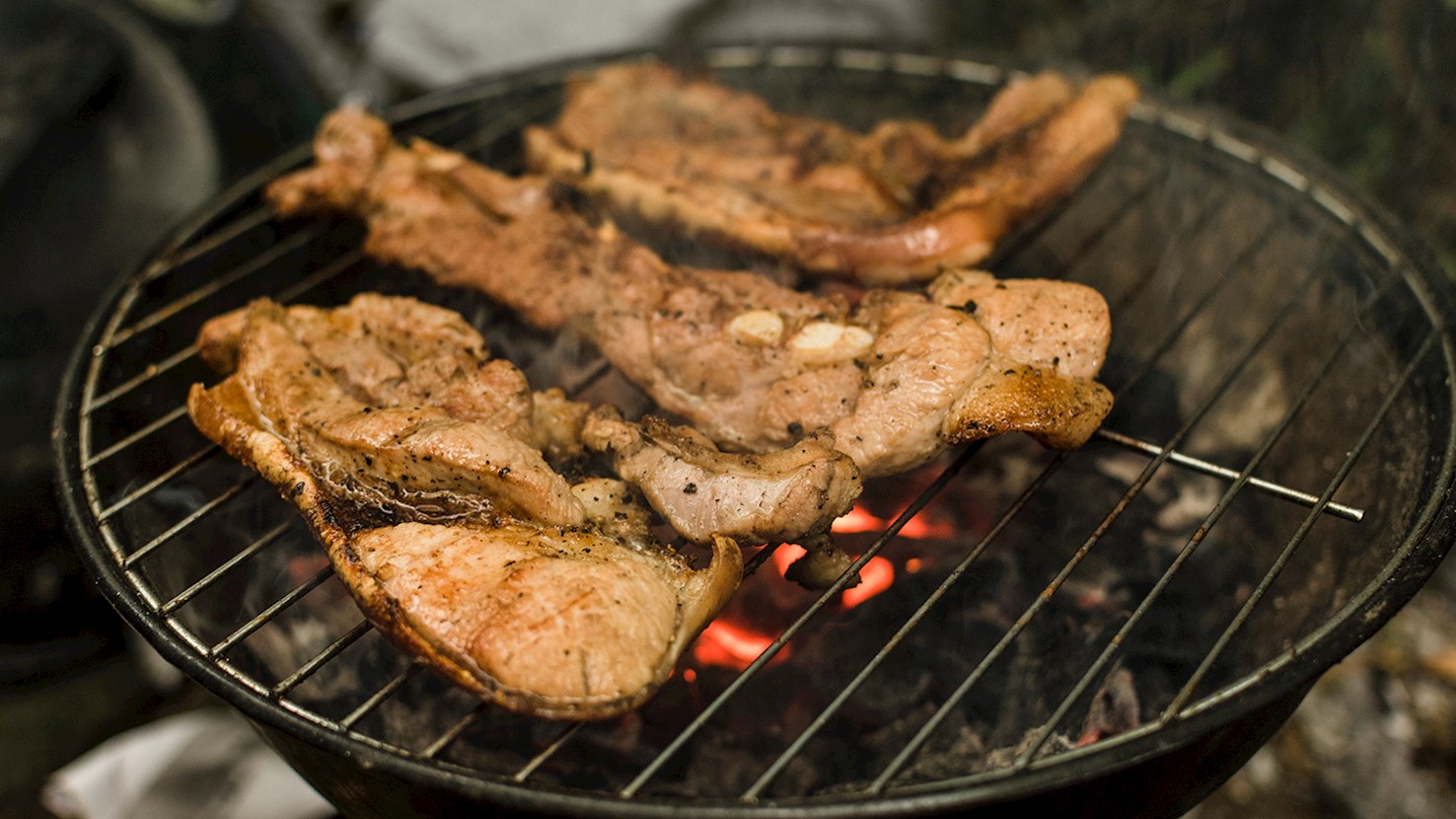
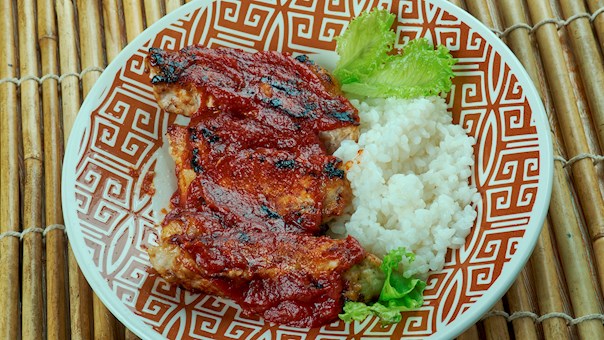
Inihaw na liempo is a traditional dish consisting of grilled pork belly. Although there are many variations on the dish, it's usually preapred with pork belly that's marinated in soy sauce, lemon juice, salt, pepper, and garlic. When the pork belly is placed on the grill, it's often basted with a combination of leftover marinade, banana ketchup, and oil. Once done, the dish is usually served with white rice, spiced vinegar, or toyomansi dipping sauce (soy sauce, vinegar, and chopped onions). Inihaw na liempo can be served as an appetizer or main dish.
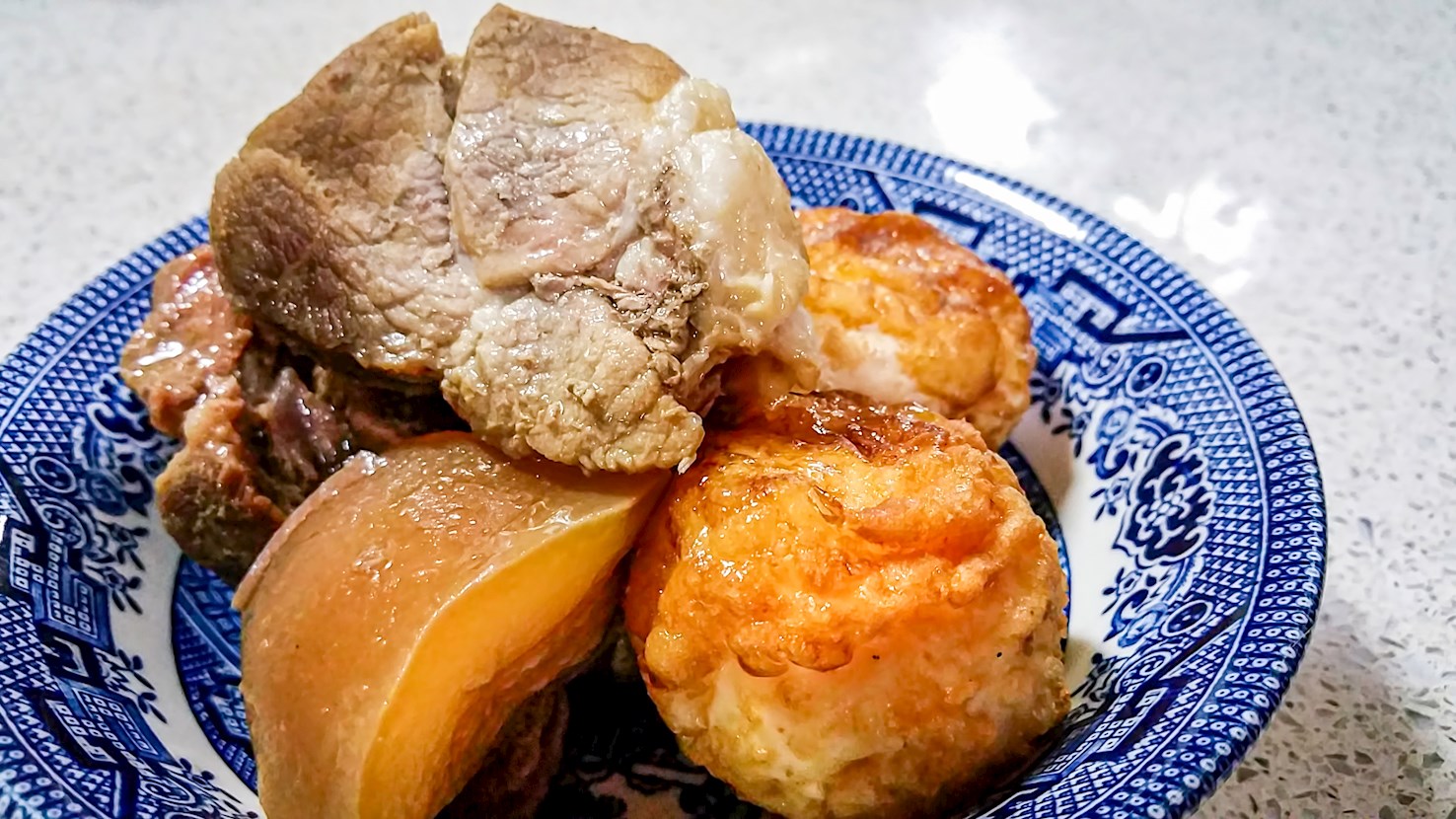
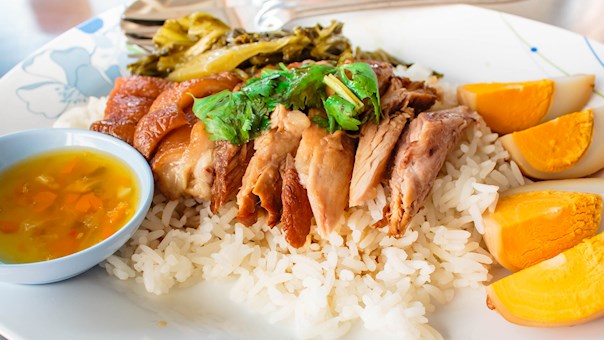
Thịt kho tàu is a traditional dish of braised and caramelized pork belly with eggs. It's made with a combination of pork belly, garlic, shallots, soy sauce, sugar, fish sauce, and hard-boiled eggs. The braising liquid usually consists of oil, garlic, shallots, and coconut water. The meat is sliced, parboiled, then marinated in fish sauce, sugar, onions, and soy sauce. Later on, it's simmered with aromatic herbs, the braising liquid, and eggs until tender. Once done, the dish is usually served with rice or dua chua (pickled mustard greens) on the side. Thịt kho tàu is especially popular during Tet (Vietnamese New Year), but it's also commonly cooked at home.
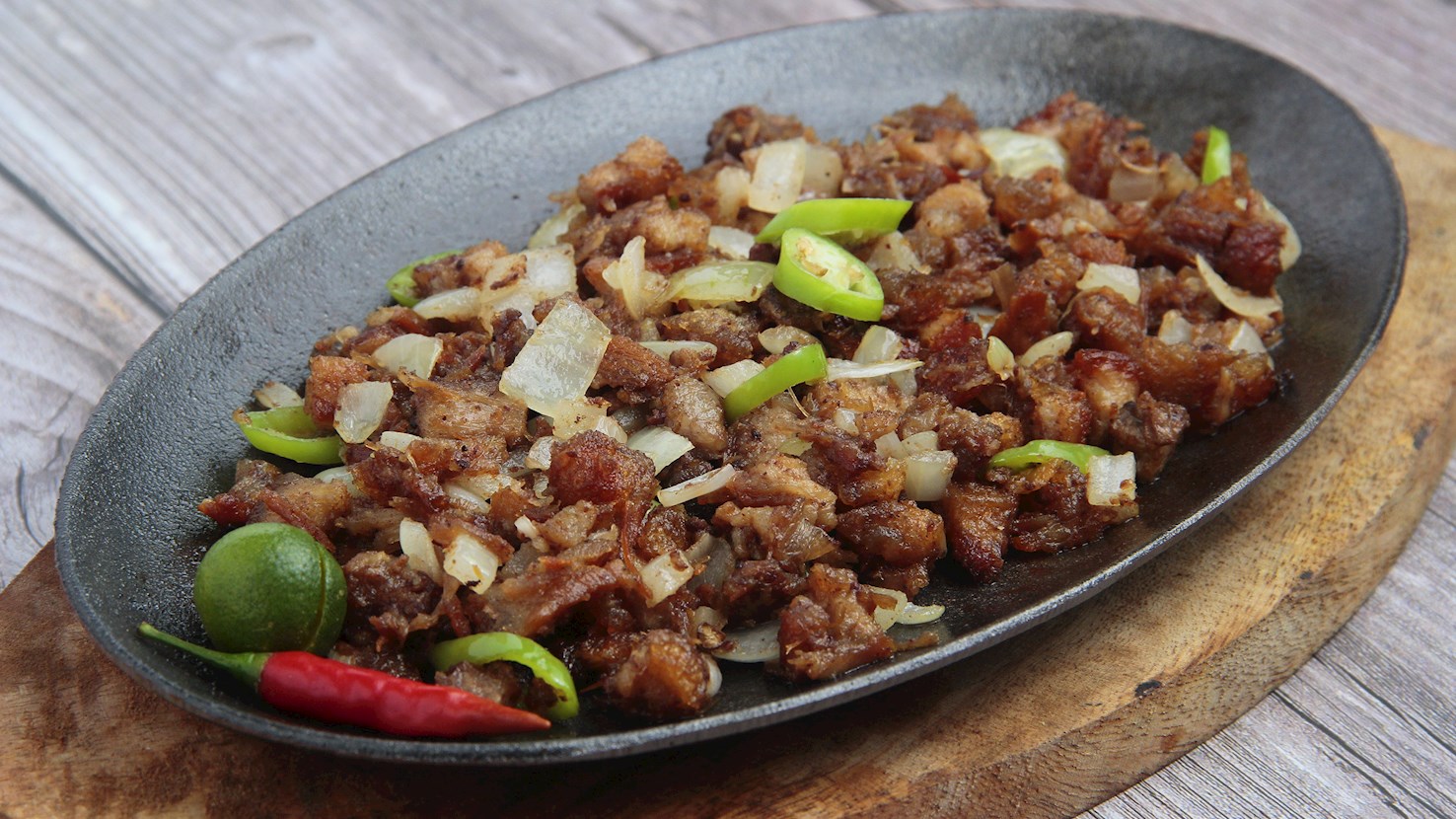
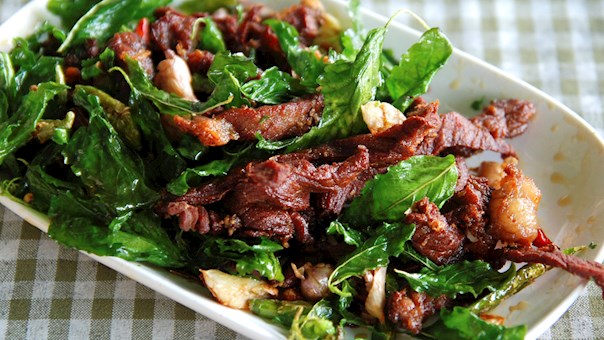
Sisig is a popular Filipino dish made by boiling, chopping, and grilling parts of pig's head such as ears, cheeks, and jowls, which are then seasoned with salt, pepper, and vinegar. The meat is combined with fried onions, sili, and chicken livers, and the whole concoction is traditionally topped with a raw egg. Some cooks like to add mayonnaise or pork cracklings into the dish for extra flavor. Originally, sisig had no meat in it, and was first described in a 1732 Kapampangan dictionary by Fr. Diego Bergano as a salad consisting of guava or green papaya. The name of the dish is believed to derive from the word sisigan, meaning to make sour. It was used as an early remedy for nausea and hangovers, because its sour flavor was considered a vomit suppressant, and that is why today sisig is almost always paired with an ice-cold beer on the side. What started as a simple sour salad has crossed land and sea to become one of the favorite dishes of beer drinkers worldwide.
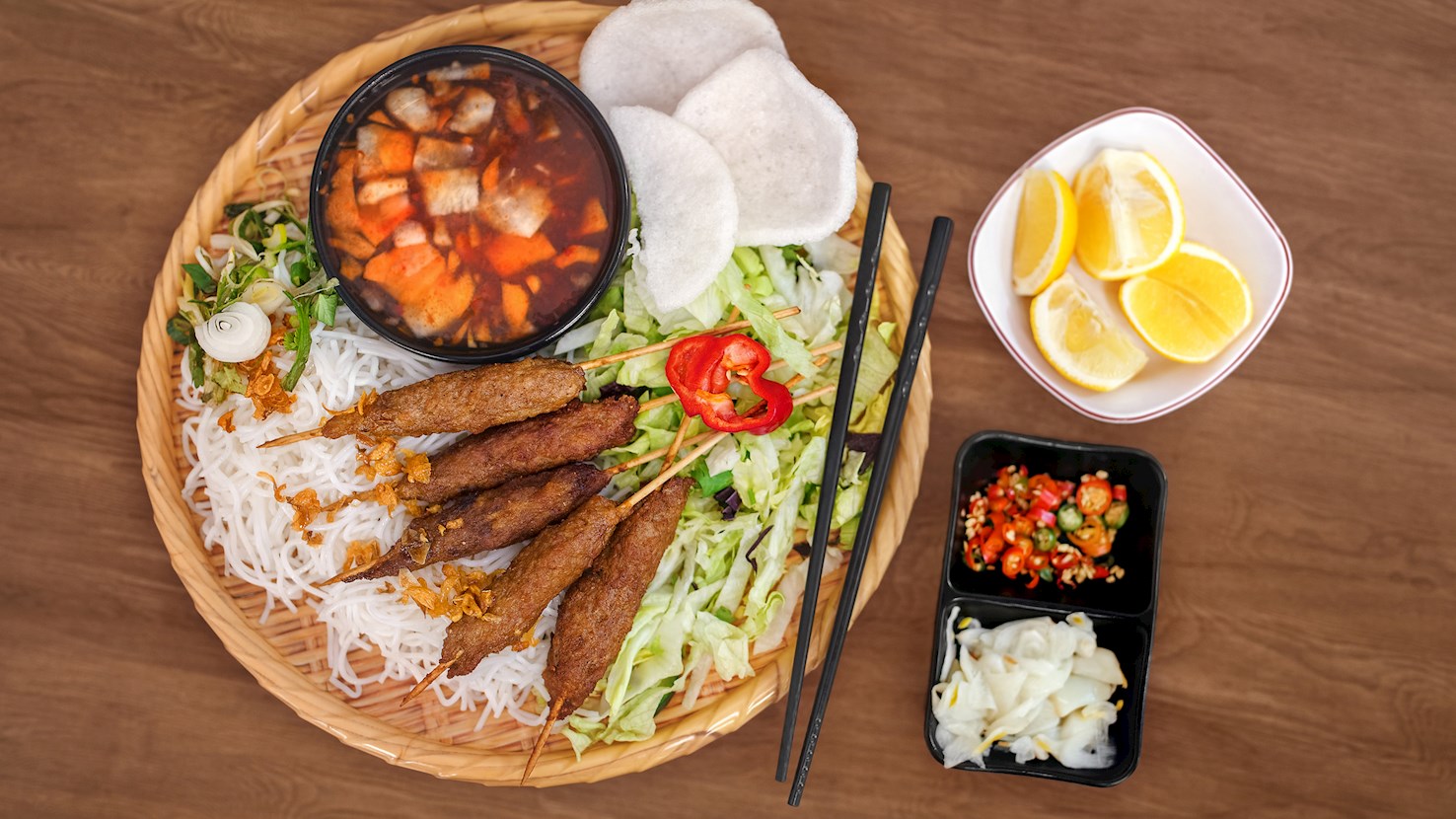
Nem lui is a traditional dish originating from Hue. The dish consists of ground pork that's grilled on a lemongrass skewer. Other ingredients often include black pepper, pork skin, garlic, shallots, and fish sauce. The meat combination is rolled into a sausage shape around a lemongrass stick, and it's then brushed with oil and grilled on a coal stove until slightly charred. Nem lui typically comes accompanied by vegetables, Vietnamese herbs, and rice paper that's rolled like a spring roll while the grilled ground pork is used as the filling, and the combination is then dipped in a sweet and sour peanut-sesame sauce. The dish is served as a main course or a snack in the afternoon.
TasteAtlas food rankings are based on the ratings of the TasteAtlas audience, with a series of mechanisms that recognize real users and that ignore bot,
nationalist or local patriotic ratings, and give additional value to the ratings of users that the system recognizes as knowledgeable.
For the “Top 32 Southeast Asian Pork Dishes” list until June 15, 2026, 1,682 ratings were recorded, of which 1,020 were recognized by the system as legitimate.
TasteAtlas Rankings should not be seen as the final global conclusion about food. Their purpose is to promote excellent local foods,
instill pride in traditional dishes, and arouse curiosity about dishes you haven’t tried.