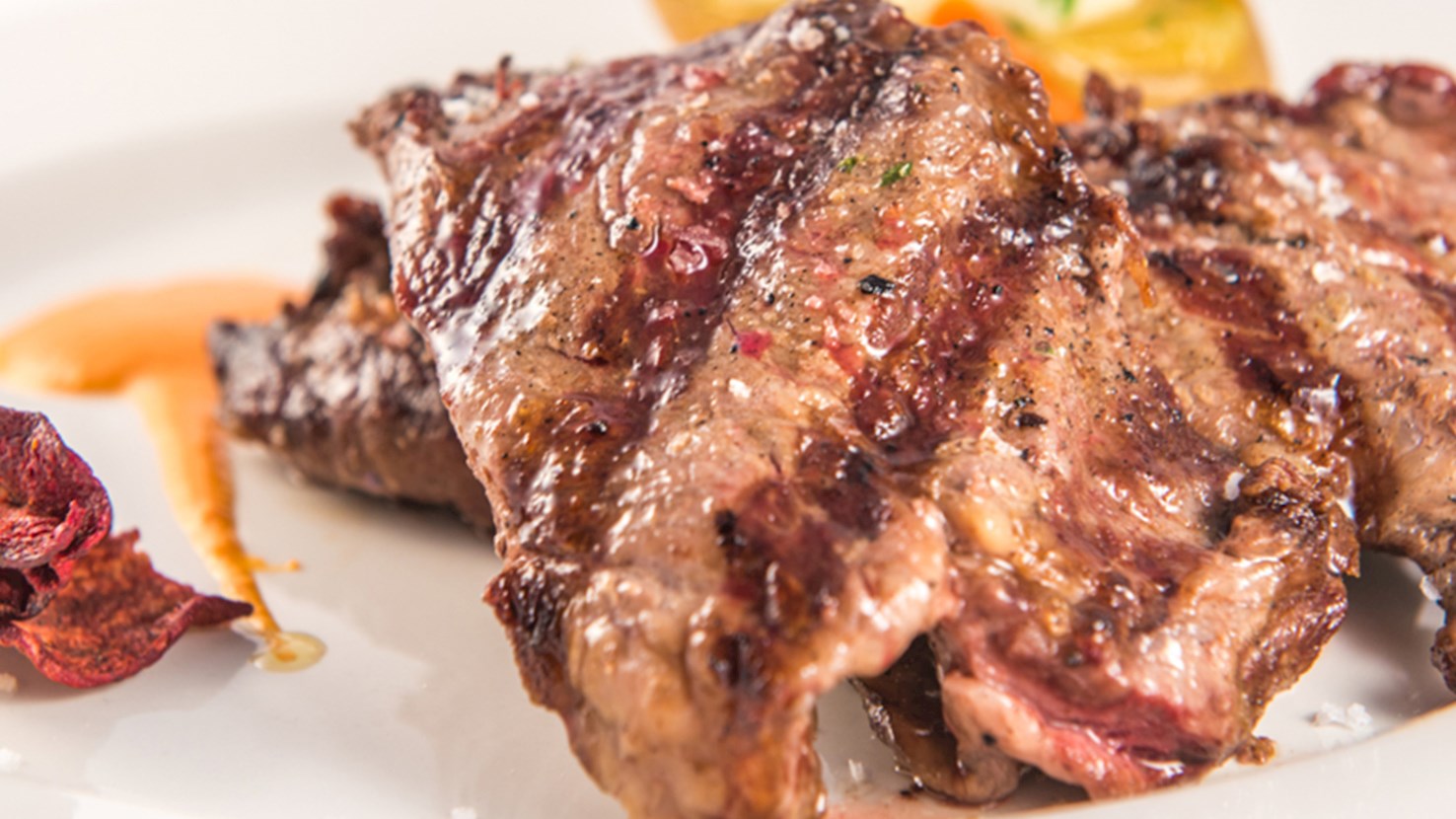
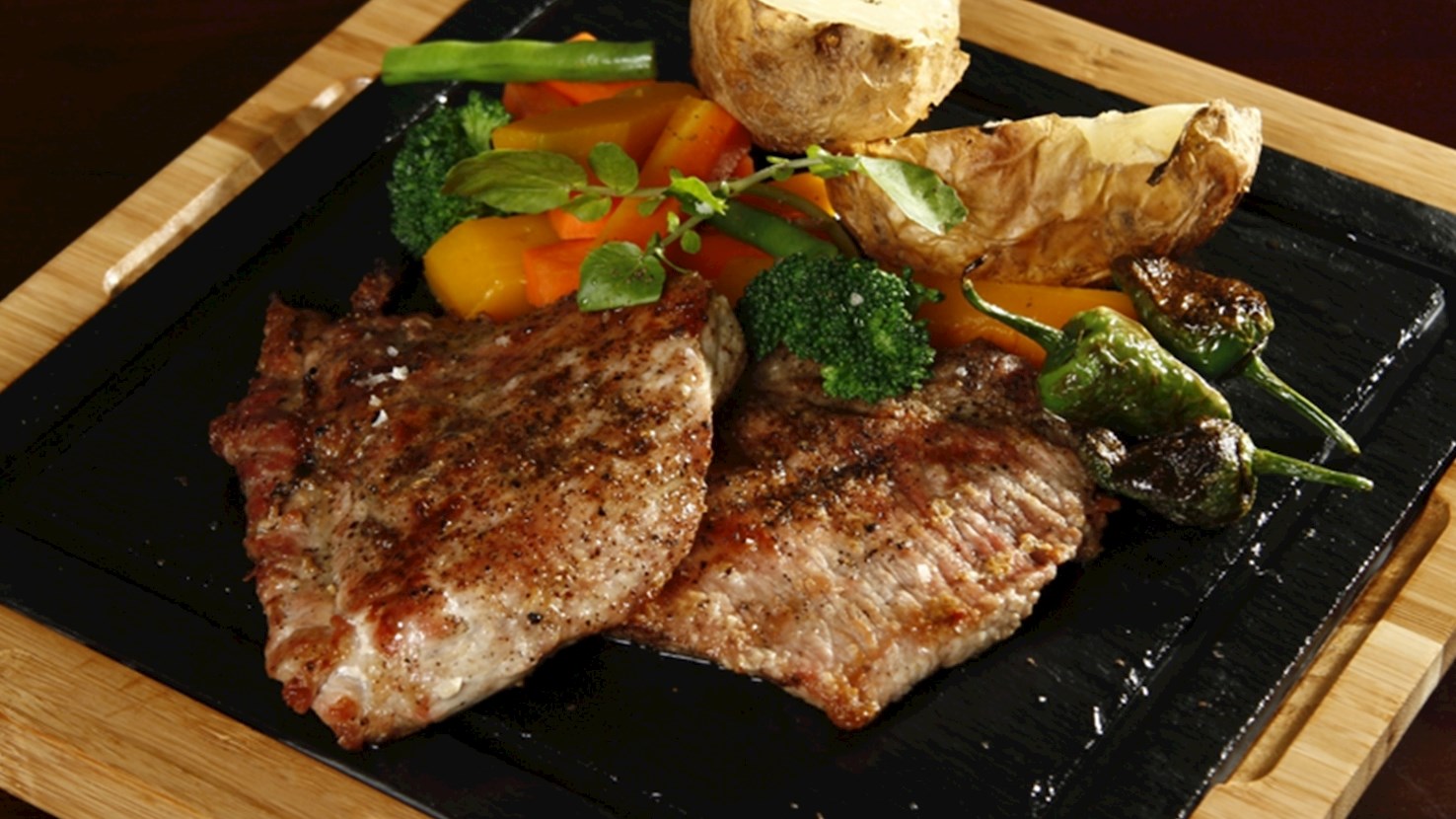
Ibérico pluma is a specific cut of pork from the Ibérico pig, a unique breed of pig native to Spain. The word "pluma" means "feather" in Spanish, and this cut is named for its feather-like shape. It's located at the end of the loin, near the shoulder. This cut is known for its tenderness and intense flavor, which is a result of the pig's diet and free-range lifestyle. Ibérico pigs are often fed a diet rich in acorns, which contributes to the distinct taste and marbling of the meat. The pluma is best cooked quickly over high heat to maintain its juiciness and is a delicacy in Spanish cuisine.
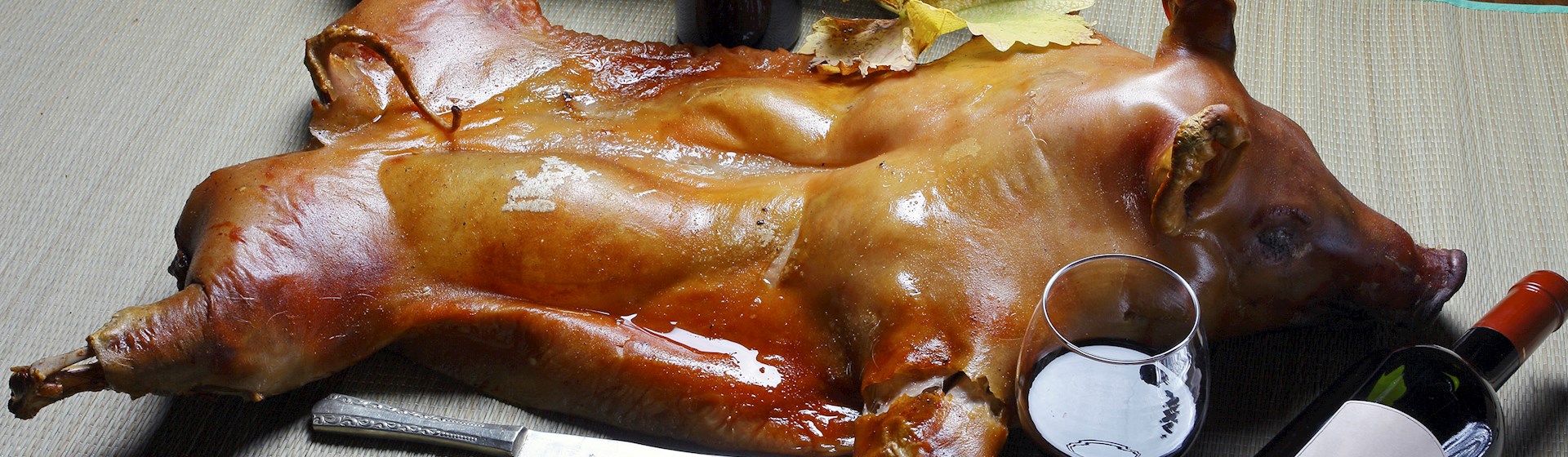
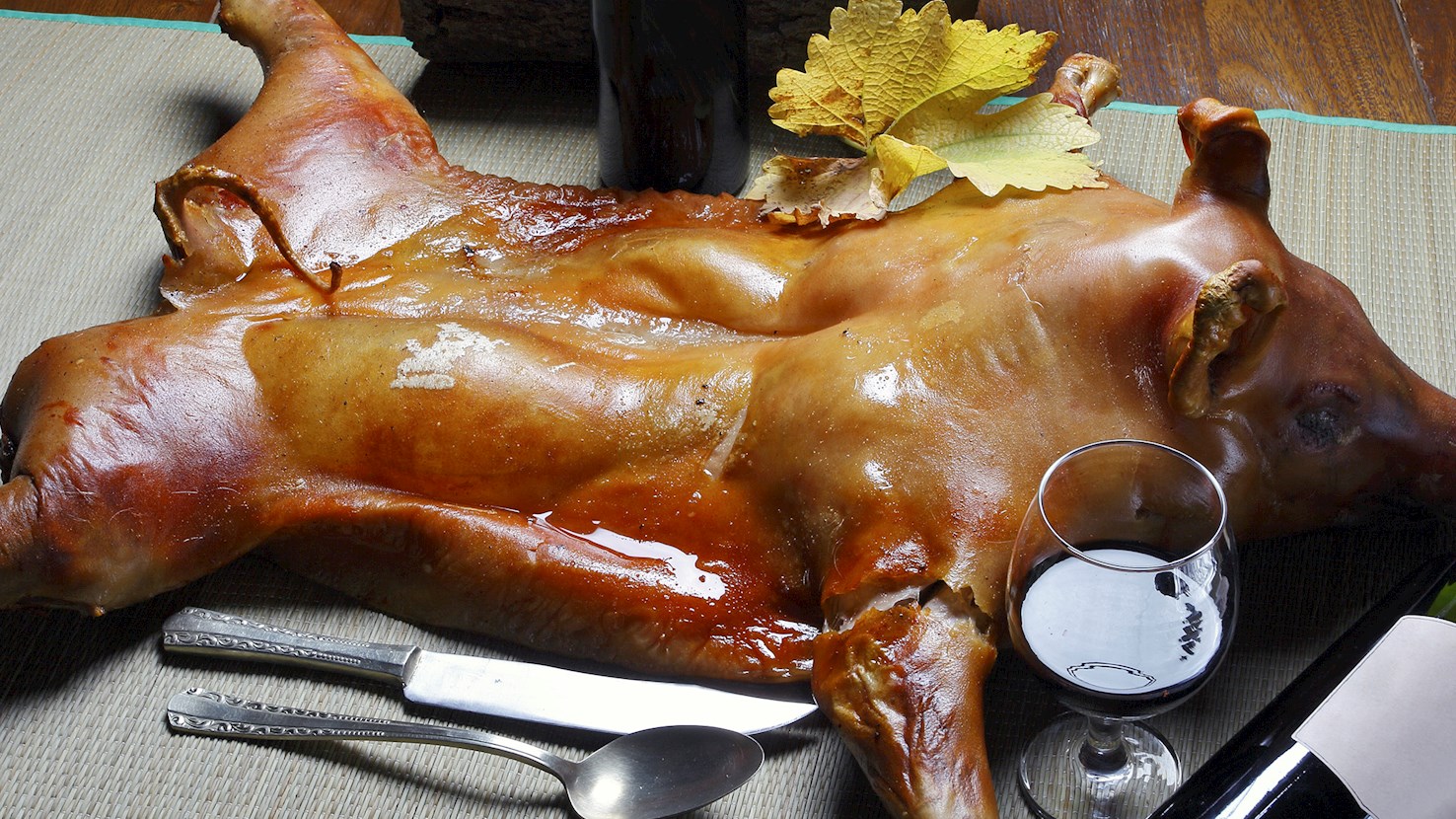
Cochinillo is a whole roasted suckling pig characterized by its extraordinarily tender, milk-fed meat and shatteringly crisp, glass-like skin. The core requirement for this roast is a highly specific main ingredient: a piglet no more than three weeks old, weighing between four and five kilograms, having consumed nothing but its mother's milk. This strict diet ensures a delicate texture and prevents any tough muscle fibers from developing. The cooking begins by flattening the animal completely, bone-side down, inside a wide terracotta dish. Water is poured directly into the bottom of the vessel to maintain a steady steam level, ensuring the meat remains incredibly moist during the prolonged heat exposure. The skin is pricked or scored, then rubbed aggressively with coarse salt, which draws out moisture and forms a blistering crust. The entire roasting dish is then placed inside a scorching, dome-shaped wood-fired oven for several hours until the underlying fat renders completely, leaving the exterior paper-thin and fragile. However, some rural areas coat the interior cavity in a heavy paste of crushed garlic, parsley, and olive oil prior to baking. This method of slow-roasting young livestock in large clay ovens traces its origins deep into the Roman Empire, eventually finding its permanent epicenter in the central Iberian Peninsula, particularly in and around the city of Segovia. Centuries of agricultural practices in these high-altitude plains perfected the use of oak-wood fires and specific clay cookware designed to absorb and distribute heat evenly. When the roast is pulled from the flames, it is presented whole on a large platter. Because the flesh is profoundly soft and the crust brittle, separating the portions requires no sharp knives or metal utensils. Instead, the entire animal is famously carved using the blunt edge of a standard ceramic dining plate, pressing down firmly to crack through the ribs and separate the joints. This dramatic presentation frequently concludes with the individual carving the meat, deliberately smashing the plate onto the floor.
Solomillo al whisky is a traditional dish originating from Seville. The dish consists of pork tenderloin in a garlicky whisky sauce and it's made with a combination of medallions of pork tenderloin, flour, lemon juice, garlic, whisky, olive oil, stock, and often potatoes. The meat is browned, then removed from the pan so that the sauce can be prepared. When the sauce has reduced, the meat is added back to the pan until warm. It's recommeneded to serve solomillo al whisky with potatoes or bread to mop up the juices. This classic dish is a staple of Seville's tapas bars.
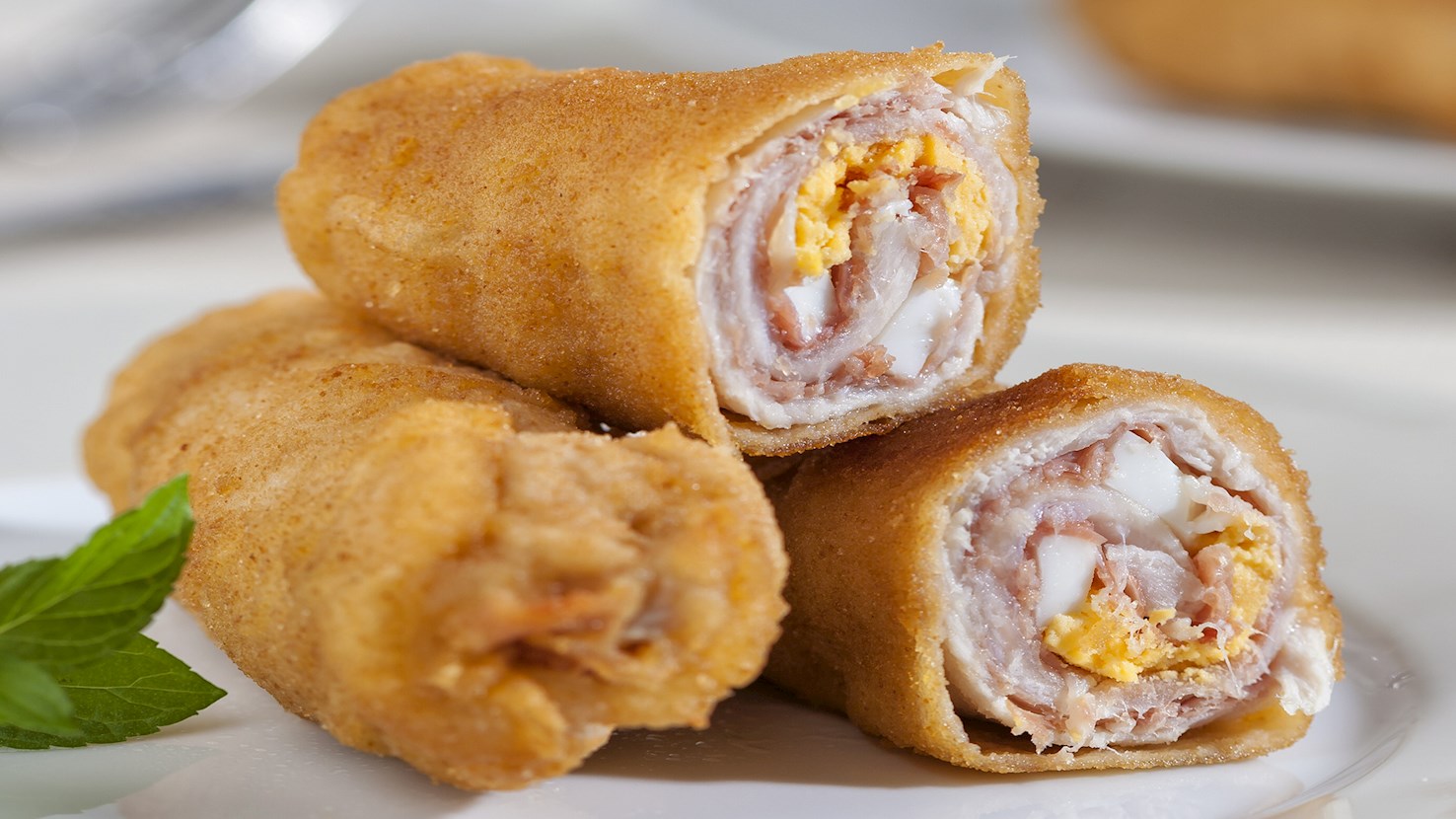
Flamenquín is a Spanish dish consisting of jamón serrano slices that are wrapped in pork loin cutlets. The concoction is dipped in eggs, coated in breadcrumbs, and it is then deep-fried in hot oil. The name can be translated as little Flemish, referring to the fact that the golden color of the dish (coming from the eggs) is reminiscent of the blond hair of Flemish assistants to the Emperor Charles V. Flamenquín is traditionally served with french fries and mayonnaise. Its place of origin is disputed between the cities of Andújar and Bujalance, but what is surely known is that the dish was invented in the 1950s.
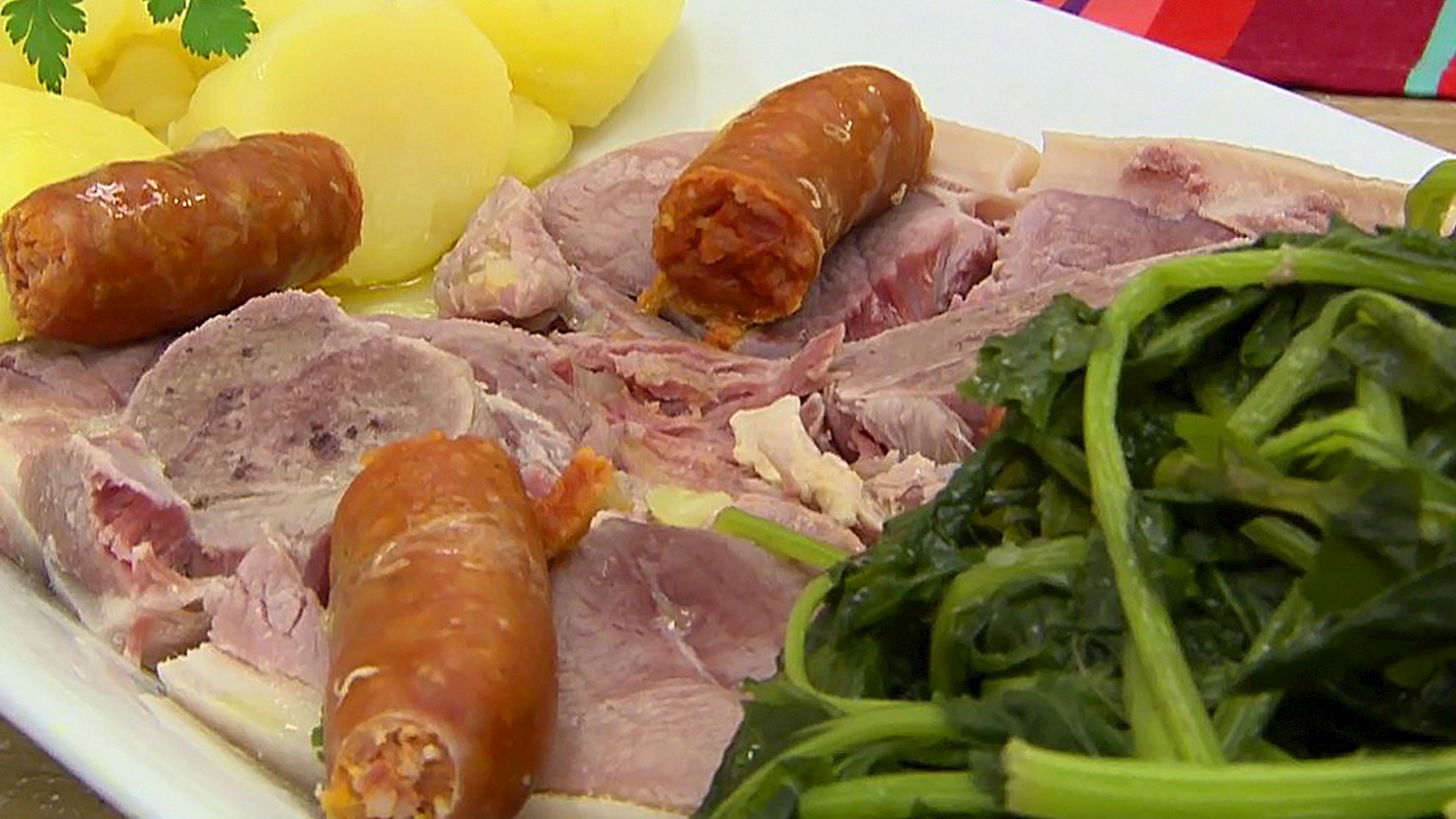
Lacón con grelos is one of the most famous Galician meat dishes, made with turnip greens and ham hock as the main ingredients. They are boiled together, and the dish is then traditionally served with potatoes and sausages. This hearty meat dish is usually prepared and consumed during winter.
Presa de Bellota 100% Ibérico is one of the most prized cuts of Iberian pork, sourced from the purebred Ibérico pig native to Spain. This particular cut, known as “presa”, comes from the muscle located between the shoulder and the loin, making it exceptionally tender and richly marbled. The “Bellota” designation signifies that the pigs are raised free-range in the Dehesa woodlands, where they feed on acorns (bellotas) during the Montanera season. This exclusive acorn diet gives the meat its deep red color, intense marbling, and a rich, nutty flavor, often compared to the quality of Wagyu beef. Thanks to this high level of intramuscular fat, the meat is both juicy and flavorful, with a buttery texture that melts in the mouth. Traditionally, presa Ibérica is best enjoyed grilled or seared, allowing the marbling to render and create a crispy, caramelized crust while keeping the inside tender and succulent. Some chefs also prepare it carpaccio-style or as tartare, emphasizing its natural depth of flavor. The cut pairs beautifully with Spanish red wines such as Rioja, Ribera del Duero, or Priorat, which complement its rich umami profile. Due to its acorn-rich diet, the fat of presa de Bellota 100% Ibérico is naturally high in oleic acid, the same heart-healthy fat found in extra virgin olive oil, making it not only delicious but also a healthier alternative to conventional pork. Because only a small portion of this premium cut is available per pig, it is considered a luxury delicacy, reflecting the artisanal traditions of Spanish pork production.
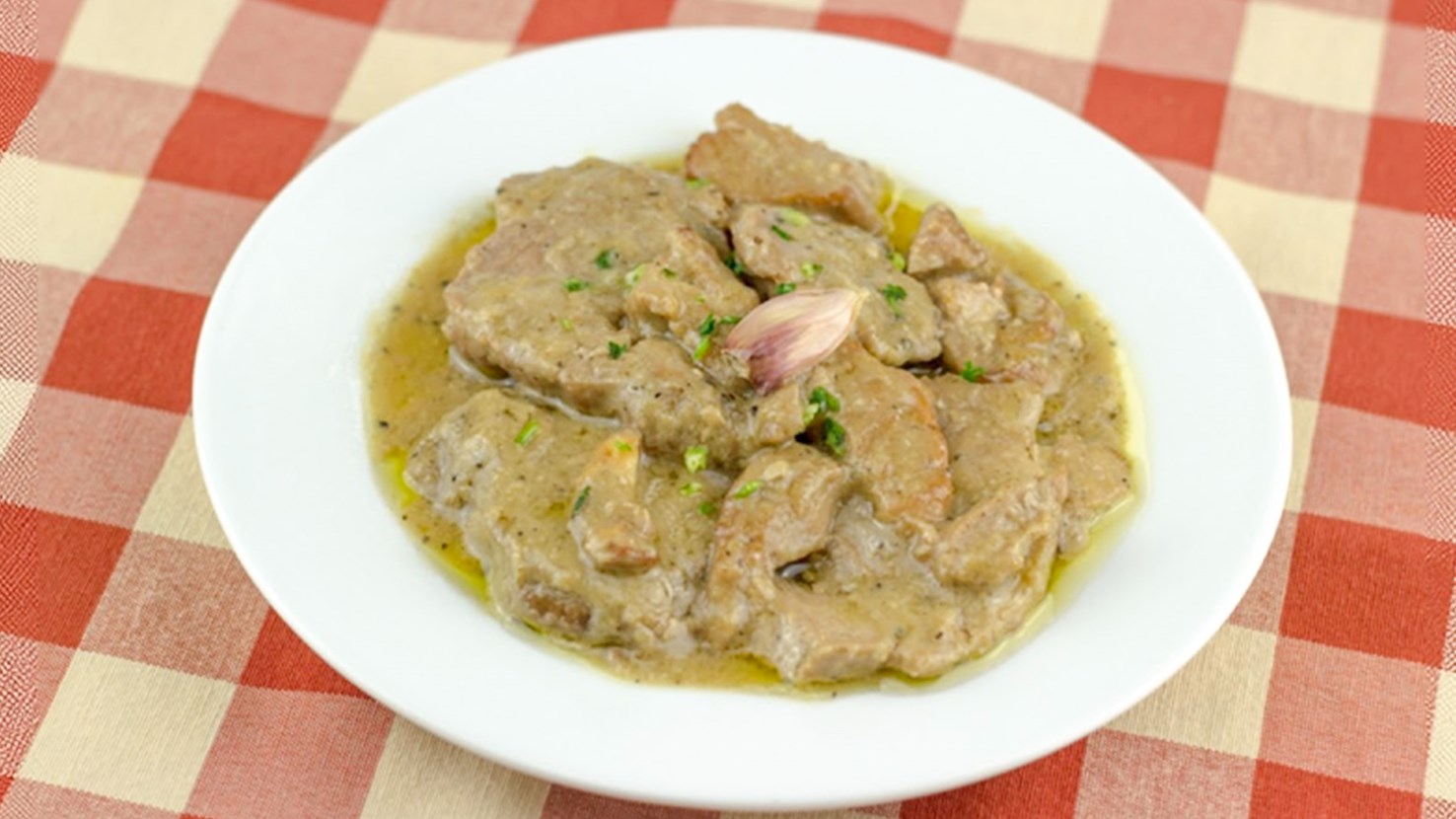
Freginat is a traditional Catalan dish originating from the city of Lleida. Although there are many versions, the dish is usually made with a combination of thinly sliced boneless pork, pork liver, white beans, onions, lard, bacon, salt, and black pepper. The onions are chopped and sautéed in lard. The bacon, pork, and pork liver are sautéed in lard in another pan until crisp. Cooked white beans are added to the onions and lard and sautéed. After a few minutes, the cooked meats are added to the beans and onions and mixed well. The dish is seasoned with salt and a generous amount of black pepper, and it's then simmered for a few more minutes and served.
Abanico Ibérico refers to a specific cut of pork from the Iberian pig, a breed native to the Iberian Peninsula, which includes Spain and Portugal. This cut is known for its rich flavor and marbling, characteristics attributed to the unique diet and free-range lifestyle of the Iberian pigs. The abanico cut, which translates to "fan" in English, is named for its shape that resembles a hand-held fan. It's taken from the rib area of the pig and is highly valued for its taste and tenderness. This cut is often used in Spanish cuisine, either grilled or cooked in a variety of traditional dishes. The high-quality fat in this cut is a significant feature, contributing to its juiciness and flavor.
Olla de San Antón is a Spanish stew originating from Granada. It's made with beans, rice, and pork. The meat usually consists of leftovers from the traditional pig slaughter which takes place around the time of Saint Anthony's Day celebration, so the dish is especially popular during the first weeks of February, when traditional Granadian restaurants serve it until they run out of ingredients. It is believed that olla de San Antón (lit. St. Anthony's pot) can be traced back to the time of the Spanish Civil War.
Berza de acelgas is a traditional Andalusian peasant stew originating from the Isla Menor, just south of Seville. The dish is usually prepared with a combination of lean pork, pork belly, pimentón, nutmeg, marjoram, haricot beans, chard or spinach, lard, and chorizo sausage. The pork cubes are seasoned with salt, pepper, snutmeg, and marjoram. The pork belly and drained beans are boiled in a large saucepan until the beans become soft. The marinated pork, chorizo, chard (or spinach), and lard are then placed into the pot and simmered until the meat becomes tender and most of the liquid evaporates. This stew is served in deep dishes, and each one should contain a slice of pork belly and a piece of the sausage. It's recommended to serve berza de acelgas with plenty of fresh bread for mopping up the sauce.
TasteAtlas food rankings are based on the ratings of the TasteAtlas audience, with a series of mechanisms that recognize real users and that ignore bot,
nationalist or local patriotic ratings, and give additional value to the ratings of users that the system recognizes as knowledgeable.
For the “Top 13 Spanish Pork Dishes” list until June 15, 2026, 338 ratings were recorded, of which 253 were recognized by the system as legitimate.
TasteAtlas Rankings should not be seen as the final global conclusion about food. Their purpose is to promote excellent local foods,
instill pride in traditional dishes, and arouse curiosity about dishes you haven’t tried.