



shutterstock

Top 55 Western European Pork Dishes

Last updated on May 16, 2026
01

Leitão da bairrada

4.4 ·

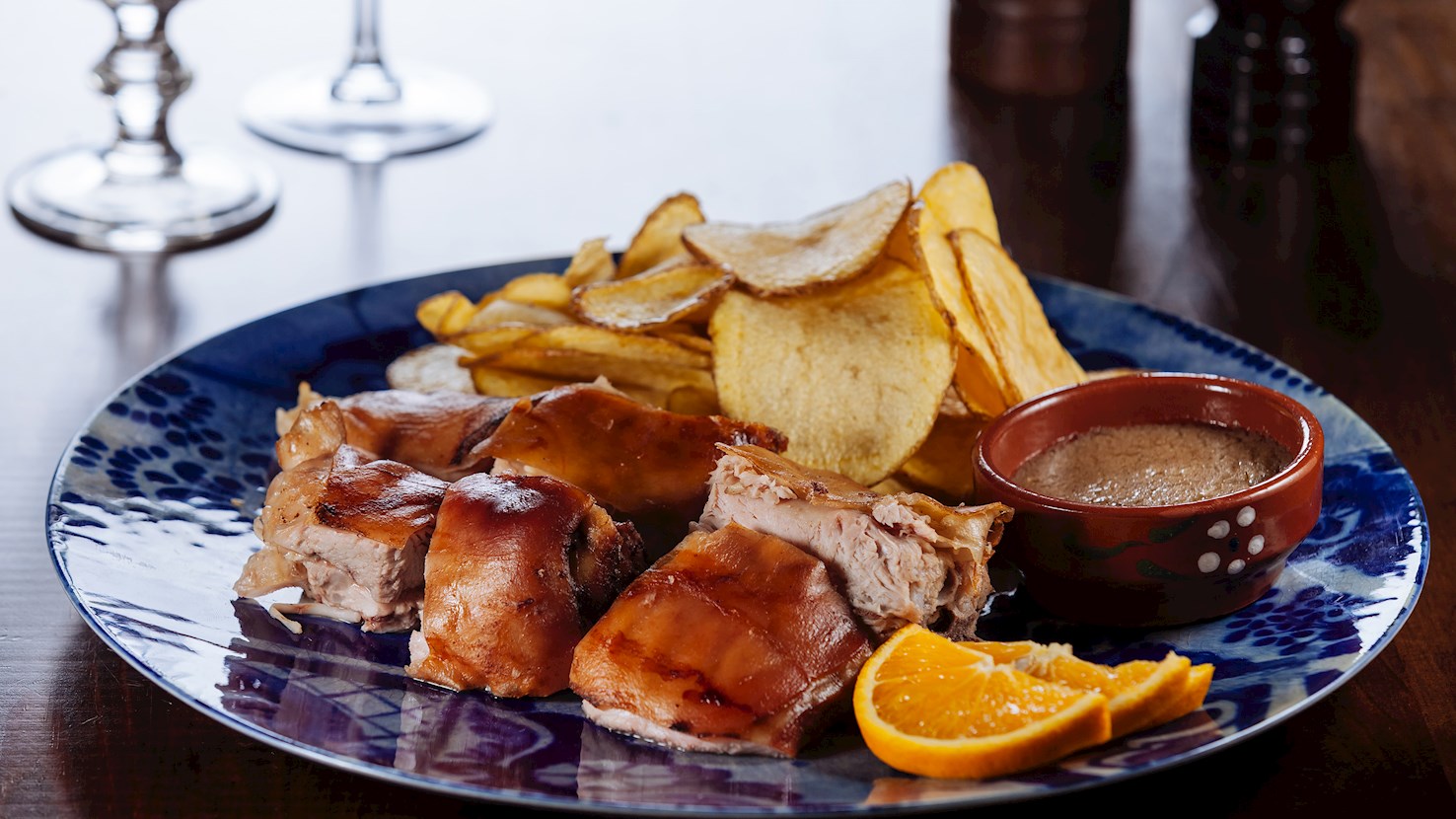
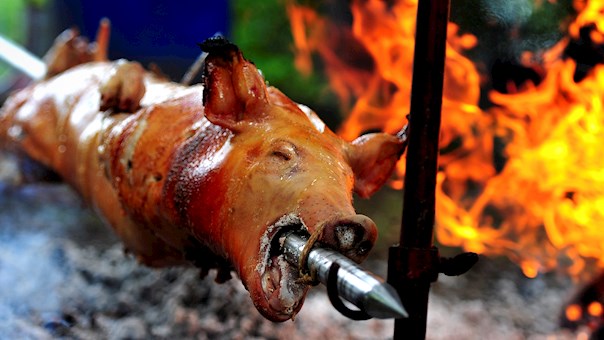
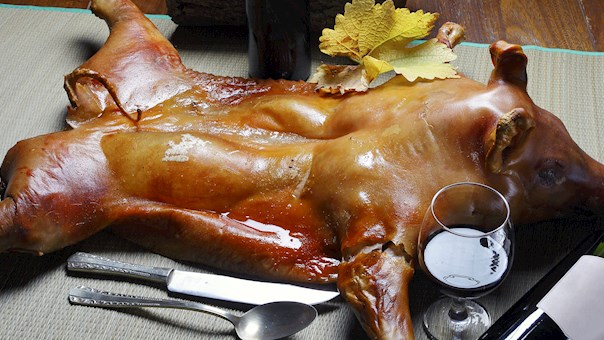
Leitão a Bairrada is a Portuguese dish of suckling pig that's roasted and basted until the flesh becomes creamy and the skin develops its typical crunchiness. It is said that the best place to try this delicacy is the Bairrada wine region, particularly the city of Mealhada. Pigs from this region are considered the best in Portugal, and they feed mostly on acorns. Their meat is rubbed with fat, coarse salt, pepper, and garlic, and it's then skewered on a pole before being cooked in eucalyptus-and-vine-fueled ovens. Once prepared, the suckling pig is traditionally served with batatas fritas, orange slices, and a fresh salad on the side. The dish is so popular in Portugal that there is even a brotherhood of Leitão da Bairrada.

02

Carne de porco à Alentejana

4.4 ·

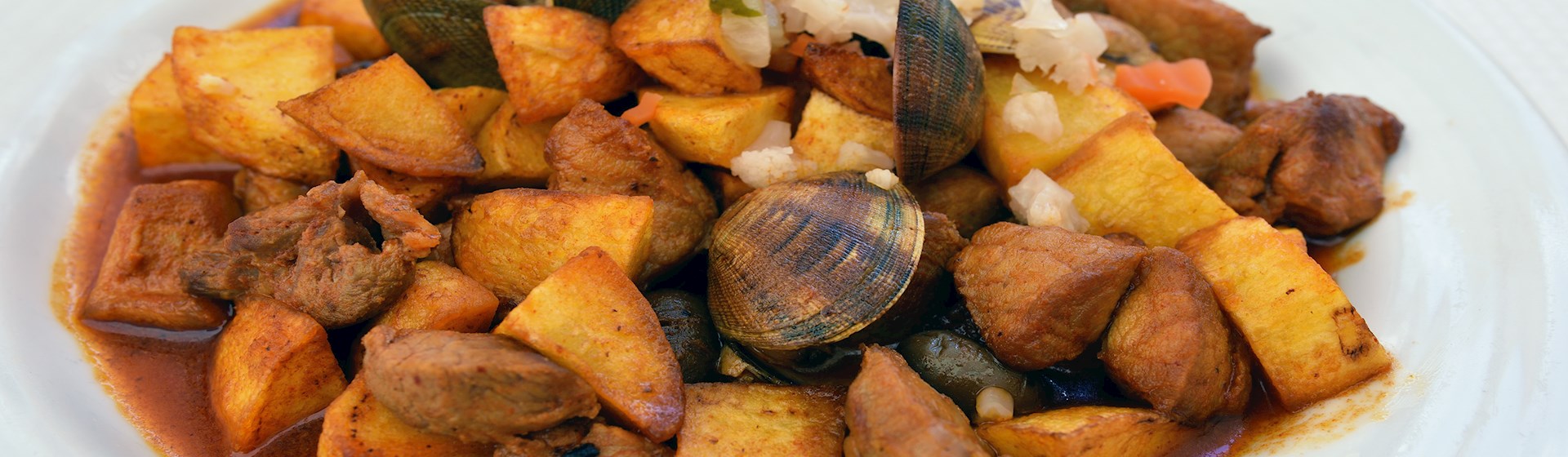
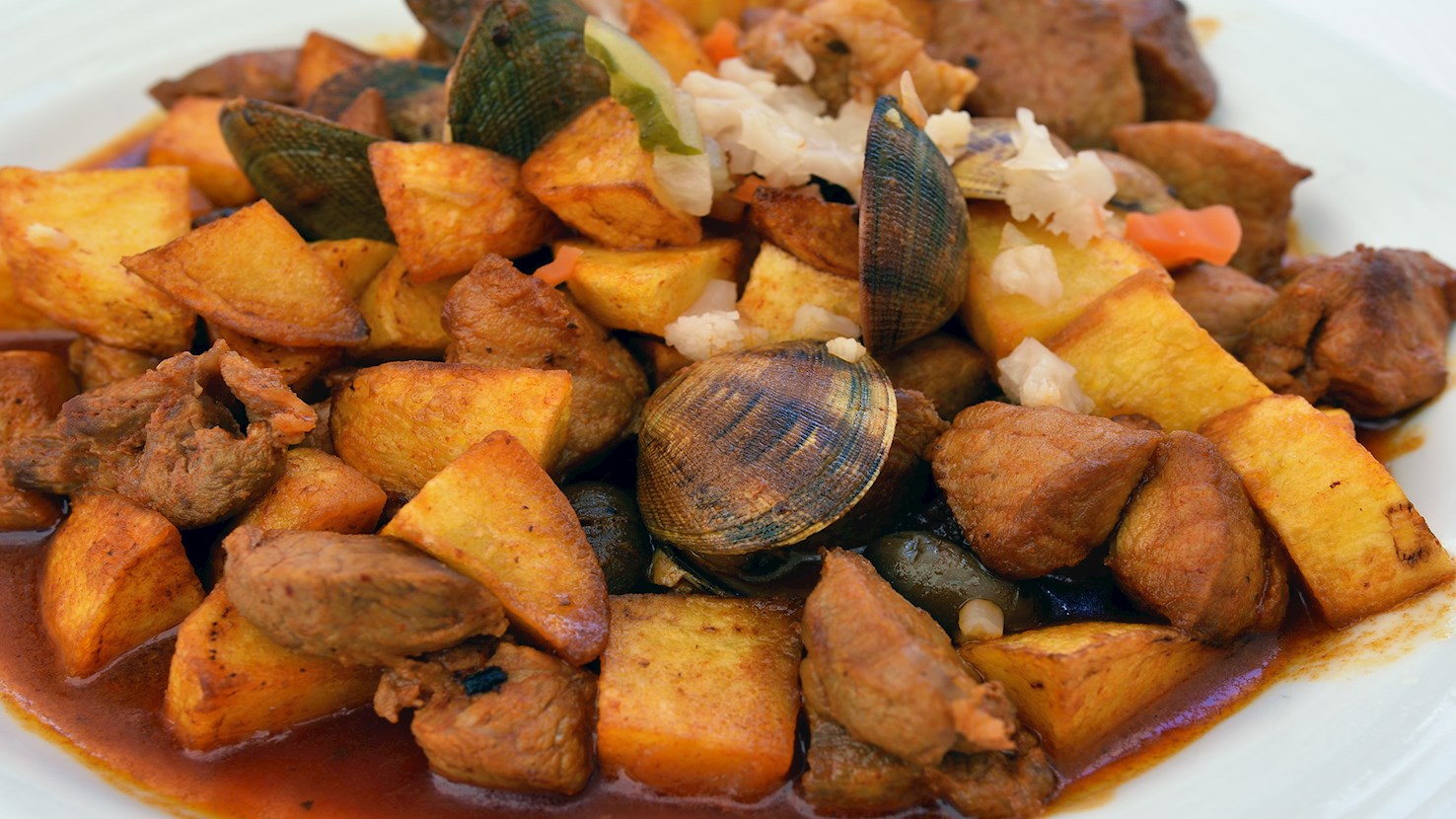
This traditional Portugal dish combines marinated pieces of pork with clams and a lightly spicy, wine-infused sauce. Though the name of this classic might imply it originated in Alentejo, it is believed that it initially appeared in the Algarve region, but was given its current name because of the highly-prized black pigs that are most commonly reared in Alentejo. The dish is a restaurant staple that is found throughout Portugal. It is usually garnished with fresh cilantro and paired with lemon wedges, pan-fried potatoes, and country-style bread on the side.

03

Leitão assado no forno (Roast suckling pig)

4.4 ·

Leitão assado no forno is a Portuguese roast pork dish, and the name itself stands for "oven-roasted suckling pig". A young suckling pig is typically chosen for this dish, as it has tender and flavorful meat. The piglet is seasoned with a mix of ingredients that usually include garlic, white pepper, salt, and sometimes a touch of chili pepper. Some recipes might also include herbs or other flavorings. The seasoned piglet is then roasted in a wood-fired oven, which gives it a distinct and smoky flavor. It is continually basted during the cooking process to keep it moist and flavorful. The skin becomes crispy and golden. Once roasted, the pig is traditionally cut into pieces and served with its own juices or a sauce made from the drippings. It's often accompanied by side dishes like roasted potatoes, salads, or rice. The dish is frequently paired with sparkling wine or red wine, especially if you're in the Bairrada region, which is known for its wines.

04

Porchetta di Ariccia

4.3 ·

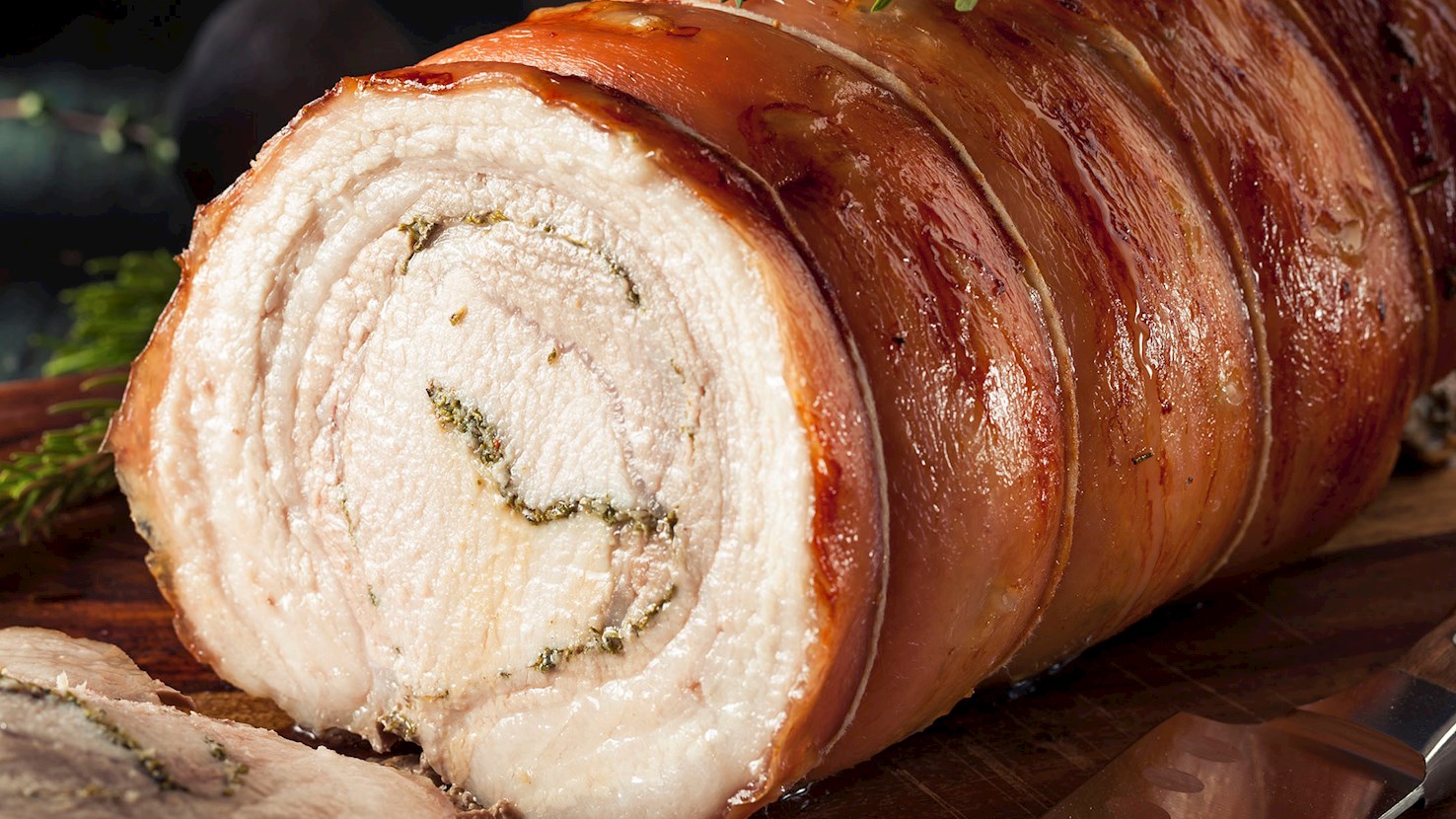
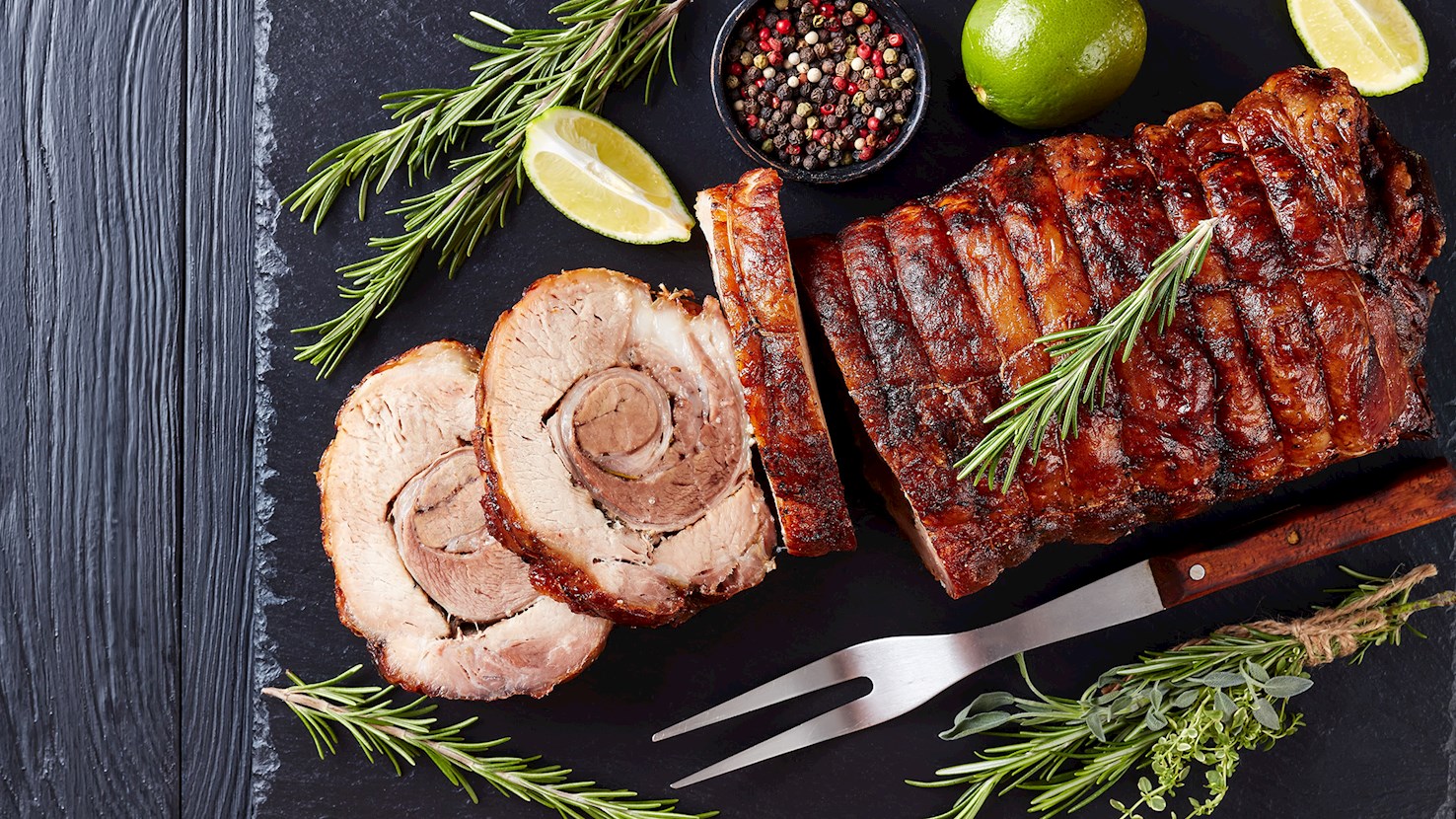
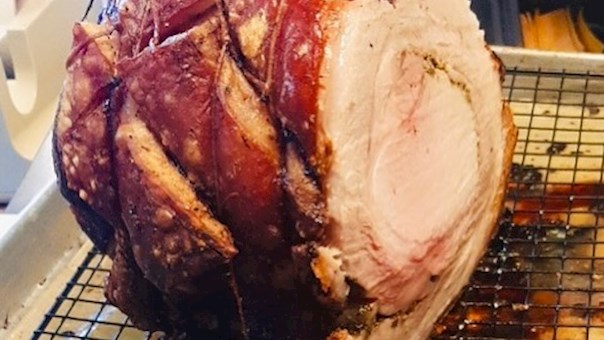
Porchetta di Ariccia is a savory, moist, boneless pork roast with origins in the province of Rome, along with being a culinary icon of the Lazio region. Mature pigs are deboned and stuffed with numerous seasonings such as fennel, rosemary, and garlic. The pigs are then slowly roasted on a spit over a wood fire, resulting in succulent meat and crispy skin. The name of the dish stems from the word porco, meaning pork. It is a staple of numerous village festivals, fairs, markets, and concerts, when the street of Rome are packed with food trucks selling this flavorful dish. In Rome, it is street food that is usually served on its own or as a filling for sandwiches. Although it is one of the country's earliest specialties, dating back to the Roman Empire, a small town in Rome's Castelli called Ariccia claims its invention, and the huge popularity of the dish dates back to the 1950s when the producers of this delicacy (called porchettari) celebrated the Sagra della Porchetta di Ariccia, a popular festival in the city that serves to promote this unique dish. Italian immigrants brought the dish to the United States in the early 20th century, where it is often referred to as Italian pulled pork, usually served with spinach and cheese on sandwiches.

05

Porchetta

4.2 ·

Porchetta is a traditional, moist, boneless pork roast prepared all over Italy. This rustic dish is made by carefully deboning a piglet or a fully grown pig, flavoring it generously with salt, garlic, rosemary, fennel seeds or some other aromatic herbs and filling it with the stuffing, which changes depending on the region - it can be the liver, fat or pieces of skin and meat, also flavored with salt and spices. The meat is then rolled up, spitted and slowly roasted over a wood fire. When finished, it is sliced very thinly and served warm or cold with some bread. Although popular in the whole country, with many regions offering their spin on the recipe, porchetta originated in central Italy, with Ariccia, in the Province of Rome, being the town most closely associated with it. Porchetta is considered to be a festive dish, but due to its deliciousness and popularity, nowadays it is also a favorite street food, usually served on its own or as a filling for sandwiches.

06

Bifana

4.1 ·

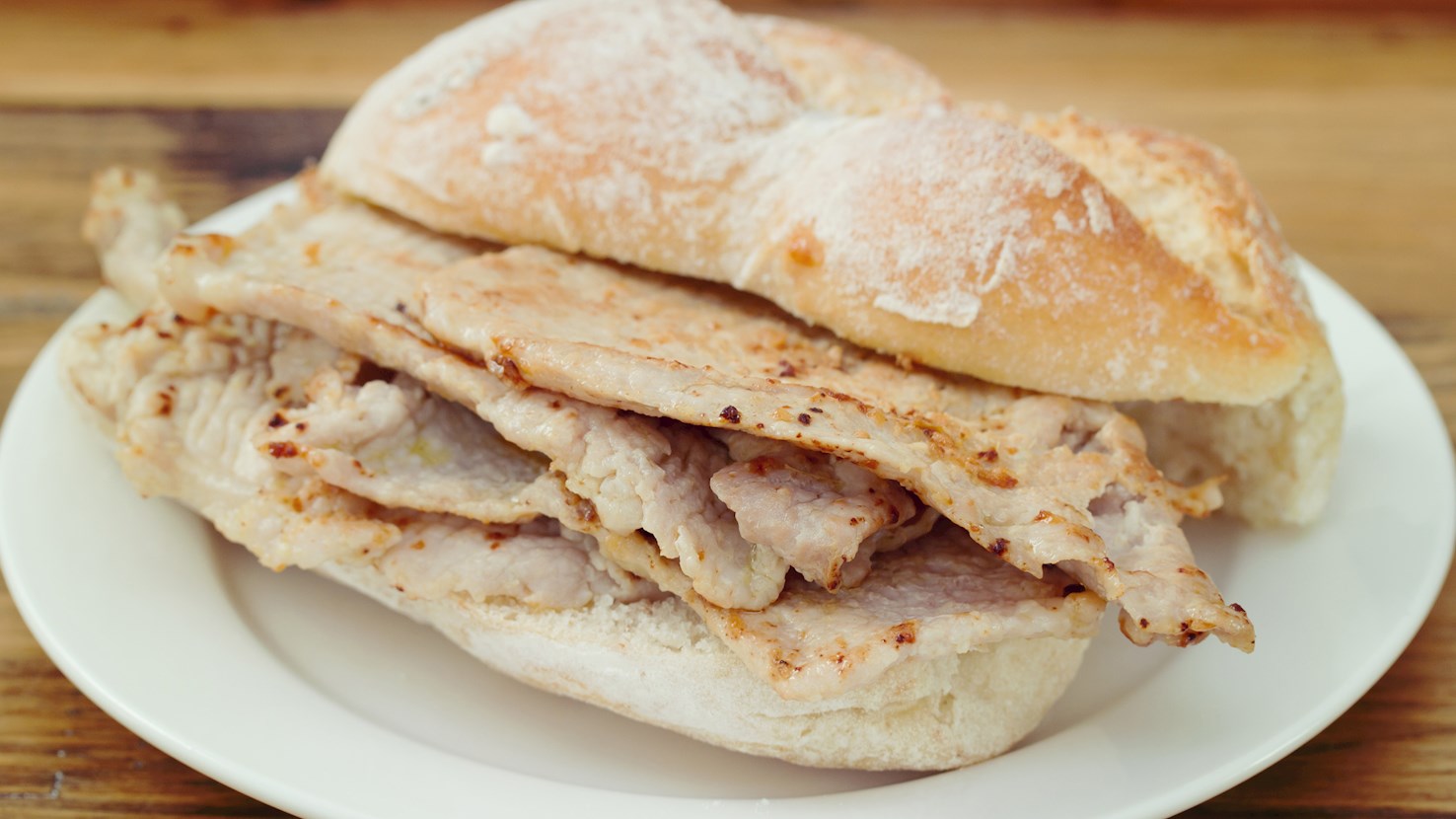
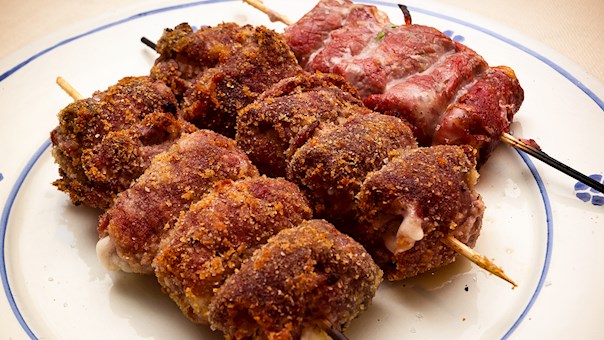
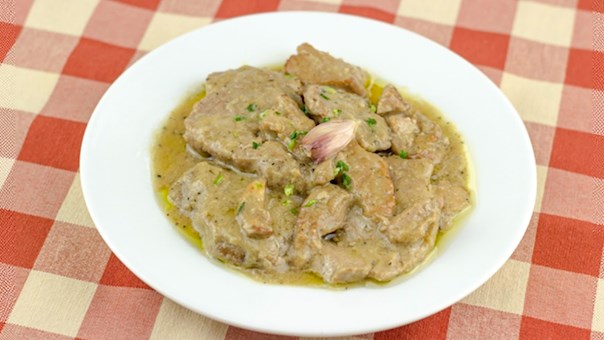
Bifana is a classic Portuguese sandwich that employs few ingredients but makes for an exquisite dish. It consists of a seasoned, lightly pounded, sliced or whole pork steaks that are simmered in garlicky sauce, and then placed inside a bread roll. The variations on this classic can slightly differ depending on the region. In the north, the steaks are simmered in a spicy broth that is usually drizzled on the bread roll. Bifana is traditionally consumed without additional condiments, but it is occasionally accompanied by sautéed onions. In Lisbon, the meat is sometimes marinated and grilled, while mustard is a common accompaniment in Lisbon and in the south of Portugal. Regardless of the slight differences, all varieties produce moist and juicy steaks that perfectly pair with crusty bread rolls. Not much is known about the origin of bifana, and even though it is enjoyed throughout the country, it is often suggested that it first appeared in the municipality of Vendas Novas. The popularity of bifana in Portugal is reflected in the fact that even McDonalds has included it in their menu under the name McBifana.

07

Porchetta Umbra

4.1 ·

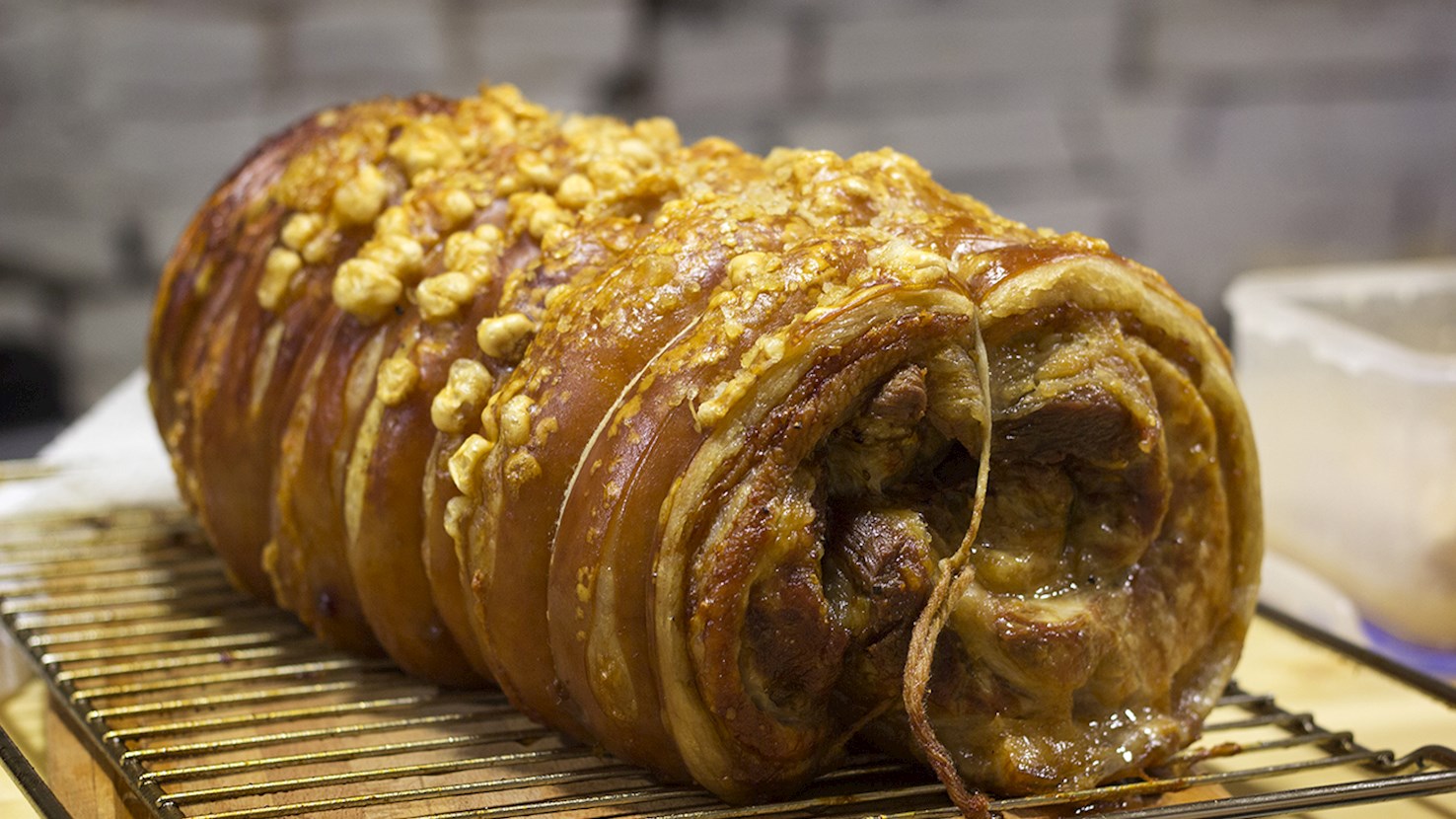
Porchetta is a traditional moist boneless pork roast prepared all over Italy. It originated in Lazio but many regions offer their spin on the recipe. Regardless of the region, the basic method is always the same: the pig is gutted, carefully trimmed, and washed. The belly is then filled with the chosen stuffing, generously salted, rolled up and roasted until the crackling is golden, hard, and crunchy.The Umbrian version is stuffed with the pig’s chopped entrails mixed with lard, garlic, salt, pepper, and wild fennel. The meat is then rolled, spitted, and roasted in a wood oven. Thinly sliced and served between slices of homemade bread, porchetta is one of the richest, most delicious foods you can try in Umbria, available both as a quick treat bought from food-trucks at markets or fairs, or served as a rich second course in local restaurants.

08

Capocollo

4.1 ·

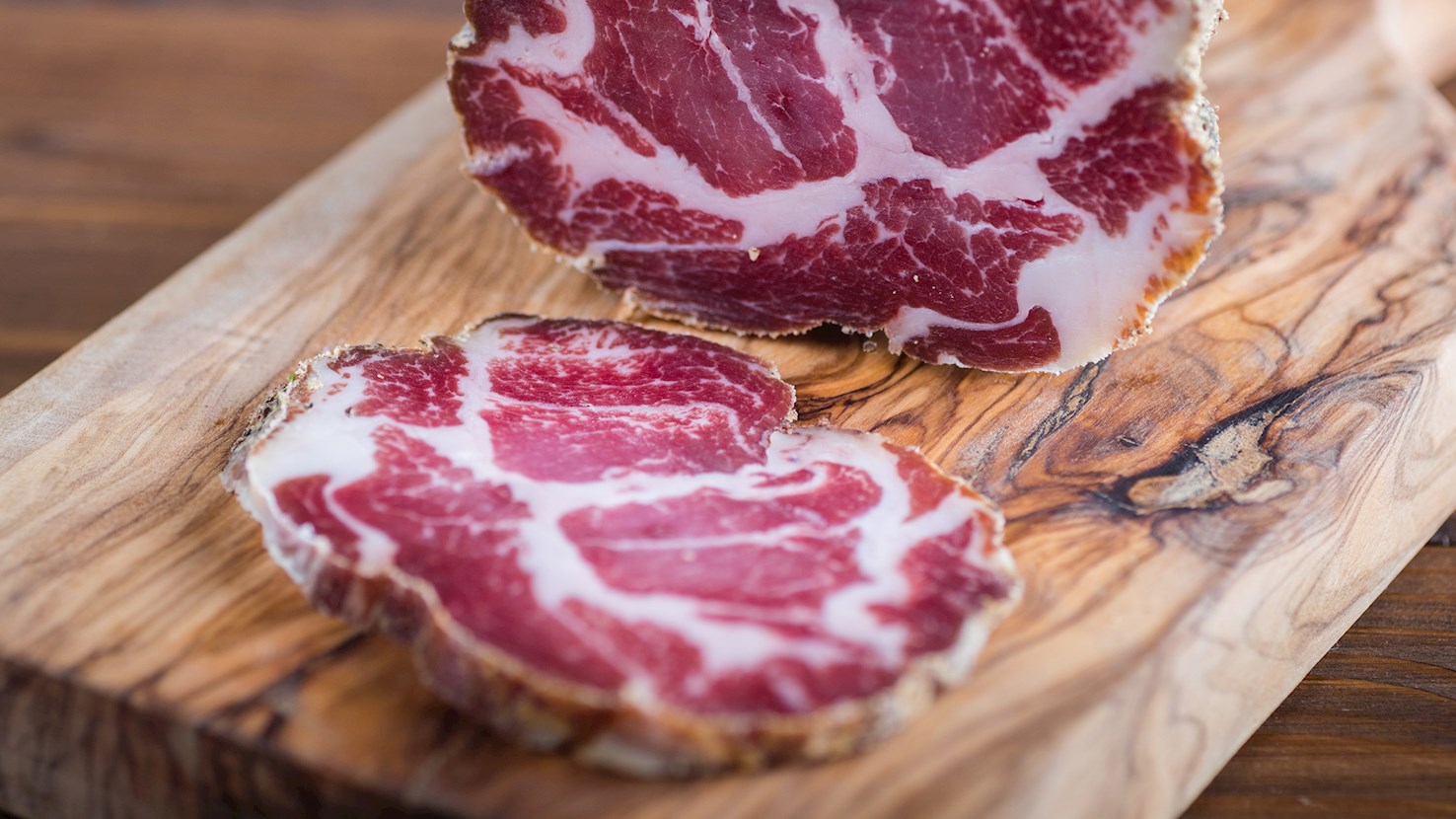
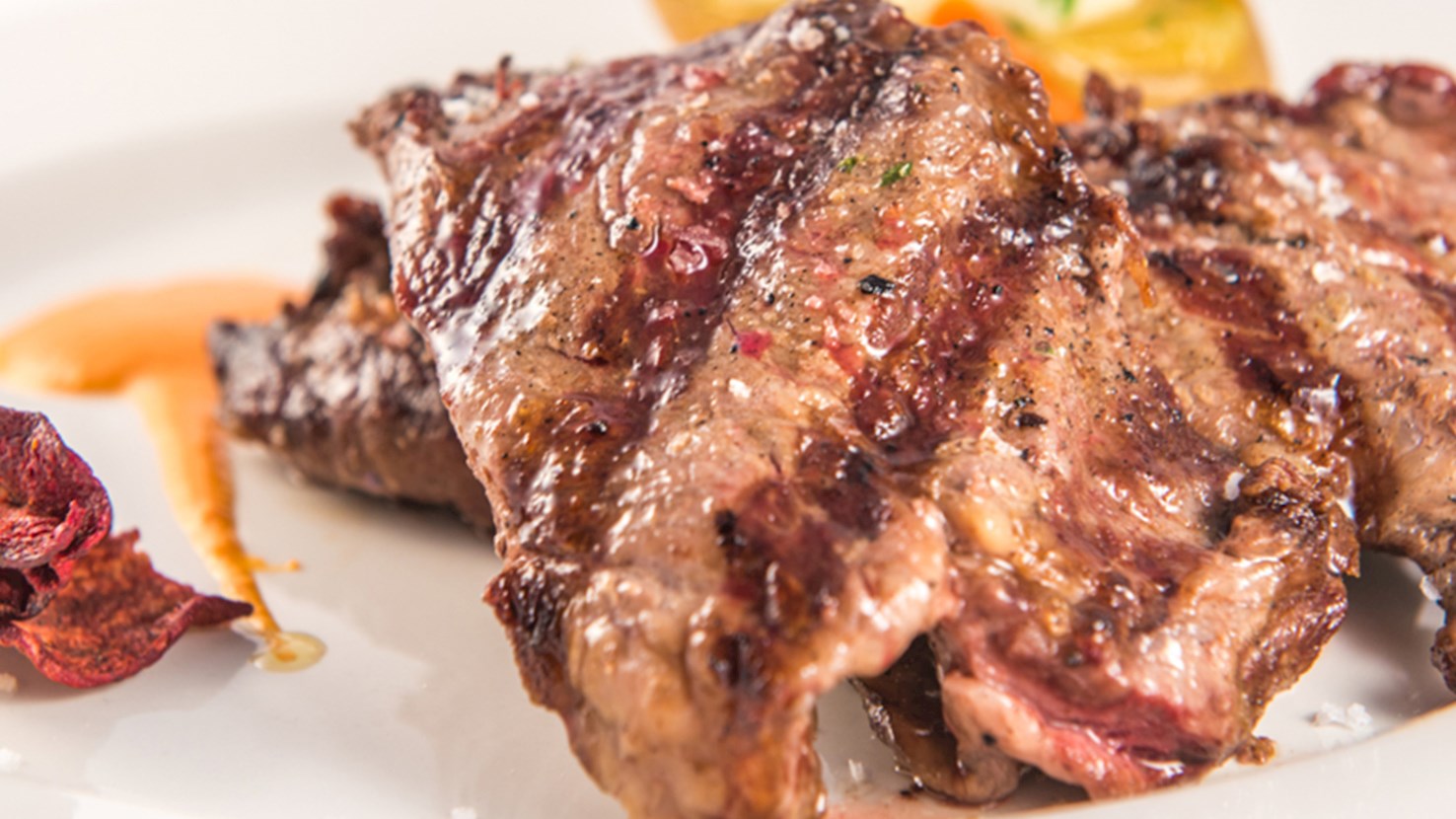
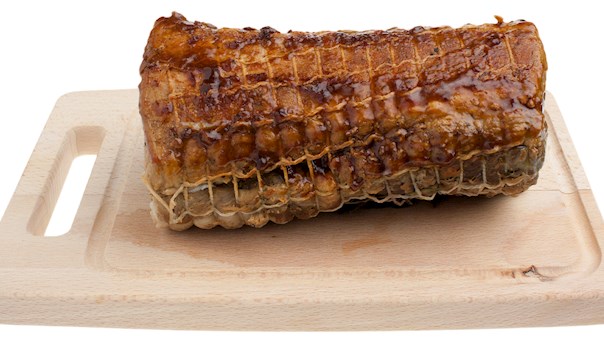
Capocollo, also known as coppa or capicola, is a cut of pork taken from the upper part of the pig's neck and shoulder. Prized for its tender texture and rich flavor, it features a balance of lean meat and marbled fat that renders during cooking, ensuring the meat remains juicy and flavorful. Fresh capocollo is incredibly versatile in the kitchen. It is often roasted whole and seasoned with herbs, garlic, and olive oil, creating a moist and aromatic centerpiece. It can also be braised in wine, broth, or tomato-based sauces, allowing the marbled fat to melt and enrich the dish. Grilled capocollo steaks are another popular preparation, with the fat rendering beautifully to enhance the meat's flavor. Thin slices of capocollo are also used to wrap stuffing or roulades, combining its savory richness with other ingredients. This cut is celebrated for its hearty and comforting qualities, embodying the rustic elegance of Italian cuisine. Whether roasted, grilled, or braised, fresh capocollo highlights pork's natural flavors and textures, making it a favorite in traditional and modern dishes.

09

Bifana à moda do Porto

3.9 ·

While its origins are often linked to Vendas Novas, in Porto, the bifana undergoes a distinctive transformation. Here, thin slices of pork are marinated and then simmered in a savory sauce enriched with garlic, paprika, and occasionally a hint of piri-piri for added heat. This method yields tender, flavorful meat that is generously piled into a soft bread roll, allowing the robust flavors to meld seamlessly with the bread. The Porto-style bifana is renowned for its juicy, succulent profile, often enjoyed with a cold beer or a glass of vinho verde. In contrast, the Lisbon variant of the bifana features pork marinated in a blend of white wine, garlic, and spices, which is then grilled or fried. The cooked meat is typically served in a crusty roll, sometimes accompanied by mustard or piri-piri sauce, offering a spicier experience.

10

Ibérico pluma

3.8 ·

Ibérico pluma is a specific cut of pork from the Ibérico pig, a unique breed of pig native to Spain. The word "pluma" means "feather" in Spanish, and this cut is named for its feather-like shape. It's located at the end of the loin, near the shoulder. This cut is known for its tenderness and intense flavor, which is a result of the pig's diet and free-range lifestyle. Ibérico pigs are often fed a diet rich in acorns, which contributes to the distinct taste and marbling of the meat. The pluma is best cooked quickly over high heat to maintain its juiciness and is a delicacy in Spanish cuisine.

Read more
View all
View map
About this ranking

TasteAtlas food rankings are based on the ratings of the TasteAtlas audience, with a series of mechanisms that recognize real users and that ignore bot, nationalist or local patriotic ratings, and give additional value to the ratings of users that the system recognizes as knowledgeable. For the “Top 55 Western European Pork Dishes” list until May 16, 2026, 1,665 ratings were recorded, of which 1,240 were recognized by the system as legitimate. TasteAtlas Rankings should not be seen as the final global conclusion about food. Their purpose is to promote excellent local foods, instill pride in traditional dishes, and arouse curiosity about dishes you haven’t tried.

Similar lists