shutterstock

Top 8 European Pork Fats

Last updated on June 04, 2026

Best European Pork Fats
01

Salumificio Maison Bertolin

4.9 ·
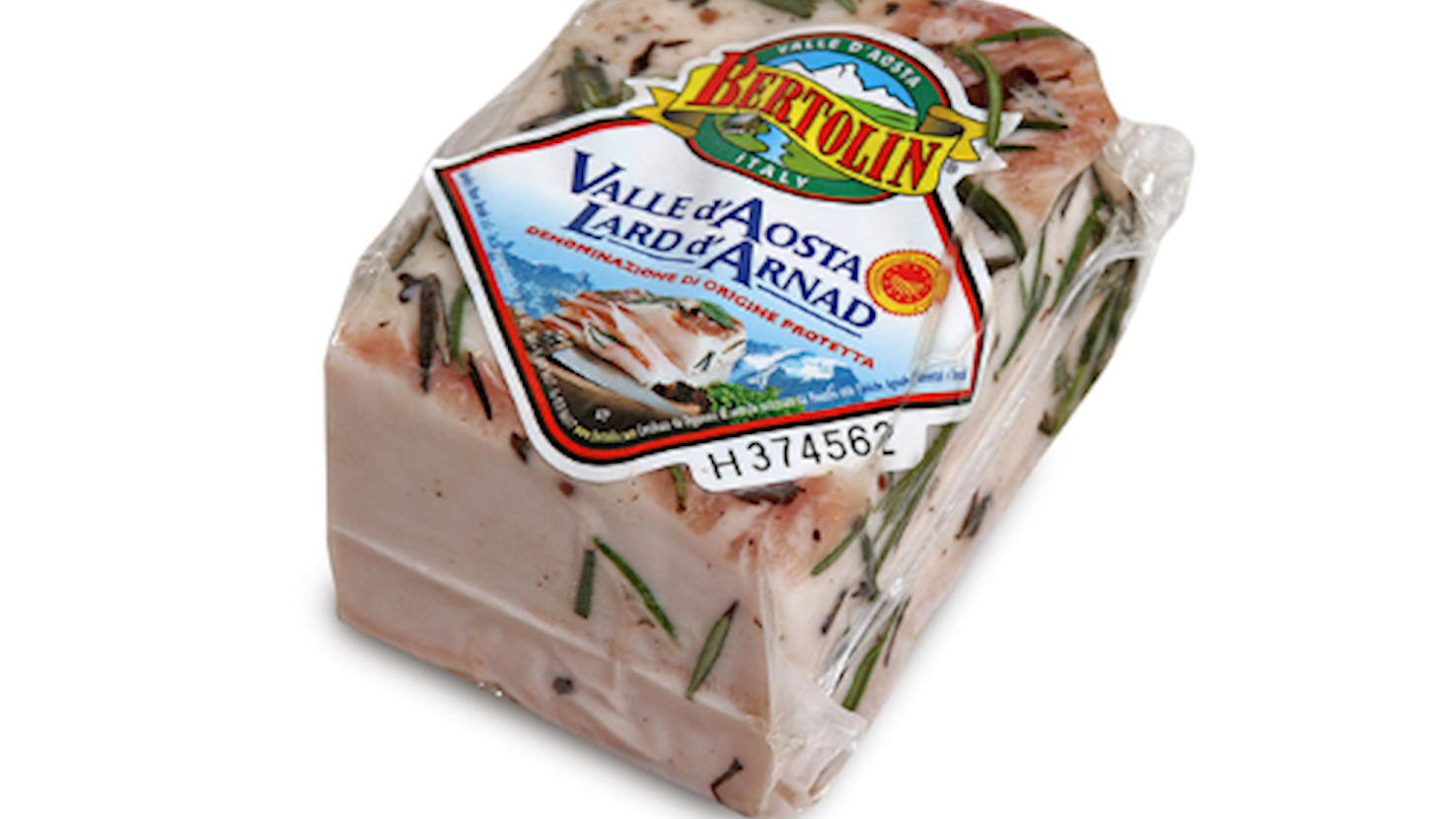
Salumificio Maison Bertolin is a renowned producer of cured meats located in Arnad, in the Valle d'Aosta region of Italy. Founded in 1957 by Guido and Osvalda Bertolin, the family has continued the tradition of producing high-quality cured meats, passing down their craft from generation to generation. Salumificio Maison Bertolin specializes in the production of traditional cured meats, including Lard d'Arnad DOP - a protected product made from pork belly, layered with salt, herbs, and garlic, and aged in wooden vats - as well as a variety of other cured meat products. Visitors have the opportunity to purchase products directly at the company's shop in Arnad, where they can also taste and buy a wide range of offerings.
02

Szomor farm

4.2 ·
Szomor Dezső E.V. is a family-owned organic farm located in Dömsöd, Hungary, specializing in the traditional breeding of Hungarian Grey cattle, buffalo, and Mangalica pigs. Their uniqueness lies in producing high-quality meat products, such as sausages and salami, using only ingredients from a clean and healthy environment. Szomor Dezső E.V.'s products are available throughout Hungary, including a sales outlet at the Lehel Market in Budapest. Their commitment to quality has been recognized with awards such as the "Magyar Konyha Termelői Díj" in 2014.
Awards
Great Taste Awards - 2 Stars (2024)

Best European Pork Fat Types
01

Szalonna

4 ·

Szalonna is a traditional variety of cured pork fat made by smoking pork fat and pork rind, which remains intact in the process. Most commonly, szalonna is placed on a skewer and roasted over an open fire. The dripping fat is typically collected on a piece of bread until it soaks up all of the grease. The bread is then topped with numerous vegetables such as onions, paprika, cucumbers, and radishes. Originally, szalonna on bread was a peasant meal because fat was often frowned upon by the wealthier Hungarians.

02

Lardo di Colonnata

4 ·

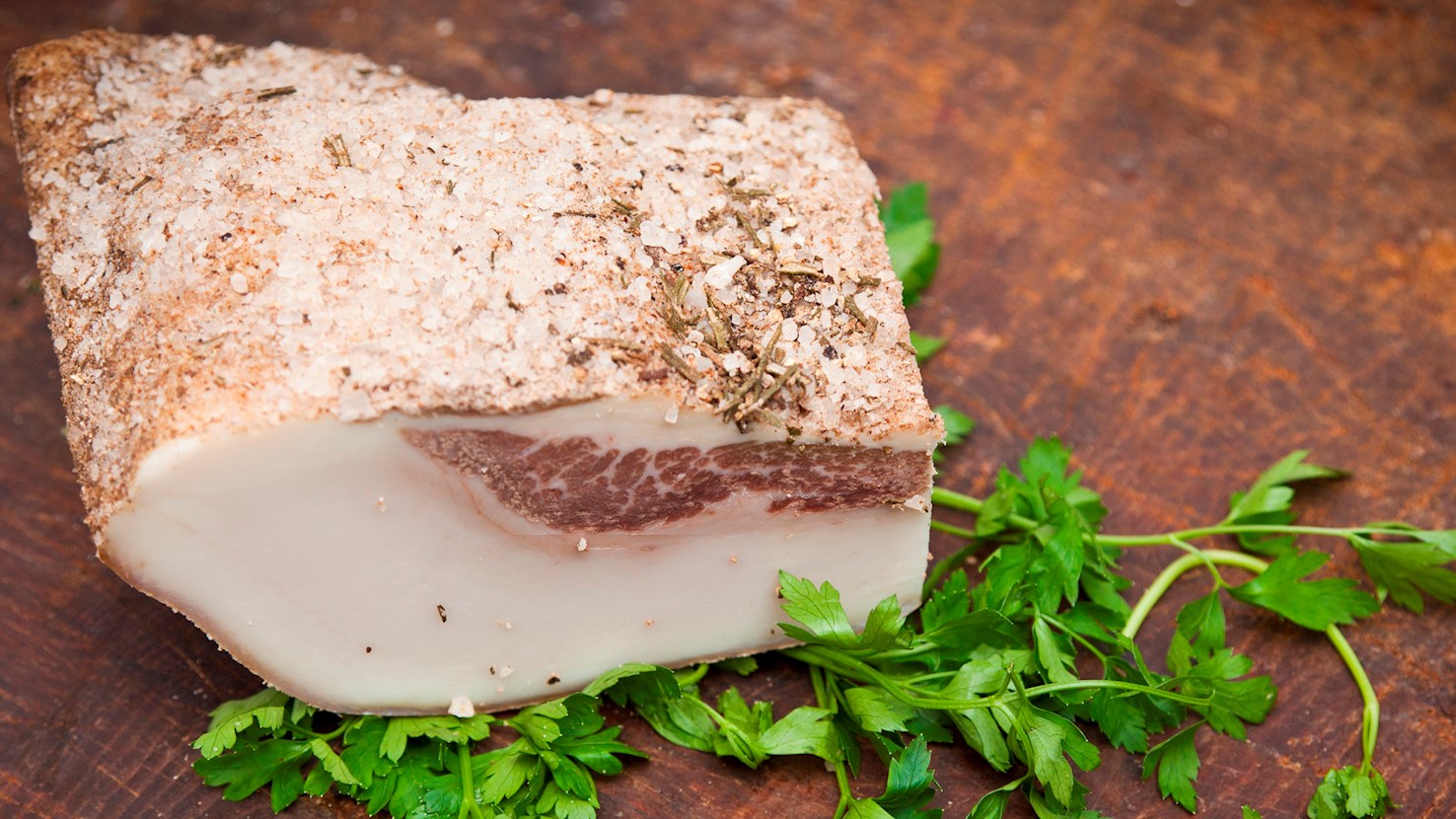
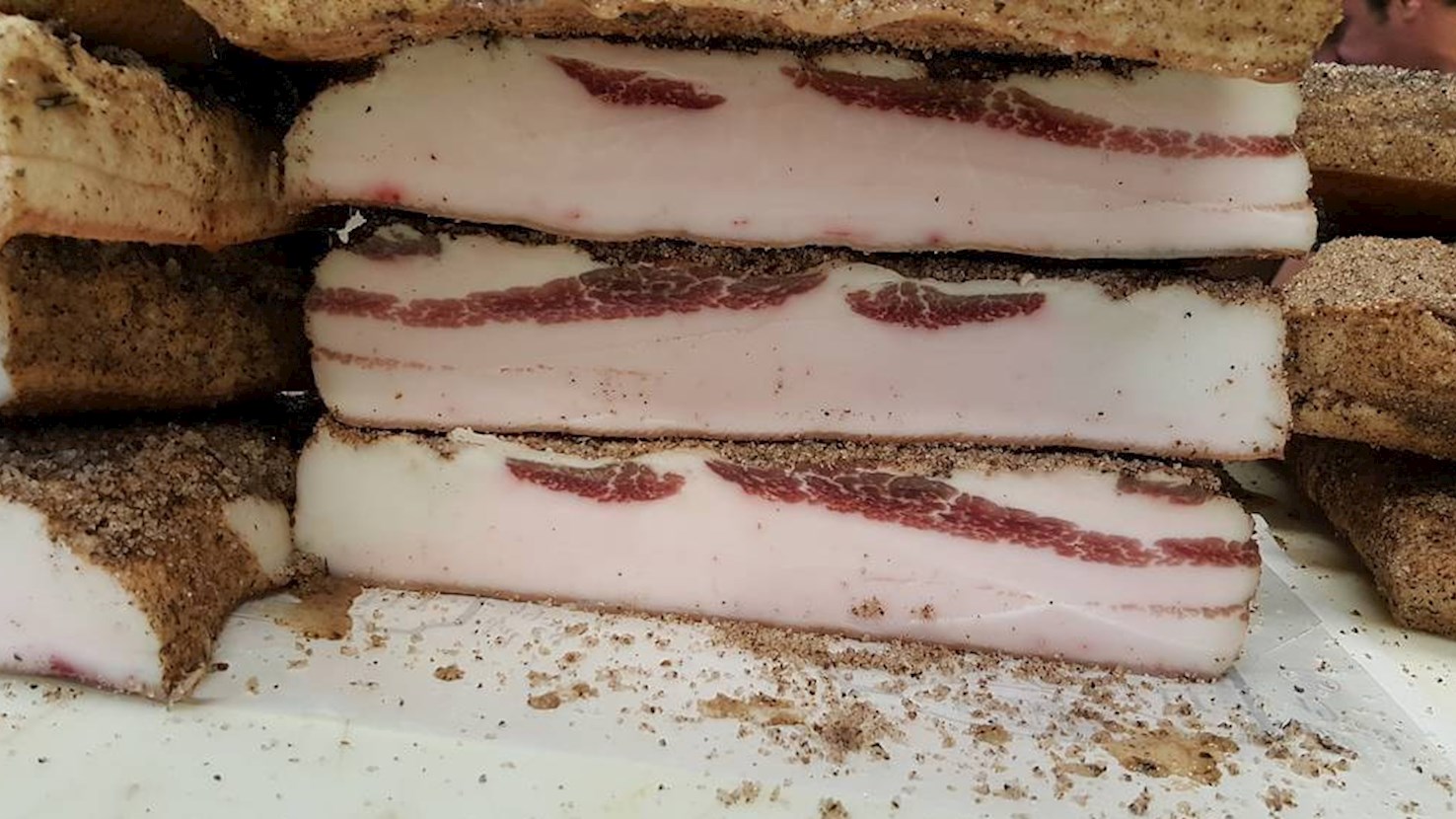
Italy's most renowned raw, organic lard is first generously salted, then seasoned with pepper, rosemary, garlic and coriander, and finally aged for about six months in specially crafted canaloni - marble tubs. Lardo di Colonnata is made using only fatback, and produced in the Tuscan province of Massa Carrara, namely in Colonnata, a small village with only a few hundred inhabitants located on a cliff between the famous marble quarries of Carrara. The production of Colonnata lard is seasonal and takes place between September and May. This Tuscan delicacy has a fragrant aroma and a particularly sweet taste, enriched with spices and aromatic herbs. Ideally, Lardo di Colonnata is served au naturel, very thinly sliced over warm slices of toasted bread, often sided by tomatoes and onions. It can also be used in a variety of local dishes, including both meat and fish. In fact, some typical Italian taverns in the Massa Carrara area offer menus based entirely on Lardo di Colonnata, from cold starters to pasta, main courses and, amazingly, even ice cream!

03

Lašiniai

3.9 ·

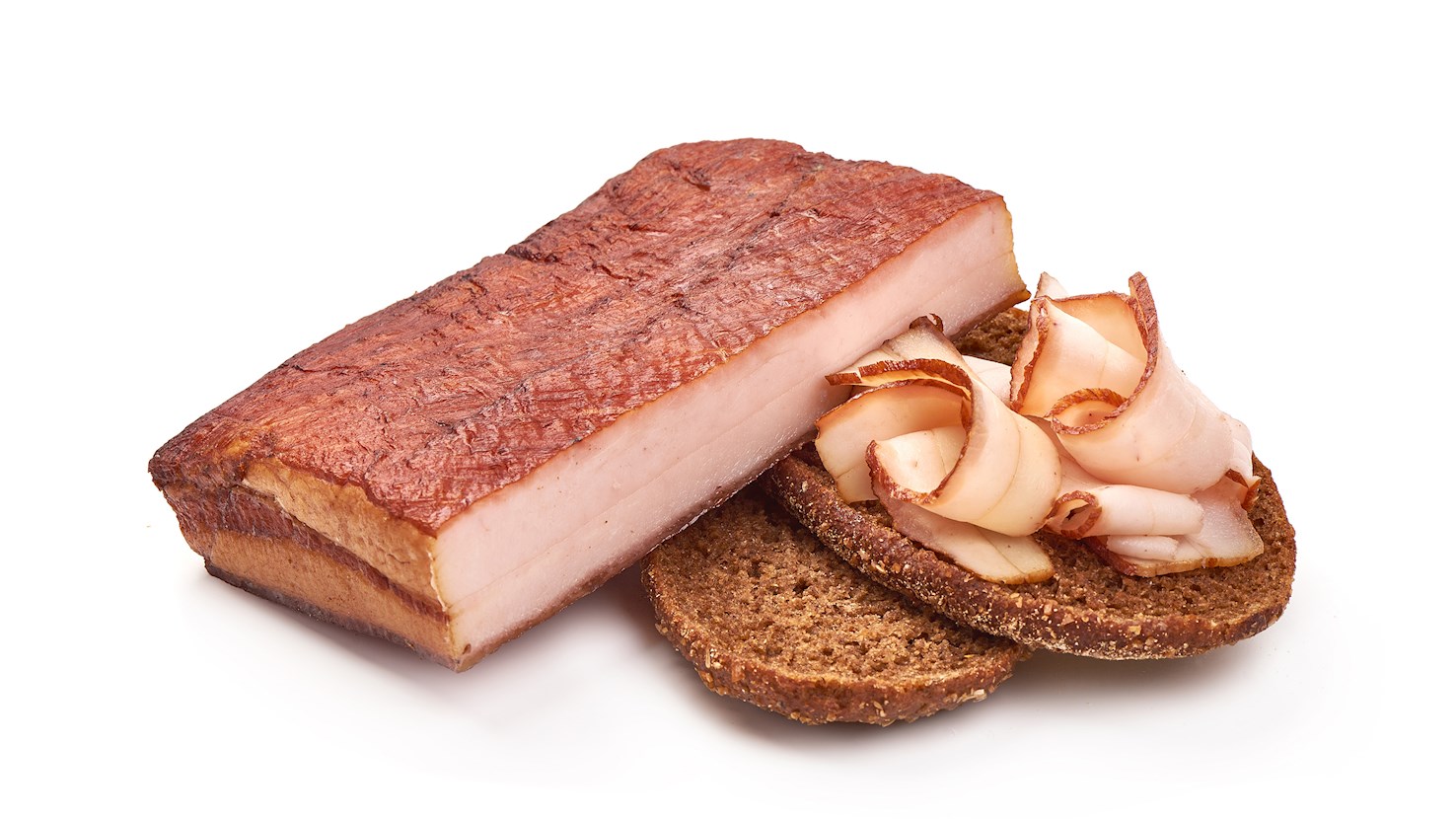
Lašiniai is a traditional pork product made with non-rendered pork fat obtained from the back of the pig, typically with the skin intact, and often with no meat attached to it. Unlike its Ukrainian and Russian cousin salo, which is only salted and cured, the Lithuanian version is seasoned and smoked. This smoked pork fatback is commonly prepared in rural areas and it's available in supermarkets and meat shops throughout the country. With a chewy bite and a pleasant smoky flavor, lašiniai is typically consumed as a snack or an appetizer, and it is often eaten with slices of rye bread, onions, and various vegetables. This smoked pork product is also commonly added to a wide variety of potato dishes.

04

Salo

3.7 ·

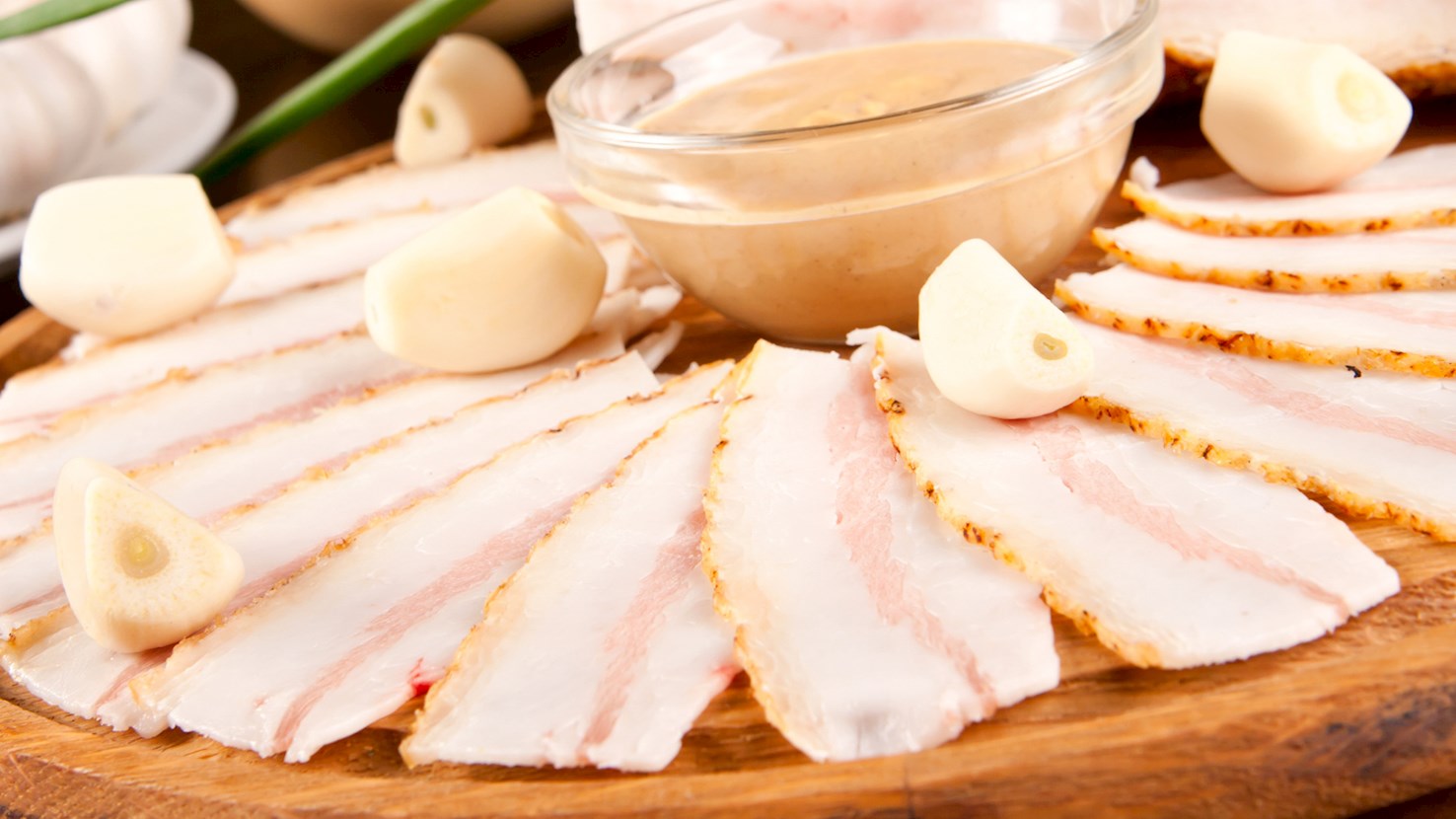
Salo is a traditional pork product consisting of non-rendered pork fatback that goes through a process of curing that may involve dry-salting, brining, or boiling. The finished product is a creamy white or pale pink pork fat surrounded by a thin pork rind with a golden-yellow hue and rarely with any meat attached to it. With a somewhat sweet flavor, the cured pork fatback is sometimes smoked, and it may be seasoned with spices and herbs such as black pepper, paprika, garlic, or thyme, which work both as flavorings and preservatives. Initially a common peasant food, Ukrainian salo has made its way among the most beloved and recognizable foods of the country, and it is often dubbed Ukraine’s national food. Chilled and thinly sliced salo (either raw or cooked) is commonly paired with bread, onions, garlic, and a glass of gorilka (strong alcoholic beverage) on the side, but it can also be added to various dishes for extra flavor, and it is even available in the form of a dessert such as chocolate-covered salo or salo ice cream.

05

Valle d’Aosta Lard d’Arnad

3.3 ·

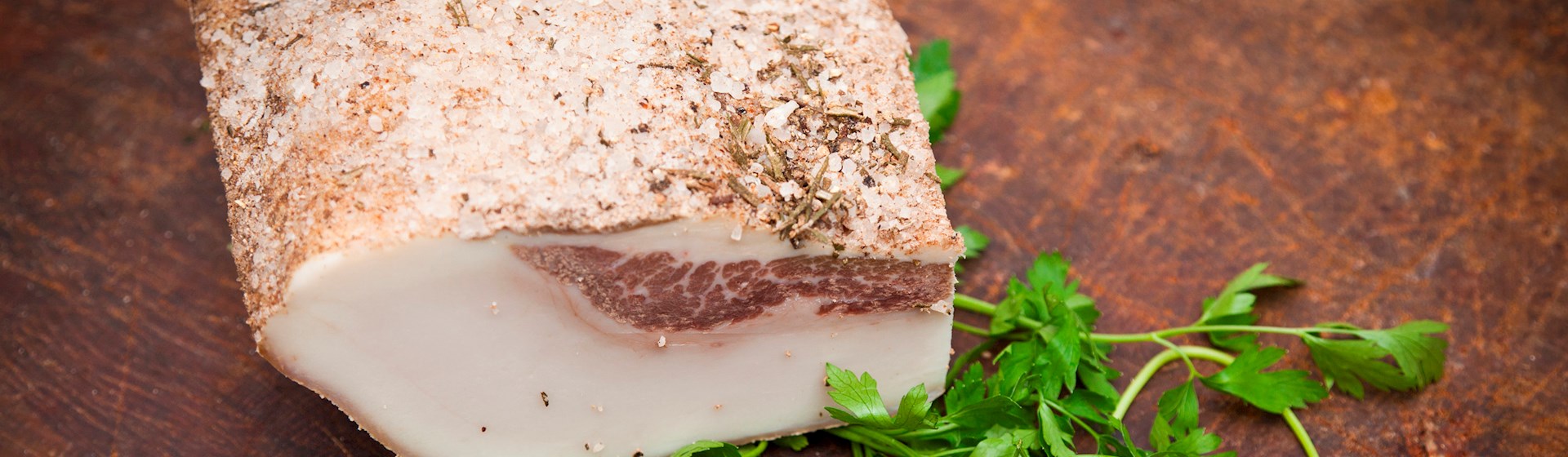
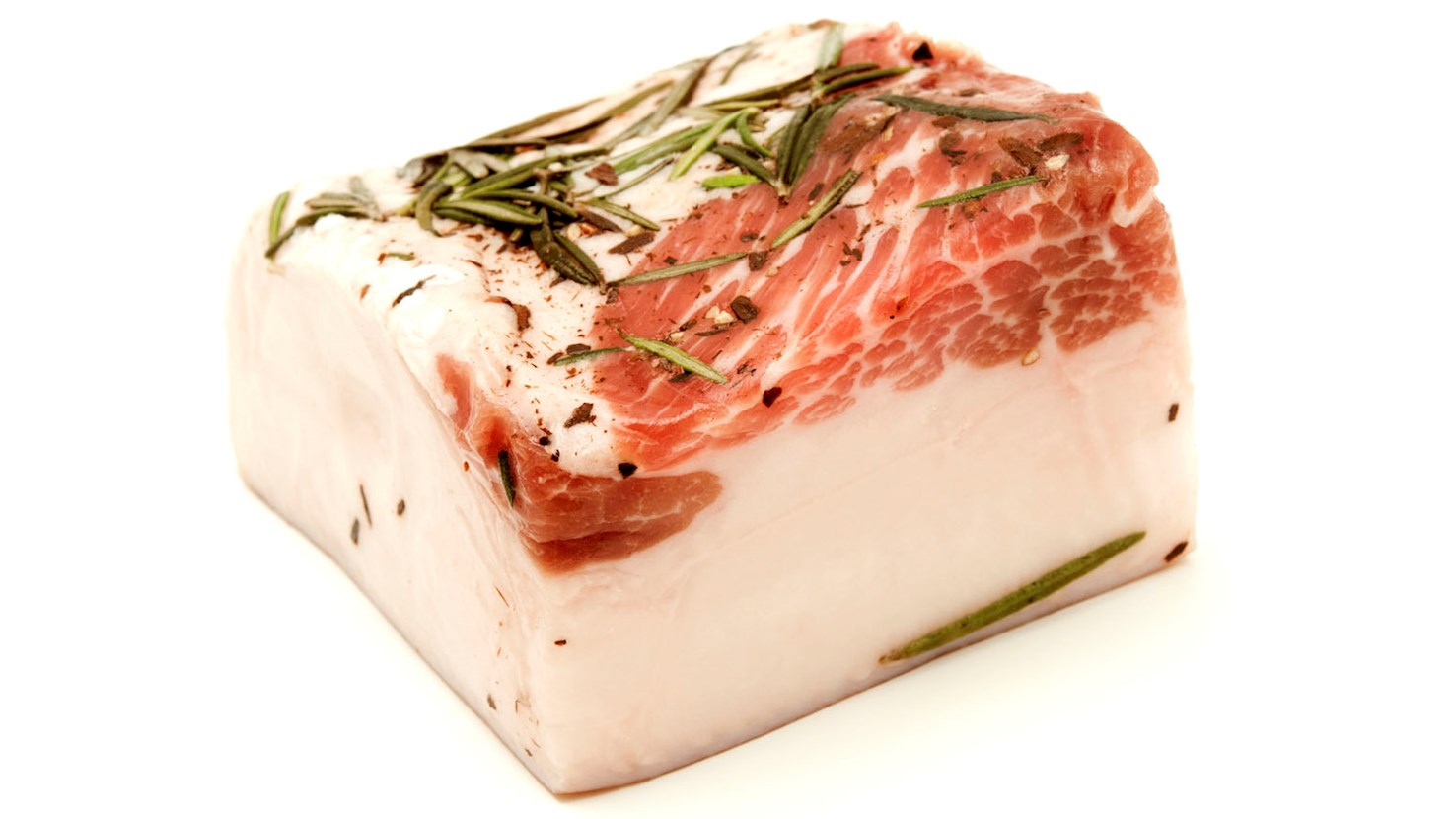
The aromatic Aosta Valley Lard is an exquisite cold cut traditionally produced in the Alpine town of Arnad, where the tradition of pig farming dates centuries back. One of the distinctive features in the production of Lard d’Arnad is the animals' diet, consisting mainly of chestnuts, roots and tubers found in the Valley. Made of pork shoulder fat, Aosta Valley Lard is salted and seasoned with pepper, clove, cinnamon, nutmeg, and aromatic herbs such as bay leaf, sage, rosemary, juniper and milfoil, gathered in the mountains surrounding Arnad. This variety of lard is immersed in brine and matured in special oak and chestnut wood containers for about three months, after which the product attains its sweet, full-bodied flavor. Aosta Valley Lard is typically served either with boiled chestnuts or smeared with honey over toasted Pan Dür, a local variety of wholemeal bread.

06

Lardo di Camaiore

n/a ·

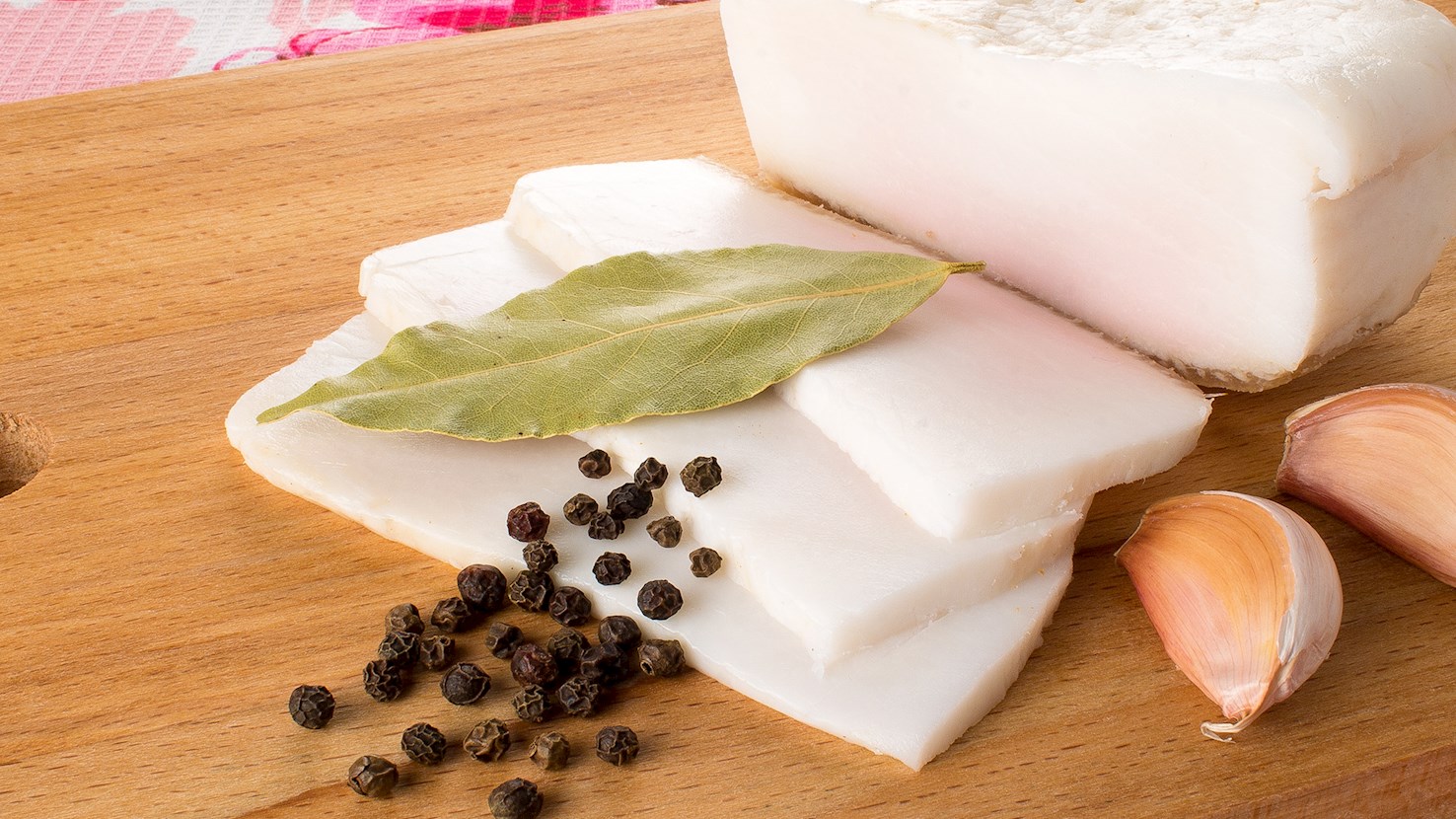
Lardo di Camaiore is a traditional lard originating from Camaiore in Tuscany. The lard is white in color, with red veins running throughout it. It’s made from the fatty part of the pig’s back. Slices of lard are covered with a layer of garlic, rosemary, salt, and pepper. They’re traditionally placed on marble surfaces at an incline in order to mature shortly, and the lard is then ready to be sold and enjoyed. Thin slices of lardo di Camaiore are usually served with slices of fresh or toasted bread and other salamis, then enjoyed as an appetizer. The lard is also sometimes used as a condiment for soups and savory dishes.

07

Pestàt di Fagagna

n/a ·

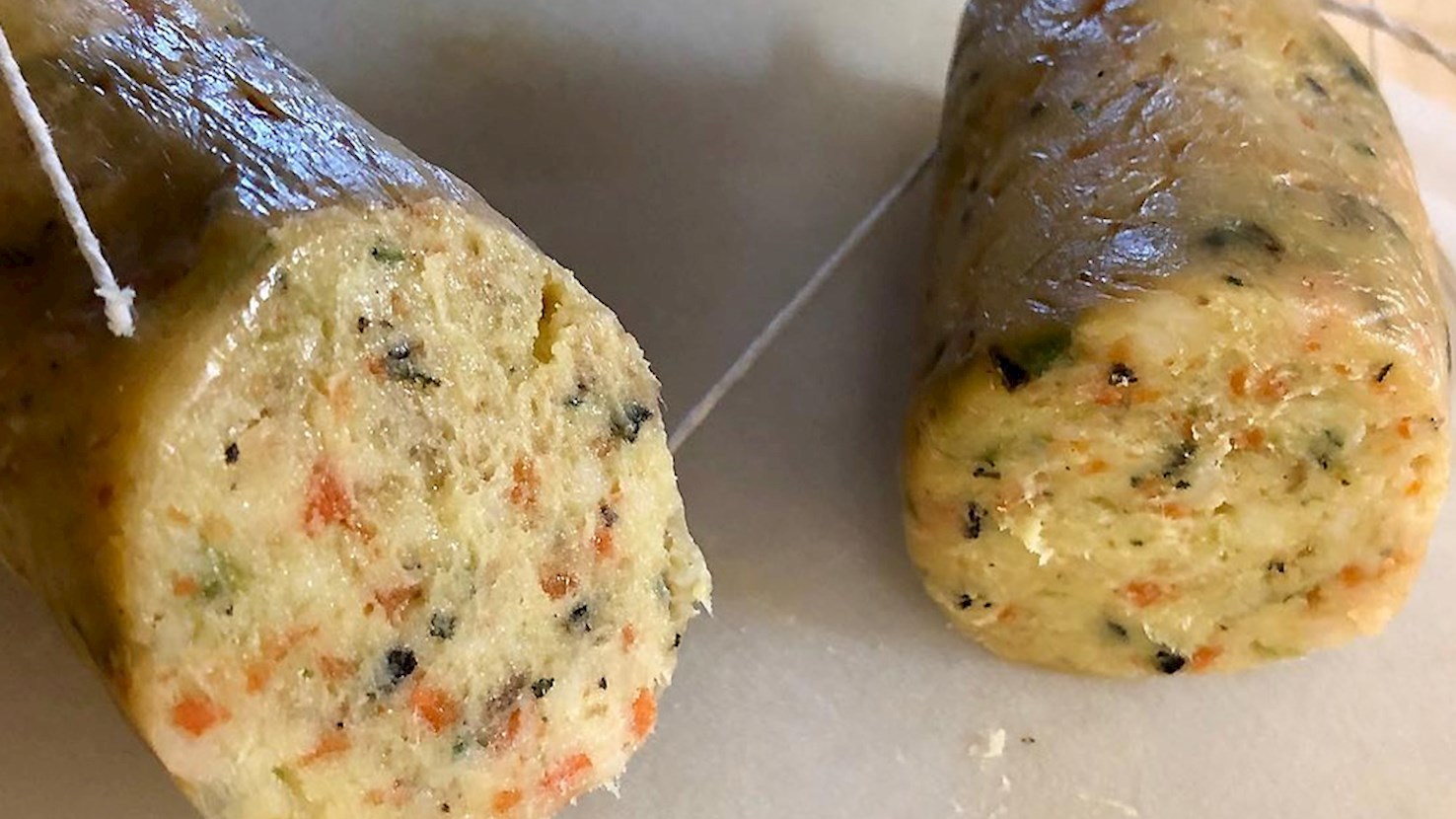
Pestàt di Fagagna is an unusual Italian sausage originating from Fagagna in the province of Udine. The pestàt is made in order to preserve the aromas and flavors of vegetables and herbs in pork lard. In Fagagna, the pork butchers known as purcitâr start to learn the tricks of their trade as teenagers – they mix minced celery, carrots, leeks, onions, rosemary, garlic, sage, and parsley with ground lard. The mixture is seasoned with salt, pepper, allspice, and cinnamon, and it's then stuffed into natural casings that are left to age in cold and humid cellars from a few weeks up to a year. Although the pestàt is technically a type of sausage, it's not eaten on its own, but used as a condiment or a base for local dishes.

08

Strutto di Mora Romagnola

n/a ·

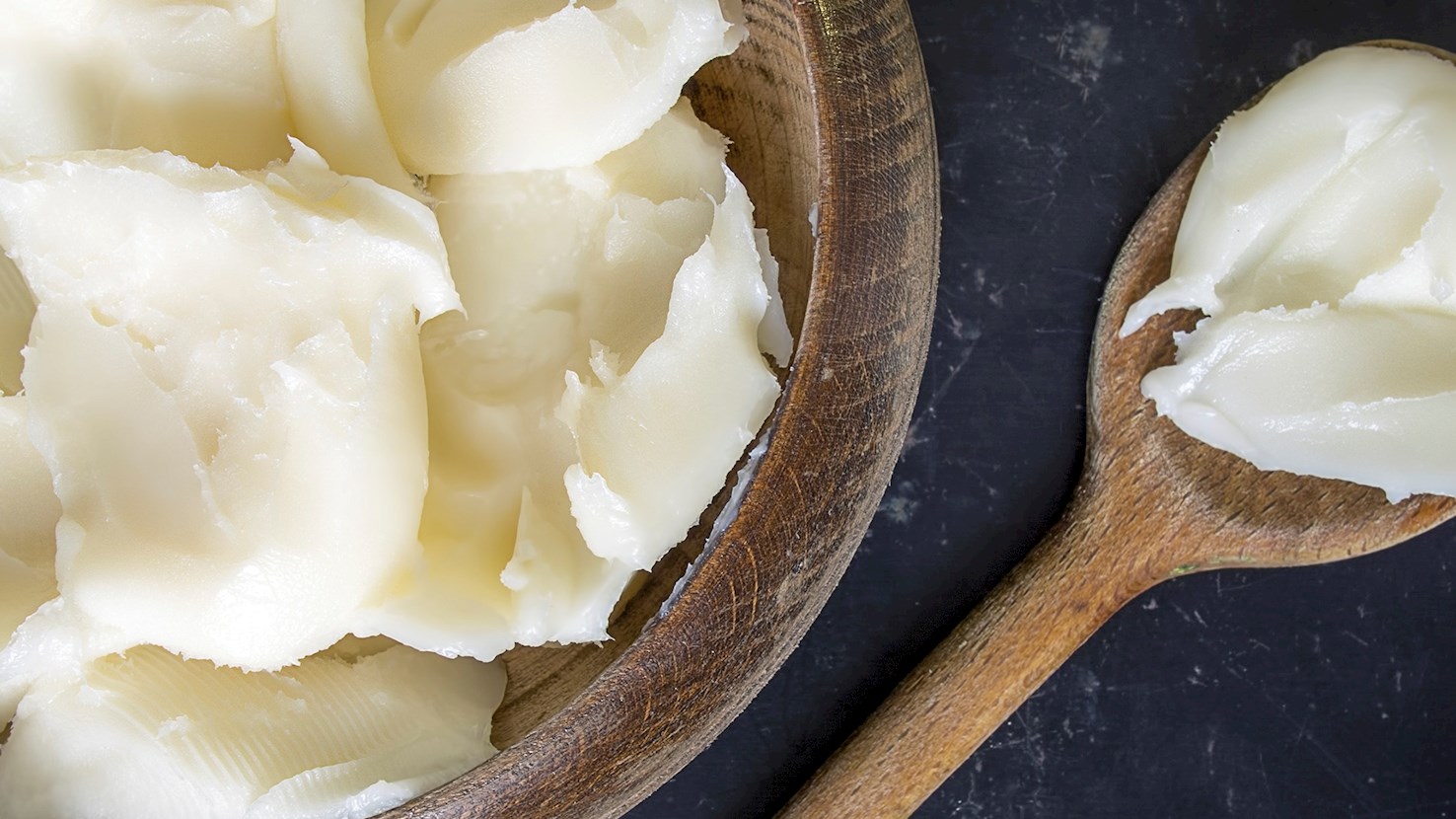
Mora Romagnola is a very special breed of dark brown, almost black pigs from the Italian region of Emilia-Romagna. Semi-wild, looking more like boars than pigs, these large animals are farmed outdoors, left to roam wild in the woods. Due to their healthy lifestyle and particular genetics that makes them predisposed to fattening, their meat is especially succulent and tender, much tastier than other pork. Particularly renowned is their lard – due to the chemical composition rich in polyunsaturated fatty acids, strutto di Mora Romagnola is extremely tender and delicious, with a sweet, yet very delicate flavor that makes it superior to other similar products. Strutto di Mora Romagnola has a very important role in local cuisine, it is generally used for baking and frying, but it is also a must-have ingredient when preparing the famous piadina Romagnola, or local desserts such as castagnole or sfrappole.

Read more
View all
View map
About this ranking

TasteAtlas food rankings are based on the ratings of the TasteAtlas audience, with a series of mechanisms that recognize real users and that ignore bot, nationalist or local patriotic ratings, and give additional value to the ratings of users that the system recognizes as knowledgeable. For the “Top 8 European Pork Fats” list until June 04, 2026, 291 ratings were recorded, of which 197 were recognized by the system as legitimate. TasteAtlas Rankings should not be seen as the final global conclusion about food. Their purpose is to promote excellent local foods, instill pride in traditional dishes, and arouse curiosity about dishes you haven’t tried.

The initial list of top producers was compiled based on available reviews, awards, local recommendations, media and blog coverage, and consumer reviews. The list will be updated with ratings from TasteAtlas local ambassadors and TasteAtlas users.

Similar lists