


shutterstock

Top 28 Porks
in the World

Last updated on June 24, 2026
01

Carne de Porco Alentejano

4.3 ·

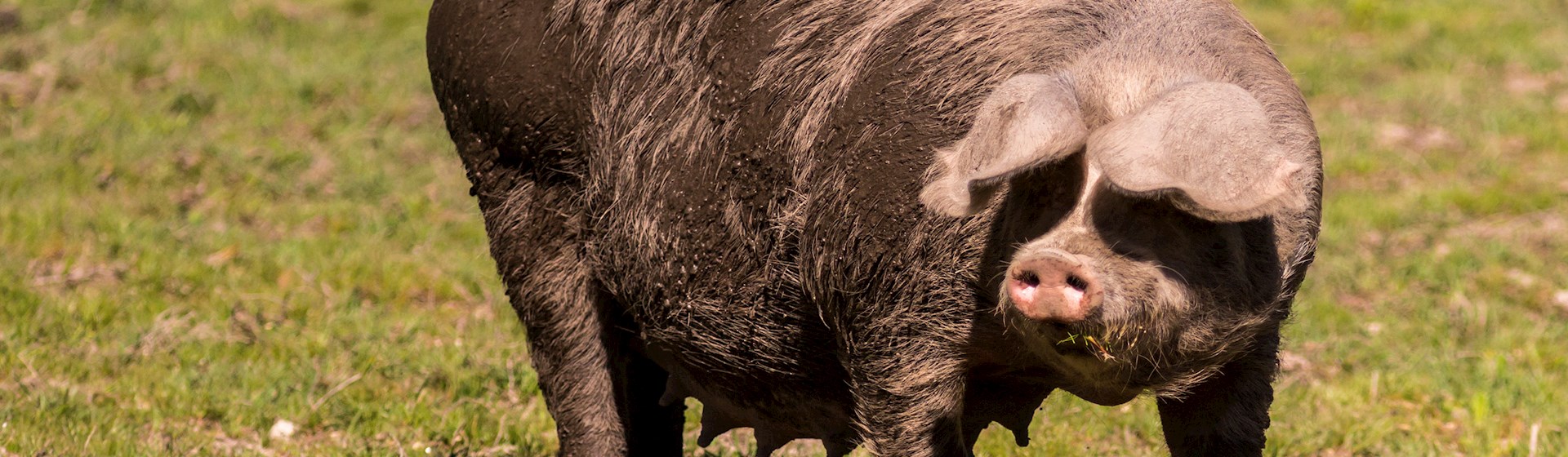
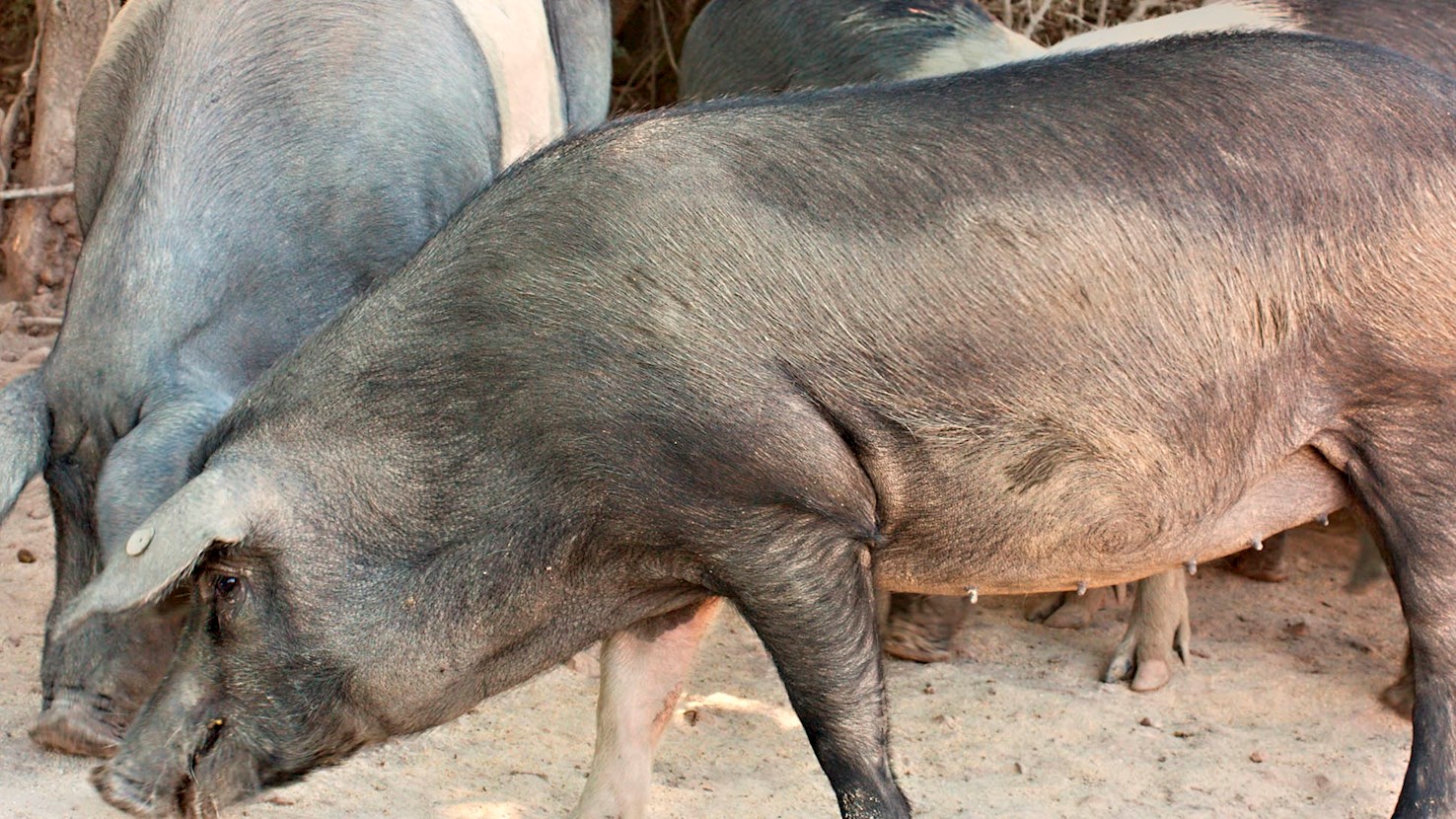
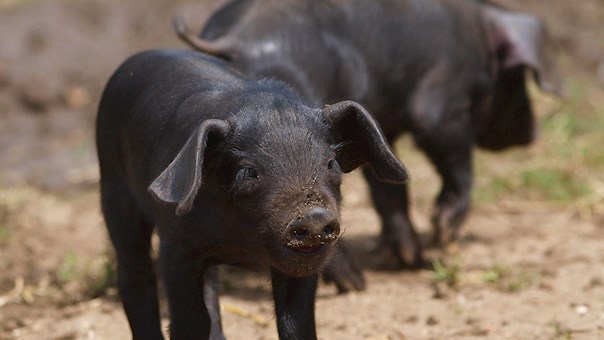
This meat is taken from Alentejo pigs, a traditional Mediterranean breed with African origins. Its fine-grained, tasty, succulent meat is the result of a special diet of acorns and herbs that the animals graze on. The color of the meat ranges from pale to dark pink depending on the age of the animal. Carne de Porco Alentejano is used in the production of sausages, ham, bacon, farinheiras, morcilhas, and black puddings in Barrancos and Portalegre. As this pork is very flavorful, it is usually prepared with as little seasoning as possible, and most traditional recipes use nothing more than salt, olive oil, garlic, ground pepper, and herbs such as coriander, parsley, or bay leaf.

02

Carne de Bísaro Transmontano

4 ·

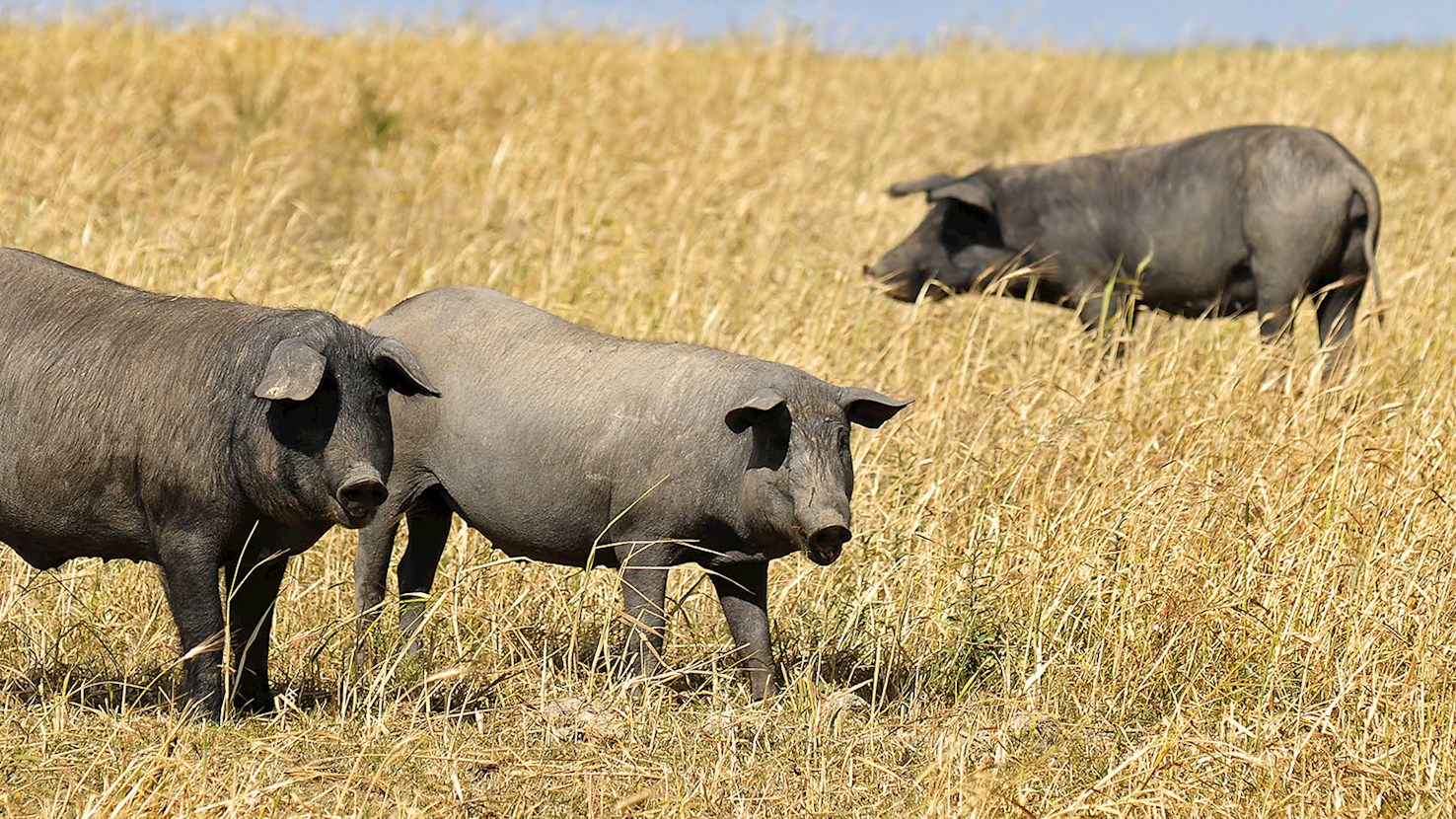
This meat is taken from Bísaro pigs raised in the districts of Bragança and Vila Real in northern Portugal. Bísaro pigs are fed with local agricultural products, especially chestnuts. Bísaro Transmontano pork is light red in color, the meat is soft and succulent, and it has a distinctive flavor stemming from the special diet the pigs are fed on. Bísaro Transmontano pork is used mainly for making Fumeiro, a famous Portuguese cured and smoked sausage. Bísaro pork is also used in traditional dishes such as roast pork or transmontana feijoada.

03

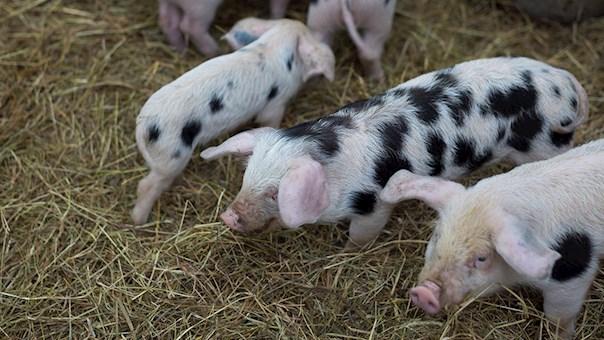
Traditionally farmed Gloucestershire Old Spots pork

3.8 ·

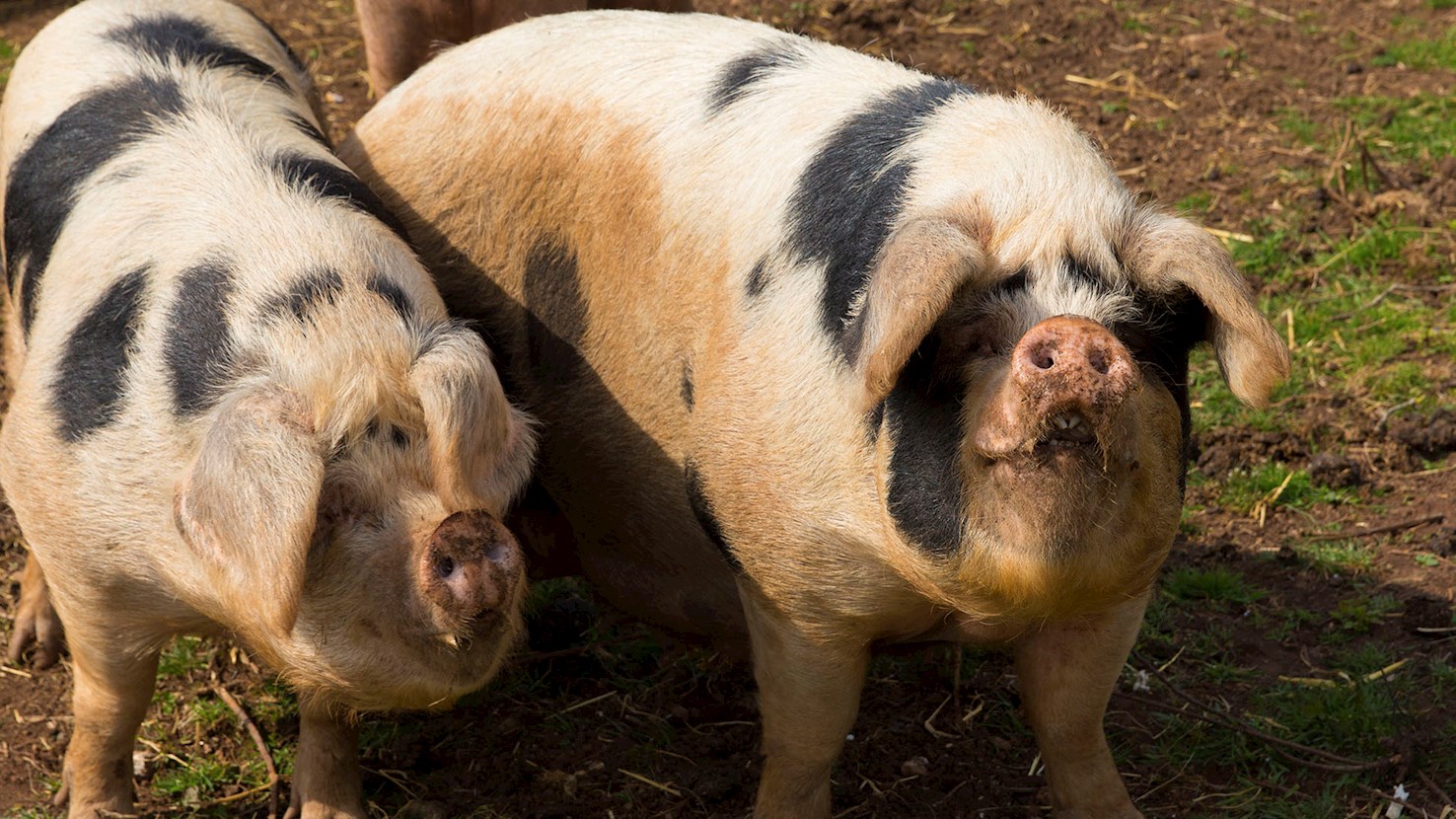
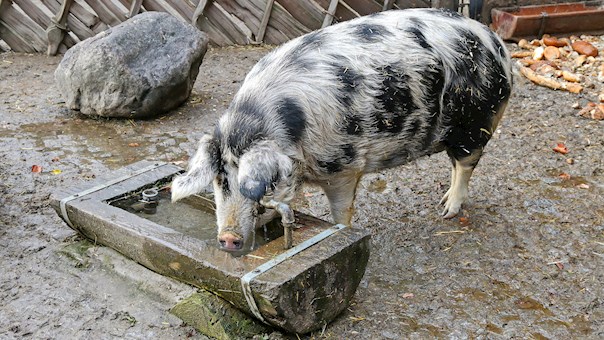
Old spots pork is differentiated from other, conventionally produced pork, by its greater fat, smaller and darker muscles, higher tenderness, juiciness and retention of moisture and a completely different flavor. It is sold as cuts such as legs, chops, shoulders, ribs, belly, bacon, sausages and hams. It's traditionally farmed, meaning that the pork was born and reared in a natural indoor or outdoor environment with the growers providing the best care for the animals.

04

Schwäbisch-Hällisches Qualitätsschweinefleisch

3.7 ·

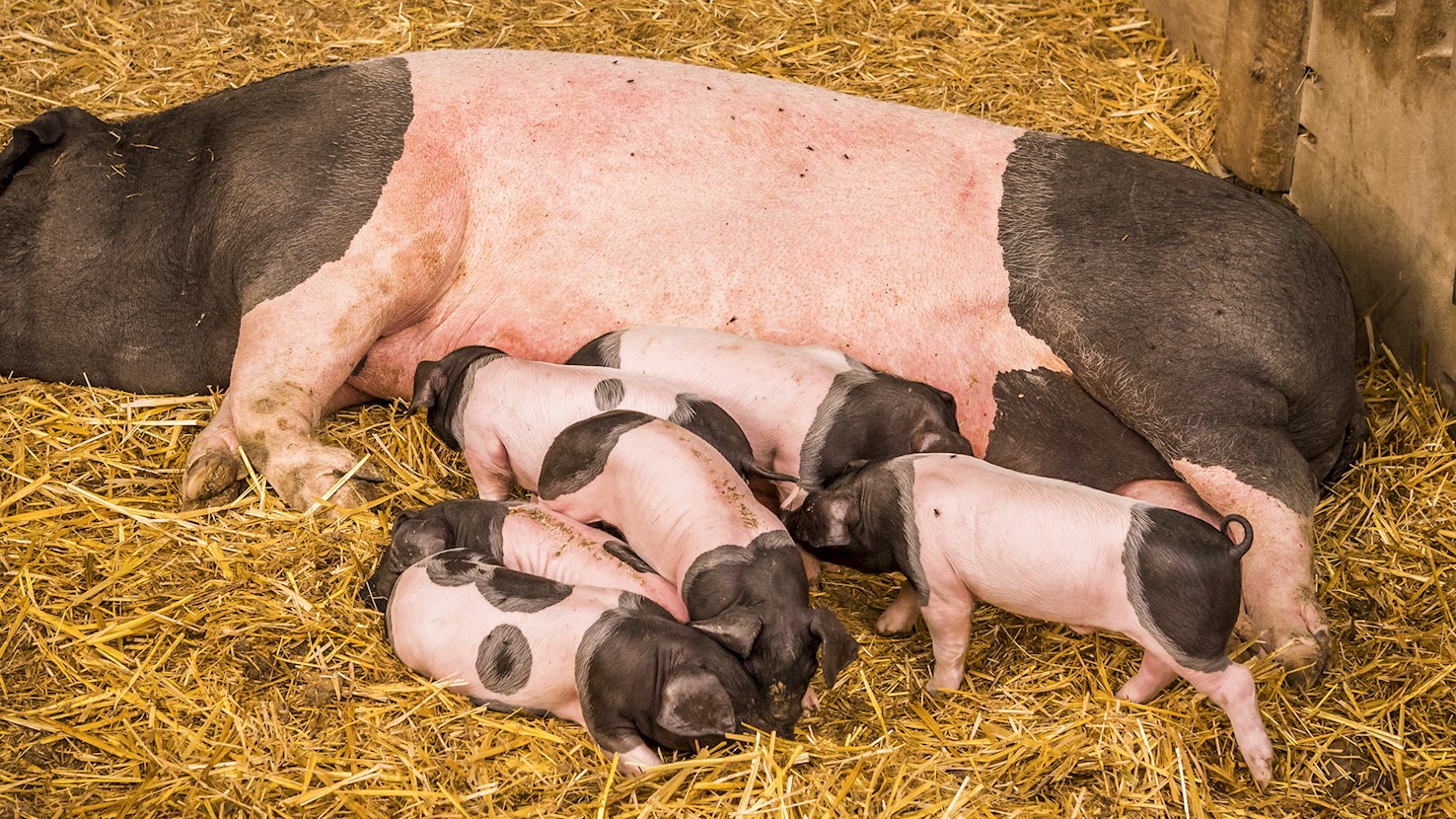
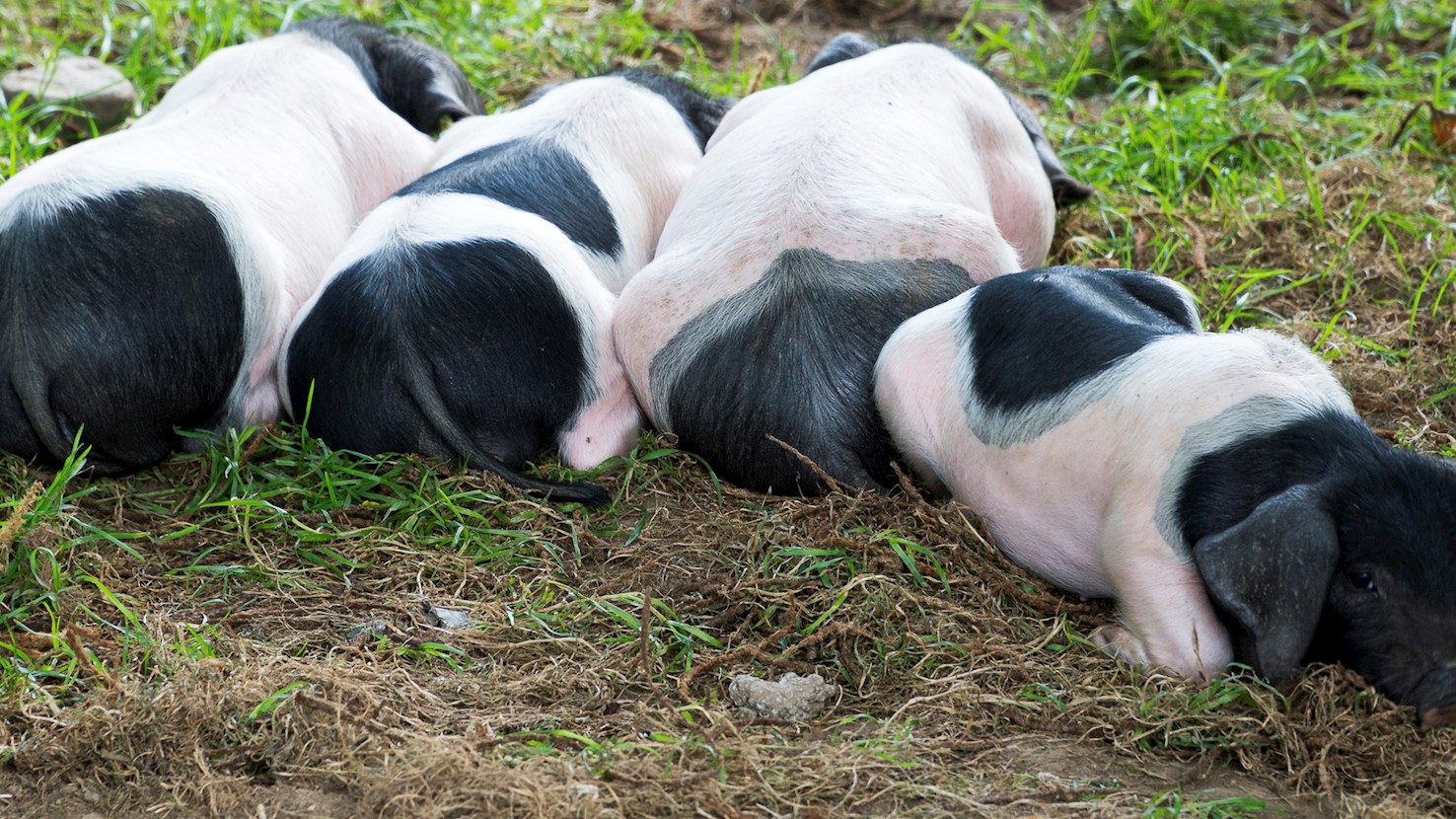
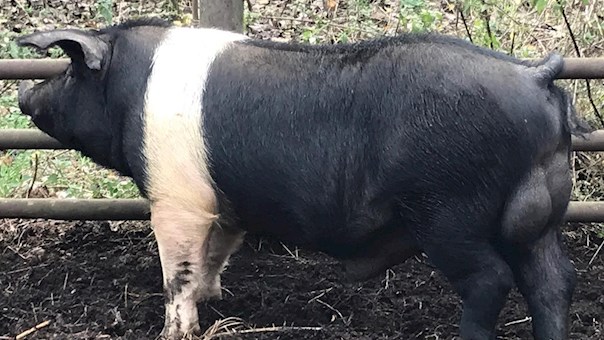
The Schwäbisch-Hällisches Landschwein pig breed emerged around 1820 as a result of crossing Chinese saddleback pigs with the existing wild pig population in Schwäbisch Hall in Baden-Württemberg, Germany. The Chinese pigs were imported with the intent of creating a new breed of pig with the perfect balance between fat and lean meat. These pigs possess a natural layer of fat, and their flesh is firmer and darker than that of other breeds. These characteristics make it popular today among gourmet chefs, who have nothing but praise for this unique meat and its incredible flavor. To ensure the high quality and special taste of the pork, these pigs are supplied with feed that is exclusively vegetarian and does not contain genetically modified organisms, additives, or growth promoters. In addition to its amazing flavor, it is also very healthy as it is high in low-density lipoprotein cholesterol and Omega-3 fatty acids.

05

Cinta Senese

n/a ·

Named after the province of Siena in Tuscany and the Italian word la cintura, meaning belt, referring to a distinctive white stripe which runs through this pig's coarse black hair, Cinta Senese is widely known for excellent meat quality and it is considered to be the progenitor of all Tuscan pigs. From its original environment, a densely forested hilly area of Montagnola Senese, Cinta breeding had spread to neighboring Tuscan provinces, Arezzo and Grosseto. The gamey meat of pasture-raised Cinto pigs isn't built up with toxins, but packed with healthy unsaturated fats and, compared to other pork, it can cost up to three times as much! Apart from common pork cuts, the exceptional quality of this succulent meat makes it well-suited for charcuterie of all kinds, including the remarkable Soppressata Toscana: an uncured brawn-like salami made from boiled pig heads and leftover parts (nothing goes to waste!), seasoned with nutmeg, cinnamon, orange, and lemon.

06

Cerdo de Teruel

n/a ·

Cerdo de Teruel refers to pork that originates from the Teruel province in Aragon, Spain. This area is known for its high-quality pork products, particularly for the jamón de Teruel, which is a type of cured ham similar to but distinct from the more widely known jamón Ibérico. The pigs raised in Teruel are of particular breeds (Landrace and Large White) that are well-suited to the local conditions. These animals are typically allowed to roam in large, open spaces, which contributes to the quality of their meat through natural exercise and a stress-free environment. The diet of the pigs is carefully controlled and includes a mixture of natural feed, which can include grains, legumes, and sometimes even acorns. The PGI designation "Cerdo de Teruel" ensures that the pork products meet certain quality standards and are produced within the geographical confines of Teruel. This not only helps in maintaining the traditional methods of pork production but also supports the local economy by promoting regional specialties.

07

Viande de Porc Marque Nationale Grand-Duché de Luxembourg

n/a ·

Viande de Porc de la Marque Nationale Grand-Duché de Luxembourg refers to pig meat produced by around 40 farmers throughout the country using exclusively non-industrial methods. The origin of pigs is not regulated, but it is important to feed them for at least three months with a fattening mixture containing at least 60% cereal, up to 1.5% polyunsaturated fatty acids and no fishmeal. Once the pig has reached the ideal weight, it is butchered and transported to the retailers. The quality and specific character of Viande de porc meat led to its high reputation among consumers. Its color is red with some visible veining. It has a thin layer of fat which contributes to the succulent taste of the meat. Usually, it is prepared by roasting, grilling or stewing and exquisitely accompanies dry wines or beers.

08

Kakhuri ghori

n/a ·

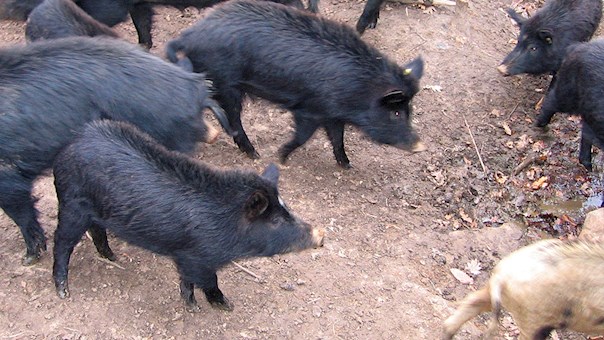
The Kakhuri Ghoi pig, an indigenous breed from the Kakheti region of Georgia, is known for its easy domestication and adaptability to local environments. Thanks to the history of decline starting in the 1930s due to crossbreeding in Soviet farms aimed at increasing productivity, this breed suffered from a dilution of its unique biological characteristics. Characterized by their elongated snout and rough bristles, Kakhuri Ghoi pigs are typically black or dark grey, though red variants also exist. Adult sows weigh 50-70 kg, while boars reach 100-120 kg. These pigs, which can forage in the forest without needing additional food, especially during summer, have low husbandry costs for farmers. They farrow once a year, producing litters of 6 to 7 striped piglets, with a sow's milking capacity reaching 20 to 25 liters. The Kakhuri Ghoi pig is valued for its meat, a staple in various hot Georgian dishes, and is used to produce smoked ham. This breed is particularly noted for its adaptability to the local environment and ability to thrive on the sparse vegetation in its native habitat. As with many traditional livestock breeds, the Kakhuri Ghoi pig faces challenges from modernization and the shift towards more commercially viable breeds. Efforts to preserve such native breeds are important for maintaining agricultural diversity, protecting genetic resources, and preserving cultural traditions associated with local cuisines and farming practices.

09

Kintoa

n/a ·

Kintoa pork comes from renowned pie noir du Pays Basque, farmed outdoors in small herds, feeding only on acorns, chestnuts, and ferns. The meat has a pronounced red color, marbled with white to pink intramuscular fat, and once cooked, it becomes very juicy, soft, and tender, with an intense flavor reminiscent of spices and nuts. Due to a slow growth, this breed of pigs develops significantly more fat than other commercial breeds, which makes it excellent for curing - Kintoa pork is used to make famous jambon du Kintoa, or Kintoa ham, and many other traditional products such as boudin, chicons, bacon and cured jowl.

10

Porc du Sud-Ouest

n/a ·

Porc du Sud-Ouest is fresh pork meat from pigs born and reared in the South-Western France in the regions of Aquitaine, Midi-Pyrénées and Poitou-Charentes, specific for rearing pigs for a long time and with a tradition of using dent maize to feed the animals. At the time of slaughter, the carcasses must minimally weigh 90 kilograms, and they are sold fresh as whole carcasses, halves, cuts or boned meat. The meat has high amounts of polyunsaturated fatty acids, lipids and vitamin E. It has a redder color than regular pork, and it is tender, juicy, with an intense, strong taste when cooked. Enjoy this unique meat with caramelized fruit, in corn salads, with gnocchi, roasted, grilled or stewed.

About this ranking

TasteAtlas food rankings are based on the ratings of the TasteAtlas audience, with a series of mechanisms that recognize real users and that ignore bot, nationalist or local patriotic ratings, and give additional value to the ratings of users that the system recognizes as knowledgeable. For the “Top 28 Porks in the World” list until June 24, 2026, 201 ratings were recorded, of which 102 were recognized by the system as legitimate. TasteAtlas Rankings should not be seen as the final global conclusion about food. Their purpose is to promote excellent local foods, instill pride in traditional dishes, and arouse curiosity about dishes you haven’t tried.

Similar lists