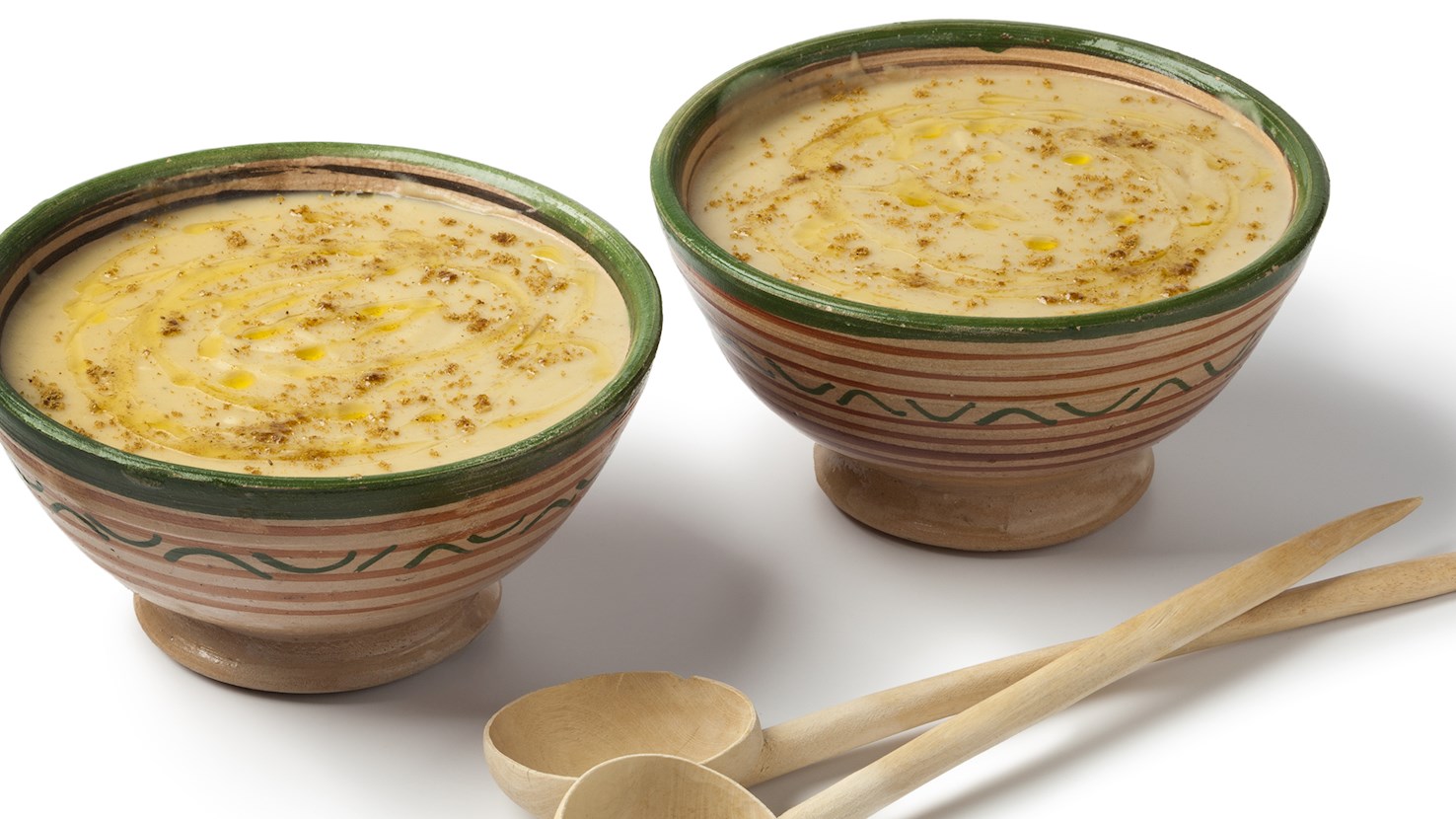
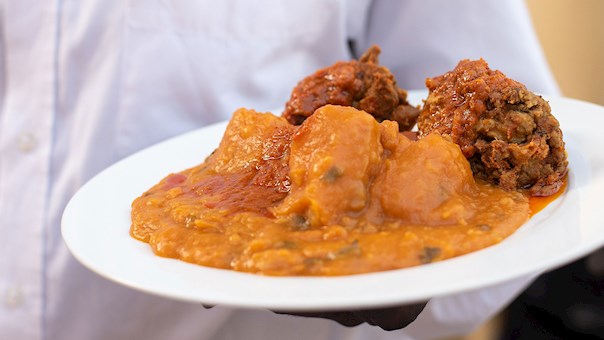
Bissara is a comforting Egyptian and Moroccan dish made with puréed beans – either split peas or dried fava beans. It can be prepared in the form of a soup or porridge, while the thicker versions are commonly used as a dip. The puréed beans are typically seasoned with olive oil, lemon juice, and garlic, and the dish is often served with paprika and cumin on the side, while crusty bread is almost mandatory. Bissara is traditionally served for breakfast, and it is especially popular during winter.
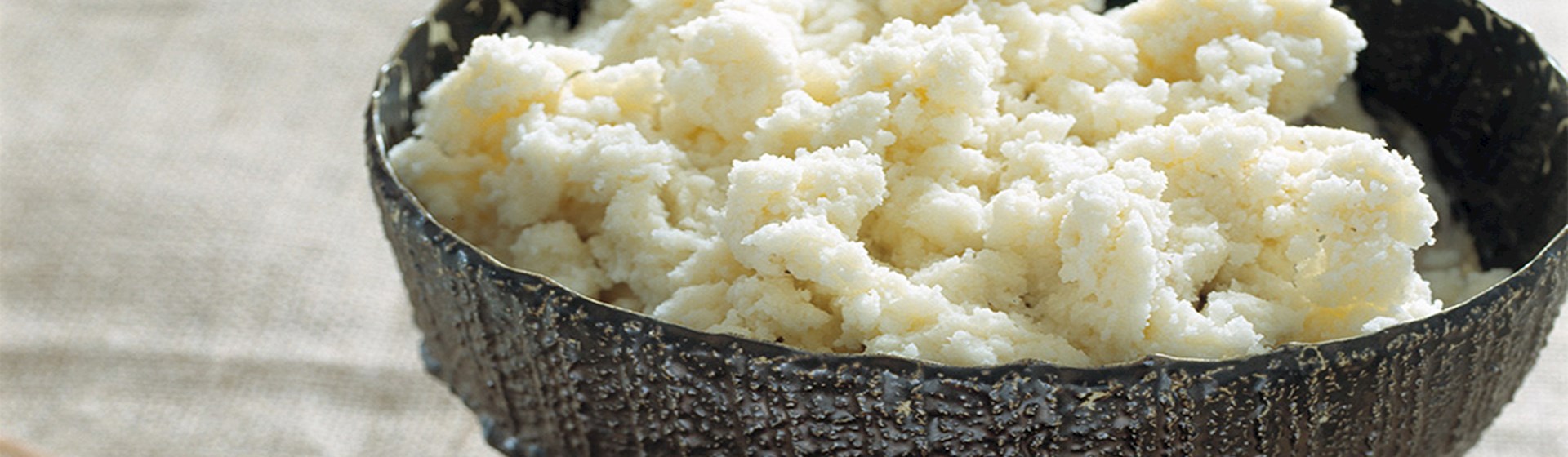
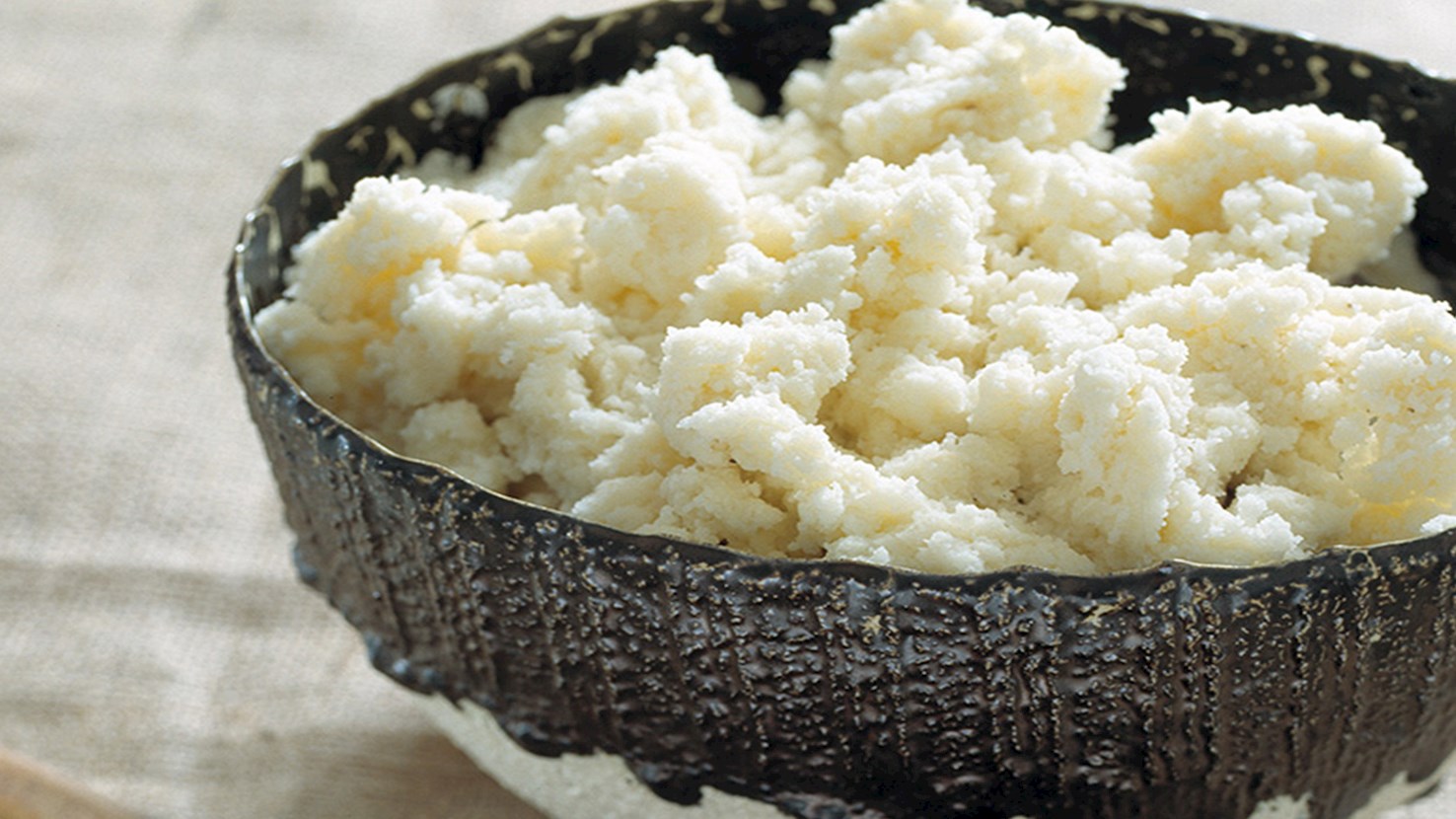
Phutu is a traditional porridge made by steaming maize meal until it develops a crumbly, grainy texture. It is one of the staple foods in the country, and it's regularly consumed by most cultural groups. When served, phutu is typically accompanied by vegetables, sour milk, beans, or meat.
La bouillie is a Chadian breakfast made with rice or wheat combined with milk, flour, and peanut butter. The dish is always served hot after it has been boiled to a thick consistency. Although it is typically prepared with the aforementioned ingredients, la bouillie is often modified with other ingredients, depending on which ingredients are available in each household.
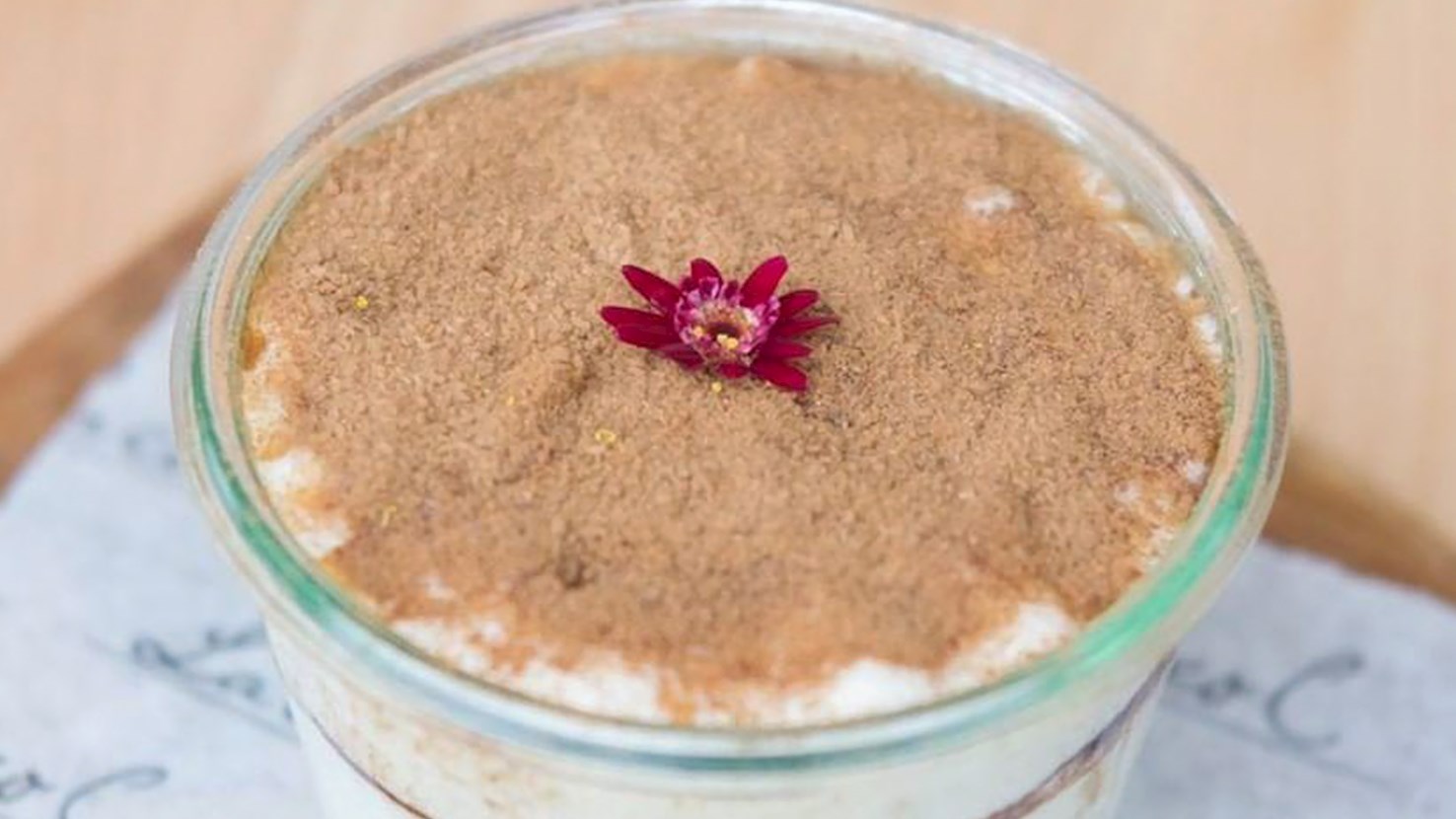
Melkkos is a warm, milk-based meal thickened with buttery flour crumbs, strips of fresh dough, sago, or pasta and finished with cinnamon sugar. Its name means “milk food” in Afrikaans. Depending on the version, it can resemble a thick porridge, a loose pudding, or noodles suspended in sweetened milk. Melkkos is strongly associated with Afrikaner food culture and the farming communities of the Cape interior. It is often linked with Dutch settlement at the Cape after the Dutch East India Company established a refreshment station there in 1652. Still, there is no surviving evidence that fixes its creation to that year or proves that it descended directly from one specific European recipe. European milk porridges, sweetened milk soups, flour-thickened broths, and noodle puddings provide likely historical precedents. The old Dutch term melkspijs, meaning milk-based food, belongs to this broader culinary background. Similar combinations of milk, starch, sugar, and spices also occur in Cape Malay boeber and several European and Asian milk puddings. Melkkos therefore developed within a wider Cape food culture shaped by European, Asian, and local influences rather than through one simple line of descent. The ingredients suited rural households because milk, flour, butter, sugar, salt, and cinnamon could be stored or obtained with relative ease. Dairy farming made fresh milk readily available, while flour supplied inexpensive starch and body. A large pot could provide a filling supper during cold weather without requiring meat or an extensive collection of ingredients. The claim that melkkos was created specifically to stretch small wheat supplies during inland migration is plausible but not firmly documented. It was economical and filling, yet the amount of flour used in the crumb version is relatively modest compared with the large volume of milk. Its main advantage was turning basic pantry ingredients into a warm, substantial meal. One of the best-known forms is made with coarse flour-and-butter crumbs called frummels. Cold butter is rubbed into plain wheat flour with a pinch of salt until uneven pieces form. The texture should resemble coarse crumbs rather than a smooth dough. Some pieces remain very small, while others form larger lumps that retain a soft, slightly chewy center after simmering. Whole milk is heated in a heavy saucepan with a cinnamon stick. Sugar can be added to the milk during heating or supplied entirely at the table. Vanilla, lemon peel, orange peel, or a small amount of nutmeg may also be used, although cinnamon remains the defining flavor. The milk should be brought to a gentle simmer rather than an uncontrolled rolling boil. Milk catches easily on the base of a hot pot and can rise suddenly over the rim. Regular stirring with a wooden spoon or whisk keeps it moving and reduces the risk of scorching. The flour crumbs are scattered gradually into the hot milk rather than dropped in as one compact mass. Gentle stirring keeps them separated while allowing some small fragments to dissolve into the liquid. The flour starch swells and thickens the milk, while the larger buttery pieces remain visible. The mixture usually simmers for about ten to twenty minutes, depending on the size of the crumbs and the desired consistency. Constant aggressive whisking is unnecessary and can break every lump apart, producing an entirely smooth result. Some versions are deliberately whisked until creamy, while others retain the irregular flour pieces that define frummel-style melkkos. A second major form is melksnysels, often shortened to snysels. Instead of rubbing flour and butter into crumbs, flour is mixed with egg, water, salt, and sometimes butter to make a firm dough. The dough is kneaded briefly, rolled into a thin sheet, and sliced into narrow ribbons resembling handmade noodles. The raw strips are lowered into simmering milk and heated until tender. Their starch thickens the surrounding liquid while the ribbons remain distinct. Some versions dry the strips briefly before boiling, while others add them immediately after cutting. The result is less crumbly than frummel melkkos and has a more pronounced noodle-like texture. Sago melkkos replaces the wheat crumbs or dough strips with small sago pearls. The pearls are simmered in milk until swollen and nearly translucent. They need enough time and liquid to soften completely, but they do not always require longer cooking than handmade dough. Soaking them beforehand can shorten the simmering time. Sago gives the milk a glossy, softly gelatinous body rather than the floury thickness of the crumb version. Cinnamon sticks, sugar, vanilla, and citrus peel are particularly well suited to it. Cornstarch may be added if a firmer texture is desired. A further variation uses macaroni, vermicelli, or another small dried pasta. The pasta is simmered directly in the milk or partly boiled in water before being transferred to it. Cooking it entirely in milk releases starch into the liquid, but the heat must remain low enough to prevent scorching before the pasta softens. Macaroni creates a heavier and more substantial form, while vermicelli produces finer strands closer to the texture of boeber. Cornstarch, flour, condensed milk, or custard powder may be added in modern versions to thicken or sweeten the surrounding milk. Pasta-based melkkos is established in household cooking but is not the only standard form. Melkkos is ladled into deep bowls while still hot. White or brown sugar is mixed with finely ground cinnamon and scattered generously across the surface. The sugar begins dissolving against the warm milk, forming a lightly spiced syrup around the flour crumbs, noodles, sago, or pasta. A small piece of butter may be placed in the center, where it melts into the hot porridge and adds further richness. This is an optional household variation rather than an essential final step. Additional milk can be poured over an excessively thick serving, while condensed milk creates a sweeter, creamier finish. Melkkos is usually eaten with a soup spoon. It has long served as a simple lunch or evening meal, particularly during cold weather. It can also be offered for breakfast, as an afternoon sweet, or as a warm dessert. Melkkos is especially popular during the colder, winter days.
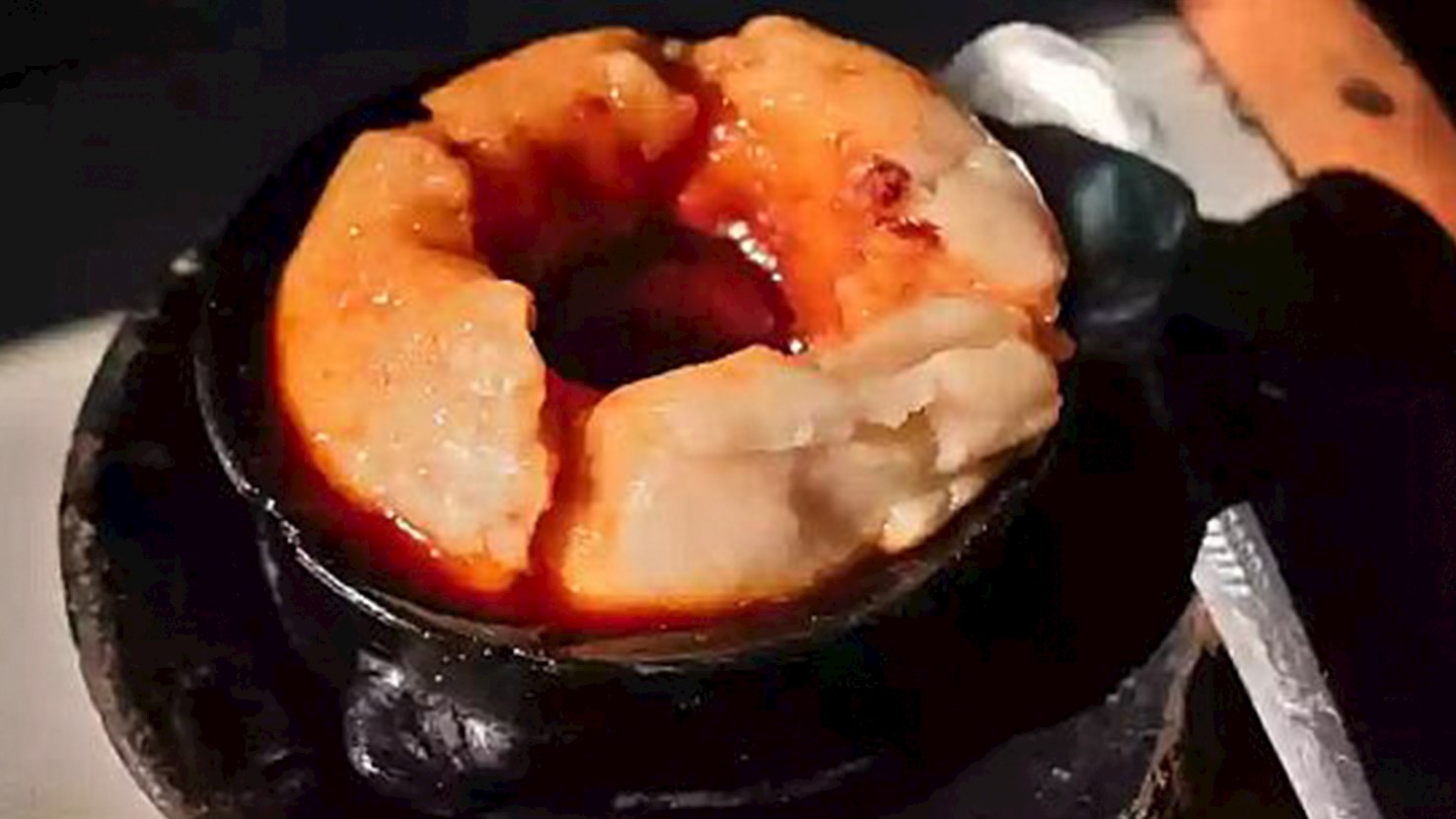
Genfo or ga'at is a simple Ethiopian and Eritrean porridge that is commonly consumed for breakfast, made by adding dry-roasted barley flour or wheat flour to boiling water and stirring the concoction with a wooden utensil until it develops a smooth, yet extremely thick consistency. The porridge is then transferred to a bowl, shaped into a mound, and a hole is created in the center, usually by using a finjal (Ethiopian coffee cup). The well is filled with clarified spiced butter niter kibbeh (it will usually be made with spices like besobela known as Ethiopian sacred basil, koseret, fenugreek, cumin, coriander, turmeric, Ethiopian cardamom, cinnamon, or nutmeg ) and berbere, a mix of chili peppers and up to 20 different spices. Genfo is traditionally consumed as it is, although it can be accompanied by a scoop of yogurt. The dish is often shared and consumed by pulling the thick porridge pieces from the outside and dipping them into the spice blend in the center.
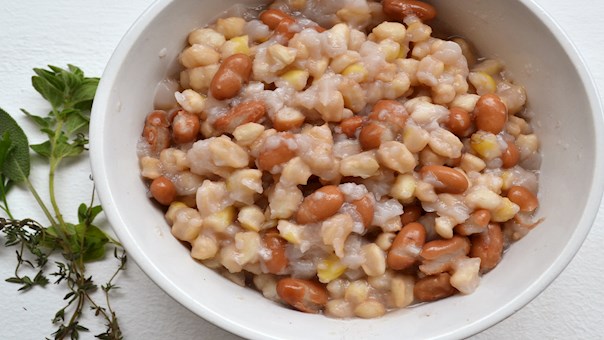
Sishwala is a traditional porridge originating from Eswatini (formerly known as Swaziland). It is made with a combination of corn flour, salt, water, and dried beans. The beans should be soaked overnight, then drained, covered with water, and seasoned with salt. The combination is cooked until tender, and maize is added near the end of cooking. The whole thing is mixed well before serving. This porridge is typically served alongside meat or vegetables.
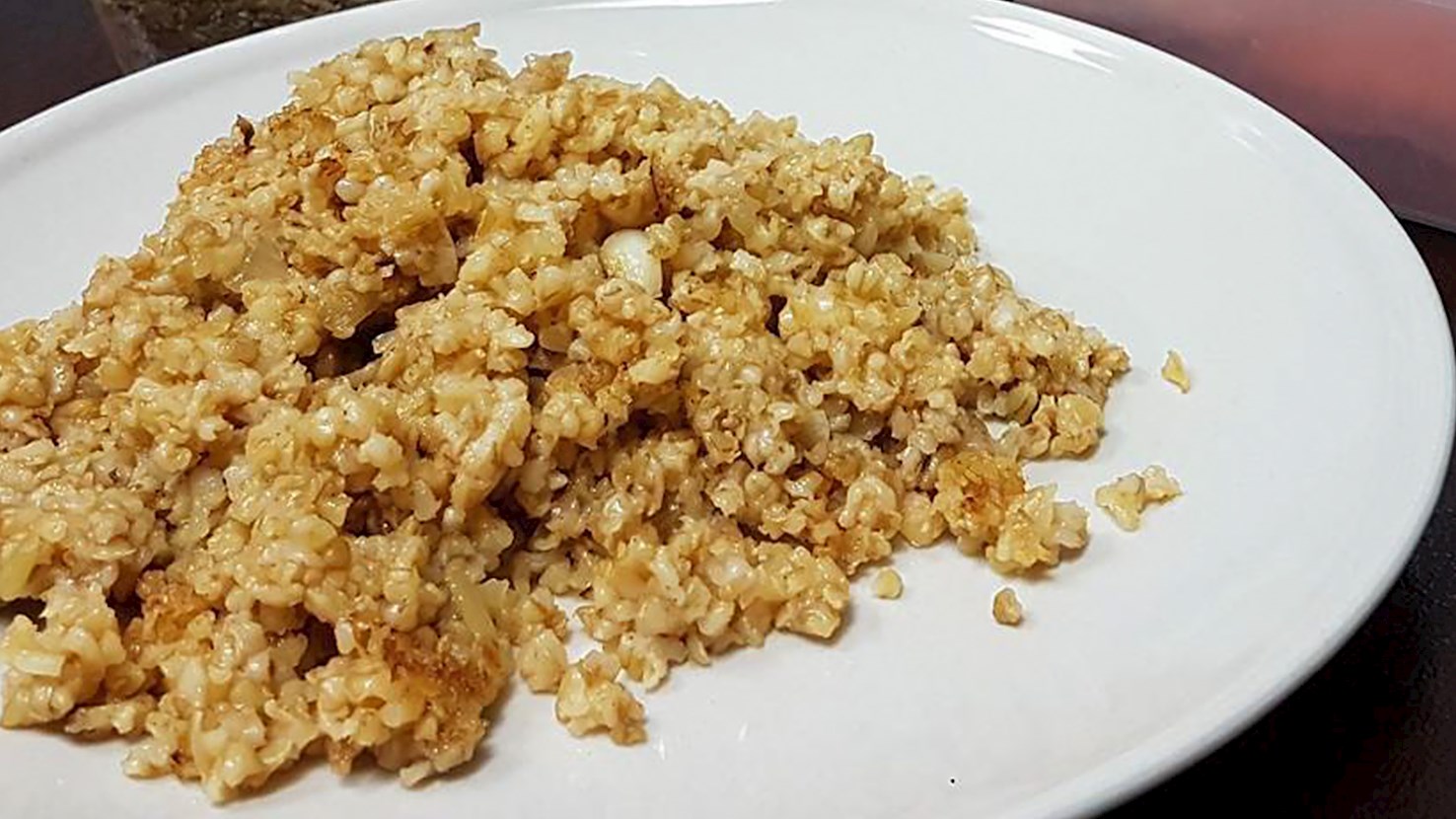
Simple, nutritious, and inexpensive, kinche is an Ethiopian breakfast staple made with cracked wheat that is boiled in either water or milk. The best way to describe kinche would be as the Ethiopian equivalent of oatmeal. After it has been cooked, kinche is added to the pan with either clarified spiced butter known as niter qibe or with oil and fried onions, although kinche can also be consumed without any flavorings.
Xerem de festa is a traditional dish originating from Cape Verde. The dish is usually made with a combination of coarsely ground corn (xerem), pork fat, onions, and pork. The xerem is soaked in water with pork fat and onions. The next day, the pork fat, sliced onions, and cubes of pork meat are placed into a large pot and mixed with the xerem. The mixture is covered with water, brought to a boil, and simmered until all of the liquid is absorbed, and the dish is then ready to be enjoyed. Xerem de festa is typically prepared for weddings.
Papa is a Basotho staple food, a stiff porridge made from maize or corn. Maize meal is cooked with water in a large pot, usually over a wood fire. It looks mushy and soft during the cooking process, but once it's cooled down, it becomes stiff and solid. Due to the fact that papa has almost no nutritional value, if the conditions allow it, the dish is served with greens, beans, or (less likely) with meat. Once served (every day in Lesotho!), papa is traditionally eaten with the fingers.
Meat and pap is the unofficial national dish of Namibia. It consists of pap, a traditional porridge made from ground maize that's usually accompanied by meat, but it can also be eaten with cabbage or fish. In the north of the country, however, pap is usually made from pearl millet, called mahangu. When properly prepared, pap should look like a white gloopy mass without any lumps. Due to the fact that many Namibians only eat one meal per day, meat and pap is often served for dinner.
TasteAtlas food rankings are based on the ratings of the TasteAtlas audience, with a series of mechanisms that recognize real users and that ignore bot,
nationalist or local patriotic ratings, and give additional value to the ratings of users that the system recognizes as knowledgeable.
TasteAtlas Rankings should not be seen as the final global conclusion about food. Their purpose is to promote excellent local foods,
instill pride in traditional dishes, and arouse curiosity about dishes you haven’t tried.





What People Say